

Carbon credits are financial instruments that represent one metric ton of carbon dioxide (CO2) removed or prevented from entering the atmosphere. They provide a market-based solution for companies and individuals to offset their carbon footprint by f Read more
Trending Tree Plantations - Most Popular Environmental Programs
-
Trees for Mother
Regular price ₹ 299Regular priceUnit price per -
Trees to Honor the Memory of your Loved Ones
Regular price ₹ 299Regular priceUnit price per -
Trees for Women's Day (8th Mar)
Regular price ₹ 299Regular priceUnit price per -
Trees for Wedding Anniversary Celebration
Regular price ₹ 299Regular priceUnit price per -
Trees for Grandmother
Regular price ₹ 299Regular priceUnit price per





Trees for Corporates - Achieve Net Zero Targets Through Strategic Tree Planting
-
 Project Closed
Trees by LIFT Team for Green Diwali: Transform Your Festival
Regular price ₹ 299Regular priceUnit price per -
Trees for a Greener Tomorrow - by Mahindra Lifespaces
Regular price ₹ 299Regular priceUnit price per -
Trees for Environment Day: Plant Your Impact on June 5th
Regular price ₹ 299Regular priceUnit price per -
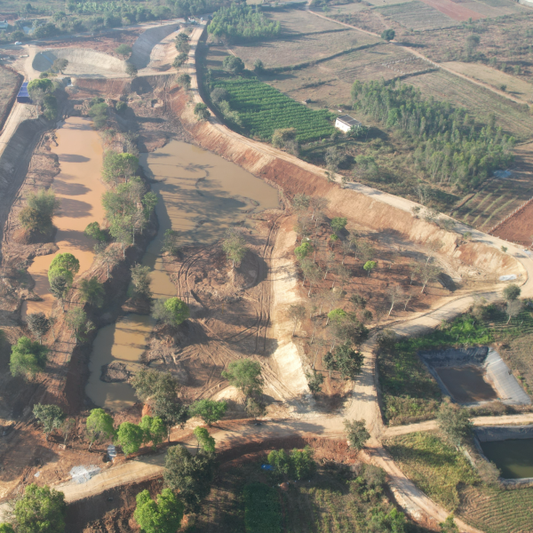 Project Closed
Trees for Bangalore: Plant Native Trees in Garden City ₹299
Regular price ₹ 799Regular priceUnit price per -
Trees for Employees: Transform Your Corporate Culture in 2026
Regular price ₹ 299Regular priceUnit price per



What are Carbon Credits? Complete Guide to Climate Finance
Carbon credits are financial instruments that represent one metric ton of carbon dioxide (CO2) removed or prevented from entering the atmosphere. They provide a market-based solution for companies and individuals to offset their carbon footprint by funding projects that reduce greenhouse gas emissions. Through carbon credits, organizations can achieve their Net Zero Targets while supporting global climate action initiatives.
Understanding Carbon Credits: The Basics
A carbon credit equals one metric ton of CO2 equivalent emissions. To put this in perspective, approximately 50 mature trees absorb that much CO2 annually. This connection between trees and carbon absorption highlights why initiatives like Plant a tree in your Name contribute meaningfully to carbon offset strategies.
The carbon credit system operates on a simple principle: organizations that exceed their emission reduction targets can sell surplus credits to those struggling to meet their goals. This creates a financial incentive for emission reductions while allowing flexibility in how companies achieve their climate commitments.
Types of Carbon Credits
✅ Certified Emission Reductions (CERs)
CERs are issued by the United Nations Framework Convention on Climate Change under the Clean Development Mechanism (CDM). These credits are generated by projects that reduce greenhouse gas emissions in developing countries. CERs undergo rigorous verification processes to ensure environmental integrity and additionality.
✅ Voluntary Carbon Credits
Voluntary carbon credits operate outside mandatory compliance schemes. Companies purchase these credits voluntarily to meet corporate sustainability goals or consumer expectations. These markets offer more flexibility in project types and methodologies, including nature-based solutions like reforestation and 4ft Tree Planting + 3 Years Care + GeoTag programs.
How Carbon Credit Markets Function
Carbon credits are traded on various platforms including the Chicago Climate Exchange and the European Union Emissions Trading System (EU ETS). Market prices fluctuate based on supply and demand dynamics, regulatory changes, and the quality of underlying projects.
The United Nations Sustainable Development Goals framework increasingly influences carbon credit valuations. Projects that deliver co-benefits like biodiversity conservation, community development, and water resource protection command premium prices.
Market participants include:
- Compliance buyers (companies with mandatory emission targets)
- Voluntary buyers (corporations with sustainability commitments)
- Project developers (entities implementing emission reduction projects)
- Intermediaries and brokers facilitating transactions
Carbon Credits in India: A Growing Market
India has emerged as a significant player in global carbon markets through the Clean Development Mechanism. The country hosts numerous registered projects spanning renewable energy, energy efficiency, and forestry sectors. Combating Climate Change Through Collective Action, India's approach demonstrates how developing nations can benefit from carbon finance while contributing to global emission reductions.
💡 Key Carbon Credit Generating Activities in India
Renewable Energy Projects: Wind and solar power installations generate substantial carbon credits by displacing fossil fuel-based electricity generation. These projects align with India's renewable energy targets and provide additional revenue streams.
Energy Efficiency Initiatives: Industrial energy efficiency improvements, building retrofits, and transportation upgrades create carbon credits while reducing operational costs for businesses.
Afforestation and Reforestation: Tree planting initiatives like our mission to plant 100 crore trees generate carbon credits while delivering ecosystem services. Forest-based carbon projects require long-term monitoring and verification to ensure permanence.
⭐ Benefits of Carbon Credits for Businesses
Carbon credits offer multiple advantages beyond emission offsetting. They provide revenue generation opportunities for project developers while enabling buyers to demonstrate climate leadership. The World Wildlife Fund's forest conservation initiatives show how carbon finance can support broader environmental goals.
Key business benefits include:
- Achievement of carbon neutrality commitments
- Enhanced corporate reputation and brand value
- Risk management against future carbon pricing
- Access to green financing and investment opportunities
- Compliance with emerging regulatory requirements
Challenges and Considerations
Despite their potential, carbon credits face several challenges including additionality concerns, permanence risks, and measurement difficulties. Critics argue that some projects would have occurred regardless of carbon finance, questioning their additional climate impact.
The World Wildlife Fund's research on deforestation highlights the importance of addressing underlying drivers of emissions rather than relying solely on offsetting mechanisms.
⚠️ Key Considerations for Buyers
- Verify project additionality and environmental integrity
- Assess permanence risks, especially for nature-based solutions
- Evaluate co-benefits and sustainable development impacts
- Consider vintage and registry standards
- Understand baseline and monitoring methodologies
The Future of Carbon Credits
Carbon credit markets are evolving rapidly with new technologies, standards, and regulations. Blockchain technology promises enhanced transparency and traceability, while satellite monitoring improves project verification. The United Nations Environment Programme's forest initiatives demonstrate how international cooperation can scale effective carbon credit mechanisms.
Emerging trends include:
- Integration of artificial intelligence for monitoring and verification
- Development of high-quality nature-based solution standards
- Increased focus on co-benefits and sustainable development
- Growing corporate demand for premium carbon credits
- Expansion of voluntary carbon markets in developing countries
Frequently Asked Questions
What is the current price of carbon credits?
Carbon credit prices vary significantly based on project type, quality, and market conditions. Voluntary market prices typically range from $5 to $100 per ton of CO2, while compliance market prices can be higher. Premium credits with strong co-benefits command higher prices.
How do I verify the quality of carbon credits?
Look for credits registered with reputable standards like Verra's Verified Carbon Standard (VCS), Gold Standard, or Climate Action Reserve. These registries maintain public databases where you can verify project details, methodologies, and issuance records.
Can individuals purchase carbon credits?
Yes, individuals can purchase carbon credits through various online platforms and retailers. Many organizations offer carbon calculators to help determine personal emission footprints and appropriate offset quantities.
What happens if a carbon credit project fails?
Project failure risks vary by type and registry standards. Some registries maintain buffer pools or insurance mechanisms to address permanence risks. Buyers should assess project risks and consider diversifying their carbon credit portfolios.
How do carbon credits relate to tree planting?
Tree planting projects can generate carbon credits by sequestering CO2 as trees grow. However, these projects must demonstrate additionality, permanence, and accurate carbon accounting to qualify for credit issuance.
Are carbon credits a substitute for emission reductions?
Carbon credits should complement, not replace, direct emission reductions. Leading companies prioritize reducing their own emissions first, then use high-quality credits to address residual emissions that cannot be eliminated.
What role do carbon credits play in achieving net zero?
Carbon credits enable organizations to neutralize remaining emissions after implementing all feasible reduction measures. They provide a pathway to net zero while supporting global emission reduction efforts and sustainable development.
How do voluntary and compliance carbon credits differ?
Compliance credits are required by regulations like cap-and-trade systems, while voluntary credits are purchased by choice. Voluntary markets offer more flexibility in project types but may have less stringent oversight than compliance markets.
What are the environmental co-benefits of carbon credits?
Beyond carbon reduction, projects can deliver biodiversity conservation, water resource protection, soil improvement, and community development benefits. These co-benefits often justify premium pricing for high-quality credits.
How can businesses integrate carbon credits into sustainability strategies?
Companies should first establish science-based emission reduction targets, implement reduction measures, then use carbon credits for remaining emissions. This hierarchy ensures credible climate action while supporting global emission reduction efforts.
Taking Action: Your Role in Carbon Credit Markets
Carbon credits represent a powerful tool for addressing climate change through market mechanisms. Whether you're an individual looking to offset personal emissions or a corporation pursuing Net Zero Targets, understanding carbon credit fundamentals enables informed decision-making.
At Grow Billion Trees, we believe in Combating Climate Change Through Collective Action. Our tree planting initiatives contribute to carbon sequestration while delivering multiple environmental and social benefits. By choosing to Plant a tree in your Name, you're participating in both direct climate action and the broader carbon credit ecosystem.
Ready to make a meaningful environmental impact? Explore our tree planting programs and discover how your contribution can generate carbon benefits while supporting our mission to plant 100 crore trees across India. Together, we can create a more sustainable future through verified, impactful climate action.
You may also like
-
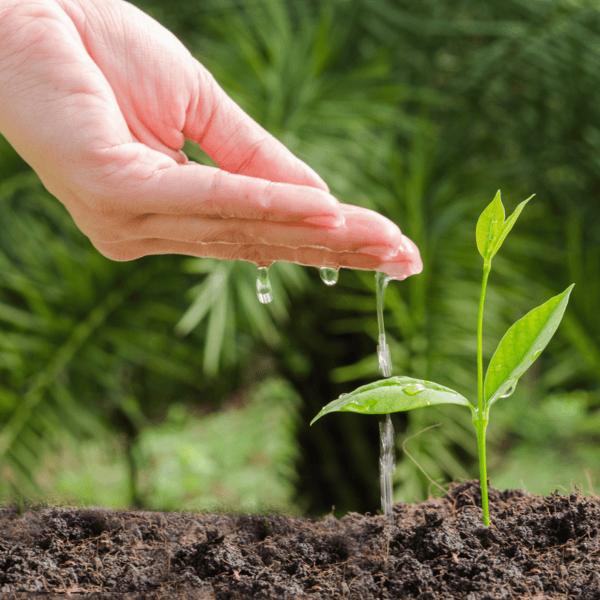
Gift a Tree - Meaningful Environmental Gifts That Make a Difference
Transform your gift-giving with meaningful environmental gifts that create lasting impact for...
-

Trees For Shiv Ji - Sacred Tree Planting to Honor Lord Shiva
Honor Lord Shiva through sacred tree planting with Trees For Shiv Ji,...
-

Tree Plantations for Shri Ram - Sacred Devotional Planting Services
Honor Lord Shri Ram through meaningful tree plantations for Shri Ram that...
-
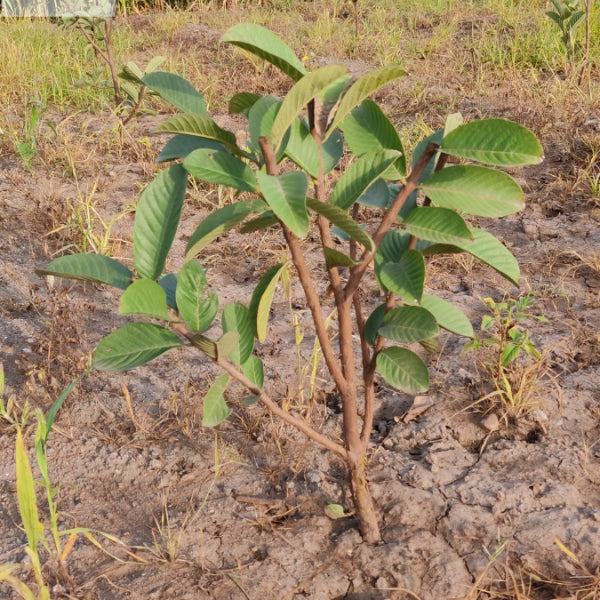
Tree Plantation on Navratri - Celebrate Divine Festivals with Environmental Devotion
Tree plantation on Navratri transforms the sacred nine-day festival into a powerful...
-

Tree Plantation by Cause - Plant Trees for Every Purpose | Grow Billion Trees
Transform your environmental impact with purpose-driven tree plantation by cause programs that...
Corporate Plantations
-

Trees for Corporates - Achieve Net Zero Targets Through Strategic Tree Planting
Trees for Corporates - Strategic Environmental SolutionsTransform your corporate environmental impact with...
-

Tree Plantation for CSR - Corporate Environmental Programs | Grow Billion Trees
Tree Plantation for CSR - Transform Your Corporate Environmental ImpactTree plantation for...
-

Tree Plantation for SDG - Support Sustainable Development Goals
Tree plantation for SDG initiatives represents a powerful pathway to achieving multiple...
-

Corporate Tree Plantation Programs - Sustainable ESG Environmental Solutions for Net Zero Targets
Transform your organization's environmental impact with our comprehensive Corporate Tree Plantation Programs...
-
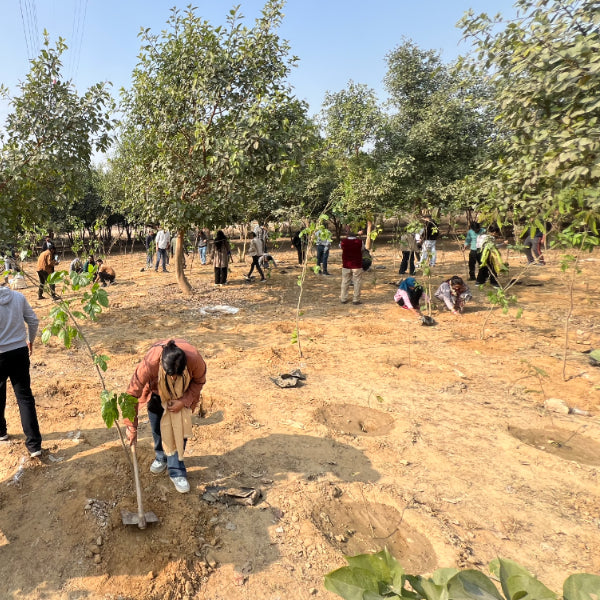
Tree Plantation by Location - Plant Trees Across India
Transform landscapes nationwide through our comprehensive tree plantation by location program. When...
Most Popular Tree Plantations - Top Choices for Environmental Impact
-
Trees for Mother
Regular price ₹ 299Regular priceUnit price per -
Trees to Honor the Memory of your Loved Ones
Regular price ₹ 299Regular priceUnit price per -
Trees for Wedding Anniversary Celebration
Regular price ₹ 299Regular priceUnit price per -
Trees for Grandmother
Regular price ₹ 299Regular priceUnit price per -
Trees for Grandfather
Regular price ₹ 299Regular priceUnit price per

Connect with us
-
👥 Corporates
If you are looking for:
- 🌲 Tree Plantation Events
- 📊 CSR Projects
📧 corporate@growbilliontrees.com
📞 +91 9699723523
💬 +91 9325931304 WhatsApp (Only)
🕒 Mon - Sat | 10am - 7pm IST
-
🧩 Tree Plantation NGOs
If you are looking for:
- 💰 Financial Assistance
- 🤝 Operational Support
📧 support@growbilliontrees.com
📞 +91 9699723523
💬 +91 9325931304 WhatsApp (Only)
🕒 Mon - Sat | 10am - 7pm IST
-
🌼 Individuals
If you are looking for:
- 👥 Group Tree Plantation Drive
- 🌳 Bulk Tree Plantation
📞 +91 9699723523
💬 +91 9325931304 WhatsApp (Only)
🕒 Mon - Sat | 10am - 7pm IST
