
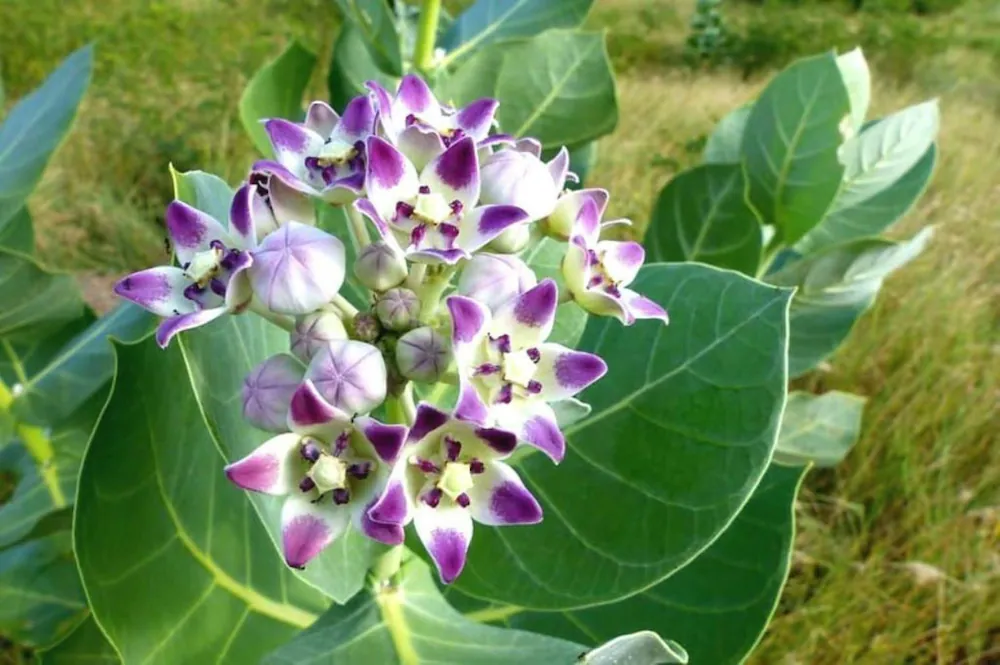
The natural world is brimming with untapped secrets, many of which have been used in traditional medicine for centuries. Among these treasures is the Aak tree (Calotropis procera), a plant revered for its healing properties and resilience in the hars Read more
Trending Tree Plantations - Most Popular Environmental Programs
-
Trees for Mother
Regular price ₹ 299Regular priceUnit price per -
Trees to Honor the Memory of your Loved Ones
Regular price ₹ 299Regular priceUnit price per -
Trees for Women's Day (8th Mar)
Regular price ₹ 299Regular priceUnit price per -
Trees for Wedding Anniversary Celebration
Regular price ₹ 299Regular priceUnit price per -
Trees for Grandmother
Regular price ₹ 299Regular priceUnit price per

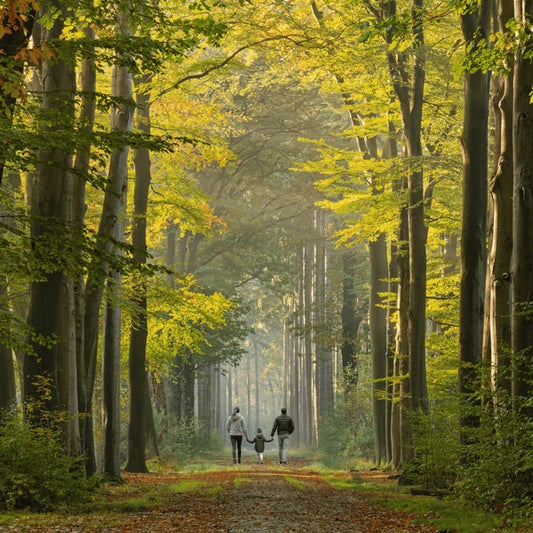



Trees for Corporates - Achieve Net Zero Targets Through Strategic Tree Planting
-
 Project Closed
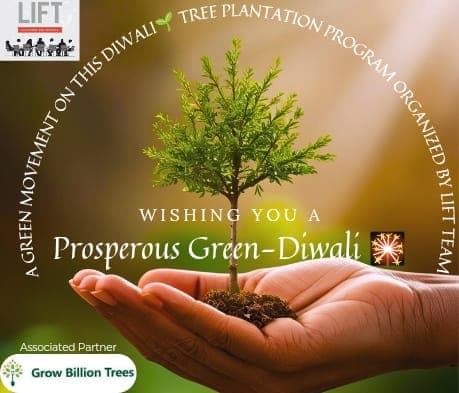
Trees by LIFT Team for Green Diwali: Transform Your Festival
Regular price ₹ 299Regular priceUnit price per -
Trees for a Greener Tomorrow - by Mahindra Lifespaces
Regular price ₹ 299Regular priceUnit price per -
Trees for Environment Day: Plant Your Impact on June 5th
Regular price ₹ 299Regular priceUnit price per -
Trees for Employees: Transform Your Corporate Culture in 2026
Regular price ₹ 299Regular priceUnit price per -
 Project Closed
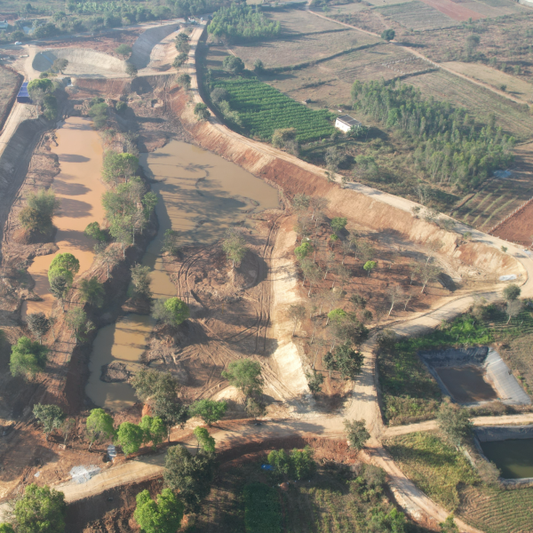
Trees for Bangalore: Plant Native Trees in Garden City ₹299
Regular price ₹ 799Regular priceUnit price per
Aak Tree: Unlocking the Ancient Secrets of Nature's Healing Power
The natural world is brimming with untapped secrets, many of which have been used in traditional medicine for centuries.
Among these treasures is the Aak tree (Calotropis procera), a plant revered for its healing properties and resilience in the harshest climates.
Also known as the Giant Milkweed, Aak has a fascinating history and myriad benefits that are now being rediscovered.
Let’s delve into the wonders of the Aak tree, blending scientific insights, historical significance, and its ecological and medicinal importance. 🌍🌸
Aak Tree: A Botanical Marvel 🌳
The Aak tree is a hardy shrub or small tree found in tropical and subtropical regions. It thrives in arid and semi-arid environments, making it common in countries like India, Pakistan, and parts of Africa.
Its ability to grow in saline soils and sandy deserts is a testament to its resilience. 💪🏜️
Scientific Classification: 🧬
- Kingdom: Plantae
- Family: Apocynaceae
- Genus: Calotropis
- Species: Calotropis procera
Its large, leathery leaves and striking purplish flowers 🌺 make it easily recognizable. However, the most distinctive feature of the Aak tree is its milky latex, which is both a blessing and a cautionary component.
Historical Significance and Traditional Uses 📜🕉️
The Aak tree has been an integral part of Ayurvedic medicine for centuries.
Ancient texts like the Charaka Samhita and Sushruta Samhita mention its use for treating a variety of ailments.
In Indian culture, the tree is often associated with Lord Shiva, and its flowers are offered during religious rituals. 🙏🌼
Fun Fact:
In ancient Egypt, the latex of the Aak tree was used in the embalming process due to its antibacterial properties. ⚱️🦠
From treating fevers and skin disorders to being used as a pain reliever, Aak has held a revered position in folk medicine.
Traditional healers have long recognized its potential to address respiratory issues, digestive problems, and even snake bites. 🐍🌿
Medicinal Properties Backed by Science 🩺🔬
Modern research validates many of the traditional claims about the Aak tree. Its bioactive compounds have been studied for their medicinal properties, offering a glimpse into its therapeutic potential. 🌟
Key Chemical Constituents: 🧪
- Cardenolides: Potent cardiac glycosides that have therapeutic effects on heart-related conditions. ❤️
- Flavonoids: Antioxidants that protect cells from damage. 🛡️
- Alkaloids: Compounds with anti-inflammatory and analgesic properties. 🤕
- Saponins: Known for their antimicrobial and immune-boosting effects. 🦠✨
Health Benefits: 🌿
- Wound Healing: The latex of the Aak tree accelerates wound healing by promoting tissue regeneration and preventing infections. 🩹
- Antibacterial and Antifungal Properties: Studies have shown that Aak extracts can inhibit the growth of harmful bacteria and fungi. 🦠❌
- Respiratory Relief: Aak leaves are used in steaming to relieve asthma and bronchitis symptoms. 🌬️🌱
- Pain Management: The plant’s compounds act as natural pain relievers. ⚡
- Anti-inflammatory Effects: Effective in reducing swelling and inflammation caused by arthritis or injuries. 🦵✨
Environmental Impact of the Aak Tree 🌎🌳
The Aak tree is more than just a medicinal marvel; it plays a significant role in the environment.
Its ability to grow in challenging conditions makes it an excellent candidate for reforestation projects in arid regions.
Additionally, it serves as a habitat and food source for various insects and birds. 🦋🐝
Ecological Benefits:
- Soil Stabilization: Aak helps prevent soil erosion in desert and semi-desert areas. 🌾
- Pollinator Attraction: The flowers attract bees, butterflies, and other pollinators, supporting biodiversity. 🐝🌸
- Carbon Sequestration: Like all trees, Aak contributes to carbon capture, mitigating the effects of climate change. 🌍🌿
Fun Fact:
The Aak tree is a host plant for the caterpillars of the Plain Tiger butterfly (Danaus chrysippus), making it a crucial part of its life cycle. 🦋
Cultural and Economic Importance 🛕💰
The Aak tree holds symbolic value in many cultures. In India, it is often planted near temples and used in rituals.
Beyond cultural significance, the tree has economic potential:
- Natural Fiber: The bark yields strong fibers used for making ropes, mats, and paper. 🧵🪵
- Biopesticide: Aak latex is used as a natural pesticide, reducing the need for chemical alternatives. 🐛❌
- Alternative Medicine: Increasing demand for natural remedies has boosted the economic value of Aak-based products. 🌿💊
Precautions and Risks ⚠️
Despite its many benefits, the Aak tree must be used with caution. The milky latex, while medicinal, can be toxic if ingested in large quantities or if it comes into contact with the eyes.
It is always advisable to consult a healthcare professional before using Aak-based remedies. 🚨
Fun Fact:
The latex of the Aak tree was historically used to poison arrow tips due to its potent toxicity. 🏹☠️
How to Harness the Healing Power of Aak 🌟
For those looking to incorporate Aak into their health routine, here are a few ways it is traditionally used:
- Topical Application: The latex can be applied to warts, cuts, and insect bites (diluted). 🩹
- Smoke Therapy: Burning dried Aak leaves is believed to clear respiratory passages. 🔥🌬️
- Infusions and Decoctions: Aak flowers and roots are boiled to create medicinal teas for specific ailments. 🍵
Promising Research and Future Potential 🔭📚
The global push for plant-based medicines has brought the Aak tree into the spotlight. Scientists are exploring its potential in developing drugs for chronic diseases like cancer, diabetes, and heart conditions.
Preliminary studies suggest that the tree’s compounds may have anticancer and antidiabetic properties, opening new doors for pharmaceutical innovation. 💡🩺
Fun Fact:
Researchers are investigating Aak’s potential as a biofuel source due to its high lipid content. ⛽🌿
Conserving the Aak Tree: A Call to Action 🌍🛡️
While the Aak tree is resilient, habitat destruction and overharvesting pose threats to its population. It is crucial to adopt sustainable harvesting practices and protect its natural habitats. 🌾
Planting Aak trees in degraded areas can simultaneously restore ecosystems and offer communities a source of medicine, fiber, and natural pesticides.
Its ability to thrive in harsh conditions makes it a symbol of nature’s resilience—a trait humanity can draw inspiration from. 🌳✨
Conclusion 🌟
The Aak tree (Calotropis procera) is a testament to nature’s ingenuity. Its historical, medicinal, and environmental significance positions it as a vital resource for the future.
As we embrace sustainable and holistic approaches to health and the environment, the Aak tree reminds us of the ancient wisdom waiting to be rediscovered. 🌿
Whether through its healing properties or ecological contributions, the Aak tree stands as a beacon of hope, resilience, and renewal. Let us celebrate and protect this natural wonder, ensuring its legacy for generations to come. 🌍🌸
You may also like
-
Gift a Tree - Meaningful Environmental Gifts That Make a Difference
Transform your gift-giving with meaningful environmental gifts that create lasting impact for...
-
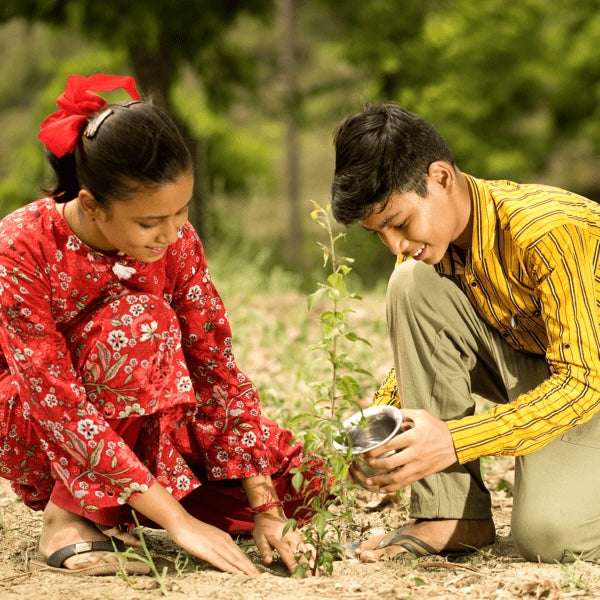
Trees For Shiv Ji - Sacred Tree Planting to Honor Lord Shiva
Honor Lord Shiva through sacred tree planting with Trees For Shiv Ji,...
-

Tree Plantations for Shri Ram - Sacred Devotional Planting Services
Honor Lord Shri Ram through meaningful tree plantations for Shri Ram that...
-
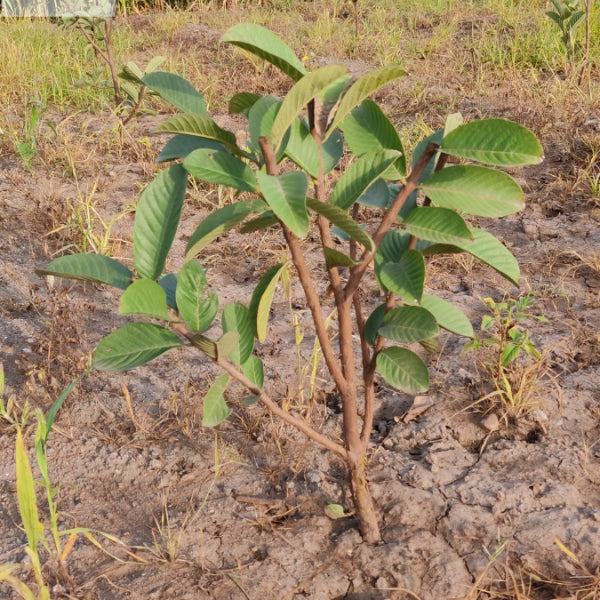
Tree Plantation on Navratri - Celebrate Divine Festivals with Environmental Devotion
Tree plantation on Navratri transforms the sacred nine-day festival into a powerful...
-
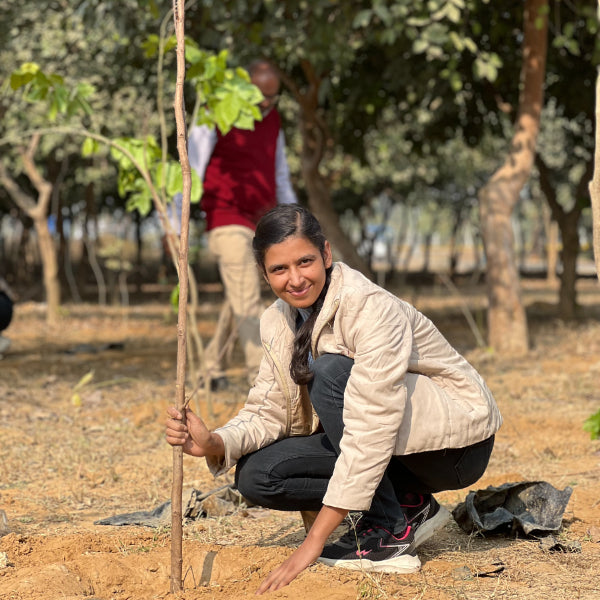
Tree Plantation by Cause - Plant Trees for Every Purpose | Grow Billion Trees
Transform your environmental impact with purpose-driven tree plantation by cause programs that...
Corporate Plantations
-
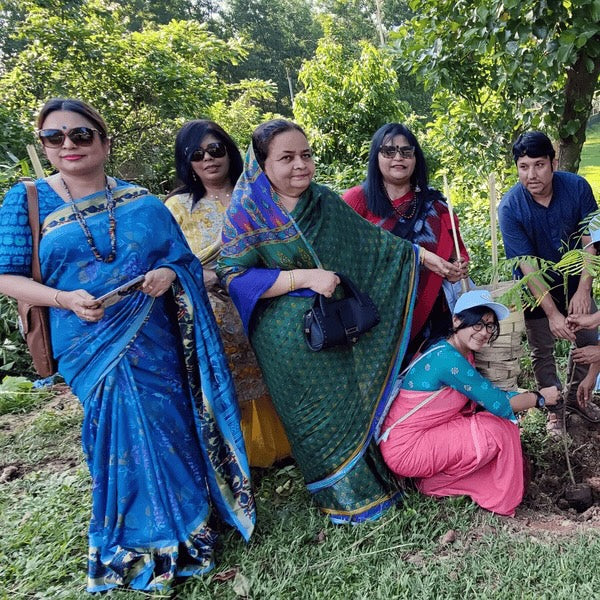
Trees for Corporates - Achieve Net Zero Targets Through Strategic Tree Planting
Trees for Corporates - Strategic Environmental SolutionsTransform your corporate environmental impact with...
-
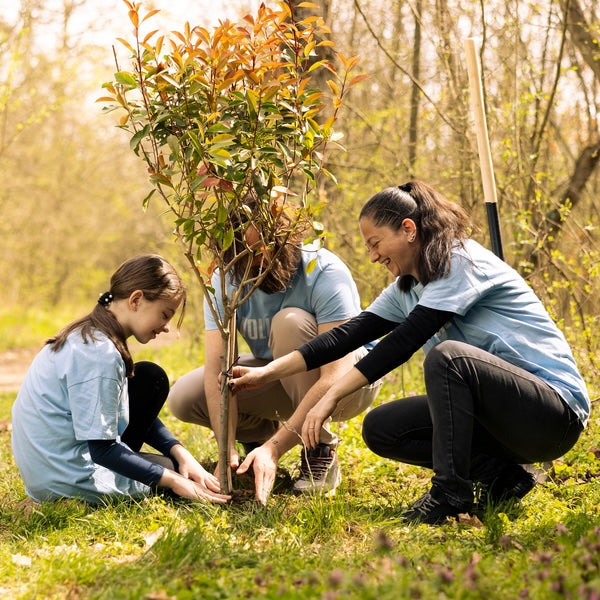
Tree Plantation for CSR - Corporate Environmental Programs | Grow Billion Trees
Tree Plantation for CSR - Transform Your Corporate Environmental ImpactTree plantation for...
-
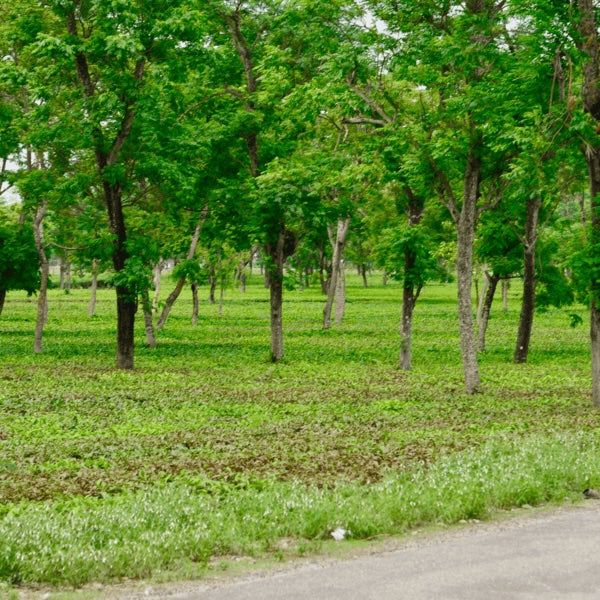
Tree Plantation for SDG - Support Sustainable Development Goals
Tree plantation for SDG initiatives represents a powerful pathway to achieving multiple...
-
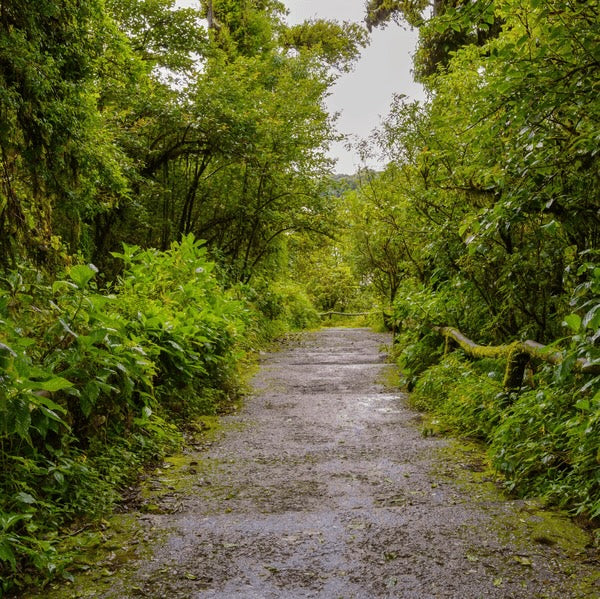
Corporate Tree Plantation Programs - Sustainable ESG Environmental Solutions for Net Zero Targets
Transform your organization's environmental impact with our comprehensive Corporate Tree Plantation Programs...
-
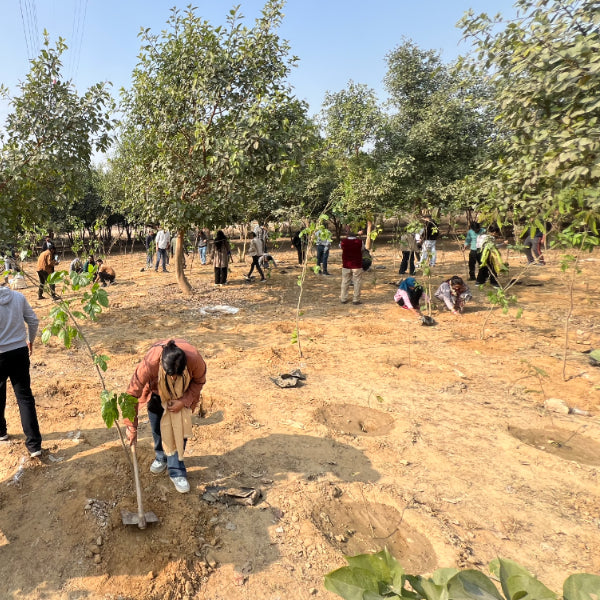
Tree Plantation by Location - Plant Trees Across India
Transform landscapes nationwide through our comprehensive tree plantation by location program. When...
Most Popular Tree Plantations - Top Choices for Environmental Impact
-
Trees for Mother
Regular price ₹ 299Regular priceUnit price per -
Trees to Honor the Memory of your Loved Ones
Regular price ₹ 299Regular priceUnit price per -
Trees for Wedding Anniversary Celebration
Regular price ₹ 299Regular priceUnit price per -
Trees for Grandmother
Regular price ₹ 299Regular priceUnit price per -
Trees for Grandfather
Regular price ₹ 299Regular priceUnit price per

Connect with us
-
👥 Corporates
If you are looking for:
- 🌲 Tree Plantation Events
- 📊 CSR Projects
📧 corporate@growbilliontrees.com
📞 +91 9699723523
💬 +91 9325931304 WhatsApp (Only)
🕒 Mon - Sat | 10am - 7pm IST
-
🧩 Tree Plantation NGOs
If you are looking for:
- 💰 Financial Assistance
- 🤝 Operational Support
📧 support@growbilliontrees.com
📞 +91 9699723523
💬 +91 9325931304 WhatsApp (Only)
🕒 Mon - Sat | 10am - 7pm IST
-
🌼 Individuals
If you are looking for:
- 👥 Group Tree Plantation Drive
- 🌳 Bulk Tree Plantation
📞 +91 9699723523
💬 +91 9325931304 WhatsApp (Only)
🕒 Mon - Sat | 10am - 7pm IST
