
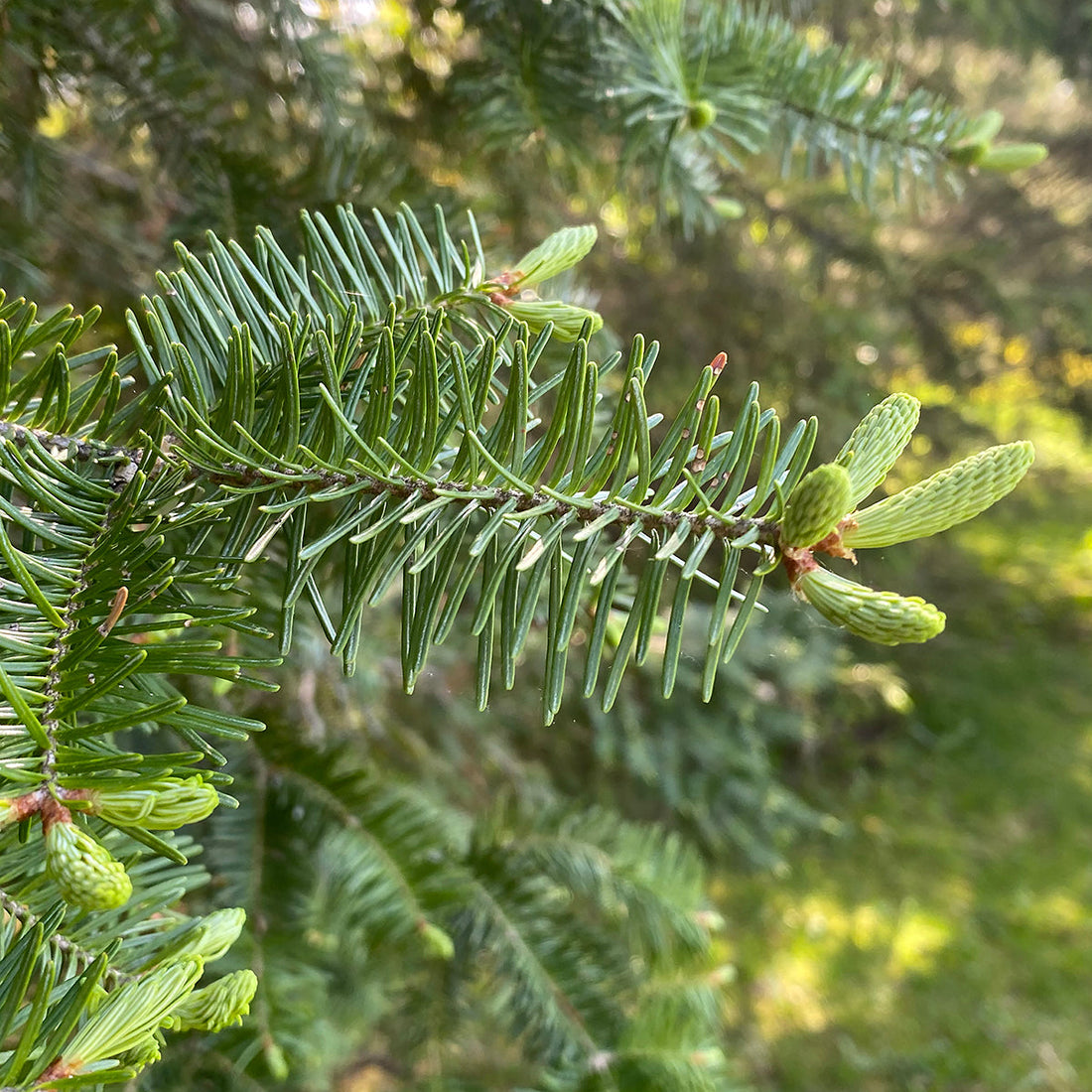
The Balsam tree, known scientifically as Abies balsamea, is a species of fir tree native to North America. Renowned for its aromatic resin and striking appearance, the Balsam tree is not only a staple of the forest landscape but also a symbol of eco Read more
Trending Tree Plantations - Most Popular Environmental Programs
-
Trees for Mother
Regular price ₹ 299Regular priceUnit price per -
Trees to Honor the Memory of your Loved Ones
Regular price ₹ 299Regular priceUnit price per -
Trees for Women's Day (8th Mar)
Regular price ₹ 299Regular priceUnit price per -
Trees for Wedding Anniversary Celebration
Regular price ₹ 299Regular priceUnit price per -
Trees for Grandmother
Regular price ₹ 299Regular priceUnit price per



Trees for Corporates - Achieve Net Zero Targets Through Strategic Tree Planting
-
 Project Closed
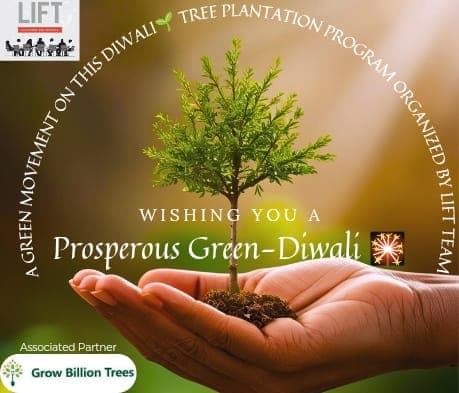
Trees by LIFT Team for Green Diwali: Transform Your Festival
Regular price ₹ 299Regular priceUnit price per -
Trees for a Greener Tomorrow - by Mahindra Lifespaces
Regular price ₹ 299Regular priceUnit price per -
Trees for Environment Day: Plant Your Impact on June 5th
Regular price ₹ 299Regular priceUnit price per -
Trees for Employees: Transform Your Corporate Culture in 2026
Regular price ₹ 299Regular priceUnit price per -
 Project Closed
Trees for Bangalore: Plant Native Trees in Garden City ₹299
Regular price ₹ 799Regular priceUnit price per
Balsam Tree: The Ultimate Guide to Its Benefits, Care, and Mystical Pr
The Balsam tree, known scientifically as Abies balsamea, is a species of fir tree native to North America.
Renowned for its aromatic resin and striking appearance, the Balsam tree is not only a staple of the forest landscape but also a symbol of ecological significance, historical relevance, and cultural mystique.
In this ultimate guide, we will explore the numerous benefits of the Balsam tree, how to care for it, its mystical properties, and its environmental impact.
Additionally, we will delve into the initiatives taken by organizations like Grow Billion Trees Partners, which are dedicated to promoting reforestation and conservation efforts involving this magnificent tree.
Benefits of the Balsam Tree
The Balsam tree offers a wealth of benefits, ranging from ecological contributions to human applications. Here are some of the most significant advantages:
1. Ecological Benefits
Balsam trees play a vital role in forest ecosystems. They provide habitat for various wildlife species, including birds, mammals, and insects. The dense foliage offers shelter, while the seeds serve as a food source for birds and small mammals. The tree's deep root system helps prevent soil erosion, maintaining the integrity of the forest floor.
2. Medicinal Properties
Historically, the resin of the Balsam tree has been used in traditional medicine. Indigenous peoples of North America utilized it for its antiseptic and anti-inflammatory properties. Modern herbalists still use Balsam fir essential oil for respiratory issues, muscle pain relief, and skin irritations.
A study published in the Journal of Ethnopharmacology highlights the antimicrobial properties of Balsam fir, confirming its historical medicinal uses.
3. Aromatherapy and Essential Oils
The aromatic resin of the Balsam tree is widely used in aromatherapy. Its essential oil is believed to promote relaxation and alleviate stress. The scent of Balsam is often associated with the holiday season, making it a popular choice for Christmas trees and festive decorations. The oil is also used in candles, diffusers, and personal care products.
4. Timber and Wood Products
Balsam wood is valued for its lightness and strength, making it an excellent choice for construction, furniture, and crafts. Its fine grain and resistance to warping make it ideal for musical instruments, particularly for producing high-quality soundboards.
Care and Cultivation of Balsam Trees
Caring for a Balsam tree requires understanding its specific needs. Here are some essential tips for successful cultivation:
1. Ideal Growing Conditions
Balsam trees thrive in well-drained, acidic soils rich in organic matter. They prefer cooler climates, making them well-suited for northern regions. Ideally, they should be planted in partial to full sunlight, as they can become leggy in overly shaded areas.
2. Watering
While Balsam trees are relatively drought-tolerant once established, they require regular watering during their early growth stages. Ensure the soil remains moist but not waterlogged. Mulching around the base can help retain moisture and suppress weeds.
3. Pruning
Pruning is essential for maintaining the health and shape of Balsam trees. Remove dead or diseased branches and thin out crowded areas to improve air circulation. Pruning should be done in late winter or early spring before new growth begins.
4. Pest and Disease Management
Balsam trees can be susceptible to pests such as bark beetles and aphids. Regularly inspect your tree for signs of infestation. Natural predators, like ladybugs, can help control aphid populations. Fungal diseases, such as root rot, can be mitigated by ensuring proper drainage and avoiding overwatering.
Mystical Properties of the Balsam Tree
The Balsam tree is steeped in cultural and mystical significance. Many indigenous cultures view the tree as sacred, often incorporating it into spiritual practices and rituals. Here are some fascinating mystical properties associated with the Balsam tree:
1. Symbol of Renewal
The Balsam tree is often seen as a symbol of renewal and resilience. Its ability to thrive in harsh conditions and regenerate after disturbances makes it a powerful emblem of hope and rebirth.
2. Spiritual Cleansing
In many traditions, the smoke from burning Balsam resin is believed to cleanse spaces of negative energy and promote spiritual healing. This practice is akin to the use of sage in smudging ceremonies, highlighting the tree’s role in purification.
3. Connection to Nature
Many believe that spending time near Balsam trees fosters a deeper connection to nature. The tree’s calming scent and majestic presence can enhance meditation practices and promote mindfulness.
Historical Significance
The Balsam tree has a rich history, particularly among indigenous peoples of North America. It was used for various purposes, from crafting tools to creating medicinal remedies. Early European settlers also recognized the value of Balsam and began utilizing its resin for making varnishes and liniments.
During the American Revolution, Balsam resin was employed as a treatment for wounds and infections, showcasing its practical applications in times of need. The tree has also played a role in the timber industry, with its wood being used for construction and shipbuilding.
Environmental Impact
The Balsam tree is crucial for maintaining ecological balance. As a coniferous species, it contributes to carbon sequestration, helping mitigate climate change. The tree absorbs carbon dioxide from the atmosphere, storing it in its biomass and soil. This process is vital for achieving global carbon reduction targets.
Moreover, Balsam trees help improve air quality by filtering pollutants and releasing oxygen. Their presence in forests enhances biodiversity, providing habitats for numerous species and maintaining healthy ecosystems.
Grow Billion Trees Partners: Promoting Balsam Tree Projects
Organizations like Grow Billion Trees Partners are at the forefront of reforestation and conservation efforts, promoting the planting of Balsam trees and other native species. Their initiatives focus on restoring degraded lands, enhancing biodiversity, and combating climate change.
1. Execution of Projects
Grow Billion Trees Partners collaborates with local communities, governments, and environmental organizations to execute tree-planting projects. They conduct thorough assessments of areas in need of reforestation, ensuring that the selected sites are suitable for Balsam tree growth.
2. Community Engagement
Community involvement is a cornerstone of Grow Billion Trees Partners’ approach. They educate local populations about the benefits of planting Balsam trees and provide training on proper care and maintenance. This engagement fosters a sense of ownership and responsibility towards the environment.
3. Monitoring and Maintenance
After planting, Grow Billion Trees Partners implements monitoring programs to ensure the health and survival of the newly planted trees. Regular assessments help identify any issues early on, allowing for timely interventions.
4. Promoting Awareness
Through workshops, social media campaigns, and community events, Grow Billion Trees Partners raises awareness about the importance of Balsam trees and their ecological contributions. They encourage individuals and organizations to participate in reforestation efforts, emphasizing that every tree planted makes a difference.
Fun Facts About the Balsam Tree
- The Balsam tree can live for over 200 years under optimal conditions.
- Its resin, known as Balsam fir gum, is not only aromatic but also edible and has been used in traditional candies.
- Balsam trees are known for their symmetrical shape, making them a popular choice for Christmas trees.
- The tree’s needles can be used to make a refreshing herbal tea, rich in vitamin C.
- During the winter months, Balsam trees can be identified by their unique conical shape and the way snow collects on their branches.
Conclusion
The Balsam tree is a remarkable species with a multitude of benefits, from its ecological contributions to its historical and mystical significance. Understanding how to care for this tree ensures its longevity and the continued advantages it provides.
Organizations like Grow Billion Trees Partners play a crucial role in promoting the planting and conservation of Balsam trees, helping to restore ecosystems and combat climate change.
Whether you’re planting a Balsam tree in your backyard or supporting reforestation efforts, you’re contributing to a healthier planet. Embrace the beauty and significance of the Balsam tree, and join the movement towards a greener future.
You may also like
-
Gift a Tree - Meaningful Environmental Gifts That Make a Difference
Transform your gift-giving with meaningful environmental gifts that create lasting impact for...
-
Trees For Shiv Ji - Sacred Tree Planting to Honor Lord Shiva
Honor Lord Shiva through sacred tree planting with Trees For Shiv Ji,...
-

Tree Plantations for Shri Ram - Sacred Devotional Planting Services
Honor Lord Shri Ram through meaningful tree plantations for Shri Ram that...
-
Tree Plantation on Navratri - Celebrate Divine Festivals with Environmental Devotion
Tree plantation on Navratri transforms the sacred nine-day festival into a powerful...
-
Tree Plantation by Cause - Plant Trees for Every Purpose | Grow Billion Trees
Transform your environmental impact with purpose-driven tree plantation by cause programs that...
Corporate Plantations
-
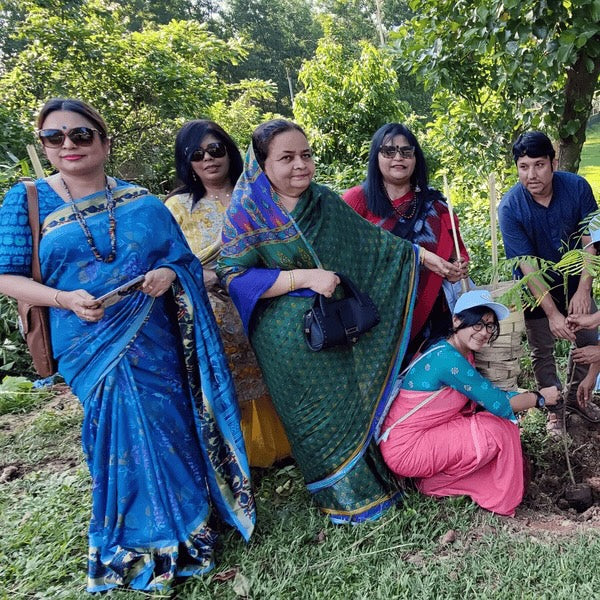
Trees for Corporates - Achieve Net Zero Targets Through Strategic Tree Planting
Trees for Corporates - Strategic Environmental SolutionsTransform your corporate environmental impact with...
-
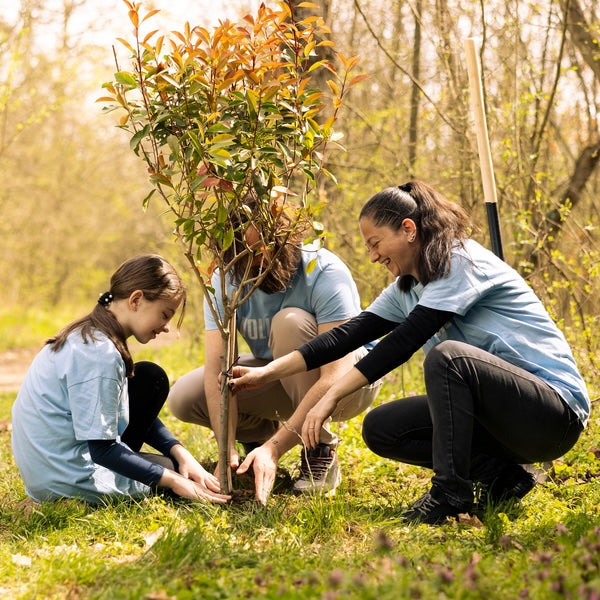
Tree Plantation for CSR - Corporate Environmental Programs | Grow Billion Trees
Tree Plantation for CSR - Transform Your Corporate Environmental ImpactTree plantation for...
-
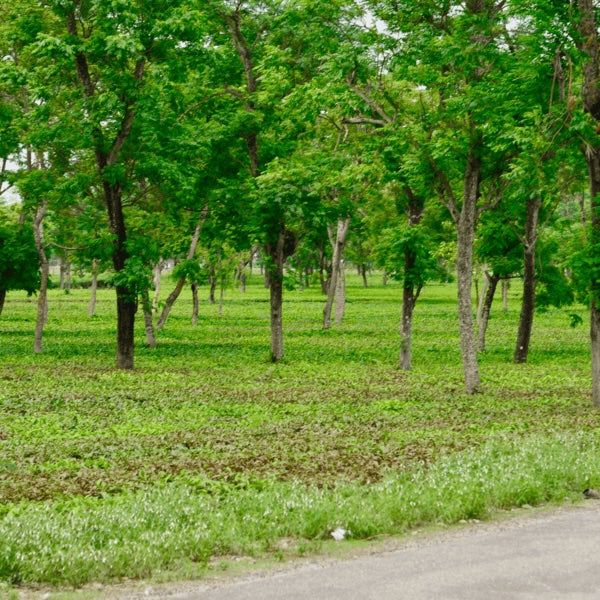
Tree Plantation for SDG - Support Sustainable Development Goals
Tree plantation for SDG initiatives represents a powerful pathway to achieving multiple...
-
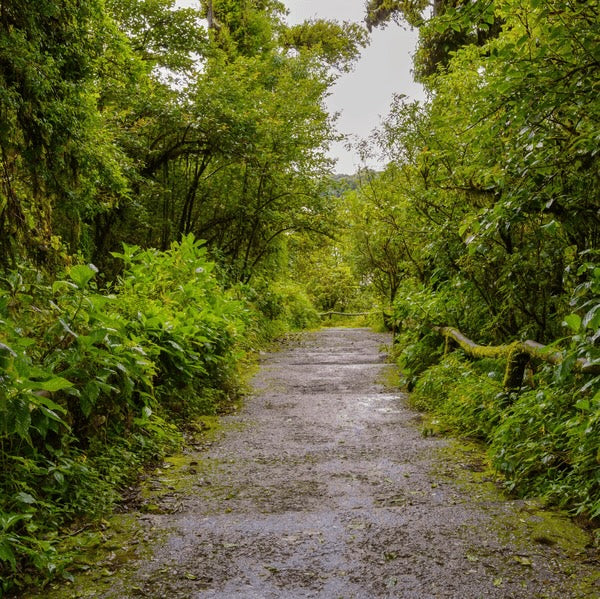
Corporate Tree Plantation Programs - Sustainable ESG Environmental Solutions for Net Zero Targets
Transform your organization's environmental impact with our comprehensive Corporate Tree Plantation Programs...
-
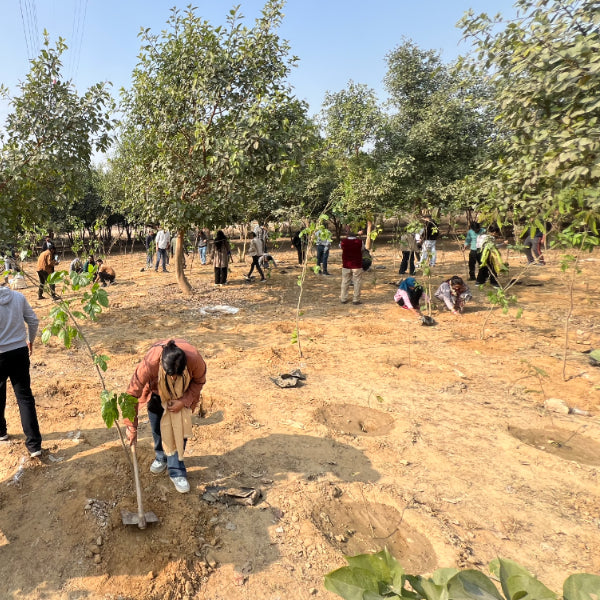
Tree Plantation by Location - Plant Trees Across India
Transform landscapes nationwide through our comprehensive tree plantation by location program. When...
Most Popular Tree Plantations - Top Choices for Environmental Impact
-
Trees for Mother
Regular price ₹ 299Regular priceUnit price per -
Trees to Honor the Memory of your Loved Ones
Regular price ₹ 299Regular priceUnit price per -
Trees for Wedding Anniversary Celebration
Regular price ₹ 299Regular priceUnit price per -
Trees for Grandmother
Regular price ₹ 299Regular priceUnit price per -
Trees for Grandfather
Regular price ₹ 299Regular priceUnit price per

Connect with us
-
👥 Corporates
If you are looking for:
- 🌲 Tree Plantation Events
- 📊 CSR Projects
📧 corporate@growbilliontrees.com
📞 +91 9699723523
💬 +91 9325931304 WhatsApp (Only)
🕒 Mon - Sat | 10am - 7pm IST
-
🧩 Tree Plantation NGOs
If you are looking for:
- 💰 Financial Assistance
- 🤝 Operational Support
📧 support@growbilliontrees.com
📞 +91 9699723523
💬 +91 9325931304 WhatsApp (Only)
🕒 Mon - Sat | 10am - 7pm IST
-
🌼 Individuals
If you are looking for:
- 👥 Group Tree Plantation Drive
- 🌳 Bulk Tree Plantation
📞 +91 9699723523
💬 +91 9325931304 WhatsApp (Only)
🕒 Mon - Sat | 10am - 7pm IST
