
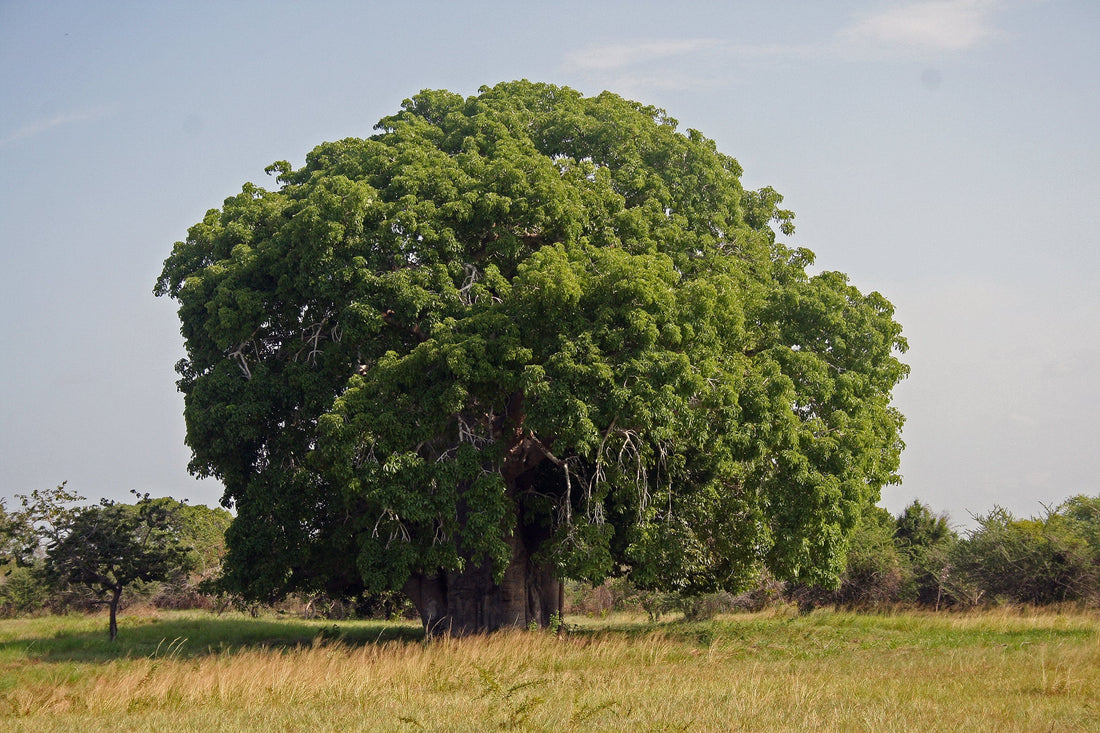
The Baobab tree, known scientifically as Adansonia, is often referred to as the "Tree of Life" due to its remarkable ability to thrive in harsh environments and provide sustenance to both humans and wildlife. With its distinctive shape, the Baobab t Read more
Trending Tree Plantations - Most Popular Environmental Programs
-
Trees for Mother
Regular price ₹ 299Regular priceUnit price per -
Trees to Honor the Memory of your Loved Ones
Regular price ₹ 299Regular priceUnit price per -
Trees for Women's Day (8th Mar)
Regular price ₹ 299Regular priceUnit price per -
Trees for Wedding Anniversary Celebration
Regular price ₹ 299Regular priceUnit price per -
Trees for Grandmother
Regular price ₹ 299Regular priceUnit price per

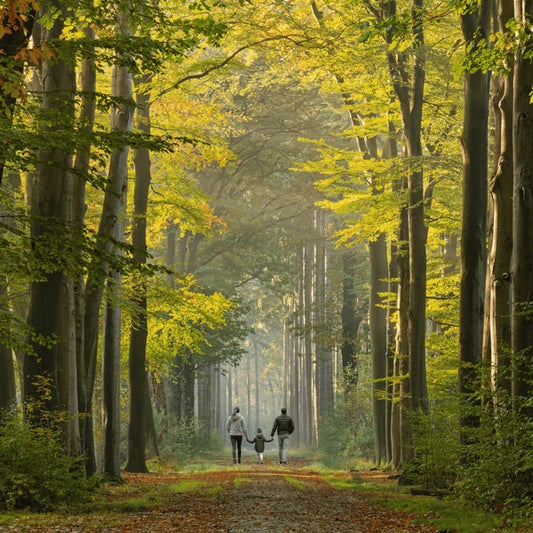



Trees for Corporates - Achieve Net Zero Targets Through Strategic Tree Planting
-
 Project Closed
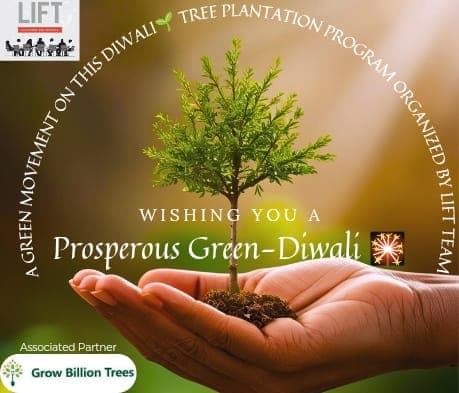
Trees by LIFT Team for Green Diwali: Transform Your Festival
Regular price ₹ 299Regular priceUnit price per -
Trees for a Greener Tomorrow - by Mahindra Lifespaces
Regular price ₹ 299Regular priceUnit price per -
Trees for Environment Day: Plant Your Impact on June 5th
Regular price ₹ 299Regular priceUnit price per -
Trees for Employees: Transform Your Corporate Culture in 2026
Regular price ₹ 299Regular priceUnit price per -
 Project Closed
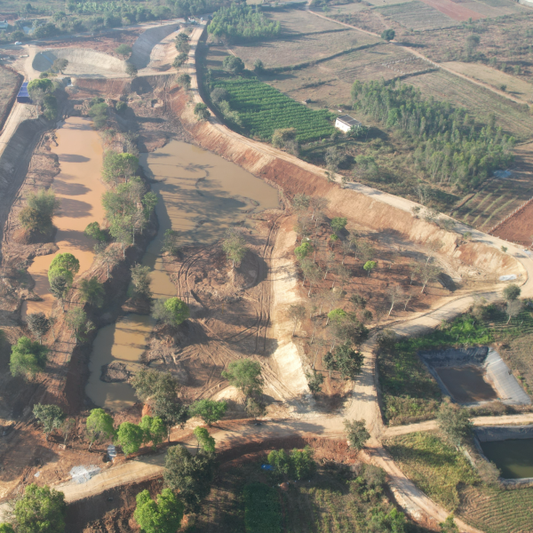
Trees for Bangalore: Plant Native Trees in Garden City ₹299
Regular price ₹ 799Regular priceUnit price per
Baobab Tree: The Marvelous 'Tree of Life' You Need to Discover Today
The Baobab tree, known scientifically as Adansonia, is often referred to as the "Tree of Life" due to its remarkable ability to thrive in harsh environments and provide sustenance to both humans and wildlife.
With its distinctive shape, the Baobab tree has become an iconic symbol of the African landscape, captivating the hearts of many.
In this blog, we will explore the scientific significance, fun facts, historical context, environmental impact, and the efforts of organizations like Grow Billion Trees Partners in promoting the conservation and growth of these magnificent trees.
Scientific Overview of the Baobab Tree
Baobab trees belong to the Malvaceae family and are native to Madagascar, Africa, and Australia. There are eight species of Baobab, with the most famous being the African Baobab (Adansonia digitata).
These trees can grow to be over 1,000 years old and reach heights of up to 30 meters (98 feet) with trunk diameters exceeding 11 meters (36 feet). Their unique trunk structure allows them to store water during dry seasons, making them vital for survival in arid regions.
The Baobab tree's bark is smooth and grey, while its branches resemble roots reaching outwards, giving it the appearance of being upside down. This characteristic is not only visually striking but also serves practical purposes, as the branches provide shade and shelter for various species.
Fun Facts About Baobab Trees
- Longevity: Some Baobab trees are believed to be over 6,000 years old, making them some of the oldest living organisms on the planet.
- Water Storage: A mature Baobab can store up to 120,000 liters (31,700 gallons) of water in its trunk, making it an essential resource during droughts.
- Fruit Production: The Baobab produces a unique fruit that is rich in vitamin C, antioxidants, and other nutrients. It is often referred to as "monkey bread" because monkeys are known to eat it.
- Ecological Importance: The tree supports a diverse range of wildlife, including birds, insects, and mammals, which rely on its fruit, leaves, and bark for sustenance.
- Cultural Significance: In many African cultures, the Baobab is considered sacred and is often associated with folklore and traditions.
Historical Context
The Baobab tree has a rich history that intertwines with human civilization. Ancient cultures revered the tree for its life-sustaining properties. In many African communities, the Baobab serves as a gathering place for social interactions, storytelling, and decision-making. Its hollow trunk has even been used as a shelter or a storage place for tools and food.
In the 19th century, explorers and botanists documented the Baobab's unique characteristics, leading to increased interest in its ecological and medicinal properties. The tree's fruit has been utilized in traditional medicine to treat various ailments, including fever, infections, and digestive issues.
Environmental Impact of Baobab Trees
Baobab trees play a crucial role in their ecosystems. Their extensive root systems help prevent soil erosion, while their ability to store water aids in maintaining local water tables. This resilience is particularly important in the face of climate change, as arid regions become increasingly vulnerable to drought.
Moreover, Baobab trees contribute to biodiversity by providing habitats for numerous species. Birds such as the white-bellied go-away bird and various bats rely on the tree for food and shelter. The fruit of the Baobab is not only a food source for wildlife but also for humans, making it a vital part of the local economy.
In addition to their ecological benefits, Baobabs are also significant in carbon sequestration. By absorbing carbon dioxide from the atmosphere, they help mitigate the effects of climate change. A mature Baobab tree can sequester up to 10 tons of CO2 annually, making it a valuable ally in the fight against global warming.
Grow Billion Trees Partners: Promoting Baobab Conservation
Organizations like Grow Billion Trees Partners are committed to the conservation and promotion of Baobab trees. Their mission is to plant and nurture a billion trees worldwide, with a significant focus on reforestation efforts in Africa. By partnering with local communities, they aim to create sustainable ecosystems that not only preserve the Baobab but also enhance the livelihoods of those who depend on them.
Grow Billion Trees Partners implements a variety of strategies to promote Baobab conservation:
- Community Engagement: They work closely with local communities to educate them about the ecological and economic benefits of Baobab trees, fostering a sense of ownership and responsibility towards their preservation.
- Reforestation Projects: The organization initiates reforestation projects that focus on planting native tree species, including Baobabs, to restore degraded landscapes and improve biodiversity.
- Research and Development: They invest in research to better understand the growth patterns and ecological roles of Baobab trees, ensuring that their conservation strategies are scientifically sound.
- Economic Incentives: By promoting the sustainable harvesting of Baobab fruit and other products, Grow Billion Trees Partners helps create economic opportunities for local communities, encouraging them to protect rather than exploit these trees.
How to Support Baobab Conservation
As individuals, there are several ways to support the conservation of Baobab trees and their ecosystems:
- Educate Yourself and Others: Understanding the importance of Baobab trees can inspire others to appreciate and protect them. Share information through social media, blogs, or community events.
- Support Sustainable Products: Purchase Baobab fruit and products from ethical sources that prioritize sustainability and fair trade practices.
- Volunteer or Donate: Consider volunteering with or donating to organizations like Grow Billion Trees Partners that are actively working to conserve Baobab trees and promote reforestation efforts.
- Advocate for Environmental Policies: Support policies that protect forests and promote reforestation initiatives at local, national, and global levels.
Conclusion
The Baobab tree is not just a remarkable natural wonder; it is a vital component of the ecosystems in which it thrives.
Its ability to survive in harsh conditions, coupled with its ecological, cultural, and economic significance, truly earns it the title of the "Tree of Life." As we face the challenges of climate change and environmental degradation, the conservation of Baobab trees becomes increasingly important.
By supporting organizations like Grow Billion Trees Partners and engaging in conservation efforts, we can help ensure that future generations will continue to marvel at these magnificent trees. Whether through education, sustainable practices, or direct action, every effort counts in preserving the Baobab and the rich biodiversity it supports.
You may also like
-
Gift a Tree - Meaningful Environmental Gifts That Make a Difference
Transform your gift-giving with meaningful environmental gifts that create lasting impact for...
-
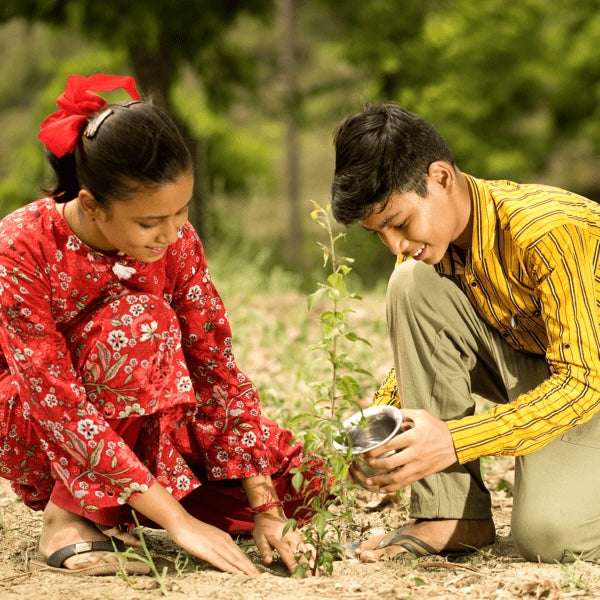
Trees For Shiv Ji - Sacred Tree Planting to Honor Lord Shiva
Honor Lord Shiva through sacred tree planting with Trees For Shiv Ji,...
-

Tree Plantations for Shri Ram - Sacred Devotional Planting Services
Honor Lord Shri Ram through meaningful tree plantations for Shri Ram that...
-
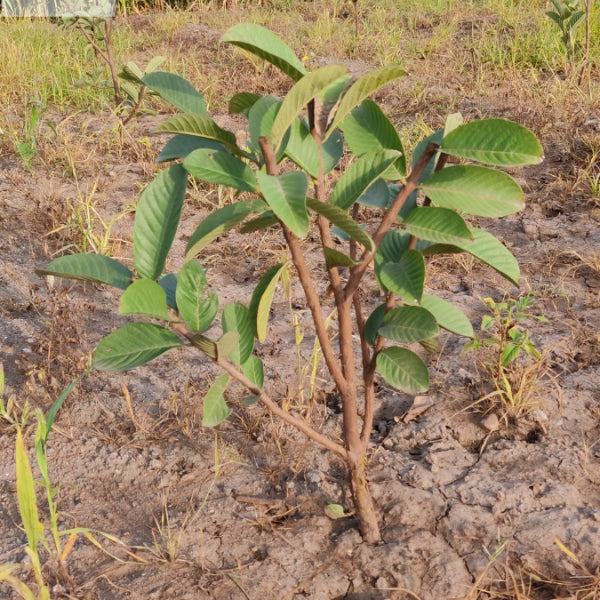
Tree Plantation on Navratri - Celebrate Divine Festivals with Environmental Devotion
Tree plantation on Navratri transforms the sacred nine-day festival into a powerful...
-
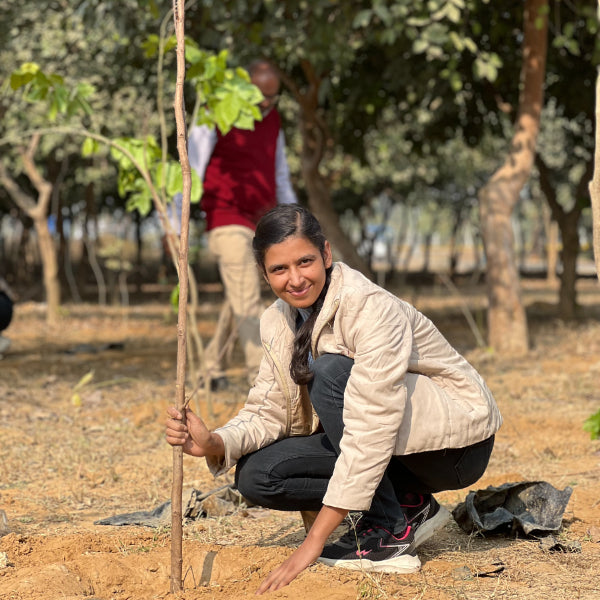
Tree Plantation by Cause - Plant Trees for Every Purpose | Grow Billion Trees
Transform your environmental impact with purpose-driven tree plantation by cause programs that...
Corporate Plantations
-
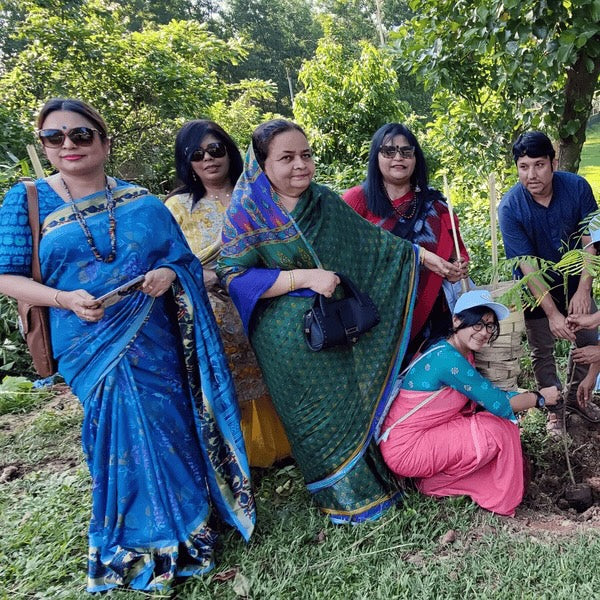
Trees for Corporates - Achieve Net Zero Targets Through Strategic Tree Planting
Trees for Corporates - Strategic Environmental SolutionsTransform your corporate environmental impact with...
-
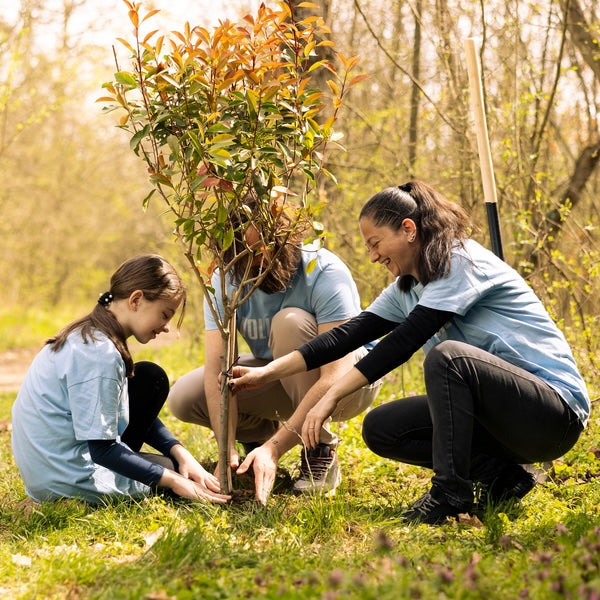
Tree Plantation for CSR - Corporate Environmental Programs | Grow Billion Trees
Tree Plantation for CSR - Transform Your Corporate Environmental ImpactTree plantation for...
-
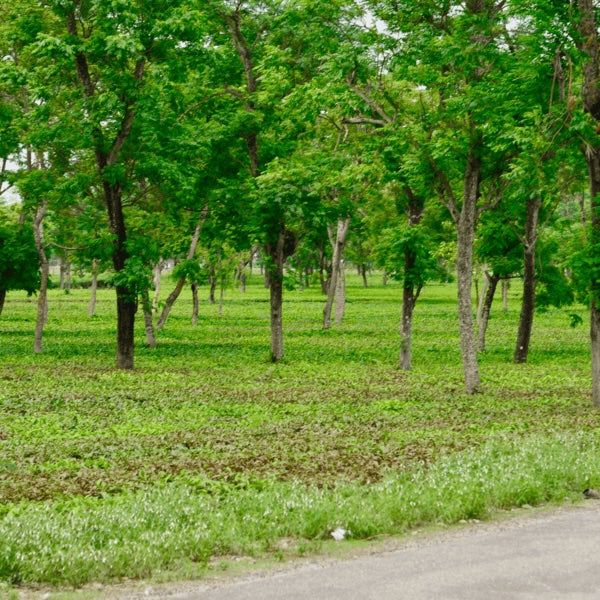
Tree Plantation for SDG - Support Sustainable Development Goals
Tree plantation for SDG initiatives represents a powerful pathway to achieving multiple...
-
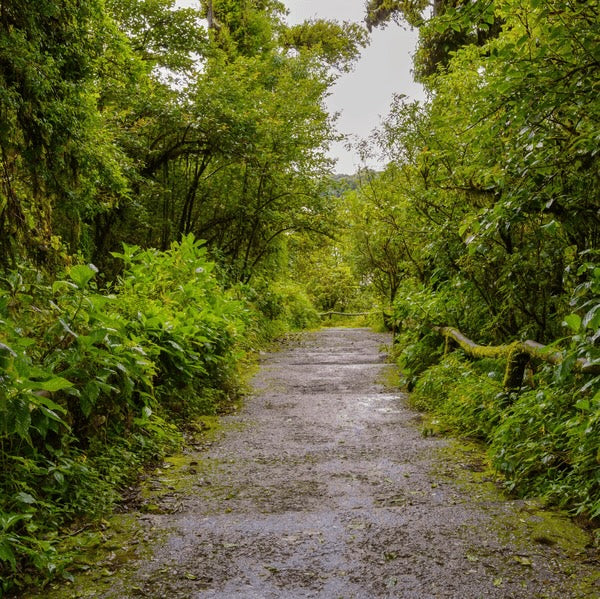
Corporate Tree Plantation Programs - Sustainable ESG Environmental Solutions for Net Zero Targets
Transform your organization's environmental impact with our comprehensive Corporate Tree Plantation Programs...
-
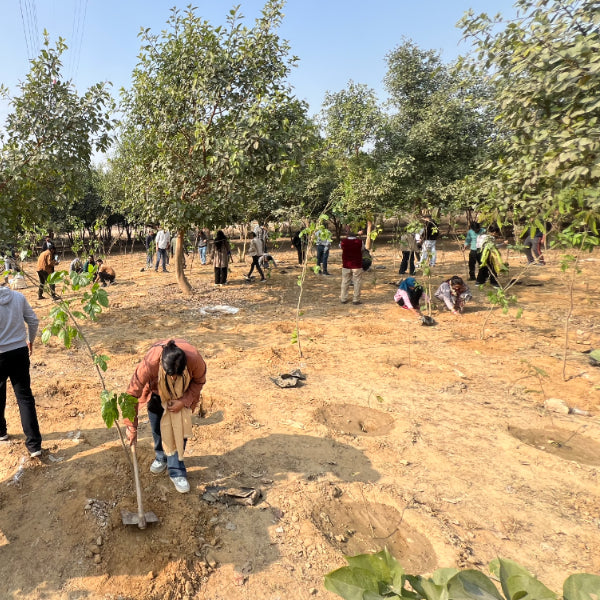
Tree Plantation by Location - Plant Trees Across India
Transform landscapes nationwide through our comprehensive tree plantation by location program. When...
Most Popular Tree Plantations - Top Choices for Environmental Impact
-
Trees for Mother
Regular price ₹ 299Regular priceUnit price per -
Trees to Honor the Memory of your Loved Ones
Regular price ₹ 299Regular priceUnit price per -
Trees for Wedding Anniversary Celebration
Regular price ₹ 299Regular priceUnit price per -
Trees for Grandmother
Regular price ₹ 299Regular priceUnit price per -
Trees for Grandfather
Regular price ₹ 299Regular priceUnit price per

Connect with us
-
👥 Corporates
If you are looking for:
- 🌲 Tree Plantation Events
- 📊 CSR Projects
📧 corporate@growbilliontrees.com
📞 +91 9699723523
💬 +91 9325931304 WhatsApp (Only)
🕒 Mon - Sat | 10am - 7pm IST
-
🧩 Tree Plantation NGOs
If you are looking for:
- 💰 Financial Assistance
- 🤝 Operational Support
📧 support@growbilliontrees.com
📞 +91 9699723523
💬 +91 9325931304 WhatsApp (Only)
🕒 Mon - Sat | 10am - 7pm IST
-
🌼 Individuals
If you are looking for:
- 👥 Group Tree Plantation Drive
- 🌳 Bulk Tree Plantation
📞 +91 9699723523
💬 +91 9325931304 WhatsApp (Only)
🕒 Mon - Sat | 10am - 7pm IST
