
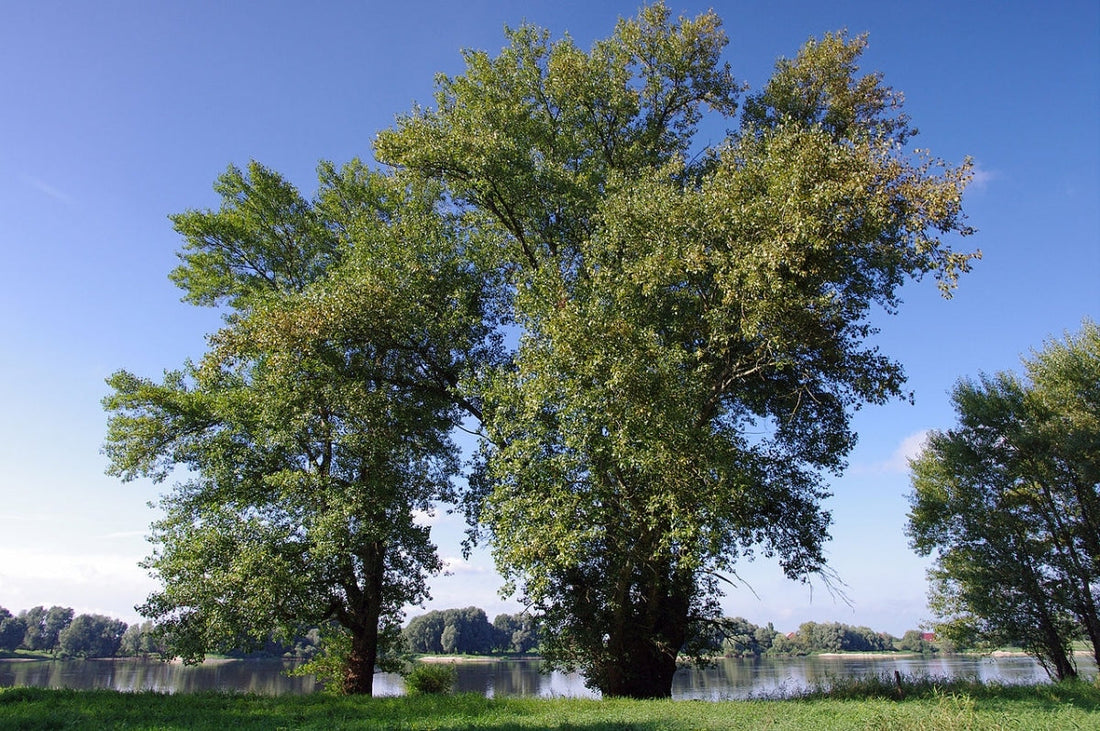
The Black Poplar tree, scientifically known as Populus nigra, is often overlooked in discussions about urban forestry and eco-friendly living. However, this remarkable tree species plays a crucial role in enhancing urban landscapes, improving air qu Read more
Trending Tree Plantations - Most Popular Environmental Programs
-
Trees for Mother
Regular price ₹ 299Regular priceUnit price per -
Trees to Honor the Memory of your Loved Ones
Regular price ₹ 299Regular priceUnit price per -
Trees for Women's Day (8th Mar)
Regular price ₹ 299Regular priceUnit price per -
Trees for Wedding Anniversary Celebration
Regular price ₹ 299Regular priceUnit price per -
Trees for Grandmother
Regular price ₹ 299Regular priceUnit price per



Trees for Corporates - Achieve Net Zero Targets Through Strategic Tree Planting
-
 Project Closed
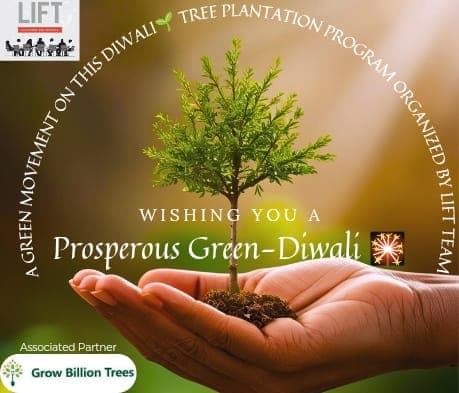
Trees by LIFT Team for Green Diwali: Transform Your Festival
Regular price ₹ 299Regular priceUnit price per -
Trees for a Greener Tomorrow - by Mahindra Lifespaces
Regular price ₹ 299Regular priceUnit price per -
Trees for Environment Day: Plant Your Impact on June 5th
Regular price ₹ 299Regular priceUnit price per -
Trees for Employees: Transform Your Corporate Culture in 2026
Regular price ₹ 299Regular priceUnit price per -
 Project Closed
Trees for Bangalore: Plant Native Trees in Garden City ₹299
Regular price ₹ 799Regular priceUnit price per
Black Poplar Tree: The Unsung Hero of Urban Landscapes and Eco-Friendl
The Black Poplar tree, scientifically known as Populus nigra, is often overlooked in discussions about urban forestry and eco-friendly living.
However, this remarkable tree species plays a crucial role in enhancing urban landscapes, improving air quality, and promoting biodiversity.
In this blog, we will delve into the scientific data, historical significance, environmental impacts, and the initiatives undertaken by organizations like Grow Billion Trees Partners to promote the cultivation of Black Poplar trees.
Understanding the Black Poplar Tree
The Black Poplar is a deciduous tree native to Europe, Western Asia, and North Africa. It typically grows to a height of 15-30 meters (49-98 feet) and has a distinctive pyramidal shape.
The tree is known for its dark, furrowed bark and broad, triangular leaves that turn a vibrant yellow in the fall. Black Poplars thrive in a variety of soil types, including clay, loam, and sandy soils, making them adaptable to different urban environments.
Historical Significance
The Black Poplar has a rich history that dates back thousands of years. It has been utilized for various purposes, including timber for construction, fuel, and even as a source of pulp for paper production.
Ancient Egyptians revered the tree, using its wood for making boats and furniture. In Europe, the Black Poplar was commonly planted along rivers and roads, not only for its aesthetic appeal but also for its ability to stabilize soil and prevent erosion.
Environmental Impact
One of the most significant contributions of the Black Poplar tree is its ability to improve air quality. According to the U.S. Environmental Protection Agency (EPA), trees can absorb pollutants such as sulfur dioxide, ammonia, and nitrogen oxides.
A mature Black Poplar tree can absorb up to 48 pounds of carbon dioxide per year, making it an excellent ally in the fight against climate change.
Furthermore, Black Poplars provide essential habitat for various wildlife species. Birds, insects, and small mammals find refuge in their branches and foliage, contributing to urban biodiversity. The tree's flowers are also a vital food source for bees and other pollinators, which are crucial for maintaining healthy ecosystems.
Fun Facts About Black Poplar Trees
- Black Poplars can live for more than 100 years, making them a long-lasting addition to urban landscapes.
- The tree's wood is lightweight and flexible, making it ideal for crafting musical instruments, such as flutes and clarinets.
- Black Poplar trees have a unique ability to clone themselves. When a branch breaks off and takes root, it can grow into a new tree, ensuring the species' survival.
- In some cultures, the Black Poplar is considered a symbol of resilience and strength due to its ability to thrive in challenging conditions.
Urban Landscapes: The Role of Black Poplar Trees
As cities continue to grow, the need for green spaces becomes increasingly important. Urban areas often suffer from the "heat island effect," where temperatures are significantly higher than in surrounding rural areas.
Trees like the Black Poplar can help mitigate this effect by providing shade and cooling the air through a process called transpiration. Studies have shown that urban trees can lower surrounding temperatures by up to 10 degrees Fahrenheit.
Moreover, the presence of trees in urban settings has been linked to improved mental health and well-being. Research indicates that spending time in green spaces can reduce stress, anxiety, and depression.
The Black Poplar, with its majestic stature and lush foliage, can transform concrete jungles into inviting, serene environments.
Grow Billion Trees Partners: Promoting Black Poplar Planting
Organizations like Grow Billion Trees Partners are at the forefront of promoting the planting of Black Poplar trees in urban areas. Their mission is to enhance urban green spaces and combat climate change by planting one billion trees globally.
They focus on educating communities about the benefits of urban forestry and empowering local volunteers to participate in tree-planting initiatives.
Grow Billion Trees Partners executes projects by collaborating with local governments, schools, and community organizations.
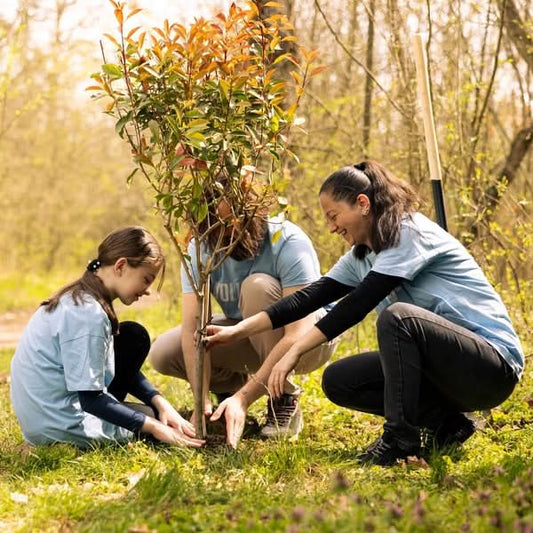
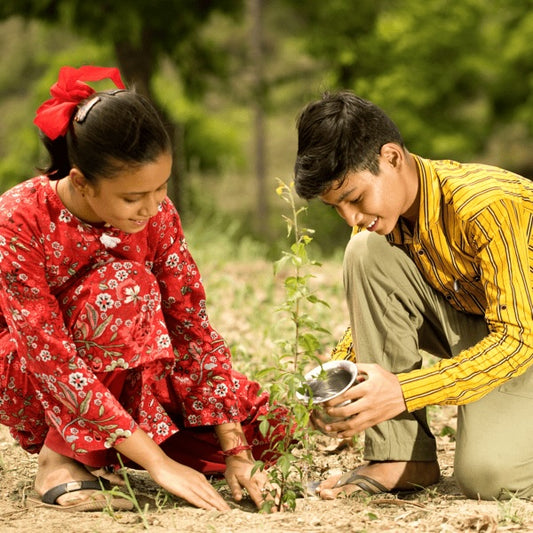
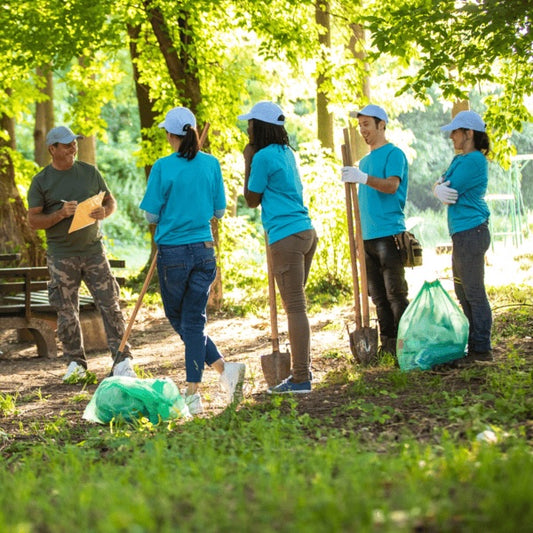
They organize tree-planting events where volunteers can come together to plant Black Poplar trees in parks, along streets, and in other public spaces. These initiatives not only contribute to reforestation efforts but also foster a sense of community and environmental stewardship.
Implementation Strategies
To ensure the success of their projects, Grow Billion Trees Partners employs several key strategies:
- Site Selection: They carefully choose planting sites based on soil quality, sunlight availability, and proximity to water sources to ensure optimal growth conditions for Black Poplar trees.
- Community Engagement: By involving local residents in the planting process, they create a sense of ownership and responsibility towards the trees, increasing the chances of their survival.
- Education and Awareness: They conduct workshops and informational sessions to educate communities about the ecological benefits of Black Poplar trees and the importance of biodiversity.
- Partnerships: Collaborating with local businesses and environmental organizations helps leverage resources and expertise, making their initiatives more effective.
Challenges and Solutions
Despite the numerous benefits of Black Poplar trees, there are challenges associated with their cultivation in urban settings. One significant issue is the potential for disease and pests, which can threaten the health of the trees.
Grow Billion Trees Partners addresses this challenge by implementing a monitoring system to identify and manage any outbreaks promptly.
Another challenge is the competition for space in densely populated urban areas. To overcome this, they advocate for the integration of Black Poplar trees into existing landscapes, such as planting them in medians, parks, and along sidewalks.
This approach not only maximizes green space but also enhances the aesthetic appeal of urban environments.
Conclusion
The Black Poplar tree is indeed an unsung hero of urban landscapes and eco-friendly living. Its ability to improve air quality, provide habitat for wildlife, and enhance the mental well-being of city dwellers makes it an invaluable asset.
Organizations like Grow Billion Trees Partners are playing a pivotal role in promoting the planting of these trees, ensuring that future generations can enjoy the myriad benefits they offer.
As we continue to face the challenges of climate change and urbanization, it is essential to recognize the importance of trees in our lives. By supporting initiatives that promote the planting of Black Poplar trees and other native species, we can contribute to a healthier, more sustainable planet.
So, the next time you walk through a park or along a tree-lined street, take a moment to appreciate the Black Poplar tree and its significant role in creating a greener, more vibrant urban environment.
You may also like
-
Gift a Tree - Meaningful Environmental Gifts That Make a Difference
Transform your gift-giving with meaningful environmental gifts that create lasting impact for...
-
Trees For Shiv Ji - Sacred Tree Planting to Honor Lord Shiva
Honor Lord Shiva through sacred tree planting with Trees For Shiv Ji,...
-
Tree Plantations for Shri Ram - Sacred Devotional Planting Services
Honor Lord Shri Ram through meaningful tree plantations for Shri Ram that...
-
Tree Plantation on Navratri - Celebrate Divine Festivals with Environmental Devotion
Tree plantation on Navratri transforms the sacred nine-day festival into a powerful...
-
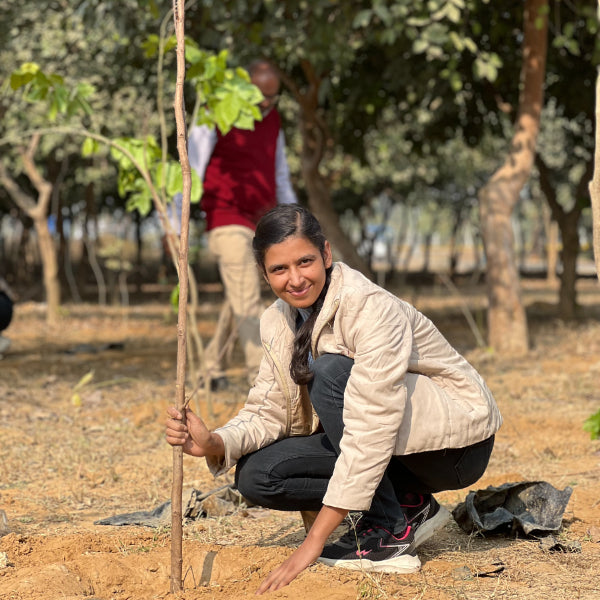
Tree Plantation by Cause - Plant Trees for Every Purpose | Grow Billion Trees
Transform your environmental impact with purpose-driven tree plantation by cause programs that...
Corporate Plantations
-
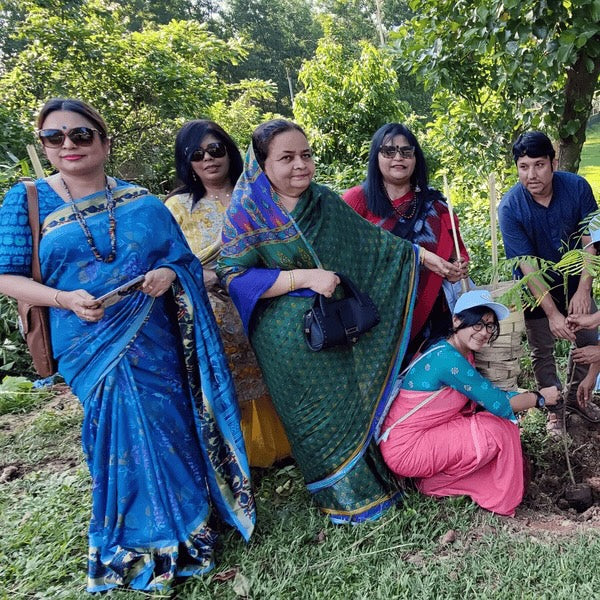
Trees for Corporates - Achieve Net Zero Targets Through Strategic Tree Planting
Trees for Corporates - Strategic Environmental SolutionsTransform your corporate environmental impact with...
-
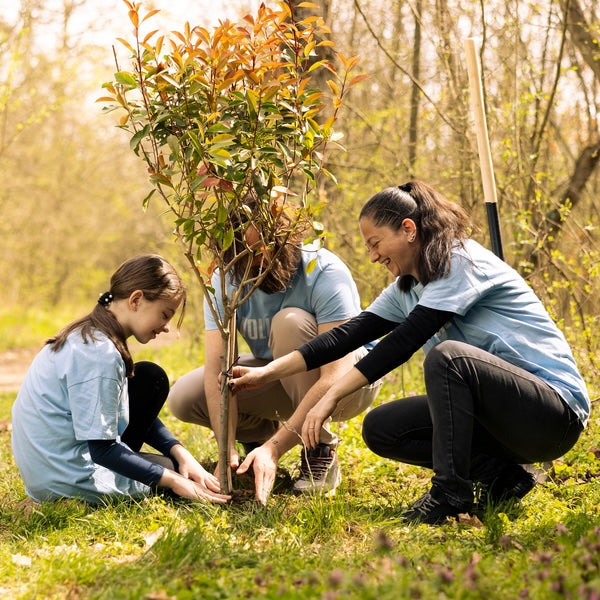
Tree Plantation for CSR - Corporate Environmental Programs | Grow Billion Trees
Tree Plantation for CSR - Transform Your Corporate Environmental ImpactTree plantation for...
-
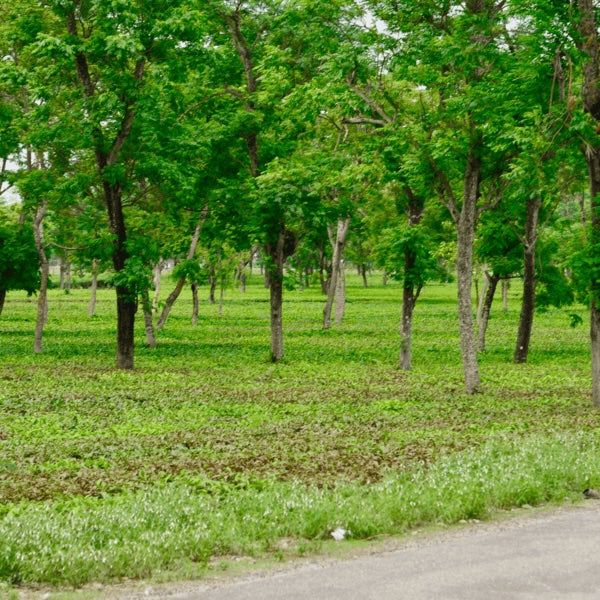
Tree Plantation for SDG - Support Sustainable Development Goals
Tree plantation for SDG initiatives represents a powerful pathway to achieving multiple...
-
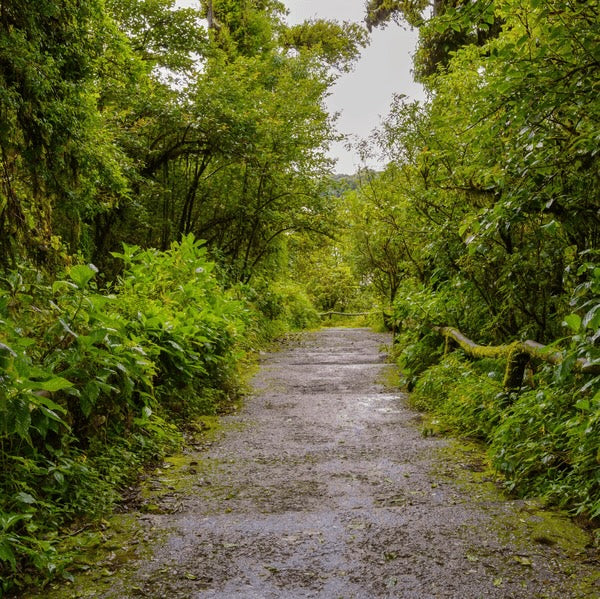
Corporate Tree Plantation Programs - Sustainable ESG Environmental Solutions for Net Zero Targets
Transform your organization's environmental impact with our comprehensive Corporate Tree Plantation Programs...
-
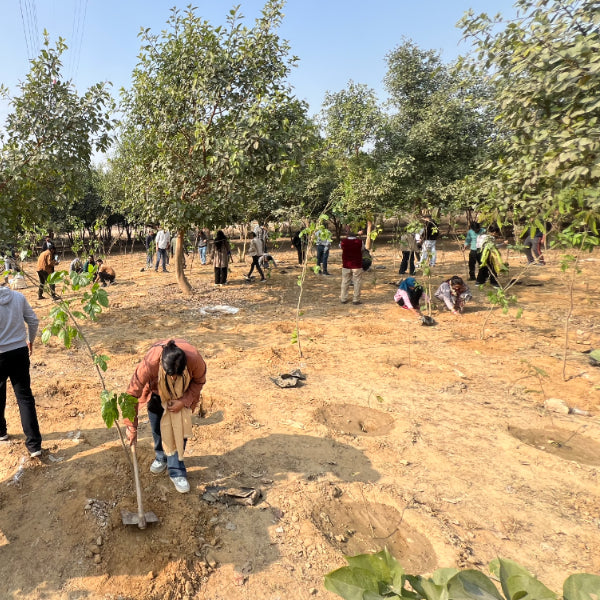
Tree Plantation by Location - Plant Trees Across India
Transform landscapes nationwide through our comprehensive tree plantation by location program. When...
Most Popular Tree Plantations - Top Choices for Environmental Impact
-
Trees for Mother
Regular price ₹ 299Regular priceUnit price per -
Trees to Honor the Memory of your Loved Ones
Regular price ₹ 299Regular priceUnit price per -
Trees for Wedding Anniversary Celebration
Regular price ₹ 299Regular priceUnit price per -
Trees for Grandmother
Regular price ₹ 299Regular priceUnit price per -
Trees for Grandfather
Regular price ₹ 299Regular priceUnit price per

Connect with us
-
👥 Corporates
If you are looking for:
- 🌲 Tree Plantation Events
- 📊 CSR Projects
📧 corporate@growbilliontrees.com
📞 +91 9699723523
💬 +91 9325931304 WhatsApp (Only)
🕒 Mon - Sat | 10am - 7pm IST
-
🧩 Tree Plantation NGOs
If you are looking for:
- 💰 Financial Assistance
- 🤝 Operational Support
📧 support@growbilliontrees.com
📞 +91 9699723523
💬 +91 9325931304 WhatsApp (Only)
🕒 Mon - Sat | 10am - 7pm IST
-
🌼 Individuals
If you are looking for:
- 👥 Group Tree Plantation Drive
- 🌳 Bulk Tree Plantation
📞 +91 9699723523
💬 +91 9325931304 WhatsApp (Only)
🕒 Mon - Sat | 10am - 7pm IST
