
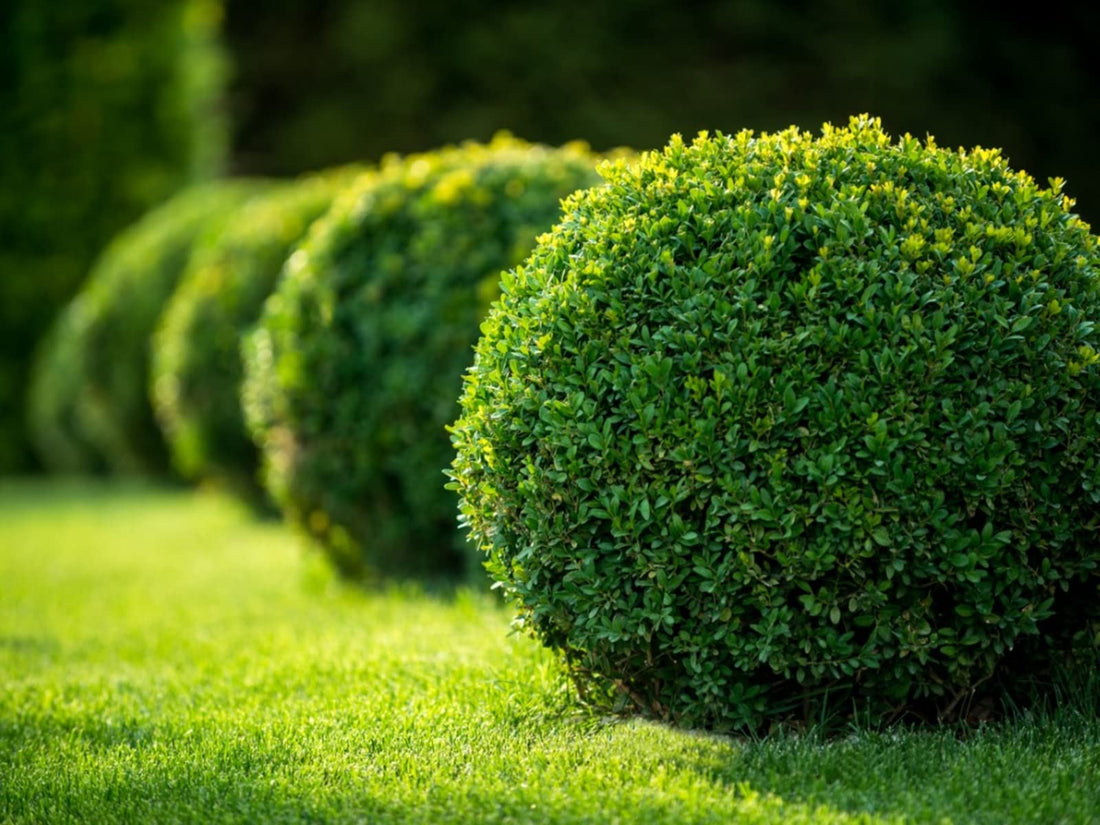
Boxwood trees, known scientifically as Buxus, have been cherished by gardeners and landscapers for centuries. Their dense foliage, versatility, and rich history make them a valuable addition to any landscape. In this ultimate guide, we will explore t Read more
Trending Tree Plantations - Most Popular Environmental Programs
-
Trees for Mother
Regular price ₹ 299Regular priceUnit price per -
Trees to Honor the Memory of your Loved Ones
Regular price ₹ 299Regular priceUnit price per -
Trees for Women's Day (8th Mar)
Regular price ₹ 299Regular priceUnit price per -
Trees for Wedding Anniversary Celebration
Regular price ₹ 299Regular priceUnit price per -
Trees for Grandmother
Regular price ₹ 299Regular priceUnit price per




Trees for Corporates - Achieve Net Zero Targets Through Strategic Tree Planting
-
 Project Closed
Trees by LIFT Team for Green Diwali: Transform Your Festival
Regular price ₹ 299Regular priceUnit price per -
Trees for a Greener Tomorrow - by Mahindra Lifespaces
Regular price ₹ 299Regular priceUnit price per -
Trees for Environment Day: Plant Your Impact on June 5th
Regular price ₹ 299Regular priceUnit price per -
Trees for Employees: Transform Your Corporate Culture in 2026
Regular price ₹ 299Regular priceUnit price per -
 Project Closed
Trees for Bangalore: Plant Native Trees in Garden City ₹299
Regular price ₹ 799Regular priceUnit price per

Boxwood Tree: The Ultimate Guide to Care, Varieties, and Stunning Land
Boxwood trees, known scientifically as Buxus, have been cherished by gardeners and landscapers for centuries. Their dense foliage, versatility, and rich history make them a valuable addition to any landscape.
In this ultimate guide, we will explore the various types of boxwood, their care requirements, environmental impact, and how they can transform your garden into a stunning visual masterpiece.
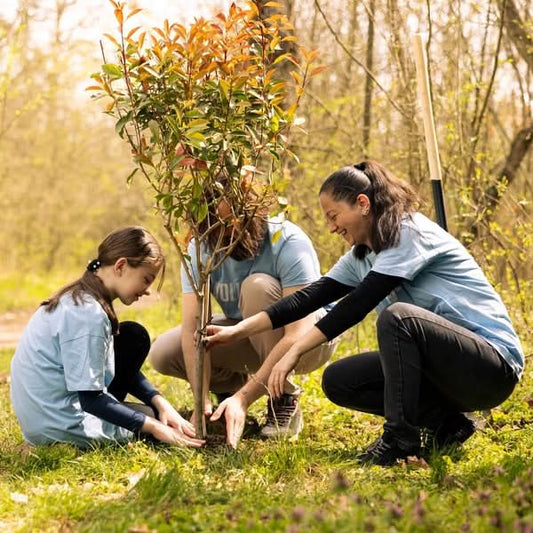
We will also discuss the role of organizations like Grow Billion Trees Partners in promoting tree planting initiatives, including boxwoods, to enhance our environment.
Understanding Boxwood Trees
Boxwood trees belong to the family Buxaceae and are native to Europe, Asia, Africa, and the Americas. They are evergreen shrubs or small trees that can grow up to 20 feet tall, depending on the species.
Boxwoods are characterized by their small, glossy leaves and dense growth habit, making them ideal for hedges, topiaries, and formal gardens. Their ability to withstand heavy pruning allows them to be shaped into various forms, adding a unique aesthetic to any landscape.
Popular Varieties of Boxwood
There are several species and cultivars of boxwood, each with its unique characteristics:
- Buxus sempervirens: Commonly known as the English boxwood, this species is one of the most popular for landscaping. It grows slowly, reaching heights of 10-15 feet, and is known for its dense, dark green foliage.
- Buxus microphylla: Also known as Japanese boxwood, this variety is smaller, reaching heights of 2-5 feet. It is prized for its compact growth and tolerance to a variety of soil conditions.
- Buxus sinica: The Chinese boxwood is another popular choice, known for its hardiness and adaptability. It can grow up to 10 feet tall and is often used in hedging and borders.
- Buxus 'Green Velvet': This hybrid variety is known for its rich green color and rounded form. It grows to about 3 feet tall and is perfect for low hedges and foundation plantings.
- Buxus 'Wintergreen': A variety that retains its color throughout the winter, Wintergreen boxwood is a favorite for those looking to maintain visual interest in colder months.
Care and Maintenance of Boxwood Trees
Caring for boxwood trees is relatively straightforward, but proper attention is essential for maintaining their health and appearance:
- Soil Requirements: Boxwoods prefer well-drained, fertile soil. They thrive in slightly acidic to neutral pH levels (6.0 to 7.0). Heavy clay or overly sandy soils can lead to root rot or poor growth.
- Watering: These trees require regular watering, especially during dry spells. However, overwatering can be detrimental, so it’s essential to allow the soil to dry slightly between waterings.
- Fertilization: Fertilize boxwoods in early spring with a balanced, slow-release fertilizer. This will provide the necessary nutrients for healthy growth.
- Pruning: Regular pruning is crucial for maintaining the desired shape and promoting bushy growth. Prune in late winter or early spring before new growth begins.
- Pest and Disease Control: Boxwoods can be susceptible to pests like boxwood leaf miner and diseases such as boxwood blight. Regular inspections and appropriate treatments can help manage these issues.
Environmental Impact of Boxwood Trees
Boxwood trees play a significant role in the environment. Their dense foliage provides shelter and food for various wildlife species, including birds and insects.
Additionally, boxwoods contribute to air quality by absorbing carbon dioxide and releasing oxygen. They also help in soil stabilization, preventing erosion, and improving soil health through organic matter accumulation.
Moreover, boxwood trees are often used in landscape design to reduce heat islands in urban areas. Their ability to provide shade can lower surrounding temperatures, contributing to energy conservation in buildings and reducing the need for air conditioning.
Boxwood Trees in Landscape Design
The versatility of boxwood trees makes them a favorite among landscape designers. Here are some stunning ways to incorporate boxwoods into your garden:
- Formal Hedges: Boxwoods are ideal for creating neat, formal hedges that define garden spaces. Their ability to be shaped and maintained makes them perfect for structured gardens.
- Topiaries: Boxwoods can be pruned into various shapes, from simple spheres to intricate designs. These living sculptures add a unique touch to any garden.
- Foundation Plantings: Planting boxwoods around the foundation of a home can enhance curb appeal while providing a polished look.
- Mixed Borders: Combining boxwoods with flowering perennials and shrubs creates a dynamic landscape with year-round interest.
- Container Gardening: Boxwoods can also thrive in containers, making them perfect for patios and balconies.
Historical Significance of Boxwood Trees
Boxwoods have a rich history, dating back to ancient times. They were used in the gardens of the Romans and Greeks, often symbolizing immortality and resilience.
In medieval Europe, boxwoods were cultivated in monastery gardens for their medicinal properties. The Renaissance period saw boxwoods being used extensively in formal gardens, particularly in France and Italy.
In more recent history, boxwoods became a staple in American gardens during the colonial period. Their ability to thrive in various climates made them a favorite among early settlers. Today, boxwoods continue to be a popular choice for landscaping, appreciated for their timeless elegance and adaptability.
Fun Facts About Boxwood Trees
- Boxwood leaves are toxic to pets if ingested, so it’s essential to keep them away from curious animals.
- Boxwood wood is dense and resistant to decay, making it ideal for crafting and woodworking.
- The name "boxwood" comes from the Latin word "buxus," which refers to the tree's box-like shape.
- Boxwoods can live for over 500 years, making them one of the longest-living shrubs in the garden.
Grow Billion Trees Partners: Promoting Sustainable Practices
Organizations like Grow Billion Trees Partners are instrumental in promoting tree planting initiatives, including the cultivation of boxwood trees. Their mission focuses on enhancing green spaces, improving air quality, and promoting biodiversity through tree planting. By partnering with local communities, schools, and organizations, they execute tree planting projects that not only beautify landscapes but also contribute to environmental sustainability.
Grow Billion Trees Partners employs several strategies to promote their projects:
- Community Engagement: They involve local communities in tree planting events, educating participants about the importance of trees and their care.
- Collaboration with Schools: Through educational programs, they teach children about the benefits of trees, fostering a sense of responsibility towards the environment.
- Corporate Partnerships: Collaborating with businesses, they promote corporate social responsibility initiatives that involve tree planting, enhancing the green footprint of companies.
- Research and Development: They invest in research to identify the best practices for planting and maintaining trees, ensuring the longevity and health of the planted species.
Through these initiatives, Grow Billion Trees Partners not only promotes the planting of boxwoods but also emphasizes the importance of all trees in combating climate change and enhancing our quality of life.
Conclusion
Boxwood trees are more than just ornamental plants; they are a vital part of our ecosystem and a testament to the beauty of nature.
With proper care and maintenance, they can thrive for generations, providing shelter, beauty, and environmental benefits. Whether you’re looking to create a formal hedge, a stunning topiary, or simply enhance your garden’s aesthetic, boxwoods offer endless possibilities.
As we continue to face environmental challenges, organizations like Grow Billion Trees Partners remind us of the importance of tree planting initiatives. By participating in these projects, we can contribute to a greener, healthier planet while enjoying the beauty of boxwood trees in our landscapes.
So, whether you're a seasoned gardener or a novice, consider adding boxwood trees to your landscape. Their timeless appeal and environmental benefits will surely make a lasting impression.
You may also like
-
Gift a Tree - Meaningful Environmental Gifts That Make a Difference
Transform your gift-giving with meaningful environmental gifts that create lasting impact for...
-
Trees For Shiv Ji - Sacred Tree Planting to Honor Lord Shiva
Honor Lord Shiva through sacred tree planting with Trees For Shiv Ji,...
-

Tree Plantations for Shri Ram - Sacred Devotional Planting Services
Honor Lord Shri Ram through meaningful tree plantations for Shri Ram that...
-
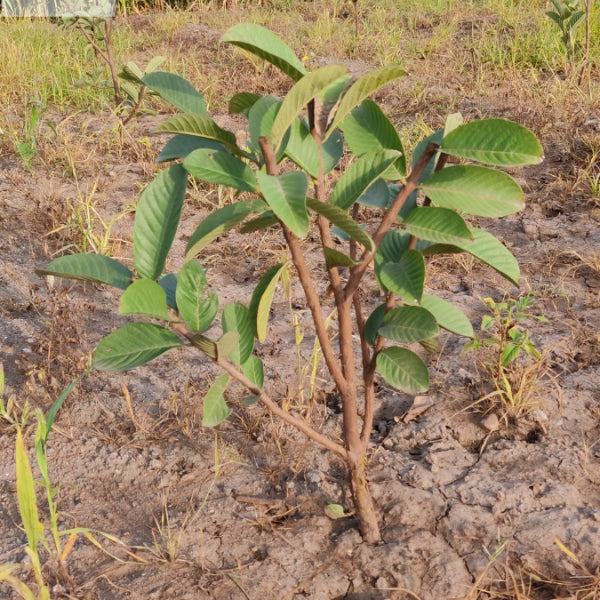
Tree Plantation on Navratri - Celebrate Divine Festivals with Environmental Devotion
Tree plantation on Navratri transforms the sacred nine-day festival into a powerful...
-
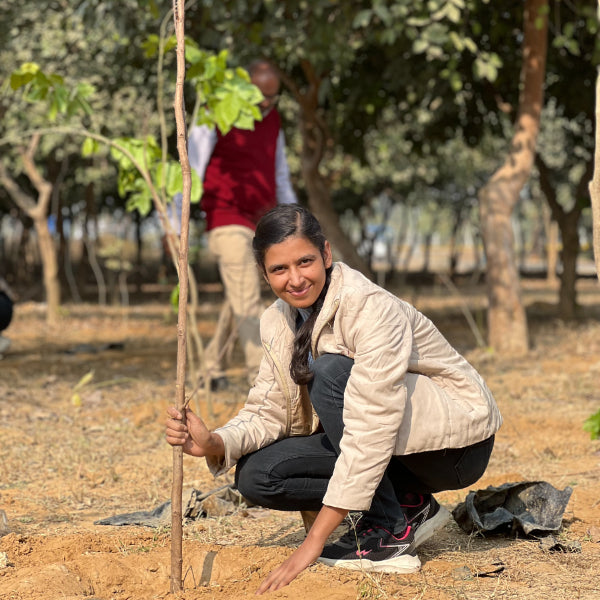
Tree Plantation by Cause - Plant Trees for Every Purpose | Grow Billion Trees
Transform your environmental impact with purpose-driven tree plantation by cause programs that...
Corporate Plantations
-
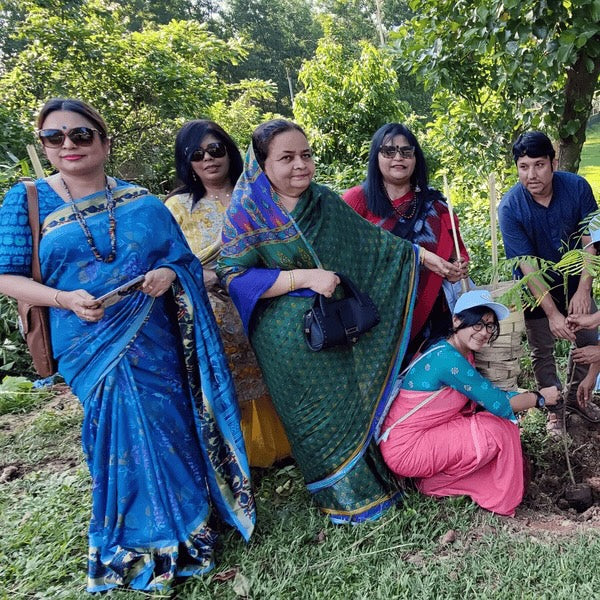
Trees for Corporates - Achieve Net Zero Targets Through Strategic Tree Planting
Trees for Corporates - Strategic Environmental SolutionsTransform your corporate environmental impact with...
-
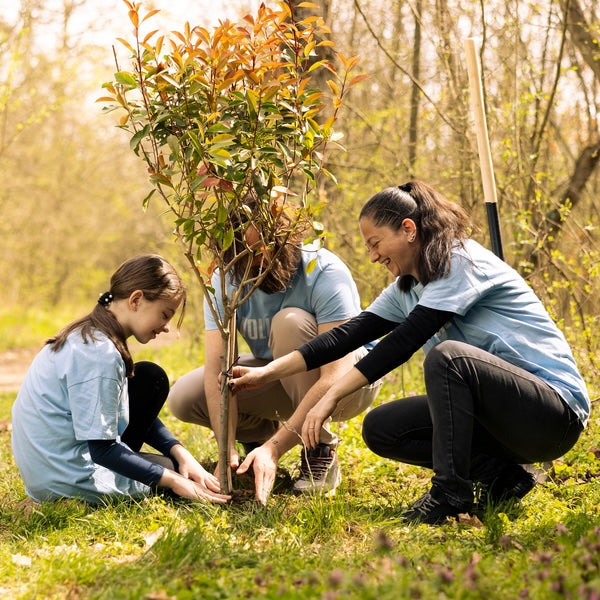
Tree Plantation for CSR - Corporate Environmental Programs | Grow Billion Trees
Tree Plantation for CSR - Transform Your Corporate Environmental ImpactTree plantation for...
-
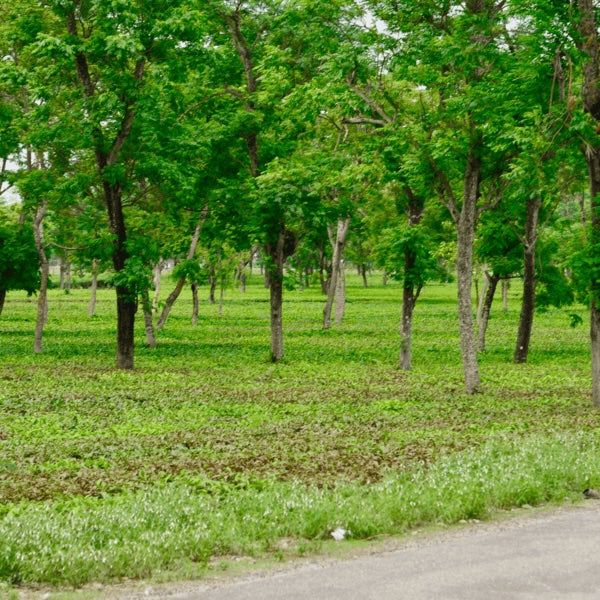
Tree Plantation for SDG - Support Sustainable Development Goals
Tree plantation for SDG initiatives represents a powerful pathway to achieving multiple...
-

Corporate Tree Plantation Programs - Sustainable ESG Environmental Solutions for Net Zero Targets
Transform your organization's environmental impact with our comprehensive Corporate Tree Plantation Programs...
-
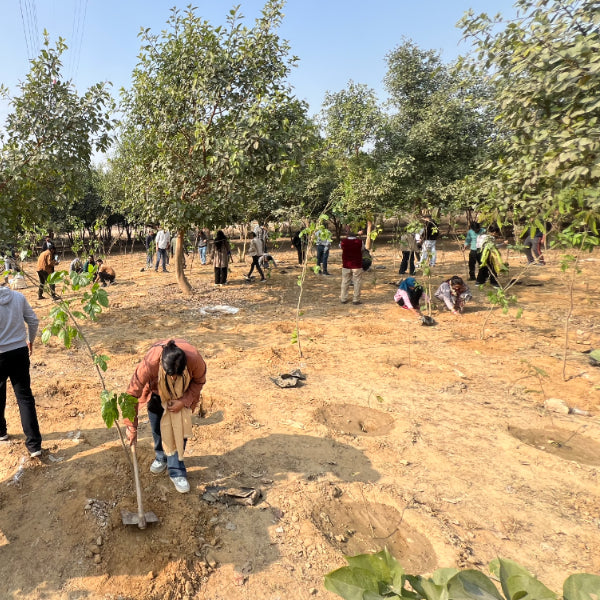
Tree Plantation by Location - Plant Trees Across India
Transform landscapes nationwide through our comprehensive tree plantation by location program. When...
Most Popular Tree Plantations - Top Choices for Environmental Impact
-
Trees for Mother
Regular price ₹ 299Regular priceUnit price per -
Trees to Honor the Memory of your Loved Ones
Regular price ₹ 299Regular priceUnit price per -
Trees for Wedding Anniversary Celebration
Regular price ₹ 299Regular priceUnit price per -
Trees for Grandmother
Regular price ₹ 299Regular priceUnit price per -
Trees for Grandfather
Regular price ₹ 299Regular priceUnit price per

Connect with us
-
👥 Corporates
If you are looking for:
- 🌲 Tree Plantation Events
- 📊 CSR Projects
📧 corporate@growbilliontrees.com
📞 +91 9699723523
💬 +91 9325931304 WhatsApp (Only)
🕒 Mon - Sat | 10am - 7pm IST
-
🧩 Tree Plantation NGOs
If you are looking for:
- 💰 Financial Assistance
- 🤝 Operational Support
📧 support@growbilliontrees.com
📞 +91 9699723523
💬 +91 9325931304 WhatsApp (Only)
🕒 Mon - Sat | 10am - 7pm IST
-
🌼 Individuals
If you are looking for:
- 👥 Group Tree Plantation Drive
- 🌳 Bulk Tree Plantation
📞 +91 9699723523
💬 +91 9325931304 WhatsApp (Only)
🕒 Mon - Sat | 10am - 7pm IST
