
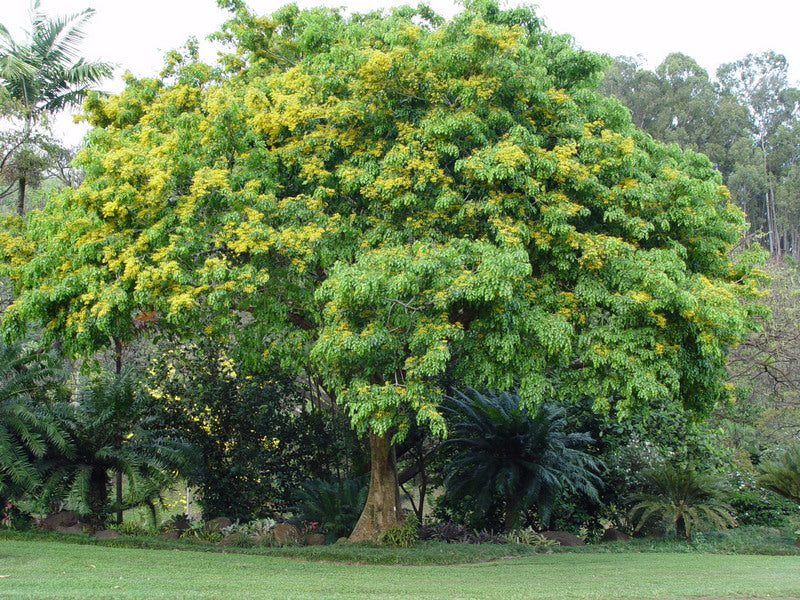
The Burma Padauk tree, scientifically known as Pterocarpus indicus, is a remarkable tropical species that captivates both nature enthusiasts and environmentalists alike. Renowned for its stunning golden-yellow flowers and rich, durable wood, this tre Read more
Trending Tree Plantations - Most Popular Environmental Programs
-
Trees for Mother
Regular price ₹ 299Regular priceUnit price per -
Trees to Honor the Memory of your Loved Ones
Regular price ₹ 299Regular priceUnit price per -
Trees for Women's Day (8th Mar)
Regular price ₹ 299Regular priceUnit price per -
Trees for Wedding Anniversary Celebration
Regular price ₹ 299Regular priceUnit price per -
Trees for Grandmother
Regular price ₹ 299Regular priceUnit price per

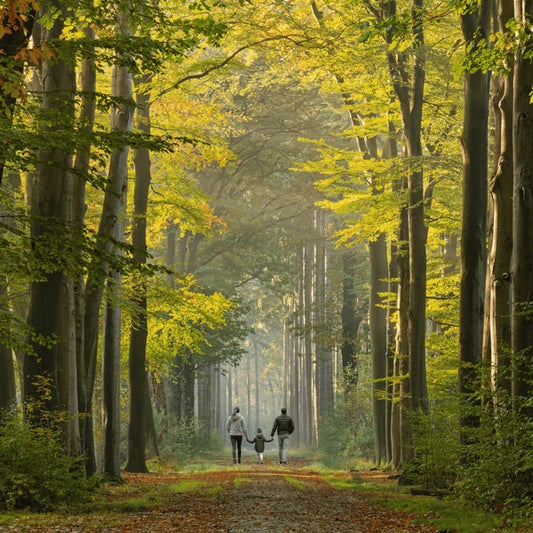



Trees for Corporates - Achieve Net Zero Targets Through Strategic Tree Planting
-
 Project Closed
Trees by LIFT Team for Green Diwali: Transform Your Festival
Regular price ₹ 299Regular priceUnit price per -
Trees for a Greener Tomorrow - by Mahindra Lifespaces
Regular price ₹ 299Regular priceUnit price per -
Trees for Environment Day: Plant Your Impact on June 5th
Regular price ₹ 299Regular priceUnit price per -
Trees for Employees: Transform Your Corporate Culture in 2026
Regular price ₹ 299Regular priceUnit price per -
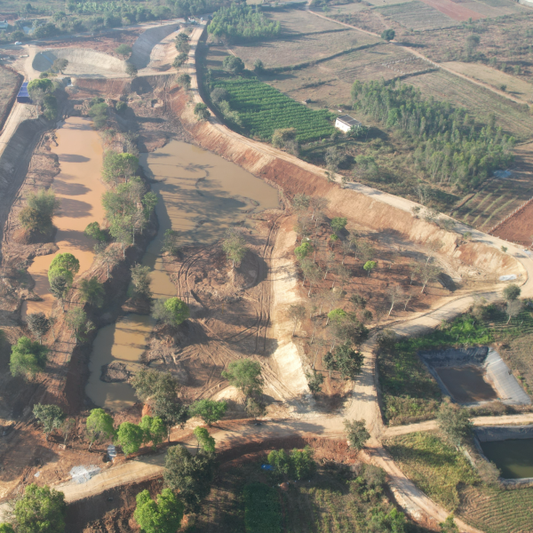 Project Closed
Trees for Bangalore: Plant Native Trees in Garden City ₹299
Regular price ₹ 799Regular priceUnit price per
Burma Padauk Tree: Discover the Hidden Beauty and Benefits of This Tro
The Burma Padauk tree, scientifically known as Pterocarpus indicus, is a remarkable tropical species that captivates both nature enthusiasts and environmentalists alike.
Renowned for its stunning golden-yellow flowers and rich, durable wood, this tree has become a focal point in discussions about biodiversity, reforestation, and sustainable forestry practices.
In this blog, we will explore the hidden beauty and numerous benefits of the Burma Padauk tree, delve into its ecological significance, and highlight the efforts of organizations like Grow Billion Trees Partners that are dedicated to promoting its growth and conservation.
1. A Glimpse into the Burma Padauk Tree
The Burma Padauk tree is native to Southeast Asia, particularly thriving in countries like Myanmar, Thailand, and India. It belongs to the Fabaceae family, which is known for its leguminous plants.
The tree can grow up to 30 meters tall and has a dense, rounded crown that provides ample shade, making it a popular choice for urban landscaping. The bark is grayish-brown and has a rough texture, while the leaves are compound, consisting of several leaflets that create a lush canopy.
One of the most striking features of the Burma Padauk is its vibrant flowers. Blooming from March to May, the tree produces clusters of bright yellow flowers that attract various pollinators, including bees and butterflies.
These blossoms not only enhance the aesthetic appeal of landscapes but also play a crucial role in supporting local ecosystems.
2. Ecological Significance
The ecological benefits of the Burma Padauk tree are manifold. As a leguminous species, it has the ability to fix nitrogen in the soil, enhancing soil fertility and promoting the growth of other plants in its vicinity.
This characteristic makes it an excellent choice for agroforestry systems, where it can be intercropped with other crops to improve overall yield and sustainability.
Moreover, the tree provides habitat and food for various wildlife species. Birds, insects, and small mammals rely on the Burma Padauk for shelter and sustenance, contributing to the biodiversity of the region.
The flowers attract pollinators, while the leaves serve as a food source for herbivores. This interconnectedness underscores the importance of preserving the Burma Padauk tree and its natural habitat.
3. Historical Significance
Historically, the Burma Padauk tree has held cultural significance in various countries. In Myanmar, it is often associated with traditional practices and ceremonies.
The wood of the Burma Padauk is highly valued for its durability and rich color, making it a popular choice for crafting furniture, musical instruments, and decorative items. Its use in traditional medicine also highlights its importance in local health practices.
In the broader context of colonial history, the Burma Padauk was extensively logged during the British colonial era for its high-quality timber.
This exploitation led to significant deforestation and loss of habitat, prompting the need for conservation efforts in modern times. Today, initiatives aimed at reforesting areas with Burma Padauk trees are crucial for restoring ecological balance and promoting sustainable land use.
4. Environmental Impact
The environmental impact of the Burma Padauk tree extends beyond its immediate ecosystem. As a fast-growing species, it plays a vital role in carbon sequestration, helping to mitigate climate change. By absorbing carbon dioxide from the atmosphere, the tree contributes to reducing greenhouse gas emissions and combating global warming.
Additionally, the Burma Padauk tree aids in soil erosion control. Its extensive root system stabilizes the soil, preventing erosion and promoting water retention. This is particularly important in tropical regions prone to heavy rainfall, where soil degradation can lead to significant environmental challenges.
Furthermore, the tree's ability to thrive in various soil types makes it a versatile choice for reforestation projects. Its resilience to drought and adaptability to different climatic conditions allow it to flourish in diverse environments, making it an ideal candidate for restoration efforts in degraded landscapes.
5. The Role of Grow Billion Trees Partners
Organizations like Grow Billion Trees Partners are at the forefront of promoting the growth and conservation of the Burma Padauk tree.
Their mission is to plant a billion trees worldwide, focusing on restoring ecosystems, combating climate change, and enhancing biodiversity. In regions where the Burma Padauk is native, they implement reforestation projects that not only involve planting trees but also educating local communities about the importance of sustainable forestry practices.
Grow Billion Trees Partners collaborates with local governments, NGOs, and community groups to ensure the success of their initiatives.
Their approach includes selecting appropriate planting sites, providing training for local farmers on agroforestry techniques, and monitoring the growth and health of the planted trees. By involving local communities in these projects, they foster a sense of ownership and responsibility towards the environment.
One of the key strategies employed by Grow Billion Trees Partners is to promote the economic benefits of planting Burma Padauk trees.
The timber from these trees can be harvested sustainably, providing a source of income for local communities while ensuring that the ecological integrity of the forest is maintained. This dual focus on environmental conservation and economic viability is essential for the long-term success of reforestation efforts.
6. Fun Facts About the Burma Padauk Tree
- Golden Showers: The vibrant yellow flowers of the Burma Padauk tree create a stunning visual display, often referred to as 'golden showers' when in full bloom.
- Fast Growth: The Burma Padauk is a fast-growing tree, capable of reaching maturity in just 5 to 10 years, making it an ideal choice for reforestation projects.
- Medicinal Uses: In traditional medicine, various parts of the Burma Padauk tree are used to treat ailments such as fever, cough, and digestive issues.
- Durable Timber: The wood of the Burma Padauk is known for its durability and resistance to decay, making it a popular choice for outdoor furniture and construction.
- Cultural Symbol: In Myanmar, the Burma Padauk is considered a national tree and is often planted near temples and pagodas as a symbol of prosperity and longevity.
7. How to Grow and Care for Burma Padauk Trees
If you're interested in cultivating Burma Padauk trees, here are some essential tips for successful growth:
- Soil Requirements: Burma Padauk trees prefer well-drained soils rich in organic matter. They thrive in loamy or sandy soils but can adapt to a range of soil types.
- Sunlight: These trees require full sunlight to grow optimally. Ensure they are planted in an area with ample sunlight for most of the day.
- Watering: While young trees need regular watering, mature Burma Padauk trees are drought-resistant. However, ensuring adequate moisture during the initial growth phase is crucial.
- Fertilization: Applying organic fertilizers can enhance growth and overall health. Regular mulching helps retain soil moisture and suppress weeds.
- Pest Management: Monitor for common pests and diseases. Organic pest control methods are recommended to maintain the ecological balance.
8. Conclusion
The Burma Padauk tree is more than just a beautiful addition to tropical landscapes; it is a vital component of ecological health and sustainability. Its numerous benefits, from enhancing soil fertility to providing habitat for wildlife, make it an invaluable asset in the fight against climate change and biodiversity loss.
Organizations like Grow Billion Trees Partners are leading the charge in promoting the growth of this remarkable tree, ensuring that future generations can appreciate its beauty and benefits.
As we continue to face environmental challenges, it is imperative to recognize the importance of trees like the Burma Padauk.
By supporting reforestation efforts and advocating for sustainable practices, we can contribute to the preservation of our planet's natural heritage. Whether you are a gardener, an environmentalist, or simply a lover of nature, consider the Burma Padauk tree as a symbol of hope and resilience in our collective journey towards a greener future.
You may also like
-
Gift a Tree - Meaningful Environmental Gifts That Make a Difference
Transform your gift-giving with meaningful environmental gifts that create lasting impact for...
-
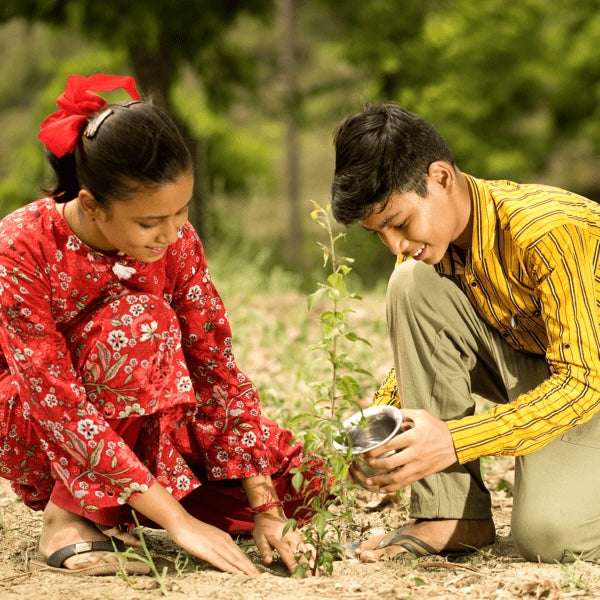
Trees For Shiv Ji - Sacred Tree Planting to Honor Lord Shiva
Honor Lord Shiva through sacred tree planting with Trees For Shiv Ji,...
-

Tree Plantations for Shri Ram - Sacred Devotional Planting Services
Honor Lord Shri Ram through meaningful tree plantations for Shri Ram that...
-
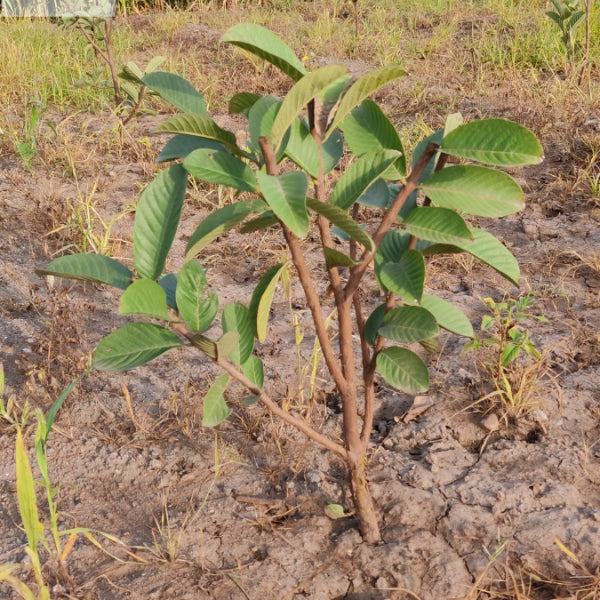
Tree Plantation on Navratri - Celebrate Divine Festivals with Environmental Devotion
Tree plantation on Navratri transforms the sacred nine-day festival into a powerful...
-
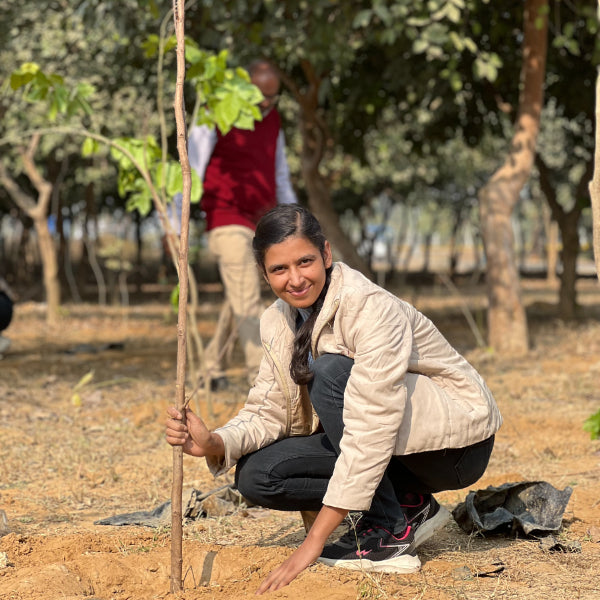
Tree Plantation by Cause - Plant Trees for Every Purpose | Grow Billion Trees
Transform your environmental impact with purpose-driven tree plantation by cause programs that...
Corporate Plantations
-
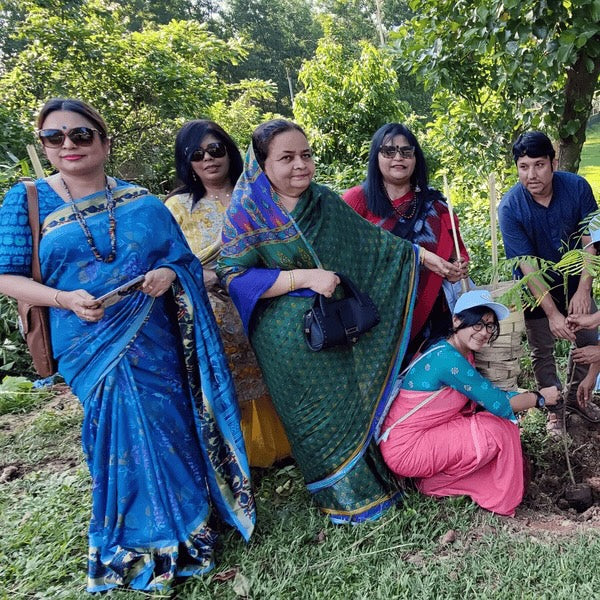
Trees for Corporates - Achieve Net Zero Targets Through Strategic Tree Planting
Trees for Corporates - Strategic Environmental SolutionsTransform your corporate environmental impact with...
-
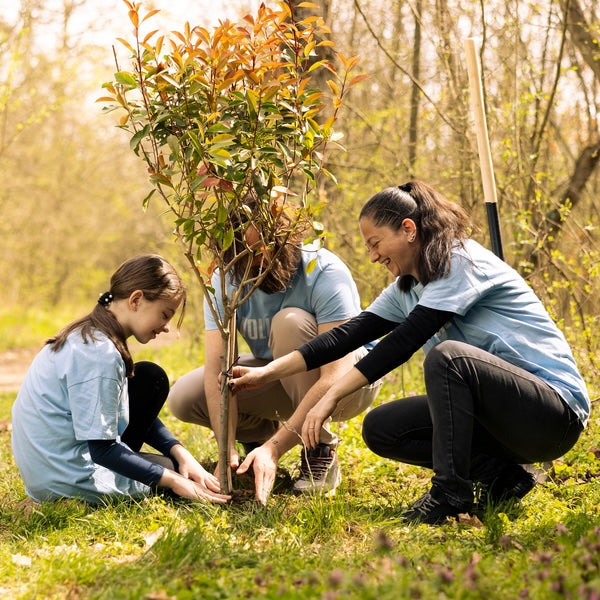
Tree Plantation for CSR - Corporate Environmental Programs | Grow Billion Trees
Tree Plantation for CSR - Transform Your Corporate Environmental ImpactTree plantation for...
-
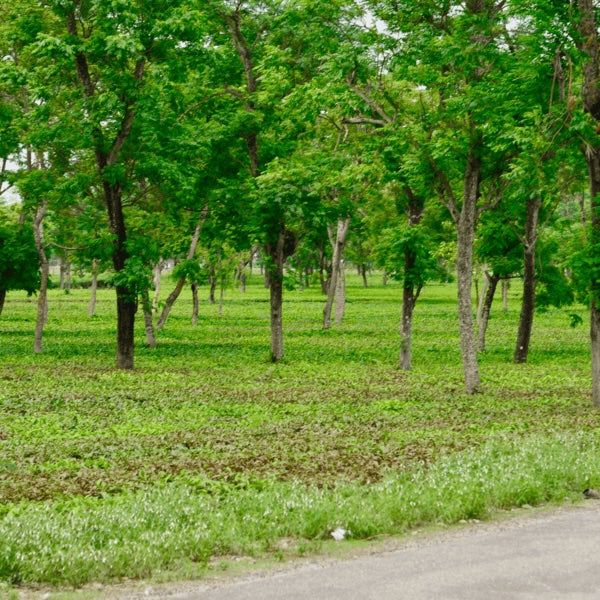
Tree Plantation for SDG - Support Sustainable Development Goals
Tree plantation for SDG initiatives represents a powerful pathway to achieving multiple...
-
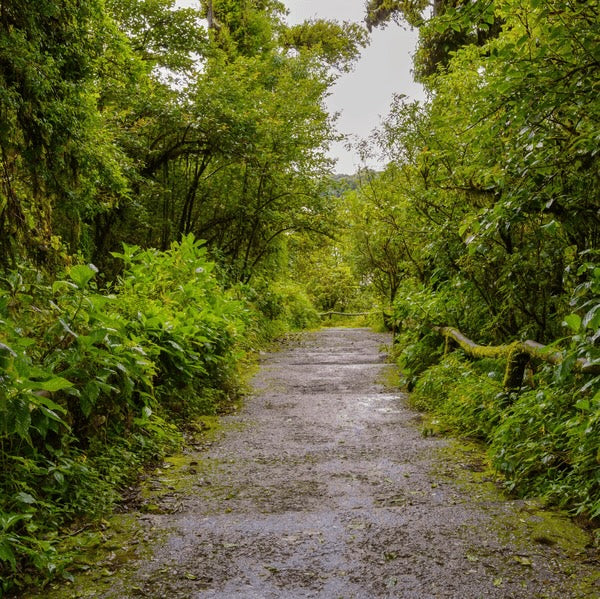
Corporate Tree Plantation Programs - Sustainable ESG Environmental Solutions for Net Zero Targets
Transform your organization's environmental impact with our comprehensive Corporate Tree Plantation Programs...
-
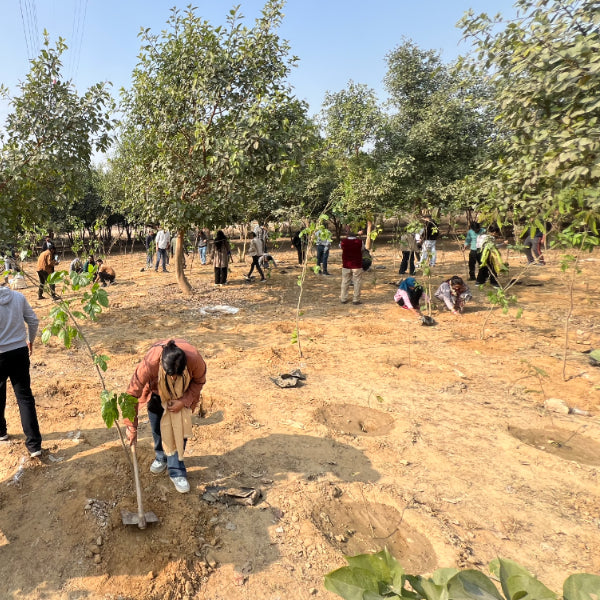
Tree Plantation by Location - Plant Trees Across India
Transform landscapes nationwide through our comprehensive tree plantation by location program. When...
Most Popular Tree Plantations - Top Choices for Environmental Impact
-
Trees for Mother
Regular price ₹ 299Regular priceUnit price per -
Trees to Honor the Memory of your Loved Ones
Regular price ₹ 299Regular priceUnit price per -
Trees for Wedding Anniversary Celebration
Regular price ₹ 299Regular priceUnit price per -
Trees for Grandmother
Regular price ₹ 299Regular priceUnit price per -
Trees for Grandfather
Regular price ₹ 299Regular priceUnit price per

Connect with us
-
👥 Corporates
If you are looking for:
- 🌲 Tree Plantation Events
- 📊 CSR Projects
📧 corporate@growbilliontrees.com
📞 +91 9699723523
💬 +91 9325931304 WhatsApp (Only)
🕒 Mon - Sat | 10am - 7pm IST
-
🧩 Tree Plantation NGOs
If you are looking for:
- 💰 Financial Assistance
- 🤝 Operational Support
📧 support@growbilliontrees.com
📞 +91 9699723523
💬 +91 9325931304 WhatsApp (Only)
🕒 Mon - Sat | 10am - 7pm IST
-
🌼 Individuals
If you are looking for:
- 👥 Group Tree Plantation Drive
- 🌳 Bulk Tree Plantation
📞 +91 9699723523
💬 +91 9325931304 WhatsApp (Only)
🕒 Mon - Sat | 10am - 7pm IST
