Calliandra Tree: The Stunning Pink Powderpuff Transforming Gardens, Ecosystems, and Beyond

Calliandra Tree: The Stunning Pink Powderpuff Transforming Gardens, Ecosystems, and Beyond

August 31, 2025

The Calliandra Tree, also known as the Pink Powderpuff Tree, is a botanical marvel that adds beauty and vibrancy wherever it grows. With its striking pink flowers, delicate fern-like leaves, and ecological significance, this tree is more than ju Read more

Trees for Corporates - Achieve Net Zero Targets Through Strategic Tree Planting

1 of 5

Calliandra Tree: The Stunning Pink Powderpuff Transforming Gardens, Ec

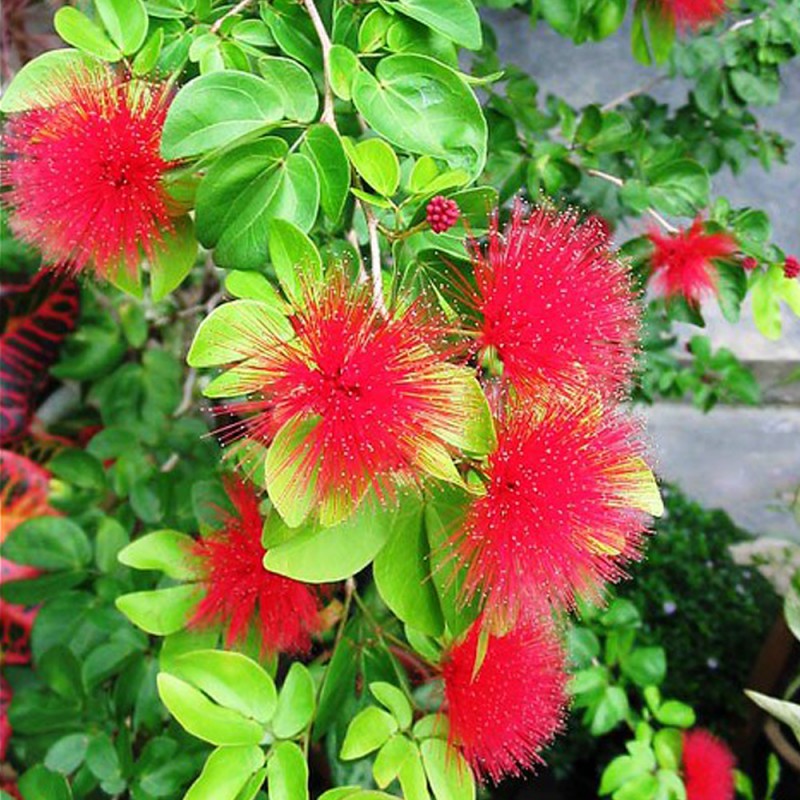
The Calliandra Tree, also known as the Pink Powderpuff Tree, is a botanical marvel that adds beauty and vibrancy wherever it grows. With its striking pink flowers, delicate fern-like leaves, and ecological significance, this tree is more than just a visual delight.

It plays a vital role in supporting ecosystems, enriching soils, and serving as a versatile plant for ornamental and practical purposes.

In this blog, we’ll dive deep into the world of the Calliandra Tree, exploring its history, scientific significance, environmental benefits, and unique uses.

Let’s discover why this tree deserves a prominent place in gardens and natural landscapes alike.


What is the Calliandra Tree?

The Calliandra Tree belongs to the Fabaceae family, commonly recognized for its showy, pom-pom-like flowers that range in colors like pink, red, and white. It is a fast-growing, drought-tolerant plant that thrives in tropical and subtropical regions.

Scientific Classification:

  • Kingdom: Plantae
  • Family: Fabaceae
  • Genus: Calliandra
  • Species: Calliandra haematocephala (most commonly known species)

Physical Characteristics:

  • Height: Typically grows up to 5–6 meters (16–20 feet).
  • Leaves: Bipinnate, fern-like, and sensitive to touch.
  • Flowers: Large, fluffy, and vibrant, resembling powderpuffs.
  • Fruit: Flat pods containing small seeds.

Historical and Cultural Significance

The Calliandra Tree has roots in tropical America, especially in regions like Brazil and Mexico. It was later introduced to other parts of the world, including Southeast Asia and Africa, where it is cherished for its ornamental beauty and functional uses.

1. Native American Use:

In its native regions, Calliandra was often planted near homes and used for various practical purposes, including erosion control and as fodder for livestock.

2. Global Spread:

Over time, the tree gained popularity worldwide due to its ornamental appeal, nitrogen-fixing abilities, and adaptability to diverse climates.


Scientific Importance of the Calliandra Tree

The Calliandra Tree is a powerhouse of ecological benefits, offering unique advantages that make it a valuable addition to any ecosystem.

1. Nitrogen Fixation:

As a member of the Fabaceae family, Calliandra has symbiotic relationships with nitrogen-fixing bacteria in its roots. This improves soil fertility and reduces the need for chemical fertilizers.

2. Pollinator Magnet:

The tree’s vibrant flowers are a rich source of nectar, attracting pollinators like bees, butterflies, and hummingbirds, thereby supporting biodiversity.

3. Carbon Sequestration:

Calliandra trees absorb significant amounts of carbon dioxide, contributing to the fight against climate change.


Environmental Impact of the Calliandra Tree

1. Erosion Control:

The dense root system of the Calliandra Tree helps prevent soil erosion, particularly on slopes and in areas prone to heavy rainfall.

2. Agroforestry:

Calliandra is often used in agroforestry systems for its ability to provide shade, enhance soil quality, and act as a windbreak.

3. Sustainable Livelihoods:

In rural areas, Calliandra is grown as a source of fuelwood, fodder, and green manure, contributing to sustainable farming practices.


Medicinal and Practical Uses

While not as prominent in traditional medicine as some other trees, the Calliandra Tree offers several practical and medicinal benefits:

1. Traditional Remedies:

In some cultures, parts of the Calliandra Tree are used to treat skin ailments and minor wounds due to its anti-inflammatory properties.

2. Fodder for Livestock:

The tree’s leaves are rich in protein, making them an excellent feed for goats, sheep, and cattle.

3. Firewood and Charcoal:

Calliandra is a popular source of firewood in many rural communities due to its fast growth and high calorific value.


Fun Facts About the Calliandra Tree

  1. Sleepy Leaves: Calliandra’s leaves fold up at night, a phenomenon known as nyctinasty, which is thought to protect the plant.
  2. Hummingbird Favorite: The tree’s flowers are a favorite of hummingbirds, who rely on its nectar as a primary food source.
  3. Drought Tolerant: Calliandra thrives in arid conditions, making it an excellent choice for xeriscaping.
  4. Butterfly Host Plant: The tree supports butterfly populations by acting as a host plant for their larvae.
  5. Low Maintenance: Calliandra is incredibly easy to grow, requiring minimal care once established.

How to Grow and Care for a Calliandra Tree

If you’re looking to add the Calliandra Tree to your garden, here’s a quick guide to growing and maintaining this beauty:

1. Ideal Conditions:

  • Climate: Prefers warm, tropical, or subtropical climates.
  • Soil: Grows well in sandy, loamy, or well-drained soils.

2. Planting:

  • Propagate through seeds or cuttings.
  • Plant in a sunny spot with good air circulation.

3. Maintenance:

  • Water regularly during the initial growth phase but reduce watering once established.
  • Prune periodically to maintain shape and encourage blooming.

Calliandra Tree and Its Role in Biodiversity

The Calliandra Tree is a vital component of the ecosystems where it grows, supporting various forms of wildlife and promoting biodiversity.

1. Pollinator Haven:

The tree’s flowers produce abundant nectar, attracting bees, butterflies, and birds, which are essential for pollination in surrounding plants.

2. Shelter for Wildlife:

Its dense foliage provides shelter for small mammals, birds, and insects, creating a microhabitat within its canopy.

3. Soil Microorganisms:

By enriching the soil with nitrogen, the tree supports the growth of beneficial microorganisms that enhance soil health.


Modern Applications of the Calliandra Tree

Beyond its traditional uses, the Calliandra Tree has found a place in various modern applications:

1. Ornamental Landscaping:

With its striking flowers and delicate foliage, Calliandra is a favorite in gardens, parks, and urban landscapes.

2. Reforestation Projects:

Due to its fast growth and soil-enriching properties, Calliandra is often used in reforestation and land restoration efforts.

3. Natural Dye:

The flowers and leaves of the Calliandra Tree are used to create natural dyes for textiles.


Challenges and Conservation Efforts

While the Calliandra Tree is resilient, it faces challenges that require attention:

1. Overharvesting:

In some areas, excessive harvesting of Calliandra for firewood and fodder threatens its natural populations.

2. Invasive Potential:

In certain ecosystems, Calliandra can become invasive, outcompeting native species.

Conservation Measures:

  • Promote sustainable harvesting practices.
  • Monitor its spread in non-native regions to prevent ecological imbalances.

Conclusion

The Calliandra Tree is a true marvel of nature, blending beauty, functionality, and ecological significance.

Its stunning flowers captivate the eye, while its environmental benefits make it an essential player in sustainable ecosystems. Whether used for landscaping, agroforestry, or supporting pollinators, the Calliandra Tree is a testament to the incredible versatility of plants.

Incorporating the Calliandra Tree into gardens, farms, and conservation projects is a step toward embracing nature’s resilience and beauty.

Add this "pink powderpuff" to your life and witness the transformation it brings—not just to your space, but to the world around you. 🌸🌿

  • 👥 Corporates

    If you are looking for:

    • 🌲 Tree Plantation Events
    • 📊 CSR Projects

    📧 corporate@growbilliontrees.com

    📞 +91 9699723523

    💬 +91 9325931304 WhatsApp (Only)

    🕒 Mon - Sat | 10am - 7pm IST

  • 🧩 Tree Plantation NGOs

    If you are looking for:

    • 💰 Financial Assistance
    • 🤝 Operational Support

    📧 support@growbilliontrees.com

    📞 +91 9699723523

    💬 +91 9325931304 WhatsApp (Only)

    🕒 Mon - Sat | 10am - 7pm IST

  • 🌼 Individuals

    If you are looking for:

    • 👥 Group Tree Plantation Drive
    • 🌳 Bulk Tree Plantation

    📧 care@growbilliontrees.com

    📞 +91 9699723523

    💬 +91 9325931304 WhatsApp (Only)

    🕒 Mon - Sat | 10am - 7pm IST