
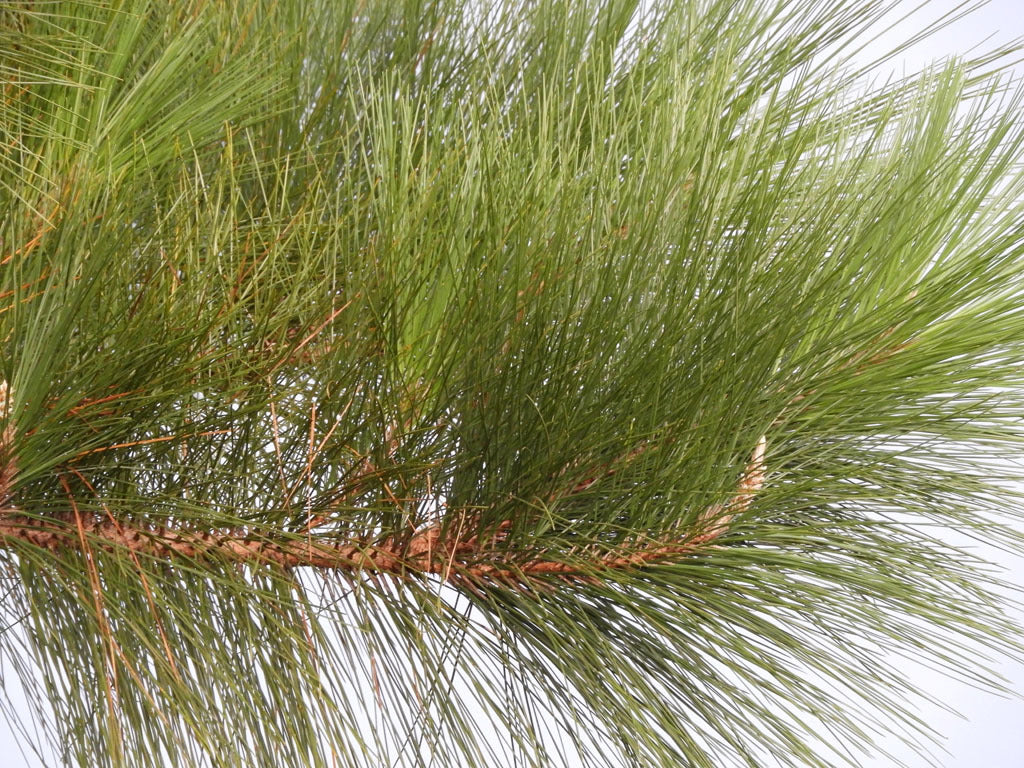
The Caribbean Pine Tree (Pinus caribaea) stands as a testament to the resilience and beauty of tropical ecosystems. This remarkable evergreen species serves as nature's guardian, protecting coastal environments while supporting biodiversity across th Read more
Trending Tree Plantations - Most Popular Environmental Programs
-
Trees for Mother
Regular price ₹ 299Regular priceUnit price per -
Trees to Honor the Memory of your Loved Ones
Regular price ₹ 299Regular priceUnit price per -
Trees for Women's Day (8th Mar)
Regular price ₹ 299Regular priceUnit price per -
Trees for Wedding Anniversary Celebration
Regular price ₹ 299Regular priceUnit price per -
Trees for Grandmother
Regular price ₹ 299Regular priceUnit price per



Trees for Corporates - Achieve Net Zero Targets Through Strategic Tree Planting
-
 Project Closed
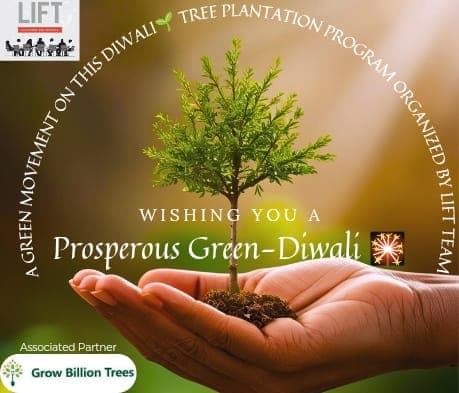
Trees by LIFT Team for Green Diwali: Transform Your Festival
Regular price ₹ 299Regular priceUnit price per -
Trees for a Greener Tomorrow - by Mahindra Lifespaces
Regular price ₹ 299Regular priceUnit price per -
Trees for Environment Day: Plant Your Impact on June 5th
Regular price ₹ 299Regular priceUnit price per -
Trees for Employees: Transform Your Corporate Culture in 2026
Regular price ₹ 299Regular priceUnit price per -
 Project Closed
Trees for Bangalore: Plant Native Trees in Garden City ₹299
Regular price ₹ 799Regular priceUnit price per
Caribbean Pine Tree: Tropical Ecosystem Hero & Conservation
The Caribbean Pine Tree (Pinus caribaea) stands as a testament to the resilience and beauty of tropical ecosystems. This remarkable evergreen species serves as nature's guardian, protecting coastal environments while supporting biodiversity across the Caribbean region. With its towering presence and ecological significance, the Caribbean Pine Tree exemplifies how individual species can drive environmental restoration and sustainable development.
Understanding the Caribbean Pine Tree 🌲
The Caribbean Pine Tree is native to the Caribbean islands and parts of Central America, thriving in sandy soils and coastal environments. With its tall, straight trunk and needle-like leaves, this tree can reach heights of up to 30 meters (approximately 98 feet) and live for over 100 years.
Its adaptability to poor soil conditions makes it a vital species for reforestation projects, as it can stabilize the soil and prevent erosion. According to the United Nations Environment Programme's forest conservation initiatives, species like the Caribbean Pine are crucial for maintaining ecosystem stability in tropical regions.
Scientific Significance and Economic Value ⭐
From a scientific perspective, the Caribbean Pine Tree is a member of the Pinaceae family, which includes other economically important species such as the Eastern White Pine and the Red Pine. Its wood is highly valued for its strength and durability, making it a popular choice for construction, furniture-making, and paper production.
Studies have shown that the wood of the Caribbean Pine has a density of around 400-500 kg/m³, making it suitable for various applications. Moreover, the tree's resin is used in the production of turpentine and rosin, adding to its economic significance.
The Caribbean Pine's ability to sequester carbon dioxide also plays a crucial role in combating climate change. As highlighted by the United Nations Climate Change initiative, forests are known to absorb significant amounts of CO2 from the atmosphere, making these trees essential allies in our fight against global warming.
Environmental Impact and Ecosystem Services 💡
The Caribbean Pine Tree is a keystone species in its ecosystem, providing habitat and food for a variety of wildlife. Birds such as the Black-crowned Night Heron and the Caribbean Parrot rely on the tree for nesting and foraging. Additionally, the tree's foliage provides shelter for numerous insects, which in turn supports a diverse range of predators, including reptiles and mammals.
One of the most significant environmental benefits of the Caribbean Pine is its role in preventing soil erosion. The extensive root system of the tree helps to anchor the soil, reducing the impact of heavy rains and wind. This is particularly important in the Caribbean, where tropical storms and hurricanes can wreak havoc on the landscape.
By stabilizing the soil, the Caribbean Pine Tree helps maintain the integrity of the ecosystem and protects against land degradation. The World Wildlife Fund's forest conservation programs recognize such species as fundamental to preserving biodiversity and ecosystem health.
Fascinating Facts About Caribbean Pine Trees ✅
- The Caribbean Pine is known for its distinctive "pineapple" cones, which can grow up to 15 cm (6 inches) in length
- These trees can regenerate quickly after disturbances, making them a favorite for reforestation efforts
- Caribbean Pine forests are known to host a variety of endemic species, some of which cannot be found anywhere else in the world
- The tree's bark has a unique fire-resistant property, allowing it to survive wildfires that might devastate other species
- A mature Caribbean Pine can produce over 1,000 viable seeds annually, ensuring natural forest regeneration
Historical Context and Cultural Heritage
The Caribbean Pine Tree has a rich history that intertwines with the cultural heritage of the Caribbean islands. Indigenous peoples used the wood for constructing canoes, homes, and tools. The arrival of European settlers in the 15th century saw an increased demand for Caribbean Pine timber, leading to extensive logging that threatened its populations.
In the 20th century, conservation efforts began to take shape as awareness grew about the importance of preserving this vital species. Reforestation programs were initiated to restore degraded lands and promote sustainable forestry practices. The Caribbean Pine Tree has become a symbol of resilience and recovery, representing the ongoing efforts to restore balance to the region's ecosystems.
Grow Billion Trees: Championing Caribbean Pine Conservation
At Grow Billion Trees, we recognize the Caribbean Pine Tree as a cornerstone species for achieving our mission of Combating Climate Change Through Collective Action. Our comprehensive approach includes specialized programs that utilize these remarkable trees to restore tropical ecosystems while supporting local communities.
Through our 4ft Tree Planting + 3 Years Care + GeoTag program, we ensure that every Caribbean Pine planted receives the attention it needs to thrive. For just ₹299, you can Plant a tree in your Name and contribute to our goal of planting 100 crore trees across India and beyond.
Our Miyawaki forest programs specifically incorporate Caribbean Pine trees in suitable coastal regions, creating dense, biodiverse forests that mature rapidly. These initiatives directly support corporate Net Zero Targets while providing measurable environmental benefits through our advanced GeoTag tracking technology.
Sustainable Living Through Caribbean Pine Integration
The Caribbean Pine Tree exemplifies sustainable living principles through its multiple benefits:
- Carbon Sequestration: Each mature tree can absorb up to 48 pounds of CO2 annually
- Soil Conservation: Prevents erosion and maintains soil fertility in coastal areas
- Biodiversity Support: Creates habitat corridors for wildlife movement and breeding
- Economic Opportunities: Provides sustainable timber and non-timber forest products
- Climate Resilience: Helps communities adapt to climate change impacts
Our agroforestry programs integrate Caribbean Pine with agricultural systems, demonstrating how these trees can enhance food security while providing environmental benefits. Farmers participating in our programs report improved soil health and increased crop yields within three years of implementation.
Conservation Challenges and Solutions ⚠️
Despite its resilience, the Caribbean Pine Tree faces several conservation challenges:
Primary Threats
- Habitat loss due to urban development and agriculture expansion
- Climate change affecting precipitation patterns and temperature ranges
- Invasive species competition in native ecosystems
- Over-harvesting for commercial timber production
Conservation Solutions
Effective conservation requires integrated approaches combining scientific research, community engagement, and policy support. Our restoration programs focus on:
- Establishing protected forest reserves in critical habitats
- Implementing sustainable harvesting practices that maintain forest cover
- Creating wildlife corridors connecting fragmented forest patches
- Educating local communities about the tree's ecological importance
Technology and Innovation in Caribbean Pine Conservation
Modern conservation efforts leverage cutting-edge technology to monitor and protect Caribbean Pine populations. Our GeoTag system allows supporters to track their planted trees' growth and environmental impact in real-time. Satellite monitoring helps identify deforestation threats early, enabling rapid response interventions.
Genetic research has revealed distinct Caribbean Pine subspecies adapted to specific island environments. This knowledge informs our seed collection and planting strategies, ensuring genetic diversity preservation while maximizing survival rates in restoration projects.
Community Engagement and Education 🌱
Successful Caribbean Pine conservation depends on active community participation. Our educational programs teach local residents about sustainable forest management, alternative livelihoods, and the tree's cultural significance. Women's groups receive training in nursery management, creating economic opportunities while supporting conservation goals.
School partnerships introduce children to forest ecology through hands-on planting activities. Students adopt Caribbean Pine seedlings, learning responsibility while developing environmental stewardship values. These programs create lasting connections between communities and their natural heritage.
Frequently Asked Questions
What makes the Caribbean Pine Tree unique among tropical species?
The Caribbean Pine Tree stands out for its exceptional adaptability to poor soils, fire resistance, and rapid regeneration capabilities. Unlike many tropical trees, it thrives in sandy coastal environments and can survive hurricane-force winds, making it invaluable for ecosystem restoration in vulnerable areas.
How long does a Caribbean Pine Tree take to mature?
Caribbean Pine trees typically reach maturity in 20-30 years, though they continue growing for over 100 years. They begin producing viable seeds at around 15 years old, contributing to natural forest regeneration relatively quickly compared to other tropical species.
Can Caribbean Pine trees grow in non-tropical climates?
While naturally adapted to tropical and subtropical regions, Caribbean Pine trees can survive in warmer temperate zones with adequate moisture. However, they perform best in their native climate conditions with year-round warmth and seasonal rainfall patterns.
What wildlife depends on Caribbean Pine forests?
Caribbean Pine forests support over 200 bird species, numerous mammals including bats and small rodents, reptiles, amphibians, and countless invertebrates. Many endemic species rely exclusively on these forests for survival, making conservation efforts critical for biodiversity preservation.
How do Caribbean Pine trees help prevent coastal erosion?
The extensive root system of Caribbean Pine trees creates a natural barrier against soil erosion. Their deep taproot and spreading lateral roots bind soil particles together, while the tree canopy reduces rainfall impact and wind speed, protecting vulnerable coastal areas from storm damage.
What economic benefits do Caribbean Pine trees provide?
Beyond timber production, Caribbean Pine trees support eco-tourism, provide non-timber forest products like resin and medicinal plants, create employment in forestry and conservation sectors, and enhance property values in forested areas. Sustainable management can generate long-term economic returns for communities.
How can individuals support Caribbean Pine conservation?
Individuals can support conservation by planting trees through programs like Grow Billion Trees, choosing sustainably sourced wood products, supporting organizations working in Caribbean conservation, reducing carbon footprints, and spreading awareness about tropical forest importance.
Are Caribbean Pine trees endangered?
While not globally endangered, many Caribbean Pine populations face local threats from habitat loss and climate change. Some island populations have declined significantly, making conservation efforts crucial for maintaining genetic diversity and ecosystem stability across the species' range.
The Future of Caribbean Pine Conservation
Looking ahead, Caribbean Pine conservation requires coordinated international efforts addressing climate change, habitat protection, and sustainable development. Our commitment to planting 100 crore trees includes strategic Caribbean Pine plantations that will create resilient forest networks capable of withstanding future environmental challenges.
Research into climate-adapted varieties ensures that future plantings will thrive under changing conditions. Partnerships with universities and research institutions advance our understanding of optimal planting techniques, genetic diversity maintenance, and ecosystem restoration best practices.
The Caribbean Pine Tree represents hope for tropical ecosystem recovery and sustainable development. Through collective action and innovative conservation approaches, we can ensure these magnificent trees continue supporting biodiversity, protecting communities, and fighting climate change for generations to come.
Join Grow Billion Trees in celebrating and protecting the Caribbean Pine Tree. Plant a tree in your Name today and become part of the solution for a greener, more sustainable future. Together, we're not just planting trees – we're nurturing the planet's natural guardians and building resilient ecosystems that will thrive for centuries.
You may also like
-
Gift a Tree - Meaningful Environmental Gifts That Make a Difference
Transform your gift-giving with meaningful environmental gifts that create lasting impact for...
-
Trees For Shiv Ji - Sacred Tree Planting to Honor Lord Shiva
Honor Lord Shiva through sacred tree planting with Trees For Shiv Ji,...
-

Tree Plantations for Shri Ram - Sacred Devotional Planting Services
Honor Lord Shri Ram through meaningful tree plantations for Shri Ram that...
-
Tree Plantation on Navratri - Celebrate Divine Festivals with Environmental Devotion
Tree plantation on Navratri transforms the sacred nine-day festival into a powerful...
-
Tree Plantation by Cause - Plant Trees for Every Purpose | Grow Billion Trees
Transform your environmental impact with purpose-driven tree plantation by cause programs that...
Corporate Plantations
-
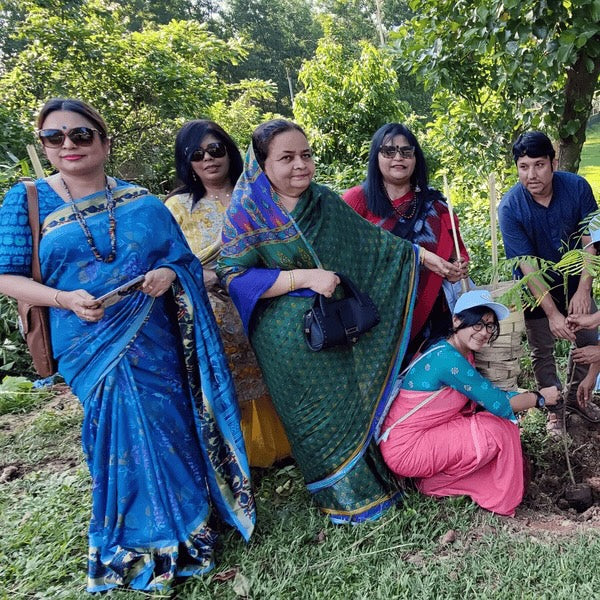
Trees for Corporates - Achieve Net Zero Targets Through Strategic Tree Planting
Trees for Corporates - Strategic Environmental SolutionsTransform your corporate environmental impact with...
-
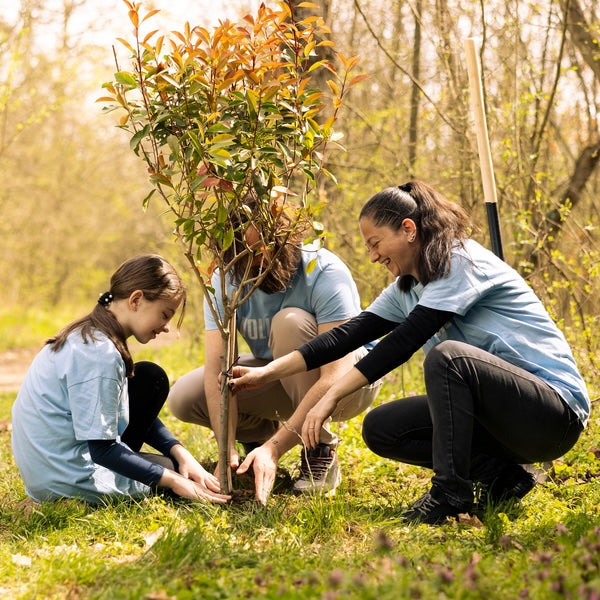
Tree Plantation for CSR - Corporate Environmental Programs | Grow Billion Trees
Tree Plantation for CSR - Transform Your Corporate Environmental ImpactTree plantation for...
-
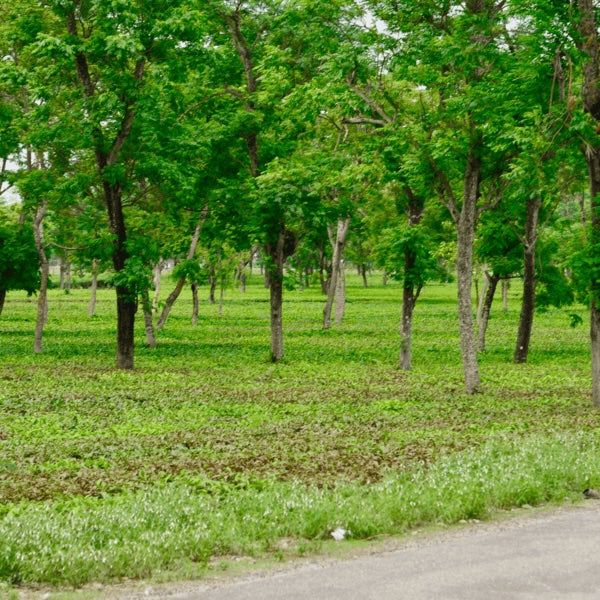
Tree Plantation for SDG - Support Sustainable Development Goals
Tree plantation for SDG initiatives represents a powerful pathway to achieving multiple...
-
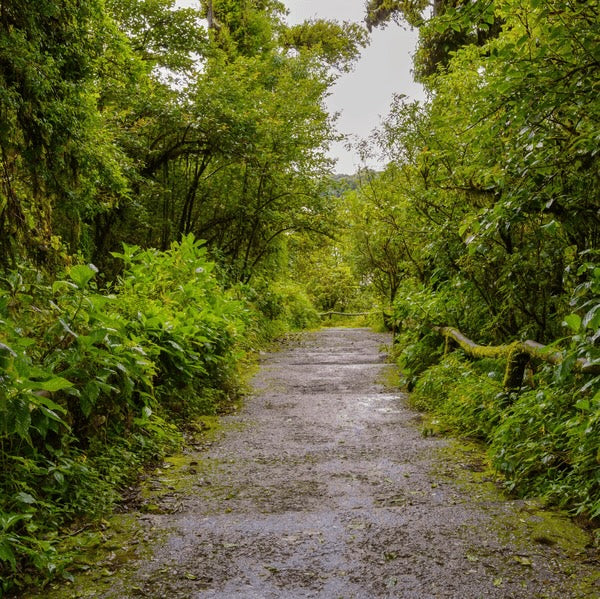
Corporate Tree Plantation Programs - Sustainable ESG Environmental Solutions for Net Zero Targets
Transform your organization's environmental impact with our comprehensive Corporate Tree Plantation Programs...
-
Tree Plantation by Location - Plant Trees Across India
Transform landscapes nationwide through our comprehensive tree plantation by location program. When...
Most Popular Tree Plantations - Top Choices for Environmental Impact
-
Trees for Mother
Regular price ₹ 299Regular priceUnit price per -
Trees to Honor the Memory of your Loved Ones
Regular price ₹ 299Regular priceUnit price per -
Trees for Wedding Anniversary Celebration
Regular price ₹ 299Regular priceUnit price per -
Trees for Grandmother
Regular price ₹ 299Regular priceUnit price per -
Trees for Grandfather
Regular price ₹ 299Regular priceUnit price per

Connect with us
-
👥 Corporates
If you are looking for:
- 🌲 Tree Plantation Events
- 📊 CSR Projects
📧 corporate@growbilliontrees.com
📞 +91 9699723523
💬 +91 9325931304 WhatsApp (Only)
🕒 Mon - Sat | 10am - 7pm IST
-
🧩 Tree Plantation NGOs
If you are looking for:
- 💰 Financial Assistance
- 🤝 Operational Support
📧 support@growbilliontrees.com
📞 +91 9699723523
💬 +91 9325931304 WhatsApp (Only)
🕒 Mon - Sat | 10am - 7pm IST
-
🌼 Individuals
If you are looking for:
- 👥 Group Tree Plantation Drive
- 🌳 Bulk Tree Plantation
📞 +91 9699723523
💬 +91 9325931304 WhatsApp (Only)
🕒 Mon - Sat | 10am - 7pm IST
