
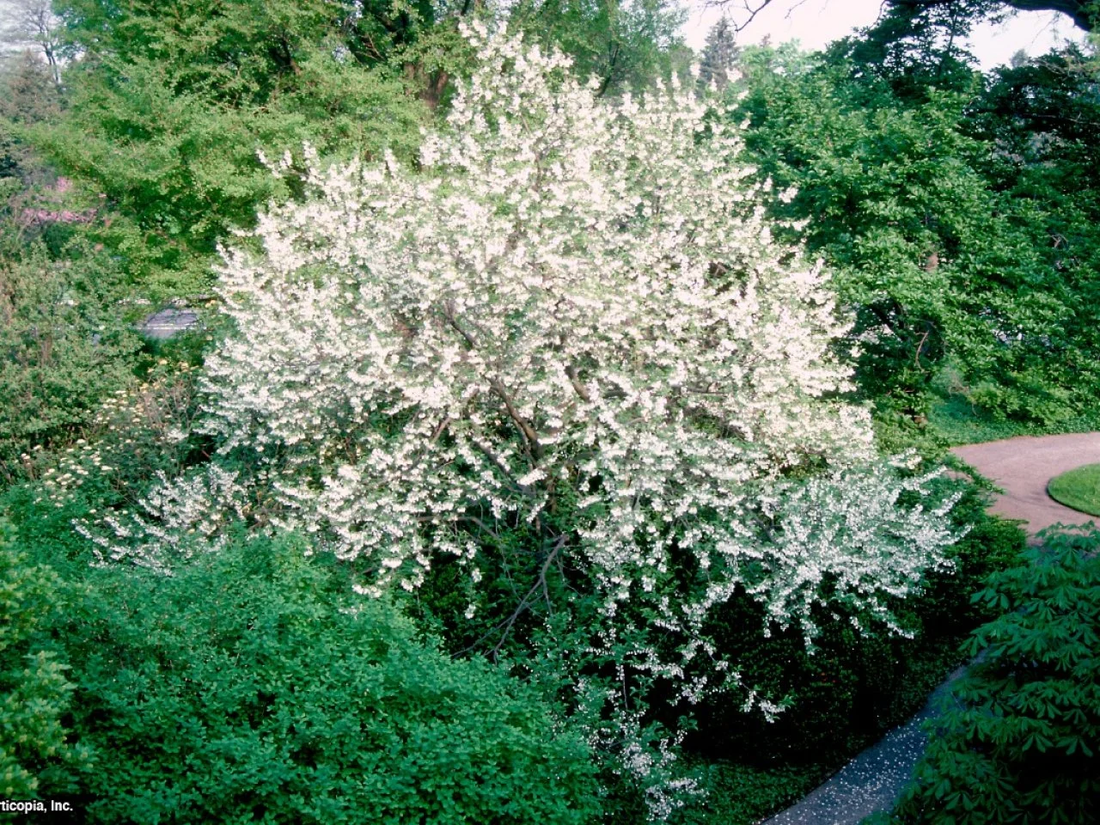
The Carolina Silverbell tree (Halesia carolina) stands as one of nature's most magnificent gifts for creating a breathtaking garden paradise. This native southeastern beauty transforms ordinary landscapes into extraordinary outdoor sanctuaries with i Read more
Trending Tree Plantations - Most Popular Environmental Programs
-
Trees for Mother
Regular price ₹ 299Regular priceUnit price per -
Trees to Honor the Memory of your Loved Ones
Regular price ₹ 299Regular priceUnit price per -
Trees for Women's Day (8th Mar)
Regular price ₹ 299Regular priceUnit price per -
Trees for Wedding Anniversary Celebration
Regular price ₹ 299Regular priceUnit price per -
Trees for Grandmother
Regular price ₹ 299Regular priceUnit price per





Trees for Corporates - Achieve Net Zero Targets Through Strategic Tree Planting
-
 Project Closed
Trees by LIFT Team for Green Diwali: Transform Your Festival
Regular price ₹ 299Regular priceUnit price per -
Trees for a Greener Tomorrow - by Mahindra Lifespaces
Regular price ₹ 299Regular priceUnit price per -
Trees for Environment Day: Plant Your Impact on June 5th
Regular price ₹ 299Regular priceUnit price per -
Trees for Employees: Transform Your Corporate Culture in 2026
Regular price ₹ 299Regular priceUnit price per -
 Project Closed
Trees for Bangalore: Plant Native Trees in Garden City ₹299
Regular price ₹ 799Regular priceUnit price per
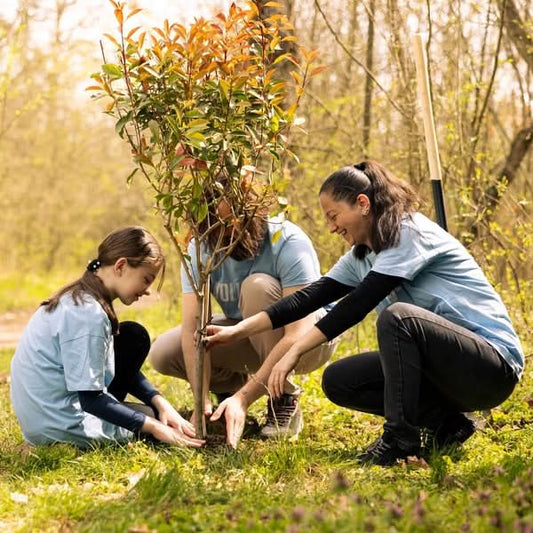


Carolina Silverbell Tree: Transform Your Garden Paradise
The Carolina Silverbell tree (Halesia carolina) stands as one of nature's most magnificent gifts for creating a breathtaking garden paradise. This native southeastern beauty transforms ordinary landscapes into extraordinary outdoor sanctuaries with its cascading white bell-shaped flowers and graceful form. If you're seeking the perfect centerpiece for your garden transformation, the Carolina Silverbell tree offers unmatched beauty, ecological benefits, and lasting impact.
This deciduous marvel not only enhances your property's aesthetic appeal but also supports local wildlife and contributes to environmental restoration. With proper care and placement, your Carolina Silverbell will become a cherished focal point that brings joy for generations to come.
✅ Botanical Characteristics That Make Carolina Silverbell Special
The Carolina Silverbell typically reaches heights of 30 to 50 feet with a graceful spread of 20 to 30 feet. Its elegant tree-like structure creates a picturesque silhouette that commands attention throughout the seasons. The simple, ovate leaves measure 2 to 4 inches long and display a rich dark green color that provides excellent contrast to the stunning spring blooms.
During spring, the tree transforms into a spectacular display of white, bell-shaped flowers that dangle gracefully from every branch. These fragrant blossoms emit a sweet scent that attracts essential pollinators including bees and butterflies. The smooth gray bark adds textural interest year-round, while fall brings a brilliant transformation as leaves turn vibrant yellow to orange hues.
According to the World Wildlife Fund's forest conservation initiatives, native trees like the Carolina Silverbell play crucial roles in maintaining healthy ecosystems and supporting biodiversity.
⭐ Optimal Growing Conditions for Maximum Beauty
Carolina Silverbell trees thrive in USDA hardiness zones 4 to 8, making them adaptable to diverse climates across much of the United States. These resilient trees prefer well-drained, acidic soils and perform best with consistent moisture levels. While they tolerate partial shade, full sun exposure promotes the most abundant flowering displays.
When selecting a planting location, ensure adequate space for the tree's mature size. Regular watering during establishment and dry periods helps develop strong root systems. Proper soil preparation and drainage are essential for long-term health and optimal growth performance.
💡 Environmental Impact and Ecological Benefits
Planting Carolina Silverbell trees creates significant positive environmental impact through multiple pathways. As native species, they provide essential habitat for local wildlife including birds, beneficial insects, and small mammals. The abundant spring flowers serve as crucial food sources for pollinators during peak activity periods.
These magnificent trees contribute to carbon sequestration efforts, helping combat climate change by absorbing atmospheric carbon dioxide. The United Nations climate change initiatives emphasize the critical role of trees in reducing greenhouse gas concentrations and mitigating global warming effects.
Additionally, Carolina Silverbell trees improve air quality by filtering pollutants and releasing life-giving oxygen. Their extensive root systems provide soil stabilization, preventing erosion and promoting healthier soil ecosystems throughout your landscape.
→ Historical Significance and Cultural Heritage
The Carolina Silverbell carries deep historical significance within American cultural heritage. Indigenous peoples utilized various parts of the tree for tools, shelter construction, and ceremonial purposes. The durable wood was highly valued for its strength and workability, while the beautiful flowers held special meaning in traditional ceremonies.
European settlers quickly recognized the tree's ornamental qualities and began incorporating Carolina Silverbell into formal garden designs throughout the southeastern United States. By the 18th century, it had become a popular choice for estate landscapes and continues to grace botanical gardens and arboretums worldwide.
🌳 Design Ideas for Garden Transformation
Creating stunning garden transformations with Carolina Silverbell trees requires thoughtful planning and strategic placement. These versatile trees serve as excellent focal points that anchor landscape designs while providing seasonal interest throughout the year.
Group Planting Strategies
Plant multiple Carolina Silverbell trees together to create breathtaking spring displays. Clustered plantings amplify the visual impact of the white bell-shaped flowers, creating dramatic focal points that become neighborhood conversation pieces. Space trees appropriately to allow for mature growth while maintaining the desired visual density.
Companion Planting Excellence
Pair Carolina Silverbell with complementary native plants that thrive in similar growing conditions. Consider underplanting with ferns, azaleas, or native wildflowers to create layered garden ecosystems. Dogwoods, redbuds, and native rhododendrons make excellent companion trees that extend the flowering season.
Natural Border Creation
Use Carolina Silverbell trees to establish natural property boundaries that provide privacy while supporting local wildlife. Their mature size and spreading canopy create effective screens while adding significant aesthetic value to your landscape design.
⚠️ Planting and Care Guidelines
Successful Carolina Silverbell establishment requires attention to specific planting and care requirements. Choose locations with morning sun and afternoon protection in hotter climates. Dig planting holes twice as wide as the root ball but no deeper than the original soil level.
Apply 2-3 inches of organic mulch around the base, keeping mulch away from the trunk to prevent moisture-related issues. Regular watering during the first two growing seasons ensures proper establishment and long-term health. Prune minimally, removing only dead, damaged, or crossing branches.
🌍 Supporting Global Environmental Goals
Your Carolina Silverbell tree contributes to broader environmental restoration efforts aligned with international sustainability goals. The United Nations Sustainable Development Goals emphasize the importance of terrestrial ecosystem protection and restoration through native tree planting initiatives.
At Grow Billion Trees, we're committed to Combating Climate Change Through Collective Action through our mission to plant 100 crore trees across India. When you Plant a tree in your Name for ₹299, you join a global movement working toward Net Zero Targets while creating lasting environmental impact.
Our comprehensive tree planting program includes 4ft Tree Planting + 3 Years Care + GeoTag technology, ensuring your contribution makes a measurable difference in environmental restoration efforts worldwide.
Frequently Asked Questions
How fast does a Carolina Silverbell tree grow?
Carolina Silverbell trees typically grow at a moderate rate of 12-18 inches per year under optimal conditions. Young trees may grow faster during their first decade, then slow to a steady pace as they mature.
When do Carolina Silverbell trees bloom?
Carolina Silverbell trees bloom in early to mid-spring, typically April to May depending on your climate zone. The flowering period lasts 2-3 weeks, creating spectacular displays of white bell-shaped flowers.
Are Carolina Silverbell trees deer resistant?
Yes, Carolina Silverbell trees are generally deer resistant. Deer typically avoid browsing on these trees, making them excellent choices for areas with significant deer populations.
Can Carolina Silverbell trees grow in containers?
Young Carolina Silverbell trees can grow in large containers for several years, but they eventually require transplanting to accommodate their mature size. Container growing works best for temporary displays or small specimens.
What wildlife does Carolina Silverbell attract?
Carolina Silverbell trees attract numerous beneficial insects, bees, butterflies, and birds. The flowers provide nectar for pollinators, while the foliage offers nesting sites and the seeds feed various bird species.
How long do Carolina Silverbell trees live?
Carolina Silverbell trees can live over 100 years with proper care and growing conditions. Their longevity makes them excellent long-term investments for landscape enhancement and environmental benefits.
Do Carolina Silverbell trees require special soil conditions?
Carolina Silverbell trees prefer well-drained, acidic soils with pH levels between 5.0-6.5. They adapt to various soil types but perform best in rich, organic soils with consistent moisture.
Are Carolina Silverbell flowers fragrant?
Yes, Carolina Silverbell flowers emit a sweet, pleasant fragrance that attracts pollinators and adds sensory appeal to garden spaces. The fragrance is most noticeable during warm, calm days.
Fun Facts About Carolina Silverbell Trees
• The Carolina Silverbell is often mistaken for the Snowdrop tree (Halesia diptera), but can be distinguished by its larger flowers and taller stature
• Carolina Silverbell wood is prized for its fine grain and is used in high-quality cabinetry and woodworking projects
• The beautiful flowers are edible and can be used to make herbal teas or added to salads for unique flavor and visual appeal
• These trees are sometimes called "Snowdrop trees" due to their abundant white spring blooms
• Carolina Silverbell trees are featured in many prestigious botanical gardens and arboretums across the United States
Creating Your Garden Paradise
The Carolina Silverbell tree represents the perfect combination of natural beauty, ecological benefit, and lasting value for your landscape transformation. By incorporating these magnificent native trees into your garden design, you create outdoor spaces that support local wildlife while providing year-round visual interest and environmental benefits.
Whether you're planning a complete garden renovation or simply adding a stunning focal point, the Carolina Silverbell delivers unmatched beauty and ecological value. Start your garden transformation today by selecting the perfect location for your Carolina Silverbell tree.
Join our mission to create greener, more sustainable landscapes that benefit both people and planet. Explore our tree planting programs and discover how you can contribute to environmental restoration while creating the garden paradise you've always envisioned.
You may also like
-

Gift a Tree - Meaningful Environmental Gifts That Make a Difference
Transform your gift-giving with meaningful environmental gifts that create lasting impact for...
-

Trees For Shiv Ji - Sacred Tree Planting to Honor Lord Shiva
Honor Lord Shiva through sacred tree planting with Trees For Shiv Ji,...
-

Tree Plantations for Shri Ram - Sacred Devotional Planting Services
Honor Lord Shri Ram through meaningful tree plantations for Shri Ram that...
-
Tree Plantation on Navratri - Celebrate Divine Festivals with Environmental Devotion
Tree plantation on Navratri transforms the sacred nine-day festival into a powerful...
-
Tree Plantation by Cause - Plant Trees for Every Purpose | Grow Billion Trees
Transform your environmental impact with purpose-driven tree plantation by cause programs that...
Corporate Plantations
-
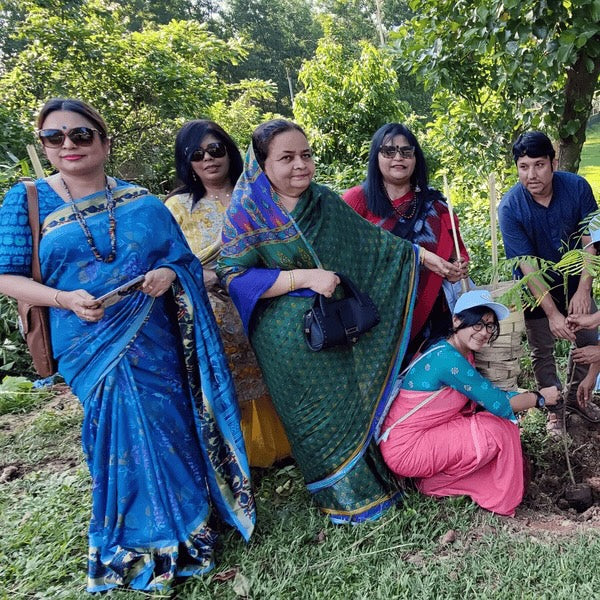
Trees for Corporates - Achieve Net Zero Targets Through Strategic Tree Planting
Trees for Corporates - Strategic Environmental SolutionsTransform your corporate environmental impact with...
-
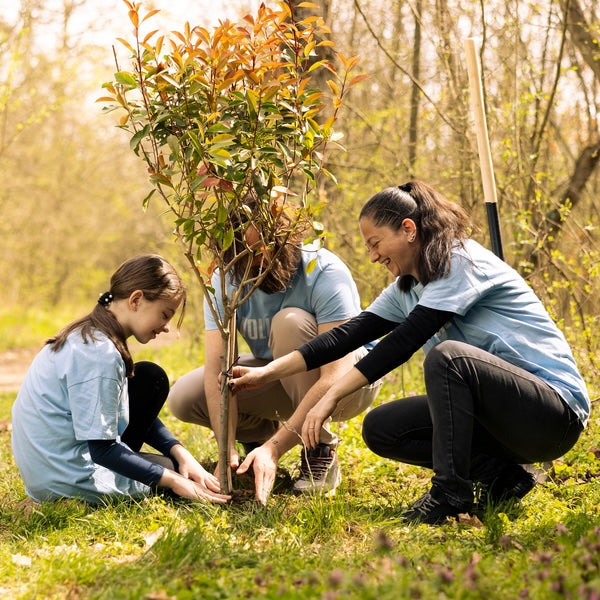
Tree Plantation for CSR - Corporate Environmental Programs | Grow Billion Trees
Tree Plantation for CSR - Transform Your Corporate Environmental ImpactTree plantation for...
-
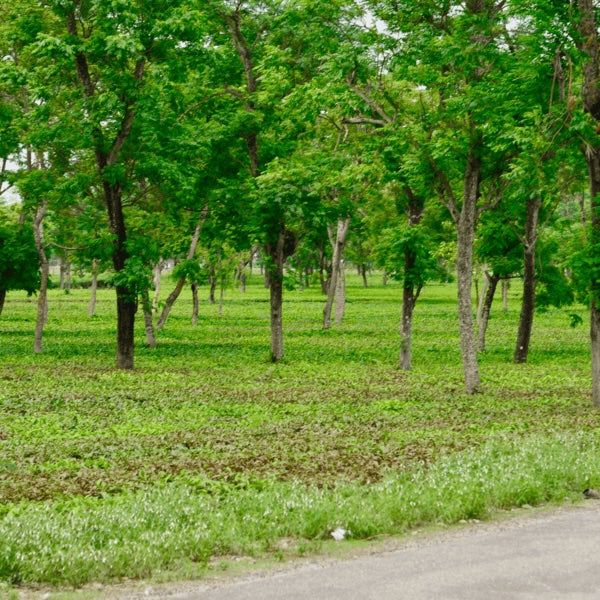
Tree Plantation for SDG - Support Sustainable Development Goals
Tree plantation for SDG initiatives represents a powerful pathway to achieving multiple...
-

Corporate Tree Plantation Programs - Sustainable ESG Environmental Solutions for Net Zero Targets
Transform your organization's environmental impact with our comprehensive Corporate Tree Plantation Programs...
-
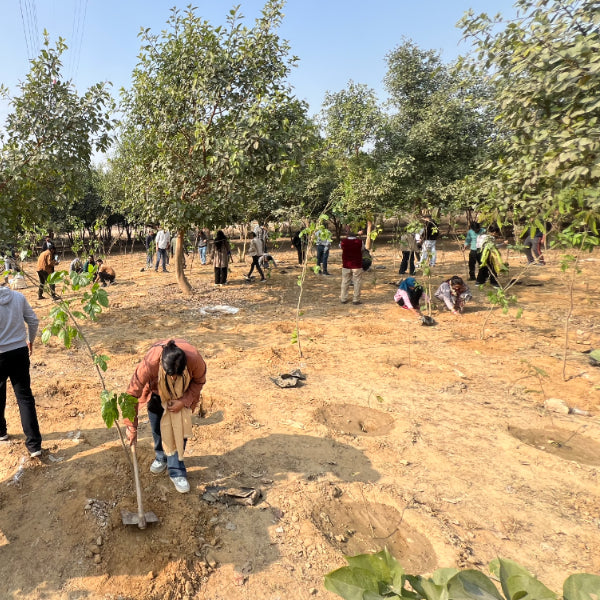
Tree Plantation by Location - Plant Trees Across India
Transform landscapes nationwide through our comprehensive tree plantation by location program. When...
Most Popular Tree Plantations - Top Choices for Environmental Impact
-
Trees for Mother
Regular price ₹ 299Regular priceUnit price per -
Trees to Honor the Memory of your Loved Ones
Regular price ₹ 299Regular priceUnit price per -
Trees for Wedding Anniversary Celebration
Regular price ₹ 299Regular priceUnit price per -
Trees for Grandmother
Regular price ₹ 299Regular priceUnit price per -
Trees for Grandfather
Regular price ₹ 299Regular priceUnit price per

Connect with us
-
👥 Corporates
If you are looking for:
- 🌲 Tree Plantation Events
- 📊 CSR Projects
📧 corporate@growbilliontrees.com
📞 +91 9699723523
💬 +91 9325931304 WhatsApp (Only)
🕒 Mon - Sat | 10am - 7pm IST
-
🧩 Tree Plantation NGOs
If you are looking for:
- 💰 Financial Assistance
- 🤝 Operational Support
📧 support@growbilliontrees.com
📞 +91 9699723523
💬 +91 9325931304 WhatsApp (Only)
🕒 Mon - Sat | 10am - 7pm IST
-
🌼 Individuals
If you are looking for:
- 👥 Group Tree Plantation Drive
- 🌳 Bulk Tree Plantation
📞 +91 9699723523
💬 +91 9325931304 WhatsApp (Only)
🕒 Mon - Sat | 10am - 7pm IST
