
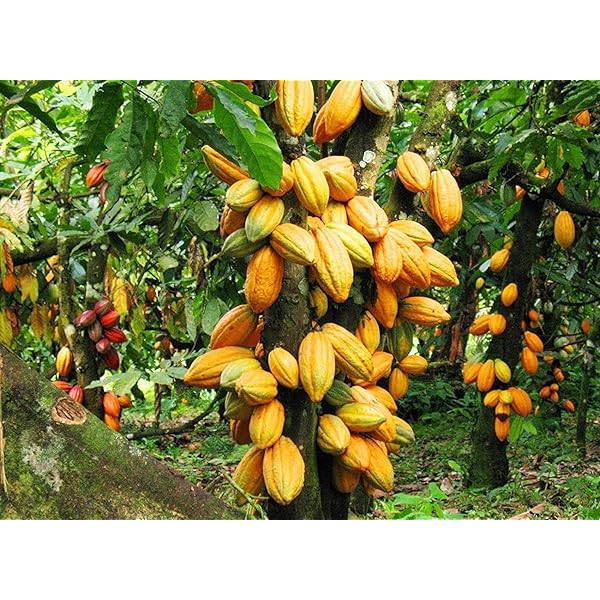
The cocoa tree, scientifically known as Theobroma cacao, stands as nature's most delicious gift to humanity. This remarkable tree transforms simple sunlight and soil into the magical ingredient that brings joy to billions worldwide. Beyond its role a Read more
Trending Tree Plantations - Most Popular Environmental Programs
-
Trees for Mother
Regular price ₹ 299Regular priceUnit price per -
Trees to Honor the Memory of your Loved Ones
Regular price ₹ 299Regular priceUnit price per -
Trees for Women's Day (8th Mar)
Regular price ₹ 299Regular priceUnit price per -
Trees for Wedding Anniversary Celebration
Regular price ₹ 299Regular priceUnit price per -
Trees for Grandmother
Regular price ₹ 299Regular priceUnit price per





Trees for Corporates - Achieve Net Zero Targets Through Strategic Tree Planting
-
 Project Closed
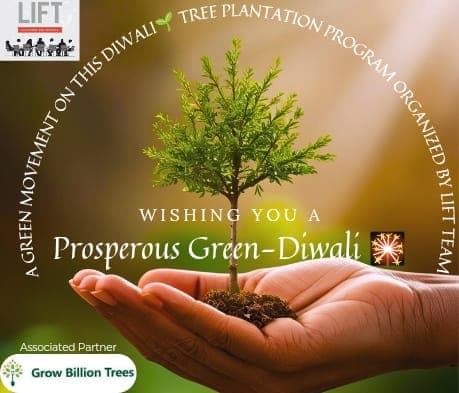
Trees by LIFT Team for Green Diwali: Transform Your Festival
Regular price ₹ 299Regular priceUnit price per -
Trees for a Greener Tomorrow - by Mahindra Lifespaces
Regular price ₹ 299Regular priceUnit price per -
Trees for Environment Day: Plant Your Impact on June 5th
Regular price ₹ 299Regular priceUnit price per -
Trees for Employees: Transform Your Corporate Culture in 2026
Regular price ₹ 299Regular priceUnit price per -
 Project Closed
Trees for Bangalore: Plant Native Trees in Garden City ₹299
Regular price ₹ 799Regular priceUnit price per
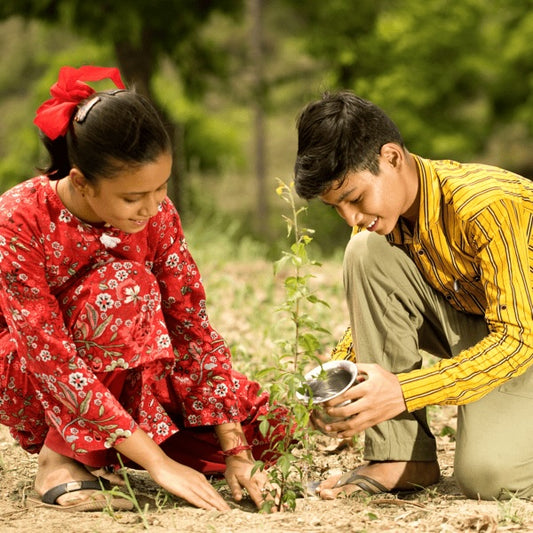

Cocoa Tree: Nature's Chocolate Factory Health Benefits Guide
The cocoa tree, scientifically known as Theobroma cacao, stands as nature's most delicious gift to humanity. This remarkable tree transforms simple sunlight and soil into the magical ingredient that brings joy to billions worldwide. Beyond its role as chocolate's foundation, the cocoa tree offers extraordinary health benefits and environmental opportunities that can reshape our planet's future.
Understanding the Magnificent Cocoa Tree
Native to the tropical regions of Central and South America, the cocoa tree thrives in humid, warm climates near the equator. These majestic trees grow 15-25 feet tall and produce distinctive pods containing 20-50 precious cocoa beans each. The journey from flower to harvestable pod takes five to six months, making each cocoa bean a testament to nature's patience and precision.
What makes the cocoa tree truly special is its scientific name meaning "food of the gods." This divine designation reflects not just ancient reverence but modern understanding of cocoa's incredible nutritional profile and therapeutic properties.
⭐ The Rich Historical Legacy of Cocoa
The cocoa tree's story begins with the ancient Maya and Aztec civilizations, who first recognized its extraordinary value. The Mayans cultivated cacao to create "xocolatl," a bitter ceremonial beverage flavored with spices and consumed during religious rituals. This sacred drink connected earthly pleasure with spiritual transcendence.
The Aztecs elevated cocoa even further, using cocoa beans as currency and believing cacao was a divine gift. When European colonizers arrived in the 16th century, they transformed this bitter elixir by adding sweeteners, creating the chocolate we cherish today. This transformation sparked a global revolution that continues to bring happiness to millions.
💡 Nutritional Powerhouse: Health Benefits of Cocoa
Modern science has validated ancient wisdom about cocoa's remarkable properties. Rich in flavonoids, particularly epicatechin, cocoa offers numerous health advantages that extend far beyond simple pleasure.
✅ Cardiovascular Health Benefits
Studies consistently show that dark chocolate with high cocoa content improves heart health by lowering blood pressure and enhancing blood flow. The flavonoids in cocoa help improve endothelial function while reducing harmful cholesterol levels, creating a protective shield for your cardiovascular system.
✅ Mental Wellness and Cognitive Function
Cocoa contains phenylethylamine (PEA), a natural mood enhancer that promotes feelings of happiness and well-being. Research suggests regular cocoa consumption may improve cognitive function and potentially reduce the risk of neurodegenerative diseases, making it truly brain food.
✅ Antioxidant Protection
The cocoa tree produces beans packed with antioxidants that combat oxidative stress and inflammation. These protective compounds help maintain cellular health while supporting your body's natural defense systems against aging and disease.
✅ Essential Mineral Content
Cocoa provides vital minerals including magnesium for muscle function, iron for healthy blood, and zinc for immune system support. This mineral profile makes cocoa a valuable addition to any health-conscious diet.
Environmental Impact and Sustainable Solutions
While the cocoa tree brings joy and health benefits, traditional farming practices have created environmental challenges. According to the World Wildlife Fund's research on deforestation, conventional cocoa farming has contributed to significant forest loss, particularly in West Africa where over 70% of global cocoa production occurs.
However, sustainable agroforestry systems offer hope. These innovative approaches integrate cocoa cultivation with other crops and native trees, enhancing biodiversity while improving soil health. Such practices align perfectly with the United Nations Sustainable Development Goals, creating win-win scenarios for farmers and the environment.
🌱 Grow Billion Trees: Leading Sustainable Cocoa Initiatives
At Grow Billion Trees, we understand that sustainable cocoa farming is essential for our planet's future. Our mission to plant 100 crore trees includes supporting cocoa farmers through agroforestry programs that restore degraded lands while maintaining productive farming systems.
Our approach involves training farmers in sustainable techniques that allow cocoa trees to thrive alongside other beneficial species. When you Plant a tree in your Name for just ₹299, you're supporting these vital agroforestry initiatives that combine chocolate production with environmental restoration.
Through our comprehensive programs including 4ft Tree Planting + 3 Years Care + GeoTag technology, we ensure every planted tree contributes to both environmental health and sustainable cocoa production. This integrated approach helps farmers achieve better yields while supporting our goal of Combating Climate Change Through Collective Action.
Amazing Cocoa Tree Facts That Will Surprise You
- Cocoa beans were so valuable that Aztecs used them as currency - a turkey cost 100 beans!
- Each cocoa tree produces approximately 2,500 beans annually, enough for 2.5 kilograms of chocolate
- White chocolate contains no cocoa solids, only cocoa butter, sugar, and milk
- Chocolate consumption triggers endorphin release, creating genuine feelings of happiness
- The cocoa tree can live and produce for over 100 years when properly cared for
Supporting Corporate Net Zero Targets Through Cocoa Agroforestry
Forward-thinking companies are discovering how cocoa agroforestry supports their Net Zero Targets while creating positive environmental impact. By partnering with organizations like Grow Billion Trees, corporations can invest in sustainable cocoa production that sequesters carbon while supporting rural communities.
Our corporate programs integrate cocoa tree planting with comprehensive environmental restoration, including mangrove restoration and urban forest creation. This holistic approach ensures maximum environmental benefit while supporting the global chocolate supply chain.
The Future of Sustainable Cocoa Production
As highlighted by the United Nations Environment Programme's forest initiatives, sustainable cocoa farming represents a crucial opportunity for environmental restoration. The integration of cocoa cultivation with forest conservation creates resilient ecosystems that benefit both people and planet.
Climate change poses significant challenges to traditional cocoa growing regions, making sustainable practices more critical than ever. Agroforestry systems that include cocoa trees alongside native species create climate-resilient farming systems that can adapt to changing conditions while maintaining productivity.
Frequently Asked Questions
What makes the cocoa tree environmentally beneficial?
Cocoa trees grown in agroforestry systems provide carbon sequestration, biodiversity habitat, and soil protection. When integrated with other tree species, they create sustainable farming ecosystems that support both environmental health and agricultural productivity.
How does cocoa consumption impact health?
High-quality dark chocolate with significant cocoa content offers cardiovascular benefits, mood enhancement, and antioxidant protection. The key is choosing chocolate with at least 70% cocoa content and consuming it in moderation as part of a balanced diet.
Can cocoa farming be truly sustainable?
Yes, through agroforestry practices that integrate cocoa trees with other crops and native species. These systems enhance biodiversity, improve soil health, and provide multiple income streams for farmers while maintaining chocolate production.
What role does Grow Billion Trees play in cocoa sustainability?
We support sustainable cocoa farming through agroforestry programs that combine tree planting with farmer education. Our initiatives help create resilient farming systems that benefit both the environment and rural communities.
How do cocoa trees contribute to carbon sequestration?
Mature cocoa trees and their associated agroforestry systems can sequester significant amounts of carbon in both above-ground biomass and soil. This makes sustainable cocoa farming an important tool for climate change mitigation.
What is the difference between sustainable and conventional cocoa farming?
Sustainable cocoa farming uses agroforestry techniques, maintains biodiversity, and focuses on soil health. Conventional farming often involves monocultures that can lead to deforestation and environmental degradation.
How can consumers support sustainable cocoa production?
Choose chocolate products from companies committed to sustainable sourcing, support reforestation initiatives like Grow Billion Trees, and look for certifications that guarantee environmentally responsible farming practices.
What challenges do cocoa farmers face with climate change?
Rising temperatures, changing rainfall patterns, and increased pest pressure threaten traditional cocoa growing regions. Sustainable agroforestry systems help farmers adapt to these challenges while maintaining productivity.
How long does it take for a cocoa tree to produce beans?
Cocoa trees typically begin producing pods after 3-5 years, reaching full production capacity around 7-10 years. With proper care in agroforestry systems, they can remain productive for decades.
What makes cocoa beans so valuable nutritionally?
Cocoa beans contain high levels of flavonoids, essential minerals like magnesium and iron, and beneficial compounds like phenylethylamine. These nutrients contribute to cardiovascular health, mood enhancement, and overall wellness.
Taking Action for a Sustainable Chocolate Future
The cocoa tree represents far more than nature's chocolate factory - it embodies hope for sustainable agriculture that benefits both people and planet. Through initiatives like those championed by Grow Billion Trees, we can ensure that future generations continue to enjoy chocolate while living on a healthier, more forested Earth.
By supporting sustainable cocoa farming and participating in reforestation efforts, you become part of a global movement that values both environmental stewardship and human happiness. Every tree planted contributes to a future where chocolate production enhances rather than degrades our natural world.
Join us in this vital mission by exploring our agroforestry programs and discovering how you can plant trees that support both sustainable cocoa production and environmental restoration. Together, we can unlock the full potential of nature's chocolate factory while creating a greener, more sustainable future for all.
Learn more about our sustainable cocoa and agroforestry initiatives and start your journey toward environmental impact today.
You may also like
-
Gift a Tree - Meaningful Environmental Gifts That Make a Difference
Transform your gift-giving with meaningful environmental gifts that create lasting impact for...
-
Trees For Shiv Ji - Sacred Tree Planting to Honor Lord Shiva
Honor Lord Shiva through sacred tree planting with Trees For Shiv Ji,...
-

Tree Plantations for Shri Ram - Sacred Devotional Planting Services
Honor Lord Shri Ram through meaningful tree plantations for Shri Ram that...
-
Tree Plantation on Navratri - Celebrate Divine Festivals with Environmental Devotion
Tree plantation on Navratri transforms the sacred nine-day festival into a powerful...
-
Tree Plantation by Cause - Plant Trees for Every Purpose | Grow Billion Trees
Transform your environmental impact with purpose-driven tree plantation by cause programs that...
Corporate Plantations
-
Trees for Corporates - Achieve Net Zero Targets Through Strategic Tree Planting
Trees for Corporates - Strategic Environmental SolutionsTransform your corporate environmental impact with...
-
Tree Plantation for CSR - Corporate Environmental Programs | Grow Billion Trees
Tree Plantation for CSR - Transform Your Corporate Environmental ImpactTree plantation for...
-
Tree Plantation for SDG - Support Sustainable Development Goals
Tree plantation for SDG initiatives represents a powerful pathway to achieving multiple...
-

Corporate Tree Plantation Programs - Sustainable ESG Environmental Solutions for Net Zero Targets
Transform your organization's environmental impact with our comprehensive Corporate Tree Plantation Programs...
-
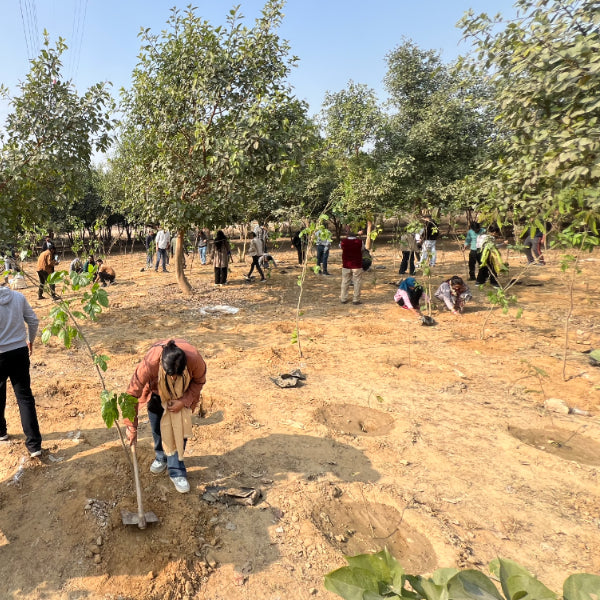
Tree Plantation by Location - Plant Trees Across India
Transform landscapes nationwide through our comprehensive tree plantation by location program. When...
Most Popular Tree Plantations - Top Choices for Environmental Impact
-
Trees for Mother
Regular price ₹ 299Regular priceUnit price per -
Trees to Honor the Memory of your Loved Ones
Regular price ₹ 299Regular priceUnit price per -
Trees for Wedding Anniversary Celebration
Regular price ₹ 299Regular priceUnit price per -
Trees for Grandmother
Regular price ₹ 299Regular priceUnit price per -
Trees for Grandfather
Regular price ₹ 299Regular priceUnit price per

Connect with us
-
👥 Corporates
If you are looking for:
- 🌲 Tree Plantation Events
- 📊 CSR Projects
📧 corporate@growbilliontrees.com
📞 +91 9699723523
💬 +91 9325931304 WhatsApp (Only)
🕒 Mon - Sat | 10am - 7pm IST
-
🧩 Tree Plantation NGOs
If you are looking for:
- 💰 Financial Assistance
- 🤝 Operational Support
📧 support@growbilliontrees.com
📞 +91 9699723523
💬 +91 9325931304 WhatsApp (Only)
🕒 Mon - Sat | 10am - 7pm IST
-
🌼 Individuals
If you are looking for:
- 👥 Group Tree Plantation Drive
- 🌳 Bulk Tree Plantation
📞 +91 9699723523
💬 +91 9325931304 WhatsApp (Only)
🕒 Mon - Sat | 10am - 7pm IST
