
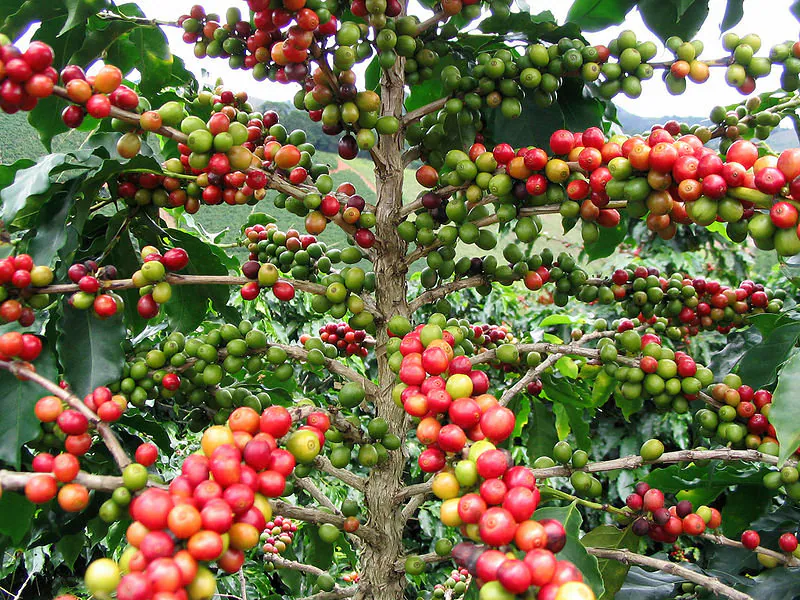
The Coffee Arabica tree holds the key to exceptional coffee experiences, offering superior flavor profiles that have captivated coffee enthusiasts for centuries. With proper cultivation knowledge and brewing techniques, you can transform your daily c Read more
Trending Tree Plantations - Most Popular Environmental Programs
-
Trees for Mother
Regular price ₹ 299Regular priceUnit price per -
Trees to Honor the Memory of your Loved Ones
Regular price ₹ 299Regular priceUnit price per -
Trees for Women's Day (8th Mar)
Regular price ₹ 299Regular priceUnit price per -
Trees for Wedding Anniversary Celebration
Regular price ₹ 299Regular priceUnit price per -
Trees for Grandmother
Regular price ₹ 299Regular priceUnit price per



Trees for Corporates - Achieve Net Zero Targets Through Strategic Tree Planting
-
 Project Closed
Trees by LIFT Team for Green Diwali: Transform Your Festival
Regular price ₹ 299Regular priceUnit price per -
Trees for a Greener Tomorrow - by Mahindra Lifespaces
Regular price ₹ 299Regular priceUnit price per -
Trees for Environment Day: Plant Your Impact on June 5th
Regular price ₹ 299Regular priceUnit price per -
 Project Closed
Trees for Bangalore: Plant Native Trees in Garden City ₹299
Regular price ₹ 799Regular priceUnit price per -
Trees for Employees: Transform Your Corporate Culture in 2026
Regular price ₹ 299Regular priceUnit price per
Coffee Arabica Tree: Perfect Home Brewing & Growing Guide
The Coffee Arabica tree holds the key to exceptional coffee experiences, offering superior flavor profiles that have captivated coffee enthusiasts for centuries. With proper cultivation knowledge and brewing techniques, you can transform your daily coffee ritual into an extraordinary journey of taste and aroma, whether growing your own trees or selecting premium beans.
✅ The Fascinating Origins of Coffee Arabica
Coffee is more than just a beverage; it's a ritual, a passion, and for many, a way of life. Among the various species of coffee, Coffea arabica, commonly known as Arabica coffee, stands out for its superior flavor and aroma.
The story of Coffee Arabica begins in the ancient coffee forests of Ethiopia, where legend has it that a goat herder named Kaldi discovered the energizing effects of coffee beans. His goats became unusually lively after consuming the red berries of the Coffee Arabica tree.
This serendipitous discovery eventually led to the cultivation of coffee, which spread across the Arabian Peninsula, reaching Yemen by the 15th century. By the 17th century, coffeehouses known as "qahveh khaneh" began to emerge in Persia, Egypt, and the Ottoman Empire, becoming centers for social interaction and intellectual exchange.
Today, Arabica coffee accounts for about 60-70% of global coffee production, making it the most popular coffee species worldwide. Its unique flavor profile, characterized by sweetness, acidity, and complex aromas, has made it a favorite among coffee enthusiasts.
⭐ Scientific Understanding of the Coffee Arabica Tree
The Coffee Arabica tree is a small evergreen shrub that typically grows to a height of 2 to 5 meters (6.5 to 16 feet). The tree thrives in high-altitude regions with rich, well-drained soil and a stable climate.
Scientifically, Arabica coffee is known for having a lower caffeine content (around 1.2% to 1.5%) compared to its counterpart, Coffea canephora (Robusta), which contains about 2.2% to 2.7% caffeine. This lower caffeine content contributes to the smoother, more nuanced flavor profile of Arabica coffee.
Arabica coffee trees are also more susceptible to pests and diseases, making them more challenging to cultivate. They require careful attention to detail, including optimal pruning, watering, and fertilization.
The beans of the Coffee Arabica tree are oval-shaped with a curved crease and are generally considered to be of higher quality than Robusta beans, which are rounder with a straighter crease.
🌱 Environmental Impact and Sustainable Coffee Cultivation
While coffee is a beloved beverage, its cultivation has significant environmental implications. Coffee farming can lead to deforestation, soil degradation, and loss of biodiversity if not managed sustainably. According to the World Wildlife Fund's research on deforestation, traditional coffee farming methods often involve clearing forests for monoculture plantations.
However, there is a growing movement towards sustainable coffee farming practices that prioritize environmental health. The United Nations Sustainable Development Goals emphasize the importance of responsible consumption and production in agricultural sectors.
Shade-grown coffee, for instance, is cultivated under a canopy of trees, which helps maintain biodiversity, protects soil quality, and reduces the need for chemical fertilizers and pesticides. This method not only benefits the environment but also enhances the flavor of the coffee by allowing the beans to ripen slowly.
Organizations like Grow Billion Trees are dedicated to promoting sustainable coffee cultivation through their mission of Combating Climate Change Through Collective Action. They partner with local farmers to implement eco-friendly practices that restore ecosystems and improve coffee quality, working toward planting 100 crore trees to support agricultural sustainability.
💡 How to Grow Your Own Coffee Arabica Tree
If you're passionate about coffee and want to take your love for it to the next level, consider growing your own Coffee Arabica tree at home. Here's a comprehensive step-by-step guide:
→ Choosing the Right Location
Coffee Arabica trees thrive in warm, tropical climates with temperatures between 60°F and 70°F (15°C to 24°C). If you live in a cooler climate, consider growing your tree indoors or in a greenhouse with controlled conditions.
→ Soil Preparation and Requirements
Use well-draining soil rich in organic matter. A pH level between 6 and 6.5 is ideal for Coffee Arabica trees. You can enhance soil quality by mixing in compost and organic materials.
→ Planting Process
Start with seeds or seedlings. If using seeds, soak them in water for 24 hours before planting. Plant them about 1 inch deep in the soil. If using seedlings, ensure they are at least 6 months old before transplanting.
→ Watering and Care
Coffee trees require consistent moisture. Water them regularly, especially during dry spells, but avoid waterlogging as it can lead to root rot. Maintain steady humidity levels for optimal growth.
→ Fertilizing and Nutrition
Use a balanced fertilizer every few months to provide essential nutrients. Organic options like fish emulsion or compost tea work exceptionally well for sustainable cultivation.
→ Pruning and Maintenance
Regularly prune your Coffee Arabica tree to encourage healthy growth and maintain an open canopy for sunlight penetration. Remove dead or diseased branches promptly.
→ Harvesting Your Coffee
Coffee cherries typically take 7 to 9 months to ripen. Harvest the cherries when they turn a bright red color, and be careful to pick only the ripest fruits for the best flavor.
☕ Unlocking Perfect Home Brewing Secrets
Growing your own Coffee Arabica tree is just the beginning. The journey to perfect coffee involves understanding processing, roasting, and brewing techniques that bring out the best in your beans.
Processing Your Coffee Cherries
After harvesting, remove the pulp from the cherries through wet or dry processing methods. Wet processing typically produces cleaner, brighter flavors, while dry processing creates more complex, fruity notes.
Roasting for Optimal Flavor
Light roasts preserve the original flavors of your Coffee Arabica tree beans, while medium roasts balance acidity and body. Dark roasts develop bold, smoky characteristics but may mask subtle flavor notes.
Brewing Techniques for Excellence
Water temperature should be between 195°F and 205°F (90°C to 96°C). Use a coffee-to-water ratio of 1:15 to 1:17 for optimal extraction. Grind size should match your brewing method: coarse for French press, medium for drip, and fine for espresso.
🌍 Supporting Global Coffee Sustainability
The future of coffee depends on sustainable practices that protect both the environment and farming communities. The United Nations Environment Programme's forest initiatives highlight the critical role of tree conservation in agricultural systems.
By supporting organizations like Grow Billion Trees, you contribute to sustainable coffee cultivation while working toward Net Zero Targets. Their innovative approach includes 4ft Tree Planting + 3 Years Care + GeoTag technology, ensuring long-term environmental impact.
You can Plant a tree in your Name for just ₹299, directly supporting coffee-growing regions and environmental restoration. This creates a meaningful connection between your coffee passion and global sustainability efforts.
⚠️ Common Challenges in Coffee Arabica Cultivation
Growing Coffee Arabica trees presents several challenges that require careful attention and management strategies.
Pest and Disease Management
Arabica trees are susceptible to coffee leaf rust, berry borer, and nematodes. Implement integrated pest management strategies using organic solutions and beneficial insects.
Climate Sensitivity
Temperature fluctuations and irregular rainfall patterns can stress Coffee Arabica trees. Maintain consistent growing conditions and consider protective measures during extreme weather.
Soil Health Maintenance
Regular soil testing and organic amendments help maintain optimal growing conditions. Avoid chemical fertilizers that can harm beneficial soil microorganisms.
Frequently Asked Questions
How long does it take for a Coffee Arabica tree to produce beans?
A Coffee Arabica tree typically begins producing cherries 3-5 years after planting. Full production capacity is usually reached around 6-8 years, with trees continuing to produce for 20-30 years with proper care.
Can I grow Coffee Arabica trees indoors?
Yes, Coffee Arabica trees can be grown indoors as houseplants. They require bright, indirect light, consistent temperatures between 65-75°F, and high humidity levels. Indoor trees may not produce as many cherries as outdoor plants.
What's the difference between Arabica and Robusta coffee?
Arabica coffee has lower caffeine content (1.2-1.5%) and superior flavor complexity compared to Robusta (2.2-2.7% caffeine). Coffee Arabica trees are more delicate and require specific growing conditions, while Robusta is hardier but less flavorful.
How much coffee can one Coffee Arabica tree produce?
A mature Coffee Arabica tree typically produces 1-2 pounds of roasted coffee per year. This equals approximately 4,000-12,000 coffee cherries, depending on tree health, growing conditions, and variety.
What climate conditions do Coffee Arabica trees need?
Coffee Arabica trees thrive in temperatures between 60-70°F (15-24°C) with consistent rainfall of 60-80 inches annually. They prefer high altitudes (3,000-6,000 feet) with rich, well-draining soil and partial shade.
Is it profitable to grow Coffee Arabica trees at home?
Home cultivation of Coffee Arabica trees is typically done for personal enjoyment rather than profit. Commercial viability requires significant acreage, proper processing equipment, and market access. However, the experience and quality can be highly rewarding.
How do I know when coffee cherries are ready to harvest?
Coffee cherries from your Coffee Arabica tree are ready when they turn deep red or purple, depending on variety. They should be slightly soft to touch and easily removed from the branch. Harvest only fully ripe cherries for best flavor.
What pests commonly affect Coffee Arabica trees?
Common pests include coffee berry borer, leaf rust, scale insects, and nematodes. Coffee Arabica trees are more susceptible than Robusta varieties. Regular inspection and organic pest control methods help maintain tree health.
Can Coffee Arabica trees survive frost?
Coffee Arabica trees are frost-sensitive and can be severely damaged by temperatures below 32°F (0°C). If you live in areas with frost risk, grow trees in containers that can be moved indoors or provide frost protection during cold spells.
How often should I fertilize my Coffee Arabica tree?
Fertilize your Coffee Arabica tree every 2-3 months during growing season with balanced organic fertilizer. Reduce feeding during winter months. Young trees need more frequent fertilization than mature plants.The Coffee Arabica tree represents more than agricultural cultivation—it embodies a connection to sustainable practices and exceptional coffee experiences. Whether you're growing your own trees or supporting sustainable coffee initiatives, you're contributing to a more environmentally conscious coffee culture.Ready to start your coffee journey? Explore how you can plant trees and support sustainable coffee cultivation while working toward our collective goal of environmental restoration and climate action.
You may also like
-
Gift a Tree - Meaningful Environmental Gifts That Make a Difference
Transform your gift-giving with meaningful environmental gifts that create lasting impact for...
-
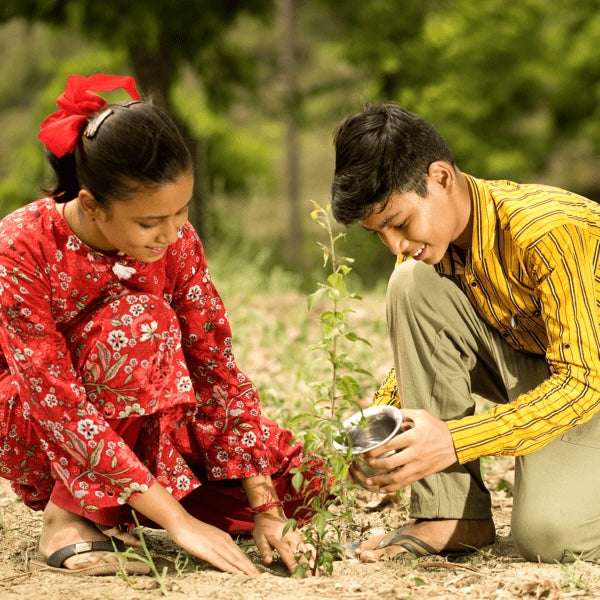
Trees For Shiv Ji - Sacred Tree Planting to Honor Lord Shiva
Honor Lord Shiva through sacred tree planting with Trees For Shiv Ji,...
-

Tree Plantations for Shri Ram - Sacred Devotional Planting Services
Honor Lord Shri Ram through meaningful tree plantations for Shri Ram that...
-
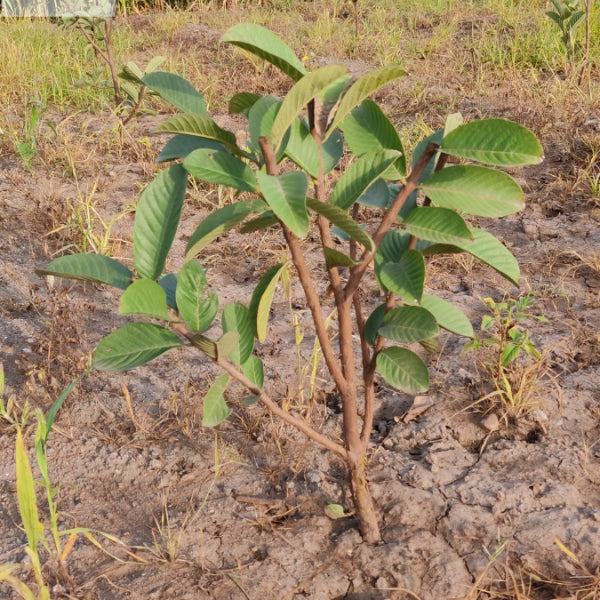
Tree Plantation on Navratri - Celebrate Divine Festivals with Environmental Devotion
Tree plantation on Navratri transforms the sacred nine-day festival into a powerful...
-
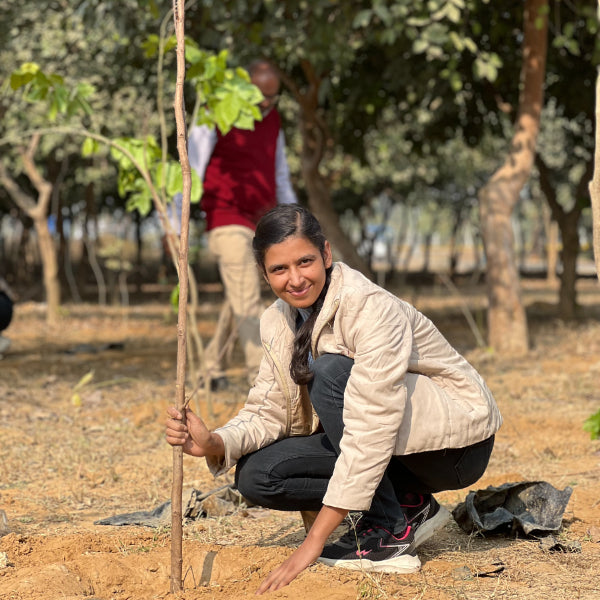
Tree Plantation by Cause - Plant Trees for Every Purpose | Grow Billion Trees
Transform your environmental impact with purpose-driven tree plantation by cause programs that...
Corporate Plantations
-
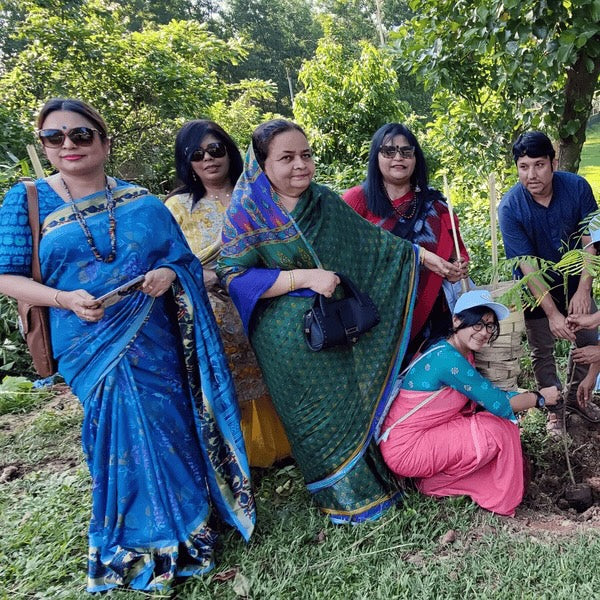
Trees for Corporates - Achieve Net Zero Targets Through Strategic Tree Planting
Trees for Corporates - Strategic Environmental SolutionsTransform your corporate environmental impact with...
-
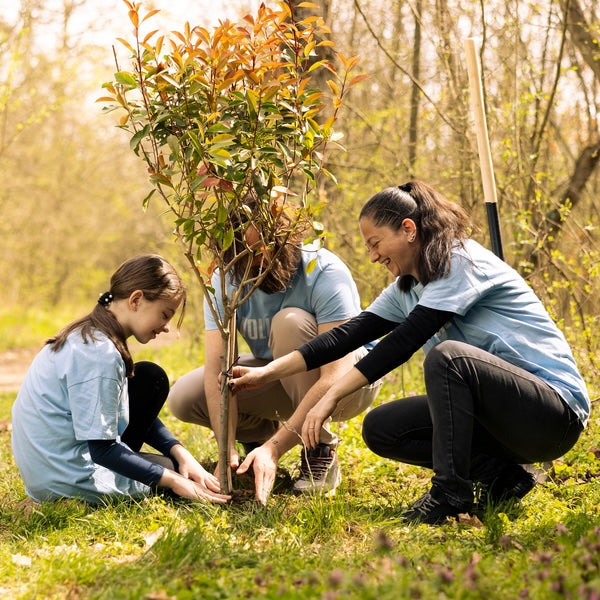
Tree Plantation for CSR - Corporate Environmental Programs | Grow Billion Trees
Tree Plantation for CSR - Transform Your Corporate Environmental ImpactTree plantation for...
-
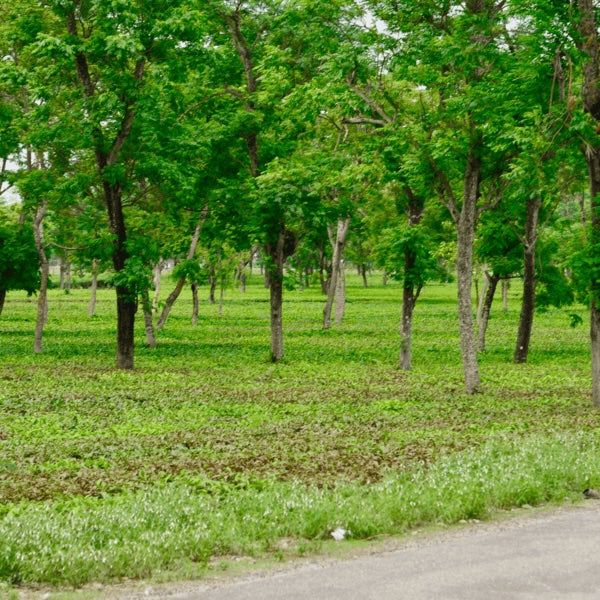
Tree Plantation for SDG - Support Sustainable Development Goals
Tree plantation for SDG initiatives represents a powerful pathway to achieving multiple...
-
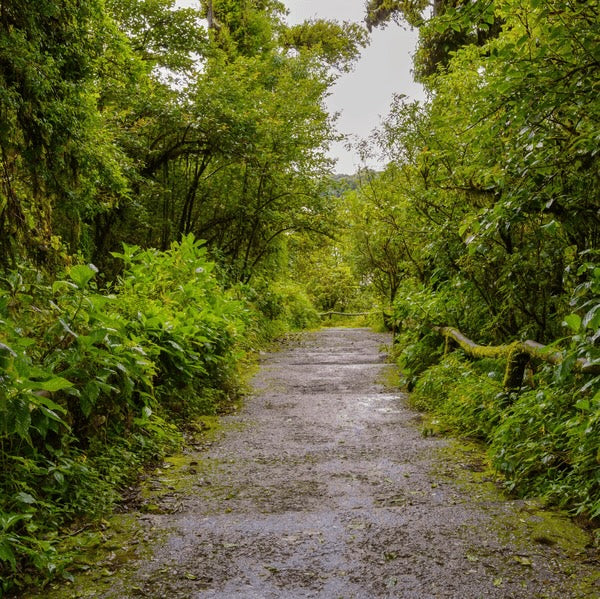
Corporate Tree Plantation Programs - Sustainable ESG Environmental Solutions for Net Zero Targets
Transform your organization's environmental impact with our comprehensive Corporate Tree Plantation Programs...
-
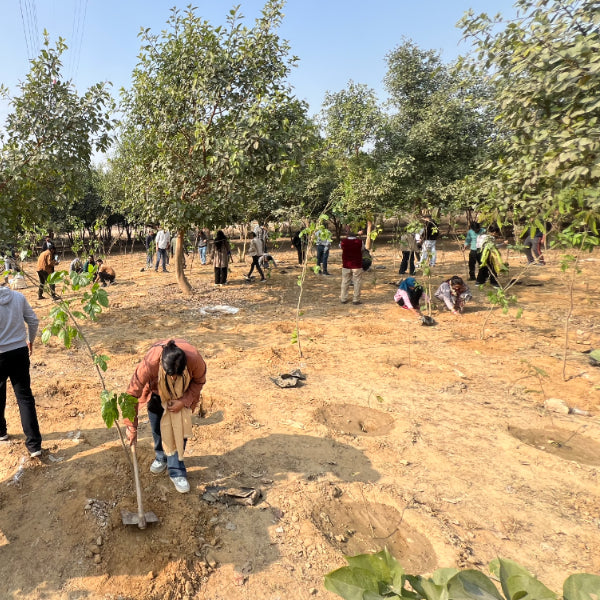
Tree Plantation by Location - Plant Trees Across India
Transform landscapes nationwide through our comprehensive tree plantation by location program. When...
Most Popular Tree Plantations - Top Choices for Environmental Impact
-
Trees for Mother
Regular price ₹ 299Regular priceUnit price per -
Trees to Honor the Memory of your Loved Ones
Regular price ₹ 299Regular priceUnit price per -
Trees for Wedding Anniversary Celebration
Regular price ₹ 299Regular priceUnit price per -
Trees for Grandmother
Regular price ₹ 299Regular priceUnit price per -
Trees for Grandfather
Regular price ₹ 299Regular priceUnit price per

Connect with us
-
👥 Corporates
If you are looking for:
- 🌲 Tree Plantation Events
- 📊 CSR Projects
📧 corporate@growbilliontrees.com
📞 +91 9699723523
💬 +91 9325931304 WhatsApp (Only)
🕒 Mon - Sat | 10am - 7pm IST
-
🧩 Tree Plantation NGOs
If you are looking for:
- 💰 Financial Assistance
- 🤝 Operational Support
📧 support@growbilliontrees.com
📞 +91 9699723523
💬 +91 9325931304 WhatsApp (Only)
🕒 Mon - Sat | 10am - 7pm IST
-
🌼 Individuals
If you are looking for:
- 👥 Group Tree Plantation Drive
- 🌳 Bulk Tree Plantation
📞 +91 9699723523
💬 +91 9325931304 WhatsApp (Only)
🕒 Mon - Sat | 10am - 7pm IST
