
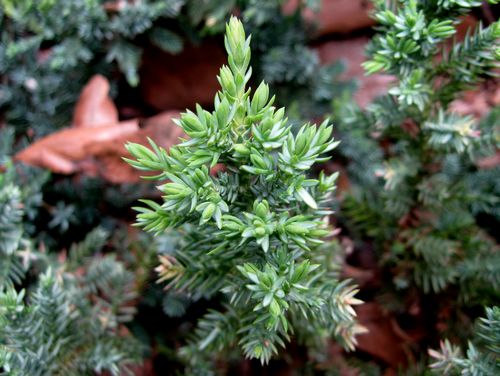
The Common Juniper Tree (Juniperus communis) represents one of nature's most adaptable and environmentally beneficial conifers. This evergreen wonder offers exceptional drought tolerance, wildlife habitat, and year-round beauty for gardens while cont Read more
Trending Tree Plantations - Most Popular Environmental Programs
-
Trees for Mother
Regular price ₹ 299Regular priceUnit price per -
Trees to Honor the Memory of your Loved Ones
Regular price ₹ 299Regular priceUnit price per -
Trees for Women's Day (8th Mar)
Regular price ₹ 299Regular priceUnit price per -
Trees for Wedding Anniversary Celebration
Regular price ₹ 299Regular priceUnit price per -
Trees for Grandmother
Regular price ₹ 299Regular priceUnit price per

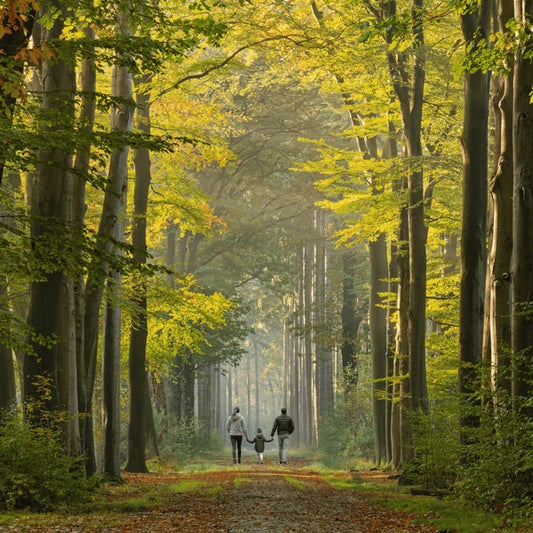



Trees for Corporates - Achieve Net Zero Targets Through Strategic Tree Planting
-
 Project Closed
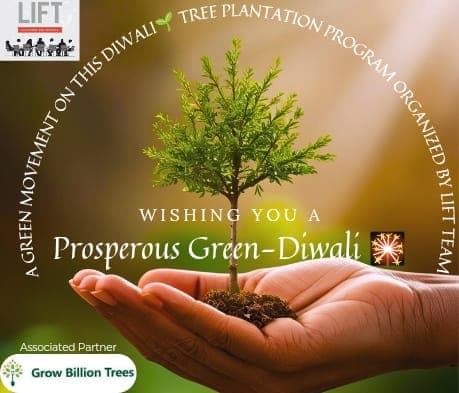
Trees by LIFT Team for Green Diwali: Transform Your Festival
Regular price ₹ 299Regular priceUnit price per -
Trees for a Greener Tomorrow - by Mahindra Lifespaces
Regular price ₹ 299Regular priceUnit price per -
Trees for Environment Day: Plant Your Impact on June 5th
Regular price ₹ 299Regular priceUnit price per -
 Project Closed
Trees for Bangalore: Plant Native Trees in Garden City ₹299
Regular price ₹ 799Regular priceUnit price per -
Trees for Employees: Transform Your Corporate Culture in 2026
Regular price ₹ 299Regular priceUnit price per
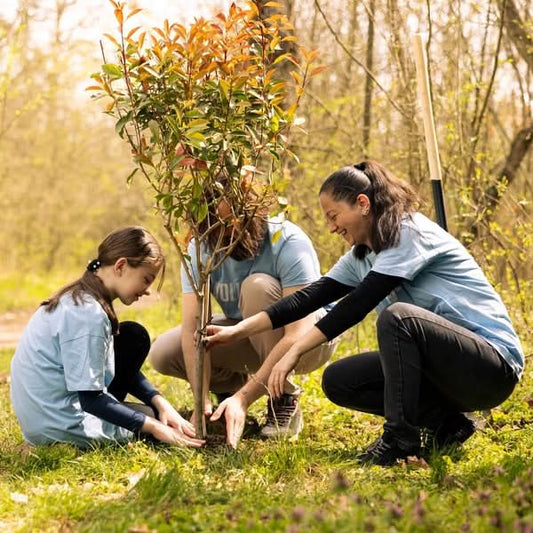
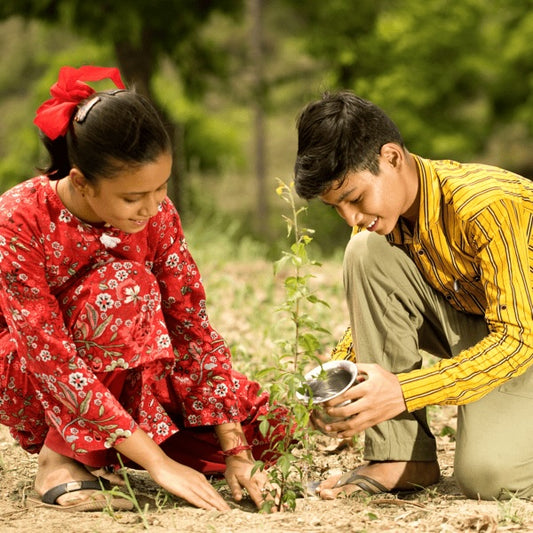

Common Juniper Tree: Essential Benefits for Your Garden
The Common Juniper Tree (Juniperus communis) represents one of nature's most adaptable and environmentally beneficial conifers. This evergreen wonder offers exceptional drought tolerance, wildlife habitat, and year-round beauty for gardens while contributing significantly to environmental restoration and carbon sequestration efforts.
✅ Understanding the Common Juniper Tree
When it comes to resilient and versatile trees, the common juniper stands out as a remarkable specimen in the plant kingdom. This evergreen conifer is not only a staple in various ecosystems but also offers a plethora of benefits for gardeners and the environment alike.
The Common Juniper Tree is a hardy shrub or small tree that can grow up to 10 meters in height, though it often appears as a low-growing shrub in rocky or poor soil conditions. Its needle-like leaves, which can be green or bluish-green, are arranged in whorls of three, giving the tree a unique texture.
The plant is dioecious, meaning it has separate male and female plants, with the females producing small, berry-like cones that mature over the course of two years. These cones are not only attractive but also serve as a food source for various birds and wildlife.
⭐ Scientific Classification and Fascinating Facts
The Common Juniper Tree belongs to the Cupressaceae family, which includes other conifers like cypress and cedar. The genus name "Juniperus" is derived from the Latin word "juniperus," which means "to produce," referring to the tree's ability to produce berries.
- Longevity: Common junipers are known for their exceptional longevity, often living for several decades, with some specimens reported to be over 100 years old
- Adaptability: This tree can thrive in a variety of soil types, from sandy to clay, and can tolerate both acidic and alkaline conditions
- Drought Resistance: Once established, it becomes remarkably drought-resistant, making it an excellent choice for low-maintenance gardens
- Medicinal Properties: The berries are rich in antioxidants and have been traditionally used to treat digestive issues and respiratory problems
🌿 Historical Significance and Cultural Impact
The Common Juniper Tree has a rich history that dates back to ancient civilizations. The ancient Egyptians used juniper berries in their embalming process, while the Romans utilized the plant for its medicinal properties.
In Europe, juniper was often associated with protection against evil spirits and was used in rituals and traditional medicine. Today, juniper berries are commonly used to flavor gin, and the tree is appreciated for its ornamental value in gardens and landscapes.
💡 Environmental Benefits and Ecological Impact
Common Juniper Trees play a significant role in their ecosystems and contribute to global environmental goals. According to the United Nations Sustainable Development Goals, trees like junipers are essential for achieving climate action and biodiversity conservation targets.
These remarkable trees provide habitat and food for various wildlife species, including birds, small mammals, and insects. The berries are particularly important for birds during the winter months when other food sources are scarce.
Additionally, junipers help prevent soil erosion due to their extensive root systems, making them essential in stabilizing sandy or rocky soils. As highlighted by the United Nations Environment Programme's forest initiatives, such trees contribute significantly to carbon sequestration, helping mitigate climate change by absorbing carbon dioxide from the atmosphere.
✅ Essential Garden Benefits of Common Juniper
Low Maintenance Requirements
One of the most appealing aspects of the Common Juniper Tree is its low maintenance requirements. Once established, it requires minimal watering and care, making it ideal for busy gardeners or those looking to reduce their gardening workload while supporting environmental goals.
Soil Enhancement Properties
Junipers can improve soil quality by adding organic matter through leaf litter, which enriches the soil and encourages beneficial microorganisms. This natural soil improvement aligns with sustainable gardening practices.
Wildlife Habitat Creation
Incorporating Common Juniper Trees into your garden can attract various wildlife species, including birds, butterflies, and beneficial insects. This biodiversity can enhance the overall health of your garden ecosystem and support local wildlife conservation efforts.
Year-Round Aesthetic Appeal
The unique foliage and attractive berries of the Common Juniper Tree can add visual interest to your garden throughout the year. Whether used as a focal point, hedge, or ground cover, junipers can enhance your landscape design while providing environmental benefits.
→ How to Successfully Grow Common Juniper Trees
Growing Common Juniper Trees is a straightforward process, making it accessible for gardeners of all skill levels. Here's our comprehensive guide based on years of experience with these resilient trees:
- Location Selection: Choose a sunny spot in your garden with well-drained soil. Junipers prefer full sun but can tolerate partial shade
- Soil Preparation: Although Common Juniper Trees are adaptable to various soil types, they thrive in sandy or loamy soils
- Planting Process: Dig a hole that is twice the width of the root ball and as deep as the root ball itself
- Watering Schedule: Water regularly during the first year, then reduce frequency as the tree establishes
- Maintenance: Prune lightly in late winter or early spring to maintain shape
🌱 Supporting Climate Action Through Tree Planting
At Grow Billion Trees, we recognize the vital role that Common Juniper Trees play in combating climate change. Our mission to Plant a tree in your Name for just ₹299 includes comprehensive care with our 4ft Tree Planting + 3 Years Care + GeoTag service.
By choosing to plant Common Juniper Trees, you're directly contributing to our goal of planting 100 crore trees across India by June 2030. These efforts align perfectly with global initiatives, as emphasized by UN Climate Change action plans, which highlight the critical importance of forest restoration in achieving climate goals.
Our specialized programs support both individual environmental enthusiasts and corporations working toward Net Zero Targets. Through our GeoTag technology, you can track your planted juniper's growth and witness its contribution to environmental restoration.
⭐ Specialized Planting Programs
We offer multiple planting approaches that incorporate Common Juniper Trees:
- Miyawaki Forests: Dense, native forest creation using junipers alongside other indigenous species
- Agroforestry Programs: Integrating junipers with agricultural systems for enhanced sustainability
- Urban Forestry: Creating green spaces in cities using hardy species like Common Juniper Trees
- Corporate Environmental Programs: Large-scale plantations for businesses pursuing sustainability goals
Frequently Asked Questions
How long does a Common Juniper Tree live?
Common Juniper Trees are remarkably long-lived, typically surviving for several decades. Some specimens have been documented to live over 100 years, making them excellent long-term investments for your garden and the environment.
What soil conditions do Common Juniper Trees prefer?
These adaptable trees thrive in various soil types, from sandy to clay soils. They tolerate both acidic and alkaline conditions and prefer well-drained locations. Once established, they become highly drought-resistant.
When do Common Juniper Trees produce berries?
Female Common Juniper Trees produce small, berry-like cones that take approximately two years to fully mature. These berries provide essential food for wildlife, particularly birds during winter months.
How much space does a Common Juniper Tree need?
Space requirements vary depending on the variety and intended use. Dwarf varieties need 3-4 feet spacing, while larger specimens may require 6-10 feet. Consider the mature size when planning your garden layout.
Can Common Juniper Trees help with privacy screening?
Yes, Common Juniper Trees make excellent natural privacy screens and windbreaks. Their dense, evergreen foliage provides year-round coverage and can effectively block unwanted views while creating secluded outdoor spaces.
Are Common Juniper Trees suitable for urban environments?
Absolutely! These trees are highly tolerant of urban pollution, poor soil conditions, and drought stress, making them ideal for city gardens and urban forestry projects.
How do Common Juniper Trees contribute to environmental conservation?
Common Juniper Trees contribute through carbon sequestration, soil erosion prevention, wildlife habitat provision, and supporting biodiversity. They play crucial roles in ecosystem stability and climate change mitigation.
What maintenance do Common Juniper Trees require?
These low-maintenance trees require minimal care once established. Light pruning in late winter, occasional watering during extreme drought, and basic soil care are typically sufficient for healthy growth.
Can I plant Common Juniper Trees for special occasions?
Yes! At Grow Billion Trees, we offer Common Juniper Tree planting services for birthdays, memorials, corporate events, and other special occasions. Each tree comes with a personalized certificate and GeoTag tracking.
How do Common Juniper Trees support Net Zero goals?
These trees actively absorb carbon dioxide throughout their long lifespans, making them valuable assets for organizations pursuing Net Zero Targets. Their durability ensures decades of carbon sequestration benefits.
🌍 Join Our Environmental Mission
The Common Juniper Tree represents more than just a garden addition—it's a commitment to environmental stewardship and future generations. Through our comprehensive tree planting programs, we're Combating Climate Change Through Collective Action while creating lasting natural legacies.
Whether you're an individual seeking to make an environmental impact or a corporation working toward sustainability goals, our Common Juniper Tree planting services offer verified, trackable results. Each tree planted contributes to our ambitious goal of transforming India's landscape through reforestation.
Ready to plant your Common Juniper Tree and join thousands of environmental champions? Discover how you can Plant a tree in your Name today and become part of our mission to plant 100 crore trees across India. Together, we're nurturing a greener, more sustainable future—one Common Juniper Tree at a time.
You may also like
-
Gift a Tree - Meaningful Environmental Gifts That Make a Difference
Transform your gift-giving with meaningful environmental gifts that create lasting impact for...
-
Trees For Shiv Ji - Sacred Tree Planting to Honor Lord Shiva
Honor Lord Shiva through sacred tree planting with Trees For Shiv Ji,...
-

Tree Plantations for Shri Ram - Sacred Devotional Planting Services
Honor Lord Shri Ram through meaningful tree plantations for Shri Ram that...
-
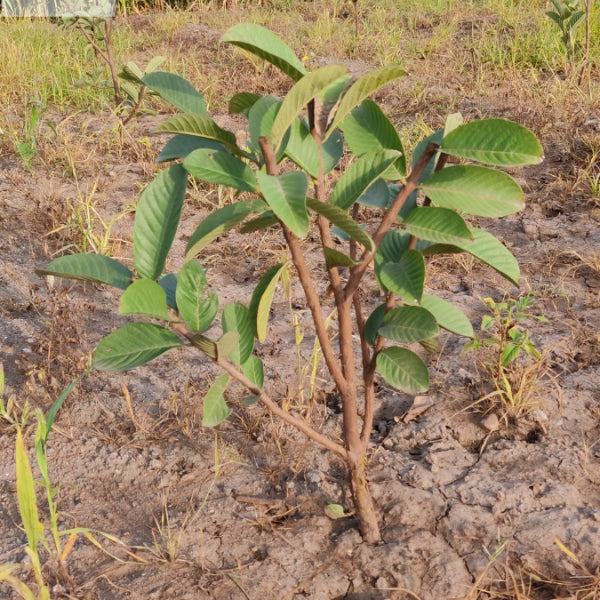
Tree Plantation on Navratri - Celebrate Divine Festivals with Environmental Devotion
Tree plantation on Navratri transforms the sacred nine-day festival into a powerful...
-
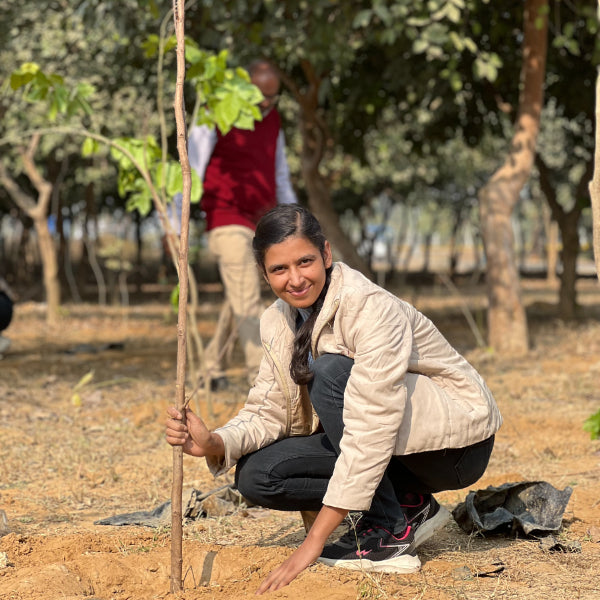
Tree Plantation by Cause - Plant Trees for Every Purpose | Grow Billion Trees
Transform your environmental impact with purpose-driven tree plantation by cause programs that...
Corporate Plantations
-
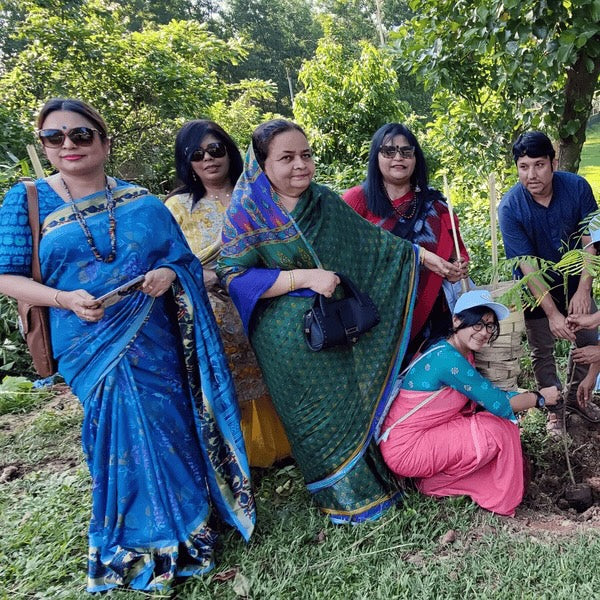
Trees for Corporates - Achieve Net Zero Targets Through Strategic Tree Planting
Trees for Corporates - Strategic Environmental SolutionsTransform your corporate environmental impact with...
-
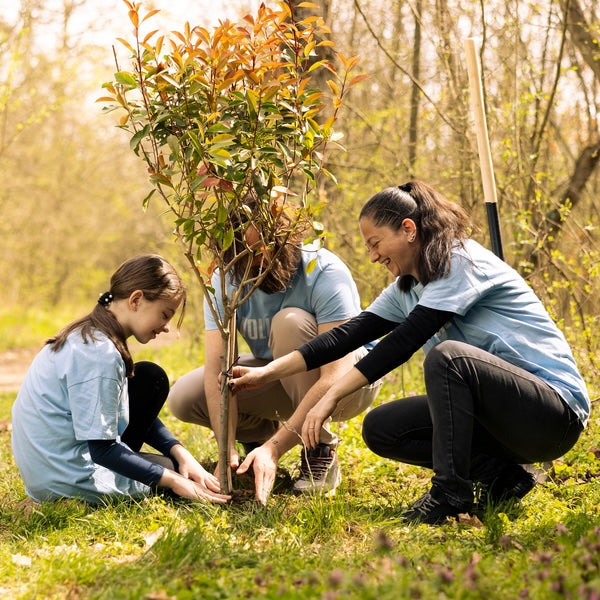
Tree Plantation for CSR - Corporate Environmental Programs | Grow Billion Trees
Tree Plantation for CSR - Transform Your Corporate Environmental ImpactTree plantation for...
-
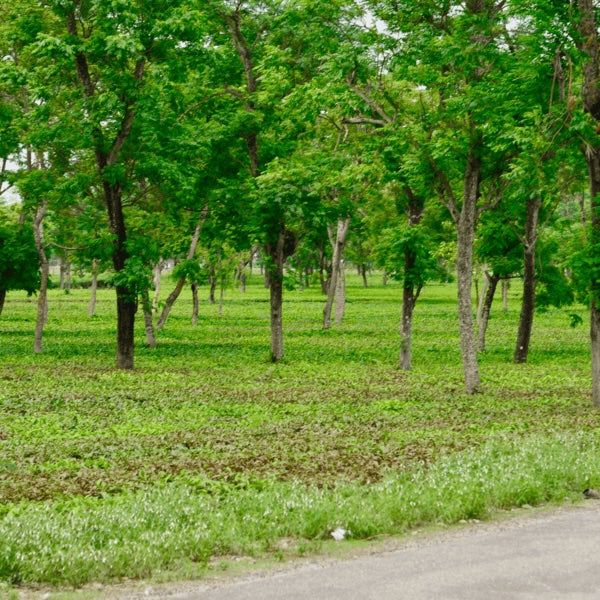
Tree Plantation for SDG - Support Sustainable Development Goals
Tree plantation for SDG initiatives represents a powerful pathway to achieving multiple...
-
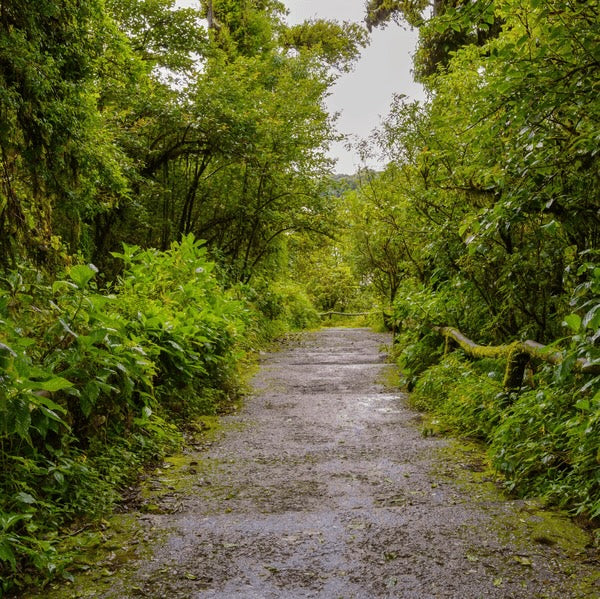
Corporate Tree Plantation Programs - Sustainable ESG Environmental Solutions for Net Zero Targets
Transform your organization's environmental impact with our comprehensive Corporate Tree Plantation Programs...
-
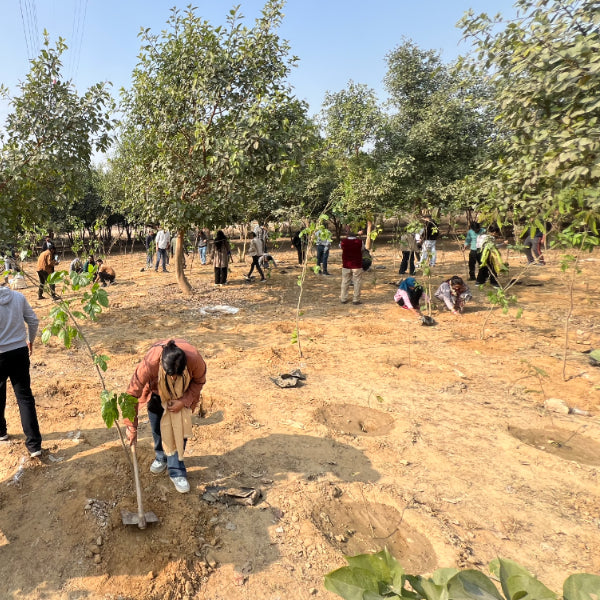
Tree Plantation by Location - Plant Trees Across India
Transform landscapes nationwide through our comprehensive tree plantation by location program. When...
Most Popular Tree Plantations - Top Choices for Environmental Impact
-
Trees for Mother
Regular price ₹ 299Regular priceUnit price per -
Trees to Honor the Memory of your Loved Ones
Regular price ₹ 299Regular priceUnit price per -
Trees for Wedding Anniversary Celebration
Regular price ₹ 299Regular priceUnit price per -
Trees for Grandmother
Regular price ₹ 299Regular priceUnit price per -
Trees for Grandfather
Regular price ₹ 299Regular priceUnit price per

Connect with us
-
👥 Corporates
If you are looking for:
- 🌲 Tree Plantation Events
- 📊 CSR Projects
📧 corporate@growbilliontrees.com
📞 +91 9699723523
💬 +91 9325931304 WhatsApp (Only)
🕒 Mon - Sat | 10am - 7pm IST
-
🧩 Tree Plantation NGOs
If you are looking for:
- 💰 Financial Assistance
- 🤝 Operational Support
📧 support@growbilliontrees.com
📞 +91 9699723523
💬 +91 9325931304 WhatsApp (Only)
🕒 Mon - Sat | 10am - 7pm IST
-
🌼 Individuals
If you are looking for:
- 👥 Group Tree Plantation Drive
- 🌳 Bulk Tree Plantation
📞 +91 9699723523
💬 +91 9325931304 WhatsApp (Only)
🕒 Mon - Sat | 10am - 7pm IST
