
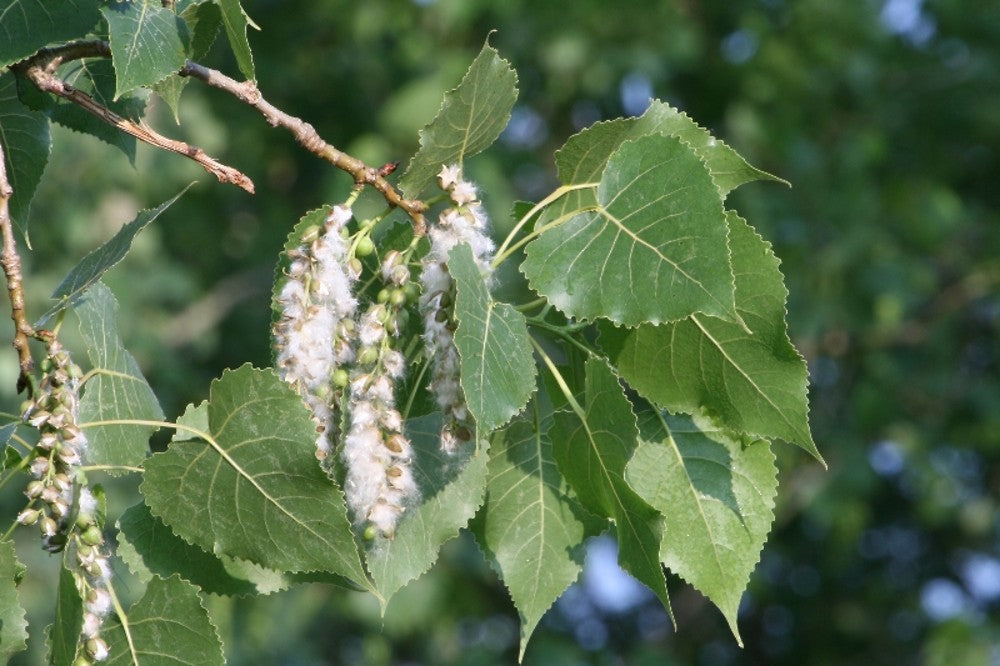
When we think of majestic trees that grace our landscapes, the Cottonwood tree (Populus deltoides) often stands out as a symbol of strength and resilience. Known for its towering height and broad canopy, the Cottonwood is not just a tree; it’s a vita Read more
Trending Tree Plantations - Most Popular Environmental Programs
-
Trees for Mother
Regular price ₹ 299Regular priceUnit price per -
Trees to Honor the Memory of your Loved Ones
Regular price ₹ 299Regular priceUnit price per -
Trees for Women's Day (8th Mar)
Regular price ₹ 299Regular priceUnit price per -
Trees for Wedding Anniversary Celebration
Regular price ₹ 299Regular priceUnit price per -
Trees for Grandmother
Regular price ₹ 299Regular priceUnit price per





Trees for Corporates - Achieve Net Zero Targets Through Strategic Tree Planting
-
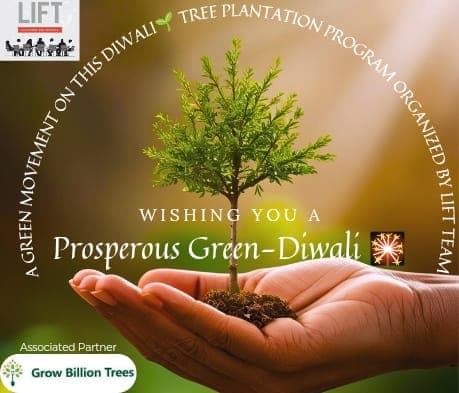 Project Closed
Trees by LIFT Team for Green Diwali: Transform Your Festival
Regular price ₹ 299Regular priceUnit price per -
Trees for a Greener Tomorrow - by Mahindra Lifespaces
Regular price ₹ 299Regular priceUnit price per -
Trees for Environment Day: Plant Your Impact on June 5th
Regular price ₹ 299Regular priceUnit price per -
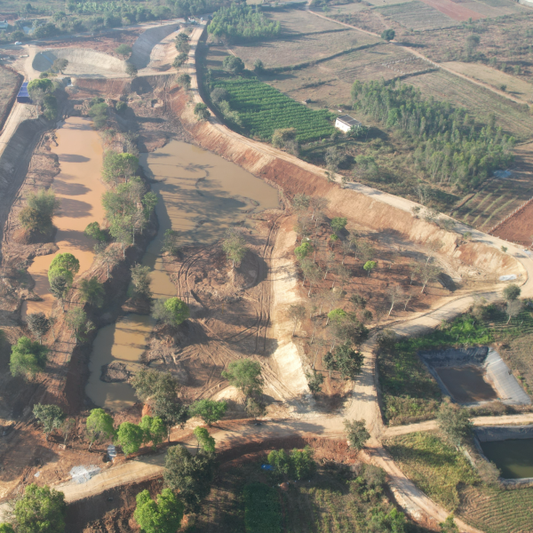 Project Closed
Trees for Bangalore: Plant Native Trees in Garden City ₹299
Regular price ₹ 799Regular priceUnit price per -
Trees for Employees: Transform Your Corporate Culture in 2026
Regular price ₹ 299Regular priceUnit price per
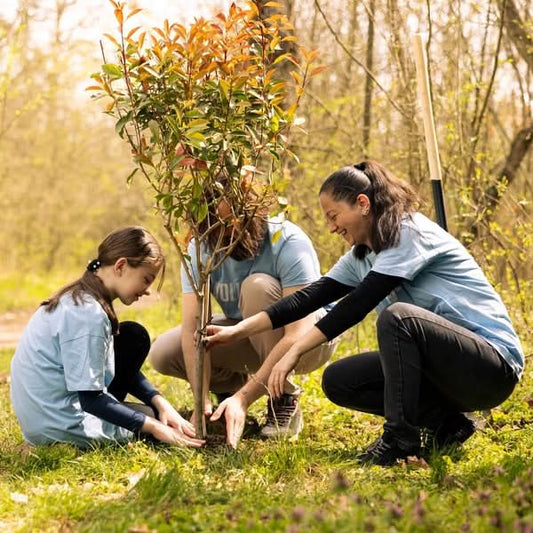

Cottonwood Tree: The Majestic Giant of Nature's Landscape and Its Surp
When we think of majestic trees that grace our landscapes, the Cottonwood tree (Populus deltoides) often stands out as a symbol of strength and resilience.
Known for its towering height and broad canopy, the Cottonwood is not just a tree; it’s a vital part of our ecosystem, offering numerous benefits to both the environment and human society.
In this blog, we will explore the Cottonwood tree's characteristics, historical significance, ecological impact, and the surprising benefits it brings to our lives. We will also highlight the efforts of organizations like Grow Billion Trees Partners, who are committed to promoting and executing tree-planting initiatives in various regions.
The Cottonwood Tree: Characteristics and Fun Facts
The Cottonwood tree is a member of the Salicaceae family and is primarily found in North America. It can grow up to 100 feet tall, with a trunk diameter that can exceed three feet.
The leaves of the Cottonwood are typically triangular or heart-shaped, with a serrated edge, and they turn a brilliant yellow in the fall. Here are some fun facts about Cottonwood trees:
- Fast Growth: Cottonwoods are among the fastest-growing trees in North America, capable of growing up to 6 feet per year under ideal conditions.
- Short Lifespan: Despite their impressive size, Cottonwoods have a relatively short lifespan of 50 to 70 years.
- Seed Dispersal: The tree produces fluffy seeds that are carried by the wind, allowing for rapid colonization of new areas.
- Habitat: Cottonwoods thrive in riparian zones, making them essential for stabilizing riverbanks and providing habitat for various wildlife.
Historical Significance of Cottonwood Trees
Cottonwood trees have been significant throughout history, particularly for Indigenous peoples in North America. Native Americans utilized various parts of the Cottonwood tree for medicinal purposes, crafts, and even as a source of food.
The bark was used to make canoes, and the wood was fashioned into tools and structures. The tree's importance is also reflected in folklore and stories, where it often symbolizes strength and endurance.
In the 19th century, as settlers moved westward, Cottonwoods were often planted along trails and rivers for shade and as a source of timber. Their quick growth made them a favorite for reforestation efforts and landscape beautification. Today, Cottonwoods continue to be a vital part of many ecosystems and urban landscapes.
Ecological Impact of Cottonwood Trees
Cottonwood trees play a crucial role in maintaining ecological balance. Their extensive root systems help prevent soil erosion, particularly in riparian zones where they are commonly found. Here are some environmental benefits of Cottonwood trees:
- Habitat Creation: Cottonwoods provide habitat for a variety of wildlife, including birds, mammals, and insects. Species such as the Great Horned Owl and the Western Bluebird often nest in their branches.
- Water Filtration: The roots of Cottonwood trees help filter pollutants from water, improving water quality in nearby rivers and streams.
- Carbon Sequestration: Like all trees, Cottonwoods absorb carbon dioxide from the atmosphere, playing a role in mitigating climate change.
- Soil Improvement: The organic matter from fallen leaves and decaying wood enriches the soil, promoting a healthy ecosystem.
Surprising Benefits of Cottonwood Trees
Beyond their ecological contributions, Cottonwood trees offer several surprising benefits to humans:
- Medicinal Uses: The bark and leaves of the Cottonwood tree contain salicin, a compound similar to aspirin, which has anti-inflammatory properties. Traditional medicine practices have utilized these parts for treating ailments such as fevers and pain.
- Wood Products: Cottonwood wood is lightweight and easy to work with, making it a popular choice for furniture, cabinetry, and even musical instruments.
- Shade and Aesthetics: Cottonwoods provide ample shade, making them ideal for parks and residential areas. Their majestic presence enhances the beauty of landscapes.
- Pollinator Support: Cottonwood trees are known to attract various pollinators, including bees, which are essential for the health of our ecosystems and food production.
Grow Billion Trees Partners: A Commitment to Reforestation
As the importance of trees like the Cottonwood becomes increasingly recognized, initiatives aimed at promoting reforestation and sustainable forestry practices have gained momentum.
One such initiative is Grow Billion Trees Partners, an organization dedicated to planting trees and restoring natural habitats across various regions.
Grow Billion Trees Partners focuses on several key areas to execute and promote their projects:
- Community Engagement: They work closely with local communities to educate them about the benefits of tree planting and involve them in the process. This grassroots approach ensures that the projects are sustainable and culturally relevant.
- Partnerships: Collaborating with governmental bodies, NGOs, and private sectors, Grow Billion Trees Partners leverages resources and expertise to maximize the impact of their initiatives.
- Research and Innovation: The organization invests in research to identify the best tree species for specific environments, including Cottonwoods, to ensure successful growth and sustainability.
- Monitoring and Maintenance: After planting, they implement monitoring programs to track the health and growth of the trees, ensuring that they thrive long-term.
Through these efforts, Grow Billion Trees Partners not only contributes to increasing tree cover but also enhances biodiversity, combats climate change, and improves the quality of life for communities.
Conclusion: The Cottonwood Tree and Our Future
The Cottonwood tree is a majestic giant that embodies the beauty and resilience of nature. Its ecological benefits, historical significance, and surprising advantages make it a vital component of our landscapes.
As we face the challenges of climate change and environmental degradation, initiatives like those of Grow Billion Trees Partners become increasingly important. By promoting tree planting and restoration efforts, we can ensure that future generations will continue to enjoy the beauty and benefits of Cottonwood trees and other vital species.
In conclusion, whether you are a nature enthusiast, a history buff, or simply someone looking to make a positive impact on the environment, understanding and appreciating the Cottonwood tree can inspire action. Together, we can work towards a greener, more sustainable future, one tree at a time.
You may also like
-
Gift a Tree - Meaningful Environmental Gifts That Make a Difference
Transform your gift-giving with meaningful environmental gifts that create lasting impact for...
-
Trees For Shiv Ji - Sacred Tree Planting to Honor Lord Shiva
Honor Lord Shiva through sacred tree planting with Trees For Shiv Ji,...
-

Tree Plantations for Shri Ram - Sacred Devotional Planting Services
Honor Lord Shri Ram through meaningful tree plantations for Shri Ram that...
-
Tree Plantation on Navratri - Celebrate Divine Festivals with Environmental Devotion
Tree plantation on Navratri transforms the sacred nine-day festival into a powerful...
-
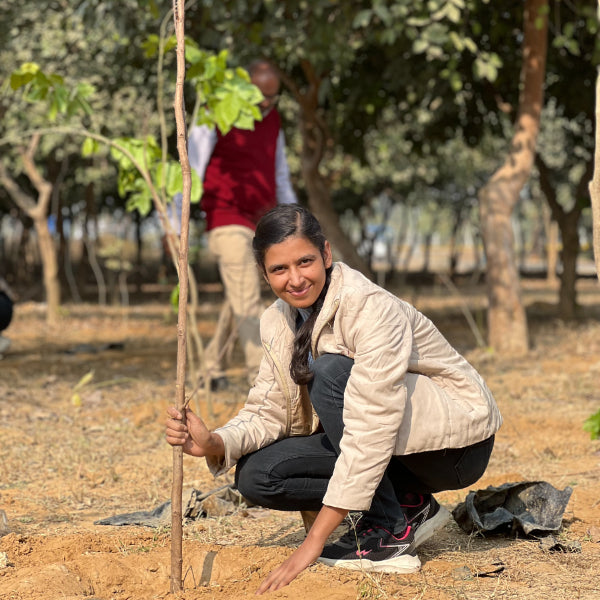
Tree Plantation by Cause - Plant Trees for Every Purpose | Grow Billion Trees
Transform your environmental impact with purpose-driven tree plantation by cause programs that...
Corporate Plantations
-
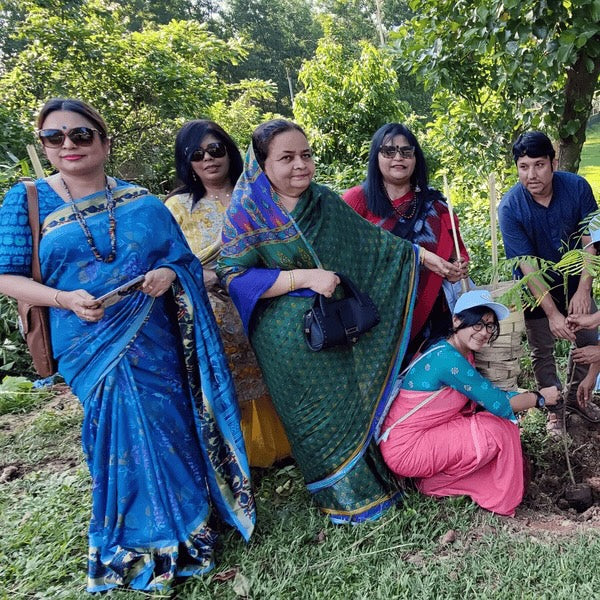
Trees for Corporates - Achieve Net Zero Targets Through Strategic Tree Planting
Trees for Corporates - Strategic Environmental SolutionsTransform your corporate environmental impact with...
-
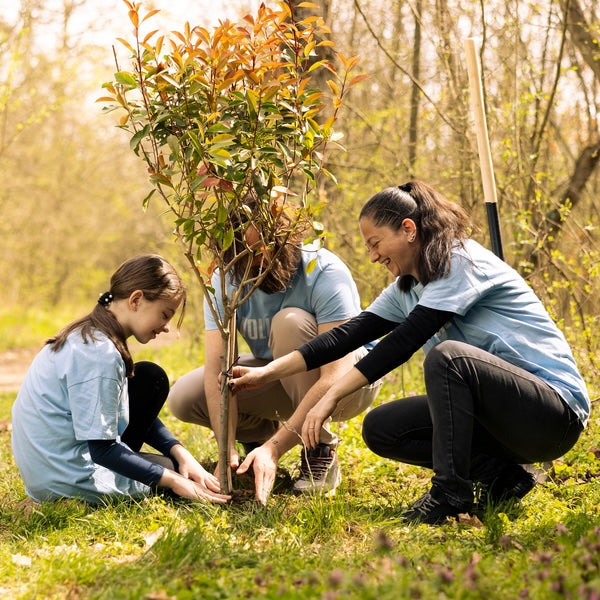
Tree Plantation for CSR - Corporate Environmental Programs | Grow Billion Trees
Tree Plantation for CSR - Transform Your Corporate Environmental ImpactTree plantation for...
-
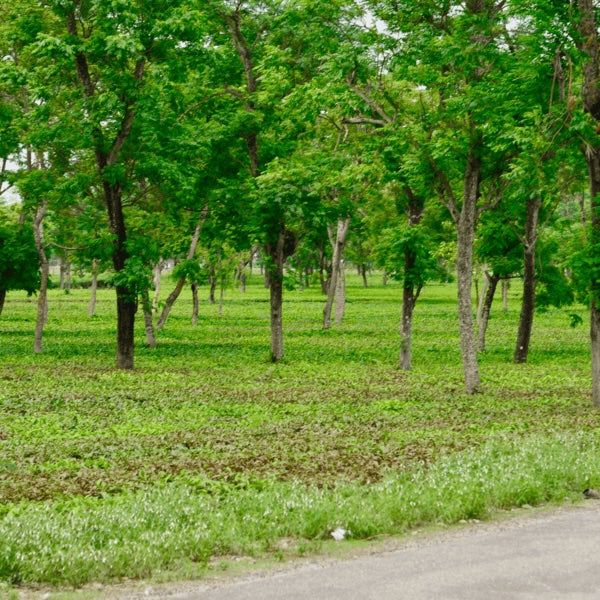
Tree Plantation for SDG - Support Sustainable Development Goals
Tree plantation for SDG initiatives represents a powerful pathway to achieving multiple...
-

Corporate Tree Plantation Programs - Sustainable ESG Environmental Solutions for Net Zero Targets
Transform your organization's environmental impact with our comprehensive Corporate Tree Plantation Programs...
-
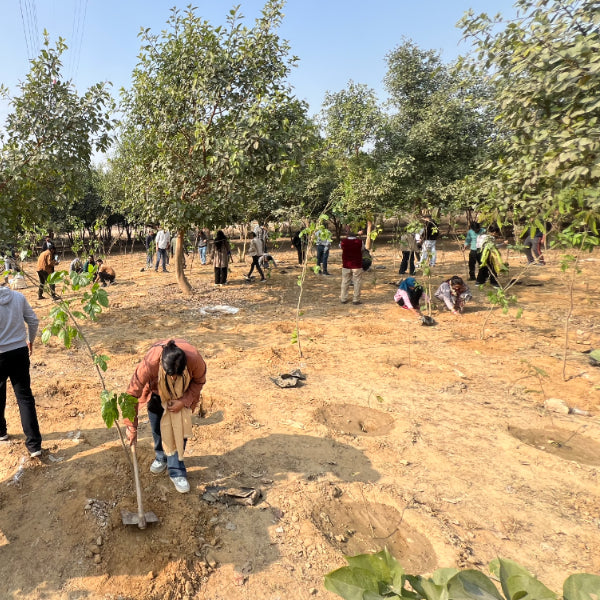
Tree Plantation by Location - Plant Trees Across India
Transform landscapes nationwide through our comprehensive tree plantation by location program. When...
Most Popular Tree Plantations - Top Choices for Environmental Impact
-
Trees for Mother
Regular price ₹ 299Regular priceUnit price per -
Trees to Honor the Memory of your Loved Ones
Regular price ₹ 299Regular priceUnit price per -
Trees for Wedding Anniversary Celebration
Regular price ₹ 299Regular priceUnit price per -
Trees for Grandmother
Regular price ₹ 299Regular priceUnit price per -
Trees for Grandfather
Regular price ₹ 299Regular priceUnit price per

Connect with us
-
👥 Corporates
If you are looking for:
- 🌲 Tree Plantation Events
- 📊 CSR Projects
📧 corporate@growbilliontrees.com
📞 +91 9699723523
💬 +91 9325931304 WhatsApp (Only)
🕒 Mon - Sat | 10am - 7pm IST
-
🧩 Tree Plantation NGOs
If you are looking for:
- 💰 Financial Assistance
- 🤝 Operational Support
📧 support@growbilliontrees.com
📞 +91 9699723523
💬 +91 9325931304 WhatsApp (Only)
🕒 Mon - Sat | 10am - 7pm IST
-
🌼 Individuals
If you are looking for:
- 👥 Group Tree Plantation Drive
- 🌳 Bulk Tree Plantation
📞 +91 9699723523
💬 +91 9325931304 WhatsApp (Only)
🕒 Mon - Sat | 10am - 7pm IST
