
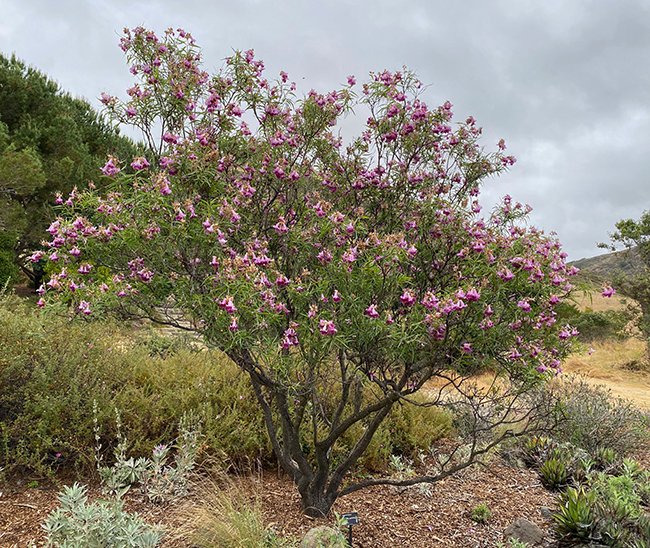
The Desert Willow tree (Chilopsis linearis) stands as nature's perfect solution for arid landscapes, combining breathtaking beauty with remarkable resilience. This stunning flowering tree thrives where others struggle, making it an ideal choice for e Read more
Trending Tree Plantations - Most Popular Environmental Programs
-
Trees for Mother
Regular price ₹ 299Regular priceUnit price per -
Trees to Honor the Memory of your Loved Ones
Regular price ₹ 299Regular priceUnit price per -
Trees for Women's Day (8th Mar)
Regular price ₹ 299Regular priceUnit price per -
Trees for Wedding Anniversary Celebration
Regular price ₹ 299Regular priceUnit price per -
Trees for Grandmother
Regular price ₹ 299Regular priceUnit price per




Trees for Corporates - Achieve Net Zero Targets Through Strategic Tree Planting
-
 Project Closed
Trees by LIFT Team for Green Diwali: Transform Your Festival
Regular price ₹ 299Regular priceUnit price per -
Trees for a Greener Tomorrow - by Mahindra Lifespaces
Regular price ₹ 299Regular priceUnit price per -
Trees for Environment Day: Plant Your Impact on June 5th
Regular price ₹ 299Regular priceUnit price per -
Trees for Employees: Transform Your Corporate Culture in 2026
Regular price ₹ 299Regular priceUnit price per -
 Project Closed
Trees for Bangalore: Plant Native Trees in Garden City ₹299
Regular price ₹ 799Regular priceUnit price per

Desert Willow Tree: Complete Growing & Care Guide 2024
The Desert Willow tree (Chilopsis linearis) stands as nature's perfect solution for arid landscapes, combining breathtaking beauty with remarkable resilience. This stunning flowering tree thrives where others struggle, making it an ideal choice for environmentally conscious gardeners seeking sustainable landscaping solutions. With proper care, your Desert Willow will reward you with vibrant trumpet-shaped blooms and graceful form for decades to come.
✅ Understanding the Desert Willow Tree
The Desert Willow belongs to the Bignoniaceae family, a group primarily composed of flowering plants. Its scientific name, Chilopsis linearis, derives from the Greek word "chilos" meaning "lip" and "opsis" meaning "appearance," referencing the flower's distinctive trumpet shape. Despite its common name, this remarkable tree isn't actually related to true willows.
These magnificent trees typically reach heights of 15 to 25 feet with a similar spread, creating an elegant canopy perfect for desert gardens. The slender, elongated leaves resemble willow foliage, while the spectacular flowers bloom in shades of white, pink, and lavender from late spring through early summer.
⭐ Physical Characteristics That Make Desert Willows Special
Desert Willows showcase several distinctive features that set them apart from other desert-adapted trees. Their narrow, linear leaves measure 2 to 5 inches long and help minimize water loss through transpiration. The bark develops attractive furrows and ridges as the tree matures, adding textural interest to the landscape.
The most striking feature remains the abundant trumpet-shaped flowers, each measuring 1 to 2 inches long. These blooms attract hummingbirds, bees, and butterflies, supporting local ecosystem health while providing months of colorful display. Following the flowers, long seed pods develop, adding winter interest to the bare branches.
🌱 Growing Desert Willow Trees Successfully
Choosing the Perfect Location
Desert Willows demand full sun exposure, requiring at least 6 to 8 hours of direct sunlight daily for optimal growth and flowering. Select a location with excellent drainage, as these trees cannot tolerate waterlogged conditions. Sandy or loamy soils work best, though they adapt to various soil types including clay when drainage is adequate.
→ Planting Your Desert Willow
Begin by digging a hole twice as wide and as deep as the root ball. Position the tree so the top of the root ball sits level with the surrounding soil surface. Backfill carefully with native soil, water thoroughly to eliminate air pockets, and apply a 2-3 inch layer of organic mulch around the base.
Spring planting typically yields the best results, allowing the tree to establish before facing summer heat stress. Space multiple trees at least 15 feet apart to accommodate their mature spread and ensure proper air circulation.
💡 Watering Requirements and Schedule
Young Desert Willows need consistent moisture during their first growing season to establish strong root systems. Water deeply once weekly, providing approximately 1 inch of water each time. Monitor soil moisture levels and adjust frequency based on rainfall and temperature conditions.
Once established after the first year, these drought-tolerant trees require minimal supplemental watering. During extreme drought periods, deep watering every 2-3 weeks helps maintain tree health and flowering performance.
🌿 Essential Care Tips for Thriving Desert Willows
Fertilization Best Practices
Desert Willows generally thrive without heavy fertilization, reflecting their adaptation to nutrient-poor desert soils. Apply a balanced, slow-release fertilizer in early spring if desired, but avoid over-fertilizing which can promote excessive foliage growth at the expense of flowering.
Organic compost worked into the soil around the tree provides gentle, long-lasting nutrition while improving soil structure and water retention capabilities.
⚠️ Pruning for Health and Beauty
Prune Desert Willows during late winter or early spring before new growth emerges. Remove dead, damaged, or crossing branches to maintain tree health and structure. Light pruning encourages better air circulation and sunlight penetration, promoting abundant flowering.
Young trees benefit from selective pruning to develop strong branching structure. Mature trees require minimal pruning beyond removing unwanted growth and maintaining desired shape.
Pest and Disease Management
Desert Willows demonstrate remarkable resistance to most pests and diseases, making them low-maintenance landscape choices. Occasionally, aphids or spider mites may appear during stress periods. Address infestations with insecticidal soap or neem oil applications rather than harsh chemical treatments.
Proper spacing, adequate air circulation, and avoiding overhead watering help prevent the few fungal issues that might affect these resilient trees.
🌍 Environmental Benefits and Ecological Impact
Desert Willows provide significant environmental benefits that align with sustainable landscaping practices. Their extensive root systems help prevent soil erosion in arid regions, while their canopy provides crucial shade and habitat for wildlife species. The abundant flowers serve as vital nectar sources for pollinators including native bees, butterflies, and hummingbirds.
According to the United Nations Sustainable Development Goals, supporting native plant species like Desert Willows contributes to biodiversity conservation and ecosystem restoration efforts. These trees require minimal water once established, supporting water conservation initiatives in drought-prone regions.
The United Nations Environment Programme emphasizes the importance of native tree species in maintaining healthy ecosystems. Desert Willows exemplify this principle by supporting local wildlife while requiring minimal human intervention once established.
🏛️ Historical and Cultural Significance
Native American tribes have utilized Desert Willows for centuries, incorporating various parts of the tree into traditional medicine and crafts. The flexible wood served for making tools and baskets, while flowers and leaves provided medicinal preparations for treating various ailments.
Today, Desert Willows symbolize resilience and beauty in Southwestern landscapes, frequently featured in xeriscaping projects and public gardens throughout their native range. Their cultural significance continues as more gardeners recognize their value in sustainable landscape design.
💡 Pro Tips for Maximum Success
- Mulching: Apply organic mulch around the tree base to retain moisture and regulate soil temperature
- Soil monitoring: Use a soil moisture meter to determine optimal watering times
- Companion planting: Pair with other drought-tolerant natives like Desert Marigold and Brittlebush
- Winter protection: Young trees may benefit from frost protection in marginal climates
🌟 Varieties and Cultivars to Consider
Several Desert Willow cultivars offer unique characteristics for specific landscape needs. 'Bubba' produces deep burgundy flowers and compact growth, while 'Timeless Beauty' features pure white blooms with excellent heat tolerance. 'Art's Seedless' eliminates seed pod production for tidier landscapes.
'Regal' offers lavender-pink flowers with darker throats, and 'Lucretia Hamilton' displays deep rose-colored blooms. Choose varieties based on desired flower color, mature size, and specific growing conditions in your landscape.
⚠️ Common Problems and Solutions
While generally trouble-free, Desert Willows may experience occasional issues. Yellowing leaves often indicate overwatering or poor drainage. Reduce watering frequency and improve soil drainage to resolve this problem.
Poor flowering typically results from insufficient sunlight or over-fertilization with nitrogen. Ensure full sun exposure and avoid excessive fertilization to promote abundant blooms. Cold damage may occur in marginal climates, requiring protection during extreme cold snaps.
Frequently Asked Questions
How fast do Desert Willow trees grow?
Desert Willows are moderate to fast growers, typically adding 1-3 feet per year under optimal conditions. Young trees establish quickly and begin flowering within 2-3 years of planting.
Are Desert Willow trees messy?
Desert Willows produce minimal mess compared to many flowering trees. Spent flowers drop naturally, and seed pods can be removed if desired. Overall maintenance requirements remain quite low.
Can Desert Willows survive freezing temperatures?
Established Desert Willows tolerate temperatures down to 10°F (-12°C). Young trees may need protection in marginal climates. They're best suited for USDA zones 7-11.
Do Desert Willows need special soil?
While adaptable to various soil types, Desert Willows perform best in well-draining sandy or loamy soils. They cannot tolerate waterlogged conditions but adapt to both alkaline and slightly acidic soils.
How often should I water my Desert Willow?
Water young trees weekly during the first year. Established trees need deep watering every 2-3 weeks during dry periods. Adjust frequency based on rainfall and seasonal conditions.
When do Desert Willows bloom?
Desert Willows typically bloom from late spring through early fall, with peak flowering occurring during summer months. Consistent moisture and full sun exposure promote extended blooming periods.
Can I grow Desert Willows in containers?
Young Desert Willows can grow in large containers temporarily, but they perform best when planted directly in the ground where their extensive root system can develop properly.
Are Desert Willows deer resistant?
Yes, Desert Willows are generally deer resistant due to their woody stems and somewhat bitter foliage. This makes them excellent choices for areas with deer browsing pressure.
🌱 Supporting Global Reforestation Efforts
While Desert Willows serve local ecosystems beautifully, global reforestation efforts require massive coordinated action. At Grow Billion Trees, we're Combating Climate Change Through Collective Action by making tree planting accessible to everyone. You can Plant a tree in your Name for just ₹299, complete with our 4ft Tree Planting + 3 Years Care + GeoTag technology to track your environmental impact.
Our mission to plant 100 crore trees by 2030 includes supporting corporate Net Zero Targets while helping individuals contribute to meaningful environmental restoration. Whether you're celebrating special occasions or supporting large-scale reforestation, every tree planted makes a difference in our collective fight against climate change.
The United Nations Climate Change initiative emphasizes the critical role of tree planting in achieving global climate goals. By combining local native species like Desert Willows with broader reforestation efforts, we create comprehensive solutions for environmental challenges.
🌿 Creating Your Desert Oasis
Desert Willows represent the perfect balance of beauty, sustainability, and environmental responsibility. These remarkable trees prove that drought-tolerant landscaping doesn't require sacrificing aesthetic appeal. With minimal water requirements, stunning seasonal displays, and valuable wildlife habitat, Desert Willows exemplify smart gardening choices for our changing climate.
Start your desert garden transformation today by incorporating these resilient beauties into your landscape design. Their graceful form, abundant flowers, and ecological benefits will provide decades of enjoyment while supporting local wildlife populations and water conservation efforts.
Discover how you can expand your environmental impact beyond your garden by joining our global reforestation mission. Together, we're nurturing a greener, more sustainable future one tree at a time.
You may also like
-
Gift a Tree - Meaningful Environmental Gifts That Make a Difference
Transform your gift-giving with meaningful environmental gifts that create lasting impact for...
-
Trees For Shiv Ji - Sacred Tree Planting to Honor Lord Shiva
Honor Lord Shiva through sacred tree planting with Trees For Shiv Ji,...
-

Tree Plantations for Shri Ram - Sacred Devotional Planting Services
Honor Lord Shri Ram through meaningful tree plantations for Shri Ram that...
-
Tree Plantation on Navratri - Celebrate Divine Festivals with Environmental Devotion
Tree plantation on Navratri transforms the sacred nine-day festival into a powerful...
-
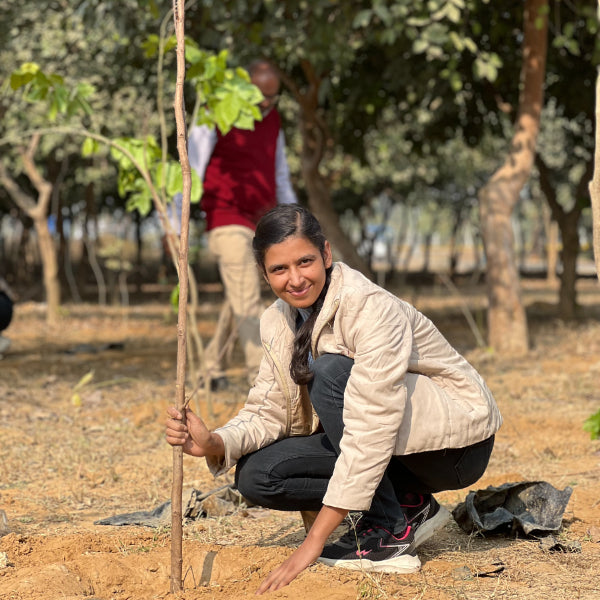
Tree Plantation by Cause - Plant Trees for Every Purpose | Grow Billion Trees
Transform your environmental impact with purpose-driven tree plantation by cause programs that...
Corporate Plantations
-
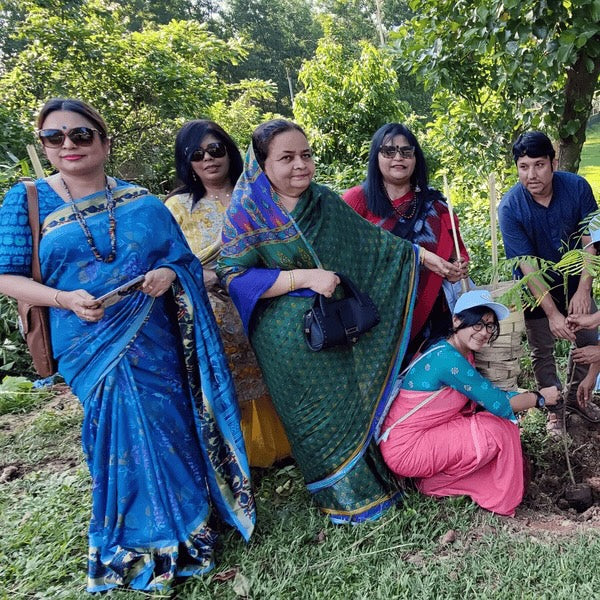
Trees for Corporates - Achieve Net Zero Targets Through Strategic Tree Planting
Trees for Corporates - Strategic Environmental SolutionsTransform your corporate environmental impact with...
-
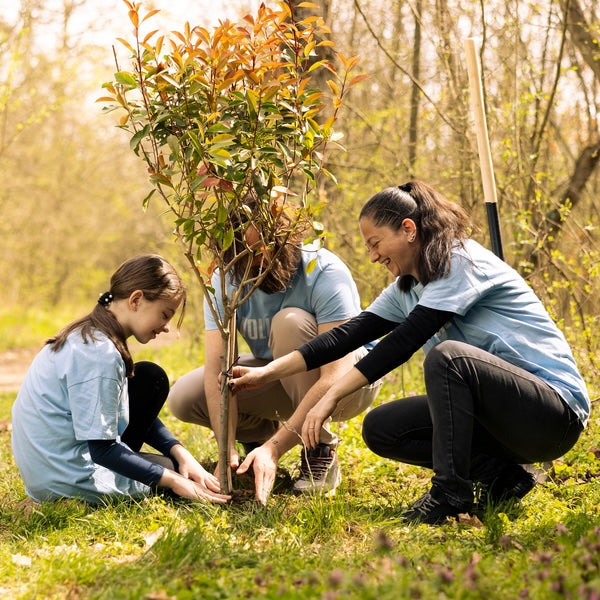
Tree Plantation for CSR - Corporate Environmental Programs | Grow Billion Trees
Tree Plantation for CSR - Transform Your Corporate Environmental ImpactTree plantation for...
-
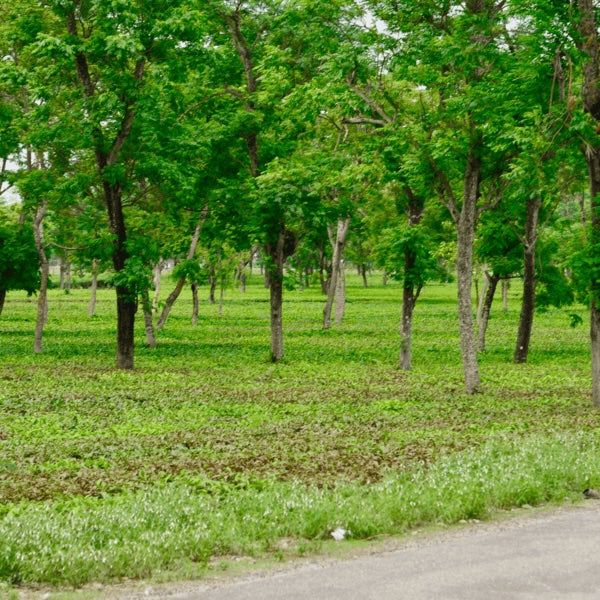
Tree Plantation for SDG - Support Sustainable Development Goals
Tree plantation for SDG initiatives represents a powerful pathway to achieving multiple...
-
Corporate Tree Plantation Programs - Sustainable ESG Environmental Solutions for Net Zero Targets
Transform your organization's environmental impact with our comprehensive Corporate Tree Plantation Programs...
-
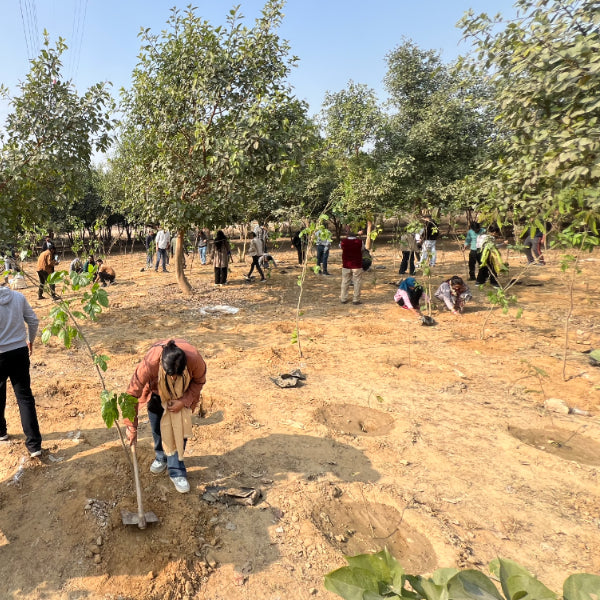
Tree Plantation by Location - Plant Trees Across India
Transform landscapes nationwide through our comprehensive tree plantation by location program. When...
Most Popular Tree Plantations - Top Choices for Environmental Impact
-
Trees for Mother
Regular price ₹ 299Regular priceUnit price per -
Trees to Honor the Memory of your Loved Ones
Regular price ₹ 299Regular priceUnit price per -
Trees for Wedding Anniversary Celebration
Regular price ₹ 299Regular priceUnit price per -
Trees for Grandmother
Regular price ₹ 299Regular priceUnit price per -
Trees for Grandfather
Regular price ₹ 299Regular priceUnit price per

Connect with us
-
👥 Corporates
If you are looking for:
- 🌲 Tree Plantation Events
- 📊 CSR Projects
📧 corporate@growbilliontrees.com
📞 +91 9699723523
💬 +91 9325931304 WhatsApp (Only)
🕒 Mon - Sat | 10am - 7pm IST
-
🧩 Tree Plantation NGOs
If you are looking for:
- 💰 Financial Assistance
- 🤝 Operational Support
📧 support@growbilliontrees.com
📞 +91 9699723523
💬 +91 9325931304 WhatsApp (Only)
🕒 Mon - Sat | 10am - 7pm IST
-
🌼 Individuals
If you are looking for:
- 👥 Group Tree Plantation Drive
- 🌳 Bulk Tree Plantation
📞 +91 9699723523
💬 +91 9325931304 WhatsApp (Only)
🕒 Mon - Sat | 10am - 7pm IST
