

The Elephant Foot Tree (Beaucarnea recurvata) is one of the most distinctive and low-maintenance houseplants you can grow. With its swollen trunk base and cascading ponytail-like leaves, this remarkable succulent stores water in its bulbous stem, mak Read more
Trending Tree Plantations - Most Popular Environmental Programs
-
Trees for Mother
Regular price ₹ 299Regular priceUnit price per -
Trees to Honor the Memory of your Loved Ones
Regular price ₹ 299Regular priceUnit price per -
Trees for Women's Day (8th Mar)
Regular price ₹ 299Regular priceUnit price per -
Trees for Wedding Anniversary Celebration
Regular price ₹ 299Regular priceUnit price per -
Trees for Grandmother
Regular price ₹ 299Regular priceUnit price per





Trees for Corporates - Achieve Net Zero Targets Through Strategic Tree Planting
-
 Project Closed
Trees by LIFT Team for Green Diwali: Transform Your Festival
Regular price ₹ 299Regular priceUnit price per -
Trees for a Greener Tomorrow - by Mahindra Lifespaces
Regular price ₹ 299Regular priceUnit price per -
Trees for Environment Day: Plant Your Impact on June 5th
Regular price ₹ 299Regular priceUnit price per -
Trees for Employees: Transform Your Corporate Culture in 2026
Regular price ₹ 299Regular priceUnit price per -
 Project Closed
Trees for Bangalore: Plant Native Trees in Garden City ₹299
Regular price ₹ 799Regular priceUnit price per

Elephant Foot Tree Care Guide: Ultimate Houseplant Tips
The Elephant Foot Tree (Beaucarnea recurvata) is one of the most distinctive and low-maintenance houseplants you can grow. With its swollen trunk base and cascading ponytail-like leaves, this remarkable succulent stores water in its bulbous stem, making it perfect for busy plant enthusiasts. This comprehensive guide will transform you into an expert Elephant Foot Tree caregiver while exploring its environmental benefits and connection to global reforestation efforts.
✅ Origins and Fascinating Plant Biology
The Elephant Foot Tree, scientifically known as Beaucarnea recurvata, stands out as a true gem among houseplants. This distinctive plant, native to the arid regions of Mexico, belongs to the Asparagaceae family and is often called the Ponytail Palm despite not being a true palm.
Despite its common name suggesting it's a palm, the Elephant Foot Tree is actually a succulent that has evolved remarkable adaptations for survival. In its natural habitat, this plant can reach heights of up to 20 feet, but as a houseplant, it typically remains a manageable 2 to 3 feet tall.
Indigenous cultures have historically utilized this plant for various purposes, including as a source of food and water during droughts. The plant's bulbous trunk serves as a natural water reservoir, making it invaluable in Mexico's arid landscapes where rainfall is scarce.
⭐ Scientific Marvels and Unique Adaptations
One of the most fascinating aspects of the Elephant Foot Tree lies in its extraordinary survival mechanisms. The swollen base acts as a sophisticated water storage system, allowing it to thrive in conditions that would challenge many other plants.
Key scientific features include:
- CAM Photosynthesis: Like many succulents, it uses Crassulacean Acid Metabolism, opening stomata at night to minimize water loss
- Exceptional Longevity: These trees can live for several decades, with some specimens over 100 years old
- Slow Growth Pattern: Typically adds only a few inches per year, making it a long-term investment
- Remarkable Resilience: Can tolerate neglect, perfect for busy lifestyles
According to the United Nations Sustainable Development Goals, preserving unique plant species like the Elephant Foot Tree contributes to biodiversity conservation and sustainable ecosystem management.
🌱 Essential Care Requirements for Thriving Plants
Light Requirements
Your Elephant Foot Tree craves bright, indirect sunlight for optimal growth. While it tolerates some direct sun, excessive exposure can scorch its delicate leaves. A south or west-facing window provides ideal conditions, but monitor for yellowing or browning leaves as signs of sun stress.
Watering Techniques
Overwatering ranks as the most common mistake among new Elephant Foot Tree owners. Given its water-storing trunk, this plant prefers to dry out completely between waterings. During spring and summer growing seasons, water thoroughly and allow excess water to drain completely.
In fall and winter, reduce watering frequency to once every few weeks, adjusting based on your home's humidity levels. Remember: when in doubt, wait longer before watering.
Soil and Potting Essentials
Select a well-draining soil mix, such as cactus or succulent blend, to prevent root rot. Ensure your pot includes drainage holes for excess water escape. Repot every 2-3 years or when the plant outgrows its container, preferably during spring growth periods.
Temperature and Humidity Management
The Elephant Foot Tree thrives in temperatures between 60°F and 80°F (15°C to 27°C). Since it's not frost-tolerant, maintain indoor conditions during colder months. While it tolerates low humidity, occasional misting creates an appreciated humid environment.
Fertilization Schedule
During growing seasons, fertilize monthly with balanced, diluted liquid fertilizer. Avoid fertilizing during winter dormancy when the plant's metabolic processes slow down significantly.
💡 Pest Management and Plant Health
While relatively pest-resistant, your Elephant Foot Tree may occasionally encounter mealybugs or spider mites. Regular inspection and leaf cleaning with damp cloth prevents most issues. For infestations, treat with insecticidal soap or neem oil applications.
Prevention strategies include:
- Weekly visual inspections of leaves and trunk
- Maintaining proper air circulation around the plant
- Avoiding overwatering which attracts pests
- Quarantining new plants before introducing them nearby
🌍 Environmental Impact and Conservation Importance
The Elephant Foot Tree plays a significant ecological role in its native Mexican ecosystems, providing habitat and sustenance for various wildlife species. Its unique adaptations enable survival in harsh conditions while contributing to arid region biodiversity.
As urbanization and climate change threaten natural habitats, conservation becomes increasingly critical. The World Wildlife Fund's forest conservation initiatives emphasize protecting diverse plant species and their ecosystems.
Organizations like Grow Billion Trees champion reforestation and sustainable land management practices. Their mission to Plant a tree in your Name for just ₹299 includes comprehensive care programs that support both native and cultivated plant species. Through initiatives targeting 100 crore trees across India, they demonstrate how individual actions contribute to global environmental restoration.
🌿 Connecting Indoor Plants to Global Reforestation
Your indoor Elephant Foot Tree represents more than just attractive décor—it symbolizes humanity's connection to nature and environmental stewardship. By nurturing houseplants, we develop deeper appreciation for plant conservation and ecosystem health.
Grow Billion Trees extends this philosophy through their comprehensive environmental programs, including 4ft Tree Planting + 3 Years Care + GeoTag technology that allows supporters to track their environmental impact. Their approach to Combating Climate Change Through Collective Action demonstrates how individual plant care connects to larger conservation efforts.
The United Nations climate change initiatives recognize that every action, from caring for houseplants to supporting reforestation projects, contributes to global environmental health.
⭐ Advanced Care Tips and Troubleshooting
Propagation Methods
Elephant Foot Trees can be propagated through offsets that occasionally develop around the base. Carefully separate these during repotting and allow cut surfaces to dry before planting in well-draining soil.
Common Problems and Solutions
Yellowing leaves: Usually indicates overwatering or insufficient light. Adjust watering schedule and relocate to brighter location.
Brown leaf tips: Often caused by low humidity or fluoride in tap water. Use distilled water and increase ambient humidity.
Slow growth: Normal for this species, but ensure adequate light and proper fertilization during growing season.
Seasonal Care Adjustments
During winter months, your Elephant Foot Tree enters dormancy. Reduce watering frequency, stop fertilizing, and maintain consistent temperatures. Spring signals renewed growth when you can resume regular care routines.
Frequently Asked Questions
How often should I water my Elephant Foot Tree?
Water thoroughly when soil is completely dry, typically every 1-2 weeks during growing season and every 3-4 weeks in winter. The plant's water-storing trunk means it prefers infrequent, deep watering over frequent light watering.
Can Elephant Foot Trees survive outdoors year-round?
Only in USDA zones 9-11 where temperatures rarely drop below 50°F. In colder climates, grow as houseplants or move containers indoors during winter months.
Why is my Elephant Foot Tree dropping leaves?
Leaf drop typically indicates stress from overwatering, underwatering, or sudden environmental changes. Assess your watering routine and ensure consistent care conditions.
How big will my indoor Elephant Foot Tree grow?
Indoor specimens typically reach 2-3 feet in height with proper care. Growth is extremely slow, adding only a few inches annually, making size management easy.
Do Elephant Foot Trees need special humidity levels?
While they tolerate low humidity, they appreciate 40-50% humidity levels. Use humidity trays or occasional misting to create optimal conditions without overwatering soil.
When should I repot my Elephant Foot Tree?
Repot every 2-3 years or when roots become pot-bound. Spring is the ideal time, using well-draining cactus soil and a pot only slightly larger than the previous one.
Are Elephant Foot Trees safe for pets?
Generally considered low-toxicity, but it's best to keep all houseplants away from curious pets. Consult your veterinarian if pets consume plant material.
Can I grow multiple Elephant Foot Trees together?
Yes, grouping creates attractive displays while maintaining similar care requirements. Ensure adequate spacing for air circulation and individual growth patterns.
What's the best fertilizer for Elephant Foot Trees?
Use balanced liquid fertilizer (10-10-10 or similar) diluted to half strength monthly during growing season. Avoid high-nitrogen fertilizers which can promote weak growth.
How do I know if my plant is getting enough light?
Healthy plants display vibrant green leaves with natural arching growth. Pale, stretched growth or yellowing indicates insufficient light, while brown spots suggest too much direct sun.
🌱 Supporting Global Environmental Initiatives
Your journey with the Elephant Foot Tree connects to broader environmental stewardship. Organizations like Grow Billion Trees demonstrate how individual plant care translates into meaningful environmental action through their mission of planting 100 crore trees across India by 2030.
Their innovative programs, from Miyawaki forest creation to agroforestry initiatives, help corporations achieve Net Zero Targets while supporting biodiversity conservation. By choosing to Plant a tree in your Name, supporters contribute to comprehensive environmental restoration that extends far beyond individual houseplant care.
The United Nations Environment Programme's forest initiatives emphasize how every action, from nurturing houseplants to supporting reforestation, contributes to global ecosystem health and climate resilience.
🌿 Conclusion: Growing Together for a Sustainable Future
The Elephant Foot Tree represents more than an attractive houseplant—it embodies resilience, adaptation, and the beauty of sustainable living. Through proper care of this remarkable species, we develop deeper connections to nature while supporting global conservation efforts.
Whether you're beginning your plant parent journey or expanding your collection, the Elephant Foot Tree offers years of low-maintenance beauty and environmental awareness. Consider supporting organizations like Grow Billion Trees in their mission of Combating Climate Change Through Collective Action.
Ready to start your plant journey? Explore sustainable plant options and discover how you can contribute to global reforestation efforts while creating your perfect indoor garden.
You may also like
-
Gift a Tree - Meaningful Environmental Gifts That Make a Difference
Transform your gift-giving with meaningful environmental gifts that create lasting impact for...
-
Trees For Shiv Ji - Sacred Tree Planting to Honor Lord Shiva
Honor Lord Shiva through sacred tree planting with Trees For Shiv Ji,...
-

Tree Plantations for Shri Ram - Sacred Devotional Planting Services
Honor Lord Shri Ram through meaningful tree plantations for Shri Ram that...
-
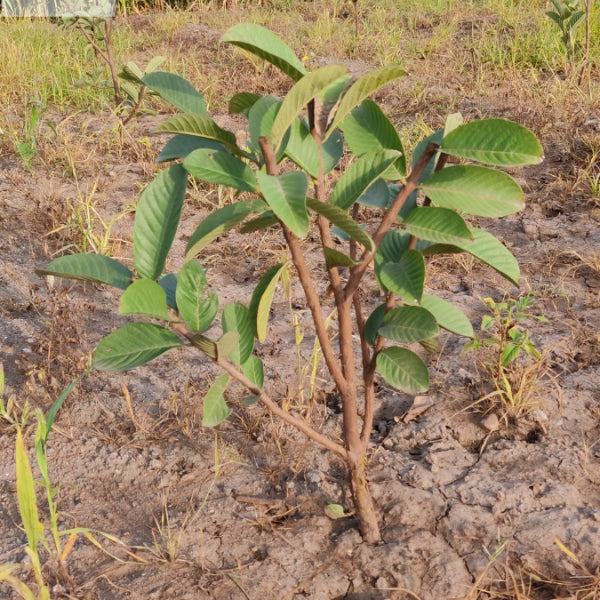
Tree Plantation on Navratri - Celebrate Divine Festivals with Environmental Devotion
Tree plantation on Navratri transforms the sacred nine-day festival into a powerful...
-
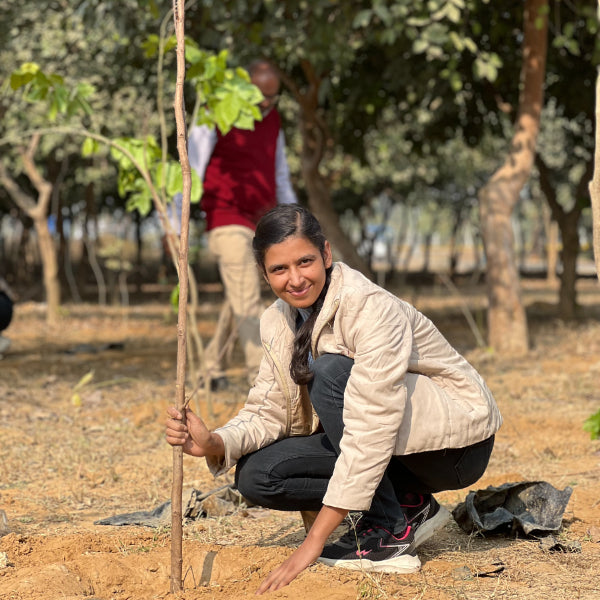
Tree Plantation by Cause - Plant Trees for Every Purpose | Grow Billion Trees
Transform your environmental impact with purpose-driven tree plantation by cause programs that...
Corporate Plantations
-
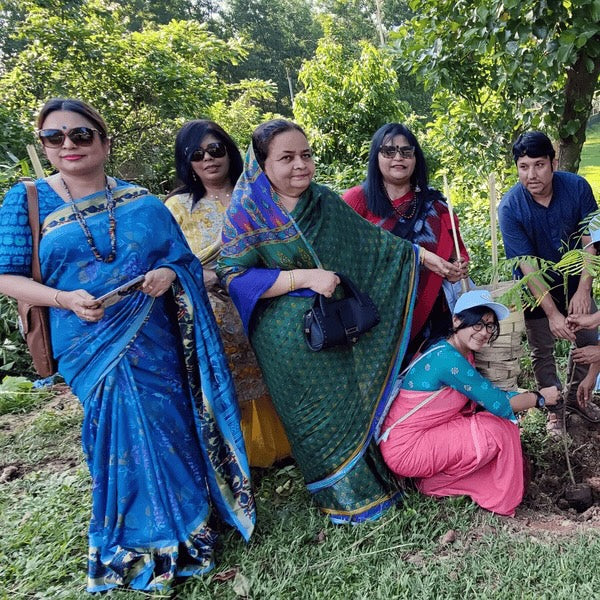
Trees for Corporates - Achieve Net Zero Targets Through Strategic Tree Planting
Trees for Corporates - Strategic Environmental SolutionsTransform your corporate environmental impact with...
-
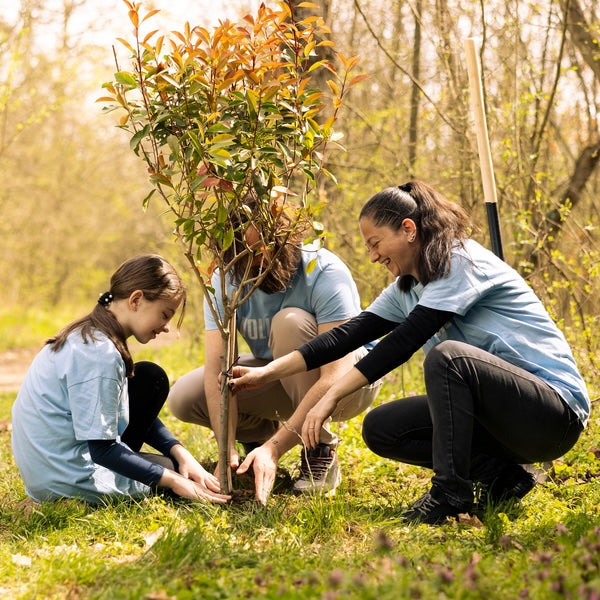
Tree Plantation for CSR - Corporate Environmental Programs | Grow Billion Trees
Tree Plantation for CSR - Transform Your Corporate Environmental ImpactTree plantation for...
-
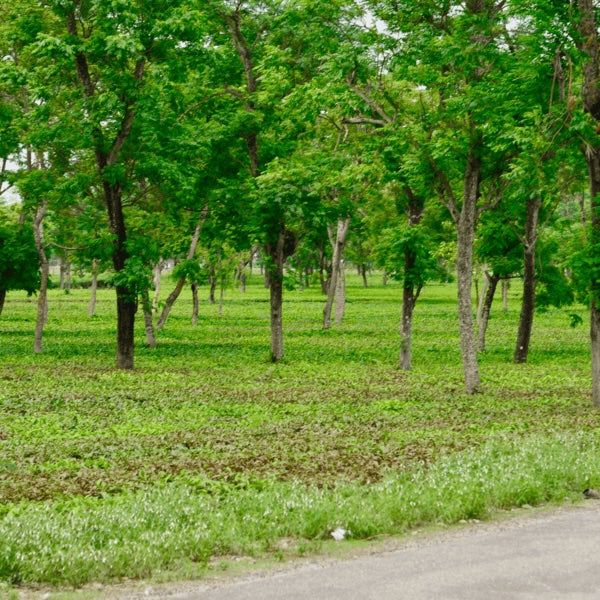
Tree Plantation for SDG - Support Sustainable Development Goals
Tree plantation for SDG initiatives represents a powerful pathway to achieving multiple...
-

Corporate Tree Plantation Programs - Sustainable ESG Environmental Solutions for Net Zero Targets
Transform your organization's environmental impact with our comprehensive Corporate Tree Plantation Programs...
-
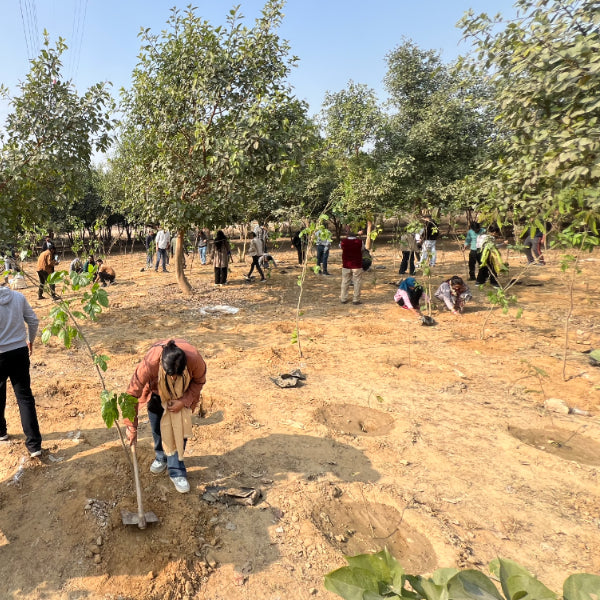
Tree Plantation by Location - Plant Trees Across India
Transform landscapes nationwide through our comprehensive tree plantation by location program. When...
Most Popular Tree Plantations - Top Choices for Environmental Impact
-
Trees for Mother
Regular price ₹ 299Regular priceUnit price per -
Trees to Honor the Memory of your Loved Ones
Regular price ₹ 299Regular priceUnit price per -
Trees for Wedding Anniversary Celebration
Regular price ₹ 299Regular priceUnit price per -
Trees for Grandmother
Regular price ₹ 299Regular priceUnit price per -
Trees for Grandfather
Regular price ₹ 299Regular priceUnit price per

Connect with us
-
👥 Corporates
If you are looking for:
- 🌲 Tree Plantation Events
- 📊 CSR Projects
📧 corporate@growbilliontrees.com
📞 +91 9699723523
💬 +91 9325931304 WhatsApp (Only)
🕒 Mon - Sat | 10am - 7pm IST
-
🧩 Tree Plantation NGOs
If you are looking for:
- 💰 Financial Assistance
- 🤝 Operational Support
📧 support@growbilliontrees.com
📞 +91 9699723523
💬 +91 9325931304 WhatsApp (Only)
🕒 Mon - Sat | 10am - 7pm IST
-
🌼 Individuals
If you are looking for:
- 👥 Group Tree Plantation Drive
- 🌳 Bulk Tree Plantation
📞 +91 9699723523
💬 +91 9325931304 WhatsApp (Only)
🕒 Mon - Sat | 10am - 7pm IST
