
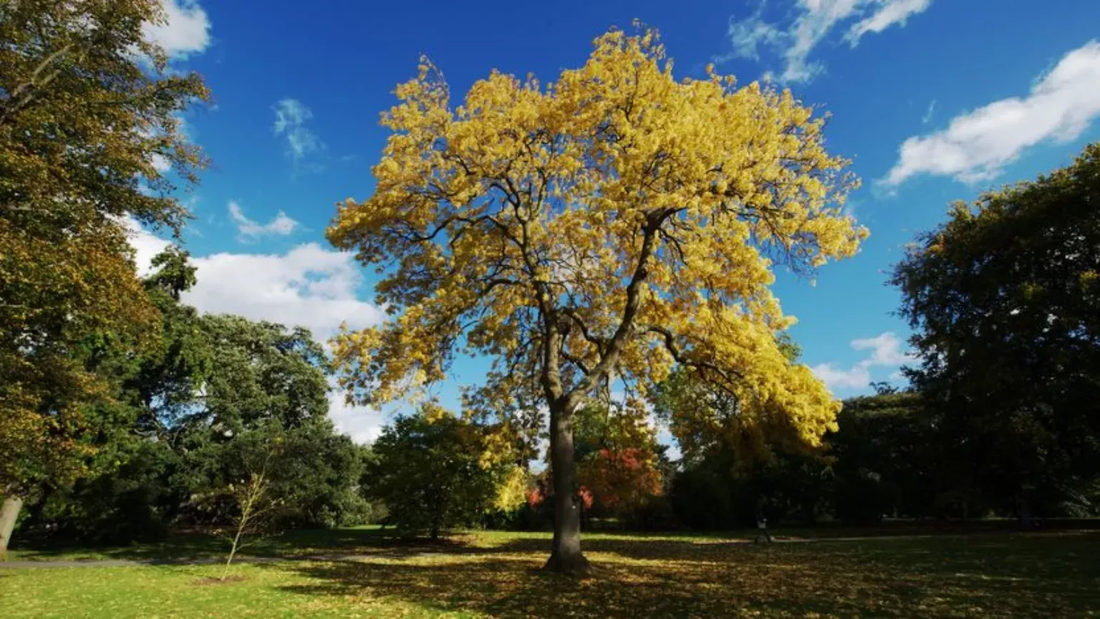
The European Ash Tree (Fraxinus excelsior) stands as one of nature's most magnificent specimens, combining ecological importance with remarkable resilience. This deciduous giant, reaching heights of 15-30 meters, serves as a cornerstone species in Eu Read more
Trending Tree Plantations - Most Popular Environmental Programs
-
Trees for Mother
Regular price ₹ 299Regular priceUnit price per -
Trees to Honor the Memory of your Loved Ones
Regular price ₹ 299Regular priceUnit price per -
Trees for Women's Day (8th Mar)
Regular price ₹ 299Regular priceUnit price per -
Trees for Wedding Anniversary Celebration
Regular price ₹ 299Regular priceUnit price per -
Trees for Grandmother
Regular price ₹ 299Regular priceUnit price per



Trees for Corporates - Achieve Net Zero Targets Through Strategic Tree Planting
-
 Project Closed
Trees by LIFT Team for Green Diwali: Transform Your Festival
Regular price ₹ 299Regular priceUnit price per -
Trees for a Greener Tomorrow - by Mahindra Lifespaces
Regular price ₹ 299Regular priceUnit price per -
Trees for Environment Day: Plant Your Impact on June 5th
Regular price ₹ 299Regular priceUnit price per -
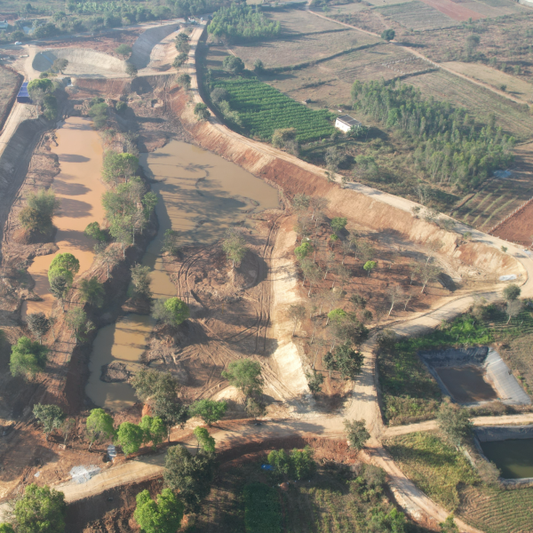 Project Closed
Trees for Bangalore: Plant Native Trees in Garden City ₹299
Regular price ₹ 799Regular priceUnit price per -
Trees for Employees: Transform Your Corporate Culture in 2026
Regular price ₹ 299Regular priceUnit price per
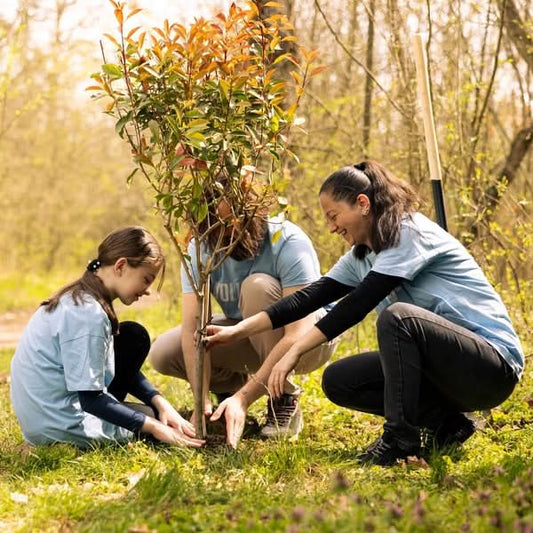
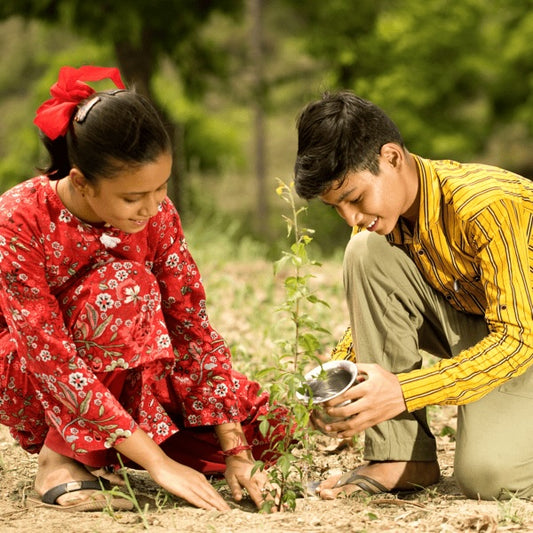

European Ash Tree: Conservation Guide & Ecological Wonder
The European Ash Tree (Fraxinus excelsior) stands as one of nature's most magnificent specimens, combining ecological importance with remarkable resilience. This deciduous giant, reaching heights of 15-30 meters, serves as a cornerstone species in European forests while facing modern conservation challenges that require immediate attention and action.
As environmental consciousness grows globally, understanding the European Ash Tree becomes crucial for anyone interested in forest conservation, sustainable ecosystems, and climate change mitigation. From its distinctive compound leaves to its vital role in supporting biodiversity, this arboreal wonder deserves our protection and admiration.
✅ Biology and Characteristics of the European Ash Tree
The European Ash Tree exhibits remarkable biological features that make it a standout species in temperate forests. This deciduous tree typically grows between 15 to 30 meters tall, with some exceptional specimens reaching even greater heights. Its trunk can achieve diameters of up to 1 meter, supporting a broad, rounded crown that provides extensive canopy coverage.
The tree's compound leaves consist of 5 to 13 leaflets arranged in pairs along a central stem. During autumn, these leaves transform into stunning golden-yellow displays before falling. The European Ash produces small, greenish flowers in spring clusters, relying on wind pollination for reproduction.
Key Physical Characteristics:
- Height: 15-30 meters (49-98 feet)
- Trunk diameter: Up to 1 meter (3.3 feet)
- Lifespan: 60-100 years (some live over 200 years)
- Bark: Smooth and gray when young, becoming fissured with age
- Seeds: Winged samaras for wind dispersal
One of the most impressive aspects of the European Ash is its adaptability to various soil types, though it thrives best in moist, well-drained conditions. This flexibility has allowed the species to establish itself across diverse European landscapes, from lowland forests to mountainous regions.
🌟 Historical Significance and Cultural Heritage
Throughout human history, the European Ash Tree has held profound cultural and practical significance. Ancient civilizations valued this tree for its exceptional wood properties, utilizing it for crafting weapons, tools, and even ships. The wood's strength, elasticity, and shock resistance made it particularly suitable for bows, arrows, and spear handles.
In Norse mythology, the Ash tree represents Yggdrasil, the World Tree that connects all nine worlds. This mythological connection symbolizes life, wisdom, and the interconnectedness of all living things. Medieval Europeans believed the Ash possessed magical properties, planting them near homes for protection against evil spirits and witchcraft.
The tree's cultural impact extends into literature and folklore across Europe, where it consistently symbolizes strength, endurance, and resilience. Traditional medicine practitioners have long utilized Ash bark and leaves for their anti-inflammatory and diuretic properties, demonstrating the tree's multifaceted value to human societies.
💡 Environmental Impact and Ecological Importance
The European Ash Tree serves as a keystone species in many European ecosystems, supporting an incredible diversity of wildlife. According to the United Nations Environment Programme on Forests, trees like the European Ash play crucial roles in maintaining forest biodiversity and ecosystem stability.
The tree provides essential habitat and food sources for numerous species:
- Birds nest in its branches and feed on its seeds
- Insects, including over 40 species of moths and butterflies, depend on Ash trees
- Small mammals consume the nutritious samaras
- Pollinators rely on spring flowers for nectar
Beyond wildlife support, European Ash trees contribute significantly to soil health and carbon sequestration. Their deep root systems prevent soil erosion while improving soil structure and fertility. The fallen leaves create rich forest floor layers that support countless microorganisms and contribute to nutrient cycling.
The United Nations Climate Change initiative recognizes the critical role of forest trees in carbon absorption, with mature Ash trees capable of sequestering substantial amounts of atmospheric carbon dioxide throughout their lifespans.
⚠️ Current Challenges: Ash Dieback Disease
The European Ash Tree faces its greatest modern threat from Ash dieback disease, caused by the fungus Hymenoscyphus fraxineus. This devastating disease has swept across Europe, causing widespread mortality among Ash populations and threatening entire forest ecosystems.
First identified in the 1990s, Ash dieback has now affected millions of trees across the continent. The disease attacks the tree's vascular system, causing leaf loss, crown dieback, and eventually death. Young trees are particularly vulnerable, with mortality rates reaching 95% in some areas.
The ecological consequences extend far beyond individual trees. As the World Wildlife Fund notes on forest degradation, the loss of key species like the European Ash disrupts entire ecosystem networks, affecting dependent wildlife populations and forest structure.
🌱 Conservation Efforts and Tree Planting Initiatives
Responding to the European Ash crisis requires coordinated conservation efforts combining scientific research, community engagement, and large-scale reforestation programs. Organizations worldwide are developing innovative approaches to protect existing populations while establishing new, disease-resistant plantings.
At Grow Billion Trees, we understand the critical importance of preserving species like the European Ash through our comprehensive Plant a tree in your Name program. Our mission of planting 100 crore trees includes supporting European conservation efforts and promoting native species restoration across suitable habitats.
Our approach to European Ash conservation includes:
- 4ft Tree Planting + 3 Years Care + GeoTag technology for monitoring
- Collaboration with European research institutions
- Supporting disease-resistant variety development
- Community education and engagement programs
These initiatives align with global sustainability goals and demonstrate how Combating Climate Change Through Collective Action can make a meaningful difference in species conservation.
→ Practical Uses and Wood Properties
The European Ash Tree produces wood renowned for its exceptional properties, making it highly valued in various industries. The timber exhibits remarkable strength-to-weight ratios, excellent shock resistance, and attractive grain patterns that make it suitable for numerous applications.
Traditional and Modern Uses:
- Furniture manufacturing and cabinetry
- Sports equipment (baseball bats, hockey sticks)
- Tool handles and agricultural implements
- Flooring and architectural millwork
- Veneer and decorative applications
The wood's elastic properties make it particularly valuable for applications requiring flexibility and durability. Traditional craftspeople have long appreciated these qualities, passing down techniques for working with Ash wood through generations.
🌿 Growing European Ash Trees: Best Practices
Successfully cultivating European Ash trees requires understanding their specific needs and environmental preferences. While these trees demonstrate remarkable adaptability, providing optimal conditions ensures healthy growth and longevity.
Site Selection and Soil Requirements:
- Choose locations with moist, well-drained soils
- Ensure adequate sunlight exposure (full sun to partial shade)
- Avoid waterlogged or extremely dry sites
- Consider soil pH between 6.0-8.0 for optimal growth
Planting and Care Guidelines:
- Plant young trees in spring or early autumn
- Provide regular watering during establishment
- Apply mulch to retain moisture and suppress weeds
- Monitor for disease symptoms and pest issues
For organizations pursuing Net Zero Targets, incorporating European Ash trees into reforestation projects offers significant carbon sequestration benefits while supporting biodiversity conservation goals.
⭐ Supporting Wildlife Through Ash Tree Conservation
The European Ash Tree supports an intricate web of wildlife relationships that highlight the interconnected nature of forest ecosystems. Over 40 species of insects depend specifically on Ash trees, including several rare and endangered moths and butterflies.
Birds such as bullfinches, greenfinches, and woodpigeons rely heavily on Ash seeds during winter months when other food sources become scarce. The tree's structure provides nesting sites for various bird species, while its bark supports lichens and mosses that create microhabitats for countless smaller organisms.
Mammals including deer, rabbits, and various small rodents browse on young Ash shoots and consume fallen seeds. This wildlife dependency underscores the critical importance of maintaining healthy Ash populations for overall ecosystem stability.
🌍 Global Conservation Partnerships
International cooperation plays a vital role in European Ash conservation efforts. Research institutions, conservation organizations, and government agencies collaborate to develop comprehensive strategies addressing disease management, genetic diversity preservation, and habitat restoration.
These partnerships focus on:
- Identifying and propagating disease-resistant varieties
- Developing integrated pest management strategies
- Creating seed banks for genetic preservation
- Establishing monitoring networks across affected regions
Our commitment at Grow Billion Trees extends to supporting these global initiatives through our international partnerships and knowledge sharing programs. By connecting local conservation efforts with global expertise, we enhance the effectiveness of European Ash preservation strategies.
Frequently Asked Questions
What makes the European Ash Tree unique among forest species?
The European Ash Tree stands out for its exceptional adaptability, supporting over 40 insect species and providing crucial ecosystem services. Its compound leaves, wind-dispersed seeds, and remarkable wood properties make it both ecologically and economically valuable.
How does Ash dieback disease affect European forests?
Ash dieback disease, caused by Hymenoscyphus fraxineus, has devastated European Ash populations since the 1990s. The fungal infection causes crown dieback, leaf loss, and eventual tree death, with young trees experiencing up to 95% mortality rates in affected areas.
Can European Ash trees be grown outside of Europe?
While European Ash trees can grow in similar temperate climates worldwide, careful consideration of local ecosystems is essential. Introduction of non-native species requires proper assessment to prevent ecological disruption and ensure compatibility with existing forest communities.
What conservation efforts are most effective for protecting European Ash?
The most effective conservation strategies combine disease-resistant variety development, habitat protection, and community engagement. Research into genetic resistance, proper forest management, and public education about the species' importance all contribute to successful conservation outcomes.
How long do European Ash trees typically live?
European Ash trees generally live 60-100 years under normal conditions, with exceptional specimens reaching over 200 years. Factors affecting lifespan include environmental conditions, disease pressure, and human management practices.
What role do European Ash trees play in carbon sequestration?
Mature European Ash trees effectively sequester carbon through photosynthesis and biomass accumulation. Their long lifespans and substantial size make them valuable contributors to forest carbon storage, supporting climate change mitigation efforts.
How can individuals contribute to European Ash conservation?
Individuals can support European Ash conservation by participating in tree planting programs, supporting research initiatives, and choosing sustainably sourced Ash wood products. Educational advocacy and habitat protection also contribute significantly to conservation success.
What are the early warning signs of Ash dieback disease?
Early symptoms of Ash dieback include leaf wilting, dark lesions on stems, crown thinning, and unusual shoot growth patterns. Prompt identification and reporting to local forestry authorities help track disease spread and inform management decisions.
Are there disease-resistant varieties of European Ash available?
Research has identified some European Ash trees showing natural resistance to dieback disease. Scientists are working to develop and propagate these resistant varieties while maintaining genetic diversity within breeding programs.
What economic impact does European Ash decline have on forestry?
The decline of European Ash significantly impacts forestry economics through reduced timber availability, increased management costs, and ecosystem service losses. Alternative species development and sustainable forest management strategies help mitigate these economic challenges.
🌳 Join the Conservation Movement
The European Ash Tree represents more than just a single species—it embodies the intricate connections that sustain our planet's ecosystems. As we face unprecedented environmental challenges, protecting these majestic trees becomes a crucial component of global conservation efforts.
Through initiatives like our Plant a tree in your Name program, we can collectively work toward preserving the European Ash and countless other species that depend on healthy forest ecosystems. Every tree planted contributes to our ambitious goal of establishing 100 crore trees while supporting biodiversity conservation and climate action.
The future of the European Ash Tree depends on our collective commitment to environmental stewardship. By supporting research, participating in conservation programs, and spreading awareness about the species' importance, we can ensure that future generations will continue to marvel at these magnificent arboreal wonders.
Ready to make a difference? Discover how you can plant a tree today and join our mission of creating a more sustainable, forested future for our planet.
You may also like
-
Gift a Tree - Meaningful Environmental Gifts That Make a Difference
Transform your gift-giving with meaningful environmental gifts that create lasting impact for...
-
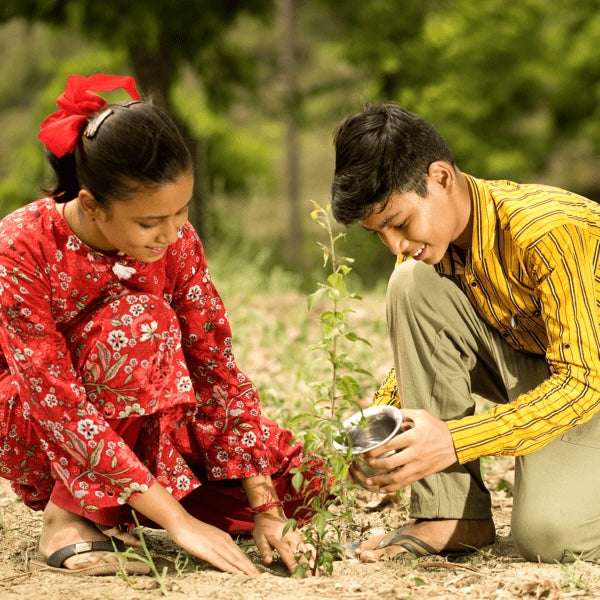
Trees For Shiv Ji - Sacred Tree Planting to Honor Lord Shiva
Honor Lord Shiva through sacred tree planting with Trees For Shiv Ji,...
-

Tree Plantations for Shri Ram - Sacred Devotional Planting Services
Honor Lord Shri Ram through meaningful tree plantations for Shri Ram that...
-
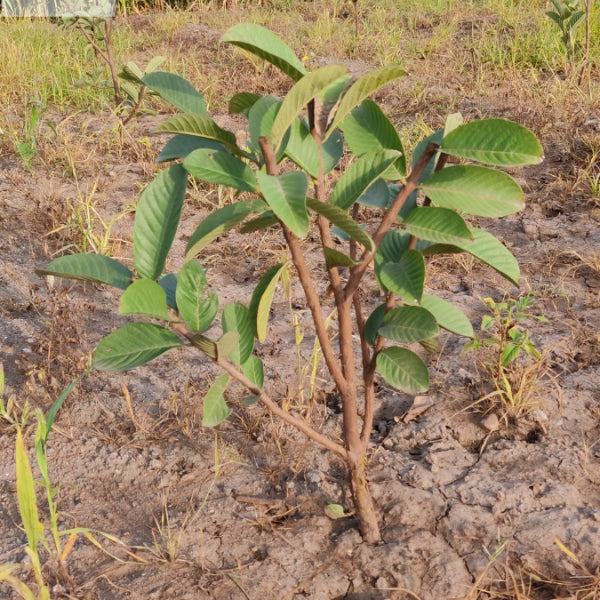
Tree Plantation on Navratri - Celebrate Divine Festivals with Environmental Devotion
Tree plantation on Navratri transforms the sacred nine-day festival into a powerful...
-
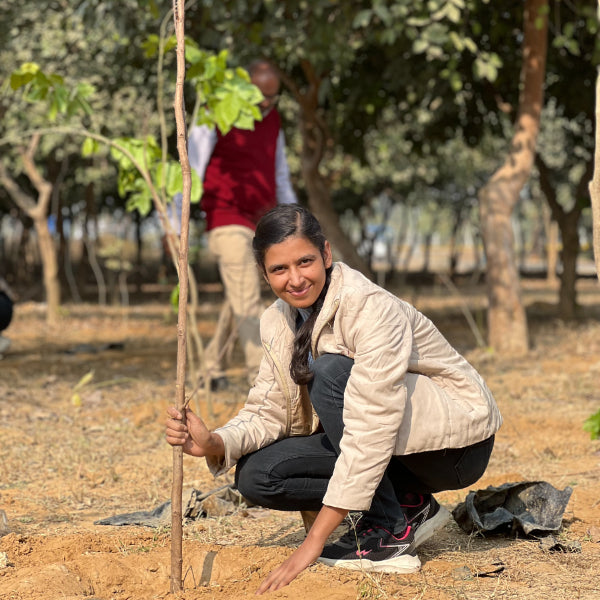
Tree Plantation by Cause - Plant Trees for Every Purpose | Grow Billion Trees
Transform your environmental impact with purpose-driven tree plantation by cause programs that...
Corporate Plantations
-
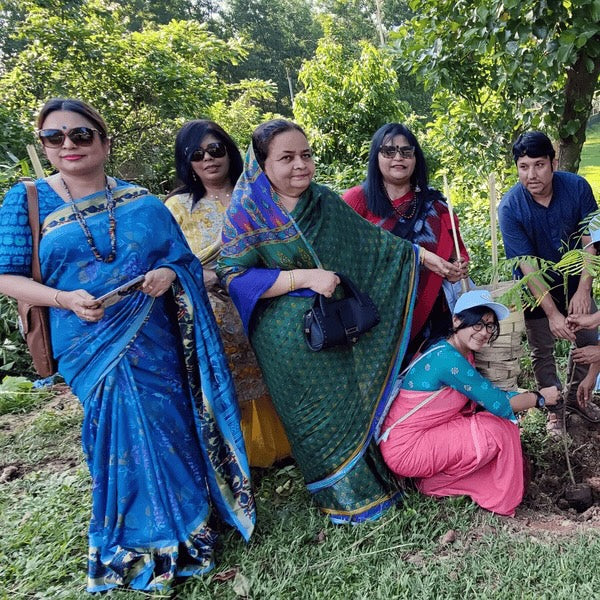
Trees for Corporates - Achieve Net Zero Targets Through Strategic Tree Planting
Trees for Corporates - Strategic Environmental SolutionsTransform your corporate environmental impact with...
-
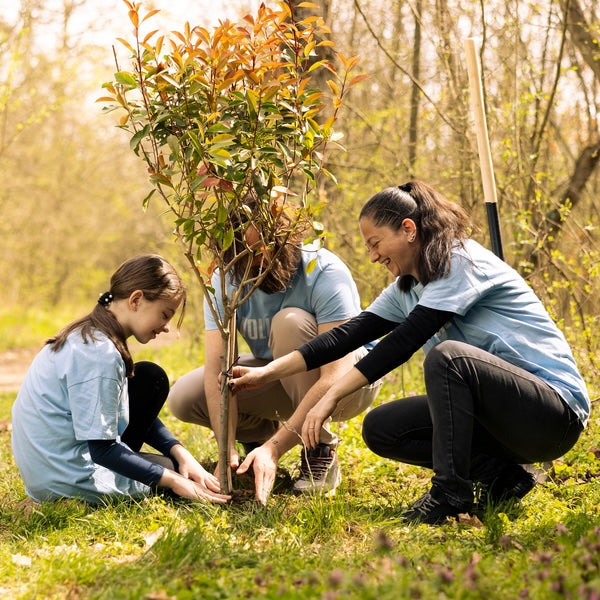
Tree Plantation for CSR - Corporate Environmental Programs | Grow Billion Trees
Tree Plantation for CSR - Transform Your Corporate Environmental ImpactTree plantation for...
-
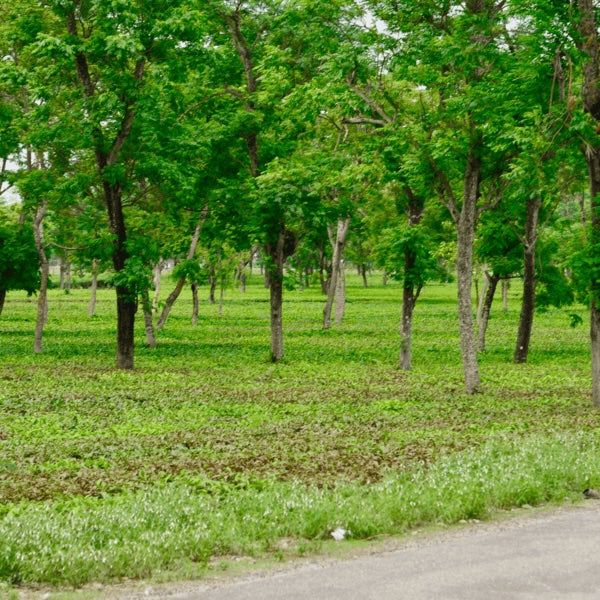
Tree Plantation for SDG - Support Sustainable Development Goals
Tree plantation for SDG initiatives represents a powerful pathway to achieving multiple...
-
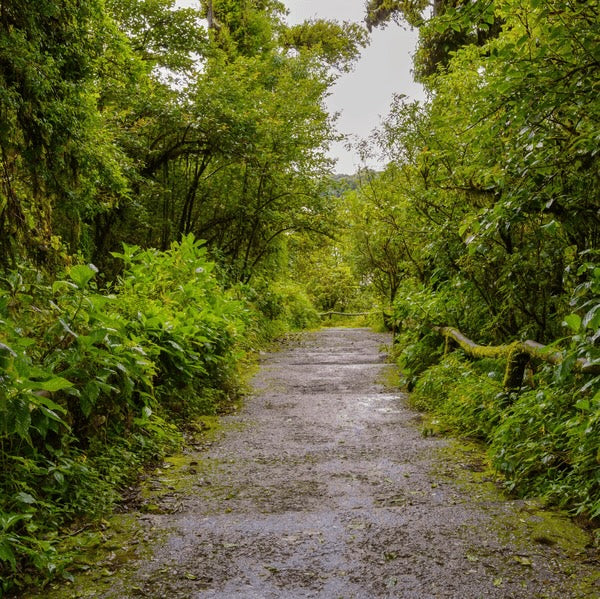
Corporate Tree Plantation Programs - Sustainable ESG Environmental Solutions for Net Zero Targets
Transform your organization's environmental impact with our comprehensive Corporate Tree Plantation Programs...
-
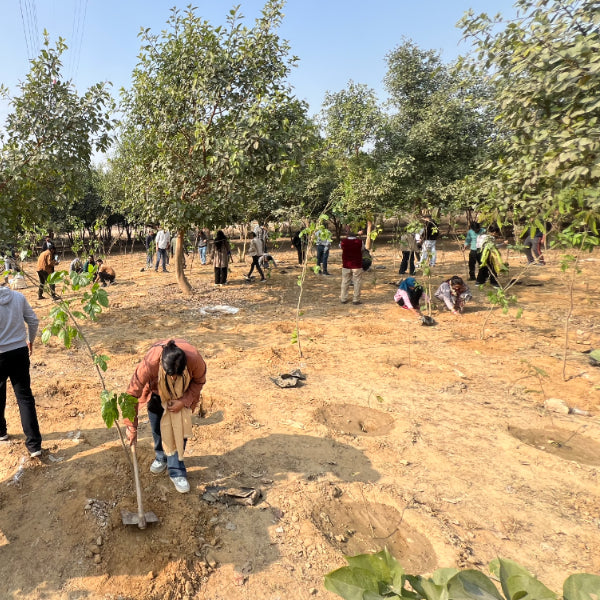
Tree Plantation by Location - Plant Trees Across India
Transform landscapes nationwide through our comprehensive tree plantation by location program. When...
Most Popular Tree Plantations - Top Choices for Environmental Impact
-
Trees for Mother
Regular price ₹ 299Regular priceUnit price per -
Trees to Honor the Memory of your Loved Ones
Regular price ₹ 299Regular priceUnit price per -
Trees for Wedding Anniversary Celebration
Regular price ₹ 299Regular priceUnit price per -
Trees for Grandmother
Regular price ₹ 299Regular priceUnit price per -
Trees for Grandfather
Regular price ₹ 299Regular priceUnit price per

Connect with us
-
👥 Corporates
If you are looking for:
- 🌲 Tree Plantation Events
- 📊 CSR Projects
📧 corporate@growbilliontrees.com
📞 +91 9699723523
💬 +91 9325931304 WhatsApp (Only)
🕒 Mon - Sat | 10am - 7pm IST
-
🧩 Tree Plantation NGOs
If you are looking for:
- 💰 Financial Assistance
- 🤝 Operational Support
📧 support@growbilliontrees.com
📞 +91 9699723523
💬 +91 9325931304 WhatsApp (Only)
🕒 Mon - Sat | 10am - 7pm IST
-
🌼 Individuals
If you are looking for:
- 👥 Group Tree Plantation Drive
- 🌳 Bulk Tree Plantation
📞 +91 9699723523
💬 +91 9325931304 WhatsApp (Only)
🕒 Mon - Sat | 10am - 7pm IST
