
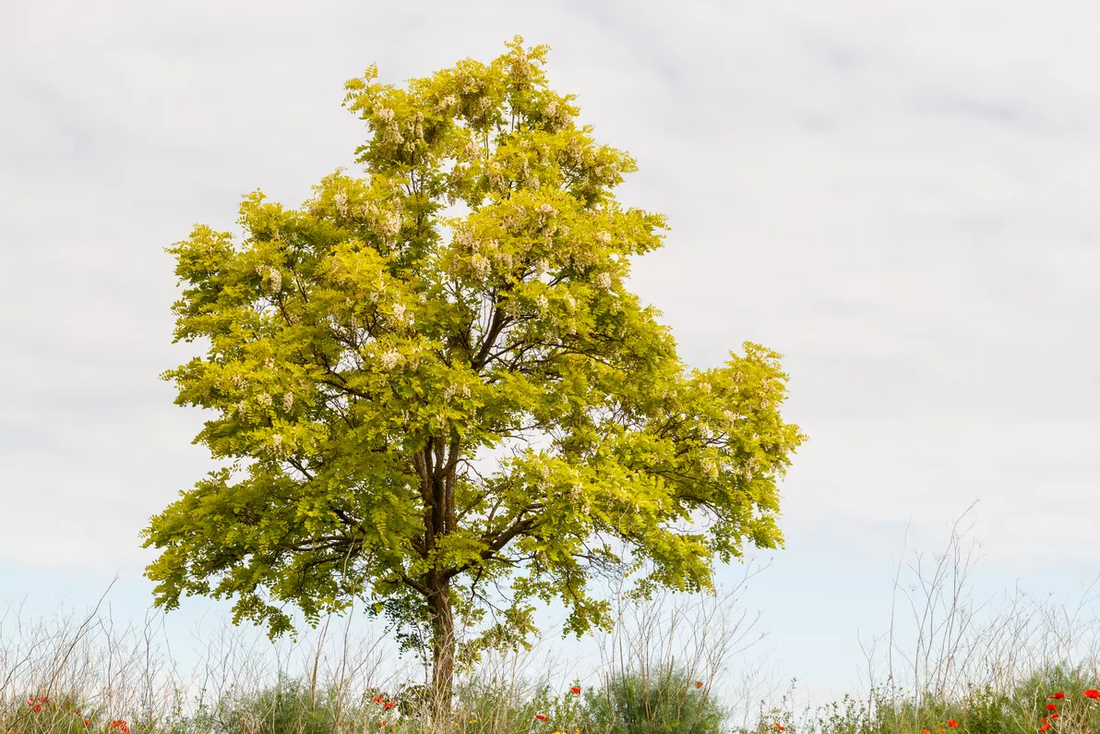
The False Acacia tree (Robinia pseudoacacia) stands as nature's perfect solution for eco-conscious landscaping and wildlife conservation. This nitrogen-fixing powerhouse offers unmatched benefits for sustainable gardens, urban forests, and habitat re Read more
Trending Tree Plantations - Most Popular Environmental Programs
-
Trees for Mother
Regular price ₹ 299Regular priceUnit price per -
Trees to Honor the Memory of your Loved Ones
Regular price ₹ 299Regular priceUnit price per -
Trees for Women's Day (8th Mar)
Regular price ₹ 299Regular priceUnit price per -
Trees for Wedding Anniversary Celebration
Regular price ₹ 299Regular priceUnit price per -
Trees for Grandmother
Regular price ₹ 299Regular priceUnit price per





Trees for Corporates - Achieve Net Zero Targets Through Strategic Tree Planting
-
 Project Closed
Trees by LIFT Team for Green Diwali: Transform Your Festival
Regular price ₹ 299Regular priceUnit price per -
Trees for a Greener Tomorrow - by Mahindra Lifespaces
Regular price ₹ 299Regular priceUnit price per -
Trees for Environment Day: Plant Your Impact on June 5th
Regular price ₹ 299Regular priceUnit price per -
Trees for Employees: Transform Your Corporate Culture in 2026
Regular price ₹ 299Regular priceUnit price per -
 Project Closed
Trees for Bangalore: Plant Native Trees in Garden City ₹299
Regular price ₹ 799Regular priceUnit price per


False Acacia Tree: Sustainable Landscaping & Wildlife Habitat
The False Acacia tree (Robinia pseudoacacia) stands as nature's perfect solution for eco-conscious landscaping and wildlife conservation. This nitrogen-fixing powerhouse offers unmatched benefits for sustainable gardens, urban forests, and habitat restoration projects. With its fragrant white blooms and remarkable adaptability, the False Acacia tree transforms ordinary landscapes into thriving ecosystems that support both environmental goals and aesthetic beauty.
Understanding the False Acacia Tree: Scientific Excellence in Nature
The False Acacia tree, scientifically known as Robinia pseudoacacia, represents a remarkable species native to North America. This deciduous giant can reach impressive heights of up to 80 feet, featuring a broad, rounded crown that provides excellent shade coverage. Its pinnately compound leaves stretch up to 12 inches in length, creating a lush canopy that transforms throughout the seasons.
What makes the False Acacia tree truly exceptional is its membership in the Fabaceae family. This botanical heritage grants it nitrogen-fixing capabilities, allowing the tree to convert atmospheric nitrogen into plant-usable forms. According to the United Nations Sustainable Development Goals, such soil-enriching species play crucial roles in achieving environmental sustainability targets.
The tree's most striking feature emerges during late spring and early summer when clusters of fragrant white flowers bloom. These blossoms serve as powerful magnets for pollinators, including bees and butterflies, making the False Acacia tree an essential component of pollinator-friendly landscapes.
✅ Key Benefits of False Acacia Trees for Sustainable Landscaping
The False Acacia tree delivers multiple advantages that make it ideal for sustainable landscaping projects. Its nitrogen-fixing ability naturally improves soil fertility, reducing the need for chemical fertilizers. This characteristic aligns perfectly with eco-friendly gardening practices and supports the growth of companion plants.
- Soil Enhancement: Naturally enriches soil through nitrogen fixation
- Drought Tolerance: Requires minimal irrigation once established
- Wildlife Support: Attracts pollinators and provides habitat for birds
- Rapid Growth: Establishes quickly for fast landscape transformation
- Durability: Lives over 50 years with proper care
The tree's low water requirements make it perfect for xeriscaping projects. This water-efficient approach to landscaping becomes increasingly important as communities face water conservation challenges. The United Nations Environment Programme emphasizes how drought-tolerant trees contribute to sustainable forest management practices.
⭐ Wildlife Habitat Creation with False Acacia Trees
Creating wildlife habitats represents one of the False Acacia tree's most valuable contributions to ecosystem health. The tree's structure and seasonal changes provide year-round benefits for various species. During blooming season, its nectar-rich flowers support bee populations and butterfly species, contributing to pollinator conservation efforts.
Birds find excellent nesting sites within the tree's sturdy branches, while small mammals utilize the shelter provided by its dense canopy. The tree's leaves serve as food sources for larval stages of certain butterfly and moth species, supporting the complete lifecycle of these important pollinators.
Research shows that single False Acacia trees can support dozens of wildlife species throughout the year. This biodiversity enhancement aligns with conservation goals outlined by the World Wildlife Fund's forest conservation initiatives, which emphasize the importance of native and beneficial tree species in habitat restoration.
💡 Historical Significance and Cultural Heritage
The False Acacia tree carries rich historical significance dating back to the 17th century. European colonists introduced this North American native to Europe, where it quickly gained popularity for reforestation and urban landscaping projects. Its rapid growth and soil adaptability made it invaluable for restoring damaged landscapes.
Native American tribes recognized the tree's medicinal properties, using bark and leaves to create healing poultices. This traditional knowledge demonstrates the tree's multifaceted value beyond its landscaping applications. The tree's common name "Black Locust" derives from its distinctive dark, deeply furrowed bark that becomes more pronounced with age.
Environmental Impact and Climate Benefits
The False Acacia tree's environmental impact extends far beyond its immediate growing area. As a nitrogen-fixing species, it enhances soil fertility naturally, reducing dependency on synthetic fertilizers. This soil improvement supports increased biodiversity by creating favorable conditions for understory plants and associated wildlife.
The tree's carbon sequestration capabilities contribute significantly to climate change mitigation efforts. Mature False Acacia trees can store substantial amounts of carbon in their biomass and surrounding soil. These climate benefits support global initiatives outlined in UN Climate Change action plans.
Additionally, the tree's ability to thrive in poor soil conditions makes it valuable for land restoration projects. It can establish successfully on degraded sites, gradually improving soil quality and preparing the ground for other native species.
🌱 Grow Billion Trees: Championing False Acacia Conservation
Grow Billion Trees recognizes the exceptional value of False Acacia trees in achieving our mission to plant 100 crore trees across India. Our comprehensive approach includes specialized programs that incorporate False Acacia trees into sustainable landscaping and wildlife habitat projects.
When you Plant a tree in your Name through our platform, you're contributing to Combating Climate Change Through Collective Action. Our False Acacia tree planting initiatives support corporate Net Zero Targets while creating lasting environmental benefits for local communities.
Each False Acacia tree planted through Grow Billion Trees comes with our signature 4ft Tree Planting + 3 Years Care + GeoTag package. This ensures your tree receives professional care during its critical establishment period while providing you with technology-enabled tracking of your environmental impact.
Our agroforestry programs often feature False Acacia trees due to their soil-improving properties. Farmers benefit from enhanced soil fertility while creating additional income streams through sustainable land use practices. Learn more about our False Acacia planting programs and join thousands of environmentally conscious individuals making a difference.
Planting and Care Guidelines for False Acacia Trees
Successful False Acacia tree establishment requires attention to specific planting and care requirements. These hardy trees adapt to various soil conditions but thrive in well-draining locations with full sun exposure. Spring planting provides optimal establishment conditions, allowing trees to develop strong root systems before winter.
Planting Steps:
- Select a location with full sun and adequate space for mature size
- Dig a hole twice as wide as the root ball and equal in depth
- Amend heavy clay soils with organic matter for improved drainage
- Plant at the same depth as the nursery container
- Water thoroughly after planting and maintain consistent moisture
Young False Acacia trees benefit from regular watering during their first growing season. Once established, they become remarkably drought-tolerant, requiring minimal supplemental irrigation. Annual pruning helps maintain shape and removes any damaged branches.
Landscaping Design Ideas with False Acacia Trees
False Acacia trees offer versatility in landscape design applications. Their moderate size makes them suitable for residential properties, while their durability suits commercial and municipal landscaping projects. Consider these design approaches when incorporating False Acacia trees into your landscape:
Specimen Planting: Use single trees as focal points in large lawn areas or garden spaces. Their spring blooms create stunning seasonal displays that attract attention and pollinators.
Wildlife Gardens: Combine False Acacia trees with native shrubs and perennials to create comprehensive wildlife habitats. The tree's flowers support pollinators while its structure provides nesting sites for birds.
Sustainable Screens: Plant False Acacia trees in rows to create natural privacy screens or windbreaks. Their dense foliage provides effective screening while supporting environmental goals.
Frequently Asked Questions
How fast do False Acacia trees grow?
False Acacia trees are considered fast-growing, typically adding 2-3 feet in height annually under optimal conditions. Young trees establish quickly and can reach significant size within 5-10 years of planting.
Are False Acacia trees suitable for small yards?
While False Acacia trees can reach 80 feet at maturity, they work well in medium to large residential properties. Consider dwarf varieties or plan for adequate spacing to accommodate their mature size.
Do False Acacia trees require special soil conditions?
False Acacia trees adapt to various soil types, including poor or degraded soils. They prefer well-draining conditions but tolerate clay soils better than many other tree species. Their nitrogen-fixing ability actually improves soil quality over time.
When do False Acacia trees bloom?
False Acacia trees typically bloom in late spring to early summer, producing clusters of fragrant white flowers. The exact timing varies by climate zone, with warmer regions experiencing earlier blooms.
Are False Acacia trees deer resistant?
Mature False Acacia trees show good deer resistance due to their thorny branches and bark characteristics. Young trees may require protection until they establish sufficient size and defensive features.
Can False Acacia trees be used for urban landscaping?
Yes, False Acacia trees excel in urban environments due to their tolerance of air pollution, compacted soils, and limited water availability. They provide excellent shade and air purification benefits in city settings.
How long do False Acacia trees live?
False Acacia trees typically live 50-100 years with proper care and favorable growing conditions. Their longevity makes them excellent long-term investments for sustainable landscaping projects.
Do False Acacia trees attract beneficial insects?
Absolutely! False Acacia trees are magnets for beneficial insects, particularly during blooming season. Bees, butterflies, and other pollinators rely on their nectar-rich flowers for sustenance.
Are False Acacia tree flowers edible?
Yes, False Acacia flowers are edible and have been used historically to make syrups, teas, and even fried as delicacies. However, always consult with experts before consuming any wild plant materials.
How do False Acacia trees support wildlife habitat?
False Acacia trees provide comprehensive wildlife support through nectar-rich flowers for pollinators, nesting sites for birds, shelter for small mammals, and food sources for various insect species throughout their lifecycle.
Transform Your Landscape with False Acacia Trees
The False Acacia tree represents an exceptional opportunity to create sustainable landscapes that benefit both property owners and local ecosystems. Its nitrogen-fixing capabilities, wildlife habitat value, and aesthetic appeal make it an ideal choice for environmentally conscious landscaping projects.
Through Grow Billion Trees' comprehensive tree planting programs, you can contribute to large-scale environmental restoration while enjoying the specific benefits of False Acacia trees. Our commitment to planting 100 crore trees includes strategic placement of these valuable species in locations where they'll provide maximum ecological benefit.
Ready to plant your False Acacia tree and join our mission of Combating Climate Change Through Collective Action? Explore our tree planting options and discover how your contribution supports Net Zero Targets while creating lasting environmental legacy for future generations.
You may also like
-

Gift a Tree - Meaningful Environmental Gifts That Make a Difference
Transform your gift-giving with meaningful environmental gifts that create lasting impact for...
-

Trees For Shiv Ji - Sacred Tree Planting to Honor Lord Shiva
Honor Lord Shiva through sacred tree planting with Trees For Shiv Ji,...
-

Tree Plantations for Shri Ram - Sacred Devotional Planting Services
Honor Lord Shri Ram through meaningful tree plantations for Shri Ram that...
-
Tree Plantation on Navratri - Celebrate Divine Festivals with Environmental Devotion
Tree plantation on Navratri transforms the sacred nine-day festival into a powerful...
-
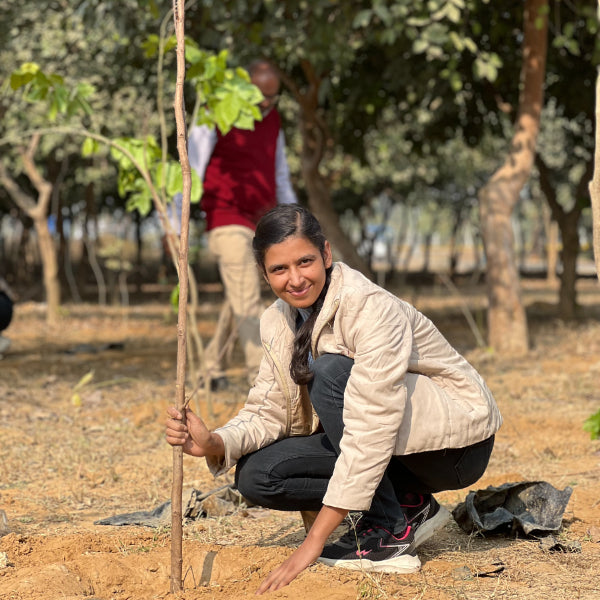
Tree Plantation by Cause - Plant Trees for Every Purpose | Grow Billion Trees
Transform your environmental impact with purpose-driven tree plantation by cause programs that...
Corporate Plantations
-

Trees for Corporates - Achieve Net Zero Targets Through Strategic Tree Planting
Trees for Corporates - Strategic Environmental SolutionsTransform your corporate environmental impact with...
-
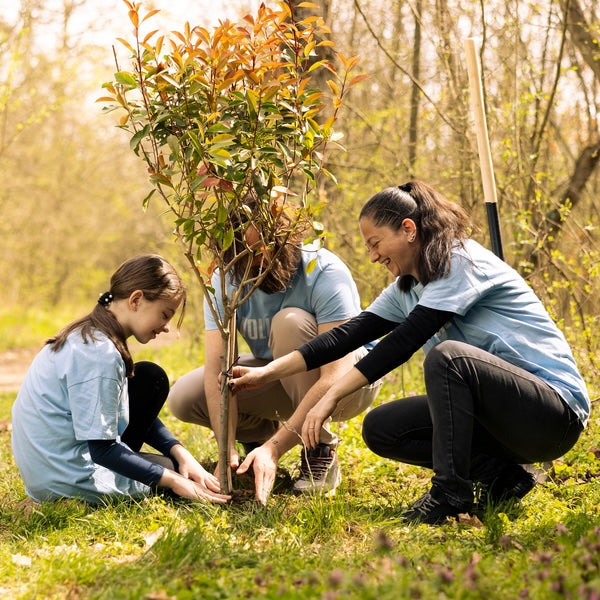
Tree Plantation for CSR - Corporate Environmental Programs | Grow Billion Trees
Tree Plantation for CSR - Transform Your Corporate Environmental ImpactTree plantation for...
-
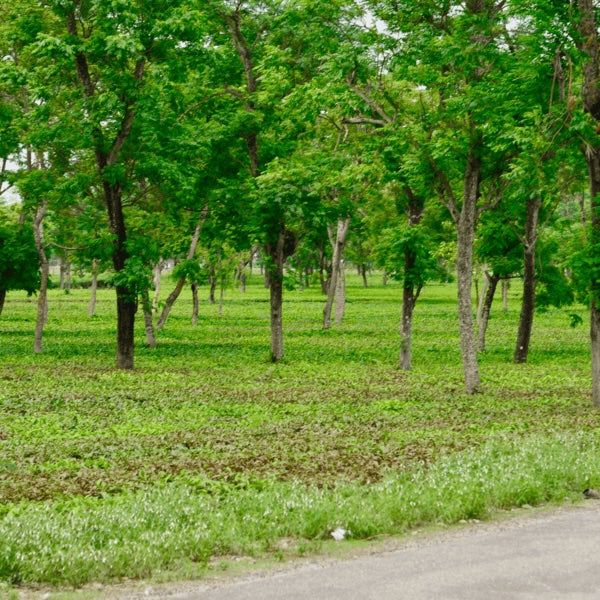
Tree Plantation for SDG - Support Sustainable Development Goals
Tree plantation for SDG initiatives represents a powerful pathway to achieving multiple...
-
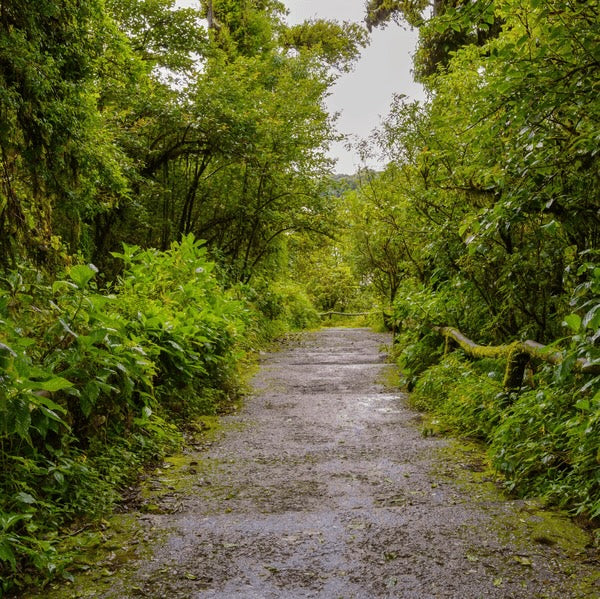
Corporate Tree Plantation Programs - Sustainable ESG Environmental Solutions for Net Zero Targets
Transform your organization's environmental impact with our comprehensive Corporate Tree Plantation Programs...
-
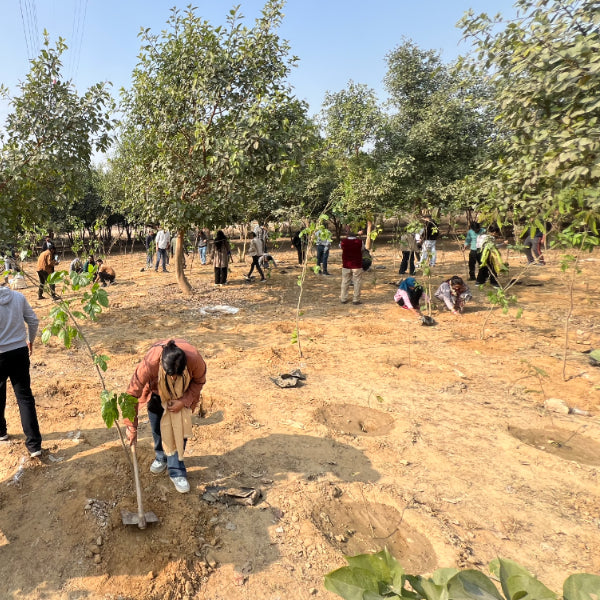
Tree Plantation by Location - Plant Trees Across India
Transform landscapes nationwide through our comprehensive tree plantation by location program. When...
Most Popular Tree Plantations - Top Choices for Environmental Impact
-
Trees for Mother
Regular price ₹ 299Regular priceUnit price per -
Trees to Honor the Memory of your Loved Ones
Regular price ₹ 299Regular priceUnit price per -
Trees for Wedding Anniversary Celebration
Regular price ₹ 299Regular priceUnit price per -
Trees for Grandmother
Regular price ₹ 299Regular priceUnit price per -
Trees for Grandfather
Regular price ₹ 299Regular priceUnit price per

Connect with us
-
👥 Corporates
If you are looking for:
- 🌲 Tree Plantation Events
- 📊 CSR Projects
📧 corporate@growbilliontrees.com
📞 +91 9699723523
💬 +91 9325931304 WhatsApp (Only)
🕒 Mon - Sat | 10am - 7pm IST
-
🧩 Tree Plantation NGOs
If you are looking for:
- 💰 Financial Assistance
- 🤝 Operational Support
📧 support@growbilliontrees.com
📞 +91 9699723523
💬 +91 9325931304 WhatsApp (Only)
🕒 Mon - Sat | 10am - 7pm IST
-
🌼 Individuals
If you are looking for:
- 👥 Group Tree Plantation Drive
- 🌳 Bulk Tree Plantation
📞 +91 9699723523
💬 +91 9325931304 WhatsApp (Only)
🕒 Mon - Sat | 10am - 7pm IST
