
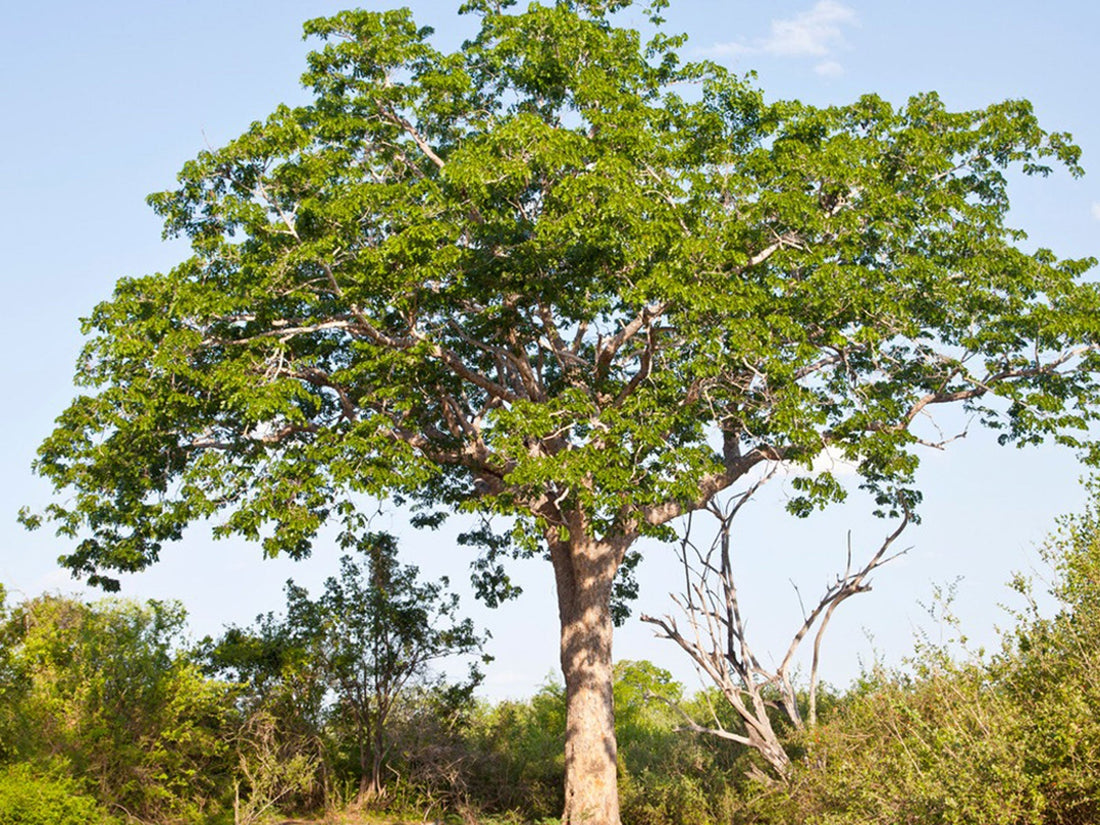
The False Mahogany Tree (Dysoxylum mollissimum) represents a remarkable opportunity for environmentally conscious landscapers and urban planners seeking sustainable solutions. This underappreciated species offers exceptional ecological benefits, rapi Read more
Trending Tree Plantations - Most Popular Environmental Programs
-
Trees for Birthday Celebration - Plant a Meaningful Gift
Regular price ₹ 299Regular priceUnit price per -
Trees for Mother
Regular price ₹ 299Regular priceUnit price per -
Trees as a Gift - Plant Hope & Create Lasting Impact
Regular price ₹ 299Regular priceUnit price per -
Trees to Honor the Memory of your Loved Ones
Regular price ₹ 299Regular priceUnit price per -
Trees for Women's Day (8th Mar)
Regular price ₹ 299Regular priceUnit price per


Trees for Corporates - Achieve Net Zero Targets Through Strategic Tree Planting
-
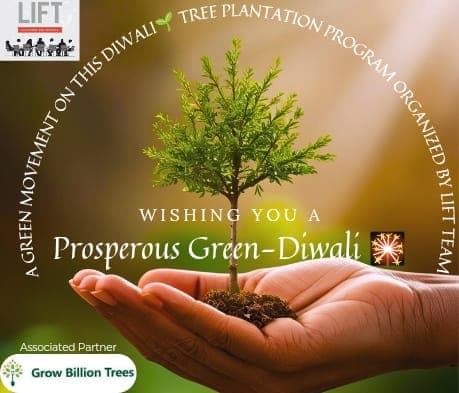
Trees by LIFT Team for Green Diwali - Eco-Friendly Celebration
Regular price ₹ 299Regular priceUnit price per -
Plant Trees for Environment - Climate Action & Green Future
Regular price ₹ 299Regular priceUnit price per -
Trees for a Greener Tomorrow - by Mahindra Lifespaces
Regular price ₹ 299Regular priceUnit price per -
Trees for Farmers - Sustainable Agroforestry Solutions
Regular price ₹ 299Regular priceUnit price per -
Plant Trees for Environment Day (5th Jun) - Make an Impact Today
Regular price ₹ 299Regular priceUnit price per

False Mahogany Tree: Sustainable Landscaping Hidden Gem Guide
The False Mahogany Tree (Dysoxylum mollissimum) represents a remarkable opportunity for environmentally conscious landscapers and urban planners seeking sustainable solutions. This underappreciated species offers exceptional ecological benefits, rapid growth, and stunning aesthetics that make it a perfect choice for modern green spaces. With organizations like Grow Billion Trees working toward their goal of planting 100 crore trees across India, understanding the potential of species like the False Mahogany becomes crucial for achieving our collective environmental goals.
Understanding the False Mahogany Tree: Nature's Overlooked Marvel ⭐
The False Mahogany Tree, scientifically known as Dysoxylum mollissimum, is a remarkable species that has gained attention in the field of sustainable landscaping. This tree, native to the tropical regions of Africa, Asia, and the Pacific Islands, is often overlooked in favor of more common landscaping choices. However, its unique qualities, ecological benefits, and aesthetic appeal make it a hidden gem worth exploring.
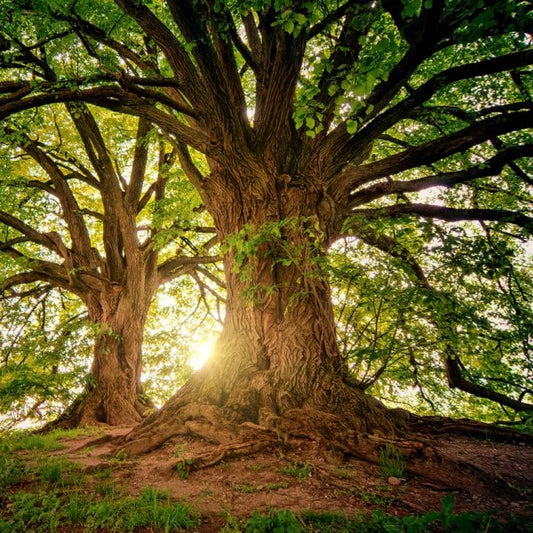
As a member of the Meliaceae family, the False Mahogany Tree shares lineage with other well-known species such as true mahogany (Swietenia macrophylla). Unlike its more famous relative, the False Mahogany is not commercially harvested for timber, which contributes to its status as an underappreciated species. The tree can grow up to 30 meters tall and features a dense canopy that provides ample shade, making it an excellent choice for parks, gardens, and urban landscapes.
One of the most striking features of the False Mahogany Tree is its glossy, dark green leaves, which can grow up to 30 cm long. These leaves are pinnate, meaning they are arranged in a feather-like pattern, giving the tree a lush appearance. The tree also produces clusters of fragrant flowers that attract a variety of pollinators, including bees and butterflies.
Physical Characteristics and Growth Patterns
The False Mahogany Tree exhibits rapid growth rates, often reaching maturity within 15-20 years under optimal conditions. Its trunk can achieve diameters of up to 1.5 meters, supporting a broad, spreading canopy that provides excellent shade coverage. The bark is smooth and grayish-brown, developing shallow furrows with age.
Following the flowering season, the tree bears elongated, woody pods that contain seeds, which are dispersed by wind and animals. This natural propagation method makes the False Mahogany Tree an excellent choice for reforestation projects and natural forest restoration initiatives.
Environmental Impact and Ecological Benefits 🌱
According to the United Nations Sustainable Development Goals, sustainable forest management and biodiversity conservation are critical for achieving global environmental targets. The False Mahogany Tree plays a vital role in maintaining ecological balance and supporting these international objectives.
Carbon Sequestration Powerhouse
Trees are known for their ability to absorb carbon dioxide, a greenhouse gas that contributes to climate change. The False Mahogany Tree, with its substantial biomass and rapid growth rate, can sequester significant amounts of carbon throughout its lifetime. Research indicates that a mature False Mahogany Tree can absorb approximately 48 pounds of CO2 annually, making it a powerful ally in Combating Climate Change Through Collective Action.
Biodiversity Support and Wildlife Habitat
The tree provides habitat and food for various species, including birds, insects, and mammals. Its flowers attract pollinators such as bees, butterflies, and hummingbirds, while its pods serve as a food source for various animals. The World Wildlife Fund's forest conservation initiatives emphasize the importance of native tree species like the False Mahogany in maintaining healthy ecosystems and supporting wildlife populations.
Soil Conservation and Water Management
The extensive root system of the False Mahogany Tree helps stabilize soil, preventing erosion and promoting healthy soil structure. This is particularly important in areas prone to heavy rainfall or where deforestation has occurred. The tree's roots can extend up to twice the width of its canopy, creating an effective network for soil stabilization.
Trees play a crucial role in the water cycle by absorbing and releasing water through transpiration. The False Mahogany Tree contributes to groundwater recharge and helps reduce surface runoff, ultimately improving water quality in surrounding ecosystems.
Historical Significance and Cultural Value 📚
The False Mahogany Tree has a rich history that dates back centuries. Indigenous cultures in its native regions have utilized the tree for various purposes, from traditional medicine to crafting tools and utensils. The bark and leaves of the False Mahogany are known for their medicinal properties, often used in herbal remedies to treat ailments such as fever and inflammation.
This historical significance adds to the tree's value as a sustainable landscaping choice, as it fosters a connection to cultural traditions and local ecosystems. In many Pacific Island communities, the False Mahogany Tree is considered sacred and is often planted near ceremonial sites and community gathering places.
Sustainable Landscaping Applications 🏞️
The False Mahogany Tree offers numerous advantages for sustainable landscaping projects, making it an ideal choice for various applications:
Urban Forest Development
In urban environments, the False Mahogany Tree provides excellent shade coverage, reducing the urban heat island effect and improving air quality. Its tolerance to pollution and compact root system make it suitable for street planting and park development. When you Plant a tree in your Name through programs like those offered by Grow Billion Trees, choosing species like the False Mahogany contributes to long-term urban sustainability.
Agroforestry Systems
The tree is often used in agroforestry systems, where it can be intercropped with other plants to enhance productivity and sustainability. Its nitrogen-fixing capabilities improve soil fertility, while its canopy provides shade for understory crops. This integration supports farmers in achieving both economic and environmental benefits.
Coastal Restoration Projects
Due to its salt tolerance and wind resistance, the False Mahogany Tree is particularly valuable for coastal restoration projects. It helps stabilize sandy soils and provides protection against coastal erosion, making it an essential component of mangrove restoration efforts.
Growing and Caring for False Mahogany Trees 💡
Successfully cultivating False Mahogany Trees requires understanding their specific needs and growth requirements. Here's what you need to know:
Optimal Growing Conditions
✅ Climate: Thrives in tropical and subtropical climates with temperatures between 20-30°C
✅ Soil: Prefers well-draining, fertile soils with pH levels between 6.0-7.5
✅ Water: Requires regular watering during establishment, drought-tolerant once mature
✅ Sunlight: Performs best in full sun to partial shade conditions
Planting and Establishment
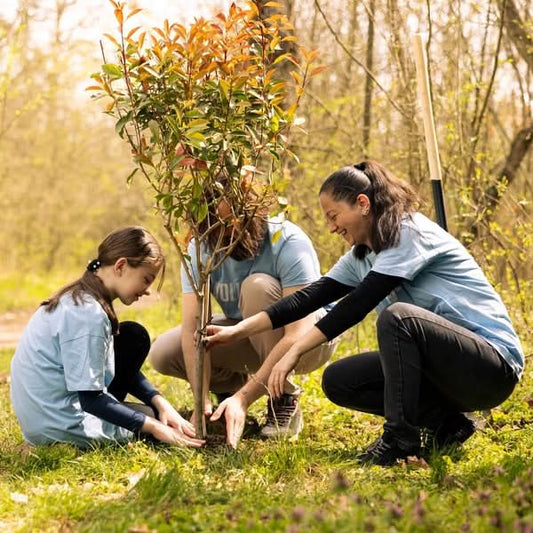
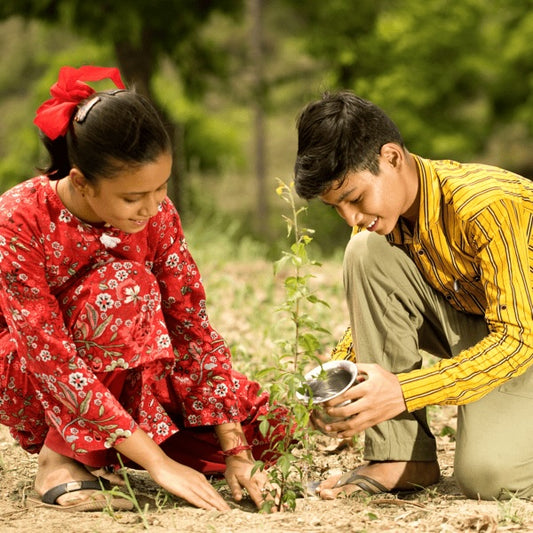
The best time to plant False Mahogany Trees is during the rainy season when soil moisture is adequate. Young saplings require protection from strong winds and regular watering for the first two years. With proper care, including our 4ft Tree Planting + 3 Years Care + GeoTag service, these trees establish quickly and begin providing environmental benefits within just a few years.
Maintenance Requirements
Once established, False Mahogany Trees require minimal maintenance. Regular pruning during the dry season helps maintain shape and removes dead branches. Mulching around the base helps retain moisture and suppress weeds, promoting healthy growth.
Corporate Sustainability and Net Zero Targets 🎯
For corporations seeking to achieve Net Zero Targets, incorporating False Mahogany Trees into their sustainability strategies offers significant advantages. The United Nations Climate Change initiatives emphasize the role of forest restoration in corporate climate action plans.
Companies can partner with Grow Billion Trees to establish False Mahogany plantations as part of their carbon offset programs. Each tree planted contributes to long-term carbon sequestration while supporting biodiversity conservation and community development initiatives.
Corporate Partnership Benefits
• Measurable carbon offset contributions
• Enhanced corporate social responsibility profiles
• Employee engagement through tree planting activities
• Long-term environmental impact tracking
• Support for local communities and ecosystems
Grow Billion Trees: Leading Sustainable Reforestation Efforts 🌳
Organizations like Grow Billion Trees play a crucial role in promoting the planting of sustainable tree species, including the False Mahogany Tree. Their mission to plant 100 crore trees globally focuses on reforestation, afforestation, and community engagement. By partnering with local communities, governments, and organizations, Grow Billion Trees executes projects that not only restore ecosystems but also create economic opportunities and enhance community resilience.
In regions where the False Mahogany Tree thrives, Grow Billion Trees conducts extensive research to identify suitable planting sites and develops comprehensive care programs. Their approach includes site preparation, seedling production, planting, and long-term monitoring to ensure high survival rates and optimal growth.
Technology Integration and Monitoring
Grow Billion Trees utilizes advanced GeoTag technology to track and monitor planted trees, providing transparency and accountability to donors and partners. This technology allows supporters to follow their tree's growth progress and understand the environmental impact of their contribution.
Economic Benefits and Community Impact 💰
The False Mahogany Tree offers numerous economic benefits that extend beyond environmental considerations:
Sustainable Income Generation
While not harvested for timber, False Mahogany Trees provide alternative income sources through:
• Seed collection for nursery production
• Medicinal plant harvesting (sustainable practices)
• Eco-tourism and educational programs
• Carbon credit sales through verified programs
Community Development
Tree planting projects involving False Mahogany species create employment opportunities in rural communities. From nursery operations to planting and maintenance activities, these projects provide sustainable livelihoods while contributing to environmental restoration.
Comparison with Other Landscaping Trees 📊
When compared to other popular landscaping trees, the False Mahogany Tree offers unique advantages:
| Feature | False Mahogany | Traditional Oak | Eucalyptus |
|---|---|---|---|
| Growth Rate | Fast (3-5 years to maturity) | Slow (10-20 years) | Very Fast (2-3 years) |
| Carbon Sequestration | High | High | Moderate |
| Water Requirements | Moderate | High | Low |
| Wildlife Support | Excellent | Excellent | Limited |
| Maintenance | Low | Moderate | Low |
Fun Facts About the False Mahogany Tree ⭐
Here are some fascinating facts that highlight the uniqueness of the False Mahogany Tree:
• The False Mahogany Tree can live for over 100 years, providing long-term environmental benefits
• Despite its name, the tree produces flowers with a sweet fragrance similar to jasmine
• The tree's wood is naturally resistant to termites and other pests
• In some cultures, the False Mahogany is believed to bring good luck and prosperity
• The tree can survive in areas with annual rainfall as low as 800mm
• Its leaves change color slightly during dry seasons, creating beautiful seasonal displays
Challenges and Solutions in False Mahogany Cultivation ⚠️
While the False Mahogany Tree offers numerous benefits, successful cultivation requires addressing certain challenges:
Common Challenges
• Initial establishment period vulnerability
• Limited seed availability in some regions
• Potential pest issues during young growth stages
• Competition from invasive species
Proven Solutions
• Professional nursery partnerships for quality seedling production
• Integrated pest management strategies
• Site preparation and weed control programs
• Community education and involvement in tree care
The World Wildlife Fund's research on deforestation emphasizes the importance of proper planning and community involvement in successful reforestation projects.
Future Prospects and Research Developments 🔬
Ongoing research into the False Mahogany Tree continues to reveal new applications and benefits:
Climate Adaptation Research
Scientists are studying the tree's potential for climate change adaptation, particularly its drought tolerance and carbon sequestration capabilities under changing environmental conditions. Early results suggest the False Mahogany Tree may be particularly resilient to climate variations.
Biotechnology Applications
Research into the tree's medicinal properties has identified several bioactive compounds with potential pharmaceutical applications. This research could lead to sustainable harvesting programs that provide additional economic benefits while maintaining forest ecosystems.
Getting Started with False Mahogany Tree Planting 🚀
For individuals and organizations interested in incorporating False Mahogany Trees into their sustainability efforts, here's a step-by-step approach:
Planning Phase
→ Assess site conditions and climate suitability
→ Determine planting objectives and expected outcomes
→ Calculate space requirements and tree quantities
→ Establish budget and timeline
Implementation Phase
→ Source quality seedlings from certified nurseries
→ Prepare planting sites with proper soil amendments
→ Schedule planting during optimal weather conditions
→ Implement care and monitoring protocols
Long-term Management
→ Regular health assessments and maintenance
→ Growth monitoring and documentation
→ Integration with broader landscape management plans
→ Community engagement and education programs
Frequently Asked Questions
What makes the False Mahogany Tree different from true mahogany?
The False Mahogany Tree (Dysoxylum mollissimum) belongs to the same family as true mahogany but is a different species. It grows faster, requires less water, and is not harvested for commercial timber, making it more sustainable for landscaping purposes.
How long does it take for a False Mahogany Tree to mature?
False Mahogany Trees typically reach maturity within 15-20 years under optimal conditions. They begin providing significant shade and environmental benefits within 5-7 years of planting.
Can False Mahogany Trees survive in urban environments?
Yes, False Mahogany Trees are well-suited for urban environments due to their pollution tolerance, compact root system, and ability to thrive in various soil conditions. They make excellent street trees and park specimens.
What is the cost of planting a False Mahogany Tree?
Through Grow Billion Trees, you can plant a tree for just ₹299, which includes the sapling, planting, and three years of care. This comprehensive package ensures high survival rates and optimal growth.
How much carbon does a False Mahogany Tree sequester?
A mature False Mahogany Tree can sequester approximately 48 pounds of CO2 annually. Over its lifetime, a single tree can absorb several tons of carbon dioxide, making it an excellent choice for carbon offset programs.
Are False Mahogany Trees suitable for coastal areas?
Yes, False Mahogany Trees exhibit good salt tolerance and wind resistance, making them suitable for coastal restoration projects and seaside landscaping applications.
What wildlife does the False Mahogany Tree support?
The tree supports various wildlife including birds, bees, butterflies, and small mammals. Its flowers provide nectar for pollinators, while its seeds serve as food for birds and animals.
How much space does a False Mahogany Tree need?
False Mahogany Trees should be planted at least 8-10 meters apart to allow for full canopy development. In urban settings, they can be planted closer with regular pruning to manage size.
Can False Mahogany Trees be used in agroforestry systems?
Yes, False Mahogany Trees are excellent for agroforestry applications. They provide shade for understory crops, improve soil fertility, and can be integrated with various agricultural systems.
What maintenance do False Mahogany Trees require?
Once established, False Mahogany Trees require minimal maintenance. Regular watering during dry periods, occasional pruning, and mulching around the base are typically sufficient for healthy growth.
Taking Action: Your Role in Sustainable Landscaping 🌟
The False Mahogany Tree represents more than just another landscaping option – it embodies the future of sustainable environmental stewardship. As we face unprecedented environmental challenges, choosing species like the False Mahogany for our green spaces demonstrates our commitment to creating a more sustainable world.
Whether you're a homeowner looking to enhance your property's environmental value, a corporation working toward sustainability goals, or a community organization planning green infrastructure projects, the False Mahogany Tree offers a proven solution that delivers both immediate and long-term benefits.
By partnering with Grow Billion Trees, you join a global movement dedicated to environmental restoration and climate action. Every False Mahogany Tree planted contributes to our collective goal of planting 100 crore trees and creating a more sustainable future for generations to come.
Ready to make a difference? Explore our tree planting programs and discover how you can plant a tree in your name while contributing to India's largest reforestation initiative. Together, we can transform landscapes, combat climate change, and create thriving ecosystems that benefit both people and planet.
You may also like
-
Gift a Tree - Meaningful Environmental Gifts That Make a Difference
Transform your gift-giving with meaningful environmental gifts that create lasting impact for...
-
Trees For Shiv Ji - Sacred Tree Planting to Honor Lord Shiva
Honor Lord Shiva through sacred tree planting with Trees For Shiv Ji,...
-
Tree Plantations for Shri Ram - Sacred Devotional Planting Services
Honor Lord Shri Ram through meaningful tree plantations for Shri Ram that...
-
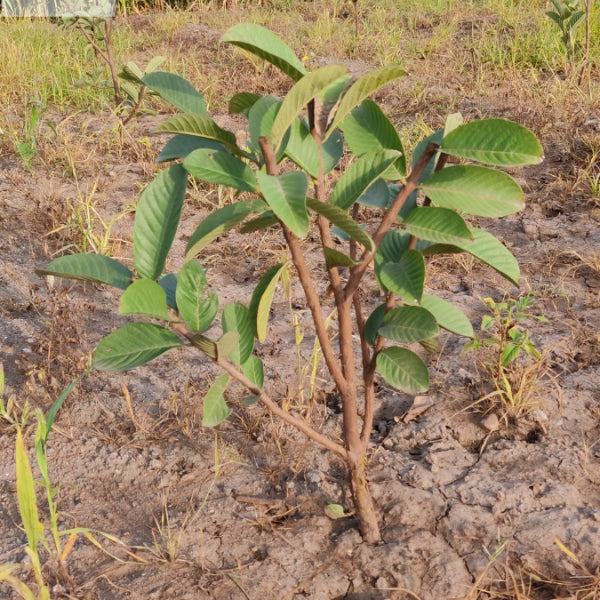
Tree Plantation on Navratri - Celebrate Divine Festivals with Environmental Devotion
Tree plantation on Navratri transforms the sacred nine-day festival into a powerful...
-
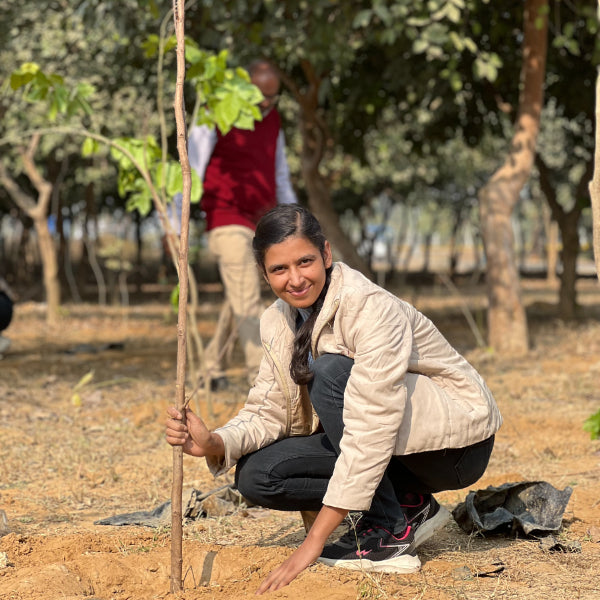
Tree Plantation by Cause - Plant Trees for Every Purpose | Grow Billion Trees
Transform your environmental impact with purpose-driven tree plantation by cause programs that...
Corporate Plantations
-
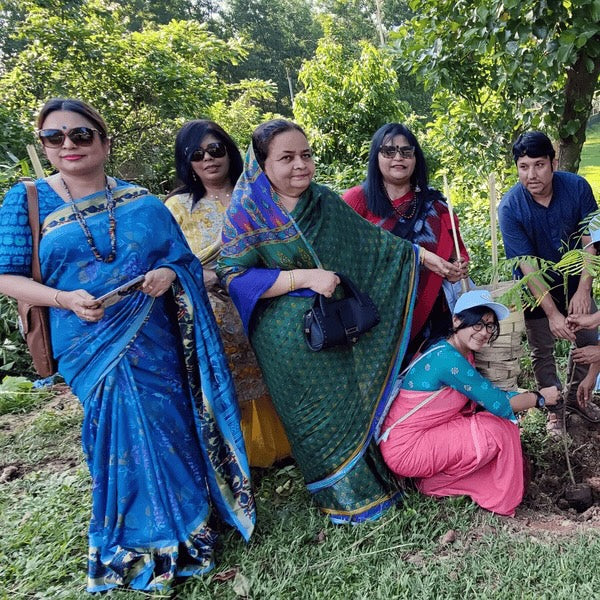
Trees for Corporates - Achieve Net Zero Targets Through Strategic Tree Planting
Trees for Corporates - Strategic Environmental SolutionsTransform your corporate environmental impact with...
-
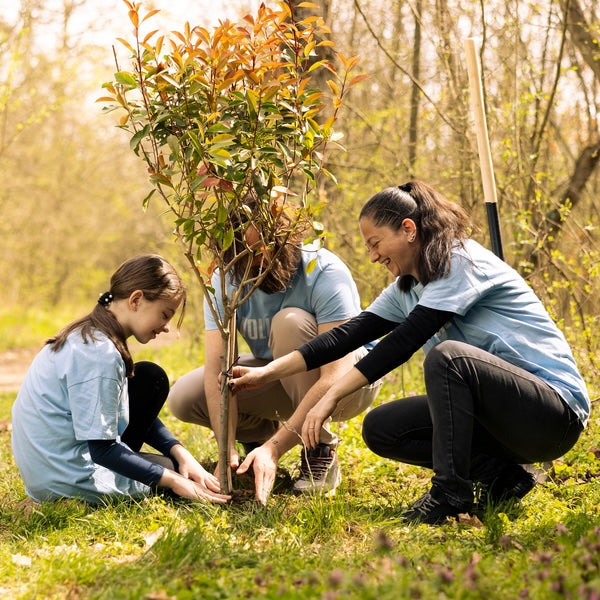
Tree Plantation for CSR - Corporate Environmental Programs | Grow Billion Trees
Tree Plantation for CSR - Transform Your Corporate Environmental ImpactTree plantation for...
-
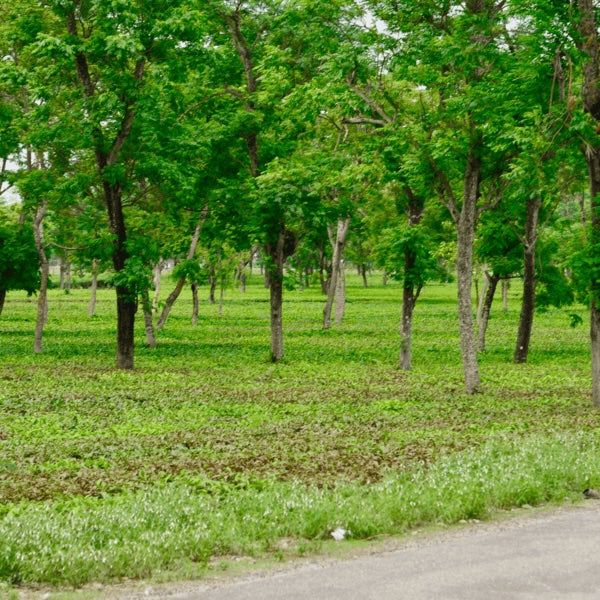
Tree Plantation for SDG - Support Sustainable Development Goals
Tree plantation for SDG initiatives represents a powerful pathway to achieving multiple...
-
Corporate Tree Plantation Programs - Sustainable ESG Environmental Solutions for Net Zero Targets
Corporate Tree Plantation Programs for Sustainable ESG SolutionsTransform your organization's environmental impact...
-
Tree Plantation by Location - Plant Trees Across India
Transform landscapes nationwide through our comprehensive tree plantation by location program. When...
False Mahogany Characteristics
The False Mahogany Tree, or Dysoxylum mollissimum for those who enjoy a mouthful, boasts a stunning height of up to 30 meters and a dense canopy that provides shade fit for royalty. Its glossy, dark green leaves can grow up to 30 cm long, creating a lush, feather-like appearance that could make any garden envy its beauty. Plus, with fragrant flower clusters that lure in bees and butterflies, it’s basically the social butterfly of the tree world, making friends with all the right pollinators.
Ecological Benefits
Think of the False Mahogany Tree as the eco-warrior of the landscaping realm. It’s not just about looking good; this tree is a carbon-sequestering superstar, absorbing carbon dioxide like a pro and helping to combat climate change. With its extensive root system, it prevents soil erosion, provides habitat for wildlife, and plays a crucial role in water management. Who knew a tree could be such a multitasker?
Cultural Significance
The False Mahogany Tree isn’t just a pretty face; it has historical roots that run deep. Indigenous cultures have been utilizing this tree for centuries, employing its bark and leaves in traditional medicine to tackle ailments like fever and inflammation. By incorporating this tree into landscaping, you’re not just planting a tree; you’re fostering a connection to rich cultural traditions and local ecosystems. It’s like planting a piece of history!
Sustainable Landscaping
If you’re on the hunt for a sustainable landscaping option that’s both chic and eco-friendly, look no further than the False Mahogany Tree. This underappreciated gem is often overlooked, but it’s a perfect fit for parks, gardens, and urban landscapes. With its rapid growth rate, it’s the ideal choice for those who want quick shade without sacrificing style. Who wouldn’t want a tree that’s both trendy and green?
Wildlife Habitat
The False Mahogany Tree is a wildlife haven, providing food and shelter for a variety of creatures. Its flowers are like a five-star restaurant for pollinators, while the woody pods serve as a tasty treat for animals. By planting this tree, you’re not just enhancing your garden; you’re creating a thriving ecosystem that supports local wildlife. It’s a win-win for both you and Mother Nature!
Agroforestry Applications
The False Mahogany Tree is the ultimate team player in agroforestry systems. It can be intercropped with other plants, enhancing productivity and sustainability like a pro. This tree doesn’t just sit pretty; it actively contributes to the health of the soil and the overall ecosystem. It’s the cooperative spirit of the tree world, proving that sometimes, it’s better to grow together.
Water Management
If you’re worried about water management in your landscaping, the False Mahogany Tree has your back. This tree plays a crucial role in the water cycle, absorbing and releasing water like a well-tuned orchestra. It helps recharge groundwater and reduces surface runoff, improving water quality in surrounding ecosystems. It’s like having a personal water manager in your garden!
Rapid Growth Rate
Looking for a tree that won’t take forever to make an impact? The False Mahogany Tree is your go-to choice with its impressive rapid growth rate. It’s the tree equivalent of a fast track to shade, providing relief from the sun’s rays in no time. Perfect for impatient gardeners, this tree proves that good things really do come to those who wait—just not for too long!
Pruning and Maintenance
Keeping your False Mahogany Tree in tip-top shape is a breeze. Regular pruning helps maintain its shape and encourages healthy growth, ensuring that your tree remains the belle of the ball in your garden. Just a little snip here and there, and you’ve got a tree that’s not only beautiful but also thriving. It’s the gardening equivalent of a good haircut!
Community Engagement
Organizations like Grow Billion Trees Partners are champions of sustainable landscaping, and they’re all about community engagement. By partnering with local communities, they promote the planting of the False Mahogany Tree and other sustainable species. Their mission is to create a billion trees globally, and they empower individuals to take an active role in environmental conservation. It’s a community effort that’s as heartwarming as it is green!
Biodiversity Enhancement
The False Mahogany Tree is a biodiversity booster, enhancing local ecosystems by providing habitat for various species. By incorporating this tree into landscaping projects, you’re not just planting a tree; you’re creating a sanctuary for wildlife. It’s a small step for your garden but a giant leap for biodiversity. Who knew landscaping could be so impactful?
Future of Landscaping
The future of landscaping is looking bright with the False Mahogany Tree leading the way. As we grapple with climate change and habitat loss, this tree stands out as a vital component of sustainable ecosystems. By planting the False Mahogany Tree, you’re investing in a greener, healthier future for both people and the planet. It’s the tree that keeps on giving, long after it’s been planted!
FAQ
What is the False Mahogany Tree?
The False Mahogany Tree, or Dysoxylum mollissimum, is a tropical beauty from Africa, Asia, and the Pacific Islands. It's not just a pretty face; it boasts glossy leaves, fragrant flowers, and a dense canopy ideal for shade. This underappreciated gem deserves a spotlight in sustainable landscaping!
Why is it called the False Mahogany Tree?
Despite its name, the False Mahogany Tree isn’t related to true mahogany. Think of it as the quirky cousin at a family reunion—similar looks but a different personality. While true mahogany is prized for timber, our false friend is all about ecological benefits and aesthetic charm!
What are the environmental benefits of the False Mahogany Tree?
This tree is an eco-warrior! It sequesters carbon, provides habitat for wildlife, prevents soil erosion, and manages water effectively. By planting the False Mahogany Tree, you're not just adding beauty to your landscape; you're making a positive impact on the environment!
How tall does the False Mahogany Tree grow?
The False Mahogany Tree can reach heights of up to 30 meters. That's right; it’s a towering titan in the world of trees! Perfect for those seeking a majestic shade provider or a statement piece in their landscaping.
Can the False Mahogany Tree survive in urban areas?
Absolutely! The False Mahogany Tree thrives in urban landscapes, providing shade and beauty while attracting pollinators. It’s like a breath of fresh air in concrete jungles, making it a fabulous choice for parks, gardens, and streetscapes.
How does the False Mahogany Tree support local wildlife?
With its fragrant flowers and seed pods, the False Mahogany Tree is a buffet for local wildlife. Bees, butterflies, and birds all flock to this tree, making it a hotspot for biodiversity. Plant one, and you’ll be the talk of the animal kingdom!
Is the False Mahogany Tree drought-resistant?
Once established, the False Mahogany Tree is quite drought-resistant. It’s like that friend who thrives in tough situations! Regular watering is crucial during its early days, but once it’s settled in, it can handle a little dry spell.
What role does Grow Billion Trees Partners play?
Grow Billion Trees Partners is on a mission to plant a billion trees, including our beloved False Mahogany. They engage communities, promote sustainability, and create economic opportunities. Together, they’re turning the tide on environmental challenges, one tree at a time!
How can I incorporate False Mahogany Trees into my landscaping?
To welcome the False Mahogany Tree into your landscape, choose a sunny spot with well-drained soil. Space them 10 to 15 feet apart for healthy growth. With a little watering, mulching, and pruning, you’ll have a stunning addition that thrives beautifully!
What cultural significance does the False Mahogany Tree hold?
The False Mahogany Tree has deep roots in indigenous cultures, used for traditional medicine and crafting. It’s not just a tree; it’s a living link to cultural heritage, making it a meaningful choice for sustainable landscaping.
What makes the False Mahogany Tree a hidden gem?
The False Mahogany Tree combines beauty, ecological benefits, and cultural significance, making it a true hidden gem. It’s often overlooked in favor of flashier options, but once you discover its unique qualities, you’ll wonder how you ever landscaped without it!
Most Popular Tree Plantations - Top Choices for Environmental Impact
-
Trees for Birthday Celebration - Plant a Meaningful Gift
Regular price ₹ 299Regular priceUnit price per -
Trees for Mother
Regular price ₹ 299Regular priceUnit price per -
Trees as a Gift - Plant Hope & Create Lasting Impact
Regular price ₹ 299Regular priceUnit price per -
Trees to Honor the Memory of your Loved Ones
Regular price ₹ 299Regular priceUnit price per -
Sacred Trees for Krishna on Janmashtami - Divine Gift ₹299
Regular price ₹ 299Regular priceUnit price per
Connect with us
-
👥 Corporates
If you are looking for:
- 🌲 Tree Plantation Events
- 📊 CSR Projects
📧 corporate@growbilliontrees.com
📞 +91 9699723523
💬 +91 9325931304 WhatsApp (Only)
🕒 Mon - Sat | 10am - 7pm IST
-
🧩 Tree Plantation NGOs
If you are looking for:
- 💰 Financial Assistance
- 🤝 Operational Support
📧 support@growbilliontrees.com
📞 +91 9699723523
💬 +91 9325931304 WhatsApp (Only)
🕒 Mon - Sat | 10am - 7pm IST
-
🌼 Individuals
If you are looking for:
- 👥 Group Tree Plantation Drive
- 🌳 Bulk Tree Plantation
📞 +91 9699723523
💬 +91 9325931304 WhatsApp (Only)
🕒 Mon - Sat | 10am - 7pm IST
