
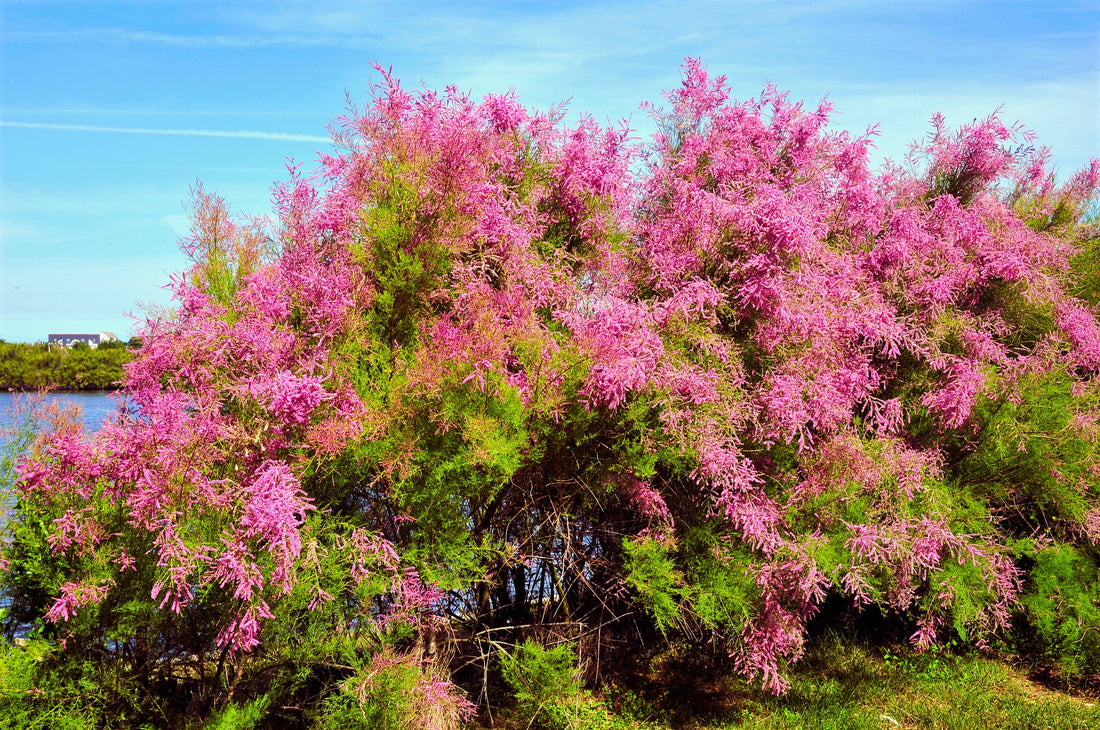
The French Tamarisk Tree (Tamarix gallica) stands as a remarkable coastal guardian, offering both stunning beauty and exceptional environmental benefits. This resilient species thrives where others fail, making it an invaluable asset for sustainable Read more
Trending Tree Plantations - Most Popular Environmental Programs
-
Trees for Mother
Regular price ₹ 299Regular priceUnit price per -
Trees to Honor the Memory of your Loved Ones
Regular price ₹ 299Regular priceUnit price per -
Trees for Women's Day (8th Mar)
Regular price ₹ 299Regular priceUnit price per -
Trees for Wedding Anniversary Celebration
Regular price ₹ 299Regular priceUnit price per -
Trees for Grandmother
Regular price ₹ 299Regular priceUnit price per



Trees for Corporates - Achieve Net Zero Targets Through Strategic Tree Planting
-
 Project Closed
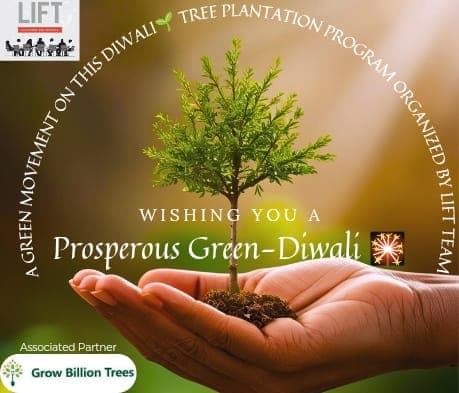
Trees by LIFT Team for Green Diwali: Transform Your Festival
Regular price ₹ 299Regular priceUnit price per -
Trees for a Greener Tomorrow - by Mahindra Lifespaces
Regular price ₹ 299Regular priceUnit price per -
Trees for Environment Day: Plant Your Impact on June 5th
Regular price ₹ 299Regular priceUnit price per -
Trees for Employees: Transform Your Corporate Culture in 2026
Regular price ₹ 299Regular priceUnit price per -
 Project Closed
Trees for Bangalore: Plant Native Trees in Garden City ₹299
Regular price ₹ 799Regular priceUnit price per

French Tamarisk Tree: Coastal Landscapes & Sustainable Gardens
The French Tamarisk Tree (Tamarix gallica) stands as a remarkable coastal guardian, offering both stunning beauty and exceptional environmental benefits. This resilient species thrives where others fail, making it an invaluable asset for sustainable gardening and coastal restoration projects.
✅ Characteristics of the French Tamarisk Tree
The French Tamarisk is a deciduous shrub or small tree that typically grows between 10 to 20 feet tall. It features slender, feathery foliage that gives it a soft, ethereal appearance. The leaves are small and scale-like, arranged in a way that resembles tiny needles.
One of the most striking features of the French Tamarisk is its beautiful pink or white flowers, which bloom in dense clusters during late spring and summer. These flowers not only enhance the tree's aesthetic appeal but also attract a variety of pollinators, including bees and butterflies.
This remarkable tree is perfectly adapted to coastal environments, thriving in sandy soils and saline conditions where many other plants struggle to survive. Its extensive root system helps prevent soil erosion, making it an excellent choice for stabilizing dunes and coastal areas.
⭐ Historical Significance and Cultural Heritage
The French Tamarisk has a rich history dating back centuries. Native to the Mediterranean region, it has been cultivated for its ornamental value and practical uses since ancient times. Historically, the tree was valued for its lightweight, decay-resistant wood, making it ideal for constructing boats and fences.
In the 19th century, the French Tamarisk gained popularity in the United States, particularly in California and the southwestern regions. It was introduced as a means of stabilizing sandy soils and preventing desertification. Today, it continues to be appreciated in various coastal landscapes, parks, and gardens.
🌊 Environmental Impact and Coastal Protection
The French Tamarisk plays a crucial role in coastal ecosystems. Its extensive root system helps anchor soil, preventing erosion and promoting the stability of dunes and shorelines. This is particularly important in areas prone to storms and rising sea levels, where erosion can lead to significant loss of land and habitat.
According to the United Nations Climate Change initiative, coastal protection through natural barriers like trees is essential for climate adaptation strategies. The French Tamarisk contributes to biodiversity by providing habitat and food for various wildlife species.
Birds, insects, and small mammals find refuge in its branches and foliage, while its flowers serve as a vital nectar source for pollinators. The tree also helps improve soil quality by adding organic matter as its leaves fall and decompose.
⚠️ Important Considerations for Ecosystem Balance
While the French Tamarisk offers numerous ecological benefits, it has been classified as an invasive species in some regions. Its rapid growth and ability to outcompete native vegetation can lead to a decline in local biodiversity. Therefore, careful management of its planting and growth is crucial to ensure it doesn't disrupt local ecosystems.
💡 Sustainable Gardening with French Tamarisk
Incorporating the French Tamarisk into sustainable gardening practices can yield multiple benefits. The United Nations Environment Programme emphasizes the importance of sustainable forest management and tree selection for environmental restoration.
→ Choosing the Right Location
French Tamarisk thrives in full sun and well-drained sandy soils. When selecting a planting site, ensure it receives ample sunlight and has good drainage to promote healthy growth. The tree's salt tolerance makes it perfect for coastal gardens.
→ Watering and Maintenance
Once established, the French Tamarisk is drought-tolerant and requires minimal watering. However, during its initial growth phase, regular watering is essential to help establish a strong root system. This aligns perfectly with water-conscious gardening practices.
→ Pruning Techniques
Pruning the tree can help maintain its shape and encourage bushier growth. It's best to prune during the dormant season to avoid disrupting flowering. Regular maintenance ensures optimal health and appearance.
→ Natural Pest Management
The French Tamarisk is relatively pest-resistant, but monitoring for signs of infestation is essential. Natural pest control methods, such as introducing beneficial insects, can help manage any issues sustainably.
🌱 Grow Billion Trees: Championing Coastal Restoration
At Grow Billion Trees, we understand the vital role that species like the French Tamarisk play in coastal ecosystems. Our mission to Plant a tree in your Name for just ₹299 includes specialized coastal restoration programs that incorporate resilient species for maximum environmental impact.
Our 4ft Tree Planting + 3 Years Care + GeoTag program ensures that every tree planted contributes to our goal of planting 100 crore trees across India. Through our comprehensive approach, we're Combating Climate Change Through Collective Action while helping organizations achieve their Net Zero Targets.
The United Nations Sustainable Development Goals emphasize the critical importance of sustainable land management and ecosystem restoration, principles that guide our coastal planting initiatives.
🏖️ Coastal Landscape Design Applications
The French Tamarisk excels in various coastal landscape applications. Its feathery texture provides excellent contrast against bold architectural elements, while its salt tolerance makes it ideal for beachfront properties. The tree works beautifully in Mediterranean-style gardens, seaside parks, and coastal restoration projects.
For urban coastal environments, the French Tamarisk serves as an excellent windbreak and privacy screen. Its relatively compact size makes it suitable for smaller gardens, while its drought tolerance reduces maintenance requirements.
Companion Planting Strategies
Consider planting the French Tamarisk alongside other drought-tolerant, salt-resistant plants to create diverse and resilient coastal gardens. Native grasses, lavender, and other Mediterranean plants complement its growth habits and environmental needs.
🌍 Global Impact and Conservation Efforts
Coastal ecosystems worldwide face increasing pressure from climate change, development, and sea-level rise. The French Tamarisk represents one solution in the broader toolkit of coastal conservation strategies. When properly managed, it contributes to ecosystem stability while providing aesthetic and practical benefits.
Our commitment extends beyond individual tree planting to comprehensive environmental restoration. Through partnerships with local communities and organizations, we're creating resilient coastal landscapes that protect both people and wildlife.
Frequently Asked Questions
What makes the French Tamarisk Tree special for coastal areas?
The French Tamarisk Tree excels in coastal environments due to its exceptional salt tolerance, drought resistance, and extensive root system that prevents soil erosion. Its ability to thrive in sandy, saline conditions where other plants struggle makes it invaluable for coastal landscaping and restoration projects.
How fast does a French Tamarisk Tree grow?
French Tamarisk trees are moderate to fast growers, typically reaching 3-5 feet per year under optimal conditions. They can achieve their mature height of 10-20 feet within 5-7 years, making them an excellent choice for quick coastal stabilization projects.
Is the French Tamarisk Tree invasive?
While the French Tamarisk can be invasive in certain regions, particularly in the southwestern United States, it's considered less aggressive than other Tamarix species. Proper management and strategic planting in appropriate locations can minimize invasive potential while maximizing benefits.
What type of soil does the French Tamarisk prefer?
The French Tamarisk thrives in well-drained, sandy soils and can tolerate poor soil conditions, including high salinity levels. It performs best in full sun locations with good drainage, making it perfect for coastal gardens and beach landscapes.
How much water does a French Tamarisk Tree need?
Once established, French Tamarisk trees are extremely drought-tolerant and require minimal watering. During the first year, regular watering helps establish the root system, but mature trees can survive on natural rainfall in most coastal climates.
When do French Tamarisk Trees bloom?
French Tamarisk trees typically bloom from late spring through summer, producing beautiful clusters of pink or white flowers. The flowering period can extend from May through August, depending on local climate conditions and tree maturity.
Can French Tamarisk Trees survive hurricanes and coastal storms?
French Tamarisk trees show good resilience to coastal storms due to their flexible branches and extensive root systems. While young trees may need protection, mature specimens can withstand moderate wind and salt spray, making them valuable for storm-resistant coastal landscaping.
What wildlife benefits from French Tamarisk Trees?
French Tamarisk trees support various wildlife species by providing nesting sites for birds, nectar for pollinators like bees and butterflies, and shelter for small mammals. The flowers are particularly valuable for coastal pollinator populations during their blooming season.
How do I prune a French Tamarisk Tree?
Prune French Tamarisk trees during their dormant season (late fall to early spring) to maintain shape and encourage healthy growth. Remove dead or crossing branches, and lightly trim to promote bushier growth. Avoid heavy pruning during flowering season.
Are French Tamarisk Trees suitable for small coastal gardens?
Yes, French Tamarisk trees are excellent for small coastal gardens due to their manageable size (10-20 feet), low maintenance requirements, and attractive appearance. They can be pruned to maintain desired size and work well as specimen plants or privacy screens. The French Tamarisk Tree represents nature's remarkable ability to thrive in challenging coastal environments while providing essential ecological services. As we work toward our goal of planting 100 crore trees across India, species like the French Tamarisk play a crucial role in creating resilient, sustainable landscapes that protect our coastlines for future generations. Ready to contribute to coastal restoration efforts? Plant a tree in your Name today and join our mission of Combating Climate Change Through Collective Action. Together, we can create thriving coastal ecosystems that benefit both people and planet.
You may also like
-
Gift a Tree - Meaningful Environmental Gifts That Make a Difference
Transform your gift-giving with meaningful environmental gifts that create lasting impact for...
-
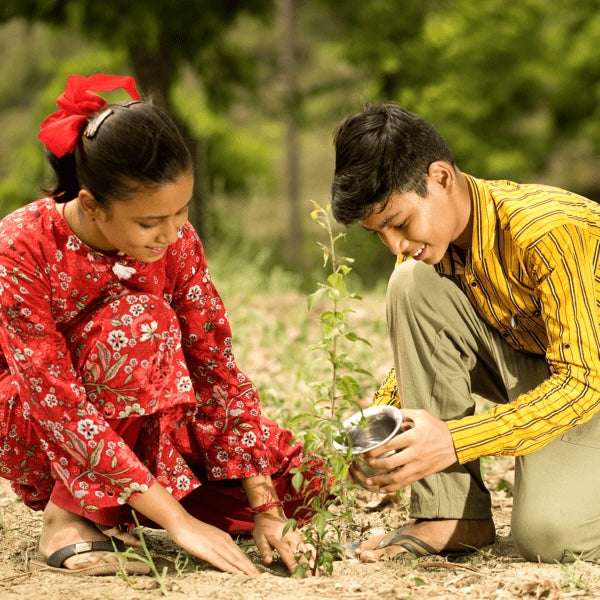
Trees For Shiv Ji - Sacred Tree Planting to Honor Lord Shiva
Honor Lord Shiva through sacred tree planting with Trees For Shiv Ji,...
-
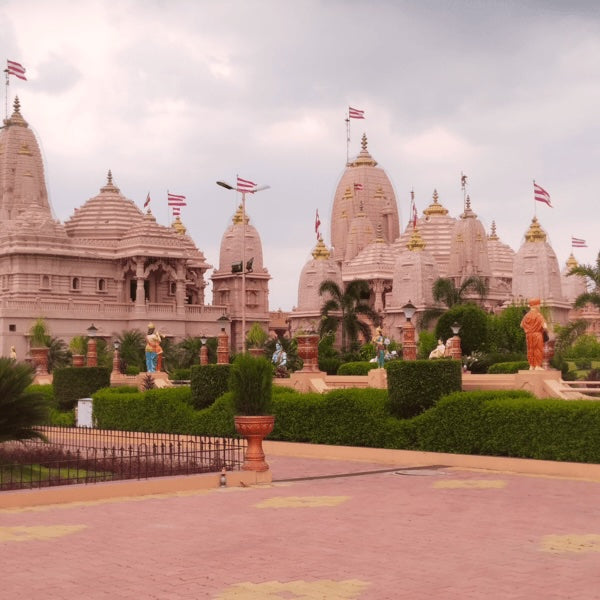
Tree Plantations for Shri Ram - Sacred Devotional Planting Services
Honor Lord Shri Ram through meaningful tree plantations for Shri Ram that...
-
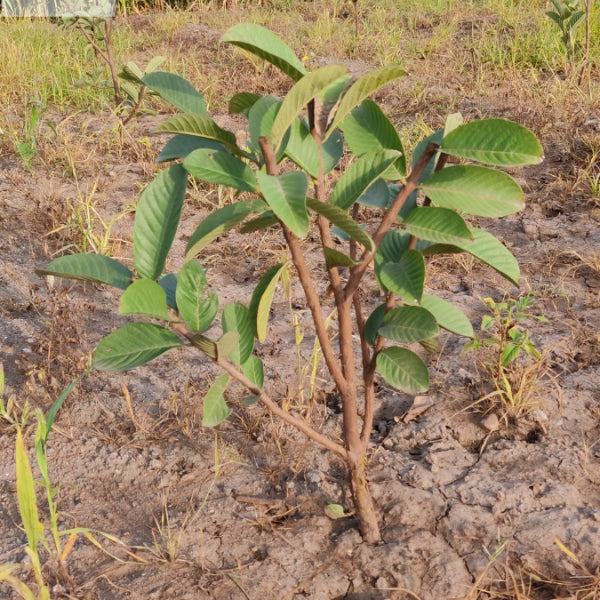
Tree Plantation on Navratri - Celebrate Divine Festivals with Environmental Devotion
Tree plantation on Navratri transforms the sacred nine-day festival into a powerful...
-
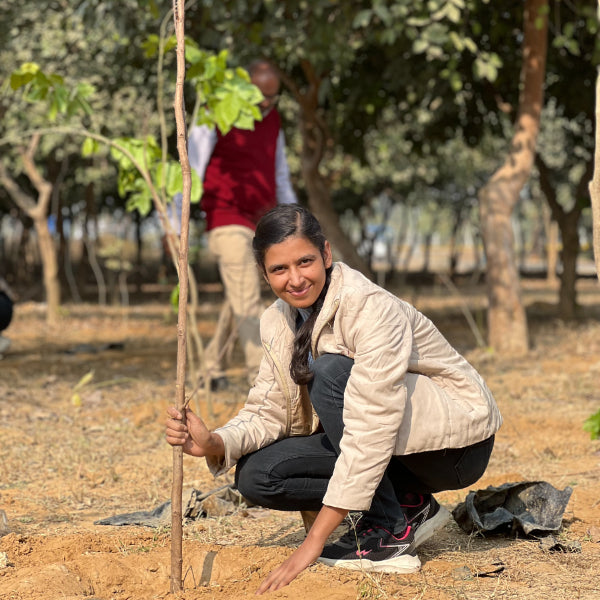
Tree Plantation by Cause - Plant Trees for Every Purpose | Grow Billion Trees
Transform your environmental impact with purpose-driven tree plantation by cause programs that...
Corporate Plantations
-
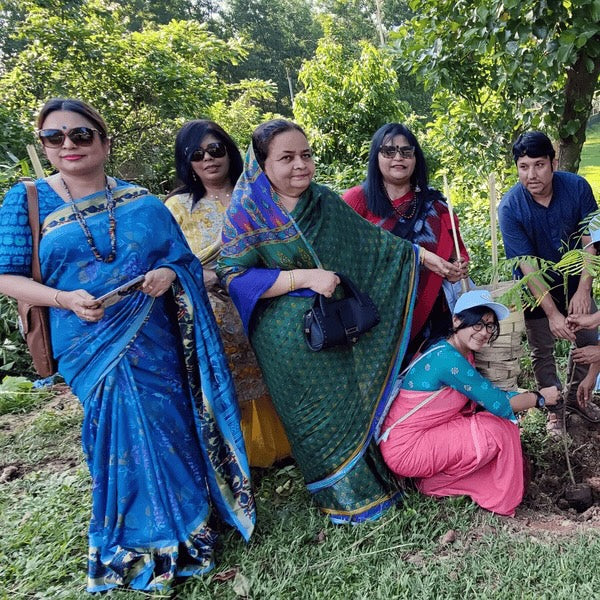
Trees for Corporates - Achieve Net Zero Targets Through Strategic Tree Planting
Trees for Corporates - Strategic Environmental SolutionsTransform your corporate environmental impact with...
-
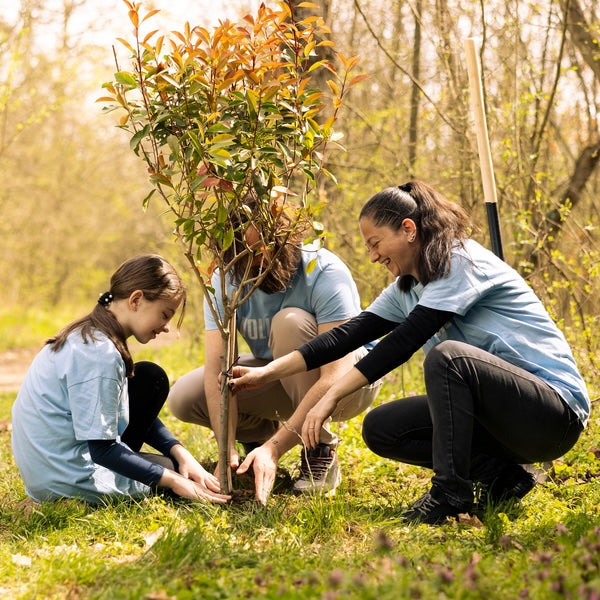
Tree Plantation for CSR - Corporate Environmental Programs | Grow Billion Trees
Tree Plantation for CSR - Transform Your Corporate Environmental ImpactTree plantation for...
-
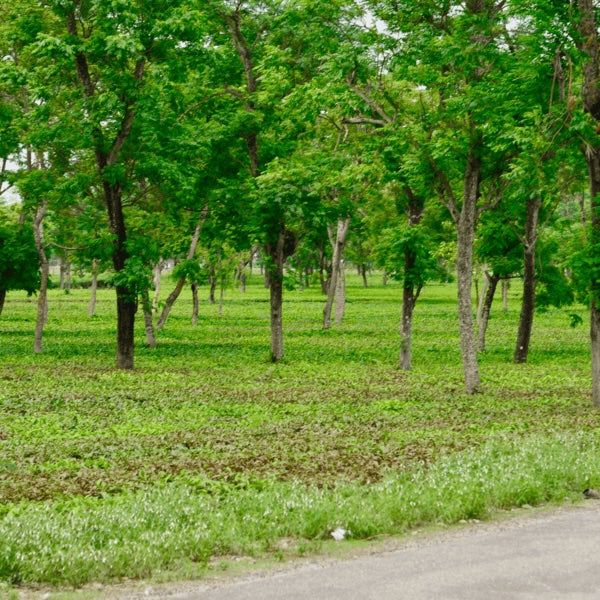
Tree Plantation for SDG - Support Sustainable Development Goals
Tree plantation for SDG initiatives represents a powerful pathway to achieving multiple...
-
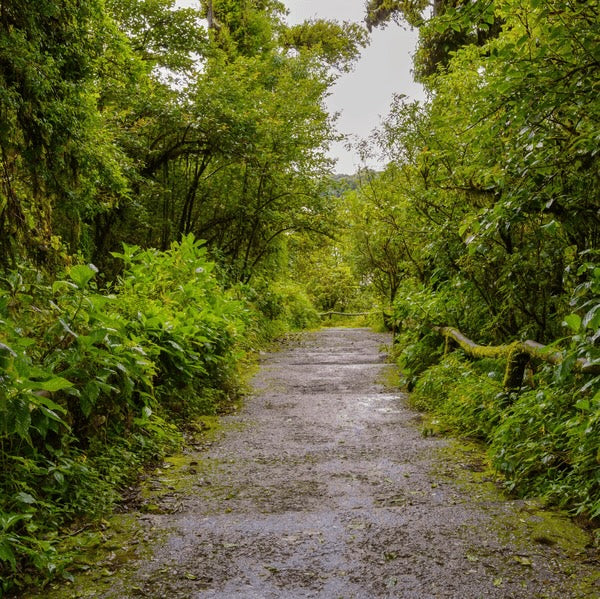
Corporate Tree Plantation Programs - Sustainable ESG Environmental Solutions for Net Zero Targets
Transform your organization's environmental impact with our comprehensive Corporate Tree Plantation Programs...
-
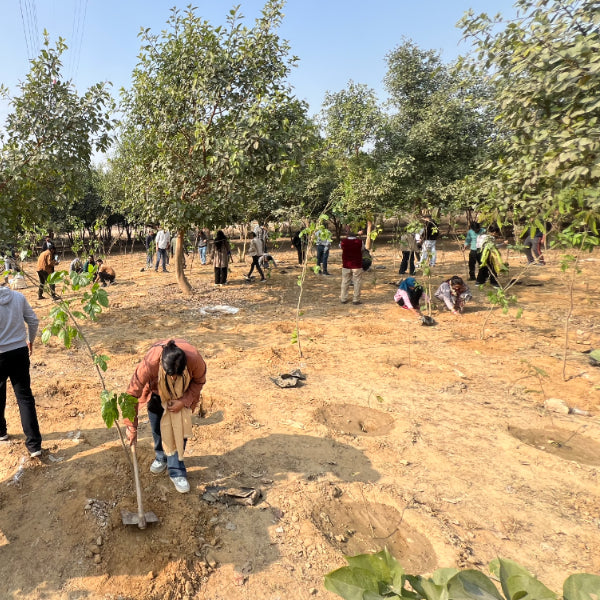
Tree Plantation by Location - Plant Trees Across India
Transform landscapes nationwide through our comprehensive tree plantation by location program. When...
Most Popular Tree Plantations - Top Choices for Environmental Impact
-
Trees for Mother
Regular price ₹ 299Regular priceUnit price per -
Trees to Honor the Memory of your Loved Ones
Regular price ₹ 299Regular priceUnit price per -
Trees for Wedding Anniversary Celebration
Regular price ₹ 299Regular priceUnit price per -
Trees for Grandmother
Regular price ₹ 299Regular priceUnit price per -
Trees for Grandfather
Regular price ₹ 299Regular priceUnit price per

Connect with us
-
👥 Corporates
If you are looking for:
- 🌲 Tree Plantation Events
- 📊 CSR Projects
📧 corporate@growbilliontrees.com
📞 +91 9699723523
💬 +91 9325931304 WhatsApp (Only)
🕒 Mon - Sat | 10am - 7pm IST
-
🧩 Tree Plantation NGOs
If you are looking for:
- 💰 Financial Assistance
- 🤝 Operational Support
📧 support@growbilliontrees.com
📞 +91 9699723523
💬 +91 9325931304 WhatsApp (Only)
🕒 Mon - Sat | 10am - 7pm IST
-
🌼 Individuals
If you are looking for:
- 👥 Group Tree Plantation Drive
- 🌳 Bulk Tree Plantation
📞 +91 9699723523
💬 +91 9325931304 WhatsApp (Only)
🕒 Mon - Sat | 10am - 7pm IST
