
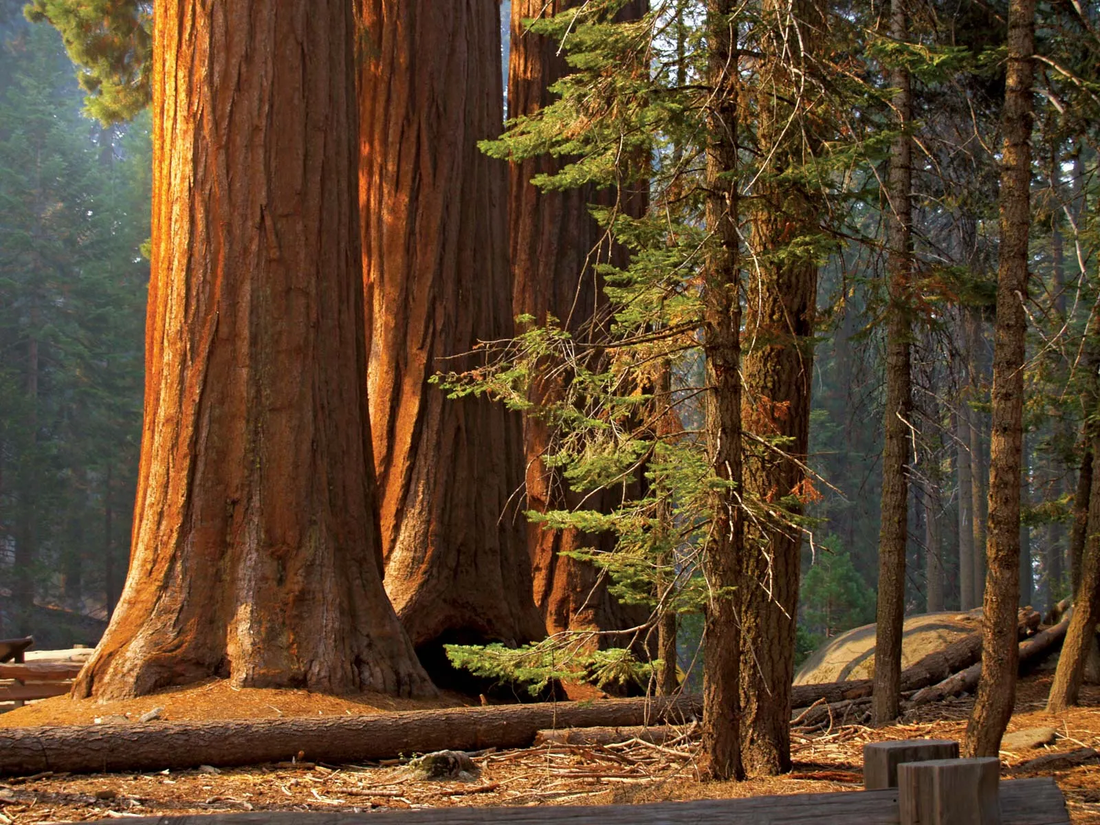
The Giant Redwood Tree, scientifically known as Sequoiadendron giganteum, stands as nature's most magnificent monument. These colossal trees reach heights of over 300 feet and can live for more than 3,000 years, making them some of Earth's largest an Read more
Trending Tree Plantations - Most Popular Environmental Programs
-
Trees for Birthday Celebration - Plant a Meaningful Gift
Regular price ₹ 299Regular priceUnit price per -
Trees for Mother
Regular price ₹ 299Regular priceUnit price per -
Trees as a Gift - Plant Hope & Create Lasting Impact
Regular price ₹ 299Regular priceUnit price per -
Trees to Honor the Memory of your Loved Ones
Regular price ₹ 299Regular priceUnit price per -
Trees for Women's Day (8th Mar)
Regular price ₹ 299Regular priceUnit price per


Trees for Corporates - Achieve Net Zero Targets Through Strategic Tree Planting
-
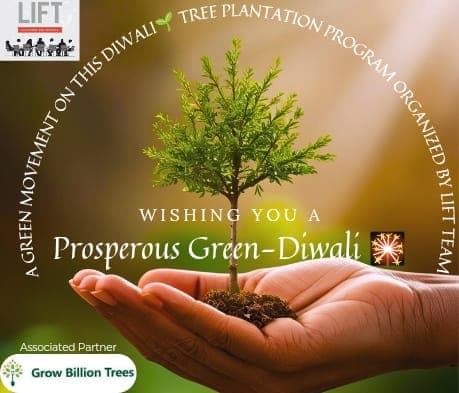
Trees by LIFT Team for Green Diwali - Eco-Friendly Celebration
Regular price ₹ 299Regular priceUnit price per -
Plant Trees for Environment - Climate Action & Green Future
Regular price ₹ 299Regular priceUnit price per -
Trees for a Greener Tomorrow - by Mahindra Lifespaces
Regular price ₹ 299Regular priceUnit price per -
Trees for Farmers - Sustainable Agroforestry Solutions
Regular price ₹ 299Regular priceUnit price per -
Plant Trees for Environment Day (5th Jun) - Make an Impact Today
Regular price ₹ 299Regular priceUnit price per

Giant Redwood Tree: Majestic Forest Giants & Their Secrets
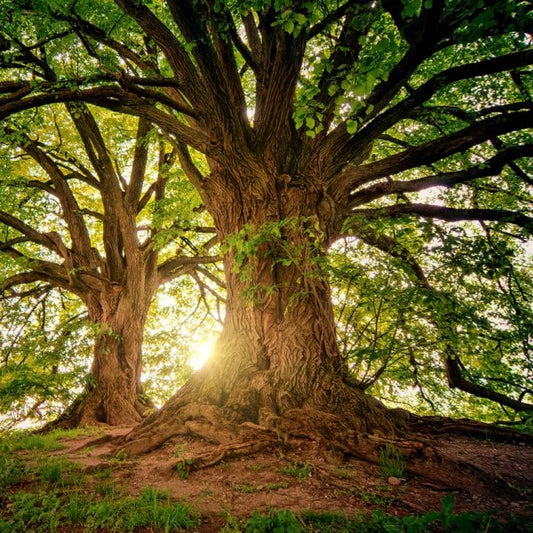
The Giant Redwood Tree, scientifically known as Sequoiadendron giganteum, stands as nature's most magnificent monument. These colossal trees reach heights of over 300 feet and can live for more than 3,000 years, making them some of Earth's largest and oldest living organisms. Found exclusively in California's Sierra Nevada mountains, these towering giants captivate visitors with their immense scale and ancient wisdom.
✅ The Biology of Giant Redwood Trees
Giant Redwood Trees dominate the landscape with their extraordinary dimensions. These natural skyscrapers can reach heights exceeding 300 feet (91 meters), with some specimens estimated to be over 3,000 years old. Their massive trunks measure more than 30 feet (9 meters) in diameter, earning them the distinction of being the largest trees by volume on our planet.
The protective bark of Giant Redwood Trees measures up to 3 feet (0.9 meters) thick and contains rich tannins. This remarkable adaptation shields them from pests, diseases, and the frequent wildfires that sweep through their habitat. According to the United Nations Environment Programme's forest conservation initiatives, these ancient trees represent crucial components of global forest ecosystems.
Giant Redwood Trees employ a fascinating reproductive strategy. Their cones contain tiny seeds about the size of a pea, with each cone holding up to 200 seeds. However, successful germination requires specific environmental conditions including sunlight exposure, adequate moisture, and proper soil composition. Fire plays a crucial role in their reproduction by clearing competing vegetation and allowing sunlight to reach the forest floor.
⭐ Remarkable Facts About Giant Redwood Trees
- Ancient Age: The oldest known Giant Redwood Tree, nicknamed "Methuselah," is estimated at approximately 4,800 years old
- Record Height: "Hyperion," the tallest known specimen, reaches an astonishing 379.7 feet (115.7 meters)
- Fire Resistance: Their thick bark and high moisture content provide exceptional protection against wildfires
- Exclusive Habitat: These trees grow only in a narrow strip along the Sierra Nevada's western slopes
- Carbon Champions: A single mature tree can sequester over 1,000 tons of carbon dioxide
💡 Historical Significance and Cultural Heritage
Giant Redwood Trees have been revered throughout history by various cultures. Native American tribes, including the Miwok and Yokuts, considered these trees sacred and utilized their wood for shelter and canoe construction. The first European settlers were awestruck by their magnificent size, leading to extensive logging operations during the 19th century that nearly drove them to extinction.
The conservation movement began in the late 1800s as people recognized the urgent need to protect these ancient giants. In 1890, Sequoia National Park was established specifically to safeguard Giant Redwood Trees and their unique habitat. Today, multiple national and state parks, including Yosemite National Park, protect these living monuments for future generations.
🌱 Environmental Impact and Ecosystem Services
Giant Redwood Trees serve as cornerstone species in their ecosystems, providing habitat for diverse wildlife including birds, mammals, insects, and fungi. Their massive canopies create unique microclimates that support exceptional biodiversity throughout the Sierra Nevada region. As highlighted by the United Nations Climate Change initiative, these trees function as significant carbon sinks, absorbing substantial amounts of atmospheric carbon dioxide.
The extensive root systems of Giant Redwood Trees stabilize soil, prevent erosion, and promote water retention. This natural infrastructure proves particularly valuable in the Sierra Nevada region, where water resources remain critical for both wildlife populations and human communities. Their presence helps maintain soil quality and supports the broader watershed health.
⚠️ Conservation Challenges and Threats
Despite their impressive resilience, Giant Redwood Trees face mounting pressures from climate change, invasive species, and human development. Rising temperatures and shifting precipitation patterns threaten their growth and reproductive success. Invasive plant species compete with native flora, disrupting the delicate ecological balance these ancient trees depend upon.
Continued logging activities and urban development encroach upon their remaining habitat. The World Wildlife Fund's research on deforestation emphasizes how habitat loss remains a primary threat to old-growth forest ecosystems worldwide, including those supporting Giant Redwood Trees.
🌳 Grow Billion Trees: Combating Climate Change Through Collective Action
Organizations like Grow Billion Trees are actively working to protect and expand forest ecosystems similar to those supporting Giant Redwood Trees. Through our mission to plant 100 crore trees across India, we're creating new forest habitats that can support diverse wildlife and combat climate change effectively.
When you Plant a tree in your Name for just ₹299, you contribute to reforestation efforts that mirror the conservation principles protecting Giant Redwood Trees. Our comprehensive program includes 4ft Tree Planting + 3 Years Care + GeoTag technology, ensuring your tree receives proper nurturing and monitoring. This approach helps organizations and individuals achieve their Net Zero Targets while supporting global forest conservation.
Our specialized programs including Miyawaki forest creation and agroforestry initiatives create diverse ecosystems that can eventually support the kind of biodiversity found in Giant Redwood Tree habitats. Learn more about our tree planting programs and join our mission to restore India's forest cover.
🔬 Scientific Research and Discovery
Recent scientific studies reveal fascinating insights about Giant Redwood Trees' longevity and adaptation mechanisms. Researchers have discovered that these trees continue growing throughout their entire lifespan, with some specimens adding new wood annually even after millennia. Their unique cellular structure allows them to transport water and nutrients efficiently across their enormous height.
Climate scientists study Giant Redwood Trees as natural climate archives, analyzing their growth rings to understand historical weather patterns and environmental changes. This research provides valuable data for predicting future climate scenarios and developing effective conservation strategies.
🌿 Visiting Giant Redwood Tree Groves
Experiencing Giant Redwood Trees in person creates unforgettable memories and deeper environmental awareness. Popular destinations include Sequoia National Park, Kings Canyon National Park, and Yosemite National Park. These protected areas offer hiking trails, visitor centers, and educational programs that showcase the trees' magnificent scale and ecological importance.
When visiting these natural cathedrals, visitors often report profound emotional responses to standing among these ancient giants. The experience frequently inspires people to support conservation efforts and adopt more sustainable lifestyle practices. Many visitors leave with renewed commitment to protecting our planet's remaining old-growth forests.
Frequently Asked Questions
How tall can Giant Redwood Trees grow?
Giant Redwood Trees can reach heights exceeding 300 feet (91 meters), with the tallest known specimen "Hyperion" measuring 379.7 feet. These trees continue growing throughout their entire lifespan, which can span several millennia.
Where do Giant Redwood Trees naturally grow?
Giant Redwood Trees grow exclusively in a narrow strip along the western slopes of California's Sierra Nevada mountains. This unique habitat provides the specific climate and soil conditions these ancient trees require for survival.
How old can Giant Redwood Trees live?
These remarkable trees can live for thousands of years, with some specimens estimated to be over 4,800 years old. Their longevity results from their fire-resistant bark, disease resistance, and ability to continue growing throughout their lifespan.
What makes Giant Redwood Trees so fire-resistant?
Giant Redwood Trees possess thick bark measuring up to 3 feet thick, containing tannins that provide natural fire protection. Their high moisture content and massive size also help them survive wildfires that would destroy other tree species.
How do Giant Redwood Trees reproduce?
Giant Redwood Trees produce cones containing tiny seeds that require specific conditions for germination. Fire plays a crucial role by clearing competing vegetation and creating ideal conditions for seedling establishment.
Why are Giant Redwood Trees important for climate change?
These massive trees serve as significant carbon sinks, sequestering large amounts of atmospheric carbon dioxide. A single mature Giant Redwood Tree can store over 1,000 tons of carbon throughout its lifetime.
Can Giant Redwood Trees be planted outside California?
While Giant Redwood Trees can be cultivated in similar climates worldwide, they thrive best in their native Sierra Nevada habitat. Successful cultivation requires specific soil conditions, moisture levels, and temperature ranges.
What threats do Giant Redwood Trees face today?
Current threats include climate change, invasive species, habitat fragmentation, and human development. Rising temperatures and changing precipitation patterns pose particular challenges for their long-term survival.
How can people help protect Giant Redwood Trees?
Supporting conservation organizations, visiting protected parks responsibly, and participating in reforestation programs help protect these ancient giants. Reducing carbon footprints and supporting sustainable forestry practices also contribute to their conservation.
What wildlife depends on Giant Redwood Tree ecosystems?
These forest ecosystems support diverse wildlife including spotted owls, marbled murrelets, black bears, and numerous bird species. The unique microclimates created by their canopies provide habitat for countless insects, fungi, and smaller plants.Giant Redwood Trees represent nature's most magnificent achievements, standing as living testaments to the power of conservation and environmental stewardship. These ancient giants continue inspiring awe while providing crucial ecosystem services that benefit our entire planet. Through organizations like Grow Billion Trees, we can support similar conservation efforts and create new forest habitats that will nurture biodiversity for generations to come. Join our mission today and help us plant 100 crore trees across India, contributing to a greener, more sustainable future for all.
You may also like
-
Gift a Tree - Meaningful Environmental Gifts That Make a Difference
Transform your gift-giving with meaningful environmental gifts that create lasting impact for...
-
Trees For Shiv Ji - Sacred Tree Planting to Honor Lord Shiva
Honor Lord Shiva through sacred tree planting with Trees For Shiv Ji,...
-
Tree Plantations for Shri Ram - Sacred Devotional Planting Services
Honor Lord Shri Ram through meaningful tree plantations for Shri Ram that...
-
Tree Plantation on Navratri - Celebrate Divine Festivals with Environmental Devotion
Tree plantation on Navratri transforms the sacred nine-day festival into a powerful...
-
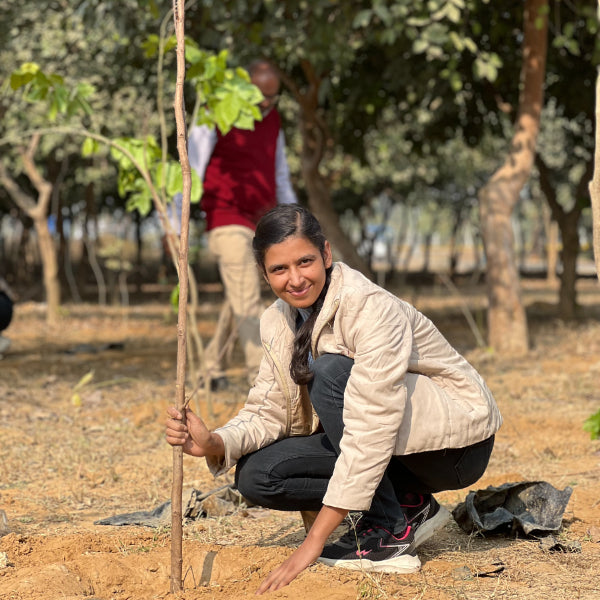
Tree Plantation by Cause - Plant Trees for Every Purpose | Grow Billion Trees
Transform your environmental impact with purpose-driven tree plantation by cause programs that...
Corporate Plantations
-
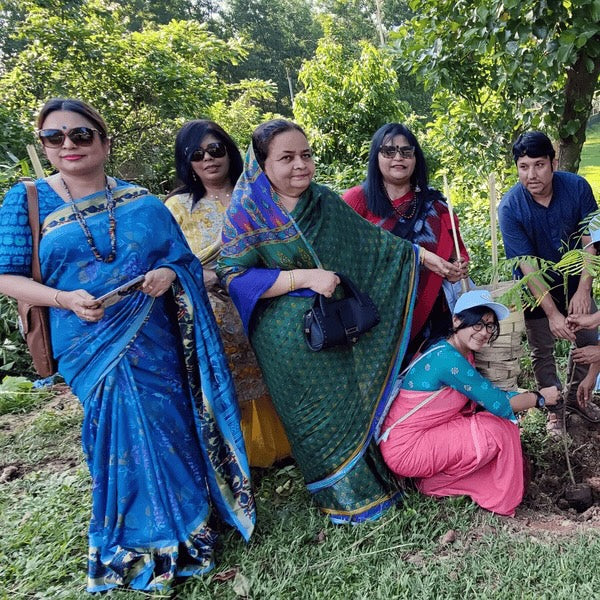
Trees for Corporates - Achieve Net Zero Targets Through Strategic Tree Planting
Trees for Corporates - Strategic Environmental SolutionsTransform your corporate environmental impact with...
-
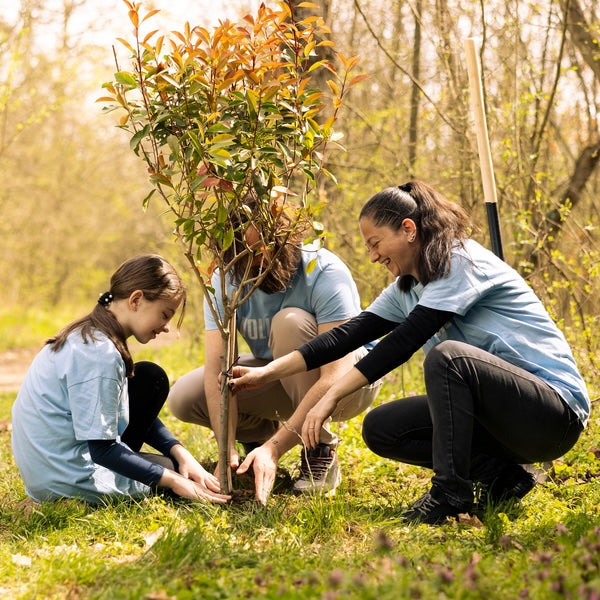
Tree Plantation for CSR - Corporate Environmental Programs | Grow Billion Trees
Tree Plantation for CSR - Transform Your Corporate Environmental ImpactTree plantation for...
-
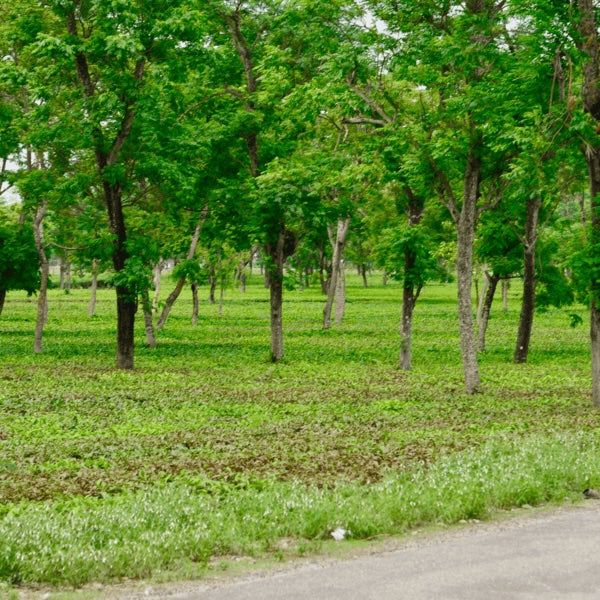
Tree Plantation for SDG - Support Sustainable Development Goals
Tree plantation for SDG initiatives represents a powerful pathway to achieving multiple...
-
Corporate Tree Plantation Programs - Sustainable ESG Environmental Solutions for Net Zero Targets
Corporate Tree Plantation Programs for Sustainable ESG SolutionsTransform your organization's environmental impact...
-
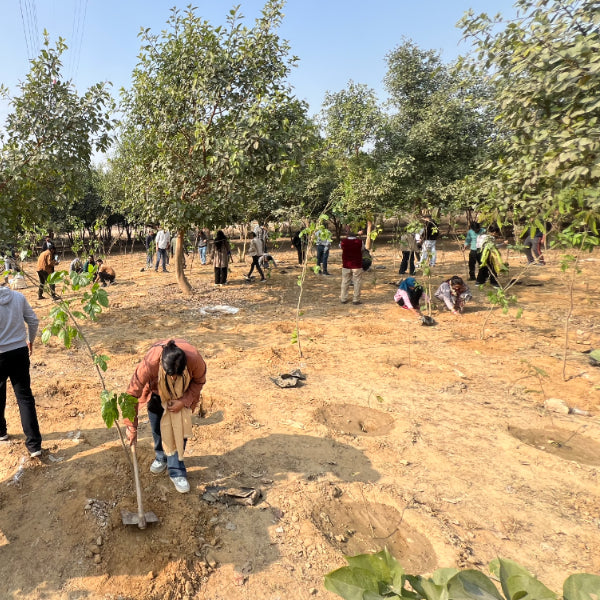
Tree Plantation by Location - Plant Trees Across India
Transform landscapes nationwide through our comprehensive tree plantation by location program. When...
Giant Redwood Habitat
Nestled in the Sierra Nevada mountains, the Giant Redwood's habitat is like a VIP lounge for trees. With its unique climate and rich soil, this exclusive area offers the perfect conditions for these towering giants to thrive. Imagine a tree version of a five-star resort, where the sun shines just right, moisture is abundant, and the competition is kept at bay—thanks to the occasional fire!
Giant Redwood Age
Want to feel young? Meet the Giant Redwood, a tree that scoffs at the concept of aging. With some specimens living over 4,800 years, these ancient wonders have seen more history than most of us can fathom. They’re like the wise old sages of the forest, holding secrets of the Earth’s past in their massive rings.
Giant Redwood Height
Standing tall at a staggering 379.7 feet, the Giant Redwood is the heavyweight champion of the tree world. Forget your average backyard tree; this giant is the skyscraper of the forest. If trees had a “tallest” competition, the Giant Redwood would take home the gold, leaving everyone else looking up in awe.
Giant Redwood Conservation
Saving the Giant Redwood is like trying to preserve a national treasure, and oh boy, do we need a plan! With threats like climate change and invasive species lurking around, organizations like Grow Billion Trees Partners are stepping up to the plate. They’re not just planting trees; they’re planting hope for a greener future, one seed at a time.
Giant Redwood Ecosystem
The Giant Redwood doesn’t just stand there looking majestic; it’s a whole ecosystem in one tree! These giants provide homes for countless species, from birds to fungi, making them the ultimate tree hotel. Their massive canopies create unique microclimates that foster biodiversity, proving that even trees can be social butterflies.
Giant Redwood Fire Resistance
If there were a “Fireproof” award for trees, the Giant Redwood would win hands down. With bark up to 3 feet thick, these trees are like nature’s very own firefighters. They laugh in the face of flames, thanks to their high moisture content and tannin-rich bark, which keeps them safe even in fire-prone areas.
Giant Redwood Reproduction
The Giant Redwood has a reproductive strategy that’s as clever as it is unique. These trees drop tiny cones that house up to 200 seeds, but don’t think it’s a free-for-all! They need just the right conditions—sunlight, moisture, and a bit of fire—to germinate. It’s like nature’s version of a reality show, where only the best seeds get to grow up big and strong.
Giant Redwood Cultural Significance
Throughout history, the Giant Redwood has been more than just a tree; it’s been a cultural icon. Native American tribes revered these giants, using their wood for everything from shelter to canoes. When European settlers stumbled upon them, they were so awestruck that logging became a trend—thankfully, conservation efforts stepped in before it was too late!
Giant Redwood Carbon Sink
If trees had a resume, the Giant Redwood would proudly list “carbon sink” as one of its top skills. These giants absorb massive amounts of carbon dioxide, playing a crucial role in combating climate change. They’re not just pretty faces; they’re working hard to keep our planet healthy and breathable.
Giant Redwood Community Engagement
Grow Billion Trees Partners knows that conservation isn’t a solo act; it takes a village! By engaging local communities in tree-planting efforts, they’re fostering a sense of stewardship for the environment. It’s all about getting everyone involved in the mission to protect these majestic giants and their habitats.
Giant Redwood Soil Quality
The Giant Redwood doesn’t just stand tall; it also plays a vital role in maintaining soil quality. With extensive root systems that stabilize the ground, these trees help prevent erosion and promote water retention. They’re like nature’s gardeners, ensuring that the soil remains rich and healthy for future generations of flora and fauna.
FAQ
What is a Giant Redwood Tree?
The Giant Redwood Tree, or Sequoiadendron giganteum, is nature's skyscraper, towering over the Sierra Nevada at heights exceeding 300 feet. These ancient giants can live for thousands of years, making them the ultimate tree-tastic time travelers!
How tall can Giant Redwoods grow?
Giant Redwoods can reach jaw-dropping heights of over 300 feet, with the tallest known specimen, "Hyperion," stretching to a staggering 379.7 feet. That's like stacking a dozen double-decker buses on top of each other—talk about a tree-mendous sight!
What is the age of the oldest Giant Redwood?
Meet "Methuselah," the oldest known Giant Redwood, estimated to be around 4,800 years old. This tree has witnessed more history than your favorite history teacher—talk about a wise old sage of the forest!
Why is the bark of Giant Redwoods so thick?
Giant Redwoods sport a thick bark that can measure up to 3 feet! This impressive armor is packed with tannins, protecting them from pests, diseases, and even fire. It’s like nature’s very own fire-retardant superhero suit!
What role does fire play in Giant Redwood reproduction?
Fire is the secret ingredient in the Giant Redwood's reproductive recipe! It clears competing vegetation, allowing sunlight to reach the seeds, which need just the right conditions to germinate. Who knew a little fire could spark such a big life cycle
How do Giant Redwoods impact their ecosystem?
These colossal trees are environmental champions, providing habitat for countless species while acting as significant carbon sinks. They stabilize soil and prevent erosion, proving that even giants can be gentle guardians of their ecosystem!
What are the conservation challenges facing Giant Redwoods?
Despite their size, Giant Redwoods face threats like climate change, invasive species, and human encroachment. It’s a tough world out there for these ancient giants, but with a little help, they can continue to stand tall!
How does Grow Billion Trees Partners contribute to conservation?
Grow Billion Trees Partners is on a mission to plant one billion trees, focusing on restoring Giant Redwood forests. They engage communities, foster partnerships, and promote awareness—because saving the planet is a team sport!
How can individuals help conserve Giant Redwoods?
Volunteer with local conservation groups, spread the word about the importance of Giant Redwoods, donate to reforestation efforts, or simply visit and advocate for these majestic trees. Every little action counts!
What makes Giant Redwoods historically significant?
Giant Redwoods have captured the hearts of cultures throughout history. Revered by Native American tribes and awe-inspiring to early settlers, they’ve stood witness to humanity’s journey, reminding us of our connection to nature and the importance of preservation.
Where can I see Giant Redwoods?
To experience the grandeur of Giant Redwoods, visit national and state parks like Sequoia and Yosemite. Walk among these towering giants and feel the magic—they're not just trees; they’re nature’s living monuments waiting to be explored!
Most Popular Tree Plantations - Top Choices for Environmental Impact
-
Trees for Birthday Celebration - Plant a Meaningful Gift
Regular price ₹ 299Regular priceUnit price per -
Trees for Mother
Regular price ₹ 299Regular priceUnit price per -
Trees as a Gift - Plant Hope & Create Lasting Impact
Regular price ₹ 299Regular priceUnit price per -
Trees to Honor the Memory of your Loved Ones
Regular price ₹ 299Regular priceUnit price per -
Sacred Trees for Krishna on Janmashtami - Divine Gift ₹299
Regular price ₹ 299Regular priceUnit price per

Connect with us
-
👥 Corporates
If you are looking for:
- 🌲 Tree Plantation Events
- 📊 CSR Projects
📧 corporate@growbilliontrees.com
📞 +91 9699723523
💬 +91 9325931304 WhatsApp (Only)
🕒 Mon - Sat | 10am - 7pm IST
-
🧩 Tree Plantation NGOs
If you are looking for:
- 💰 Financial Assistance
- 🤝 Operational Support
📧 support@growbilliontrees.com
📞 +91 9699723523
💬 +91 9325931304 WhatsApp (Only)
🕒 Mon - Sat | 10am - 7pm IST
-
🌼 Individuals
If you are looking for:
- 👥 Group Tree Plantation Drive
- 🌳 Bulk Tree Plantation
📞 +91 9699723523
💬 +91 9325931304 WhatsApp (Only)
🕒 Mon - Sat | 10am - 7pm IST
