
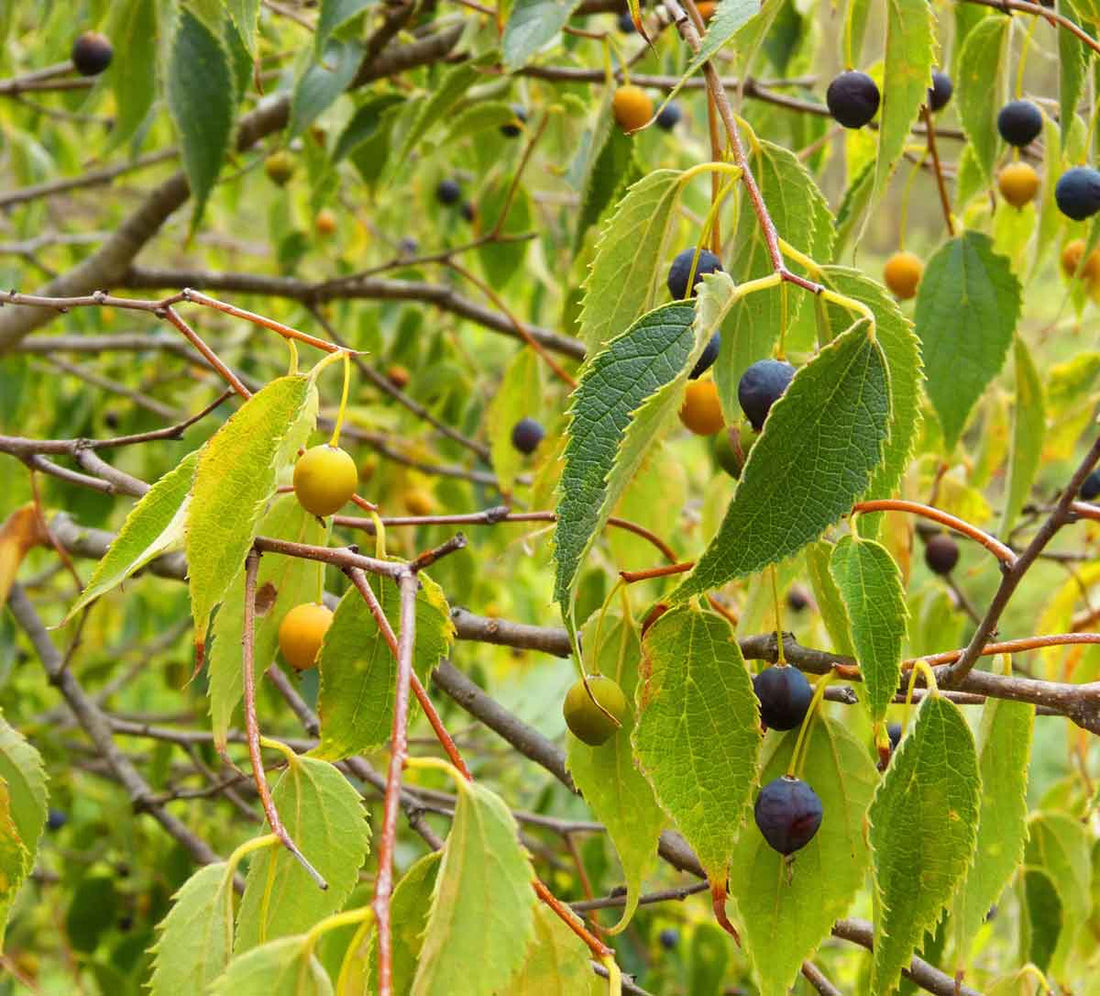
The Hackberry tree (Celtis occidentalis) is a North American native deciduous species reaching 40–60 feet tall, providing wildlife habitat and improving air quality while thriving in challenging urban conditions with minimal maintenance and adapting Read more
Trending Tree Plantations - Most Popular Environmental Programs
-
Trees for Birthday Celebration: Plant Meaningful Green Gifts
Regular price ₹ 299Regular priceUnit price per -
Trees for Mother
Regular price ₹ 299Regular priceUnit price per -
Trees as a Gift: Plant Hope & Create Lasting Environmental Impact
Regular price ₹ 299Regular priceUnit price per -
Trees to Honor the Memory of your Loved Ones
Regular price ₹ 299Regular priceUnit price per -
Trees for Women's Day (8th Mar)
Regular price ₹ 299Regular priceUnit price per


Trees for Corporates - Achieve Net Zero Targets Through Strategic Tree Planting
-
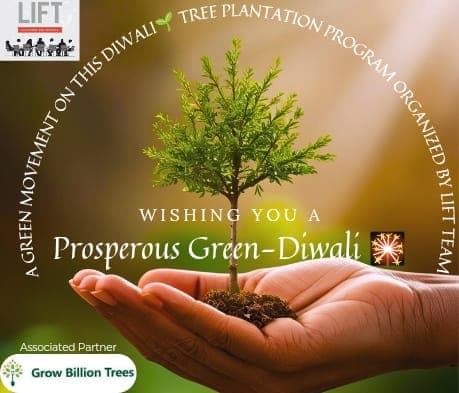 Project Closed
Trees by LIFT Team for Green Diwali: Transform Your Festival
Regular price ₹ 299Regular priceUnit price per -
Trees for a Greener Tomorrow - by Mahindra Lifespaces
Regular price ₹ 299Regular priceUnit price per -
Trees for Environment Day: Plant Your Impact on June 5th
Regular price ₹ 299Regular priceUnit price per -
Trees for Farmers: Sustainable Agroforestry Solutions for 2026
Regular price ₹ 299Regular priceUnit price per -
Trees for Employees: Transform Your Corporate Culture in 2026
Regular price ₹ 299Regular priceUnit price per

Hackberry Tree Guide: Benefits, Care & Unique Features
The Hackberry tree (Celtis occidentalis) is a North American native deciduous species reaching 40–60 feet tall, providing wildlife habitat and improving air quality while thriving in challenging urban conditions with minimal maintenance and adapting to varied soil types including clay, loam, and sand.
The Hackberry tree (Celtis occidentalis) stands as one of North America's most resilient and beneficial native species, offering exceptional environmental value while requiring minimal maintenance. This remarkable deciduous tree provides crucial habitat for wildlife, improves air quality, and thrives in challenging urban conditions where other species struggle.
Our experience with tree planting initiatives has shown that Hackberry trees are among the most adaptable species for diverse environments. At Grow Billion Trees, we've found these trees to be exceptionally successful in both urban forestry projects and rural restoration efforts, making them ideal candidates for our mission to Plant a tree in your Name across India.
✅ What Makes the Hackberry Tree Special
The Hackberry tree is a member of the Ulmaceae family and can grow up to 40-60 feet tall, with a spread of 30-50 feet. Its bark is distinctive, with a grayish-brown color and a warty texture, making it easily identifiable. The leaves are oval-shaped, serrated, and have a dark green color, turning a beautiful yellow in the fall.
One of the most appealing aspects of the Hackberry tree is its adaptability to various soil types, including clay, loam, and sandy soils. This versatility allows it to thrive in diverse environments, from riverbanks to urban settings, supporting our goal of Combating Climate Change Through Collective Action.
⭐ Environmental Benefits of Hackberry Trees
Hackberry trees play a crucial role in environmental restoration and sustainability. According to the United Nations Sustainable Development Goals, urban forestry initiatives like tree planting are essential for creating sustainable cities and communities.
Air Quality Improvement
These trees excel at absorbing carbon dioxide and releasing oxygen, contributing significantly to air purification. A mature Hackberry tree can absorb approximately 48 pounds of CO2 annually, making it an excellent choice for organizations pursuing Net Zero Targets.
Wildlife Habitat and Biodiversity
Hackberry trees provide habitat and food for various wildlife species, including birds, insects, and small mammals. The berries produced by Hackberry trees serve as a vital food source for birds such as cedar waxwings and American robins, contributing to biodiversity in the ecosystem.
Erosion Control
With their extensive root systems, Hackberry trees help stabilize soil and prevent erosion, particularly in areas prone to runoff. This characteristic proves especially beneficial for riparian zones and slopes, supporting natural water management systems.
💡 Unique Features That Set Hackberry Trees Apart
Distinctive Warty Bark
The Hackberry's bark is one of its most recognizable features. It has a rough, warty texture that can resemble elm tree bark but with unique characteristics. This distinctive bark not only adds aesthetic appeal but also provides habitat for various insects and birds.
Nutritious Fruit Production
Hackberry trees produce small, round drupes that ripen in late summer to early fall. These berries have been used historically by Native American tribes for various purposes, including as a food source and for medicinal applications. The fruit contains high levels of protein, carbohydrates, and essential fatty acids.
Urban Tolerance
Hackberry trees demonstrate exceptional tolerance to urban conditions, including compacted soil, pollution, and drought. This adaptability makes them a popular choice for urban forestry initiatives, where they can thrive despite challenging environmental factors.
🌱 Complete Care Guide for Hackberry Trees
While Hackberry trees are remarkably low maintenance, proper care ensures optimal health and longevity. Our 4ft Tree Planting + 3 Years Care + GeoTag program includes comprehensive care protocols for maximum success.
→ Planting Requirements
When planting a Hackberry tree, select a location that receives full sun to partial shade. Ensure the soil is well-drained with a pH between 6.0 and 7.5. Dig a hole twice as wide as the root ball and the same depth. Place the tree carefully, backfill with soil, and water thoroughly.
→ Watering Guidelines
During the first growing season, provide regular watering to establish the root system. Once established, Hackberry trees become drought-tolerant and require minimal additional watering, making them perfect for water-conscious landscaping.
→ Pruning Best Practices
Pruning should occur during the dormant season to remove dead or damaged branches and shape the tree. Avoid heavy pruning, as Hackberry trees naturally develop beautiful form. Light pruning promotes healthy growth and maintains structural integrity.
→ Fertilization Needs
Hackberry trees generally don't require fertilization. However, if growth appears stunted, apply a balanced fertilizer in early spring. These trees typically thrive in native soil conditions without additional nutrients.
🌍 Environmental Impact and Sustainability
The environmental significance of Hackberry trees extends far beyond their immediate growing area. Research from the United Nations Environment Programme on forests emphasizes the critical role of native tree species in ecosystem restoration and climate change mitigation.
Hackberry trees contribute to carbon sequestration, with mature specimens storing significant amounts of carbon in their biomass and root systems. This makes them valuable assets in our mission to plant 100 crore trees for maximum environmental impact.
Historical and Cultural Significance
The Hackberry tree has rich historical importance, particularly among Native American tribes. Its berries were an important food source, and various parts of the tree were used for medicinal purposes. The tree's wood is valued for its strength and workability, making it suitable for furniture and cabinetry.
Native American tribes called the Hackberry "sugarberry" due to the sweet taste of its fruit. They ground the berries into meal for making cakes and used the tree's inner bark for various medicinal applications.
Urban Forestry Applications
Hackberry trees excel in urban environments where other species struggle. Their tolerance to air pollution, compacted soil, and limited water makes them ideal for city streets, parks, and commercial landscapes. Many municipalities have adopted Hackberry trees for their urban forestry programs due to their reliability and low maintenance requirements.
The World Wildlife Fund's forest conservation initiatives highlight the importance of selecting appropriate tree species for urban reforestation projects, with native species like Hackberry providing the best long-term outcomes.
Growing Hackberry Trees: Tips for Success
Successfully growing Hackberry trees requires understanding their natural preferences and growth patterns. These trees prefer full sun but tolerate partial shade, making them versatile for various landscape situations.
Soil Conditions
Hackberry trees adapt to various soil types but perform best in well-drained, fertile soils. They tolerate both acidic and alkaline conditions, with optimal pH ranging from 6.0 to 7.5. Good drainage prevents root rot and promotes healthy development.
Climate Considerations
These hardy trees tolerate temperature extremes, from -30°F to over 100°F, making them suitable for diverse climate zones. They're particularly well-suited for areas with hot, dry summers and cold winters.
Pest and Disease Resistance
One of the Hackberry tree's greatest advantages is its natural resistance to pests and diseases. While occasionally affected by aphids or scale insects, these issues rarely cause significant damage. The tree's robust immune system makes it an excellent low-maintenance choice for both residential and commercial landscapes.
Propagation and Nursery Care
Hackberry trees can be propagated from seeds collected in fall when berries are ripe. Seeds require cold stratification for 60-90 days before planting. Alternatively, young trees are readily available from nurseries and establish quickly when planted correctly.
⚠️ Common Mistakes to Avoid
While Hackberry trees are forgiving, certain mistakes can impact their health and growth:
- Overwatering established trees can lead to root problems
- Heavy pruning disrupts natural growth patterns
- Planting in poorly drained soils increases disease risk
- Fertilizing unnecessarily can promote excessive soft growth
Frequently Asked Questions
How fast do Hackberry trees grow?
Hackberry trees are moderate to fast growers, typically adding 12-24 inches of height per year under optimal conditions. Young trees establish quickly and reach maturity in 20-30 years.
Are Hackberry tree berries edible for humans?
Yes, Hackberry berries are edible and have been consumed by Native Americans for centuries. They have a sweet flavor and can be eaten fresh or dried, though they contain a large seed relative to the fruit size.
Do Hackberry trees attract wildlife?
Absolutely! Hackberry trees are excellent wildlife trees, attracting over 40 bird species that feed on their berries. They also support various insects and provide nesting sites for birds.
How much space does a Hackberry tree need?
Allow 30-50 feet between Hackberry trees and other large plants to accommodate their mature canopy spread. Consider overhead power lines and nearby structures when selecting planting locations.
Can Hackberry trees survive drought conditions?
Once established, Hackberry trees are highly drought-tolerant and can survive extended dry periods. This makes them excellent choices for xeriscaping and low-water landscapes.
What's the lifespan of a Hackberry tree?
Hackberry trees typically live 150-200 years with proper care. Some specimens have been documented living over 300 years, making them excellent long-term investments for landscapes.
Do Hackberry trees have invasive roots?
No, Hackberry trees have non-invasive root systems that spread widely but don't typically damage foundations, sidewalks, or underground utilities when planted with adequate space.
When is the best time to plant Hackberry trees?
Plant Hackberry trees in early spring or fall when temperatures are moderate and rainfall is typically more abundant. This timing allows for optimal root establishment before extreme weather.
Are Hackberry trees good for carbon sequestration?
Yes, Hackberry trees are excellent carbon sequesters. A mature tree can store several tons of carbon dioxide equivalent over its lifetime, contributing significantly to climate change mitigation efforts.
Can I grow Hackberry trees in containers?
Young Hackberry trees can be grown in large containers temporarily, but they eventually need to be planted in the ground to reach their full potential. Container growing is suitable for the first 2-3 years.
Supporting Global Reforestation Efforts
At Grow Billion Trees, we recognize the exceptional value of native species like the Hackberry tree in our reforestation initiatives. While our primary focus is on Indian native species for our domestic projects, we support global knowledge sharing about beneficial trees like the Hackberry that demonstrate the principles of successful urban forestry.
Our commitment to environmental restoration extends beyond borders, as climate change requires global cooperation and action. By learning from successful species like the Hackberry tree, we can apply similar principles to our Indian tree planting programs, ensuring we select the most appropriate native species for each specific ecosystem.
The Hackberry tree exemplifies the qualities we seek in all our tree planting initiatives: environmental benefits, low maintenance requirements, wildlife support, and climate resilience. These characteristics align perfectly with our mission to create sustainable forests that thrive for generations while supporting local ecosystems and communities.
Discover how you can Plant a tree in your Name for ₹299 and join our mission to create a greener, more sustainable future. Together, we can make a lasting impact on our planet's health while supporting local communities and wildlife habitats through thoughtful tree selection and care.
You may also like
-
Gift a Tree - Meaningful Environmental Gifts That Make a Difference
Transform your gift-giving with meaningful environmental gifts that create lasting impact for...
-
Trees For Shiv Ji - Sacred Tree Planting to Honor Lord Shiva
Honor Lord Shiva through sacred tree planting with Trees For Shiv Ji,...
-

Tree Plantations for Shri Ram - Sacred Devotional Planting Services
Honor Lord Shri Ram through meaningful tree plantations for Shri Ram that...
-
Tree Plantation on Navratri - Celebrate Divine Festivals with Environmental Devotion
Tree plantation on Navratri transforms the sacred nine-day festival into a powerful...
-
Tree Plantation by Cause - Plant Trees for Every Purpose | Grow Billion Trees
Transform your environmental impact with purpose-driven tree plantation by cause programs that...
Corporate Plantations
-
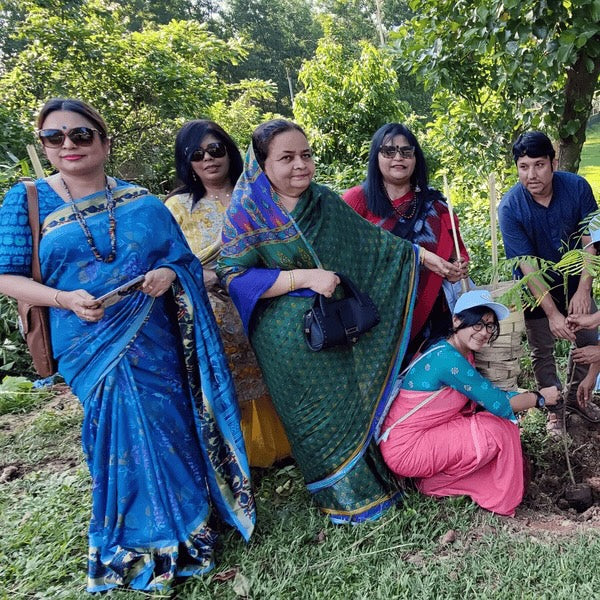
Trees for Corporates - Achieve Net Zero Targets Through Strategic Tree Planting
Trees for Corporates - Strategic Environmental SolutionsTransform your corporate environmental impact with...
-
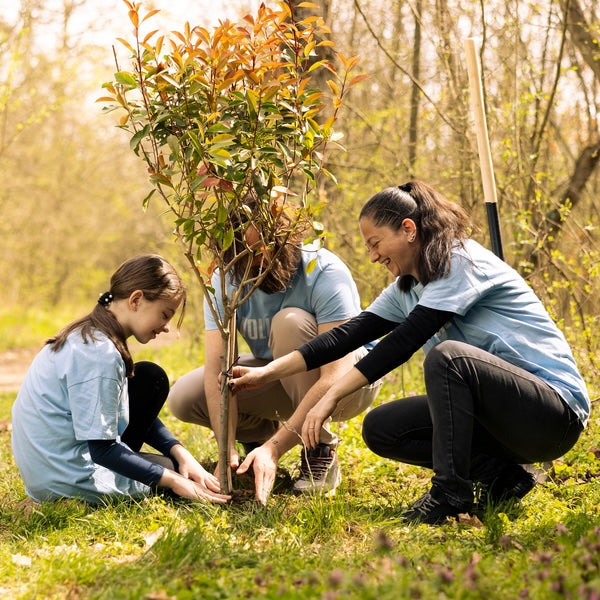
Tree Plantation for CSR - Corporate Environmental Programs | Grow Billion Trees
Tree Plantation for CSR - Transform Your Corporate Environmental ImpactTree plantation for...
-
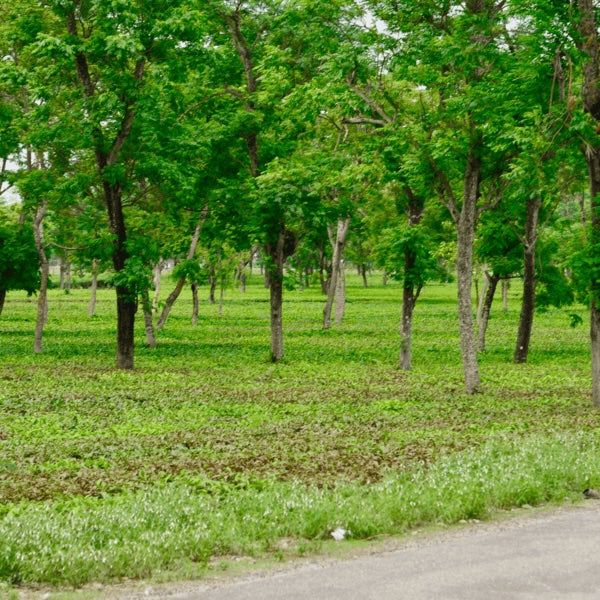
Tree Plantation for SDG - Support Sustainable Development Goals
Tree plantation for SDG initiatives represents a powerful pathway to achieving multiple...
-
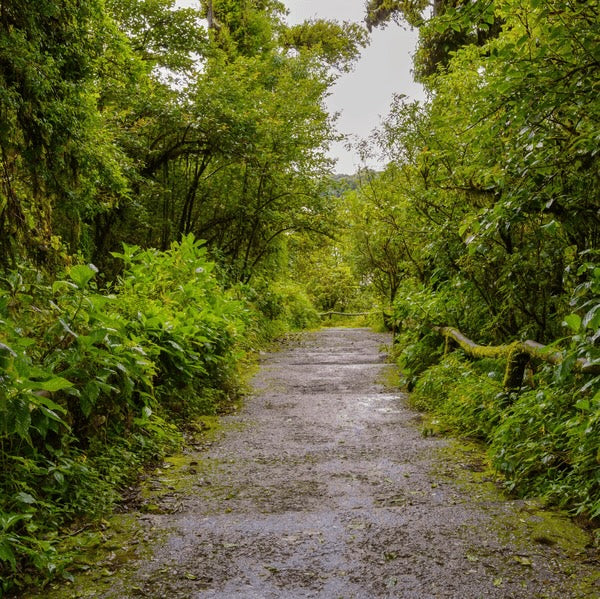
Corporate Tree Plantation Programs - Sustainable ESG Environmental Solutions for Net Zero Targets
Transform your organization's environmental impact with our comprehensive Corporate Tree Plantation Programs...
-
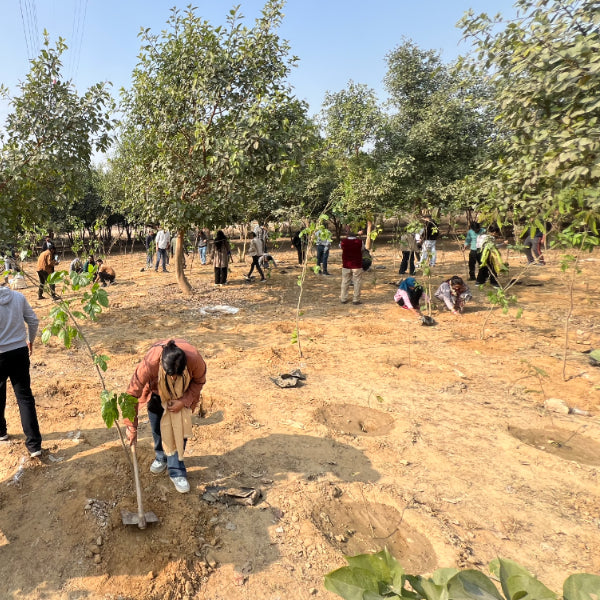
Tree Plantation by Location - Plant Trees Across India
Transform landscapes nationwide through our comprehensive tree plantation by location program. When...
Most Popular Tree Plantations - Top Choices for Environmental Impact
-
Trees for Birthday Celebration: Plant Meaningful Green Gifts
Regular price ₹ 299Regular priceUnit price per -
Trees for Mother
Regular price ₹ 299Regular priceUnit price per -
Trees as a Gift: Plant Hope & Create Lasting Environmental Impact
Regular price ₹ 299Regular priceUnit price per -
Trees to Honor the Memory of your Loved Ones
Regular price ₹ 299Regular priceUnit price per -
Trees for Krishna on Janmashtami - Sacred Divine Gift ₹299
Regular price ₹ 299Regular priceUnit price per

Connect with us
-
👥 Corporates
If you are looking for:
- 🌲 Tree Plantation Events
- 📊 CSR Projects
📧 corporate@growbilliontrees.com
📞 +91 9699723523
💬 +91 9325931304 WhatsApp (Only)
🕒 Mon - Sat | 10am - 7pm IST
-
🧩 Tree Plantation NGOs
If you are looking for:
- 💰 Financial Assistance
- 🤝 Operational Support
📧 support@growbilliontrees.com
📞 +91 9699723523
💬 +91 9325931304 WhatsApp (Only)
🕒 Mon - Sat | 10am - 7pm IST
-
🌼 Individuals
If you are looking for:
- 👥 Group Tree Plantation Drive
- 🌳 Bulk Tree Plantation
📞 +91 9699723523
💬 +91 9325931304 WhatsApp (Only)
🕒 Mon - Sat | 10am - 7pm IST
