
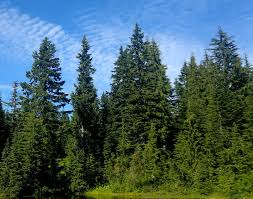
When we think of majestic conifers, the Hemlock tree (Tsuga spp.) often comes to mind. Known for its stunning beauty and significant ecological roles, the Hemlock tree is a fascinating species that captivates both nature enthusiasts and scientists al Read more
Trending Tree Plantations - Most Popular Environmental Programs
-
Trees for Mother
Regular price ₹ 299Regular priceUnit price per -
Trees to Honor the Memory of your Loved Ones
Regular price ₹ 299Regular priceUnit price per -
Trees for Women's Day (8th Mar)
Regular price ₹ 299Regular priceUnit price per -
Trees for Wedding Anniversary Celebration
Regular price ₹ 299Regular priceUnit price per -
Trees for Grandmother
Regular price ₹ 299Regular priceUnit price per



Trees for Corporates - Achieve Net Zero Targets Through Strategic Tree Planting
-
 Project Closed
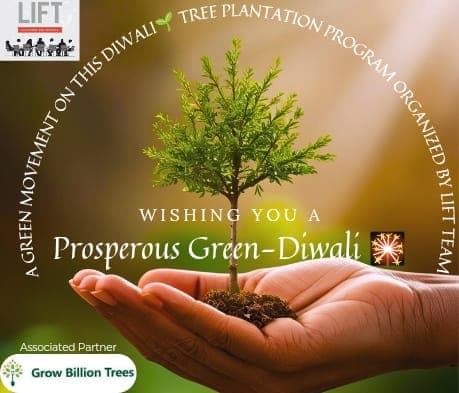
Trees by LIFT Team for Green Diwali: Transform Your Festival
Regular price ₹ 299Regular priceUnit price per -
Trees for a Greener Tomorrow - by Mahindra Lifespaces
Regular price ₹ 299Regular priceUnit price per -
Trees for Environment Day: Plant Your Impact on June 5th
Regular price ₹ 299Regular priceUnit price per -
 Project Closed
Trees for Bangalore: Plant Native Trees in Garden City ₹299
Regular price ₹ 799Regular priceUnit price per -
Trees for Employees: Transform Your Corporate Culture in 2026
Regular price ₹ 299Regular priceUnit price per

Hemlock Tree: The Enigmatic Beauty and Hidden Dangers of This Majestic
When we think of majestic conifers, the Hemlock tree (Tsuga spp.) often comes to mind. Known for its stunning beauty and significant ecological roles, the Hemlock tree is a fascinating species that captivates both nature enthusiasts and scientists alike.
However, beneath its enchanting exterior lies a complex narrative of environmental importance, historical significance, and hidden dangers that warrant exploration.
In this blog, we will delve into the various aspects of the Hemlock tree, including its characteristics, ecological impact, historical context, and the ongoing conservation efforts spearheaded by organizations like Grow Billion Trees Partners.
Characteristics of the Hemlock Tree
The Hemlock tree is a member of the Pinaceae family, which includes other well-known conifers such as pines and spruces. There are several species of Hemlock, but the most common are the Eastern Hemlock (Tsuga canadensis) and the Western Hemlock (Tsuga heterophylla).
These evergreen trees can grow to impressive heights, with the Eastern Hemlock reaching up to 100 feet and the Western Hemlock soaring even higher, sometimes exceeding 200 feet.
One of the most distinctive features of Hemlock trees is their needle-like leaves, which are typically flat and soft to the touch. The leaves are dark green on the top and have a silvery-white underside, creating a beautiful contrast that adds to their aesthetic appeal. Hemlocks also produce small, cylindrical cones that can be less than an inch long, further contributing to their unique beauty.
Ecological Importance
Hemlock trees play a vital role in their ecosystems. They provide essential habitat for numerous species of wildlife, including birds, mammals, and insects. The dense foliage of Hemlocks offers shelter and nesting sites, while the trees' seeds are a food source for various animals. Additionally, Hemlocks contribute to the overall health of forest ecosystems by providing shade and regulating soil moisture, which benefits understory plants.
Moreover, Hemlocks are known for their ability to sequester carbon dioxide, making them valuable allies in the fight against climate change. A study published in the journal Forest Ecology and Management indicated that Hemlock trees can store significant amounts of carbon in their biomass, highlighting their importance in mitigating greenhouse gas emissions.
Fun Facts About Hemlock Trees
- Hemlocks can live for several hundred years, with some specimens estimated to be over 1,000 years old.
- The bark of the Eastern Hemlock has been historically used by Indigenous peoples for its medicinal properties, including treating ailments like coughs and fevers.
- Hemlocks are shade-tolerant trees, which allows them to thrive in the understory of mixed forests.
- The wood of the Hemlock tree is lightweight and resistant to decay, making it a popular choice for construction and furniture.
Historical Context
The Hemlock tree has a rich history intertwined with human culture. In the early days of North American colonization, Hemlocks were highly valued for their timber, which was used in shipbuilding and construction. The bark was also harvested for its tannins, which were essential for leather production.
However, the Hemlock tree's historical significance goes beyond its economic value. It has been a symbol of resilience and endurance in various cultures. In some Native American traditions, Hemlocks were seen as sacred trees, representing strength and protection. The tree's ability to thrive in challenging environments has made it a powerful symbol of survival and adaptability.
Hidden Dangers: Hemlock Woolly Adelgid
Despite their beauty and ecological importance, Hemlock trees face significant threats, primarily from the Hemlock Woolly Adelgid (Adelges tsugae), an invasive insect that has wreaked havoc on Hemlock populations across North America. This tiny, sap-sucking insect feeds on the tree's nutrients, leading to decline and eventual death if left unchecked.
The Hemlock Woolly Adelgid was first identified in the eastern United States in the 1950s and has since spread to many regions, causing severe damage to Hemlock forests. A study published in the journal Ecological Applications estimated that the Hemlock Woolly Adelgid could lead to the loss of 50% to 80% of Hemlock trees in infested areas, resulting in significant ecological consequences, including changes in forest composition and habitat loss for wildlife.
Efforts to combat the Hemlock Woolly Adelgid have included biological control methods, such as introducing natural predators like the Laricobius nigrinus beetle, which feeds on the adelgid. However, these efforts require ongoing monitoring and research to ensure their effectiveness and minimize any unintended consequences.
Environmental Impact
The decline of Hemlock trees due to the Hemlock Woolly Adelgid has far-reaching environmental implications. Hemlocks are integral to maintaining the structure and function of forest ecosystems. Their loss can lead to increased sunlight penetration, resulting in changes to the understory plant community and altering the habitat for various species.
Furthermore, Hemlocks play a crucial role in regulating water flow in forested watersheds. Their dense root systems help stabilize soil and prevent erosion, while their ability to intercept rainfall contributes to maintaining water quality in nearby streams and rivers. The loss of Hemlocks can lead to increased runoff, sedimentation, and changes in water temperature, ultimately impacting aquatic ecosystems.
Grow Billion Trees Partners: A Commitment to Conservation
In response to the challenges facing Hemlock trees and other vital ecosystems, organizations like Grow Billion Trees Partners have emerged as leaders in reforestation and conservation efforts. This initiative focuses on planting billions of trees worldwide, with a particular emphasis on restoring native species like Hemlocks.
Grow Billion Trees Partners employs a multifaceted approach to execute and promote their projects. Their efforts include:
- Community Engagement: The organization collaborates with local communities, schools, and volunteers to raise awareness about the importance of reforestation and the ecological value of Hemlocks. Educational programs and workshops empower individuals to take action in their own backyards.
- Restoration Projects: Grow Billion Trees Partners identifies areas that have been severely impacted by deforestation or invasive species and implements restoration projects that prioritize the planting of native trees, including Hemlocks. These projects aim to restore ecological balance and enhance biodiversity.
- Research and Monitoring: The organization invests in research to understand the best practices for planting and nurturing Hemlocks in various environments. Ongoing monitoring ensures that planted trees thrive and contribute to the overall health of the ecosystem.
- Partnerships: Collaborating with government agencies, conservation organizations, and academic institutions, Grow Billion Trees Partners amplifies their impact and leverages resources for successful reforestation efforts.
By promoting the planting of Hemlock trees and other native species, Grow Billion Trees Partners aims to create resilient ecosystems that can withstand the challenges posed by climate change and invasive species. Their commitment to conservation not only benefits Hemlocks but also supports a wide array of wildlife and enhances the overall health of our planet.
Conclusion
In conclusion, the Hemlock tree stands as a testament to the intricate relationships within our ecosystems. Its beauty and ecological importance are matched only by the challenges it faces in a changing world. As we continue to learn about the Hemlock's role in our environment, it becomes increasingly clear that concerted efforts are needed to protect and restore this majestic conifer.
Organizations like Grow Billion Trees Partners are at the forefront of these efforts, demonstrating that through education, community engagement, and strategic restoration projects, we can work together to preserve the Hemlock tree and the ecosystems it supports.
By understanding the enigmatic beauty and hidden dangers of the Hemlock tree, we can foster a deeper appreciation for nature and inspire action to safeguard our planet for future generations.
You may also like
-

Gift a Tree - Meaningful Environmental Gifts That Make a Difference
Transform your gift-giving with meaningful environmental gifts that create lasting impact for...
-
Trees For Shiv Ji - Sacred Tree Planting to Honor Lord Shiva
Honor Lord Shiva through sacred tree planting with Trees For Shiv Ji,...
-

Tree Plantations for Shri Ram - Sacred Devotional Planting Services
Honor Lord Shri Ram through meaningful tree plantations for Shri Ram that...
-
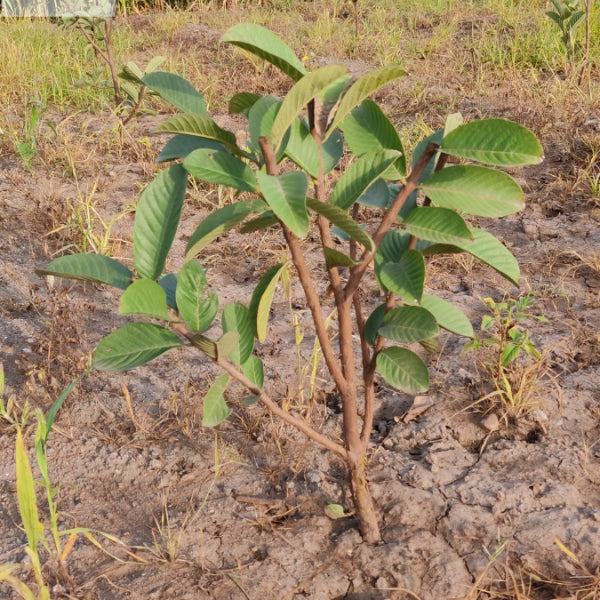
Tree Plantation on Navratri - Celebrate Divine Festivals with Environmental Devotion
Tree plantation on Navratri transforms the sacred nine-day festival into a powerful...
-
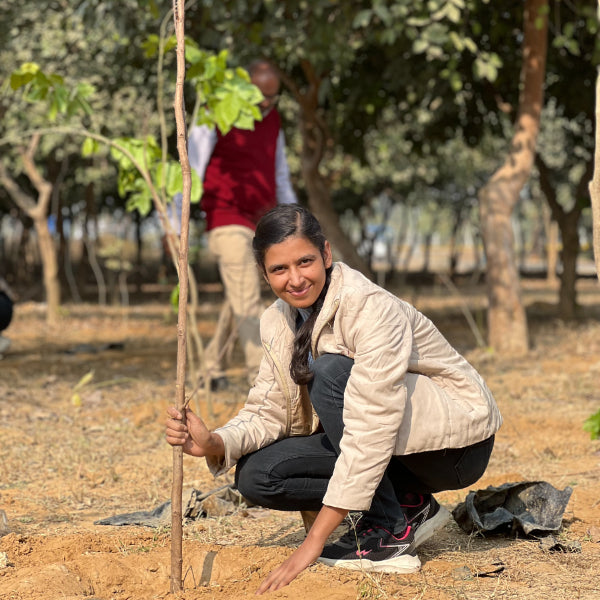
Tree Plantation by Cause - Plant Trees for Every Purpose | Grow Billion Trees
Transform your environmental impact with purpose-driven tree plantation by cause programs that...
Corporate Plantations
-
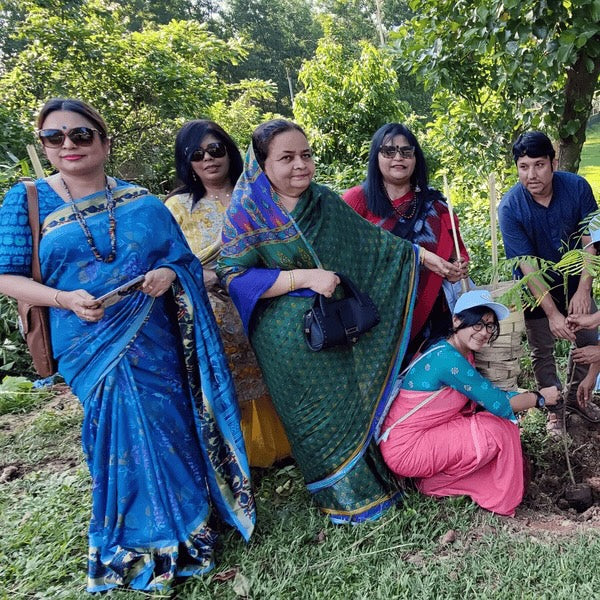
Trees for Corporates - Achieve Net Zero Targets Through Strategic Tree Planting
Trees for Corporates - Strategic Environmental SolutionsTransform your corporate environmental impact with...
-
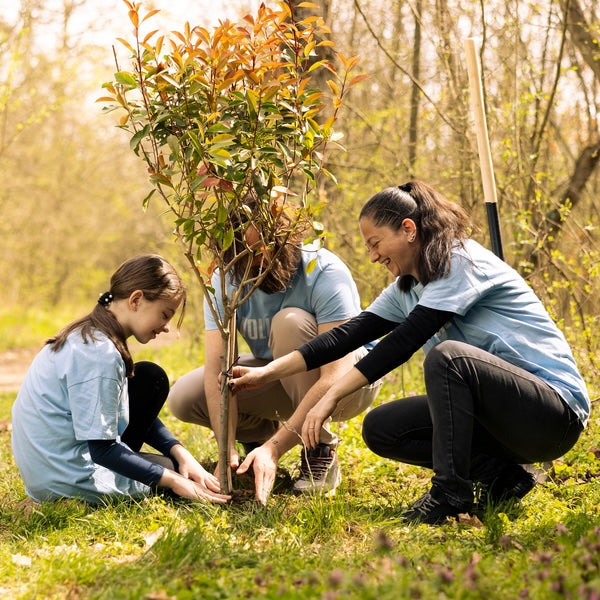
Tree Plantation for CSR - Corporate Environmental Programs | Grow Billion Trees
Tree Plantation for CSR - Transform Your Corporate Environmental ImpactTree plantation for...
-
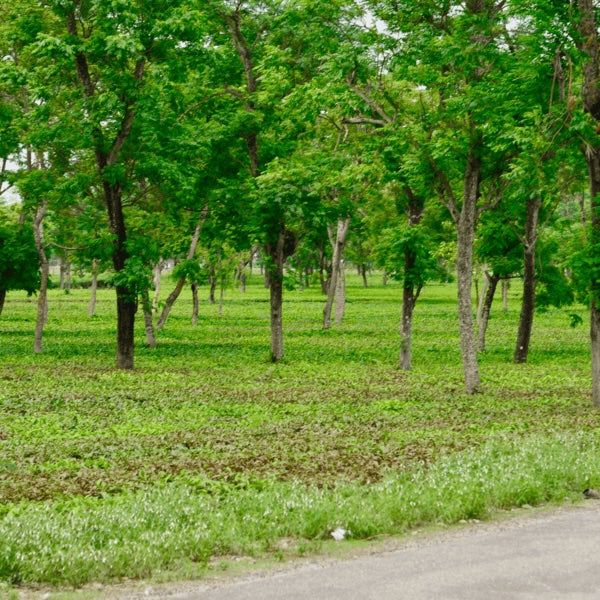
Tree Plantation for SDG - Support Sustainable Development Goals
Tree plantation for SDG initiatives represents a powerful pathway to achieving multiple...
-
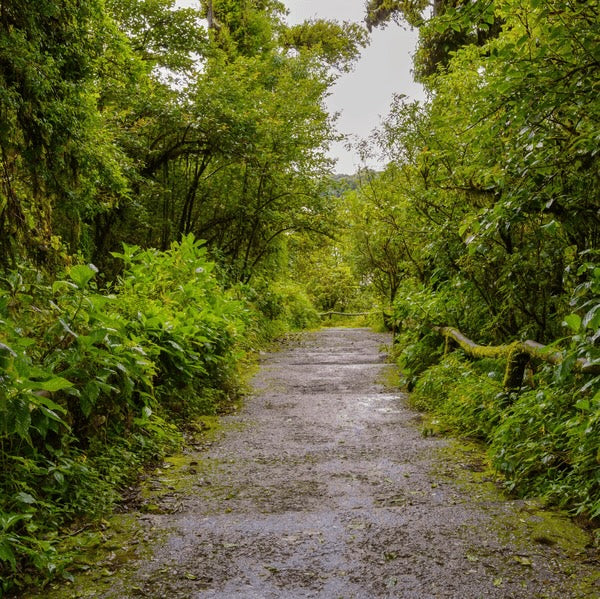
Corporate Tree Plantation Programs - Sustainable ESG Environmental Solutions for Net Zero Targets
Transform your organization's environmental impact with our comprehensive Corporate Tree Plantation Programs...
-
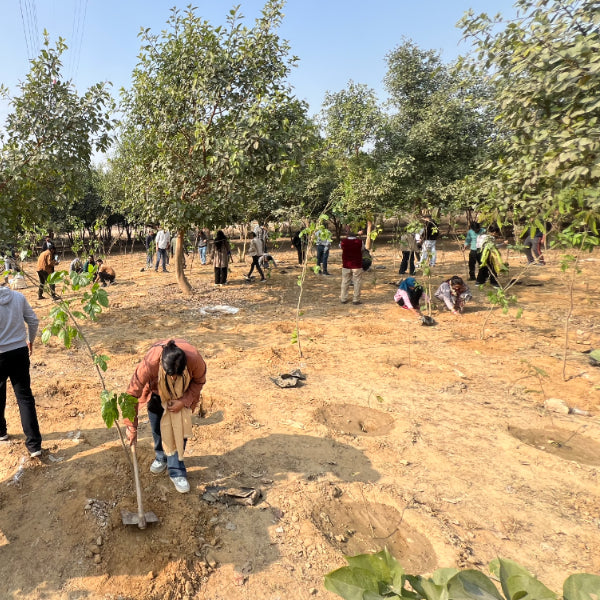
Tree Plantation by Location - Plant Trees Across India
Transform landscapes nationwide through our comprehensive tree plantation by location program. When...
Most Popular Tree Plantations - Top Choices for Environmental Impact
-
Trees for Mother
Regular price ₹ 299Regular priceUnit price per -
Trees to Honor the Memory of your Loved Ones
Regular price ₹ 299Regular priceUnit price per -
Trees for Wedding Anniversary Celebration
Regular price ₹ 299Regular priceUnit price per -
Trees for Grandmother
Regular price ₹ 299Regular priceUnit price per -
Trees for Grandfather
Regular price ₹ 299Regular priceUnit price per

Connect with us
-
👥 Corporates
If you are looking for:
- 🌲 Tree Plantation Events
- 📊 CSR Projects
📧 corporate@growbilliontrees.com
📞 +91 9699723523
💬 +91 9325931304 WhatsApp (Only)
🕒 Mon - Sat | 10am - 7pm IST
-
🧩 Tree Plantation NGOs
If you are looking for:
- 💰 Financial Assistance
- 🤝 Operational Support
📧 support@growbilliontrees.com
📞 +91 9699723523
💬 +91 9325931304 WhatsApp (Only)
🕒 Mon - Sat | 10am - 7pm IST
-
🌼 Individuals
If you are looking for:
- 👥 Group Tree Plantation Drive
- 🌳 Bulk Tree Plantation
📞 +91 9699723523
💬 +91 9325931304 WhatsApp (Only)
🕒 Mon - Sat | 10am - 7pm IST
