
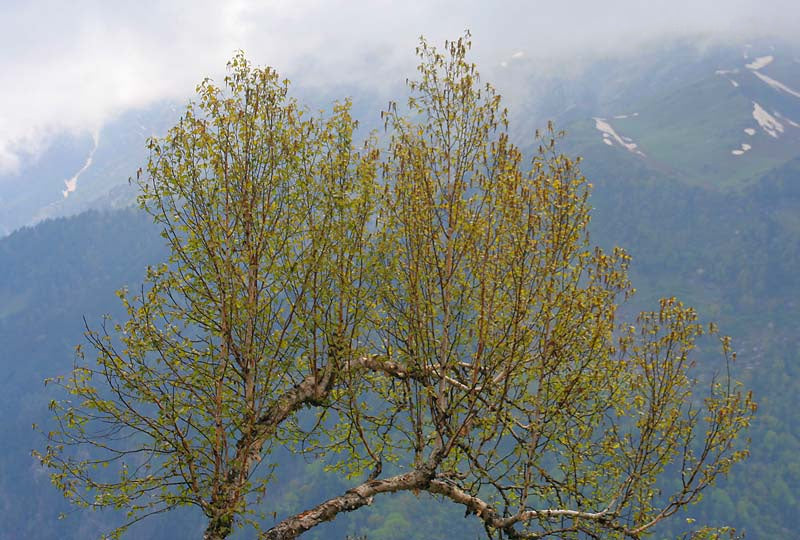
The Indian Birch Tree (Betula utilis) stands as one of nature's most resilient and beautiful species, thriving in the harsh Himalayan environment at altitudes up to 3,600 meters. This remarkable tree, with its distinctive silvery-white bark and golde Read more
Trending Tree Plantations - Most Popular Environmental Programs
-
Trees for Mother
Regular price ₹ 299Regular priceUnit price per -
Trees to Honor the Memory of your Loved Ones
Regular price ₹ 299Regular priceUnit price per -
Trees for Women's Day (8th Mar)
Regular price ₹ 299Regular priceUnit price per -
Trees for Wedding Anniversary Celebration
Regular price ₹ 299Regular priceUnit price per -
Trees for Grandmother
Regular price ₹ 299Regular priceUnit price per



Trees for Corporates - Achieve Net Zero Targets Through Strategic Tree Planting
-
 Project Closed
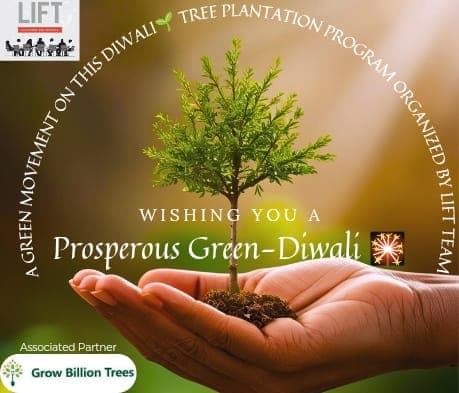
Trees by LIFT Team for Green Diwali: Transform Your Festival
Regular price ₹ 299Regular priceUnit price per -
Trees for a Greener Tomorrow - by Mahindra Lifespaces
Regular price ₹ 299Regular priceUnit price per -
Trees for Environment Day: Plant Your Impact on June 5th
Regular price ₹ 299Regular priceUnit price per -
Trees for Employees: Transform Your Corporate Culture in 2026
Regular price ₹ 299Regular priceUnit price per -
 Project Closed
Trees for Bangalore: Plant Native Trees in Garden City ₹299
Regular price ₹ 799Regular priceUnit price per

Indian Birch Tree: Nature's Majestic Himalayan Marvel Guide
The Indian Birch Tree (Betula utilis) stands as one of nature's most resilient and beautiful species, thriving in the harsh Himalayan environment at altitudes up to 3,600 meters. This remarkable tree, with its distinctive silvery-white bark and golden autumn foliage, represents both ecological importance and cultural heritage across the Indian subcontinent.
At Grow Billion Trees, we recognize the Indian Birch Tree as a cornerstone species for our mission of Combating Climate Change Through Collective Action. Through our initiative to plant 100 crore trees across India, we're working to restore these magnificent species to their native habitats while helping individuals and corporations achieve their Net Zero Targets.
✅ Characteristics of the Indian Birch Tree
The Indian Birch Tree is a deciduous giant that can reach heights of up to 30 meters, making it one of the tallest birch species globally. Its most distinctive feature is the smooth, silvery-white bark that peels off in thin, papery layers, creating a stunning visual display that has captivated nature enthusiasts for centuries.
The leaves are ovate to triangular with serrated edges, displaying a glossy green color during growing season before transforming into brilliant golden-yellow hues in autumn. The tree produces characteristic cylindrical catkins, and its small, winged seeds enable efficient wind dispersal across mountainous terrain.
One of the most remarkable aspects of the Indian Birch is its extraordinary adaptability. It thrives in well-drained, moist soils at altitudes ranging from 2,500 to 3,600 meters above sea level. The tree's ability to withstand harsh Himalayan winters, with temperatures plummeting to -20°C, demonstrates its incredible resilience and makes it an ideal candidate for high-altitude reforestation projects.
⭐ Historical and Cultural Significance
The Indian Birch Tree carries profound cultural and historical importance throughout the Himalayan regions. In ancient times, indigenous communities utilized the tree's distinctive bark as writing material, creating manuscripts and scrolls that preserved knowledge across generations. This practice was particularly prevalent among scholars and religious communities who revered the tree for both its utility and sacred qualities.
Local folklore often associates the Indian Birch with myths and legends, considering it a sacred tree that symbolizes strength, resilience, and divine protection. The tree's presence in religious texts and ceremonial rituals emphasizes its deep-rooted significance in the cultural heritage of mountain communities.
Traditional medicine practitioners have long recognized the medicinal properties of Indian Birch bark, using it to treat various ailments including skin conditions and respiratory issues. This historical use demonstrates the tree's multifaceted value beyond its ecological contributions.
💡 Environmental Impact and Ecological Benefits
The Indian Birch Tree serves as a crucial ecological cornerstone in maintaining environmental balance within its native Himalayan habitat. As a pioneer species, it's among the first to colonize disturbed areas, playing a vital role in soil stabilization and erosion prevention through its extensive root system.
According to the United Nations Environment Programme's forest conservation initiatives, pioneer species like the Indian Birch are essential for ecosystem restoration and biodiversity conservation. The tree provides critical habitat and sustenance for numerous wildlife species, including birds, insects, and mammals that depend on it for shelter and food.
The Indian Birch contributes significantly to carbon sequestration efforts. A mature tree can absorb approximately 22 kg of CO2 annually, making it an invaluable ally in climate change mitigation. This aligns perfectly with the United Nations climate change action goals, which emphasize the importance of forest conservation in achieving global emission reduction targets.
→ Fascinating Facts About Indian Birch Trees
- Medicinal Marvel: The bark contains compounds with anti-inflammatory and antiseptic properties, used in traditional Ayurvedic medicine
- Extreme Weather Survivor: Can withstand heavy snowfall, strong winds, and temperature fluctuations of over 40°C between seasons
- Versatile Wood: The lightweight yet durable wood is prized for crafting furniture, musical instruments, and traditional handicrafts
- Rapid Growth: Young trees can grow up to 1 meter annually under optimal conditions
- Longevity Champion: Can live for over 200 years, making it a long-term carbon storage solution
🌱 Grow Billion Trees: Championing Indian Birch Conservation
At Grow Billion Trees, we're passionate about promoting native species like the Indian Birch Tree through our comprehensive reforestation programs. Our mission extends beyond simply planting trees – we're committed to restoring entire ecosystems while providing individuals and corporations with meaningful ways to contribute to environmental conservation.
When you Plant a tree in your Name for just ₹299, you're not only receiving our 4ft Tree Planting + 3 Years Care + GeoTag guarantee, but you're also participating in a larger movement to restore India's precious forest ecosystems. Our specialized programs include Miyawaki forest creation, agroforestry initiatives, and high-altitude species restoration projects featuring trees like the Indian Birch.
Our approach aligns with WWF's forest conservation strategies, emphasizing community involvement, scientific research, and long-term sustainability. We collaborate with local governments, environmental organizations, and indigenous communities to ensure our planting initiatives support both ecological restoration and cultural preservation.
🌿 Planting and Care Requirements
Successfully cultivating Indian Birch Trees requires understanding their specific environmental needs and growth patterns. These trees thrive in well-drained, slightly acidic to neutral soils with consistent moisture availability. They prefer locations with partial to full sunlight exposure and benefit from protection against strong winds during their establishment phase.
The optimal planting season for Indian Birch is during early spring or late autumn when temperatures are moderate and rainfall is adequate. Young saplings require regular watering during their first two years, after which they develop sufficient drought tolerance for mountain conditions.
At Grow Billion Trees, our expert horticulturists provide comprehensive care protocols including soil preparation, proper spacing guidelines, and ongoing maintenance schedules. Our three-year care guarantee ensures that every tree planted through our programs receives the attention needed to establish strong, healthy root systems.
⚠️ Conservation Challenges and Solutions
Despite their resilience, Indian Birch populations face significant threats from climate change, deforestation, and habitat fragmentation. Rising temperatures and changing precipitation patterns in the Himalayas are pushing suitable growing zones to higher altitudes, limiting available habitat for these magnificent trees.
Human activities including urbanization, infrastructure development, and unsustainable logging practices have further reduced natural Indian Birch populations. According to research supported by WWF's deforestation monitoring programs, mountain forest ecosystems are among the most vulnerable to environmental pressures.
Our conservation strategy focuses on establishing protected growing areas, supporting local communities in sustainable forest management practices, and creating genetic diversity reserves to ensure species survival. Through partnerships with research institutions, we're developing climate-adaptive planting techniques that help Indian Birch trees thrive in changing environmental conditions.
Corporate Partnerships and Net Zero Goals
Forward-thinking corporations are increasingly recognizing the value of native species restoration in achieving their sustainability objectives. Indian Birch trees offer exceptional carbon sequestration potential while supporting biodiversity conservation and ecosystem restoration goals.
Our corporate partnership programs enable businesses to sponsor Indian Birch planting projects as part of their environmental, social, and governance (ESG) initiatives. These partnerships provide measurable environmental impact through our GeoTag tracking system, allowing companies to monitor their trees' growth and carbon absorption over time.
By incorporating Indian Birch trees into corporate sustainability strategies, businesses can demonstrate genuine commitment to environmental stewardship while supporting local communities and preserving India's natural heritage. Each sponsored tree contributes to long-term ecosystem restoration while providing immediate benefits through soil stabilization and wildlife habitat creation.
Frequently Asked Questions
What makes the Indian Birch Tree unique compared to other birch species?
The Indian Birch Tree is distinguished by its exceptional altitude tolerance, growing at elevations up to 3,600 meters, and its ability to withstand extreme temperature variations. Its silvery-white bark and cultural significance in Himalayan communities make it particularly special among birch species.
How long does it take for an Indian Birch Tree to mature?
Indian Birch trees typically reach maturity in 15-20 years under optimal conditions. They can grow rapidly during their first decade, gaining up to 1 meter annually, before slowing to a more sustainable growth rate as they establish their extensive root systems.
Can Indian Birch Trees survive in lower altitude regions?
While Indian Birch trees are adapted for high-altitude conditions, they can survive in lower elevations with proper care and suitable microclimates. However, they perform best in their native mountain environments where temperature and moisture conditions align with their evolutionary adaptations.
What wildlife species depend on Indian Birch Trees?
Indian Birch trees support diverse wildlife including Himalayan birds like the Himalayan Woodpecker, various butterfly species, small mammals such as pikas and marmots, and numerous insect species that form the base of mountain food webs.
How do Indian Birch Trees contribute to preventing landslides?
The extensive root system of Indian Birch trees creates a natural soil binding network that stabilizes slopes and prevents erosion. Their ability to quickly establish in disturbed areas makes them valuable for landslide prevention in mountainous regions.
What is the carbon sequestration capacity of Indian Birch Trees?
A mature Indian Birch tree can sequester approximately 22 kg of CO2 annually. Over its 200-year lifespan, a single tree can absorb several tons of carbon dioxide, making it an excellent choice for climate change mitigation projects.
Are Indian Birch Trees suitable for urban landscaping?
Indian Birch trees can be used in urban landscaping in cooler climates, but they require specific conditions including well-drained soil, adequate moisture, and protection from extreme heat. They're better suited for mountain towns and cooler urban environments.
How does Grow Billion Trees ensure the survival of planted Indian Birch Trees?
Our comprehensive approach includes site assessment, soil preparation, proper planting techniques, and three years of ongoing care. We use GeoTag technology to monitor each tree's progress and provide replacement guarantees for trees that don't survive the establishment period.
What traditional uses do Indian Birch Trees have?
Historically, Indian Birch bark was used for writing materials, traditional medicine for treating skin and respiratory conditions, and crafting various household items. The wood is still valued for making furniture, musical instruments, and traditional crafts.
How can individuals contribute to Indian Birch Tree conservation?
Individuals can support Indian Birch conservation by sponsoring tree planting through our programs, participating in awareness campaigns, supporting sustainable tourism in mountain regions, and choosing environmentally responsible products that don't contribute to deforestation.The Indian Birch Tree represents far more than just another species in our forests – it embodies resilience, cultural heritage, and environmental hope for future generations. Through our collective efforts at Grow Billion Trees, we're working to ensure these majestic marvels continue to thrive in their mountain homes while contributing to global climate solutions.Join us in our mission to plant 100 crore trees across India and help preserve the natural beauty and ecological importance of species like the Indian Birch Tree. Plant a tree in your name today and become part of the solution for a greener, more sustainable future.
You may also like
-
Gift a Tree - Meaningful Environmental Gifts That Make a Difference
Transform your gift-giving with meaningful environmental gifts that create lasting impact for...
-
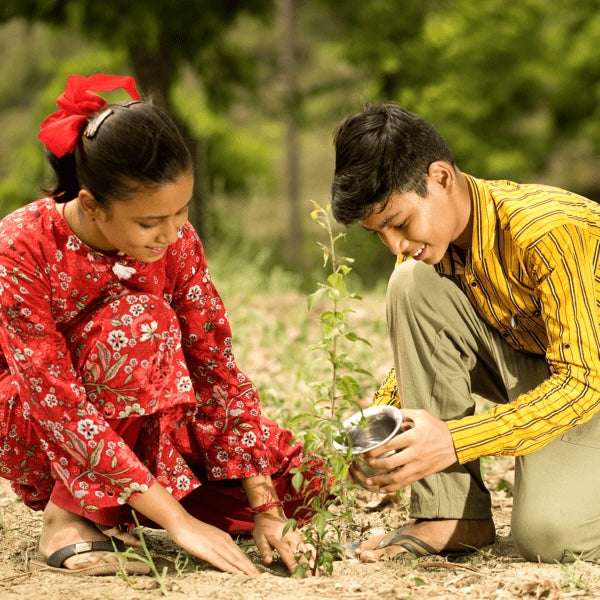
Trees For Shiv Ji - Sacred Tree Planting to Honor Lord Shiva
Honor Lord Shiva through sacred tree planting with Trees For Shiv Ji,...
-

Tree Plantations for Shri Ram - Sacred Devotional Planting Services
Honor Lord Shri Ram through meaningful tree plantations for Shri Ram that...
-
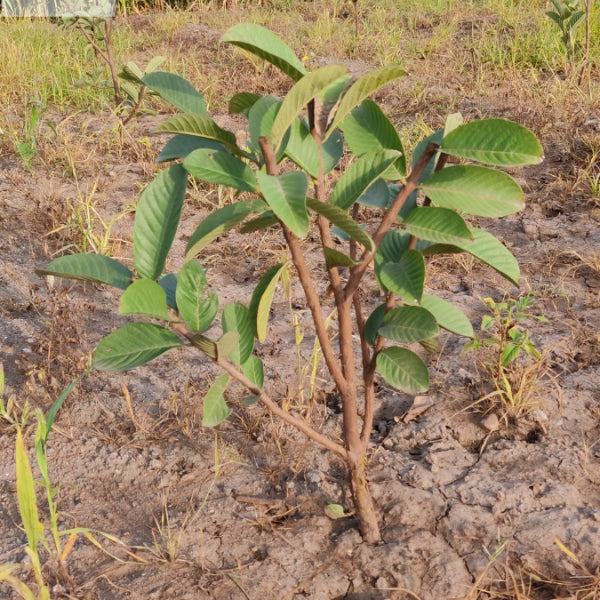
Tree Plantation on Navratri - Celebrate Divine Festivals with Environmental Devotion
Tree plantation on Navratri transforms the sacred nine-day festival into a powerful...
-
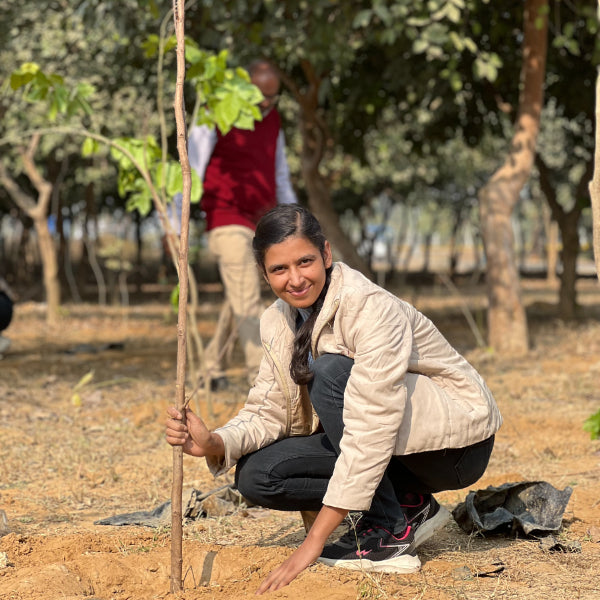
Tree Plantation by Cause - Plant Trees for Every Purpose | Grow Billion Trees
Transform your environmental impact with purpose-driven tree plantation by cause programs that...
Corporate Plantations
-
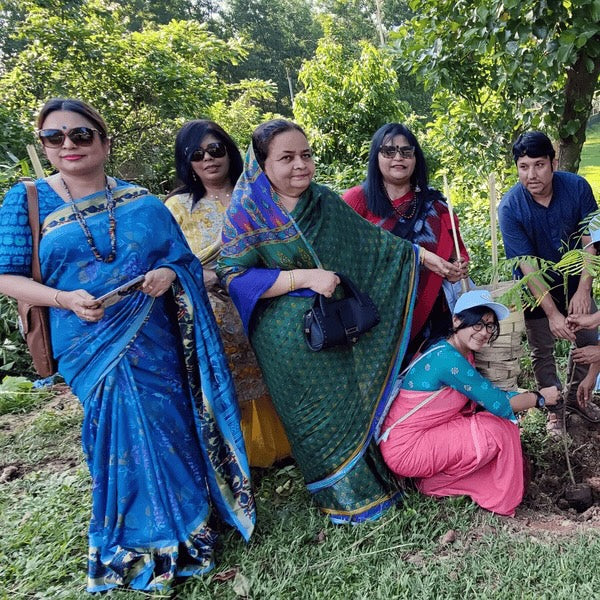
Trees for Corporates - Achieve Net Zero Targets Through Strategic Tree Planting
Trees for Corporates - Strategic Environmental SolutionsTransform your corporate environmental impact with...
-
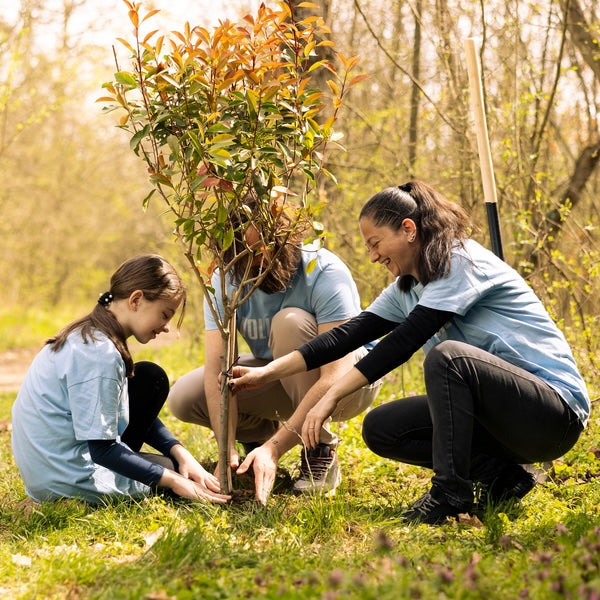
Tree Plantation for CSR - Corporate Environmental Programs | Grow Billion Trees
Tree Plantation for CSR - Transform Your Corporate Environmental ImpactTree plantation for...
-
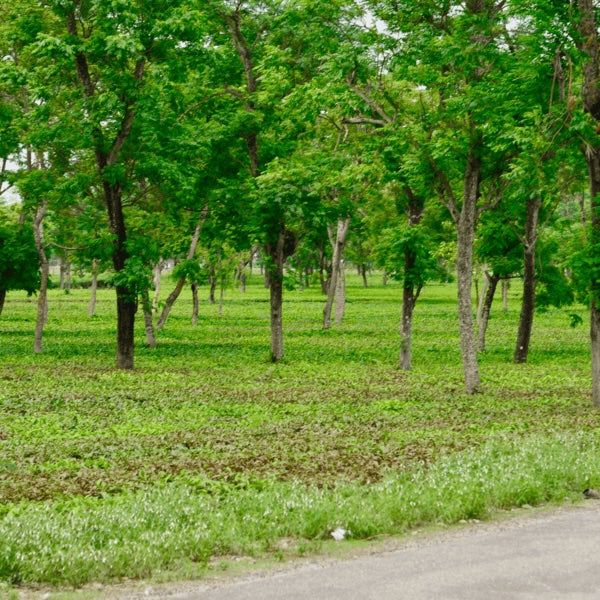
Tree Plantation for SDG - Support Sustainable Development Goals
Tree plantation for SDG initiatives represents a powerful pathway to achieving multiple...
-
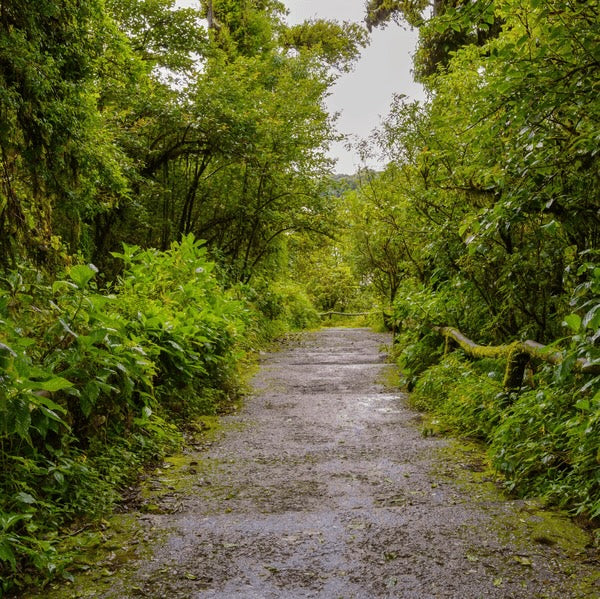
Corporate Tree Plantation Programs - Sustainable ESG Environmental Solutions for Net Zero Targets
Transform your organization's environmental impact with our comprehensive Corporate Tree Plantation Programs...
-
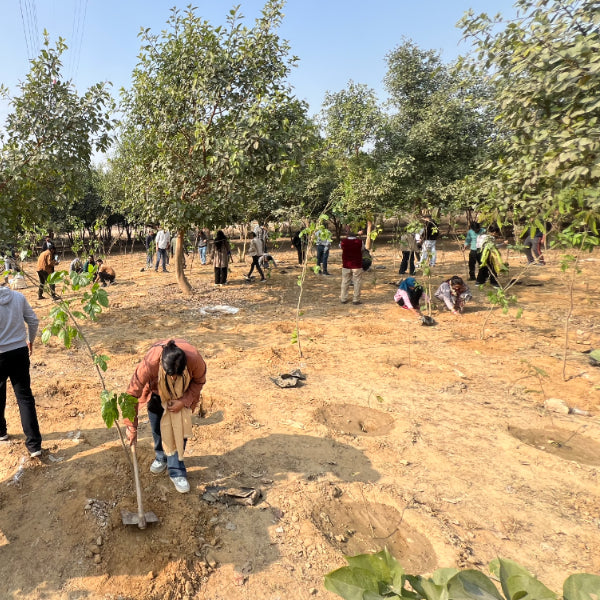
Tree Plantation by Location - Plant Trees Across India
Transform landscapes nationwide through our comprehensive tree plantation by location program. When...
Most Popular Tree Plantations - Top Choices for Environmental Impact
-
Trees for Mother
Regular price ₹ 299Regular priceUnit price per -
Trees to Honor the Memory of your Loved Ones
Regular price ₹ 299Regular priceUnit price per -
Trees for Wedding Anniversary Celebration
Regular price ₹ 299Regular priceUnit price per -
Trees for Grandmother
Regular price ₹ 299Regular priceUnit price per -
Trees for Grandfather
Regular price ₹ 299Regular priceUnit price per

Connect with us
-
👥 Corporates
If you are looking for:
- 🌲 Tree Plantation Events
- 📊 CSR Projects
📧 corporate@growbilliontrees.com
📞 +91 9699723523
💬 +91 9325931304 WhatsApp (Only)
🕒 Mon - Sat | 10am - 7pm IST
-
🧩 Tree Plantation NGOs
If you are looking for:
- 💰 Financial Assistance
- 🤝 Operational Support
📧 support@growbilliontrees.com
📞 +91 9699723523
💬 +91 9325931304 WhatsApp (Only)
🕒 Mon - Sat | 10am - 7pm IST
-
🌼 Individuals
If you are looking for:
- 👥 Group Tree Plantation Drive
- 🌳 Bulk Tree Plantation
📞 +91 9699723523
💬 +91 9325931304 WhatsApp (Only)
🕒 Mon - Sat | 10am - 7pm IST
