
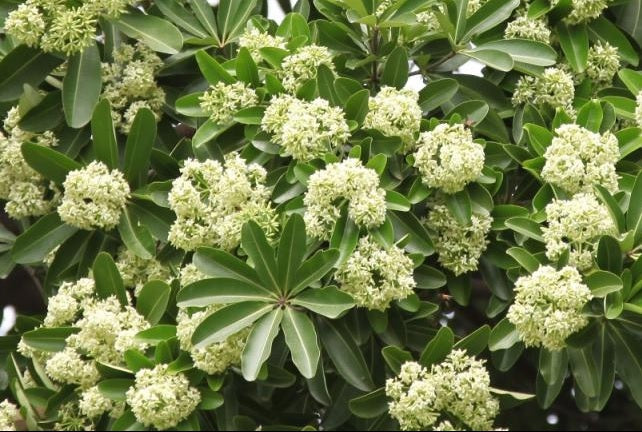
The Indian Devil Tree stands as one of nature's most enigmatic wonders, blending scientific marvel with mystical folklore in the tropical landscapes of India. Known scientifically as Alstonia scholaris, this majestic evergreen has captivated imaginat Read more
Trending Tree Plantations - Most Popular Environmental Programs
-
Trees for Mother
Regular price ₹ 299Regular priceUnit price per -
Trees to Honor the Memory of your Loved Ones
Regular price ₹ 299Regular priceUnit price per -
Trees for Women's Day (8th Mar)
Regular price ₹ 299Regular priceUnit price per -
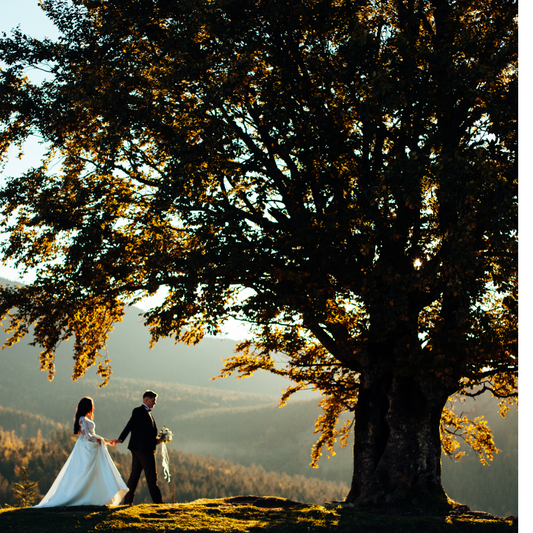
Trees for Wedding Anniversary Celebration
Regular price ₹ 299Regular priceUnit price per -
Trees for Grandmother
Regular price ₹ 299Regular priceUnit price per

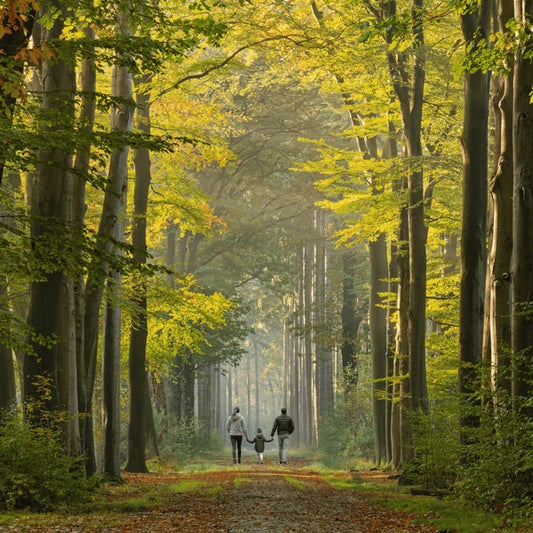


Trees for Corporates - Achieve Net Zero Targets Through Strategic Tree Planting
-
 Project Closed
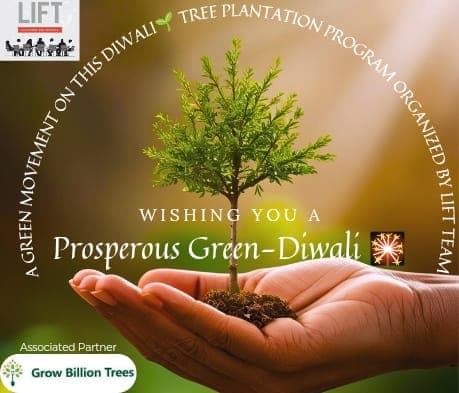
Trees by LIFT Team for Green Diwali: Transform Your Festival
Regular price ₹ 299Regular priceUnit price per -
Trees for a Greener Tomorrow - by Mahindra Lifespaces
Regular price ₹ 299Regular priceUnit price per -
Trees for Environment Day: Plant Your Impact on June 5th
Regular price ₹ 299Regular priceUnit price per -
Trees for Employees: Transform Your Corporate Culture in 2026
Regular price ₹ 299Regular priceUnit price per -
 Project Closed
Trees for Bangalore: Plant Native Trees in Garden City ₹299
Regular price ₹ 799Regular priceUnit price per

Indian Devil Tree: Mystical Secrets & Folklore Guide 2024
The Indian Devil Tree stands as one of nature's most enigmatic wonders, blending scientific marvel with mystical folklore in the tropical landscapes of India. Known scientifically as Alstonia scholaris, this majestic evergreen has captivated imaginations for centuries with its towering presence and supernatural associations. Beyond its mysterious reputation, the Indian Devil Tree plays a crucial role in Combating Climate Change Through Collective Action and supporting biodiversity across the Indian subcontinent.
✅ Botanical Characteristics of the Indian Devil Tree
The Indian Devil Tree is a magnificent tall evergreen that can reach impressive heights of up to 40 meters (approximately 130 feet). Its straight trunk, measuring about 1 meter in diameter, supports a dense canopy of glossy, dark green leaves that create natural shade for countless species below.
The distinctive leaves are lanceolate, measuring between 10 to 25 cm in length, and are uniquely arranged in whorls of 4 to 8. This arrangement gives the Indian Devil Tree its characteristic appearance that makes it easily identifiable among other forest species.
The tree produces clusters of white to cream-colored flowers that emit a sweet fragrance, attracting various pollinators essential for ecosystem health. One of the most fascinating aspects is the milky latex the Indian Devil Tree produces, which has been used in traditional medicine for its analgesic and anti-inflammatory properties for centuries.
⭐ Mystical Folklore and Cultural Significance
The Indian Devil Tree is deeply embedded in local folklore and mythology across regions where it thrives. One of the most enduring legends associates the tree with spirits and supernatural entities, leading many communities to believe it serves as a dwelling place for otherworldly beings.
Local traditions often warn that disturbing an Indian Devil Tree may invite misfortune or bad luck, which has inadvertently contributed to its conservation. This spiritual reverence has protected countless specimens from unnecessary destruction over generations.
In various cultures, the Indian Devil Tree is believed to serve as a bridge between the living and the dead. Rituals performed under its expansive canopy honor ancestors and maintain spiritual connections. This sacred association has made the tree a symbol of respect and reverence, contributing significantly to its preservation in many communities.
🌿 Scientific Research and Environmental Benefits
Modern research has validated many traditional beliefs about the Indian Devil Tree while uncovering additional environmental benefits. According to the United Nations Climate Change initiative, trees like the Indian Devil Tree play crucial roles in carbon sequestration and climate regulation.
A mature Indian Devil Tree can absorb significant amounts of CO2, contributing to cleaner air and healthier ecosystems. Studies show that these trees are exceptional at promoting biodiversity, providing habitat for various species of birds, insects, and mammals.
The medicinal properties of the Indian Devil Tree have garnered attention from pharmaceutical researchers. Extracts from the bark and leaves show potential in treating fever, dysentery, and respiratory issues. The alkaloids found in the tree are being studied for their anti-cancer properties, opening new avenues for medical research.
🌍 Environmental Impact and Conservation Challenges
The Indian Devil Tree plays a vital role in maintaining ecological balance through its extensive root system that prevents soil erosion. Its canopy provides essential shade and shelter for numerous species, making it a keystone species in many ecosystems.
However, like many native species, the Indian Devil Tree faces significant threats from deforestation and urbanization. The World Wildlife Fund reports on deforestation highlight how habitat loss continues to threaten species like the Indian Devil Tree across tropical regions.
Climate change adds another layer of complexity to conservation efforts. Rising temperatures and changing precipitation patterns affect the tree's natural habitat and reproductive cycles, making conservation efforts more critical than ever.
💚 Grow Billion Trees: Protecting Nature's Mystical Wonder
Organizations like Grow Billion Trees are leading conservation initiatives to protect and propagate the Indian Devil Tree. Our mission to plant 100 crore trees includes focusing on native species that hold cultural and ecological significance.
Through our innovative approach, you can Plant a tree in your Name for just ₹299, with our comprehensive 4ft Tree Planting + 3 Years Care + GeoTag program ensuring your tree thrives. This technology-driven approach allows you to track your planted Indian Devil Tree and witness its growth over time.
Our partnerships with local communities help preserve traditional knowledge while implementing modern conservation techniques. We work closely with farmers through agroforestry programs, integrating Indian Devil Trees into sustainable farming practices that benefit both the environment and local livelihoods.
🌱 Cultivation and Sustainable Practices
Growing Indian Devil Trees requires understanding their specific environmental needs. These trees thrive in tropical and subtropical climates with well-drained soil and adequate moisture. They prefer partial shade when young but can tolerate full sun as they mature.
The United Nations Environment Programme's forest initiatives emphasize the importance of native species cultivation in reforestation efforts. Indian Devil Trees are particularly valuable because they adapt well to various soil conditions and support diverse wildlife populations.
Sustainable cultivation practices include:
- ✅ Selecting appropriate planting sites with adequate space for growth
- ✅ Using organic fertilizers to support healthy root development
- ✅ Implementing water conservation techniques during establishment
- ✅ Protecting young trees from grazing and human interference
- ✅ Monitoring growth and health through regular assessments
🏢 Corporate Partnerships for Environmental Impact
Many corporations are recognizing the value of including Indian Devil Trees in their sustainability initiatives. These partnerships help companies achieve their Net Zero Targets while supporting biodiversity conservation and cultural preservation.
Our corporate programs offer comprehensive tree planting services that include site assessment, species selection, planting, and long-term maintenance. Companies can sponsor Indian Devil Tree plantations as part of their environmental, social, and governance (ESG) commitments.
The cultural significance of the Indian Devil Tree adds meaningful narrative to corporate sustainability stories, connecting modern environmental action with ancient wisdom and traditional ecological knowledge.
Frequently Asked Questions
What makes the Indian Devil Tree special compared to other trees?
The Indian Devil Tree is unique due to its combination of impressive size (up to 40 meters tall), distinctive whorled leaf arrangement, sweet-scented flowers, medicinal latex, and deep cultural significance in Indian folklore. Its ability to support diverse wildlife while serving as a carbon sink makes it environmentally invaluable.
Why is it called the "Devil Tree" if it has positive properties?
The name "Devil Tree" comes from local folklore associating it with spirits and supernatural entities. Despite the ominous name, the tree is actually revered and protected in many cultures due to beliefs about its spiritual significance and connection to ancestors.
Can Indian Devil Trees be grown in urban environments?
Yes, Indian Devil Trees can adapt to urban environments with proper care. They require adequate space for their extensive root system and canopy growth. Urban planting should consider overhead power lines and building proximity due to their substantial mature size.
What are the medicinal uses of the Indian Devil Tree?
Traditional medicine uses various parts of the Indian Devil Tree to treat fever, dysentery, respiratory issues, and inflammation. The milky latex has analgesic properties, while the bark contains alkaloids with potential therapeutic benefits. However, always consult healthcare professionals before using any plant medicinally.
How long does it take for an Indian Devil Tree to mature?
Indian Devil Trees are relatively fast-growing, typically reaching significant size within 10-15 years. Full maturity, including maximum height and canopy development, can take 20-30 years depending on growing conditions and care provided.
Are Indian Devil Trees endangered or threatened?
While not currently classified as endangered, Indian Devil Trees face pressure from habitat loss, deforestation, and urbanization. Conservation efforts are important to maintain stable populations and preserve the cultural heritage associated with these trees.
How can I participate in Indian Devil Tree conservation?
You can support conservation through organizations like Grow Billion Trees by sponsoring tree plantations, participating in community planting events, or choosing Indian Devil Trees for your property landscaping. Educational awareness and supporting sustainable forestry practices also contribute to conservation efforts.
What wildlife depends on Indian Devil Trees?
Indian Devil Trees support various bird species, insects, and small mammals through their flowers, fruits, and shelter. The sweet-scented flowers attract pollinators like bees and butterflies, while the dense canopy provides nesting sites for birds and roosting areas for bats.
Can Indian Devil Tree latex be used commercially?
While the latex has been used traditionally for various purposes including rubber production, it's not commercially viable compared to other rubber sources. However, research continues into potential pharmaceutical applications of the tree's bioactive compounds.
What role do Indian Devil Trees play in climate change mitigation?
Indian Devil Trees are excellent carbon sinks, absorbing significant amounts of CO2 throughout their long lifespan. Their extensive root systems prevent soil erosion, while their canopies provide cooling effects and support biodiversity, all contributing to climate resilience.The Indian Devil Tree represents a perfect fusion of natural wonder, cultural heritage, and environmental necessity. Through organizations like Grow Billion Trees, we can ensure these mystical giants continue to grace our landscapes for future generations. By understanding and respecting both the scientific and folkloric aspects of the Indian Devil Tree, we create a more complete picture of our relationship with nature. Join our mission to plant and protect these remarkable trees and become part of the solution in preserving India's natural and cultural heritage.
You may also like
-
Gift a Tree - Meaningful Environmental Gifts That Make a Difference
Transform your gift-giving with meaningful environmental gifts that create lasting impact for...
-
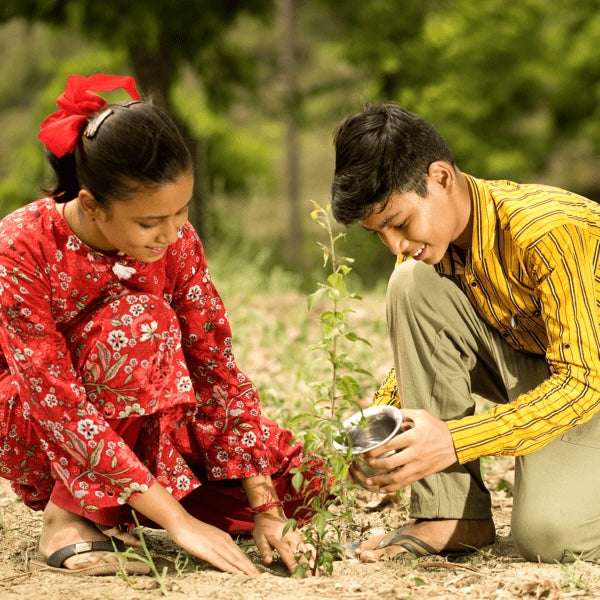
Trees For Shiv Ji - Sacred Tree Planting to Honor Lord Shiva
Honor Lord Shiva through sacred tree planting with Trees For Shiv Ji,...
-

Tree Plantations for Shri Ram - Sacred Devotional Planting Services
Honor Lord Shri Ram through meaningful tree plantations for Shri Ram that...
-
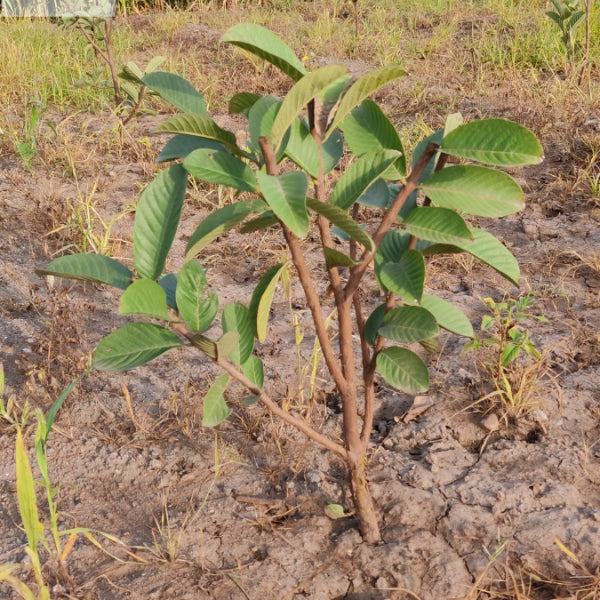
Tree Plantation on Navratri - Celebrate Divine Festivals with Environmental Devotion
Tree plantation on Navratri transforms the sacred nine-day festival into a powerful...
-
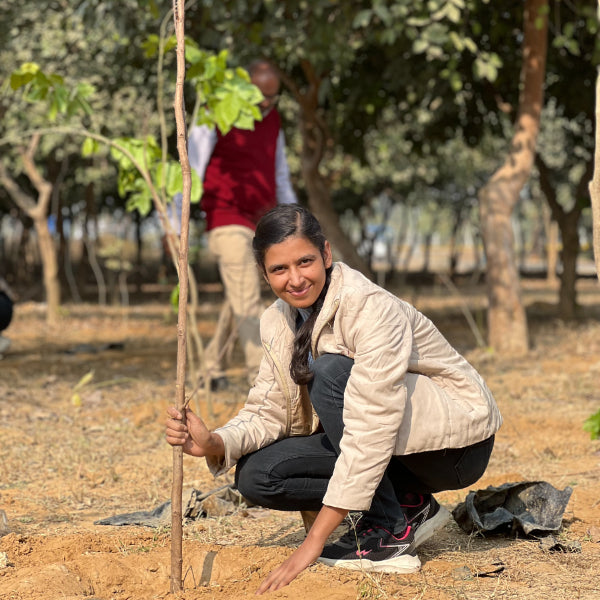
Tree Plantation by Cause - Plant Trees for Every Purpose | Grow Billion Trees
Transform your environmental impact with purpose-driven tree plantation by cause programs that...
Corporate Plantations
-
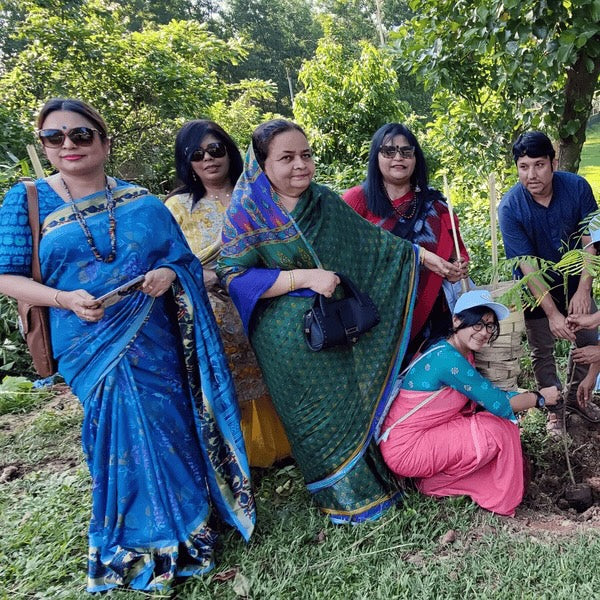
Trees for Corporates - Achieve Net Zero Targets Through Strategic Tree Planting
Trees for Corporates - Strategic Environmental SolutionsTransform your corporate environmental impact with...
-
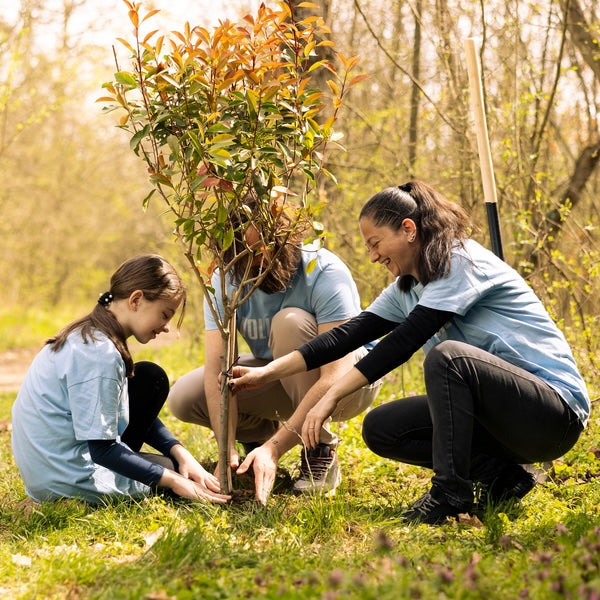
Tree Plantation for CSR - Corporate Environmental Programs | Grow Billion Trees
Tree Plantation for CSR - Transform Your Corporate Environmental ImpactTree plantation for...
-
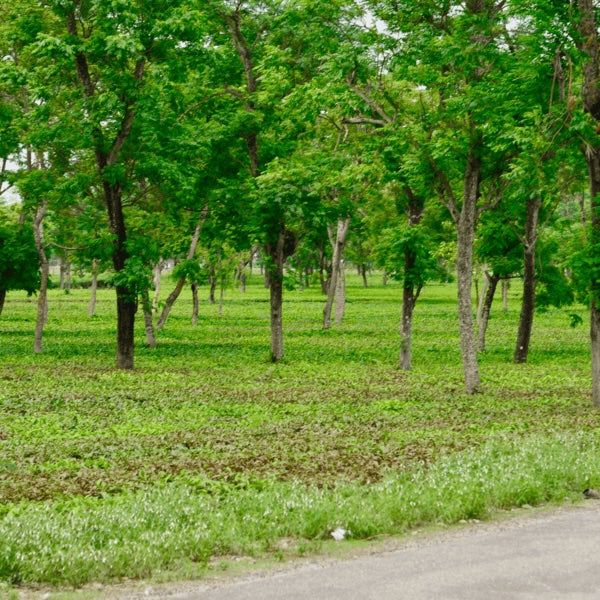
Tree Plantation for SDG - Support Sustainable Development Goals
Tree plantation for SDG initiatives represents a powerful pathway to achieving multiple...
-
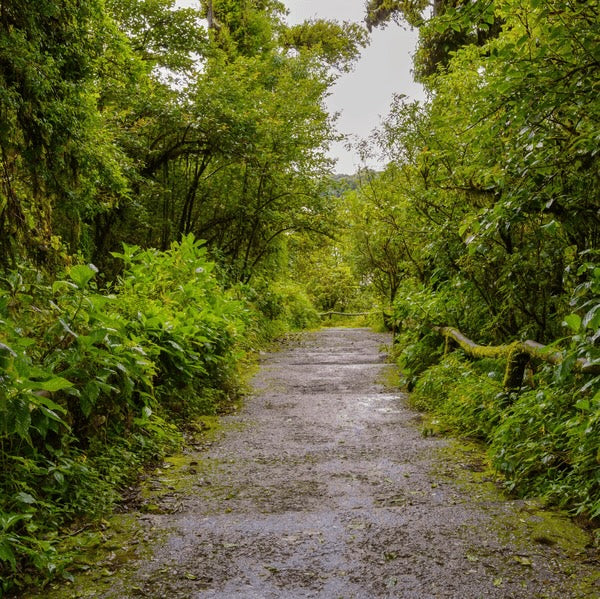
Corporate Tree Plantation Programs - Sustainable ESG Environmental Solutions for Net Zero Targets
Transform your organization's environmental impact with our comprehensive Corporate Tree Plantation Programs...
-
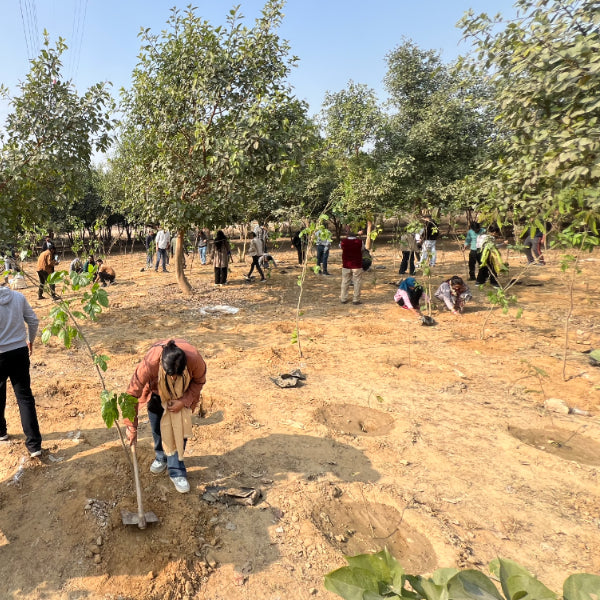
Tree Plantation by Location - Plant Trees Across India
Transform landscapes nationwide through our comprehensive tree plantation by location program. When...
Most Popular Tree Plantations - Top Choices for Environmental Impact
-
Trees for Mother
Regular price ₹ 299Regular priceUnit price per -
Trees to Honor the Memory of your Loved Ones
Regular price ₹ 299Regular priceUnit price per -
Trees for Wedding Anniversary Celebration
Regular price ₹ 299Regular priceUnit price per -
Trees for Grandmother
Regular price ₹ 299Regular priceUnit price per -
Trees for Grandfather
Regular price ₹ 299Regular priceUnit price per

Connect with us
-
👥 Corporates
If you are looking for:
- 🌲 Tree Plantation Events
- 📊 CSR Projects
📧 corporate@growbilliontrees.com
📞 +91 9699723523
💬 +91 9325931304 WhatsApp (Only)
🕒 Mon - Sat | 10am - 7pm IST
-
🧩 Tree Plantation NGOs
If you are looking for:
- 💰 Financial Assistance
- 🤝 Operational Support
📧 support@growbilliontrees.com
📞 +91 9699723523
💬 +91 9325931304 WhatsApp (Only)
🕒 Mon - Sat | 10am - 7pm IST
-
🌼 Individuals
If you are looking for:
- 👥 Group Tree Plantation Drive
- 🌳 Bulk Tree Plantation
📞 +91 9699723523
💬 +91 9325931304 WhatsApp (Only)
🕒 Mon - Sat | 10am - 7pm IST
