
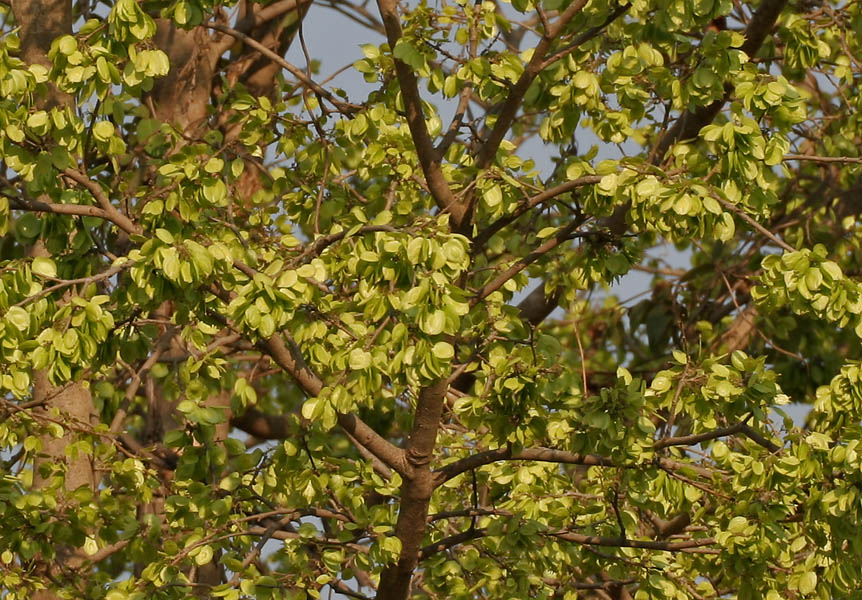
The Indian Elm Tree (Ulmus rubra) stands as one of nature's most magnificent specimens, offering unparalleled beauty and environmental benefits to any landscape. This majestic deciduous tree has captured the hearts of gardeners and environmentalists Read more
Trending Tree Plantations - Most Popular Environmental Programs
-
Trees for Mother
Regular price ₹ 299Regular priceUnit price per -
Trees to Honor the Memory of your Loved Ones
Regular price ₹ 299Regular priceUnit price per -
Trees for Women's Day (8th Mar)
Regular price ₹ 299Regular priceUnit price per -
Trees for Wedding Anniversary Celebration
Regular price ₹ 299Regular priceUnit price per -
Trees for Grandmother
Regular price ₹ 299Regular priceUnit price per



Trees for Corporates - Achieve Net Zero Targets Through Strategic Tree Planting
-
 Project Closed
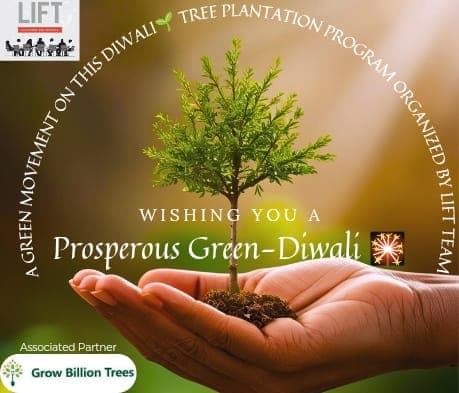
Trees by LIFT Team for Green Diwali: Transform Your Festival
Regular price ₹ 299Regular priceUnit price per -
Trees for a Greener Tomorrow - by Mahindra Lifespaces
Regular price ₹ 299Regular priceUnit price per -
Trees for Environment Day: Plant Your Impact on June 5th
Regular price ₹ 299Regular priceUnit price per -
 Project Closed
Trees for Bangalore: Plant Native Trees in Garden City ₹299
Regular price ₹ 799Regular priceUnit price per -
Trees for Employees: Transform Your Corporate Culture in 2026
Regular price ₹ 299Regular priceUnit price per

Indian Elm Tree: Complete Guide to Beauty, Benefits & Care
The Indian Elm Tree (Ulmus rubra) stands as one of nature's most magnificent specimens, offering unparalleled beauty and environmental benefits to any landscape. This majestic deciduous tree has captured the hearts of gardeners and environmentalists worldwide with its impressive stature, reaching 50-60 feet in height with a graceful 30-40 foot spread. Beyond its aesthetic appeal, the Indian Elm Tree serves as a powerful ally in Combating Climate Change Through Collective Action, making it an essential choice for those seeking to contribute to environmental restoration.
✅ The Stunning Beauty of Indian Elm Trees
The Indian Elm Tree showcases nature's artistry through every season. Its graceful arching branches create a dense, protective canopy that transforms any outdoor space into a natural sanctuary. The serrated, dark green leaves provide lush coverage throughout spring and summer, then burst into brilliant yellow hues during fall, creating a breathtaking visual display.
What truly sets this tree apart is its distinctive bark - rough and grayish-brown - which adds remarkable texture and character to the landscape. In spring, small inconspicuous flowers emerge, followed by clusters of winged seeds that serve as a natural magnet for various bird species, transforming your garden into a wildlife haven.
The tree's impressive height and broad canopy make it perfect for creating natural shade structures, reducing energy costs while enhancing the beauty of parks, gardens, and urban environments. According to the United Nations Environment Programme, trees like the Indian Elm play crucial roles in urban forest ecosystems.
⭐ Environmental Benefits of Indian Elm Trees
Planting Indian Elm Trees delivers exceptional environmental returns that align with achieving Net Zero Targets. These remarkable trees excel at carbon sequestration, actively absorbing carbon dioxide from the atmosphere while releasing life-giving oxygen.
Carbon Sequestration Powerhouse
Each mature Indian Elm Tree can absorb approximately 48 pounds of carbon dioxide annually. Over its lifetime, a single tree contributes significantly to reducing greenhouse gas concentrations, supporting global efforts toward climate stability.
Soil Conservation Champion
The extensive root system of Indian Elm Trees provides outstanding soil erosion control. These deep, spreading roots stabilize soil structure, preventing runoff and protecting valuable topsoil from degradation.
Biodiversity Support
Indian Elm Trees create vital wildlife habitats, providing shelter and food sources for numerous bird species and beneficial insects. This biodiversity support contributes to healthier ecosystem balance and natural pest control.
Urban Heat Island Mitigation
The broad canopy of Indian Elm Trees significantly reduces ambient temperatures in urban areas. Studies show that areas with higher tree density experience temperature reductions of up to 5°C, combating the urban heat island effect effectively.
💡 Historical Significance and Cultural Value
The Indian Elm Tree carries rich historical significance spanning centuries of human civilization. Traditional cultures revered this species for its exceptional strength and durability, recognizing its value in both practical applications and spiritual contexts.
Historically, Indian Elm wood gained recognition for its remarkable resistance to decay, making it the preferred choice for constructing boats, furniture, and structures requiring robust materials. Ancient craftsmen valued its workability and longevity, passing down woodworking techniques through generations.
Beyond practical uses, various parts of the Indian Elm Tree found applications in traditional medicine systems. Indigenous communities utilized bark extracts and leaf preparations for therapeutic purposes, demonstrating the tree's multifaceted value to human societies.
🌱 Complete Care Guide for Indian Elm Trees
Successfully growing Indian Elm Trees requires understanding their specific needs and providing appropriate care throughout their development stages. With proper attention, these trees reward gardeners with decades of beauty and environmental benefits.
Soil Requirements
Indian Elm Trees thrive in well-drained soil conditions but demonstrate remarkable adaptability to various soil types. They prefer loamy or sandy soils enriched with organic matter, though they can tolerate clay soils with adequate drainage.
Soil pH should ideally range between 6.0 and 7.5 for optimal nutrient uptake. Adding compost or aged manure during planting enhances soil structure and provides essential nutrients for healthy establishment.
Sunlight and Location
These trees require full sun to partial shade conditions, needing at least 6 hours of direct sunlight daily for vigorous growth. When selecting planting locations, consider the tree's mature size to ensure adequate space for canopy development.
Avoid planting near power lines or structures that might restrict growth. The tree's extensive root system requires sufficient space to spread without interfering with foundations or underground utilities.
Watering Guidelines
Young Indian Elm Trees need consistent moisture during their establishment period, typically the first two years after planting. Water deeply once or twice weekly, ensuring soil penetration to encourage deep root development.
Mature trees demonstrate excellent drought tolerance but benefit from supplemental watering during extended dry periods. Apply water slowly around the tree's drip line rather than directly against the trunk.
Fertilization Schedule
Apply balanced fertilizer in early spring to support vigorous growth throughout the growing season. Use a slow-release fertilizer with equal nitrogen, phosphorus, and potassium ratios (10-10-10 or similar).
Avoid over-fertilization, which can promote excessive foliage growth at the expense of root development and overall tree health. Organic alternatives like compost or well-aged manure provide gentle, long-lasting nutrition.
Pruning Best Practices
Regular pruning maintains tree shape, promotes healthy growth, and prevents potential hazards. Conduct major pruning during late winter or early spring before new growth begins.
Remove dead, diseased, or crossing branches first. Thin overcrowded areas to improve air circulation and light penetration. Avoid removing more than 25% of the canopy in a single season to prevent stress.
⚠️ Pest and Disease Management
While Indian Elm Trees demonstrate natural resistance to many pests and diseases, preventive care ensures optimal health and longevity. Regular monitoring helps identify potential issues before they become serious problems.
Common Pest Issues
Elm leaf beetles and aphids occasionally affect Indian Elm Trees. Natural predators like ladybugs and lacewings provide effective biological control. Horticultural oils applied during dormant seasons help manage overwintering pest populations.
Disease Prevention
Proper spacing, adequate air circulation, and avoiding overhead watering reduce disease pressure. Dutch elm disease, while less common in Indian Elms, requires vigilance and prompt professional treatment if detected.
🌿 Growing Indian Elm Trees with Grow Billion Trees
At Grow Billion Trees, we're committed to making tree planting accessible and impactful. Our Plant a tree in your Name program allows you to contribute to reforestation efforts while supporting the goal of planting 100 crore trees across India by 2030.
When you choose our Indian Elm Tree planting service for just ₹299, you receive comprehensive care including 4ft Tree Planting + 3 Years Care + GeoTag technology to track your tree's growth and impact. This innovative approach ensures your environmental contribution creates lasting change.
Our expert team handles site selection, soil preparation, planting, and ongoing maintenance, maximizing survival rates and environmental benefits. The United Nations Sustainable Development Goals emphasize the critical importance of forest restoration in addressing climate change challenges.
🌍 Environmental Impact and Climate Action
The environmental impact of Indian Elm Trees extends far beyond individual gardens. These trees contribute significantly to urban ecosystem health, air quality improvement, and climate change mitigation efforts.
Research demonstrates that urban areas with higher tree density experience measurable improvements in air quality, with trees filtering pollutants and producing oxygen. A single mature Indian Elm Tree produces enough oxygen for two people annually while removing harmful pollutants from the atmosphere.
The United Nations Climate Change initiative recognizes tree planting as one of the most effective natural climate solutions available. Indian Elm Trees, with their longevity and carbon storage capacity, represent valuable investments in our planet's future.
Organizations worldwide are recognizing the urgent need for reforestation initiatives. The World Wildlife Fund's forest conservation programs highlight how strategic tree planting can restore degraded ecosystems and support biodiversity conservation.
Frequently Asked Questions
How fast do Indian Elm Trees grow?
Indian Elm Trees are moderate to fast growers, typically adding 12-24 inches of height annually under optimal conditions. Young trees may grow more rapidly during their first decade, then settle into steady, sustainable growth patterns.
What is the lifespan of an Indian Elm Tree?
With proper care, Indian Elm Trees can live 60-100 years or more. Their longevity makes them excellent long-term investments for property values and environmental benefits, providing decades of shade, beauty, and ecological services.
Are Indian Elm Trees suitable for small gardens?
Due to their large mature size (50-60 feet tall with 30-40 foot spread), Indian Elm Trees are best suited for larger properties, parks, or commercial landscapes. Consider dwarf varieties or alternative species for smaller garden spaces.
When is the best time to plant Indian Elm Trees?
Plant Indian Elm Trees during fall or early spring when temperatures are moderate and rainfall is typically more abundant. This timing allows root establishment before extreme weather conditions challenge the young tree.
Do Indian Elm Trees require special soil conditions?
While Indian Elm Trees prefer well-drained, loamy soils, they adapt to various soil types including clay and sandy soils. Ensure adequate drainage to prevent root rot and consider soil amendments to improve growing conditions.
How much maintenance do Indian Elm Trees need?
Mature Indian Elm Trees require minimal maintenance beyond occasional pruning and monitoring for pests or diseases. Young trees need regular watering and may benefit from annual fertilization during establishment years.
Can Indian Elm Trees survive drought conditions?
Once established, Indian Elm Trees demonstrate good drought tolerance. However, they perform best with consistent moisture and may require supplemental watering during extended dry periods, especially in arid climates.
What wildlife benefits do Indian Elm Trees provide?
Indian Elm Trees support diverse wildlife populations by providing nesting sites, shelter, and food sources. Their seeds attract various bird species, while the canopy offers habitat for beneficial insects and small mammals.
Are there any disadvantages to planting Indian Elm Trees?
The primary considerations include their large mature size requiring adequate space, potential for surface root issues near hardscapes, and seasonal leaf drop requiring cleanup. Proper site selection minimizes these concerns.
How do Indian Elm Trees contribute to property values?
Mature trees, including Indian Elms, can increase property values by 10-15% according to real estate studies. They provide energy savings through shade, enhance curb appeal, and create desirable outdoor living spaces that attract buyers.
🎯 Taking Action for Environmental Impact
The Indian Elm Tree represents more than just a beautiful landscape addition - it's a powerful tool for environmental restoration and climate action. By choosing to plant these magnificent trees, you're contributing to a larger movement of ecological healing and sustainable living.
Every Indian Elm Tree planted today becomes a legacy for future generations, providing decades of environmental benefits, natural beauty, and wildlife habitat. The cumulative impact of individual planting decisions creates meaningful change in our communities and contributes to global climate stability.
Ready to make a lasting environmental impact? Explore our tree planting programs and join thousands of environmentally conscious individuals who are helping us achieve our mission of planting 100 crore trees across India. Together, we can create a greener, more sustainable future through the simple yet powerful act of planting trees.
You may also like
-
Gift a Tree - Meaningful Environmental Gifts That Make a Difference
Transform your gift-giving with meaningful environmental gifts that create lasting impact for...
-
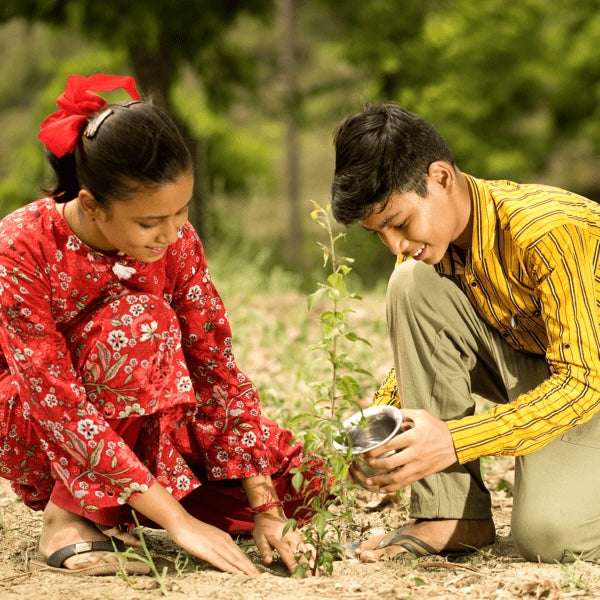
Trees For Shiv Ji - Sacred Tree Planting to Honor Lord Shiva
Honor Lord Shiva through sacred tree planting with Trees For Shiv Ji,...
-
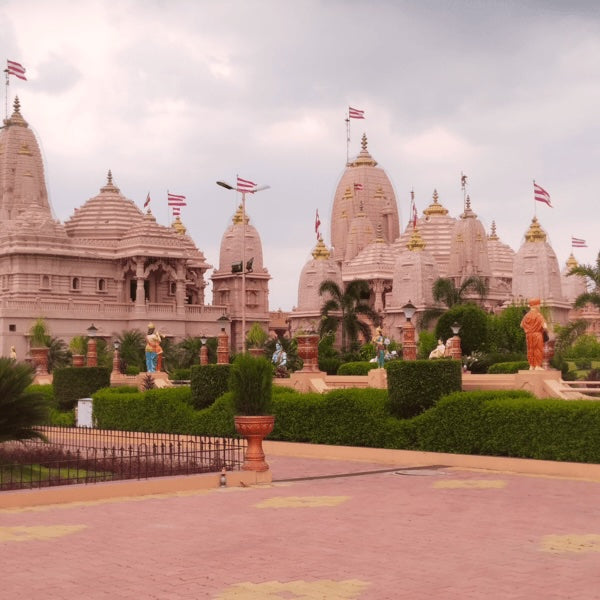
Tree Plantations for Shri Ram - Sacred Devotional Planting Services
Honor Lord Shri Ram through meaningful tree plantations for Shri Ram that...
-
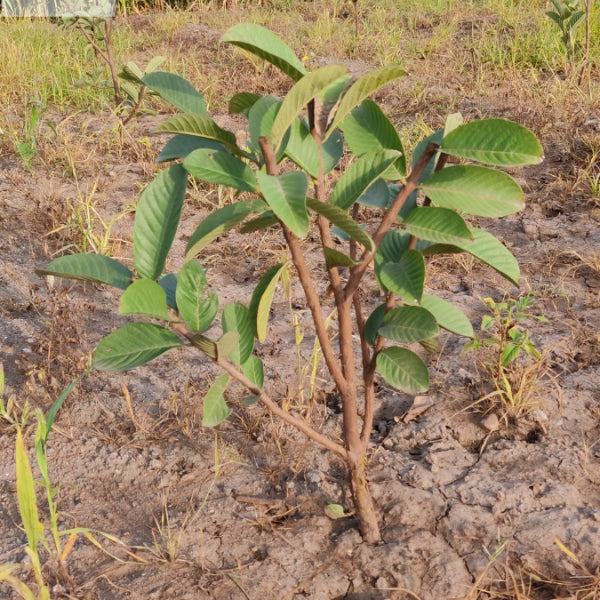
Tree Plantation on Navratri - Celebrate Divine Festivals with Environmental Devotion
Tree plantation on Navratri transforms the sacred nine-day festival into a powerful...
-
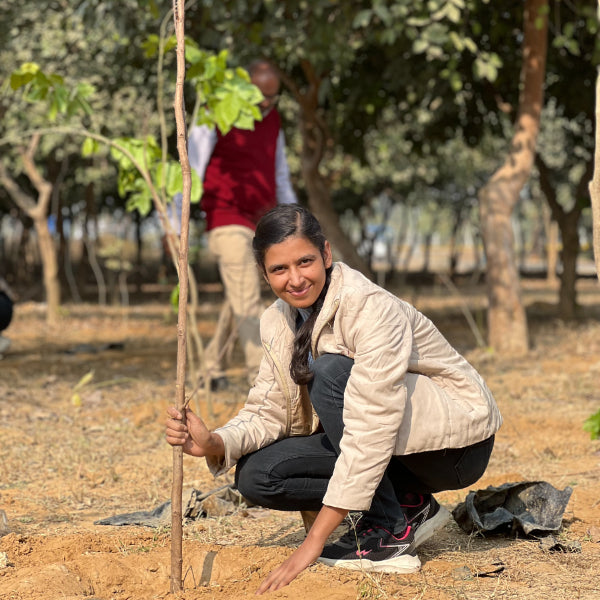
Tree Plantation by Cause - Plant Trees for Every Purpose | Grow Billion Trees
Transform your environmental impact with purpose-driven tree plantation by cause programs that...
Corporate Plantations
-
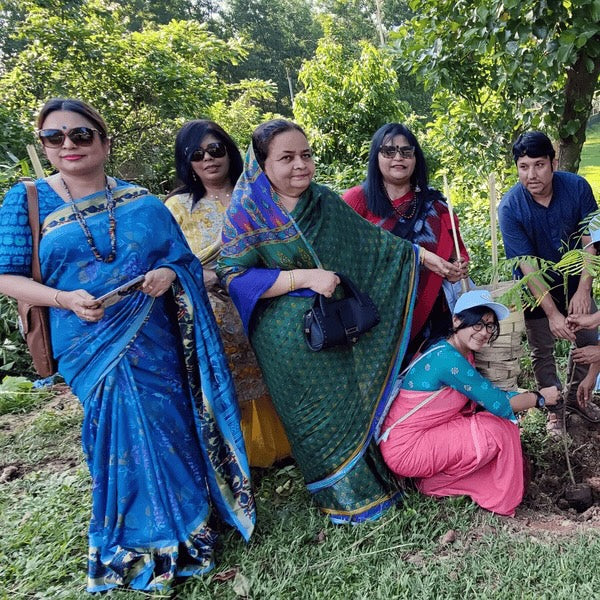
Trees for Corporates - Achieve Net Zero Targets Through Strategic Tree Planting
Trees for Corporates - Strategic Environmental SolutionsTransform your corporate environmental impact with...
-
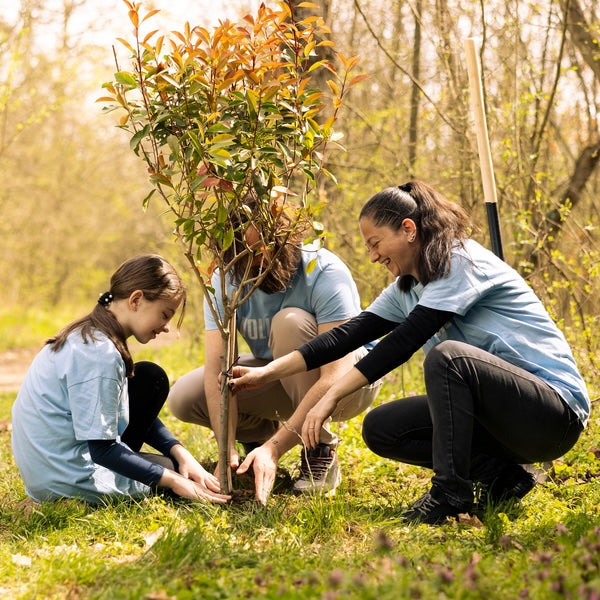
Tree Plantation for CSR - Corporate Environmental Programs | Grow Billion Trees
Tree Plantation for CSR - Transform Your Corporate Environmental ImpactTree plantation for...
-
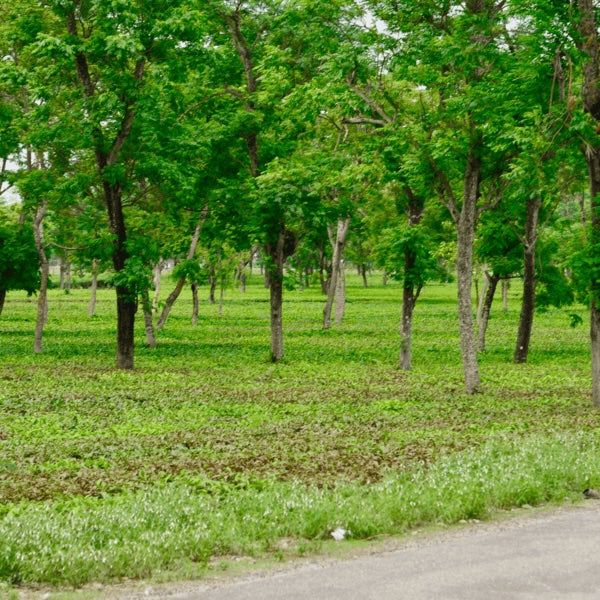
Tree Plantation for SDG - Support Sustainable Development Goals
Tree plantation for SDG initiatives represents a powerful pathway to achieving multiple...
-
Corporate Tree Plantation Programs - Sustainable ESG Environmental Solutions for Net Zero Targets
Transform your organization's environmental impact with our comprehensive Corporate Tree Plantation Programs...
-
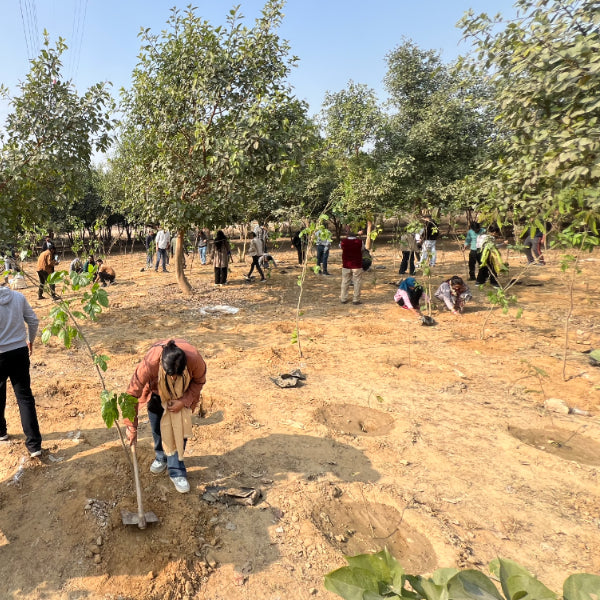
Tree Plantation by Location - Plant Trees Across India
Transform landscapes nationwide through our comprehensive tree plantation by location program. When...
Most Popular Tree Plantations - Top Choices for Environmental Impact
-
Trees for Mother
Regular price ₹ 299Regular priceUnit price per -
Trees to Honor the Memory of your Loved Ones
Regular price ₹ 299Regular priceUnit price per -
Trees for Wedding Anniversary Celebration
Regular price ₹ 299Regular priceUnit price per -
Trees for Grandmother
Regular price ₹ 299Regular priceUnit price per -
Trees for Grandfather
Regular price ₹ 299Regular priceUnit price per

Connect with us
-
👥 Corporates
If you are looking for:
- 🌲 Tree Plantation Events
- 📊 CSR Projects
📧 corporate@growbilliontrees.com
📞 +91 9699723523
💬 +91 9325931304 WhatsApp (Only)
🕒 Mon - Sat | 10am - 7pm IST
-
🧩 Tree Plantation NGOs
If you are looking for:
- 💰 Financial Assistance
- 🤝 Operational Support
📧 support@growbilliontrees.com
📞 +91 9699723523
💬 +91 9325931304 WhatsApp (Only)
🕒 Mon - Sat | 10am - 7pm IST
-
🌼 Individuals
If you are looking for:
- 👥 Group Tree Plantation Drive
- 🌳 Bulk Tree Plantation
📞 +91 9699723523
💬 +91 9325931304 WhatsApp (Only)
🕒 Mon - Sat | 10am - 7pm IST
