
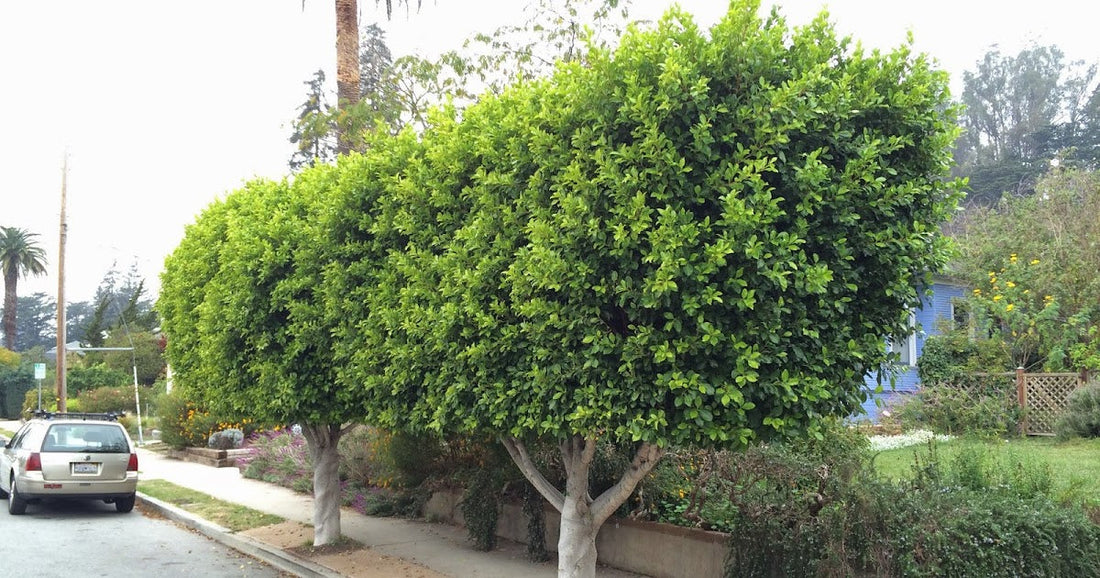
The Indian Laurel Tree, scientifically known as Ficus microcarpa, is a remarkable plant that has captured the attention of botanists, environmentalists, and cultural enthusiasts alike. This versatile tree is not only a crucial part of the ecosystem b Read more
Trending Tree Plantations - Most Popular Environmental Programs
-
Trees for Mother
Regular price ₹ 299Regular priceUnit price per -
Trees to Honor the Memory of your Loved Ones
Regular price ₹ 299Regular priceUnit price per -
Trees for Women's Day (8th Mar)
Regular price ₹ 299Regular priceUnit price per -
Trees for Wedding Anniversary Celebration
Regular price ₹ 299Regular priceUnit price per -
Trees for Grandmother
Regular price ₹ 299Regular priceUnit price per





Trees for Corporates - Achieve Net Zero Targets Through Strategic Tree Planting
-
 Project Closed
Trees by LIFT Team for Green Diwali: Transform Your Festival
Regular price ₹ 299Regular priceUnit price per -
Trees for a Greener Tomorrow - by Mahindra Lifespaces
Regular price ₹ 299Regular priceUnit price per -
Trees for Environment Day: Plant Your Impact on June 5th
Regular price ₹ 299Regular priceUnit price per -
 Project Closed
Trees for Bangalore: Plant Native Trees in Garden City ₹299
Regular price ₹ 799Regular priceUnit price per -
Trees for Employees: Transform Your Corporate Culture in 2026
Regular price ₹ 299Regular priceUnit price per

Indian Laurel Tree: Discover the Hidden Benefits and Cultural Signific
The Indian Laurel Tree, scientifically known as Ficus microcarpa, is a remarkable plant that has captured the attention of botanists, environmentalists, and cultural enthusiasts alike.
This versatile tree is not only a crucial part of the ecosystem but also holds significant cultural importance across various regions of India and beyond.
In this blog, we will explore the hidden benefits of the Indian Laurel Tree, its environmental impact, cultural significance, and how initiatives like Grow Billion Trees are promoting its cultivation and conservation.
Understanding the Indian Laurel Tree
The Indian Laurel Tree is a member of the Moraceae family and is native to Southeast Asia, particularly India, Bangladesh, and Sri Lanka.
It thrives in coastal areas and can grow up to 30 meters tall, making it an impressive sight in any landscape. The tree features a dense canopy of glossy, dark green leaves and produces small, fig-like fruits that are often consumed by various bird species, making it a vital part of the food chain.
Scientific Benefits of the Indian Laurel Tree
1. Air Quality Improvement: One of the most significant benefits of the Indian Laurel Tree is its ability to improve air quality. Like many trees, it absorbs carbon dioxide and releases oxygen through the process of photosynthesis. Studies have shown that trees can reduce air pollution by filtering harmful particulates and gases, making urban areas healthier for inhabitants.
2. Soil Erosion Control: The extensive root system of the Indian Laurel Tree helps prevent soil erosion, particularly in coastal and hilly areas. Its roots stabilize the soil and reduce runoff during heavy rains, which is crucial for maintaining the integrity of the land and preventing landslides.
3. Habitat for Biodiversity: The Indian Laurel Tree serves as a habitat for various species of birds, insects, and mammals. The small fruits it produces are a food source for birds, while its foliage provides shelter for numerous insects and small animals. This biodiversity is essential for maintaining healthy ecosystems.
4. Medicinal Properties: Traditional medicine has long utilized various parts of the Indian Laurel Tree. The leaves, bark, and roots are known for their anti-inflammatory and antimicrobial properties. Research has indicated that extracts from the tree can be effective in treating ailments such as skin infections and digestive issues.
Environmental Impact of the Indian Laurel Tree
The Indian Laurel Tree plays a crucial role in maintaining ecological balance. Its ability to sequester carbon makes it a valuable ally in the fight against climate change. According to a study published in the journal *Environmental Science & Technology*, trees like the Indian Laurel can absorb significant amounts of carbon dioxide, contributing to global efforts to mitigate climate change.
Moreover, the tree's presence in urban areas can help combat the urban heat island effect, where cities become significantly warmer than their rural surroundings. The shade provided by the Indian Laurel Tree helps lower temperatures, reducing the need for air conditioning and thus lowering energy consumption.
Cultural Significance of the Indian Laurel Tree
In India, the Indian Laurel Tree is often associated with various cultural and religious practices. It is revered in many communities as a sacred tree and is commonly found near temples and places of worship. The tree symbolizes strength, stability, and longevity, making it a popular choice for planting in residential areas.
In addition to its spiritual significance, the Indian Laurel Tree has historical importance. The tree has been a part of traditional landscaping in India for centuries, often used in the design of gardens and public spaces. Its ability to thrive in urban environments has made it a favorite among landscape architects and city planners.
Fun Facts about the Indian Laurel Tree
- The Indian Laurel Tree can live for over a century, making it a long-lasting addition to any landscape.
- The tree's small figs are not only edible for birds but can also be consumed by humans, although they are not commonly used in culinary practices.
- The Indian Laurel is often used as a bonsai tree due to its ability to be pruned and shaped effectively.
- In some cultures, the tree is believed to bring good luck and prosperity, leading to its planting in homes and businesses.
Grow Billion Trees: Partners in Conservation
Initiatives like Grow Billion Trees play a pivotal role in promoting the cultivation of the Indian Laurel Tree and other native species in India. This organization focuses on reforestation and afforestation projects, aiming to plant a billion trees across the country by collaborating with local communities, schools, and organizations.
Grow Billion Trees partners with various stakeholders, including government bodies, NGOs, and environmental activists, to execute and promote tree planting projects. Their approach involves:
1. Community Engagement: Grow Billion Trees actively involves local communities in their projects, educating them about the importance of trees and encouraging them to participate in planting and caring for the trees. This grassroots approach fosters a sense of ownership and responsibility among community members.
2. Educational Programs: The organization conducts workshops and educational programs in schools to raise awareness about the benefits of trees, including the Indian Laurel. By instilling a sense of environmental stewardship in the younger generation, they ensure the sustainability of their efforts.
3. Research and Data Collection: Grow Billion Trees collaborates with researchers to gather data on the growth and impact of the trees they plant. This scientific approach helps them refine their methods and maximize the ecological benefits of their projects.
4. Advocacy and Policy Influence: The organization advocates for policies that support reforestation and sustainable land use. By working with policymakers, they aim to create a conducive environment for tree planting initiatives.
How to Grow an Indian Laurel Tree
If you're inspired to cultivate an Indian Laurel Tree, here are some tips to get you started:
1. Choosing the Right Location: Indian Laurel Trees thrive in well-drained soil and full sunlight. Select a location that receives ample sunlight and has good drainage to ensure healthy growth.
2. Soil Preparation: Prepare the soil by mixing in organic matter, such as compost, to enhance fertility. This will provide the necessary nutrients for the tree as it grows.
3. Planting: Dig a hole that is twice the width of the root ball and just as deep. Place the tree in the hole, ensuring that the top of the root ball is level with the surrounding soil. Fill the hole with soil and water thoroughly.
4. Watering: Water the tree regularly, especially during dry spells. However, avoid overwatering, as this can lead to root rot.
5. Pruning: Regular pruning helps maintain the shape and health of the tree. Remove any dead or diseased branches to encourage healthy growth.
Conclusion
The Indian Laurel Tree is more than just a beautiful addition to the landscape; it is a vital part of our ecosystem, a source of cultural significance, and a potential ally in combating climate change.
By understanding its benefits and promoting its cultivation through initiatives like Grow Billion Trees, we can contribute to a healthier planet and preserve our natural heritage for future generations. Whether you choose to plant one in your garden or support reforestation efforts, each Indian Laurel Tree planted is a step towards a more sustainable and vibrant environment.
Join the movement today and discover how you can make a difference through the power of trees!
You may also like
-
Gift a Tree - Meaningful Environmental Gifts That Make a Difference
Transform your gift-giving with meaningful environmental gifts that create lasting impact for...
-
Trees For Shiv Ji - Sacred Tree Planting to Honor Lord Shiva
Honor Lord Shiva through sacred tree planting with Trees For Shiv Ji,...
-

Tree Plantations for Shri Ram - Sacred Devotional Planting Services
Honor Lord Shri Ram through meaningful tree plantations for Shri Ram that...
-
Tree Plantation on Navratri - Celebrate Divine Festivals with Environmental Devotion
Tree plantation on Navratri transforms the sacred nine-day festival into a powerful...
-
Tree Plantation by Cause - Plant Trees for Every Purpose | Grow Billion Trees
Transform your environmental impact with purpose-driven tree plantation by cause programs that...
Corporate Plantations
-
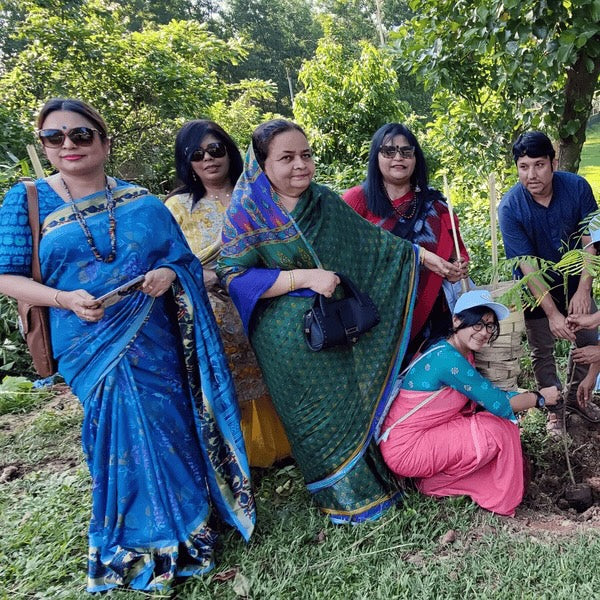
Trees for Corporates - Achieve Net Zero Targets Through Strategic Tree Planting
Trees for Corporates - Strategic Environmental SolutionsTransform your corporate environmental impact with...
-
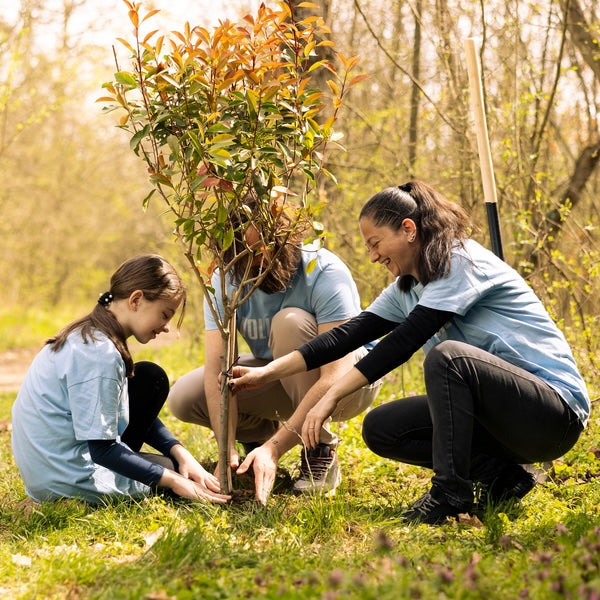
Tree Plantation for CSR - Corporate Environmental Programs | Grow Billion Trees
Tree Plantation for CSR - Transform Your Corporate Environmental ImpactTree plantation for...
-
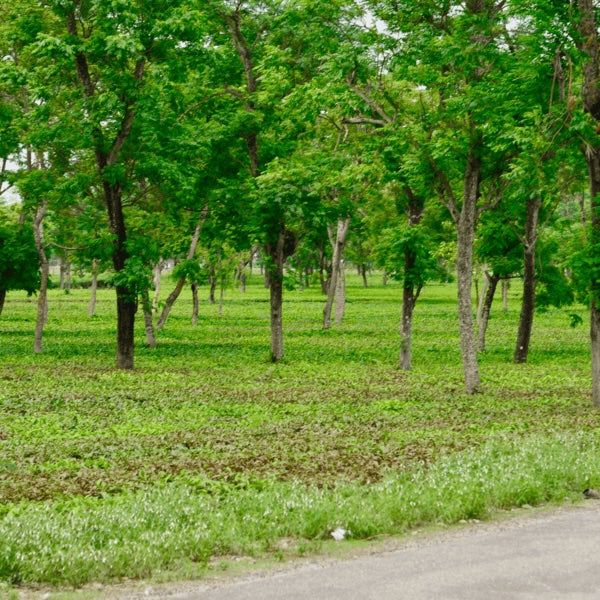
Tree Plantation for SDG - Support Sustainable Development Goals
Tree plantation for SDG initiatives represents a powerful pathway to achieving multiple...
-

Corporate Tree Plantation Programs - Sustainable ESG Environmental Solutions for Net Zero Targets
Transform your organization's environmental impact with our comprehensive Corporate Tree Plantation Programs...
-
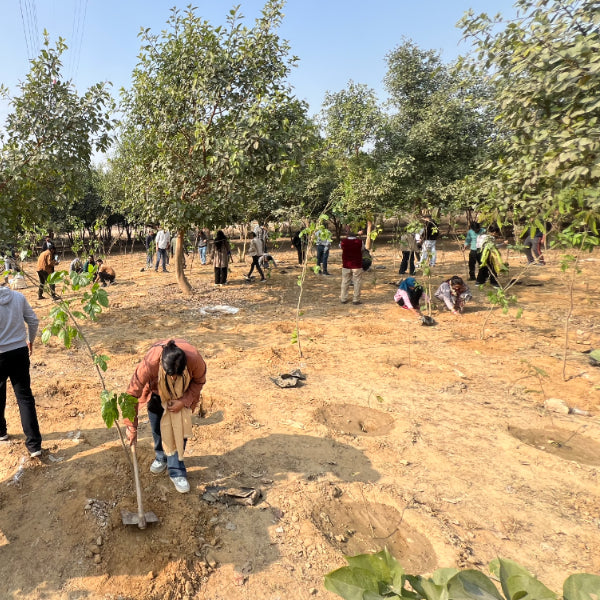
Tree Plantation by Location - Plant Trees Across India
Transform landscapes nationwide through our comprehensive tree plantation by location program. When...
Most Popular Tree Plantations - Top Choices for Environmental Impact
-
Trees for Mother
Regular price ₹ 299Regular priceUnit price per -
Trees to Honor the Memory of your Loved Ones
Regular price ₹ 299Regular priceUnit price per -
Trees for Wedding Anniversary Celebration
Regular price ₹ 299Regular priceUnit price per -
Trees for Grandmother
Regular price ₹ 299Regular priceUnit price per -
Trees for Grandfather
Regular price ₹ 299Regular priceUnit price per

Connect with us
-
👥 Corporates
If you are looking for:
- 🌲 Tree Plantation Events
- 📊 CSR Projects
📧 corporate@growbilliontrees.com
📞 +91 9699723523
💬 +91 9325931304 WhatsApp (Only)
🕒 Mon - Sat | 10am - 7pm IST
-
🧩 Tree Plantation NGOs
If you are looking for:
- 💰 Financial Assistance
- 🤝 Operational Support
📧 support@growbilliontrees.com
📞 +91 9699723523
💬 +91 9325931304 WhatsApp (Only)
🕒 Mon - Sat | 10am - 7pm IST
-
🌼 Individuals
If you are looking for:
- 👥 Group Tree Plantation Drive
- 🌳 Bulk Tree Plantation
📞 +91 9699723523
💬 +91 9325931304 WhatsApp (Only)
🕒 Mon - Sat | 10am - 7pm IST
