
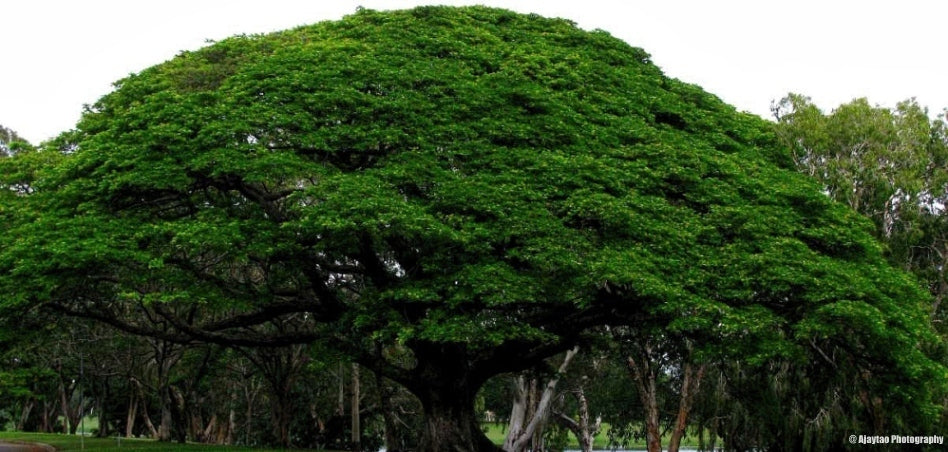
The Indian Raintree Tree (Albizia saman) stands as one of nature's most magnificent specimens, offering exceptional ecological benefits and stunning visual appeal. With its expansive umbrella-shaped canopy reaching up to 30 meters in diameter, this m Read more
Trending Tree Plantations - Most Popular Environmental Programs
-
Trees for Mother
Regular price ₹ 299Regular priceUnit price per -
Trees to Honor the Memory of your Loved Ones
Regular price ₹ 299Regular priceUnit price per -
Trees for Women's Day (8th Mar)
Regular price ₹ 299Regular priceUnit price per -
Trees for Wedding Anniversary Celebration
Regular price ₹ 299Regular priceUnit price per -
Trees for Grandmother
Regular price ₹ 299Regular priceUnit price per

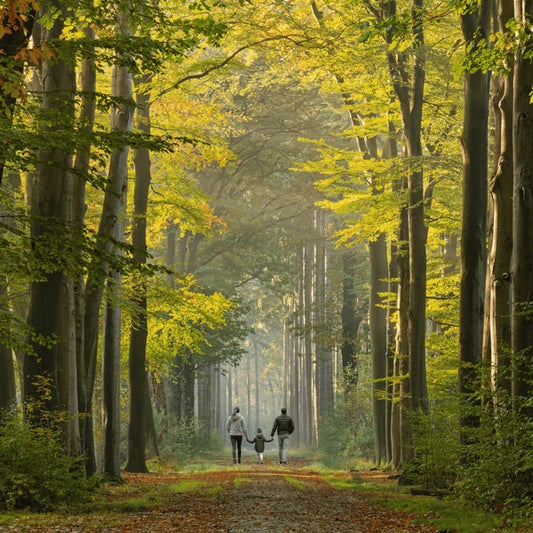



Trees for Corporates - Achieve Net Zero Targets Through Strategic Tree Planting
-
 Project Closed
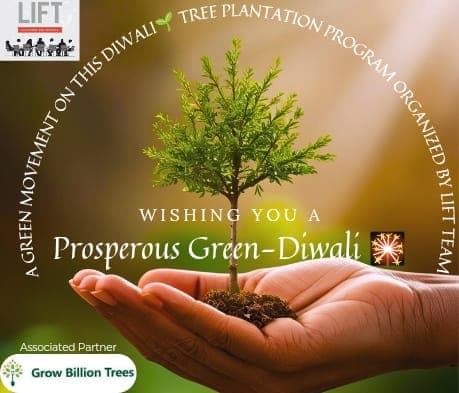
Trees by LIFT Team for Green Diwali: Transform Your Festival
Regular price ₹ 299Regular priceUnit price per -
Trees for a Greener Tomorrow - by Mahindra Lifespaces
Regular price ₹ 299Regular priceUnit price per -
Trees for Environment Day: Plant Your Impact on June 5th
Regular price ₹ 299Regular priceUnit price per -
Trees for Employees: Transform Your Corporate Culture in 2026
Regular price ₹ 299Regular priceUnit price per -
 Project Closed
Trees for Bangalore: Plant Native Trees in Garden City ₹299
Regular price ₹ 799Regular priceUnit price per
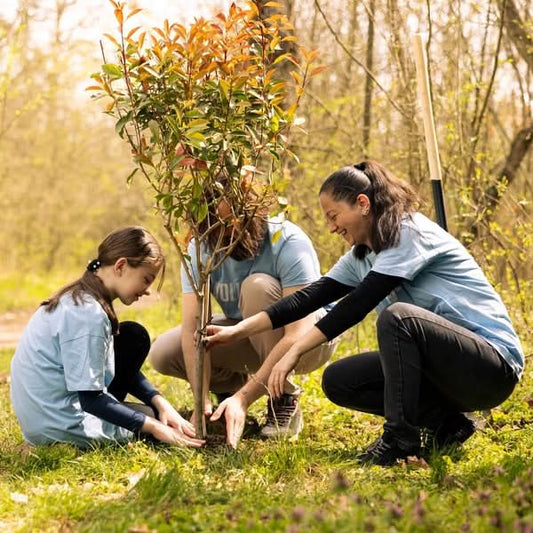
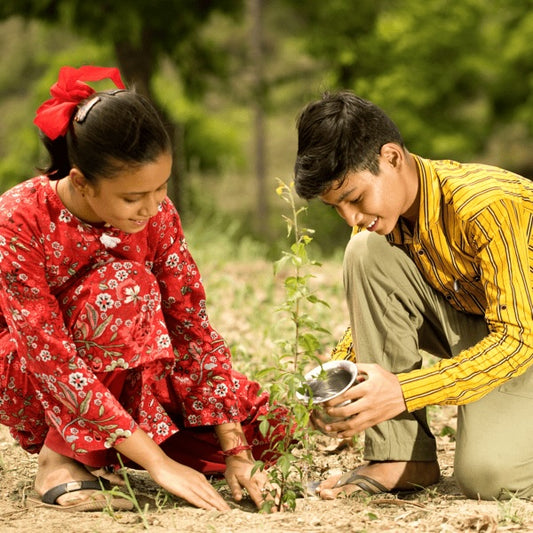

Indian Raintree Tree: Nature's Majestic Canopy Secrets Revealed
The Indian Raintree Tree (Albizia saman) stands as one of nature's most magnificent specimens, offering exceptional ecological benefits and stunning visual appeal. With its expansive umbrella-shaped canopy reaching up to 30 meters in diameter, this majestic tree serves as a natural air conditioner, creating microclimates that support diverse ecosystems while providing essential shade and cooling effects for urban environments.
The Indian Raintree, scientifically known as Albizia saman, is a majestic tree that graces the landscapes of India and other tropical regions around the world. With its expansive canopy, vibrant flowers, and ecological significance, the Indian Raintree is not just a tree; it's a vital component of our ecosystem.
✅ Scientific Classification and Characteristics
The Indian Raintree belongs to the Fabaceae family, which is known for its diverse group of flowering plants. This tree can grow up to 25 meters tall, with a broad, umbrella-shaped canopy that can extend over 30 meters in diameter. The leaves are bipinnate, meaning they are composed of smaller leaflets arranged on either side of a central stem, creating a feathery appearance.
One of the most striking features of the Indian Raintree is its beautiful pink to purple flowers, which bloom in clusters and attract a variety of pollinators, including bees and butterflies. Scientific studies have shown that the Indian Raintree is a nitrogen-fixing species, meaning it has the ability to convert atmospheric nitrogen into a form that plants can use.
This unique trait not only enriches the soil but also supports the growth of other plants in its vicinity. The tree's bark is grayish-brown and has a smooth texture, while its wood is light and durable, making it suitable for various applications, including furniture and construction.
⭐ Fascinating Facts About the Indian Raintree
- The Indian Raintree is often called the "Rain Tree" because its foliage can create a microclimate that reduces temperature and increases humidity beneath its canopy
- Its flowers are not only beautiful but also fragrant, making the tree a popular choice for parks and gardens
- The tree is known for its ability to provide shade, making it an ideal spot for picnics and outdoor activities
- In some cultures, the Indian Raintree is considered sacred, and its wood is used in traditional rituals and ceremonies
- A single mature Indian Raintree can absorb up to 50 pounds of carbon dioxide annually
- The tree's canopy can lower surrounding temperatures by up to 9°F (5°C)
🌿 Historical Significance and Cultural Heritage
The Indian Raintree has a rich history that dates back centuries. Native to the tropical regions of Central and South America, it was introduced to India during the British colonial period in the 19th century. The tree quickly adapted to the Indian climate and became a popular choice for urban landscaping due to its shade and aesthetic appeal.
Historically, the Indian Raintree has been used in traditional medicine. Various parts of the tree, including the bark, leaves, and flowers, have been utilized for their medicinal properties. Research has indicated potential anti-inflammatory, antioxidant, and antimicrobial effects, making it a subject of interest in herbal medicine.
🌍 Environmental Impact and Ecological Benefits
The Indian Raintree plays a crucial role in maintaining ecological balance. Its expansive canopy provides habitat and food for various species, contributing to biodiversity. Birds, insects, and small mammals find refuge in its branches, while its flowers attract pollinators, which are essential for the reproduction of many plant species.
According to the United Nations Environment Programme on forests, trees like the Indian Raintree are vital for ecosystem restoration and biodiversity conservation. Moreover, the tree's nitrogen-fixing ability enhances soil fertility, promoting the growth of other plants in the area.
This characteristic is particularly beneficial in degraded or nutrient-poor soils, where the Indian Raintree can help restore ecological health. Its deep root system also aids in preventing soil erosion, making it an important species for maintaining soil stability in hilly or sloped regions.
In urban settings, the Indian Raintree helps mitigate the urban heat island effect by providing shade and cooling the surrounding environment. This can lead to reduced energy consumption for cooling buildings, contributing to a more sustainable urban landscape.
💡 Growing and Caring for Indian Raintree
Successfully cultivating an Indian Raintree requires understanding its specific needs and growth patterns. These trees thrive in tropical and subtropical climates with temperatures ranging from 20°C to 35°C. They prefer well-drained soil but can adapt to various soil types, including clay and sandy soils.
→ Planting Requirements
- Soil: Well-drained, fertile soil with pH 6.0-7.5
- Sunlight: Full sun to partial shade (minimum 6 hours direct sunlight)
- Water: Regular watering during establishment, drought-tolerant once mature
- Space: Allow 15-20 meters between trees due to expansive canopy
→ Care and Maintenance
Young Indian Raintree saplings require consistent watering for the first two years. Mulching around the base helps retain moisture and suppress weeds. Pruning should be minimal, focusing only on removing dead or damaged branches to maintain the tree's natural shape.
🌱 Combating Climate Change Through Collective Action
The United Nations climate change initiatives emphasize the critical role of reforestation in achieving global climate goals. Organizations like Grow Billion Trees are at the forefront of promoting reforestation efforts in India, leveraging the ecological benefits of native species like the Indian Raintree.
Grow Billion Trees partners with local communities, schools, and organizations to execute tree planting projects. Their approach emphasizes community involvement, education, and sustainable practices. By engaging local populations, they ensure that the projects are not only environmentally beneficial but also socially responsible.
Through their innovative 4ft Tree Planting + 3 Years Care + GeoTag program, you can Plant a tree in your Name for just ₹299. This comprehensive approach ensures each Indian Raintree receives proper care and monitoring, contributing to the ambitious goal of planting 100 crore trees across India.
🏢 Corporate Environmental Responsibility
Many corporations are recognizing the importance of achieving Net Zero Targets through strategic tree planting initiatives. The World Wildlife Fund's forest conservation programs highlight how businesses can contribute to environmental restoration while meeting sustainability goals.
Indian Raintree plantations offer excellent carbon sequestration potential, making them ideal for corporate environmental programs. Companies partnering with Grow Billion Trees can track their environmental impact through GeoTag technology, ensuring transparency and accountability in their sustainability efforts.
🌿 Specialized Planting Programs
Grow Billion Trees offers various specialized programs incorporating Indian Raintree cultivation:
- Miyawaki Forests: Dense, native forest creation using Indian Raintree as canopy species
- Agroforestry Programs: Integrating Indian Raintree with agricultural systems for enhanced productivity
- Urban Forestry: Strategic placement in cities for maximum cooling and air purification benefits
- Corporate Partnerships: Large-scale plantations for companies pursuing environmental goals
⚠️ Conservation Challenges and Solutions
Despite its resilience, the Indian Raintree faces challenges from urbanization, climate change, and habitat loss. The World Wildlife Fund's research on deforestation shows that protecting existing mature trees while planting new ones is crucial for maintaining ecological balance.
Grow Billion Trees addresses these challenges through:
- Community education and awareness programs
- Sustainable planting practices that consider local ecosystems
- Long-term monitoring and care protocols
- Partnerships with local authorities for protection measures
Frequently Asked Questions
How fast does an Indian Raintree grow?
Indian Raintree exhibits moderate to fast growth, typically growing 2-3 feet annually under optimal conditions. Young trees can reach 10-15 feet within 5 years, with full canopy development occurring over 15-20 years.
Is Indian Raintree suitable for small gardens?
Due to its expansive canopy (up to 30 meters diameter), Indian Raintree is better suited for large gardens, parks, or open spaces. For smaller areas, consider dwarf varieties or alternative shade trees.
What wildlife does Indian Raintree attract?
The tree attracts diverse wildlife including birds (parrots, bulbuls, sunbirds), butterflies, bees, and small mammals. Its flowers provide nectar for pollinators, while the canopy offers nesting sites.
Can Indian Raintree survive drought conditions?
Once established (after 2-3 years), Indian Raintree is quite drought-tolerant due to its deep root system. However, regular watering during dry spells enhances growth and flowering.
What are the medicinal uses of Indian Raintree?
Traditional medicine uses various parts for anti-inflammatory, antioxidant, and antimicrobial properties. However, always consult healthcare professionals before using any plant medicinally.
How much space does an Indian Raintree need?
Allow at least 15-20 meters between Indian Raintree and other large trees or structures to accommodate its expansive canopy growth without crowding.
When does Indian Raintree flower?
Indian Raintree typically flowers during warm months (March to June in India), producing beautiful pink to purple fragrant blooms that attract pollinators.
Is Indian Raintree good for carbon sequestration?
Yes, mature Indian Raintree can sequester 50+ pounds of CO2 annually, making it excellent for carbon offset programs and climate change mitigation efforts.
🌟 Join the Green Revolution Today
The Indian Raintree represents hope for our planet's future, combining natural beauty with powerful environmental benefits. Through initiatives like Grow Billion Trees, we can harness the potential of these magnificent trees to create a more sustainable world.
Whether you're an individual looking to make a positive environmental impact or a corporation seeking to achieve sustainability goals, planting an Indian Raintree through Grow Billion Trees ensures your contribution receives professional care and monitoring. With comprehensive programs covering everything from urban forestry to agroforestry, there's a perfect opportunity for everyone to participate in this green revolution.
Take action today and plant your Indian Raintree to become part of the movement toward a greener, more sustainable India. Together, we can unlock the secrets of nature's majestic canopy while building a legacy for future generations.
You may also like
-
Gift a Tree - Meaningful Environmental Gifts That Make a Difference
Transform your gift-giving with meaningful environmental gifts that create lasting impact for...
-
Trees For Shiv Ji - Sacred Tree Planting to Honor Lord Shiva
Honor Lord Shiva through sacred tree planting with Trees For Shiv Ji,...
-

Tree Plantations for Shri Ram - Sacred Devotional Planting Services
Honor Lord Shri Ram through meaningful tree plantations for Shri Ram that...
-
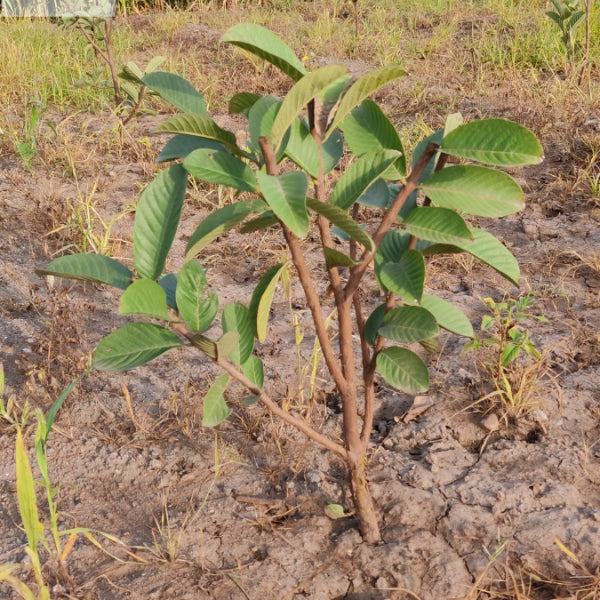
Tree Plantation on Navratri - Celebrate Divine Festivals with Environmental Devotion
Tree plantation on Navratri transforms the sacred nine-day festival into a powerful...
-
Tree Plantation by Cause - Plant Trees for Every Purpose | Grow Billion Trees
Transform your environmental impact with purpose-driven tree plantation by cause programs that...
Corporate Plantations
-
Trees for Corporates - Achieve Net Zero Targets Through Strategic Tree Planting
Trees for Corporates - Strategic Environmental SolutionsTransform your corporate environmental impact with...
-
Tree Plantation for CSR - Corporate Environmental Programs | Grow Billion Trees
Tree Plantation for CSR - Transform Your Corporate Environmental ImpactTree plantation for...
-
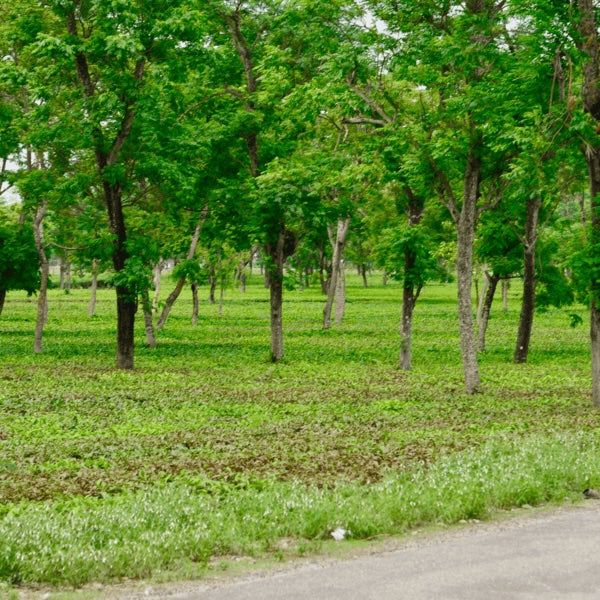
Tree Plantation for SDG - Support Sustainable Development Goals
Tree plantation for SDG initiatives represents a powerful pathway to achieving multiple...
-
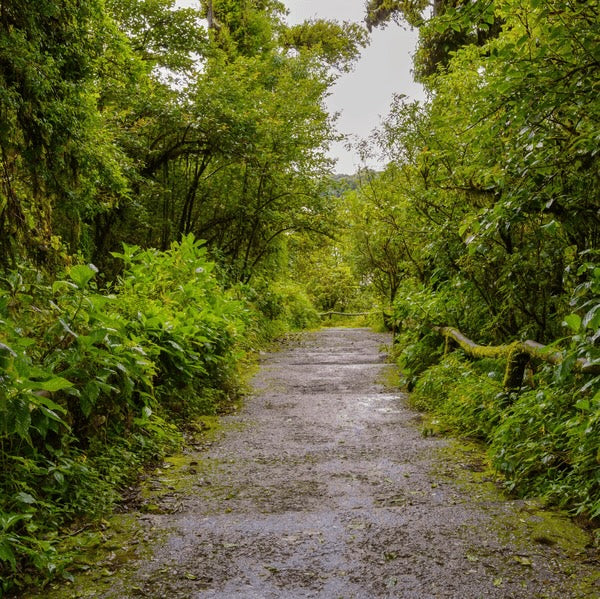
Corporate Tree Plantation Programs - Sustainable ESG Environmental Solutions for Net Zero Targets
Transform your organization's environmental impact with our comprehensive Corporate Tree Plantation Programs...
-
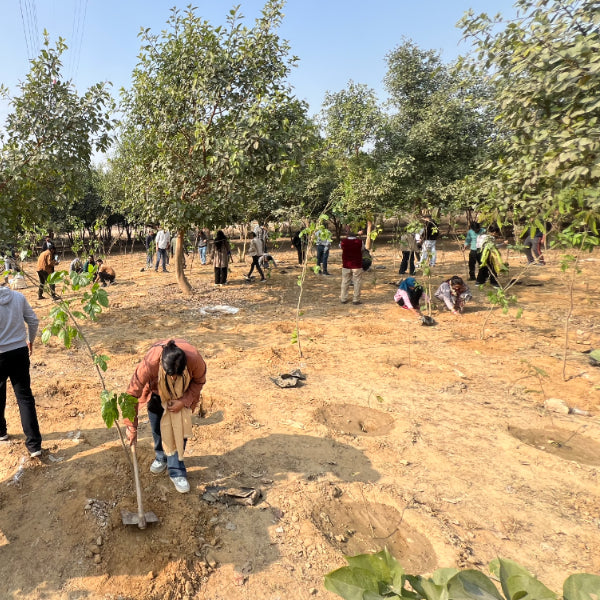
Tree Plantation by Location - Plant Trees Across India
Transform landscapes nationwide through our comprehensive tree plantation by location program. When...
Most Popular Tree Plantations - Top Choices for Environmental Impact
-
Trees for Mother
Regular price ₹ 299Regular priceUnit price per -
Trees to Honor the Memory of your Loved Ones
Regular price ₹ 299Regular priceUnit price per -
Trees for Wedding Anniversary Celebration
Regular price ₹ 299Regular priceUnit price per -
Trees for Grandmother
Regular price ₹ 299Regular priceUnit price per -
Trees for Grandfather
Regular price ₹ 299Regular priceUnit price per

Connect with us
-
👥 Corporates
If you are looking for:
- 🌲 Tree Plantation Events
- 📊 CSR Projects
📧 corporate@growbilliontrees.com
📞 +91 9699723523
💬 +91 9325931304 WhatsApp (Only)
🕒 Mon - Sat | 10am - 7pm IST
-
🧩 Tree Plantation NGOs
If you are looking for:
- 💰 Financial Assistance
- 🤝 Operational Support
📧 support@growbilliontrees.com
📞 +91 9699723523
💬 +91 9325931304 WhatsApp (Only)
🕒 Mon - Sat | 10am - 7pm IST
-
🌼 Individuals
If you are looking for:
- 👥 Group Tree Plantation Drive
- 🌳 Bulk Tree Plantation
📞 +91 9699723523
💬 +91 9325931304 WhatsApp (Only)
🕒 Mon - Sat | 10am - 7pm IST
