
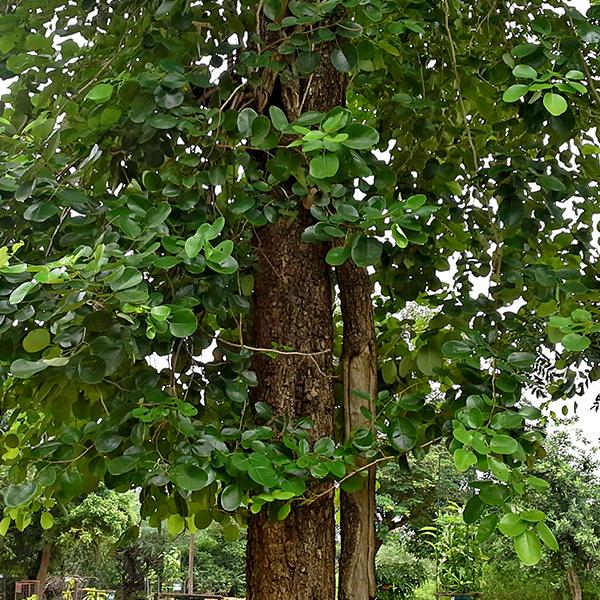
The Indian Red Sandalwood Tree (Pterocarpus santalinus) stands as one of nature's most prized possessions, offering exceptional value through its rich red heartwood and remarkable medicinal properties. This extraordinary species, native to southern I Read more
Trending Tree Plantations - Most Popular Environmental Programs
-
Trees for Birthday Celebration - Plant a Meaningful Gift
Regular price ₹ 299Regular priceUnit price per -
Trees for Mother
Regular price ₹ 299Regular priceUnit price per -
Trees as a Gift - Plant Hope & Create Lasting Impact
Regular price ₹ 299Regular priceUnit price per -
Trees to Honor the Memory of your Loved Ones
Regular price ₹ 299Regular priceUnit price per -
Trees for Women's Day (8th Mar)
Regular price ₹ 299Regular priceUnit price per


Trees for Corporates - Achieve Net Zero Targets Through Strategic Tree Planting
-
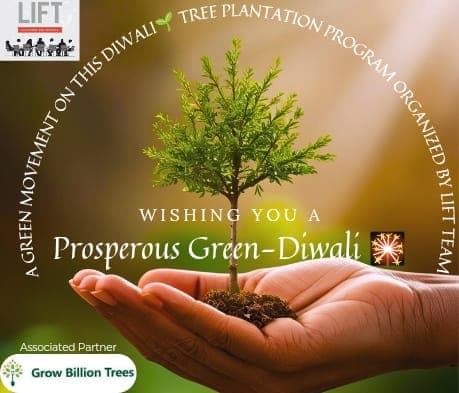
Trees by LIFT Team for Green Diwali - Eco-Friendly Celebration
Regular price ₹ 299Regular priceUnit price per -
Plant Trees for Environment - Climate Action & Green Future
Regular price ₹ 299Regular priceUnit price per -
Trees for a Greener Tomorrow - by Mahindra Lifespaces
Regular price ₹ 299Regular priceUnit price per -
Trees for Farmers - Sustainable Agroforestry Solutions
Regular price ₹ 299Regular priceUnit price per -
Plant Trees for Environment Day (5th Jun) - Make an Impact Today
Regular price ₹ 299Regular priceUnit price per

Indian Red Sandalwood Tree: Nature's Most Valuable Treasure
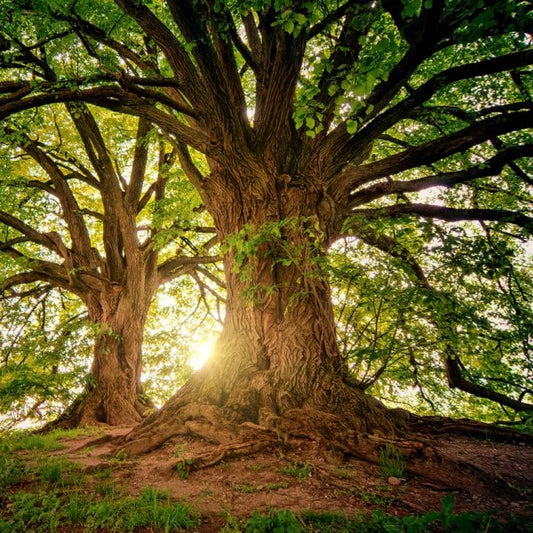
The Indian Red Sandalwood Tree (Pterocarpus santalinus) stands as one of nature's most prized possessions, offering exceptional value through its rich red heartwood and remarkable medicinal properties. This extraordinary species, native to southern India, has captivated civilizations for millennia with its aromatic essence and cultural significance.
At Grow Billion Trees, we recognize the critical importance of preserving this endangered treasure. Through our mission to plant 100 crore trees across India, we're Combating Climate Change Through Collective Action while ensuring future generations can experience the wonder of these magnificent trees.
Historical Significance of Indian Red Sandalwood ⭐
The history of the Indian Red Sandalwood Tree dates back thousands of years. Ancient texts from India, including the Vedas and the Puranas, mention the use of sandalwood in religious rituals, traditional medicine, and as a valuable trade commodity.
The wood was highly sought after for its fragrance and was often used in the making of incense, perfumes, and traditional carvings. The demand for sandalwood peaked during the 19th century, leading to over-exploitation and illegal logging, which significantly reduced its population in the wild.
In addition to its use in religious and cultural practices, Indian Red Sandalwood has played a vital role in traditional medicine. Ayurvedic practitioners have long utilized the tree for its cooling properties, treating conditions such as fever, skin ailments, and digestive issues.
The essential oil extracted from the heartwood is known for its anti-inflammatory and antiseptic properties, making it a valuable ingredient in various herbal formulations.
Ecological Importance and Environmental Benefits ✅
The Indian Red Sandalwood Tree is not just a valuable resource; it also plays a crucial role in its ecosystem. As a leguminous plant, it has the ability to fix nitrogen in the soil, enhancing soil fertility and promoting the growth of other plants in its vicinity.
This characteristic makes it an essential species for reforestation projects, particularly in degraded areas where soil health is compromised. According to the United Nations Sustainable Development Goals, sustainable forest management is crucial for achieving global environmental targets.
Moreover, the tree provides habitat and food for various wildlife species. Birds, insects, and small mammals are known to thrive in areas where Indian Red Sandalwood trees are abundant. The tree's flowers, which bloom in clusters, attract pollinators, while its foliage offers shelter and sustenance for numerous organisms, contributing to biodiversity conservation.
Scientific Data: Growth and Cultivation Requirements 💡
Growing Indian Red Sandalwood requires specific climatic and soil conditions. The tree thrives in tropical and subtropical climates, preferring well-drained sandy or loamy soils with a pH range of 5.5 to 7.5.
Key cultivation requirements include:
- Elevation: Up to 1,200 meters above sea level
- Annual rainfall: 800-1,200 mm
- Height potential: 10 to 15 meters
- Soil type: Well-drained sandy or loamy soils
- pH range: 5.5 to 7.5
Propagation is usually done through seeds, which have a hard seed coat that requires scarification for germination. Once planted, the seedlings need to be nurtured for about 3 to 5 years before they can be harvested for their valuable wood.
The heartwood, which is the most prized part of the tree, develops as the tree matures, making it essential to allow sufficient time for growth before harvesting.
Environmental Impact of Over-Exploitation ⚠️
The over-exploitation of Indian Red Sandalwood has led to significant environmental consequences. Deforestation and illegal logging have not only threatened the survival of this species but have also disrupted local ecosystems.
The loss of these trees has resulted in:
- Soil erosion in affected regions
- Reduced biodiversity and habitat loss
- Altered water cycles
- Economic instability for local communities
Furthermore, the decline in sandalwood populations has negatively impacted local communities that rely on this tree for their livelihoods, leading to economic instability.
Conservation efforts are crucial to ensure the survival of Indian Red Sandalwood. Sustainable harvesting practices, reforestation initiatives, and legal protections are necessary to prevent further decline.
Grow Billion Trees: Leading Conservation Efforts 🌱
Grow Billion Trees is an innovative organization dedicated to reforestation and environmental conservation. Our mission is to Plant a tree in your Name and nurture a billion trees globally, with a special focus on endangered species like the Indian Red Sandalwood.
Through partnerships with local communities, government agencies, and environmental organizations, we implement various projects aimed at promoting sustainable forestry practices and restoring degraded ecosystems. Our comprehensive approach includes 4ft Tree Planting + 3 Years Care + GeoTag technology to ensure every tree thrives.
The organization employs a multi-faceted approach to conservation initiatives. We conduct extensive research to identify suitable planting sites and assess local environmental conditions, ensuring optimal growth conditions for each Indian Red Sandalwood tree planted.
Modern Applications and Economic Value
Today's Indian Red Sandalwood Tree continues to hold immense economic value across various industries. The pharmaceutical sector utilizes its compounds for developing natural medicines, while the cosmetic industry values its anti-aging and skin-healing properties.
The furniture and handicraft industries prize the wood for its durability and beautiful grain patterns. Additionally, the essential oil market continues to grow, with sandalwood oil commanding premium prices in international markets.
For individuals and corporations seeking to achieve their Net Zero Targets, planting Indian Red Sandalwood trees offers both environmental and economic benefits through carbon sequestration and long-term value appreciation.
Conservation Strategies and Future Outlook
Effective conservation of the Indian Red Sandalwood Tree requires a comprehensive approach combining legal protection, sustainable cultivation, and community engagement. Forest conservation initiatives worldwide emphasize the importance of preserving endangered tree species.
Key conservation strategies include:
- Establishing protected cultivation areas
- Implementing strict harvesting regulations
- Promoting community-based conservation programs
- Supporting research on propagation techniques
- Creating awareness about ecological importance
Organizations like Grow Billion Trees are pioneering innovative approaches to ensure the survival and proliferation of this precious species for future generations.
How You Can Contribute to Conservation
Every individual can play a vital role in preserving the Indian Red Sandalwood Tree. By choosing to plant trees through verified conservation programs, you directly contribute to species preservation and environmental restoration.
At Grow Billion Trees, we make it easy for you to make a difference. For just ₹299, you can Plant a tree in your Name and receive a personalized certificate along with GeoTag tracking to monitor your tree's growth progress.
Whether you're celebrating a special occasion, honoring a loved one's memory, or simply wanting to contribute to environmental conservation, planting an Indian Red Sandalwood tree creates lasting impact for generations to come.
Frequently Asked Questions
What makes Indian Red Sandalwood so valuable?
Indian Red Sandalwood is valuable due to its rare red heartwood, medicinal properties, aromatic qualities, and cultural significance. The tree takes decades to mature, making genuine sandalwood increasingly scarce and highly prized in international markets.
How long does it take for Indian Red Sandalwood to mature?
Indian Red Sandalwood trees typically require 15-20 years to develop valuable heartwood, though they can live for over 100 years. The longer maturation period contributes to the wood's exceptional quality and high market value.
Is Indian Red Sandalwood endangered?
Yes, Indian Red Sandalwood is classified as endangered due to over-exploitation and illegal logging. Conservation efforts and sustainable cultivation practices are essential to prevent extinction of this precious species.
Can Indian Red Sandalwood be grown outside India?
While Indian Red Sandalwood can potentially grow in similar tropical climates, it thrives best in its native habitat of southern India. Successful cultivation requires specific soil conditions, rainfall patterns, and temperature ranges.
What are the medicinal benefits of Indian Red Sandalwood?
Traditional medicine uses Indian Red Sandalwood for its cooling, anti-inflammatory, and antiseptic properties. It's commonly used to treat skin conditions, fever, digestive issues, and various other ailments in Ayurvedic practices.
How does Grow Billion Trees ensure tree survival?
Grow Billion Trees provides comprehensive care including site selection, proper planting techniques, 3 years of maintenance, and GeoTag technology for monitoring. Our expert team ensures optimal growing conditions for maximum survival rates.
What is the cost of planting an Indian Red Sandalwood tree?
Through Grow Billion Trees, you can plant an Indian Red Sandalwood tree for just ₹299, which includes planting, 3 years of care, and GeoTag tracking. This affordable price makes conservation accessible to everyone.
How can corporations use Indian Red Sandalwood planting for sustainability goals?
Corporations can plant Indian Red Sandalwood trees to achieve Net Zero Targets, demonstrate environmental responsibility, and create measurable carbon offset benefits. These trees provide long-term carbon sequestration and biodiversity conservation.
Taking Action for Environmental Conservation
The Indian Red Sandalwood Tree represents more than just a valuable natural resource—it symbolizes our connection to nature and responsibility for environmental stewardship. Through collective action and dedicated conservation efforts, we can ensure this magnificent species continues to thrive.
By supporting organizations like Grow Billion Trees and participating in reforestation initiatives, you become part of a global movement working toward a sustainable future. Every tree planted contributes to climate change mitigation and biodiversity preservation.
Join us in our mission to plant 100 crore trees and create a greener, more sustainable India. Plant your Indian Red Sandalwood tree today and become a guardian of nature's most valuable treasure for generations to come.
You may also like
-
Gift a Tree - Meaningful Environmental Gifts That Make a Difference
Transform your gift-giving with meaningful environmental gifts that create lasting impact for...
-
Trees For Shiv Ji - Sacred Tree Planting to Honor Lord Shiva
Honor Lord Shiva through sacred tree planting with Trees For Shiv Ji,...
-
Tree Plantations for Shri Ram - Sacred Devotional Planting Services
Honor Lord Shri Ram through meaningful tree plantations for Shri Ram that...
-
Tree Plantation on Navratri - Celebrate Divine Festivals with Environmental Devotion
Tree plantation on Navratri transforms the sacred nine-day festival into a powerful...
-
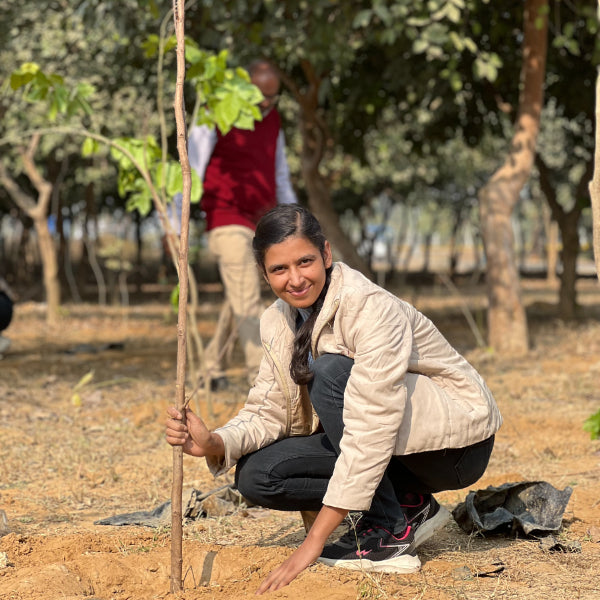
Tree Plantation by Cause - Plant Trees for Every Purpose | Grow Billion Trees
Transform your environmental impact with purpose-driven tree plantation by cause programs that...
Corporate Plantations
-
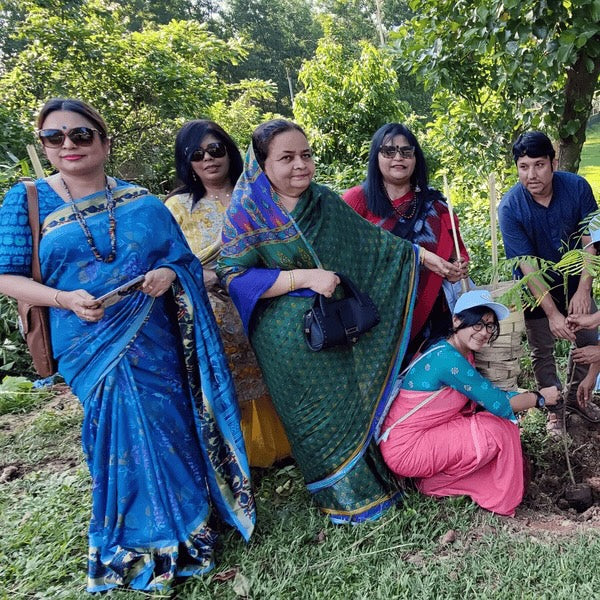
Trees for Corporates - Achieve Net Zero Targets Through Strategic Tree Planting
Trees for Corporates - Strategic Environmental SolutionsTransform your corporate environmental impact with...
-
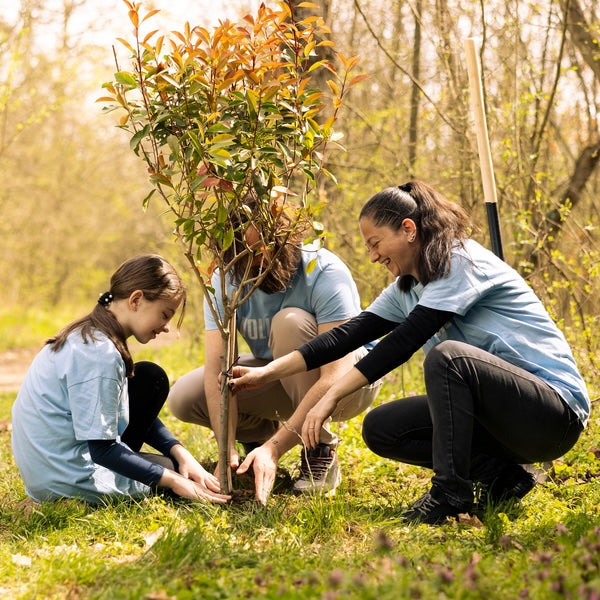
Tree Plantation for CSR - Corporate Environmental Programs | Grow Billion Trees
Tree Plantation for CSR - Transform Your Corporate Environmental ImpactTree plantation for...
-
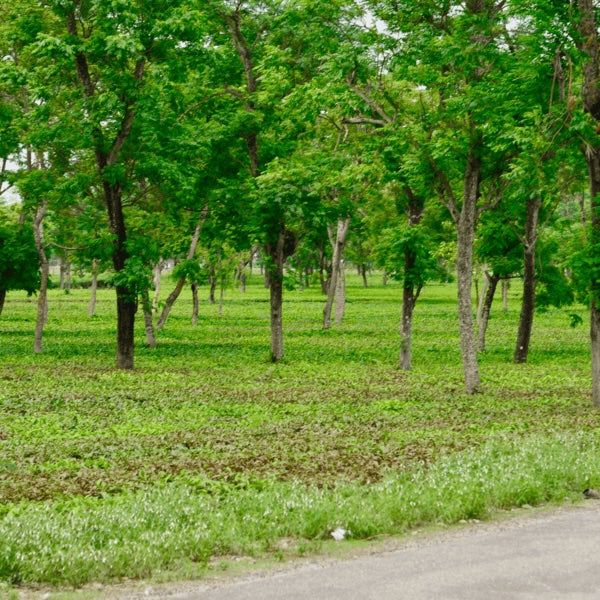
Tree Plantation for SDG - Support Sustainable Development Goals
Tree plantation for SDG initiatives represents a powerful pathway to achieving multiple...
-
Corporate Tree Plantation Programs - Sustainable ESG Environmental Solutions for Net Zero Targets
Corporate Tree Plantation Programs for Sustainable ESG SolutionsTransform your organization's environmental impact...
-
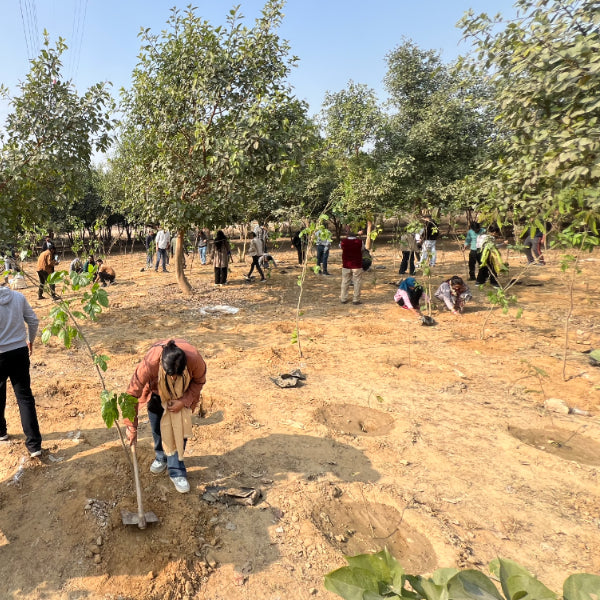
Tree Plantation by Location - Plant Trees Across India
Transform landscapes nationwide through our comprehensive tree plantation by location program. When...
Indian Red Sandalwood Benefits
This isn't just any tree; Indian Red Sandalwood is like the Swiss Army knife of nature! From its aromatic heartwood that makes incense and perfumes sing to its medicinal properties that soothe everything from fever to skin ailments, this tree is a multitasking marvel. Think of it as nature’s remedy cabinet, packed with anti-inflammatory and antiseptic goodness. Plus, its wood is a showstopper in traditional carvings, making it a favorite among artisans. Who knew a tree could have such a flair for drama and healing?
Sandalwood Cultivation Techniques
Cultivating Indian Red Sandalwood is like hosting a VIP dinner party for plants. This diva prefers well-drained sandy or loamy soils and a tropical climate, with a sprinkle of rainfall to keep things interesting. With a little patience, you can nurture seedlings for 3 to 5 years before they’re ready to strut their stuff—aka, their prized heartwood. Just remember, this tree likes its space to grow tall and proud, reaching heights of 10 to 15 meters.
Ecological Role of Indian Red Sandalwood
The Indian Red Sandalwood Tree is the unsung hero of its ecosystem, playing a vital role in maintaining harmony. As a leguminous superstar, it fixes nitrogen in the soil, boosting fertility and helping its plant pals thrive. It’s like the eco-friendly fertilizer that nature never knew it needed. And let’s not forget the wildlife! This tree provides food and shelter for birds, insects, and small mammals, making it a biodiversity bonanza. Who knew a tree could be such a generous host?
Historical Uses of Sandalwood
The Indian Red Sandalwood Tree has a history that reads like an epic saga. Revered in ancient texts like the Vedas and Puranas, this tree has been a star in religious rituals, traditional medicine, and trade for thousands of years. Imagine it as the celebrity of the ancient world, sought after for its fragrant wood used in incense and perfumes. But fame has its price; the 19th century saw a peak in demand that led to the tree’s over-exploitation, making its story a cautionary tale of greed and loss.
Conservation Efforts for Indian Red Sandalwood
Saving the Indian Red Sandalwood Tree is like a superhero mission, and organizations like Grow Billion Trees are leading the charge. With a commitment to reforestation and sustainable practices, they’re on a quest to restore this endangered species. Think of them as the guardians of the forest, working with local communities to promote responsible harvesting and ecological awareness. Together, they’re crafting a narrative of hope, turning the tide against illegal logging and environmental degradation.
Cultural Significance of Sandalwood
In the realm of cultural treasures, Indian Red Sandalwood reigns supreme. This tree isn’t just wood; it’s a symbol of spirituality and purity in traditional Indian culture. Often used in religious ceremonies, its aromatic heartwood adds a sacred touch to rituals, making it a beloved element in practices that span centuries. It’s like the VIP guest at every spiritual gathering, reminding us of the deep connections between nature, culture, and the divine.
Medicinal Properties of Sandalwood
When it comes to healing, Indian Red Sandalwood is the herbalist’s best friend. This tree has been a staple in Ayurvedic medicine for centuries, known for its cooling properties that tackle everything from fevers to skin issues. The essential oil extracted from its heartwood is a soothing balm, boasting anti-inflammatory and antiseptic qualities that make it a go-to in various herbal formulations. It’s like a natural pharmacy, ready to offer relief and relaxation.
Sandalwood in Modern Industry
Indian Red Sandalwood is not just a relic of the past; it’s making waves in modern industries too! From high-end perfumes to exclusive furniture, its rich, reddish-brown heartwood is a coveted material. But with great demand comes great responsibility, as the industry faces the challenge of balancing aesthetics with sustainability. The key lies in promoting ethically sourced products, ensuring that this beautiful wood can continue to grace our lives without costing the earth.
Sandalwood and Biodiversity
The Indian Red Sandalwood Tree is a biodiversity champion, providing essential habitats for various wildlife. Its flowers attract pollinators, while its dense foliage offers shelter and sustenance for birds, insects, and small mammals. This tree is like a bustling community center in the forest, fostering life and promoting ecological balance. Protecting it means safeguarding countless species that rely on its presence, making it a vital player in the game of biodiversity.
Sandalwood and Climate Change
The Indian Red Sandalwood Tree plays a role in the fight against climate change, acting as a natural ally in carbon sequestration. By fixing nitrogen in the soil and improving overall soil health, this tree helps combat the adverse effects of climate change. Reforestation initiatives that include Indian Red Sandalwood can enhance ecosystem resilience and promote sustainable land use. It’s like planting a green army to battle the climate crisis, one tree at a time!
Sandalwood Products Market
The market for Indian Red Sandalwood products is a double-edged sword—while it fuels demand for beautiful, aromatic goods, it also raises concerns about sustainability. As consumers become more eco-conscious, the push for sustainably sourced sandalwood products grows stronger. This shift is essential for ensuring that the charm of Indian Red Sandalwood can be enjoyed without endangering its future. It’s a call to action for brands to prioritize ethical practices and for consumers to make informed choices.
FAQ
What is the Indian Red Sandalwood Tree?
This beauty, scientifically named Pterocarpus santalinus, hails from southern India. Known for its rich, red heartwood, it’s a superstar in aesthetics, traditional medicine, and cultural practices. Let’s just say, if trees had a celebrity status, the Indian Red Sandalwood would be on the A-list!
Why is Indian Red Sandalwood historically significant?
This tree has been turning heads since ancient times! Mentioned in ancient texts like the Vedas, it’s been a prized possession for rituals, perfumes, and carvings. The 19th century saw a sandalwood frenzy, leading to over-exploitation—talk about a dramatic rise and fall in the tree world!
What ecological role does Indian Red Sandalwood play?
This tree isn’t just a pretty face; it’s an ecosystem hero! As a legume, it fixes nitrogen in the soil, boosting fertility and supporting neighboring plants. Plus, it’s a habitat and food source for wildlife. Who knew a tree could be such a generous host
How does one grow Indian Red Sandalwood?
Growing this gem requires a bit of finesse! It loves tropical climates, well-drained soils, and a decent amount of rainfall. Patience is key, as seedlings take 3 to 5 years to mature before you can harvest that prized heartwood. Good things come to those who wait!
What are the consequences of over-exploitation?
Over-exploitation of Indian Red Sandalwood is like throwing a party and forgetting to invite the ecosystem! Deforestation and illegal logging disrupt habitats, lead to soil erosion, and harm local communities. It’s a classic case of “what goes around, comes around,” and the planet is feeling the hangover.
What is Grow Billion Trees doing for conservation?
Grow Billion Trees is on a mission to save the day—one tree at a time! This innovative organization focuses on reforestation, especially endangered species like Indian Red Sandalwood. By partnering with communities, they’re not just planting trees; they’re planting hope for a greener future!
How does Grow Billion Trees engage local communities?
Community engagement is at the heart of Grow Billion Trees’ strategy! They empower locals to participate in planting and caring for Indian Red Sandalwood trees. It’s a win-win: communities gain skills and economic opportunities while ensuring these trees thrive. Talk about teamwork making the dream work!
What fun facts should I know about Indian Red Sandalwood?
Prepare to be amazed! The heartwood’s color deepens with age, and it emits a sweet fragrance—perfect for incense lovers. Culturally, it’s sacred, symbolizing purity. Plus, its essential oil is a calming aromatherapy favorite. Who knew a tree could be so multi-talented
Why is Indian Red Sandalwood classified as endangered?
This tree’s popularity has turned it into a victim of its own charm! Over-exploitation for its heartwood has led to its endangered status. Urgent conservation efforts are a must to protect this precious resource. It’s a classic case of “too much of a good thing” gone wrong!
How can I help conserve Indian Red Sandalwood?
You can be a conservation superhero! Support sustainably sourced products and brands that prioritize the environment. Advocate for policies protecting endangered species and their habitats. Every little action counts in the quest to save the Indian Red Sandalwood Tree—let’s work together for a greener tomorrow!
What does the future hold for Indian Red Sandalwood?
The future is bright for Indian Red Sandalwood, thanks to collective conservation efforts! With organizations like Grow Billion Trees leading the charge, responsible harvesting practices and community engagement are paving the way for sustainability. Together, we can ensure this remarkable tree stands tall for generations to come!
Most Popular Tree Plantations - Top Choices for Environmental Impact
-
Trees for Birthday Celebration - Plant a Meaningful Gift
Regular price ₹ 299Regular priceUnit price per -
Trees for Mother
Regular price ₹ 299Regular priceUnit price per -
Trees as a Gift - Plant Hope & Create Lasting Impact
Regular price ₹ 299Regular priceUnit price per -
Trees to Honor the Memory of your Loved Ones
Regular price ₹ 299Regular priceUnit price per -
Sacred Trees for Krishna on Janmashtami - Divine Gift ₹299
Regular price ₹ 299Regular priceUnit price per
Connect with us
-
👥 Corporates
If you are looking for:
- 🌲 Tree Plantation Events
- 📊 CSR Projects
📧 corporate@growbilliontrees.com
📞 +91 9699723523
💬 +91 9325931304 WhatsApp (Only)
🕒 Mon - Sat | 10am - 7pm IST
-
🧩 Tree Plantation NGOs
If you are looking for:
- 💰 Financial Assistance
- 🤝 Operational Support
📧 support@growbilliontrees.com
📞 +91 9699723523
💬 +91 9325931304 WhatsApp (Only)
🕒 Mon - Sat | 10am - 7pm IST
-
🌼 Individuals
If you are looking for:
- 👥 Group Tree Plantation Drive
- 🌳 Bulk Tree Plantation
📞 +91 9699723523
💬 +91 9325931304 WhatsApp (Only)
🕒 Mon - Sat | 10am - 7pm IST
