
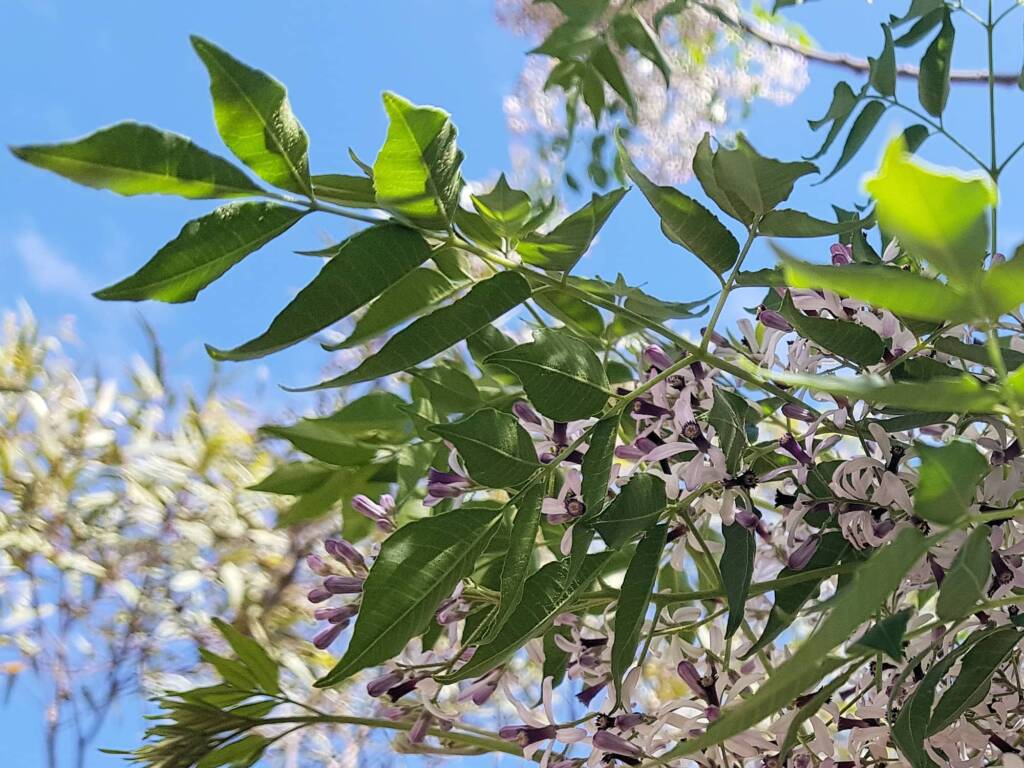
Indian White Cedar Tree: Unveiling the Secrets of Nature's Marvel and Its Incredible BenefitsThe Indian White Cedar tree (Melia azedarach) stands as one of nature's most remarkable gifts, offering extraordinary ecological and medicinal benefits that Read more
Trending Tree Plantations - Most Popular Environmental Programs
-
Trees for Birthday Celebration - Plant a Meaningful Gift
Regular price ₹ 299Regular priceUnit price per -
Trees for Mother
Regular price ₹ 299Regular priceUnit price per -
Trees as a Gift - Plant Hope & Create Lasting Impact
Regular price ₹ 299Regular priceUnit price per -
Trees to Honor the Memory of your Loved Ones
Regular price ₹ 299Regular priceUnit price per -
Trees for Women's Day (8th Mar)
Regular price ₹ 299Regular priceUnit price per
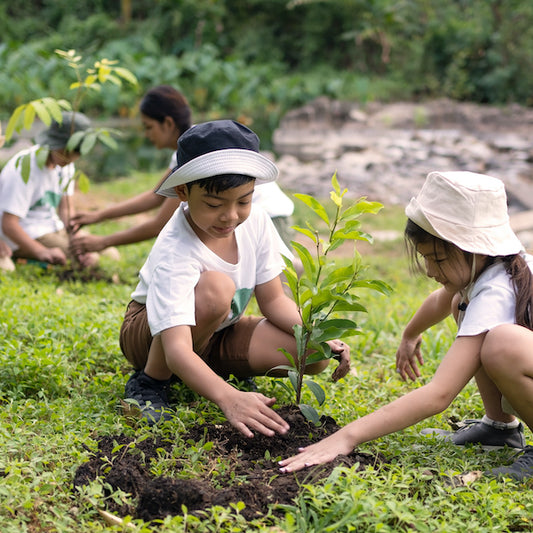

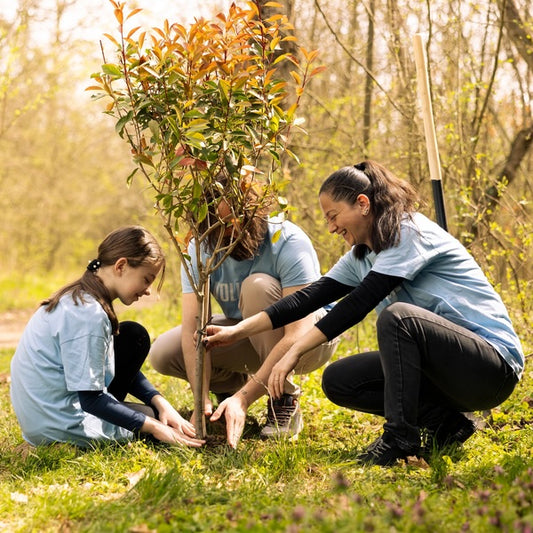

Trees for Corporates - Achieve Net Zero Targets Through Strategic Tree Planting
-
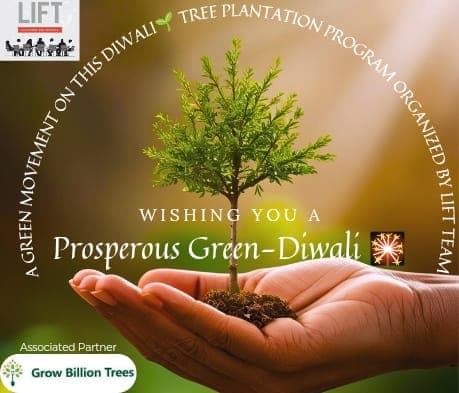
Trees by LIFT Team for Green Diwali - Eco-Friendly Celebration
Regular price ₹ 299Regular priceUnit price per -
Plant Trees for Environment - Climate Action & Green Future
Regular price ₹ 299Regular priceUnit price per -
Trees for a Greener Tomorrow - by Mahindra Lifespaces
Regular price ₹ 299Regular priceUnit price per -
Trees for Farmers - Sustainable Agroforestry Solutions
Regular price ₹ 299Regular priceUnit price per -
Plant Trees for Environment Day (5th Jun) - Make an Impact Today
Regular price ₹ 299Regular priceUnit price per

Indian White Cedar Tree Benefits: Nature's Marvel Unveiled
Indian White Cedar Tree: Unveiling the Secrets of Nature's Marvel and Its Incredible Benefits
The Indian White Cedar tree (Melia azedarach) stands as one of nature's most remarkable gifts, offering extraordinary ecological and medicinal benefits that have sustained communities for centuries. This deciduous marvel from the Meliaceae family represents more than just another tree species—it embodies the perfect harmony between environmental conservation and human welfare.
At Grow Billion Trees, we recognize the Indian White Cedar tree as a cornerstone species in our mission of Combating Climate Change Through Collective Action. Through our innovative 4ft Tree Planting + 3 Years Care + GeoTag program, we're making it possible to Plant a tree in your Name for just ₹299, contributing to our ambitious goal of planting 100 crore trees across India.
✅ Understanding the Indian White Cedar Tree
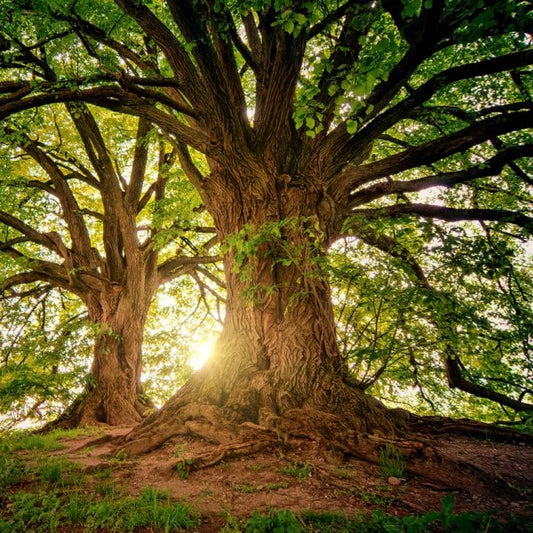
The Indian White Cedar tree is a fast-growing deciduous species that can reach impressive heights of 15-25 meters, with trunk diameters spanning up to 1 meter. Its distinctive pinnate leaves feature 5-11 dark green, glossy leaflets that create an attractive canopy providing excellent shade coverage.
The tree produces small, fragrant flowers ranging from white to pale purple that bloom in clusters, creating a spectacular display while attracting essential pollinators. According to the United Nations Environment Programme's forest conservation initiatives, native species like the Indian White Cedar play crucial roles in maintaining biodiversity and ecosystem stability.
This resilient species demonstrates remarkable adaptability to various soil types and climatic conditions, making it an ideal candidate for reforestation projects across India's diverse landscapes.
⭐ Historical Significance and Cultural Heritage
The Indian White Cedar tree boasts a rich heritage spanning centuries throughout the Indian subcontinent. Historical texts reveal its extensive use in traditional Ayurvedic medicine, where practitioners valued various tree parts for treating fever, inflammation, and skin diseases.
During the British colonial period, the tree gained prominence for its superior timber quality. The wood's natural resistance to decay made it highly sought after for constructing buildings, ships, and durable furniture. This historical importance aligns with modern sustainability goals, as the United Nations Sustainable Development Goals emphasize the importance of sustainable forest management and conservation.
Today, the Indian White Cedar tree continues this legacy through agroforestry practices and sustainable land management initiatives, bridging traditional knowledge with contemporary environmental solutions.
🌱 Remarkable Ecological Benefits
The Indian White Cedar tree delivers exceptional ecological advantages that make it invaluable for environmental restoration projects:
Soil Conservation and Erosion Control
The tree's extensive root system provides outstanding soil stabilization, particularly on slopes and hilly terrains. This natural erosion control mechanism proves essential for maintaining soil health and preventing land degradation.
Biodiversity Enhancement
The Indian White Cedar tree serves as a vital habitat for numerous bird species, insects, and mammals. Its flowers attract crucial pollinators, while its fruits provide nourishment for wildlife, creating a thriving ecosystem around each tree.
Carbon Sequestration Powerhouse
Each mature Indian White Cedar tree can sequester approximately 22 kg of CO2 annually, making significant contributions to climate change mitigation. This aligns perfectly with corporate Net Zero Targets and environmental sustainability goals.
Microclimate Regulation
The tree's dense canopy creates cooling shade that regulates local temperatures, establishing beneficial microclimates for surrounding flora and fauna while reducing urban heat island effects.
💡 Medicinal Properties and Traditional Uses
The Indian White Cedar tree has been treasured in traditional medicine systems for its diverse therapeutic properties:
- Antimicrobial Activity: Leaf and bark extracts demonstrate powerful antimicrobial properties against various pathogens
- Anti-inflammatory Effects: Bark preparations effectively reduce inflammation and alleviate pain
- Digestive Health: The fruit possesses natural laxative properties, supporting digestive wellness
- Respiratory Support: Leaf infusions help treat coughs and respiratory ailments
Modern research continues validating these traditional applications, highlighting the tree's potential in contemporary healthcare approaches.
🌍 Environmental Impact and Climate Action
The Indian White Cedar tree's environmental impact extends far beyond its immediate surroundings. Its carbon sequestration capabilities directly support global climate action initiatives, as emphasized by United Nations climate change programs.
The tree's soil fertility enhancement properties contribute significantly to sustainable agriculture practices. In urban environments, these trees help mitigate pollution while improving air quality and creating more livable city spaces.
As urbanization continues expanding, the Indian White Cedar tree serves as an excellent choice for reforestation and afforestation projects due to its rapid growth rate and environmental adaptability.
⚠️ Conservation Challenges and Solutions
Despite its numerous benefits, the Indian White Cedar tree faces conservation challenges including habitat loss and climate change impacts. Organizations like Grow Billion Trees address these challenges through comprehensive tree planting programs that include:
- Scientific site selection and preparation
- Professional planting techniques
- Three years of dedicated aftercare
- GeoTag technology for monitoring and tracking
- Community engagement and education
→ Growing Your Own Indian White Cedar Tree
Growing an Indian White Cedar tree requires understanding its specific needs:
- Soil Requirements: Well-drained soil with pH 6.0-7.5
- Sunlight: Full sun to partial shade conditions
- Watering: Regular watering during establishment, drought-tolerant once mature
- Spacing: Allow 8-10 meters between trees for optimal growth
- Maintenance: Minimal pruning required, naturally develops attractive shape
Frequently Asked Questions
What is the Indian White Cedar tree's scientific name?
The Indian White Cedar tree's scientific name is Melia azedarach, and it belongs to the Meliaceae family, which includes other economically important species like mahogany.
How fast does the Indian White Cedar tree grow?
The Indian White Cedar tree is a fast-growing species that can reach 15-25 meters in height with proper care. Under optimal conditions, it can grow 2-3 meters per year during its early years.
What are the main medicinal uses of the Indian White Cedar tree?
The Indian White Cedar tree has antimicrobial, anti-inflammatory, digestive, and respiratory health benefits. Various parts including leaves, bark, and fruit are used in traditional medicine preparations.
Is the Indian White Cedar tree suitable for urban planting?
Yes, the Indian White Cedar tree adapts well to urban environments, providing shade, air purification, and temperature regulation while being relatively low-maintenance once established.
How much carbon dioxide does an Indian White Cedar tree absorb?
A mature Indian White Cedar tree can sequester approximately 22 kg of CO2 annually, making it an excellent choice for carbon offset programs and climate change mitigation efforts.
What soil types are suitable for Indian White Cedar trees?
The Indian White Cedar tree demonstrates remarkable adaptability to various soil types, though it thrives best in well-drained soils with pH levels between 6.0-7.5.
How long does it take for an Indian White Cedar tree to mature?
Indian White Cedar trees typically reach maturity within 10-15 years, though they begin providing ecological benefits much earlier in their growth cycle.
Can Indian White Cedar trees survive drought conditions?
Yes, once established, Indian White Cedar trees show good drought tolerance, though regular watering during the first few years ensures optimal growth and survival rates.
What wildlife benefits from Indian White Cedar trees?
The tree supports various bird species, insects, and mammals by providing habitat, nesting sites, and food sources through its flowers and fruits, enhancing local biodiversity.
How can I participate in Indian White Cedar tree planting programs?
You can join Grow Billion Trees' tree planting initiatives by visiting our website to plant a tree in your name for ₹299, complete with 3 years of care and GeoTag tracking technology.
🌳 Join the Green Revolution
The Indian White Cedar tree represents hope for our planet's future—a natural solution to environmental challenges that combines ecological restoration with tangible benefits for communities. Through Grow Billion Trees' comprehensive programs, including our specialized Miyawaki forest creation and agroforestry initiatives, we're making it easier than ever to contribute to environmental conservation.
Our mission extends beyond simple tree planting to encompass complete ecosystem restoration, including mangrove restoration, urban forestry, food forests, beach cleaning, and lake restoration. Each Indian White Cedar tree planted through our program receives professional care, monitoring, and protection, ensuring maximum survival rates and environmental impact.
Take action today and Plant a tree in your Name to join thousands of environmentally conscious individuals and corporations working toward Net Zero Targets. Together, we can plant 100 crore trees and create a sustainable future for generations to come. Discover how you can make a difference and become part of the solution to climate change through collective environmental action.
You may also like
-
Gift a Tree - Meaningful Environmental Gifts That Make a Difference
Transform your gift-giving with meaningful environmental gifts that create lasting impact for...
-
Trees For Shiv Ji - Sacred Tree Planting to Honor Lord Shiva
Honor Lord Shiva through sacred tree planting with Trees For Shiv Ji,...
-

Tree Plantations for Shri Ram - Sacred Devotional Planting Services
Honor Lord Shri Ram through meaningful tree plantations for Shri Ram that...
-
Tree Plantation on Navratri - Celebrate Divine Festivals with Environmental Devotion
Tree plantation on Navratri transforms the sacred nine-day festival into a powerful...
-
Tree Plantation by Cause - Plant Trees for Every Purpose | Grow Billion Trees
Transform your environmental impact with purpose-driven tree plantation by cause programs that...
Corporate Plantations
-
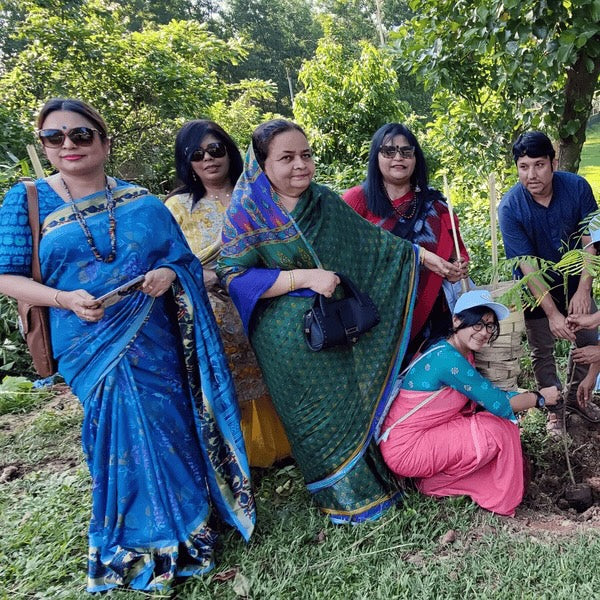
Trees for Corporates - Achieve Net Zero Targets Through Strategic Tree Planting
Trees for Corporates - Strategic Environmental SolutionsTransform your corporate environmental impact with...
-
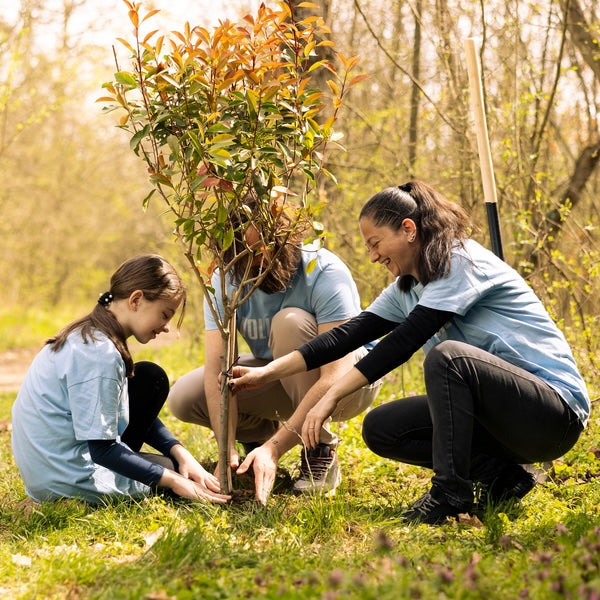
Tree Plantation for CSR - Corporate Environmental Programs | Grow Billion Trees
Tree Plantation for CSR - Transform Your Corporate Environmental ImpactTree plantation for...
-
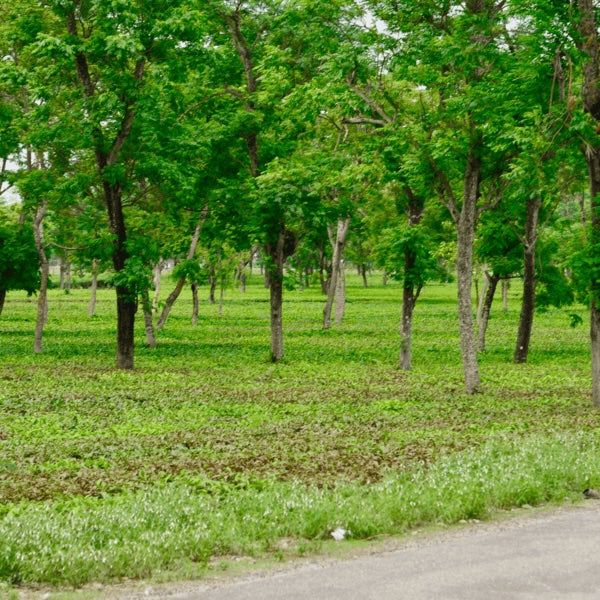
Tree Plantation for SDG - Support Sustainable Development Goals
Tree plantation for SDG initiatives represents a powerful pathway to achieving multiple...
-
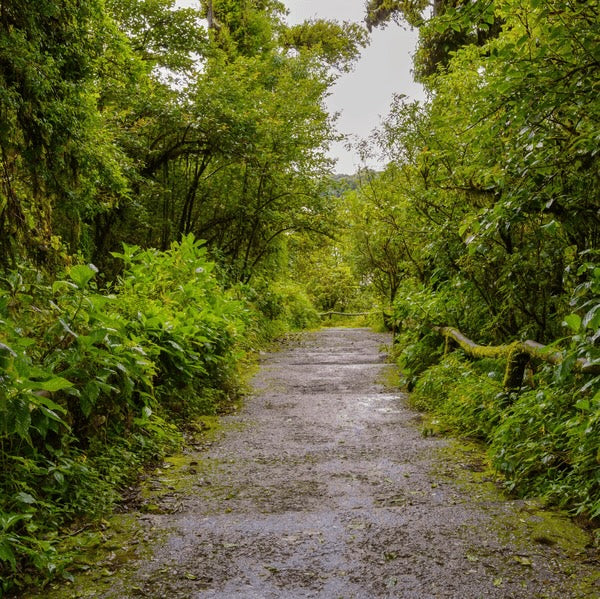
Corporate Tree Plantation Programs - Sustainable ESG Environmental Solutions for Net Zero Targets
Corporate Tree Plantation Programs for Sustainable ESG SolutionsTransform your organization's environmental impact...
-
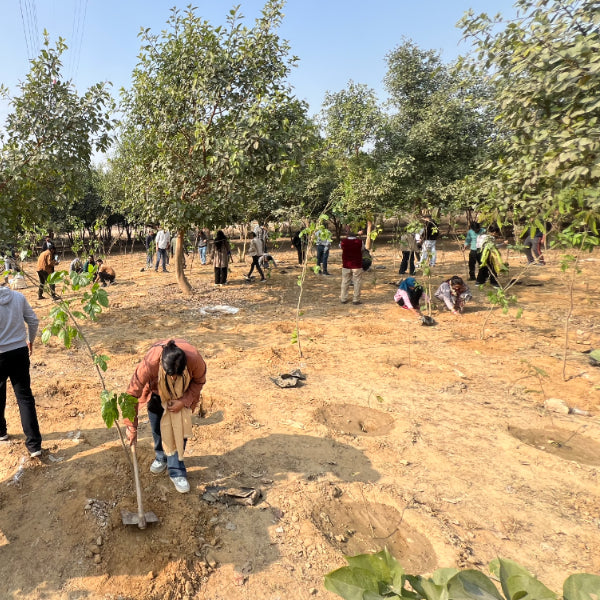
Tree Plantation by Location - Plant Trees Across India
Transform landscapes nationwide through our comprehensive tree plantation by location program. When...
Understanding Indian White Cedar
The Indian White Cedar, or *Melia azedarach*, isn't just a pretty face in the tree world; it's a versatile giant! Towering between 15 to 25 meters, this deciduous marvel boasts glossy, dark green leaves and fragrant flowers that beckon pollinators like a floral nightclub. Its impressive trunk diameter of about 1 meter makes it a sturdy companion in any landscape, proving that beauty and strength can indeed coexist in nature.
Historical Significance of Indian White Cedar
Travel back in time with the Indian White Cedar, a tree that has been the star of traditional medicine and colonial construction! Used in Ayurvedic practices for centuries, its parts are nature’s answer to ailments like fever and inflammation. During the British colonial era, this timber titan strutted its stuff in shipbuilding and furniture making, showcasing its durability and charm. Talk about a tree with a rich resume!
Ecological Benefits of Indian White Cedar
Who knew a tree could be such an ecological superhero? The Indian White Cedar is a champion of soil conservation, preventing erosion with its extensive root system like a natural bouncer at a club. It supports biodiversity by providing food and habitat to various wildlife, while also playing a vital role in carbon sequestration. Plus, its shade creates a cooler microclimate, proving that it’s not just a pretty canopy but also a climate warrior!
Medicinal Properties of Indian White Cedar
Move over, pharmacy! The Indian White Cedar is here with its natural remedies. From antimicrobial extracts to anti-inflammatory bark, this tree has been a go-to for traditional healers for ages. Its fruit offers digestive relief, while infusions from its leaves tackle coughs. Who would have thought that a tree could be a one-stop shop for health and wellness? Nature sure knows how to keep us healthy!
Fun Facts about Indian White Cedar
Did you know the Indian White Cedar is often called "Chinaberry"? This tree has a global fan club! Its wood is not just pretty; it’s prized for crafting high-quality furniture and musical instruments. Plus, it’s a resilient species that thrives in various soil types, making it the ultimate survivor in the plant kingdom. Talk about a tree that knows how to adapt and shine!
Environmental Impact of Indian White Cedar
The Indian White Cedar doesn’t just sit back and enjoy the view; it actively contributes to a healthier planet! By sequestering carbon dioxide and improving soil fertility, it plays a key role in combating climate change. Its presence in urban areas helps cool down the heat, making cities more livable. This tree is not just a passive participant; it’s a proactive partner in environmental restoration!
Grow Billion Trees Partners
Meet Grow Billion Trees Partners, the eco-warriors championing the cause of the Indian White Cedar! They’re all about community involvement, ensuring locals are engaged and educated about tree planting. Their workshops empower individuals to take charge of their environment, while collaborations with local governments ensure projects align with development goals. They’re not just planting trees; they’re planting seeds of change!
How to Grow Indian White Cedar
Ready to cultivate your very own Indian White Cedar? Start by picking a spot with well-drained soil and plenty of sunlight; this tree loves to bask! Regular watering is crucial for young saplings, but once they’re established, they can handle a little drought. Don’t forget to space them out—10 to 15 feet apart—so they have room to grow and flourish. Happy planting!
Sustainable Living with Indian White Cedar
The Indian White Cedar isn’t just a tree; it’s a lifestyle choice for sustainable living! By participating in tree planting initiatives, you’re not just adding greenery to your surroundings; you’re contributing to a healthier ecosystem. This tree’s myriad benefits—from carbon sequestration to soil conservation—make it an essential ally in our fight against environmental challenges. Who knew saving the planet could be this rewarding?
Community Engagement in Tree Planting
The magic of tree planting lies in community engagement! Organizations like Grow Billion Trees Partners understand that involving locals ensures the success of initiatives. By fostering a sense of ownership and responsibility, they empower communities to take charge of their environment. Together, they’re not just planting trees; they’re cultivating a culture of sustainability that will last for generations.
The Future of Indian White Cedar
The future looks bright for the Indian White Cedar! As awareness of its ecological and medicinal benefits grows, so does its potential for reforestation projects. With organizations dedicated to promoting this species, we can expect to see more of these majestic trees gracing our landscapes. The Indian White Cedar is not just a relic of the past; it’s a beacon of hope for a greener, more sustainable future!
The Importance of Trees in Climate Change Mitigation
Trees like the Indian White Cedar are nature’s unsung heroes in the battle against climate change. By absorbing carbon dioxide and improving air quality, they play a crucial role in creating a healthier planet. As we face increasing environmental challenges, the importance of trees cannot be overstated. Let’s rally together to protect and promote these vital resources for a sustainable tomorrow!
FAQ
What is the Indian White Cedar?
A tree so impressive, it could star in its own documentary! Known scientifically as *Melia azedarach*, this deciduous beauty can reach heights of 15-25 meters, boasting glossy leaves and fragrant flowers. It’s not just a pretty face; it offers ecological and medicinal benefits galore.
What historical significance does the Indian White Cedar hold?
This tree has been around longer than your grandma's recipe! Used in Ayurvedic medicine for ailments like fever and inflammation, its durable wood was a favorite during the British colonial era for building ships and furniture. Talk about a multitasker!
What ecological benefits does the Indian White Cedar provide?
Think of it as nature's Swiss Army knife! Its extensive roots prevent soil erosion, support biodiversity, and help regulate local temperatures. Plus, it’s a champion at carbon sequestration, absorbing CO2 like a pro. Who knew a tree could be so eco-friendly
What medicinal properties does the Indian White Cedar have?
If only it could write prescriptions! From antimicrobial extracts to anti-inflammatory bark, this tree has been a staple in traditional medicine. Its fruit aids digestion, while leaf infusions tackle coughs. Nature really knows how to pack a punch!
What are some fun facts about the Indian White Cedar?
This tree has a few tricks up its sleeve! Also known as "Chinaberry," it’s not just a local celebrity. Its wood is sought after for crafting fine furniture and instruments, and it can thrive in various soil types. Talk about versatility!
How does the Indian White Cedar impact the environment?
It’s like a superhero for our planet! By sequestering carbon and improving soil fertility, it combats climate change and enhances urban livability. As cities expand, this tree's rapid growth makes it a prime candidate for reforestation efforts.
What role does Grow Billion Trees Partners play in promoting the Indian White Cedar?
Think of them as tree-planting matchmakers! They engage local communities, run educational programs, and collaborate with governments to ensure successful tree planting. Their commitment to sustainability helps ensure that the Indian White Cedar thrives for generations to come.
How can I grow an Indian White Cedar?
Start by choosing well-drained soil and a sunny spot. Water regularly while it’s young, but once established, it can handle a little drought. Just remember to space them out—no one likes crowded roots!
What challenges does the Indian White Cedar face?
Even trees have their struggles! Urbanization and climate change threaten its habitat. Additionally, pests and diseases can pose risks. But with a little TLC and awareness, we can help this majestic tree continue to thrive in its natural environment.
Why is the Indian White Cedar important for sustainable living?
It’s not just a tree; it’s a lifestyle choice! Offering timber, medicinal benefits, and crucial ecological services, it embodies the essence of sustainability. Supporting its growth means investing in a greener future for our planet and ourselves.
What can I do to support the Indian White Cedar?
Participate in local tree planting initiatives, support organizations like Grow Billion Trees Partners, and spread the word about this incredible tree. Every little action counts in nurturing our planet’s green heroes!
What future does the Indian White Cedar hold?
The sky's the limit! As reforestation efforts gain momentum, the Indian White Cedar is poised to play a pivotal role in restoring ecosystems and combating climate change. With continued support, this tree can flourish for years to come, enriching our world in countless ways.
Most Popular Tree Plantations - Top Choices for Environmental Impact
-
Trees for Birthday Celebration - Plant a Meaningful Gift
Regular price ₹ 299Regular priceUnit price per -
Trees for Mother
Regular price ₹ 299Regular priceUnit price per -
Trees as a Gift - Plant Hope & Create Lasting Impact
Regular price ₹ 299Regular priceUnit price per -
Trees to Honor the Memory of your Loved Ones
Regular price ₹ 299Regular priceUnit price per -
Sacred Trees for Krishna on Janmashtami - Divine Gift ₹299
Regular price ₹ 299Regular priceUnit price per

Connect with us
-
👥 Corporates
If you are looking for:
- 🌲 Tree Plantation Events
- 📊 CSR Projects
📧 corporate@growbilliontrees.com
📞 +91 9699723523
💬 +91 9325931304 WhatsApp (Only)
🕒 Mon - Sat | 10am - 7pm IST
-
🧩 Tree Plantation NGOs
If you are looking for:
- 💰 Financial Assistance
- 🤝 Operational Support
📧 support@growbilliontrees.com
📞 +91 9699723523
💬 +91 9325931304 WhatsApp (Only)
🕒 Mon - Sat | 10am - 7pm IST
-
🌼 Individuals
If you are looking for:
- 👥 Group Tree Plantation Drive
- 🌳 Bulk Tree Plantation
📞 +91 9699723523
💬 +91 9325931304 WhatsApp (Only)
🕒 Mon - Sat | 10am - 7pm IST
