
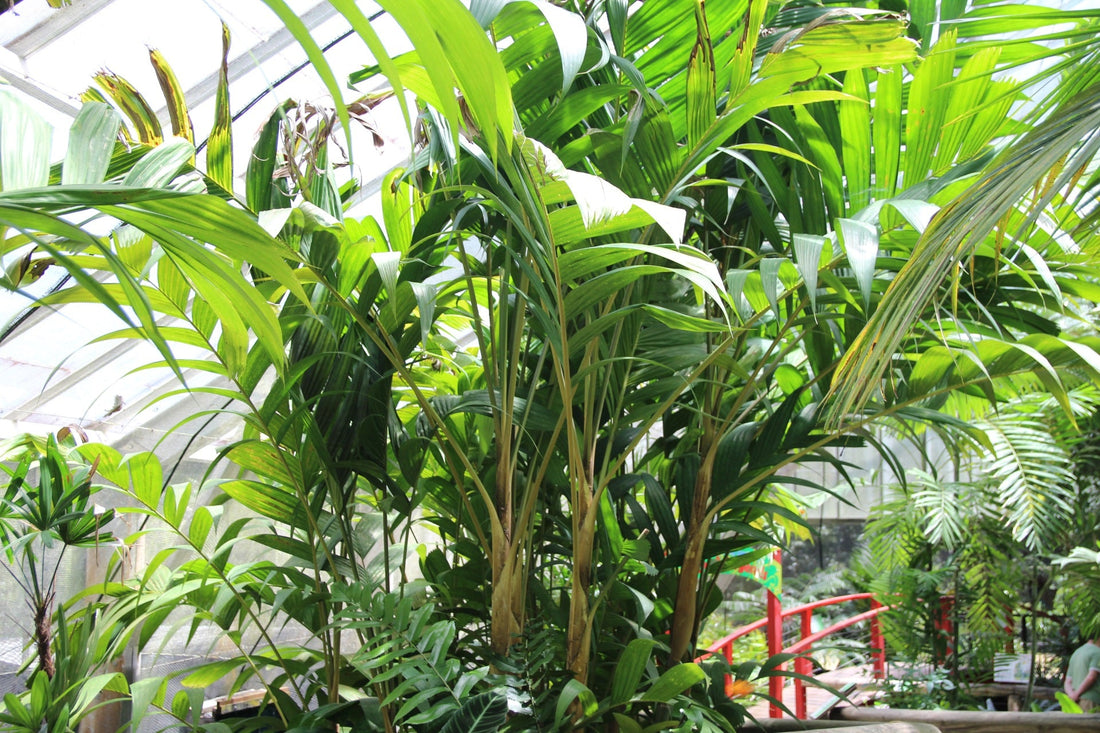
The Ivory Palm (Pinanga coronata) stands as one of nature's most elegant tropical specimens, offering gardeners and plant enthusiasts a stunning addition to their green spaces. This comprehensive guide reveals everything you need to know about succes Read more
Trending Tree Plantations - Most Popular Environmental Programs
-
Trees for Mother
Regular price ₹ 299Regular priceUnit price per -
Trees to Honor the Memory of your Loved Ones
Regular price ₹ 299Regular priceUnit price per -
Trees for Women's Day (8th Mar)
Regular price ₹ 299Regular priceUnit price per -
Trees for Wedding Anniversary Celebration
Regular price ₹ 299Regular priceUnit price per -
Trees for Grandmother
Regular price ₹ 299Regular priceUnit price per

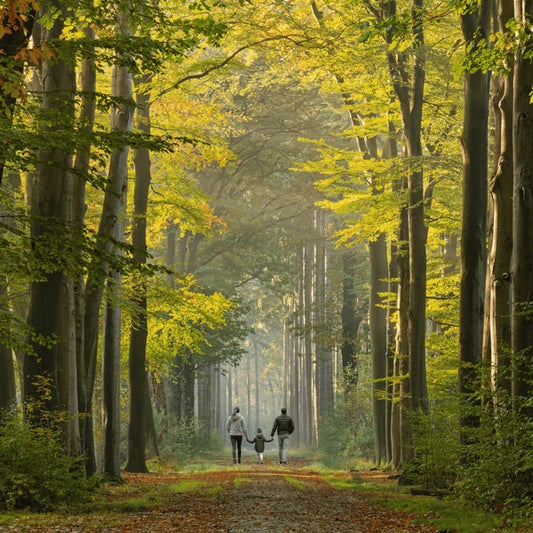



Trees for Corporates - Achieve Net Zero Targets Through Strategic Tree Planting
-
 Project Closed
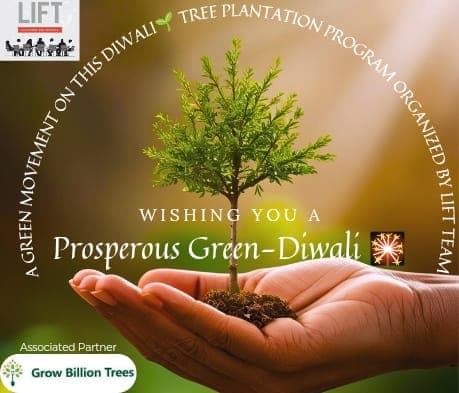
Trees by LIFT Team for Green Diwali: Transform Your Festival
Regular price ₹ 299Regular priceUnit price per -
Trees for a Greener Tomorrow - by Mahindra Lifespaces
Regular price ₹ 299Regular priceUnit price per -
Trees for Environment Day: Plant Your Impact on June 5th
Regular price ₹ 299Regular priceUnit price per -
 Project Closed
Trees for Bangalore: Plant Native Trees in Garden City ₹299
Regular price ₹ 799Regular priceUnit price per -
Trees for Employees: Transform Your Corporate Culture in 2026
Regular price ₹ 299Regular priceUnit price per
Ivory Palm Growing Guide: Care Tips for Tropical Beauty
The Ivory Palm (Pinanga coronata) stands as one of nature's most elegant tropical specimens, offering gardeners and plant enthusiasts a stunning addition to their green spaces. This comprehensive guide reveals everything you need to know about successfully cultivating and maintaining this exotic beauty while contributing to environmental conservation efforts.
With its graceful fronds and distinctive trunk characteristics, the Ivory Palm has become increasingly popular among those seeking to create tropical landscapes. Whether you're planning indoor cultivation or outdoor garden placement, understanding this palm's specific needs ensures thriving growth and long-term success.
Understanding the Ivory Palm Plant ✅
The Ivory Palm Tree is native to Southeast Asia, particularly flourishing in regions like Indonesia, Malaysia, and the Philippines. This tropical specimen thrives in warm, humid environments, making it an excellent choice for gardeners in similar climatic conditions.
Mature Ivory Palms typically reach heights of 10-15 feet, featuring slender, upright trunks crowned with beautiful, arching fronds. The leaves can extend up to 6 feet in length, creating that coveted lush, tropical appearance that transforms any space into a verdant paradise.
Scientific Classification
- Kingdom: Plantae
- Order: Arecales
- Family: Arecaceae
- Genus: Pinanga
- Species: P. coronata
Essential Growing Conditions for Ivory Palm Success ⭐
Creating the perfect environment for your Ivory Palm requires understanding its natural habitat preferences. Success depends on replicating tropical conditions as closely as possible, whether growing indoors or outdoors.
Light Requirements
Ivory Palms flourish in bright, indirect light conditions. While they tolerate some direct sunlight, excessive exposure can scorch their delicate foliage. For indoor cultivation, position your palm near windows with filtered light or use sheer curtains to diffuse harsh rays.
Soil Composition and Drainage
Well-draining, nutrient-rich organic soil forms the foundation of healthy Ivory Palm growth. Create an ideal growing medium by combining quality potting soil, coarse sand, and perlite. This mixture ensures proper drainage while retaining essential nutrients. Maintain soil pH levels between 5.5 and 7.0 for optimal nutrient absorption.
Watering Techniques
Consistent moisture without waterlogging represents the key to successful Ivory Palm watering. Keep soil evenly moist but never soggy, as overwatering leads to root rot while underwatering causes leaf drooping. Test soil moisture by inserting your finger one inch deep – water when this top layer feels dry.
Climate and Environmental Needs 💡
Temperature control and humidity management play crucial roles in Ivory Palm health and vitality.
Temperature Requirements
Maintain temperatures between 70°F to 85°F (21°C to 29°C) for optimal growth. These palms lack frost tolerance, requiring indoor relocation during winter months in cooler climates. Sudden temperature fluctuations can stress the plant, so ensure gradual transitions when moving between environments.
Humidity Management
High humidity levels mirror the Ivory Palm's natural tropical habitat. Indoor growers should maintain 50-60% humidity using humidifiers, water-filled trays, or occasional leaf misting. Grouping plants together also creates beneficial microclimates with increased moisture levels.
Nutrition and Fertilization Schedule ➡️
Regular fertilization supports robust Ivory Palm growth and maintains vibrant foliage coloration. Apply balanced, slow-release fertilizer every 4-6 weeks during the growing season (spring through summer).
Select fertilizers rich in potassium and magnesium, essential nutrients for palm health. These elements support strong trunk development, leaf production, and overall plant vigor. Reduce fertilization frequency during winter months when growth naturally slows.
Pruning and Maintenance Best Practices
Proper maintenance ensures your Ivory Palm remains healthy and aesthetically pleasing throughout its lifespan.
Pruning Guidelines
Remove dead, yellowing, or damaged fronds to encourage new growth and improve air circulation. However, avoid excessive pruning as this stresses the plant and reduces its ability to photosynthesize effectively. Only remove completely brown or damaged fronds, never those showing slight yellowing.
Cleaning and Inspection
Regular leaf cleaning removes dust and debris that can interfere with photosynthesis. Use a soft, damp cloth to gently wipe fronds, supporting each leaf to prevent damage. This maintenance routine also provides opportunities to inspect for pest activity or disease symptoms.
Common Pests and Disease Management ⚠️
Understanding potential threats helps maintain Ivory Palm health through preventive care and early intervention.
Spider Mites
These microscopic pests cause yellowing and stippling on leaf surfaces. Increase humidity levels and use insecticidal soap treatments when infestations occur. Regular misting helps prevent spider mite establishment.
Scale Insects
Scale insects appear as small brown bumps on trunks and leaves. Remove manually using cotton swabs dipped in rubbing alcohol. Persistent infestations may require systemic insecticide treatments.
Fungal Diseases
Leaf spot and other fungal issues develop in overly humid conditions with poor air circulation. Ensure adequate spacing between plants and avoid overhead watering to minimize fungal disease risks.
Environmental Impact and Conservation Benefits
Growing Ivory Palms contributes significantly to environmental conservation efforts and climate change mitigation. According to the United Nations Climate Change initiative, tropical plants like palms play crucial roles in carbon sequestration and atmospheric carbon dioxide reduction.
These magnificent palms provide essential wildlife habitat and food sources, supporting biodiversity in their native ecosystems. The World Wildlife Fund's forest conservation efforts highlight how tropical plants contribute to ecosystem stability and species preservation.
At Grow Billion Trees, we recognize the importance of tropical plant conservation through our mission to Plant a tree in your Name while working toward our goal of planting 100 crore trees. Our 4ft Tree Planting + 3 Years Care + GeoTag program ensures every planted tree receives proper care and monitoring, contributing to our Net Zero Targets and Combating Climate Change Through Collective Action.
Indoor vs. Outdoor Growing Considerations
Success with Ivory Palms depends largely on choosing the appropriate growing environment based on your climate and available space.
Indoor Cultivation
Indoor Ivory Palms require consistent environmental conditions, adequate humidity, and proper lighting. Use well-draining containers with drainage holes and rotate plants periodically to ensure even growth. Indoor specimens typically remain smaller than outdoor counterparts but offer year-round tropical beauty.
Outdoor Planting
Outdoor Ivory Palms thrive in USDA zones 10-12, requiring protection from strong winds and direct afternoon sun. Plant in partially shaded locations with rich, organic soil and ensure adequate spacing for mature size. Mulching around the base helps retain moisture and regulate soil temperature.
Propagation and Reproduction Methods
Ivory Palm propagation primarily occurs through seed germination, though this process requires patience and specific conditions.
Seed Germination
Fresh seeds offer the best germination rates, typically sprouting within 2-3 months under optimal conditions. Maintain soil temperatures around 80°F (27°C) and consistent moisture levels throughout the germination period. Seedlings develop slowly, requiring 2-3 years before resembling mature palms.
Seasonal Care Adjustments
Adapting care routines to seasonal changes ensures consistent Ivory Palm health throughout the year.
Spring and Summer Care
Active growing seasons require increased watering frequency, regular fertilization, and monitoring for pest activity. Higher temperatures and longer daylight hours promote vigorous growth, necessitating more attentive care.
Fall and Winter Adjustments
Reduce watering frequency as growth slows and temperatures decrease. Discontinue fertilization during dormant periods and provide protection from cold drafts for indoor plants. Monitor humidity levels as heating systems can reduce indoor moisture.
Frequently Asked Questions
How fast does an Ivory Palm grow?
Ivory Palms are relatively slow-growing, typically adding 1-2 feet of height annually under optimal conditions. Young plants may grow more slowly as they establish root systems and adapt to their environment.
Can Ivory Palms survive in low light conditions?
While Ivory Palms prefer bright, indirect light, they can tolerate lower light levels for short periods. However, prolonged low-light conditions will slow growth and may cause leaf yellowing or dropping.
How often should I repot my Ivory Palm?
Repot Ivory Palms every 2-3 years or when roots become pot-bound. Choose containers only slightly larger than the current pot, as palms prefer somewhat snug root conditions.
What causes brown leaf tips on Ivory Palms?
Brown leaf tips typically indicate low humidity, fluoride in tap water, or salt buildup from over-fertilization. Use distilled water and maintain proper humidity levels to prevent this issue.
Are Ivory Palms safe for pets?
Ivory Palms are generally considered non-toxic to cats and dogs, making them safer choices for pet-owning households compared to many other houseplants.
How do I increase humidity for indoor Ivory Palms?
Increase humidity using humidifiers, grouping plants together, placing water-filled trays nearby, or occasional leaf misting. Aim for 50-60% relative humidity for optimal growth.
When is the best time to fertilize Ivory Palms?
Fertilize during the growing season (spring through early fall) every 4-6 weeks. Avoid fertilizing during winter months when growth naturally slows.
Can I grow Ivory Palms from cuttings?
Ivory Palms cannot be propagated from cuttings as they are single-stemmed palms. Seed germination remains the primary propagation method for home growers.
Supporting Global Reforestation Efforts
Growing Ivory Palms represents more than personal gardening satisfaction – it contributes to global environmental conservation initiatives. The United Nations Environment Programme's forest conservation efforts emphasize how individual plant cultivation supports broader ecosystem preservation goals.
Through partnerships with organizations like Grow Billion Trees, palm enthusiasts can expand their environmental impact beyond personal gardens. Our comprehensive tree planting programs, including specialized tropical species cultivation, work toward achieving ambitious reforestation goals while providing participants with GeoTag tracking technology to monitor their environmental contributions.
Every Ivory Palm grown contributes to carbon sequestration, air purification, and biodiversity support. By choosing to cultivate these tropical beauties, gardeners join a global movement focused on environmental restoration and climate change mitigation through collective green action.
Ready to begin your Ivory Palm growing journey while supporting global reforestation efforts? Explore our tree planting programs and discover how you can Plant a tree in your Name while contributing to our mission of planting 100 crore trees across India. Together, we're Combating Climate Change Through Collective Action, one palm at a time.
You may also like
-
Gift a Tree - Meaningful Environmental Gifts That Make a Difference
Transform your gift-giving with meaningful environmental gifts that create lasting impact for...
-
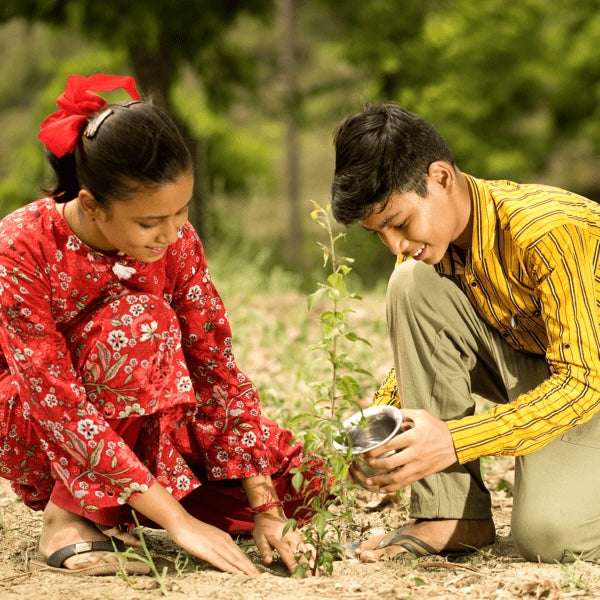
Trees For Shiv Ji - Sacred Tree Planting to Honor Lord Shiva
Honor Lord Shiva through sacred tree planting with Trees For Shiv Ji,...
-

Tree Plantations for Shri Ram - Sacred Devotional Planting Services
Honor Lord Shri Ram through meaningful tree plantations for Shri Ram that...
-
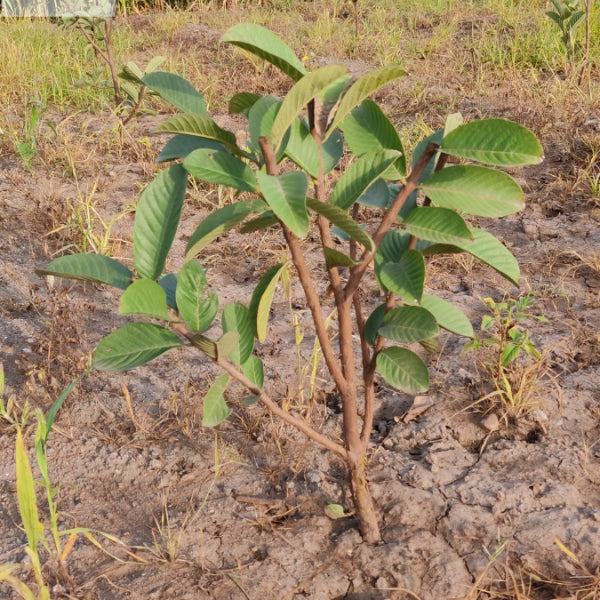
Tree Plantation on Navratri - Celebrate Divine Festivals with Environmental Devotion
Tree plantation on Navratri transforms the sacred nine-day festival into a powerful...
-
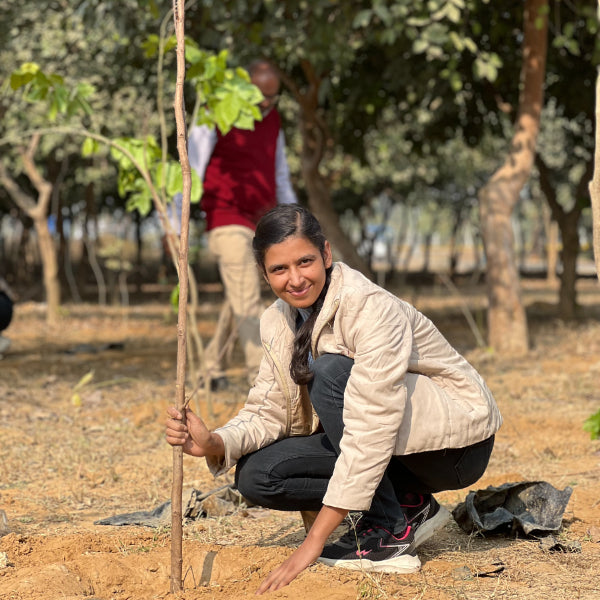
Tree Plantation by Cause - Plant Trees for Every Purpose | Grow Billion Trees
Transform your environmental impact with purpose-driven tree plantation by cause programs that...
Corporate Plantations
-
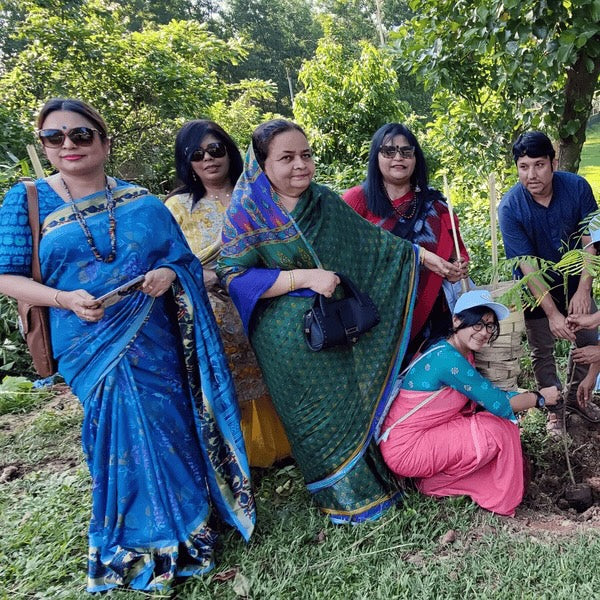
Trees for Corporates - Achieve Net Zero Targets Through Strategic Tree Planting
Trees for Corporates - Strategic Environmental SolutionsTransform your corporate environmental impact with...
-
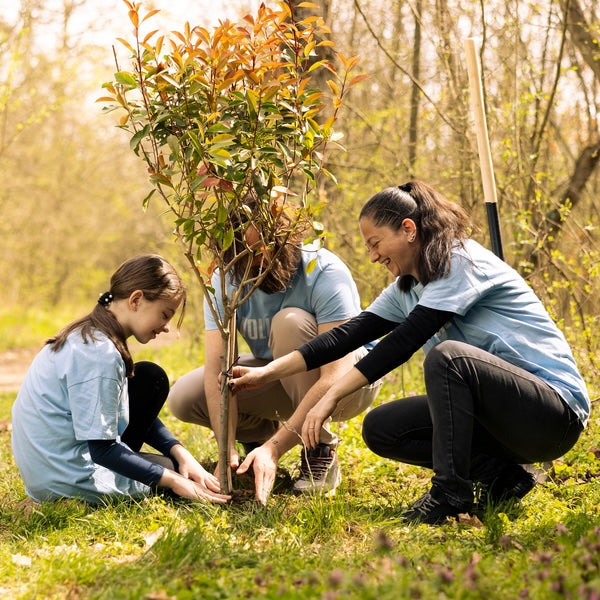
Tree Plantation for CSR - Corporate Environmental Programs | Grow Billion Trees
Tree Plantation for CSR - Transform Your Corporate Environmental ImpactTree plantation for...
-
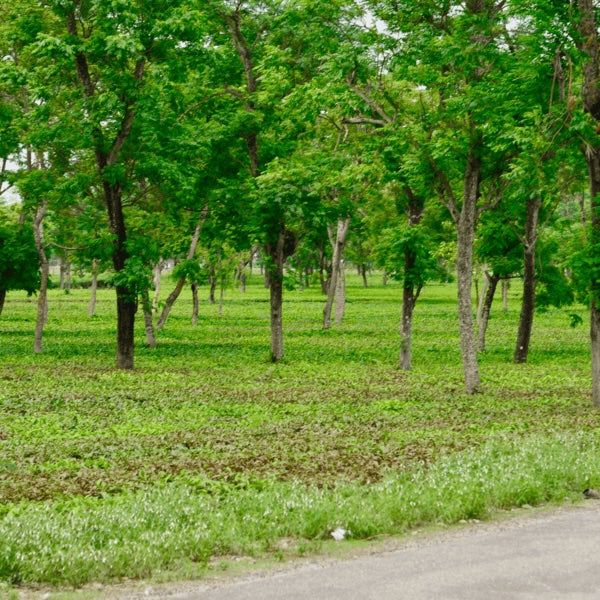
Tree Plantation for SDG - Support Sustainable Development Goals
Tree plantation for SDG initiatives represents a powerful pathway to achieving multiple...
-
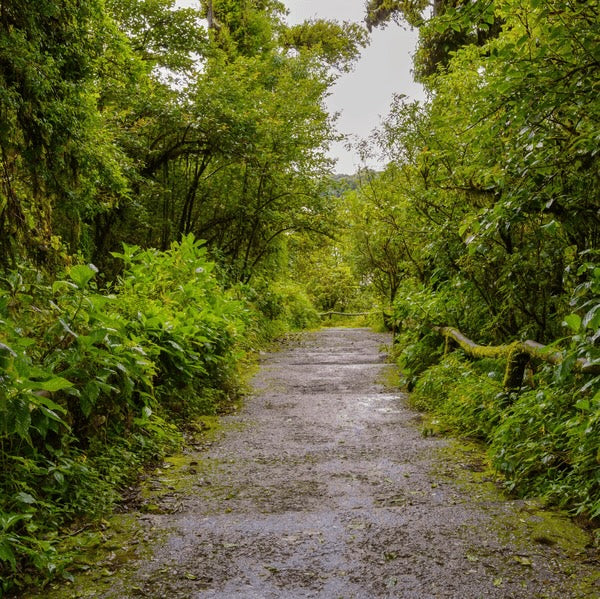
Corporate Tree Plantation Programs - Sustainable ESG Environmental Solutions for Net Zero Targets
Transform your organization's environmental impact with our comprehensive Corporate Tree Plantation Programs...
-
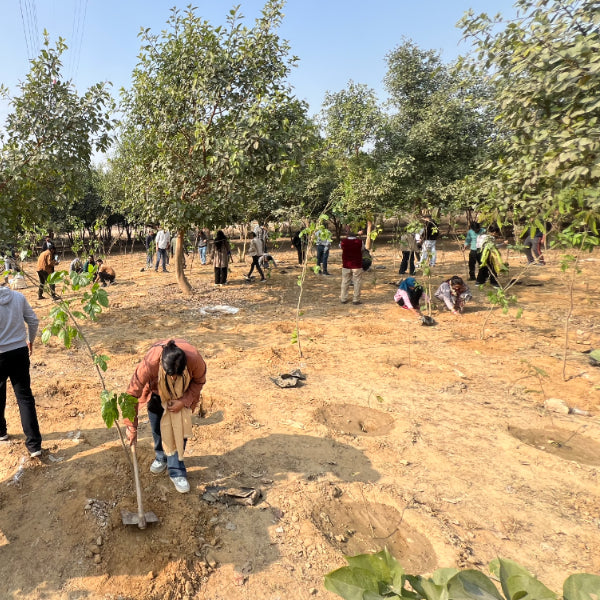
Tree Plantation by Location - Plant Trees Across India
Transform landscapes nationwide through our comprehensive tree plantation by location program. When...
Most Popular Tree Plantations - Top Choices for Environmental Impact
-
Trees for Mother
Regular price ₹ 299Regular priceUnit price per -
Trees to Honor the Memory of your Loved Ones
Regular price ₹ 299Regular priceUnit price per -
Trees for Wedding Anniversary Celebration
Regular price ₹ 299Regular priceUnit price per -
Trees for Grandmother
Regular price ₹ 299Regular priceUnit price per -
Trees for Grandfather
Regular price ₹ 299Regular priceUnit price per

Connect with us
-
👥 Corporates
If you are looking for:
- 🌲 Tree Plantation Events
- 📊 CSR Projects
📧 corporate@growbilliontrees.com
📞 +91 9699723523
💬 +91 9325931304 WhatsApp (Only)
🕒 Mon - Sat | 10am - 7pm IST
-
🧩 Tree Plantation NGOs
If you are looking for:
- 💰 Financial Assistance
- 🤝 Operational Support
📧 support@growbilliontrees.com
📞 +91 9699723523
💬 +91 9325931304 WhatsApp (Only)
🕒 Mon - Sat | 10am - 7pm IST
-
🌼 Individuals
If you are looking for:
- 👥 Group Tree Plantation Drive
- 🌳 Bulk Tree Plantation
📞 +91 9699723523
💬 +91 9325931304 WhatsApp (Only)
🕒 Mon - Sat | 10am - 7pm IST
