
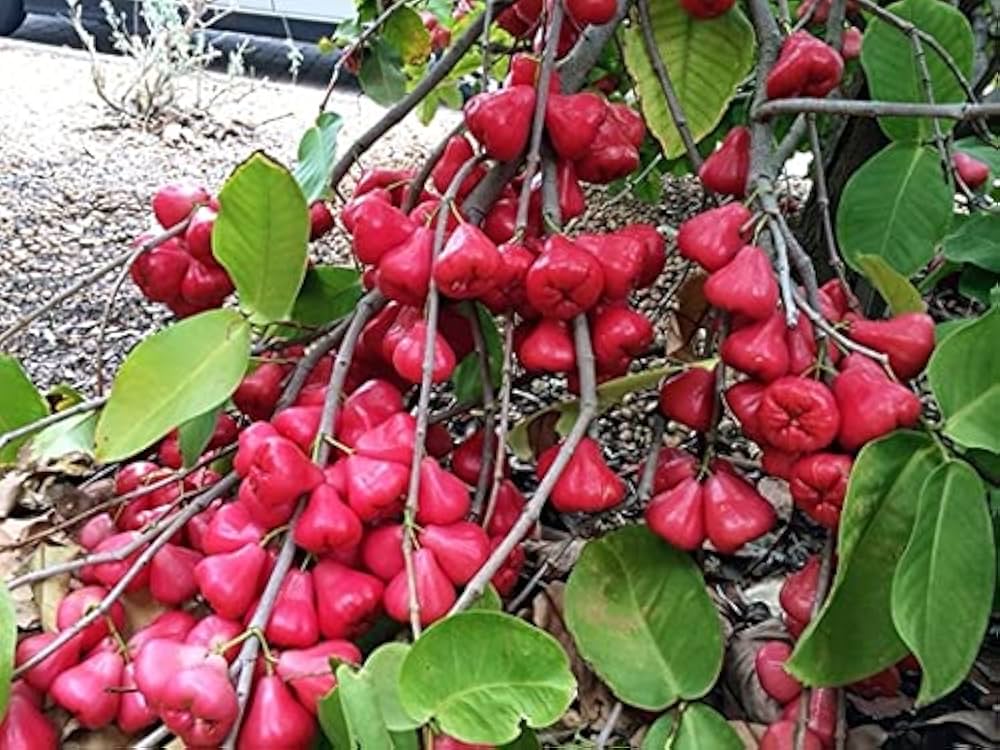
The Jambu tree (Syzygium jambos) stands as one of nature's most captivating evergreen species, renowned for its fragrant rose apple fruits and stunning ornamental appeal. Native to Southeast Asia, this remarkable tree has journeyed across continents, Read more
Jambu Tree: Rose Apple Tree with Aromatic Fruits & Beauty
The Jambu tree (Syzygium jambos) stands as one of nature's most captivating evergreen species, renowned for its fragrant rose apple fruits and stunning ornamental appeal. Native to Southeast Asia, this remarkable tree has journeyed across continents, establishing itself as both a beloved garden specimen and an important ecological player. With its aromatic fruits, glossy foliage, and cultural significance, the Jambu tree offers a perfect blend of beauty and functionality for environmentally conscious gardeners seeking sustainable landscaping solutions.
✅ Botanical Profile of the Jambu Tree
Belonging to the Myrtaceae family, Syzygium jambos is a small to medium-sized evergreen tree that typically reaches heights of 3 to 15 meters. The tree exhibits distinctive characteristics that make it instantly recognizable to botanical enthusiasts.
The dark brown bark remains relatively smooth throughout the tree's lifespan, while its low-branching habit creates an attractive canopy structure. The lanceolate leaves measure 10 to 20 centimeters in length and 2 to 4 centimeters in width, emerging with a vibrant red hue before maturing into glossy green foliage.
During flowering season, the Jambu tree produces spectacular clusters of white to greenish-white flowers. Each bloom spans 5 to 8 centimeters in diameter and features numerous long stamens that create a showy, brush-like appearance. These flowers eventually develop into the tree's prized fruits.
The fruit resembles certain guava varieties, featuring a thin, waxy skin that typically houses one or two large, loose seeds within a slightly fluffy cavity. When ripe, the rose apple fruit exudes a strong, pleasant floral aroma that justifies its common name and makes it irresistible to both humans and wildlife.
⭐ Historical and Cultural Significance
The Jambu tree holds a venerable place in various cultural narratives across Asia and beyond. In Buddhist traditions, it carries profound spiritual significance, with beliefs that Buddha experienced enlightenment under a Jambu tree, highlighting its sacred status in religious contexts.
Historically, the tree's introduction to regions beyond its native Southeast Asian habitat was primarily driven by its ornamental purposes and fruit production. Colonial traders and botanists recognized its aesthetic appeal and the allure of its aromatic fruits, leading to widespread cultivation in tropical and subtropical areas worldwide.
According to the United Nations Sustainable Development Goals, preserving traditional knowledge about native plants like the Jambu tree contributes to sustainable development and biodiversity conservation efforts globally.
🌱 Cultivation and Growing Requirements
The Jambu tree thrives in tropical and subtropical climates, demonstrating remarkable adaptability to various environmental conditions. For optimal growth, it favors moist, well-drained soils with good organic content.
Ideal Growing Conditions
- Temperature range: 20-30°C (68-86°F)
- Rainfall: 1000-2000mm annually
- Soil pH: 5.5-7.0 (slightly acidic to neutral)
- Sunlight: Full sun to partial shade
- Humidity: High (60-80%)
The tree is often planted in home gardens, serving dual purposes as both an ornamental specimen and fruit producer. Its attractive foliage, showy flowers, and aromatic fruits make it particularly appealing to families with children, who often enjoy the sweet, delicate flavor of the rose apples.
For those interested in sustainable gardening practices, the Jambu tree aligns perfectly with United Nations Environment Programme forest conservation initiatives, as it supports local biodiversity while providing valuable ecosystem services.
💡 Nutritional Value and Culinary Uses
The rose apple fruit is not only delicious but also nutritionally valuable. Rich in vitamin C, the fruit provides essential antioxidants and supports immune system health. The fruit can be consumed fresh or incorporated into various culinary preparations.
Nutritional Benefits
- High vitamin C content (25-30mg per 100g)
- Good source of dietary fiber
- Contains natural antioxidants
- Low in calories (approximately 25 calories per 100g)
- Rich in water content (90-95%)
In Southeast Asian countries, the fruit is commonly served with spiced sugar, enhancing its delicate flavor profile. The aromatic quality makes it an excellent addition to fruit salads, jams, and traditional desserts.
🌍 Ecological Impact and Environmental Considerations
While the Jambu tree contributes positively to many ecosystems, it has demonstrated invasive tendencies in certain regions. Understanding its ecological impact is crucial for responsible cultivation and environmental stewardship.
The tree's ability to form dense, monospecific stands can overshadow native vegetation, potentially disrupting local ecosystems. For example, in Hawaii, the tree has faced challenges from the introduced rust Puccinia psidii, demonstrating the complex ecological interactions associated with non-native species introduction.
As highlighted by the World Wildlife Fund's forest conservation initiatives, managing introduced species like the Jambu tree requires careful monitoring to prevent negative impacts on native biodiversity.
Environmental Benefits
- Provides habitat for birds and small mammals
- Contributes to carbon sequestration
- Offers shade and cooling effects in urban areas
- Supports pollinators during flowering season
- Helps prevent soil erosion with its root system
Traditional and Modern Uses
Beyond its edible offerings, the Jambu tree provides numerous practical applications. The dense wood serves as an excellent source of charcoal, making it valuable for communities seeking sustainable fuel alternatives.
Various parts of the tree are utilized in traditional medicine for their antimicrobial properties. The leaves, bark, and roots have been used in folk remedies to treat various ailments, though scientific validation of these uses continues to evolve.
Commercial Applications
- Ornamental landscaping in tropical gardens
- Fruit production for local markets
- Timber for small construction projects
- Traditional medicine preparations
- Charcoal production from dense wood
Plant a Tree in Your Name: Supporting Jambu Tree Conservation
At Grow Billion Trees, we recognize the importance of preserving native and culturally significant species like the Jambu tree. Our mission to plant 100 crore trees includes supporting the cultivation of diverse species that contribute to both ecological health and cultural heritage.
Through our comprehensive tree planting programs, including our 4ft Tree Planting + 3 Years Care + GeoTag service, we ensure that each Jambu tree receives the attention it needs to thrive. Our approach to Combating Climate Change Through Collective Action includes promoting trees that offer multiple benefits to communities and ecosystems.
For organizations working toward Net Zero Targets, incorporating Jambu trees into reforestation projects provides both carbon sequestration benefits and biodiversity enhancement, creating lasting positive environmental impact.
Frequently Asked Questions
What is a Jambu tree and where does it originate?
The Jambu tree (Syzygium jambos) is an evergreen tree native to Southeast Asia, known for its aromatic rose apple fruits and ornamental beauty. It belongs to the Myrtaceae family and has been cultivated worldwide in tropical and subtropical regions.
How long does it take for a Jambu tree to bear fruit?
A Jambu tree typically begins producing fruit within 3-5 years when grown from grafted saplings, or 5-8 years when grown from seed. The tree reaches full production capacity around 8-10 years of age.
Can Jambu trees grow in urban environments?
Yes, Jambu trees adapt well to urban environments and are excellent choices for city gardens, parks, and landscaping projects. They tolerate pollution better than many fruit trees and provide valuable shade and cooling effects.
What are the main benefits of planting Jambu trees?
Jambu trees offer multiple benefits including aromatic edible fruits, ornamental beauty, wildlife habitat, carbon sequestration, soil erosion prevention, and cultural significance. They also support local biodiversity and provide shade in urban areas.
How should I care for a newly planted Jambu tree?
Newly planted Jambu trees require regular watering, mulching around the base, protection from strong winds, and periodic fertilization with organic matter. Pruning should be minimal during the first few years to establish strong structure.
Are there any environmental concerns with Jambu trees?
While generally beneficial, Jambu trees can become invasive in some regions if not properly managed. They may form dense stands that compete with native vegetation, so responsible planting and monitoring are essential.
What climate conditions do Jambu trees prefer?
Jambu trees thrive in tropical and subtropical climates with temperatures between 20-30°C, high humidity (60-80%), and annual rainfall of 1000-2000mm. They prefer well-drained, slightly acidic to neutral soils.
Can I grow a Jambu tree from the fruit seeds?
Yes, Jambu trees can be grown from fresh seeds, though germination rates vary. Seeds should be planted immediately after extraction from ripe fruits, as they lose viability quickly when dried.
What wildlife does the Jambu tree attract?
Jambu trees attract various wildlife including birds (especially fruit-eating species), bees and other pollinators during flowering, butterflies, and small mammals. The fruits are particularly popular with birds and bats.
How does planting Jambu trees contribute to environmental conservation?
Planting Jambu trees supports environmental conservation through carbon sequestration, biodiversity enhancement, soil conservation, urban heat island reduction, and providing sustainable food sources for both humans and wildlife.
Supporting Global Forest Conservation Efforts
The cultivation and conservation of species like the Jambu tree aligns with global environmental initiatives. As emphasized by United Nations climate change action programs, diverse tree species play crucial roles in mitigating climate change impacts and supporting ecosystem resilience.
Through our comprehensive approach to reforestation, we contribute to international efforts aimed at restoring degraded landscapes and promoting sustainable land use practices. Each Jambu tree planted becomes part of a larger network working toward environmental restoration and climate stabilization.
Conclusion: Embracing the Beauty and Responsibility of Jambu Tree Cultivation
The Jambu tree stands as a testament to nature's ability to provide both beauty and utility in a single species. Its enchanting aromatic fruits, ornamental appeal, and cultural significance make it a valuable addition to sustainable landscaping projects worldwide.
However, successful Jambu tree cultivation requires mindful management and responsible practices to maximize benefits while minimizing potential ecological risks. By understanding its growth requirements, ecological impact, and cultural importance, we can ensure that this remarkable species continues to enrich our gardens and communities for generations to come.
Join our mission to plant 100 crore trees across India and discover how you can Plant a tree in your Name while contributing to global reforestation efforts. Together, we can create a greener, more sustainable future that honors both natural beauty and environmental responsibility. Learn more about our tree planting programs and take action today.
Connect with us
-
👥 Corporates
If you are looking for:
- 🌲 Tree Plantation Events
- 📊 CSR Projects
📧 corporate@growbilliontrees.com
📞 +91 9699723523
💬 +91 9325931304 WhatsApp (Only)
🕒 Mon - Sat | 10am - 7pm IST
-
🧩 Tree Plantation NGOs
If you are looking for:
- 💰 Financial Assistance
- 🤝 Operational Support
📧 support@growbilliontrees.com
📞 +91 9699723523
💬 +91 9325931304 WhatsApp (Only)
🕒 Mon - Sat | 10am - 7pm IST
-
🌼 Individuals
If you are looking for:
- 👥 Group Tree Plantation Drive
- 🌳 Bulk Tree Plantation
📞 +91 9699723523
💬 +91 9325931304 WhatsApp (Only)
🕒 Mon - Sat | 10am - 7pm IST
