
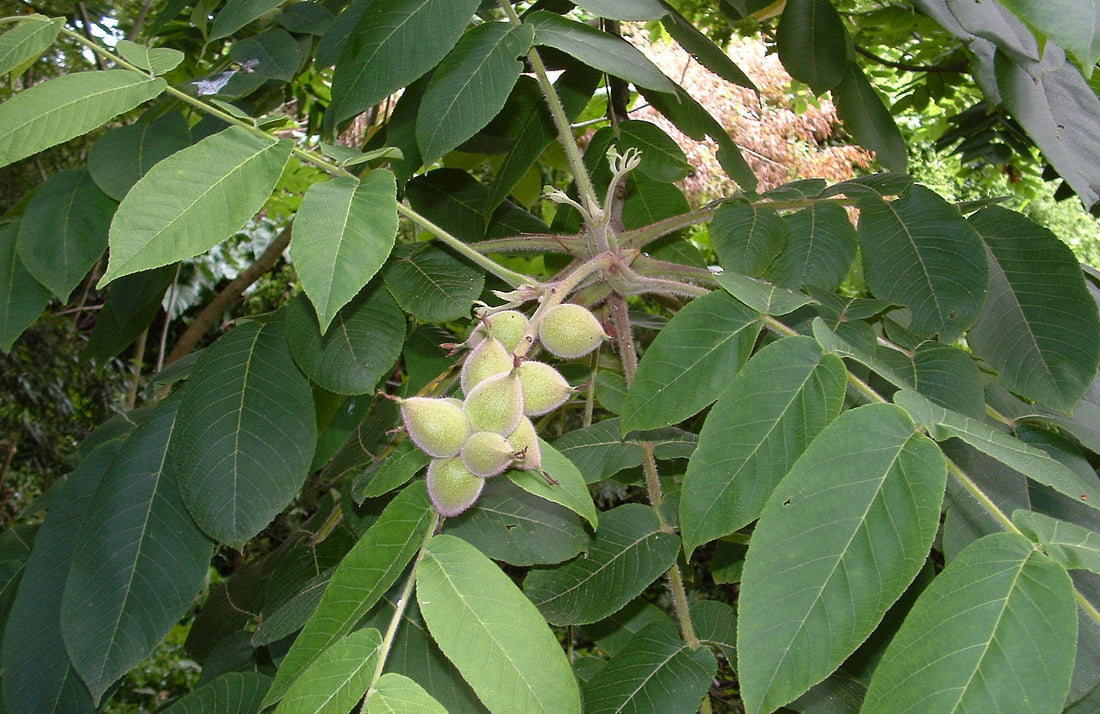
The Japanese Walnut Tree (Juglans ailantifolia) stands as one of nature's most magnificent specimens, offering unparalleled beauty and remarkable environmental benefits. This extraordinary tree species has captured the hearts of gardeners, environmen Read more
Trending Tree Plantations - Most Popular Environmental Programs
-
Trees for Mother
Regular price ₹ 299Regular priceUnit price per -
Trees to Honor the Memory of your Loved Ones
Regular price ₹ 299Regular priceUnit price per -
Trees for Women's Day (8th Mar)
Regular price ₹ 299Regular priceUnit price per -
Trees for Wedding Anniversary Celebration
Regular price ₹ 299Regular priceUnit price per -
Trees for Grandmother
Regular price ₹ 299Regular priceUnit price per



Trees for Corporates - Achieve Net Zero Targets Through Strategic Tree Planting
-
 Project Closed
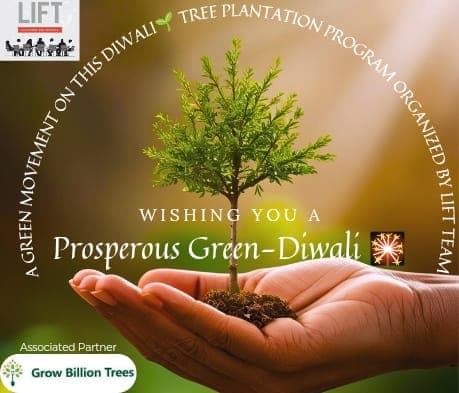
Trees by LIFT Team for Green Diwali: Transform Your Festival
Regular price ₹ 299Regular priceUnit price per -
Trees for a Greener Tomorrow - by Mahindra Lifespaces
Regular price ₹ 299Regular priceUnit price per -
Trees for Environment Day: Plant Your Impact on June 5th
Regular price ₹ 299Regular priceUnit price per -
Trees for Employees: Transform Your Corporate Culture in 2026
Regular price ₹ 299Regular priceUnit price per -
 Project Closed
Trees for Bangalore: Plant Native Trees in Garden City ₹299
Regular price ₹ 799Regular priceUnit price per

Japanese Walnut Tree: Benefits, Beauty & Growing Guide
The Japanese Walnut Tree (Juglans ailantifolia) stands as one of nature's most magnificent specimens, offering unparalleled beauty and remarkable environmental benefits. This extraordinary tree species has captured the hearts of gardeners, environmentalists, and nature enthusiasts worldwide with its towering presence, nutritious nuts, and exceptional ecological value. Whether you're seeking to enhance your landscape or contribute to environmental restoration, the Japanese Walnut Tree delivers both aesthetic appeal and meaningful impact.
✅ Historical Significance and Cultural Heritage
The Japanese Walnut Tree boasts a rich heritage spanning centuries across Japan, Korea, and parts of China. This majestic species has been cultivated for generations, prized for its valuable timber and nutritious edible nuts. Traditional Japanese craftsmen have long treasured the wood's durability and beautiful grain patterns for creating exquisite furniture, cabinetry, and musical instruments.
In Japanese culture, this remarkable tree symbolizes prosperity and longevity. You'll often find these towering giants gracing temple grounds and traditional gardens, where their dense foliage provides cooling shade and enhances the spiritual atmosphere. The tree's cultural significance extends beyond mere aesthetics, representing a deep connection between humanity and nature.
⭐ Incredible Environmental Benefits
The Japanese Walnut Tree offers extraordinary ecological advantages that make it a champion in environmental restoration efforts. According to the United Nations Environment Programme's forest conservation initiatives, trees like the Japanese Walnut play crucial roles in maintaining healthy ecosystems and combating climate change.
Carbon Sequestration Powerhouse
A mature Japanese Walnut Tree absorbs up to 48 pounds of CO2 annually, making it a valuable ally in achieving net zero targets. This impressive carbon sequestration capacity aligns perfectly with global climate action goals outlined by the United Nations Climate Change initiatives.
Biodiversity Champion
The tree's expansive canopy creates vital habitat for numerous bird species and beneficial insects. Its large, compound leaves and extensive branching structure support diverse wildlife populations, promoting biodiversity in urban and rural environments alike.
Soil Health Enhancement
The Japanese Walnut Tree's extensive root system prevents soil erosion while improving nutrient cycling. Its fallen leaves decompose naturally, enriching soil with organic matter and fostering healthy ecosystem development.
💡 Stunning Aesthetic Features
The Japanese Walnut Tree transforms any landscape into a breathtaking natural masterpiece. Standing up to 100 feet tall, this impressive specimen features broad, spreading branches and glossy compound leaves that can reach 12 inches in length.
During autumn, the tree undergoes a spectacular transformation, with its foliage turning brilliant golden yellow. This seasonal display creates stunning visual impact, making it a prized addition to parks, gardens, and urban landscapes. The tree's majestic stature and natural elegance enhance property values while providing year-round beauty.
🌰 Nutritional Powerhouse: Japanese Walnut Benefits
The nuts produced by Japanese Walnut Trees offer exceptional nutritional value, packed with omega-3 fatty acids, antioxidants, and essential vitamins. These protein-rich nuts provide healthy snacking options while supporting sustainable food production.
The nuts are encased in thick, green husks that turn black upon ripening, making harvest identification simple. Their rich, buttery flavor enhances both sweet and savory culinary applications, from gourmet salads to artisanal desserts.
🏗️ Premium Timber Production
Japanese Walnut wood represents one of the finest timber resources available. Its exceptional strength, durability, and beautiful grain patterns make it highly sought after for premium furniture, cabinetry, and flooring applications. Sustainable harvesting practices ensure this valuable resource remains available for future generations.
→ Growing Your Japanese Walnut Tree
Successfully cultivating a Japanese Walnut Tree requires understanding its specific needs and preferences. These hardy trees adapt well to various conditions while providing decades of benefits.
Location Selection
Choose locations with full sun to partial shade and well-drained soil. Japanese Walnut Trees thrive in slightly acidic to neutral pH levels (6.0-7.0) and tolerate various soil types once established.
Planting Guidelines
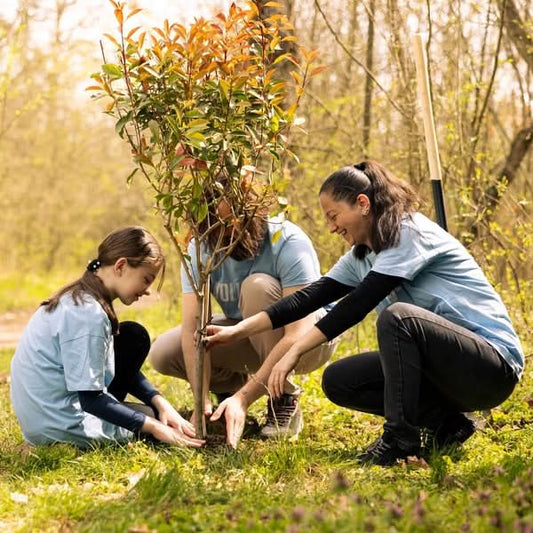
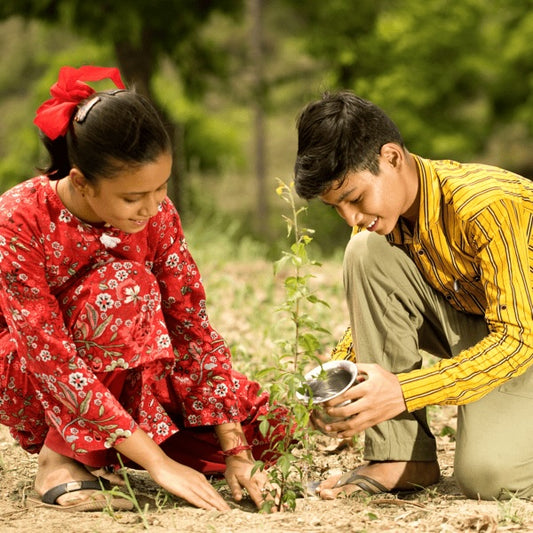
Plant during spring or fall seasons for optimal establishment. Dig holes twice as wide as the root ball and equal in depth. After planting, water thoroughly and apply organic mulch to retain moisture and suppress weeds.
Care Requirements
Young trees require regular watering during their first growing season. Once established, Japanese Walnut Trees demonstrate excellent drought tolerance. Annual pruning helps maintain shape and removes dead or damaged branches.
🌍 Supporting Global Reforestation Efforts
Organizations like Grow Billion Trees champion the cultivation of beneficial species like the Japanese Walnut Tree as part of comprehensive environmental restoration programs. Through our innovative approach of planting trees for just ₹299 with 3 years of care included, we make reforestation accessible to everyone.
Our commitment to planting 100 crore trees across India includes incorporating diverse species that provide maximum ecological benefits. When you Plant a tree in your Name through our platform, you're directly supporting biodiversity conservation and climate action initiatives.
⚠️ Fun Facts About Japanese Walnut Trees
- Japanese Walnut Trees can reach heights of 100 feet, making them among the tallest walnut species
- Their compound leaves consist of multiple leaflets, creating dense, attractive foliage
- The species demonstrates remarkable pest and disease resistance, requiring minimal maintenance
- These trees are popular in bonsai cultivation due to their adaptability and attractive form
- A single mature tree can produce hundreds of nutritious nuts annually
- The wood's density and strength make it ideal for high-end woodworking projects
🌱 Urban Heat Island Mitigation
Japanese Walnut Trees play crucial roles in reducing urban temperatures through their expansive canopies. The dense foliage provides significant shade, cooling surrounding areas and reducing energy consumption for air conditioning. This natural cooling effect helps create more comfortable urban environments while supporting wildlife habitat.
Research shows that strategic tree placement can reduce local temperatures by up to 9°F, making Japanese Walnut Trees valuable assets in urban planning and climate adaptation strategies.
Frequently Asked Questions
How long does it take for a Japanese Walnut Tree to mature?
Japanese Walnut Trees typically reach maturity in 15-20 years, beginning nut production around 7-10 years of age. With proper care, these trees can live and produce for over 100 years.
Are Japanese Walnut Trees suitable for small gardens?
While Japanese Walnut Trees can grow quite large, they can be managed through pruning. However, they're best suited for larger spaces where they can reach their full potential without crowding.
What climate conditions do Japanese Walnut Trees prefer?
These trees thrive in temperate climates with cold winters and warm summers. They're hardy in USDA zones 4-8 and can tolerate temperatures down to -25°F.
How much space should I allow between Japanese Walnut Trees?
Plant Japanese Walnut Trees at least 30-40 feet apart to allow for their mature canopy spread and root development.
Do Japanese Walnut Trees require cross-pollination?
Japanese Walnut Trees are monoecious, meaning they have both male and female flowers on the same tree. However, planting multiple trees often improves nut production through better pollination.
What pests commonly affect Japanese Walnut Trees?
Japanese Walnut Trees demonstrate excellent natural resistance to most pests and diseases. Occasional issues may include aphids or scale insects, which are easily managed with organic treatments.
Can I grow Japanese Walnut Trees in containers?
Young Japanese Walnut Trees can be grown in large containers initially, but they eventually require transplanting to open ground to reach their full potential.
When is the best time to harvest Japanese walnuts?
Harvest Japanese walnuts in late summer to early fall when the husks begin turning black and splitting naturally. Fresh nuts should be processed quickly to maintain quality.
How do Japanese Walnut Trees contribute to carbon sequestration?
Mature Japanese Walnut Trees absorb approximately 48 pounds of CO2 annually, storing carbon in their wood, roots, and surrounding soil. This makes them valuable allies in combating climate change through collective action.
What makes Japanese Walnut wood so valuable?
Japanese Walnut wood combines exceptional strength with beautiful grain patterns and natural durability. Its rich chocolate-brown heartwood with contrasting sapwood creates stunning visual appeal in finished products.
🌟 Join the Reforestation Movement
The Japanese Walnut Tree represents just one example of how strategic tree planting can create lasting environmental impact. Through initiatives supporting forest conservation as outlined by the World Wildlife Fund's forest conservation programs, we can restore degraded landscapes while providing valuable resources for communities.
At Grow Billion Trees, we're committed to Combating Climate Change Through Collective Action by making tree planting accessible and impactful. Our comprehensive approach includes 4ft Tree Planting + 3 Years Care + GeoTag technology, ensuring every tree planted has the best chance of survival and growth.
The Japanese Walnut Tree exemplifies the perfect combination of beauty, functionality, and environmental benefit. From its stunning seasonal displays to its valuable timber and nutritious nuts, this remarkable species offers multiple advantages for both people and planet. By choosing to plant Japanese Walnut Trees, you're investing in a sustainable future while creating lasting natural beauty.
Ready to make a difference? Plant a tree in your Name today and join thousands of others working toward our goal of planting 100 crore trees across India. Together, we can create thriving forests that benefit current and future generations. Explore our tree planting programs and discover how easy it is to contribute to meaningful environmental restoration.
You may also like
-
Gift a Tree - Meaningful Environmental Gifts That Make a Difference
Transform your gift-giving with meaningful environmental gifts that create lasting impact for...
-
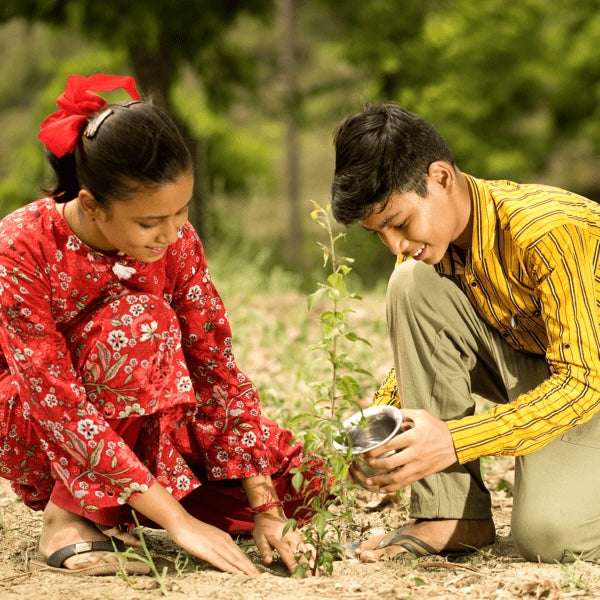
Trees For Shiv Ji - Sacred Tree Planting to Honor Lord Shiva
Honor Lord Shiva through sacred tree planting with Trees For Shiv Ji,...
-

Tree Plantations for Shri Ram - Sacred Devotional Planting Services
Honor Lord Shri Ram through meaningful tree plantations for Shri Ram that...
-
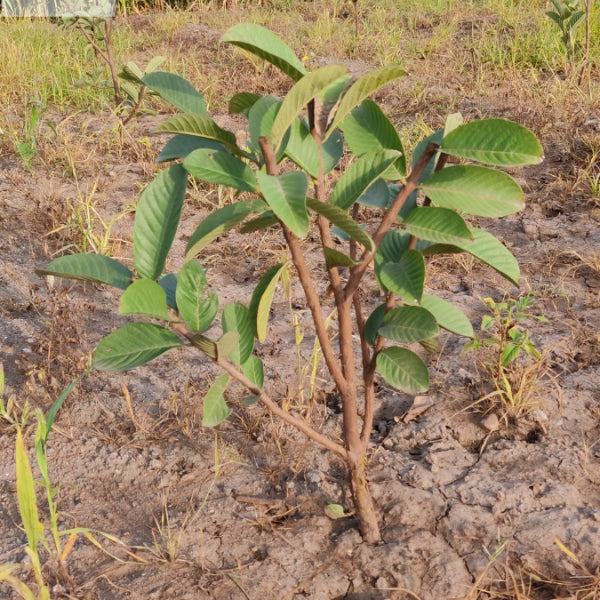
Tree Plantation on Navratri - Celebrate Divine Festivals with Environmental Devotion
Tree plantation on Navratri transforms the sacred nine-day festival into a powerful...
-
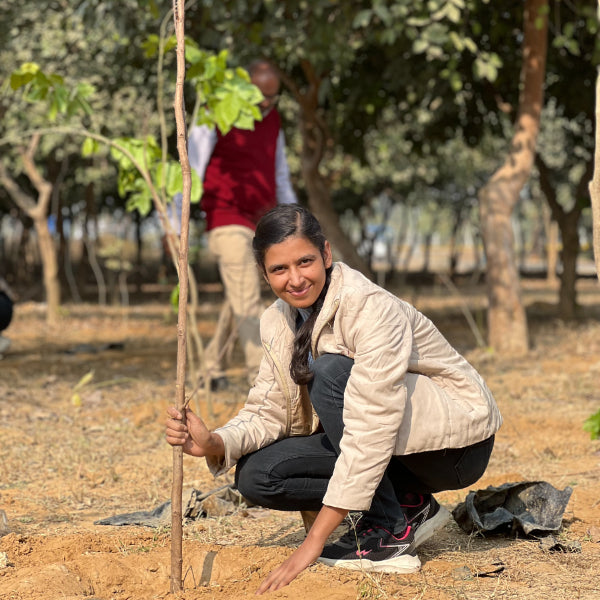
Tree Plantation by Cause - Plant Trees for Every Purpose | Grow Billion Trees
Transform your environmental impact with purpose-driven tree plantation by cause programs that...
Corporate Plantations
-
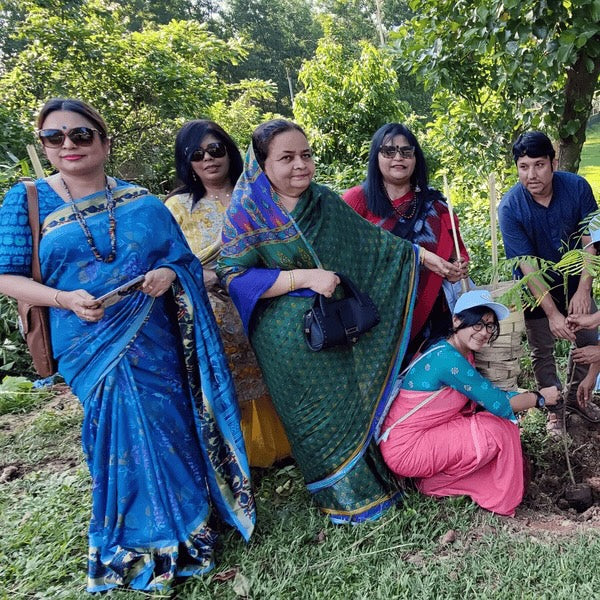
Trees for Corporates - Achieve Net Zero Targets Through Strategic Tree Planting
Trees for Corporates - Strategic Environmental SolutionsTransform your corporate environmental impact with...
-
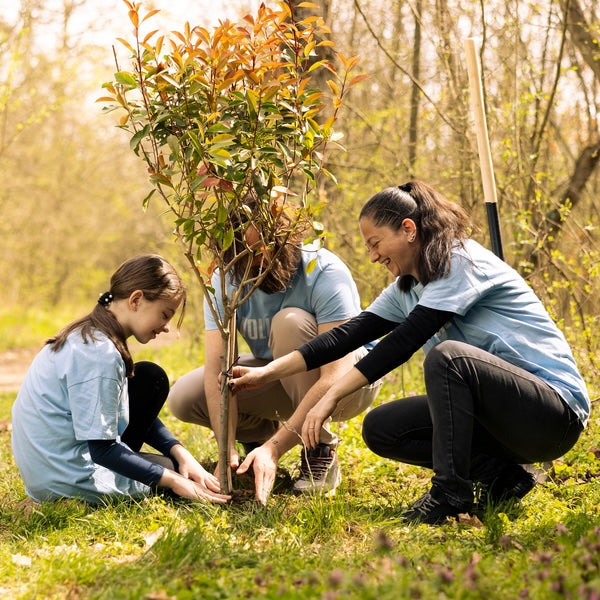
Tree Plantation for CSR - Corporate Environmental Programs | Grow Billion Trees
Tree Plantation for CSR - Transform Your Corporate Environmental ImpactTree plantation for...
-
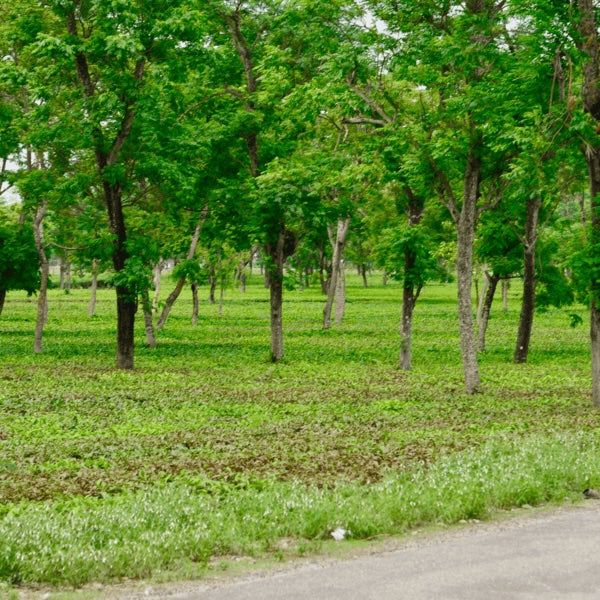
Tree Plantation for SDG - Support Sustainable Development Goals
Tree plantation for SDG initiatives represents a powerful pathway to achieving multiple...
-
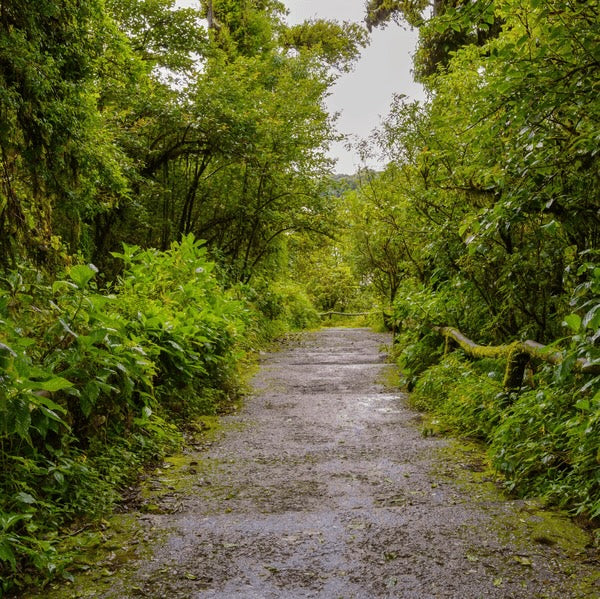
Corporate Tree Plantation Programs - Sustainable ESG Environmental Solutions for Net Zero Targets
Transform your organization's environmental impact with our comprehensive Corporate Tree Plantation Programs...
-
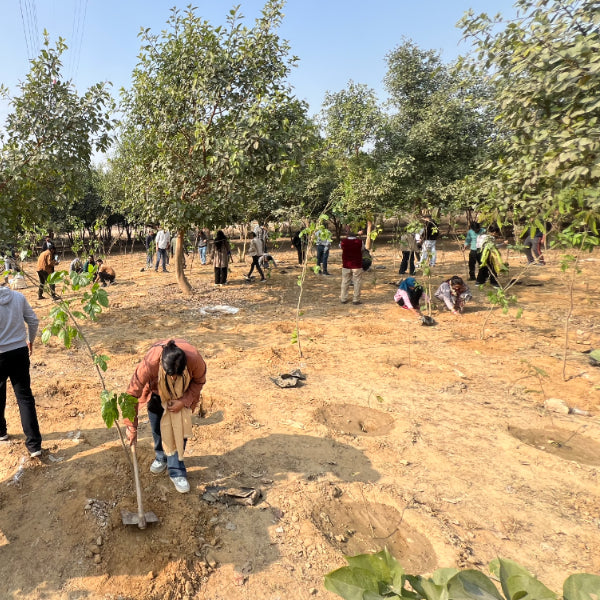
Tree Plantation by Location - Plant Trees Across India
Transform landscapes nationwide through our comprehensive tree plantation by location program. When...
Most Popular Tree Plantations - Top Choices for Environmental Impact
-
Trees for Mother
Regular price ₹ 299Regular priceUnit price per -
Trees to Honor the Memory of your Loved Ones
Regular price ₹ 299Regular priceUnit price per -
Trees for Wedding Anniversary Celebration
Regular price ₹ 299Regular priceUnit price per -
Trees for Grandmother
Regular price ₹ 299Regular priceUnit price per -
Trees for Grandfather
Regular price ₹ 299Regular priceUnit price per

Connect with us
-
👥 Corporates
If you are looking for:
- 🌲 Tree Plantation Events
- 📊 CSR Projects
📧 corporate@growbilliontrees.com
📞 +91 9699723523
💬 +91 9325931304 WhatsApp (Only)
🕒 Mon - Sat | 10am - 7pm IST
-
🧩 Tree Plantation NGOs
If you are looking for:
- 💰 Financial Assistance
- 🤝 Operational Support
📧 support@growbilliontrees.com
📞 +91 9699723523
💬 +91 9325931304 WhatsApp (Only)
🕒 Mon - Sat | 10am - 7pm IST
-
🌼 Individuals
If you are looking for:
- 👥 Group Tree Plantation Drive
- 🌳 Bulk Tree Plantation
📞 +91 9699723523
💬 +91 9325931304 WhatsApp (Only)
🕒 Mon - Sat | 10am - 7pm IST
