
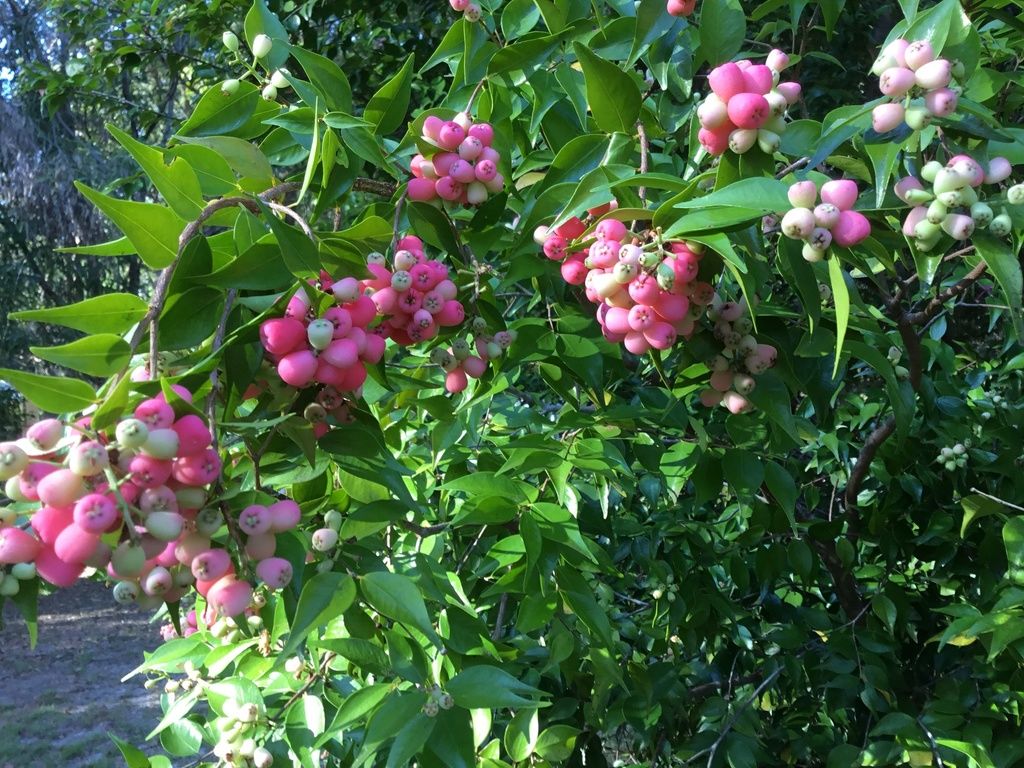
The Java apple tree, scientifically known as Syzygium samarangense, is a tropical fruit tree that has captured the hearts and taste buds of many around the world. Known for its crunchy texture and sweet, juicy flavor, the Java apple, also referred to Read more
Trending Tree Plantations - Most Popular Environmental Programs
-
Trees for Mother
Regular price ₹ 299Regular priceUnit price per -
Trees to Honor the Memory of your Loved Ones
Regular price ₹ 299Regular priceUnit price per -
Trees for Women's Day (8th Mar)
Regular price ₹ 299Regular priceUnit price per -
Trees for Wedding Anniversary Celebration
Regular price ₹ 299Regular priceUnit price per -
Trees for Grandmother
Regular price ₹ 299Regular priceUnit price per

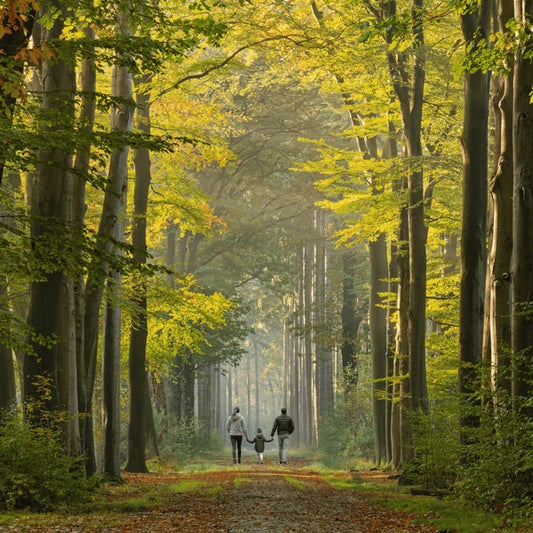



Trees for Corporates - Achieve Net Zero Targets Through Strategic Tree Planting
-
 Project Closed
Trees by LIFT Team for Green Diwali: Transform Your Festival
Regular price ₹ 299Regular priceUnit price per -
Trees for a Greener Tomorrow - by Mahindra Lifespaces
Regular price ₹ 299Regular priceUnit price per -
Trees for Environment Day: Plant Your Impact on June 5th
Regular price ₹ 299Regular priceUnit price per -
Trees for Employees: Transform Your Corporate Culture in 2026
Regular price ₹ 299Regular priceUnit price per -
 Project Closed
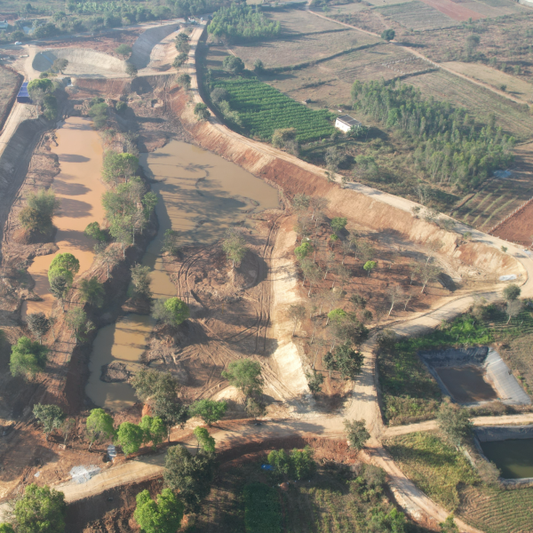
Trees for Bangalore: Plant Native Trees in Garden City ₹299
Regular price ₹ 799Regular priceUnit price per
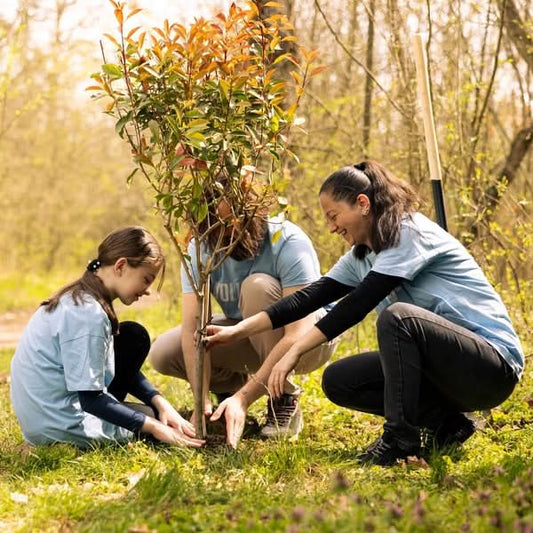
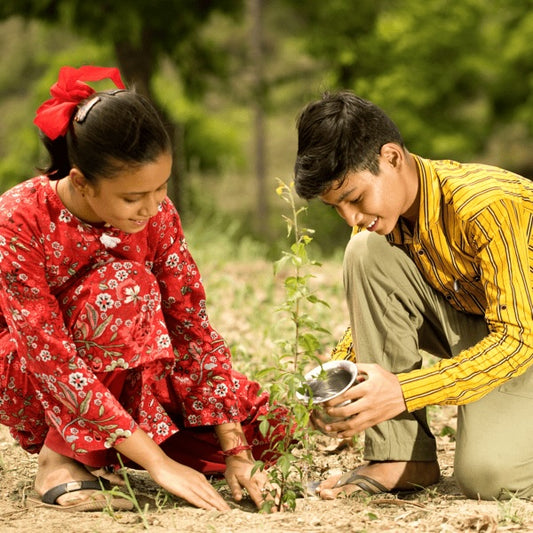
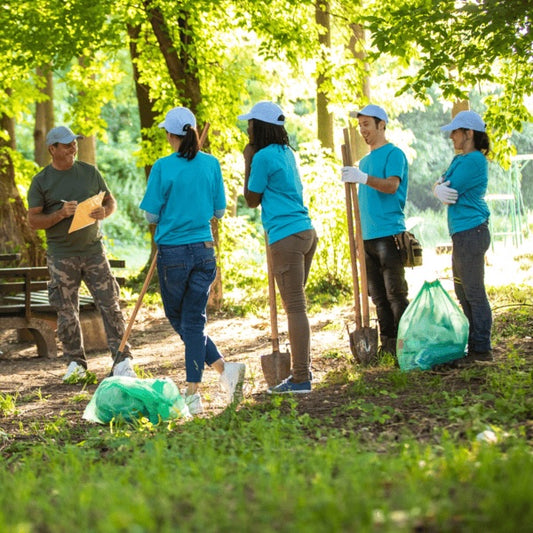
Java Apple Tree: Unlocking the Secrets to Growing the Perfect Fruit in
The Java apple tree, scientifically known as Syzygium samarangense, is a tropical fruit tree that has captured the hearts and taste buds of many around the world.
Known for its crunchy texture and sweet, juicy flavor, the Java apple, also referred to as the wax apple or bell fruit, is a delightful addition to any garden.
In this blog, we will explore the secrets to growing the perfect Java apple tree, delve into its historical significance, discuss its environmental impact, and highlight how organizations like Grow Billion Trees Partners are promoting sustainable practices in this region.
Understanding the Java Apple Tree
The Java apple tree is native to Southeast Asia, particularly Indonesia, Malaysia, and the Philippines.
This evergreen tree can grow up to 30 feet tall and produces fruit that is often bell-shaped and can vary in color from green to pink to red.
The fruit is not only delicious but also packed with nutrients, including vitamins A and C, calcium, and iron. The Java apple tree thrives in tropical climates, requiring well-drained soil, plenty of sunlight, and regular watering to produce the best fruit.
Growing Conditions
To cultivate a healthy Java apple tree, it is essential to replicate its native environment as closely as possible. Here are the key growing conditions to consider:
- Climate: The Java apple tree flourishes in warm, humid climates with temperatures ranging from 20°C to 30°C (68°F to 86°F). It is sensitive to frost, so planting in areas with mild winters is crucial.
- Soil: The tree prefers well-drained, sandy loam soil enriched with organic matter. A pH level of 6.0 to 7.0 is ideal for optimal growth.
- Sunlight: Full sun exposure for at least six hours a day is necessary for fruit production. Lack of sunlight can lead to poor fruit quality and reduced yield.
- Watering: Regular watering is vital, especially during dry spells. However, overwatering should be avoided as it can lead to root rot.
Planting Your Java Apple Tree
When planting a Java apple tree, timing is crucial. The best time to plant is during the rainy season, which allows the tree to establish its roots in moist soil. Here’s a step-by-step guide to planting:
- Choose a location that receives full sunlight and has well-drained soil.
- Dig a hole that is twice the size of the root ball.
- Mix the excavated soil with organic compost to enrich it.
- Place the tree in the hole, ensuring that the root ball is level with the ground surface.
- Fill the hole with the enriched soil and water thoroughly.
- Apply a layer of mulch around the base of the tree to retain moisture and suppress weeds.
Care and Maintenance
Once planted, the Java apple tree requires ongoing care to ensure healthy growth and fruit production. Here are some essential maintenance tips:
- Fertilization: Use a balanced fertilizer every three months during the growing season to promote healthy growth and fruiting.
- Pruning: Regular pruning helps maintain the shape of the tree and encourages better air circulation. Remove any dead or diseased branches to prevent pest infestations.
- Pest Management: Monitor for common pests such as aphids and scale insects. Organic pesticides or neem oil can be effective in controlling these pests.
- Harvesting: The Java apple fruit typically ripens within 3 to 4 months after flowering. Harvest the fruit when it is firm and has a glossy appearance.
Fun Facts About the Java Apple
The Java apple is not only a delicious fruit but also comes with some intriguing facts:
- The Java apple is often used in traditional medicine for its anti-inflammatory and antioxidant properties.
- In some cultures, the fruit is believed to have aphrodisiac qualities.
- The tree is also known for its beautiful flowers, which are white or pale pink and attract bees, making it a great addition to pollinator gardens.
Historical Significance
The Java apple tree has a rich history, with its cultivation dating back centuries in Southeast Asia. It was introduced to other tropical regions, including the Caribbean and parts of South America, by early explorers and traders.
The fruit has become a staple in various cuisines, often enjoyed fresh or used in salads, desserts, and beverages. Its cultural significance extends beyond food, as the tree is often planted in gardens for its ornamental value and shade.
Environmental Impact
Growing Java apple trees can have a positive environmental impact. As a fruit-bearing tree, it contributes to biodiversity and provides habitat for various wildlife, including birds and insects.
The tree’s ability to sequester carbon dioxide helps mitigate climate change, making it a valuable addition to any ecosystem. Moreover, promoting the cultivation of Java apple trees can support local economies by providing a source of income for farmers and encouraging sustainable agricultural practices.
Grow Billion Trees Partners: A Commitment to Sustainability
Organizations like Grow Billion Trees Partners are at the forefront of promoting sustainable tree planting initiatives, including the Java apple tree.
Their mission is to combat deforestation and promote reforestation efforts globally. In regions where the Java apple tree is native, Grow Billion Trees Partners works with local communities to educate them about the benefits of planting these trees.
The organization executes its projects by:
- Community Engagement: Collaborating with local farmers and communities to raise awareness about the ecological and economic benefits of growing Java apple trees.
- Training Programs: Offering workshops and training sessions on best practices for planting and maintaining Java apple trees, ensuring that farmers have the knowledge and resources needed for success.
- Resource Provision: Providing saplings and necessary materials to local farmers, making it easier for them to start their own Java apple orchards.
- Market Access: Helping farmers access markets for their produce, ensuring they receive fair compensation for their efforts.
Through these initiatives, Grow Billion Trees Partners not only helps restore ecosystems but also empowers local communities to thrive economically while preserving their environment. The Java apple tree, with its myriad benefits, serves as a perfect model for sustainable agriculture.
Conclusion
Growing the perfect Java apple tree requires knowledge, care, and a commitment to sustainable practices. By understanding the specific needs of this tropical tree and implementing best gardening practices, you can cultivate a thriving tree that produces delicious fruit for years to come.
Moreover, supporting initiatives like Grow Billion Trees Partners can contribute to reforestation efforts, making a positive impact on the environment and local communities.
Whether you are a seasoned gardener or a novice looking to expand your green thumb, the Java apple tree is a rewarding choice that brings both beauty and nourishment to your garden. Start your journey today, and unlock the secrets to growing this remarkable fruit tree!
You may also like
-
Gift a Tree - Meaningful Environmental Gifts That Make a Difference
Transform your gift-giving with meaningful environmental gifts that create lasting impact for...
-
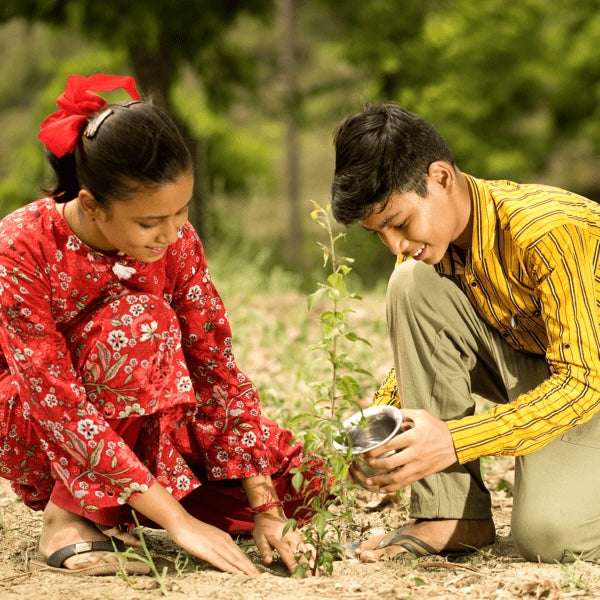
Trees For Shiv Ji - Sacred Tree Planting to Honor Lord Shiva
Honor Lord Shiva through sacred tree planting with Trees For Shiv Ji,...
-

Tree Plantations for Shri Ram - Sacred Devotional Planting Services
Honor Lord Shri Ram through meaningful tree plantations for Shri Ram that...
-
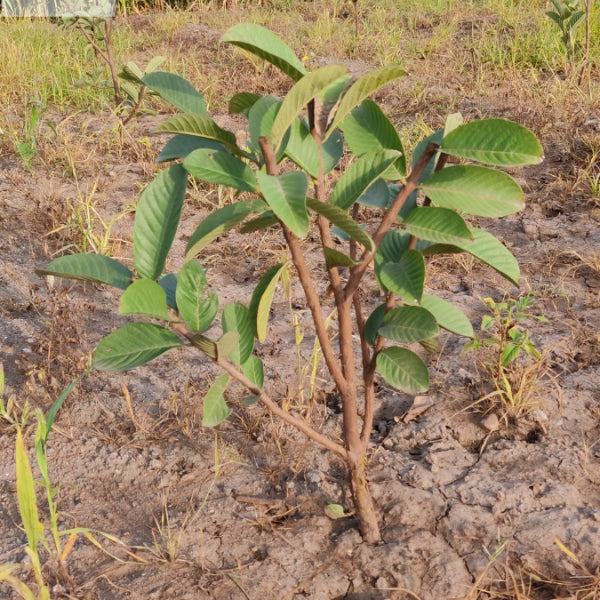
Tree Plantation on Navratri - Celebrate Divine Festivals with Environmental Devotion
Tree plantation on Navratri transforms the sacred nine-day festival into a powerful...
-
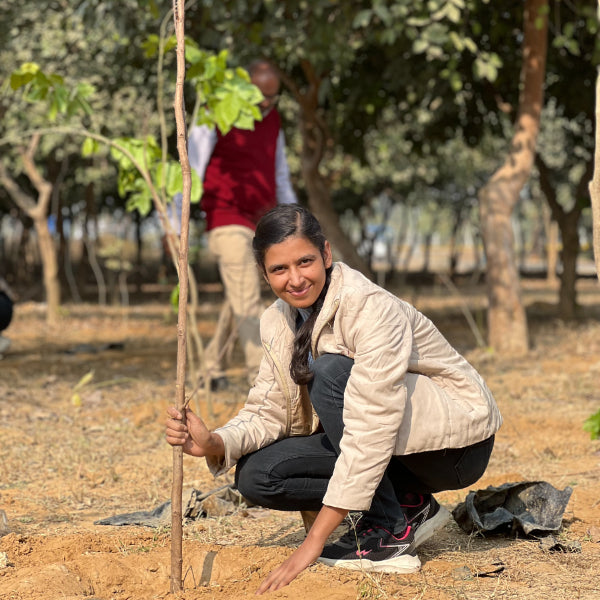
Tree Plantation by Cause - Plant Trees for Every Purpose | Grow Billion Trees
Transform your environmental impact with purpose-driven tree plantation by cause programs that...
Corporate Plantations
-
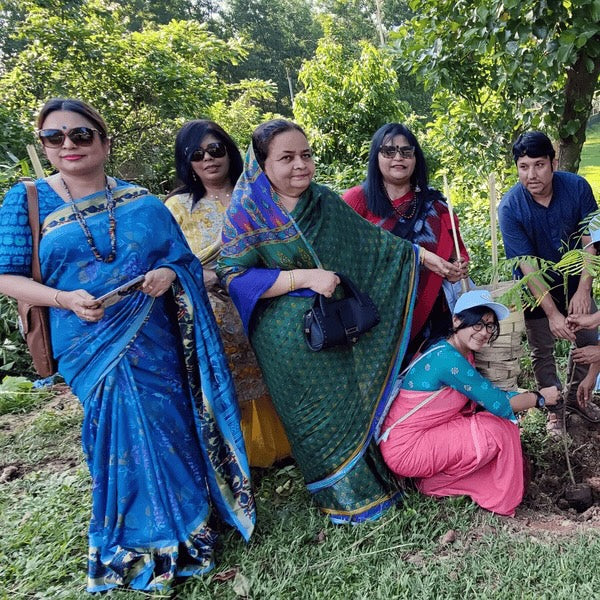
Trees for Corporates - Achieve Net Zero Targets Through Strategic Tree Planting
Trees for Corporates - Strategic Environmental SolutionsTransform your corporate environmental impact with...
-
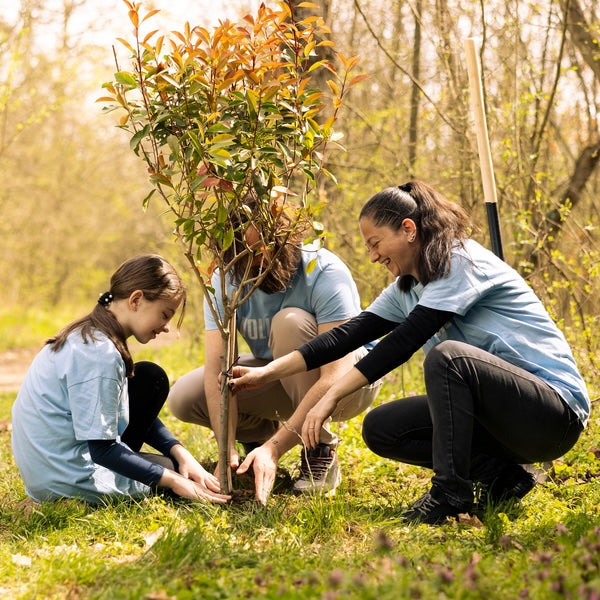
Tree Plantation for CSR - Corporate Environmental Programs | Grow Billion Trees
Tree Plantation for CSR - Transform Your Corporate Environmental ImpactTree plantation for...
-
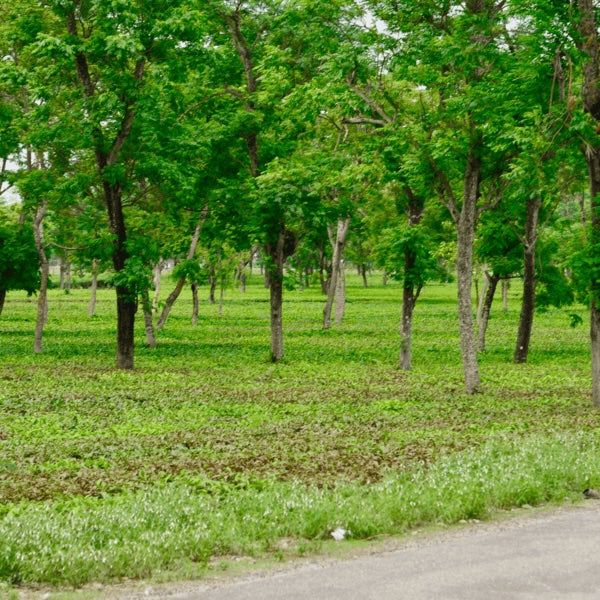
Tree Plantation for SDG - Support Sustainable Development Goals
Tree plantation for SDG initiatives represents a powerful pathway to achieving multiple...
-
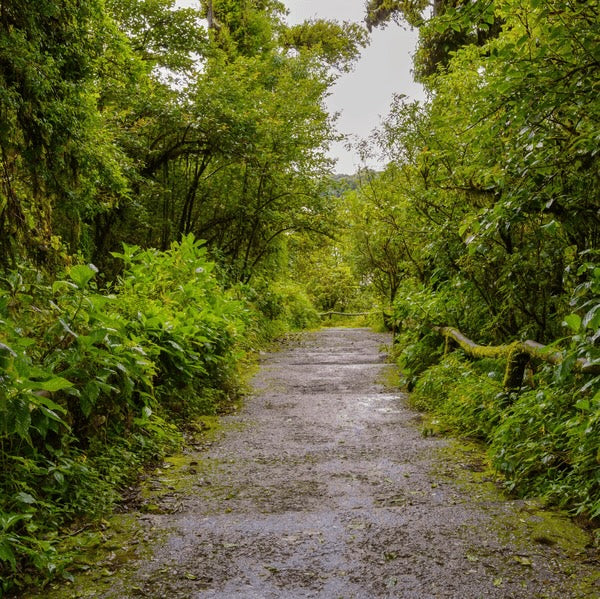
Corporate Tree Plantation Programs - Sustainable ESG Environmental Solutions for Net Zero Targets
Transform your organization's environmental impact with our comprehensive Corporate Tree Plantation Programs...
-
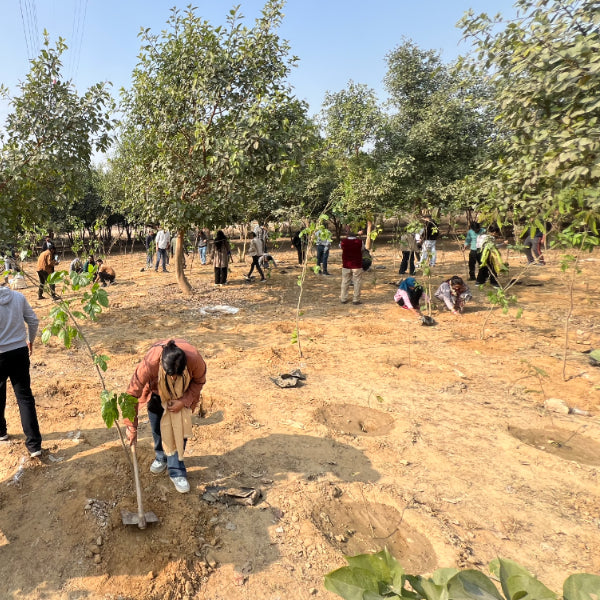
Tree Plantation by Location - Plant Trees Across India
Transform landscapes nationwide through our comprehensive tree plantation by location program. When...
Most Popular Tree Plantations - Top Choices for Environmental Impact
-
Trees for Mother
Regular price ₹ 299Regular priceUnit price per -
Trees to Honor the Memory of your Loved Ones
Regular price ₹ 299Regular priceUnit price per -
Trees for Wedding Anniversary Celebration
Regular price ₹ 299Regular priceUnit price per -
Trees for Grandmother
Regular price ₹ 299Regular priceUnit price per -
Trees for Grandfather
Regular price ₹ 299Regular priceUnit price per

Connect with us
-
👥 Corporates
If you are looking for:
- 🌲 Tree Plantation Events
- 📊 CSR Projects
📧 corporate@growbilliontrees.com
📞 +91 9699723523
💬 +91 9325931304 WhatsApp (Only)
🕒 Mon - Sat | 10am - 7pm IST
-
🧩 Tree Plantation NGOs
If you are looking for:
- 💰 Financial Assistance
- 🤝 Operational Support
📧 support@growbilliontrees.com
📞 +91 9699723523
💬 +91 9325931304 WhatsApp (Only)
🕒 Mon - Sat | 10am - 7pm IST
-
🌼 Individuals
If you are looking for:
- 👥 Group Tree Plantation Drive
- 🌳 Bulk Tree Plantation
📞 +91 9699723523
💬 +91 9325931304 WhatsApp (Only)
🕒 Mon - Sat | 10am - 7pm IST
