Kachnar Tree: Edible Blossoms, Health Benefits, and Ornamental Wonder

Kachnar Tree: Edible Blossoms, Health Benefits, and Ornamental Wonder

August 31, 2025

The Kachnar Tree, scientifically known as Bauhinia variegata and often called the Mountain Ebony, is a botanical wonder cherished for its breathtaking blooms, nutritional value, and medicinal properties. Widely found in India and other tropical Read more

Trees for Corporates - Achieve Net Zero Targets Through Strategic Tree Planting

1 of 5

Kachnar Tree: Edible Blossoms, Health Benefits, and Ornamental Wonder

The Kachnar Tree, scientifically known as Bauhinia variegata and often called the Mountain Ebony, is a botanical wonder cherished for its breathtaking blooms, nutritional value, and medicinal properties.

Widely found in India and other tropical regions, the Kachnar Tree combines beauty, sustainability, and utility, making it a vital part of cultural traditions, ecological balance, and wellness practices.

In this blog, we’ll explore the Kachnar Tree, uncovering its scientific significance, historical legacy, ecological contributions, and modern applications.


What is the Kachnar Tree?

The Kachnar Tree is a deciduous or semi-evergreen plant belonging to the Fabaceae family.

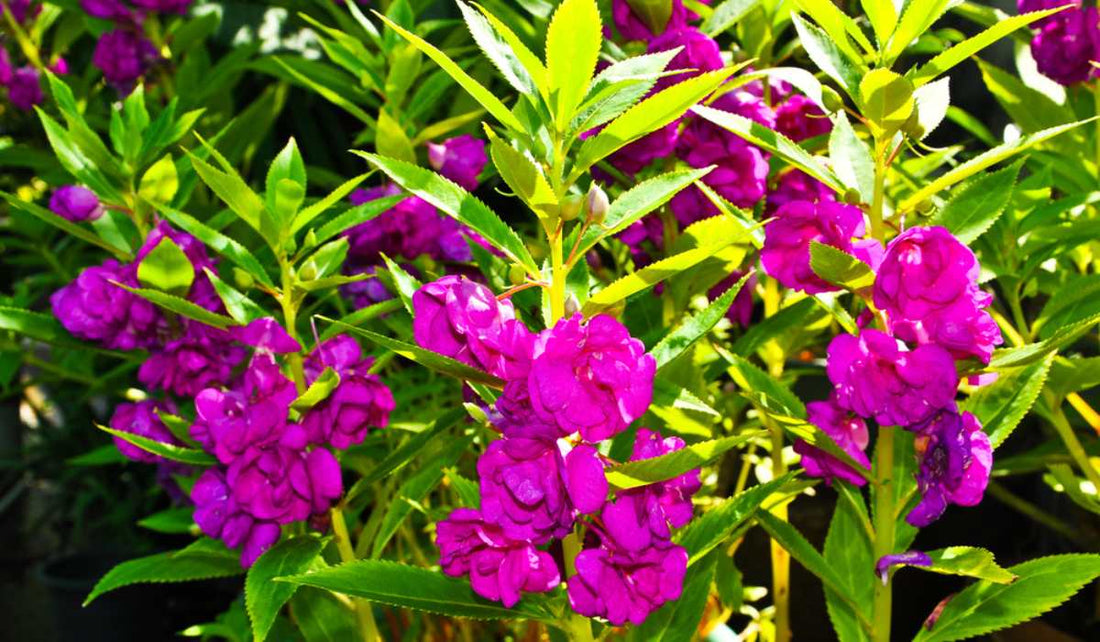
Known for its vibrant, orchid-like flowers, it thrives in tropical and subtropical climates, often decorating landscapes with its striking pink, purple, and white blossoms.

Scientific Classification:

  • Kingdom: Plantae
  • Family: Fabaceae
  • Genus: Bauhinia
  • Species: Bauhinia variegata

Physical Characteristics:

  • Height: Typically grows up to 10–12 meters (33–40 feet).
  • Leaves: Broad, lobed, and often compared to a camel’s hoof, leading to its nickname, the Camel’s Foot Tree.
  • Flowers: Large, fragrant, and orchid-like, in shades of pink, purple, and white.
  • Fruit: Flat, elongated pods containing seeds.

Historical and Cultural Significance

1. Sacred Symbolism:

In Indian culture, the Kachnar Tree is considered sacred, with its flowers and leaves often used in religious rituals and offerings.

2. Culinary Heritage:

The buds and flowers of the Kachnar Tree have been part of traditional Indian cuisine for centuries, used in dishes like curries, pickles, and stir-fries for their unique flavor and nutritional benefits.

3. Medicinal Legacy:

Ayurvedic and Unani medicine systems have long recognized the therapeutic properties of the Kachnar Tree, using its bark, leaves, and flowers to treat various ailments.


Ecological Importance of the Kachnar Tree

The Kachnar Tree is a crucial component of tropical ecosystems, offering numerous environmental benefits.

1. Pollinator Magnet:

The tree’s vibrant flowers attract bees, butterflies, and other pollinators, supporting biodiversity and maintaining ecological balance.

2. Soil Enrichment:

By shedding organic matter, the tree enhances soil fertility, making it a valuable asset for agroforestry practices.

3. Urban Cooling:

With its dense foliage and ornamental appeal, the Kachnar Tree provides shade, reduces urban heat, and improves air quality in cityscapes.

4. Climate Mitigation:

The tree’s ability to absorb carbon dioxide helps mitigate the effects of climate change, contributing to a healthier planet.


Health Benefits and Medicinal Uses

The Kachnar Tree is a powerhouse of medicinal properties, offering a range of health benefits.

1. Thyroid Support:

The bark of the Kachnar Tree is used in Ayurvedic remedies to manage thyroid disorders, including hypothyroidism and hyperthyroidism.

2. Digestive Health:

The buds and flowers improve digestion, relieve constipation, and combat bloating and acidity.

3. Antimicrobial Properties:

The tree’s leaves and bark contain compounds with antibacterial and antifungal properties, making them effective in treating infections.

4. Anti-inflammatory Effects:

Kachnar extracts are used to reduce inflammation and pain, particularly in conditions like arthritis and joint disorders.

5. Skin Care:

The tree’s leaves and flowers are used in herbal preparations to treat skin conditions such as acne, rashes, and eczema.

6. Immune Booster:

Rich in antioxidants, the Kachnar Tree strengthens the immune system and protects against oxidative stress.


Culinary Uses of the Kachnar Tree

The Kachnar Tree’s buds and flowers are a culinary delight, offering unique flavors and nutritional value.

1. Kachnar Curry:

The buds are cooked into a tangy and spicy curry, often paired with Indian flatbreads like roti or paratha.

2. Kachnar Pickles:

The flowers are pickled with spices to create a flavorful condiment.

3. Salads and Stir-Fries:

Fresh or sautéed Kachnar buds and flowers add texture and taste to salads and vegetable stir-fries.

4. Traditional Beverages:

Kachnar flowers are sometimes infused in water to create refreshing and health-boosting drinks.


Fun Facts About the Kachnar Tree

  1. Camel’s Foot Connection: The tree’s distinctive leaves resemble a camel’s hoof, leading to its nickname, the Camel’s Foot Tree.
  2. National Flower: It is the state flower of Telangana in India and the national flower of Hong Kong.
  3. Drought Tolerance: The tree is highly resilient and thrives in arid regions, making it a favorite for afforestation projects.
  4. Fragrant Blooms: Its flowers emit a sweet fragrance, attracting not just pollinators but also humans.
  5. Wood Utility: While primarily grown for its beauty, the tree’s wood is lightweight and used for crafting small tools and furniture.

How to Grow and Care for a Kachnar Tree

The Kachnar Tree is easy to cultivate and maintain, making it an excellent choice for home gardens and community spaces.

1. Ideal Growing Conditions:

  • Climate: Thrives in tropical and subtropical climates but can adapt to mild temperate regions.
  • Soil: Prefers well-drained, sandy, or loamy soils.

2. Planting:

  • Propagate using seeds or cuttings.
  • Plant in a sunny location to ensure optimal flowering and growth.

3. Maintenance:

  • Watering: Water regularly during the growing phase, but the tree is drought-tolerant once established.
  • Pruning: Prune periodically to maintain shape and encourage healthy growth.
  • Fertilization: Use organic compost or a balanced fertilizer during the growing season.

Modern Applications of the Kachnar Tree

The Kachnar Tree continues to find relevance in various industries and practices.

1. Herbal Medicine:

Extracts from the tree are used in natural remedies, supplements, and Ayurvedic formulations for their therapeutic properties.

2. Agroforestry:

The tree is integrated into farming systems to provide shade, improve soil health, and support biodiversity.

3. Landscaping:

With its stunning flowers and manageable size, the Kachnar Tree is a popular choice for beautifying parks, streets, and gardens.

4. Functional Foods:

The buds and flowers are used in health-conscious recipes, promoting wellness through traditional cuisine.


Environmental and Economic Impact

1. Livelihood Opportunities:

The tree supports rural economies by providing raw materials for herbal medicine, culinary products, and ornamental trade.

2. Sustainable Agriculture:

Its role in improving soil health and supporting pollinators makes the Kachnar Tree an asset in sustainable farming practices.

3. Climate Resilience:

The tree’s drought tolerance and carbon-sequestering ability make it a critical species for reforestation and climate adaptation.


Challenges and Conservation Efforts

Despite its resilience, the Kachnar Tree faces challenges that require attention.

1. Habitat Loss:

Urbanization and deforestation threaten the natural populations of the Kachnar Tree in some regions.

2. Overharvesting:

The demand for its flowers and buds in culinary and medicinal uses can lead to overharvesting, impacting its sustainability.

Conservation Measures:

  • Promote sustainable harvesting practices.
  • Encourage community-based plantation projects.
  • Raise awareness about the tree’s ecological and economic importance.

Conclusion

The Kachnar Tree is a true marvel of nature, blending beauty, utility, and sustainability. From its breathtaking flowers and culinary delights to its powerful medicinal properties and ecological contributions, this tree enriches lives and landscapes in countless ways.

By planting and preserving the Kachnar Tree, we embrace its timeless benefits and contribute to a greener, healthier planet. Whether you’re a gardener, a health enthusiast, or a nature lover, the Kachnar Tree is a valuable addition to your world.

Celebrate the blooming charm of the Kachnar Tree and let its legacy inspire a deeper connection with nature. 🌸✨

  • 👥 Corporates

    If you are looking for:

    • 🌲 Tree Plantation Events
    • 📊 CSR Projects

    📧 corporate@growbilliontrees.com

    📞 +91 9699723523

    💬 +91 9325931304 WhatsApp (Only)

    🕒 Mon - Sat | 10am - 7pm IST

  • 🧩 Tree Plantation NGOs

    If you are looking for:

    • 💰 Financial Assistance
    • 🤝 Operational Support

    📧 support@growbilliontrees.com

    📞 +91 9699723523

    💬 +91 9325931304 WhatsApp (Only)

    🕒 Mon - Sat | 10am - 7pm IST

  • 🌼 Individuals

    If you are looking for:

    • 👥 Group Tree Plantation Drive
    • 🌳 Bulk Tree Plantation

    📧 care@growbilliontrees.com

    📞 +91 9699723523

    💬 +91 9325931304 WhatsApp (Only)

    🕒 Mon - Sat | 10am - 7pm IST