
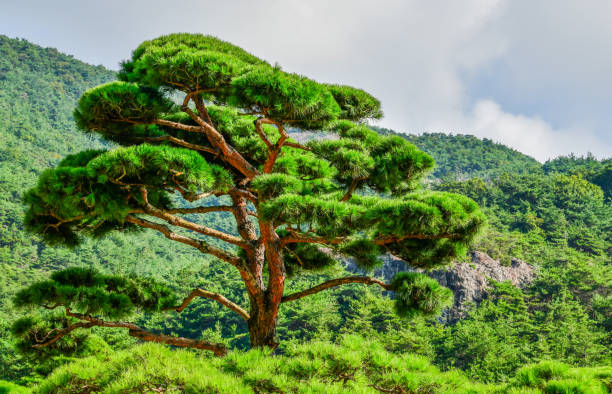
The Korean Pine tree (Pinus koraiensis) stands as a testament to nature's resilience and adaptability, offering remarkable ecological benefits and cultural significance. This extraordinary conifer, native to the mountainous regions of Korea, China, a Read more
Trending Tree Plantations - Most Popular Environmental Programs
-
Trees for Mother
Regular price ₹ 299Regular priceUnit price per -
Trees to Honor the Memory of your Loved Ones
Regular price ₹ 299Regular priceUnit price per -
Trees for Women's Day (8th Mar)
Regular price ₹ 299Regular priceUnit price per -
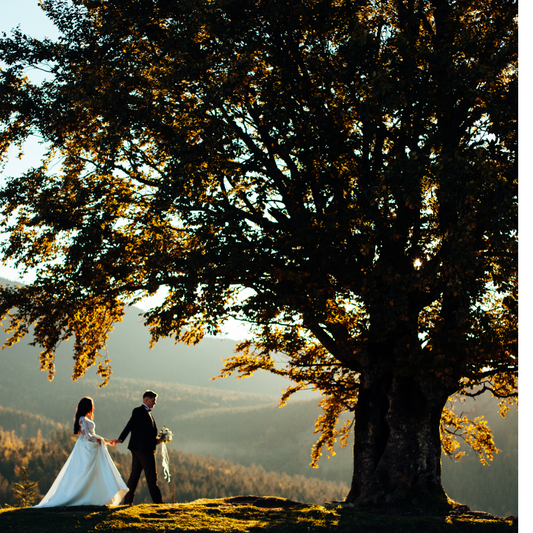
Trees for Wedding Anniversary Celebration
Regular price ₹ 299Regular priceUnit price per -
Trees for Grandmother
Regular price ₹ 299Regular priceUnit price per

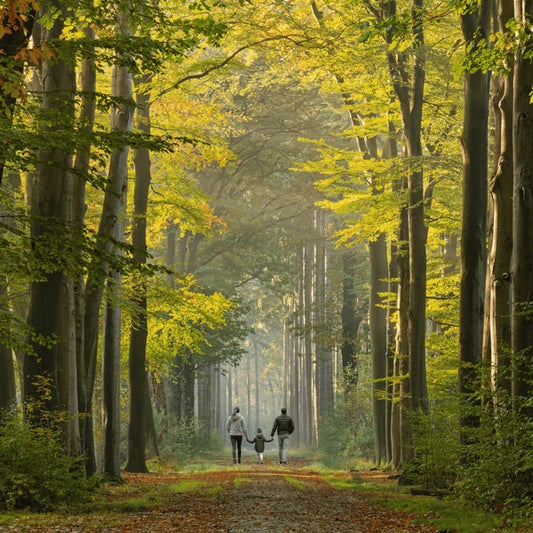


Trees for Corporates - Achieve Net Zero Targets Through Strategic Tree Planting
-
 Project Closed
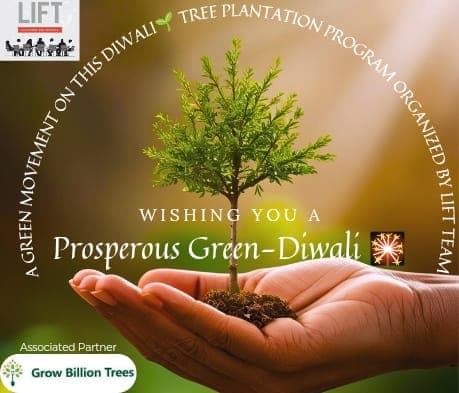
Trees by LIFT Team for Green Diwali: Transform Your Festival
Regular price ₹ 299Regular priceUnit price per -
Trees for a Greener Tomorrow - by Mahindra Lifespaces
Regular price ₹ 299Regular priceUnit price per -
Trees for Environment Day: Plant Your Impact on June 5th
Regular price ₹ 299Regular priceUnit price per -
Trees for Employees: Transform Your Corporate Culture in 2026
Regular price ₹ 299Regular priceUnit price per -
 Project Closed
Trees for Bangalore: Plant Native Trees in Garden City ₹299
Regular price ₹ 799Regular priceUnit price per
Korean Pine Tree: Nature's Resilient Wonder & Conservation
The Korean Pine tree (Pinus koraiensis) stands as a testament to nature's resilience and adaptability, offering remarkable ecological benefits and cultural significance. This extraordinary conifer, native to the mountainous regions of Korea, China, and Russia, has captured the attention of scientists, environmentalists, and nature enthusiasts worldwide.
With its ability to withstand extreme temperatures and thrive in challenging conditions, the Korean Pine tree represents hope in our fight against climate change. Understanding this species is crucial for anyone interested in sustainable forestry and environmental conservation.
Scientific Overview of the Korean Pine Tree
The Korean Pine is a medium to large evergreen tree that can grow up to 30 meters in height and live for over 500 years. It has a straight trunk and a conical crown, with needles that are typically 8 to 12 cm long, grouped in bundles of five. The tree produces large, edible seeds that are rich in nutrients, making it a vital food source for various wildlife, including squirrels, birds, and other small mammals.
Scientifically, the Korean Pine belongs to the Pinaceae family, which includes other well-known species like the Eastern White Pine and the Scots Pine. The tree's adaptability to various soil types and its ability to thrive in harsh climates are notable traits. Research has shown that the Korean Pine can withstand temperatures as low as -40°C and can grow in nutrient-poor soils, making it a resilient species in the face of climate change.
✅ Fascinating Facts About Korean Pine Trees
- Korean Pine nuts are a popular ingredient in Korean cuisine and are used in dishes such as bibimbap and various desserts
- Korean Pine trees are often referred to as "Korean Nut Pine" due to their edible seeds, which are high in protein, healthy fats, and antioxidants
- The tree is an important cultural symbol in Korea, representing longevity and endurance, and is often depicted in traditional art and literature
- Korean Pine forests are home to diverse flora and fauna, including rare species such as the Korean Black Bear and the Siberian Flying Squirrel
- These trees can live for over 500 years, making them witnesses to centuries of environmental change
Historical Significance and Cultural Heritage
The history of the Korean Pine tree is intertwined with the cultural heritage of the regions it inhabits. In Korea, the tree has been cultivated for centuries, primarily for its seeds and timber. Historical records indicate that Korean Pine forests were managed by local communities, who practiced sustainable harvesting methods to ensure the tree's longevity and the health of the ecosystem.
In addition to its economic importance, the Korean Pine has played a role in traditional medicine. The resin and essential oils extracted from the tree have been used in herbal remedies for centuries, believed to possess anti-inflammatory and antiseptic properties. This traditional knowledge has been passed down through generations, highlighting the deep connection between the Korean Pine and the local culture.
⭐ Environmental Impact and Ecosystem Services
The ecological role of the Korean Pine tree extends far beyond its aesthetic appeal or economic value. As a keystone species in its native habitat, the Korean Pine plays a crucial role in maintaining biodiversity and ecosystem health. According to the United Nations Environment Programme's forest conservation initiatives, trees like the Korean Pine are essential for maintaining forest ecosystem integrity.
Moreover, Korean Pine forests are vital for carbon sequestration, helping to mitigate climate change by absorbing carbon dioxide from the atmosphere. Studies have shown that mature Korean Pine forests can store significant amounts of carbon, making them essential in the fight against global warming as outlined by the United Nations climate change action framework.
The tree's deep root system also helps prevent soil erosion, maintaining soil health and stability in mountainous regions. This is particularly important in areas prone to landslides or degradation due to deforestation and climate change. By preserving the Korean Pine, we are also protecting the delicate balance of the ecosystem and promoting sustainable land management practices.
⚠️ Conservation Challenges and Threats
Despite its resilience, the Korean Pine tree faces numerous threats, including habitat loss due to urbanization, illegal logging, and climate change. The World Wildlife Fund identifies deforestation as one of the primary threats to forest ecosystems globally, including Korean Pine habitats.
The demand for timber and pine nuts has led to overharvesting in some regions, endangering the species and its associated ecosystems. Climate change poses additional challenges, as shifting temperature and precipitation patterns may affect the tree's natural range and reproductive success.
🌱 Grow Billion Trees: Leading Conservation Efforts
At Grow Billion Trees, we understand the critical importance of preserving species like the Korean Pine tree. Our mission to Plant a tree in your Name for just ₹299 includes specialized programs that focus on native species conservation and restoration.
Through our comprehensive approach of 4ft Tree Planting + 3 Years Care + GeoTag technology, we ensure that every tree planted contributes to our goal of planting 100 crore trees by 2030. Our programs support both individual environmental enthusiasts and corporates working toward their Net Zero Targets.
We believe in Combating Climate Change Through Collective Action, and the Korean Pine tree serves as an excellent example of how resilient species can contribute to ecosystem restoration and carbon sequestration efforts. Learn more about our tree planting initiatives and how you can contribute to preserving remarkable species like the Korean Pine.
💡 Cultivation and Growing Tips
For those interested in cultivating Korean Pine trees, understanding their specific requirements is essential. These trees prefer well-drained, slightly acidic soils and can tolerate various soil types. They thrive in cool, humid climates and require adequate spacing for proper growth.
Korean Pine trees are slow-growing initially but become more vigorous as they mature. They require full to partial sunlight and benefit from protection from strong winds during their early years. Proper care includes regular watering during dry periods and occasional fertilization with organic matter.
Economic Value and Sustainable Harvesting
The economic importance of Korean Pine trees extends beyond timber production. The nutritious pine nuts are highly valued in international markets, providing income for local communities. Sustainable harvesting practices ensure that both the nuts and timber can be obtained without compromising the tree's long-term survival.
The tree's resin and essential oils also have commercial applications in the pharmaceutical and cosmetic industries. By promoting sustainable harvesting methods, we can maintain the economic benefits while preserving the species for future generations.
Frequently Asked Questions
How long does a Korean Pine tree live?
Korean Pine trees can live for over 500 years under optimal conditions. Their longevity makes them valuable for long-term carbon storage and ecosystem stability, contributing significantly to forest conservation efforts.
What makes Korean Pine trees so resilient?
Korean Pine trees can withstand temperatures as low as -40°C and grow in nutrient-poor soils. Their deep root system, adaptable nature, and efficient water usage make them remarkably resilient to environmental stresses.
Are Korean Pine nuts edible and nutritious?
Yes, Korean Pine nuts are highly nutritious and edible. They are rich in protein, healthy fats, vitamins, and antioxidants, making them a valuable food source for both wildlife and humans.
How tall do Korean Pine trees grow?
Korean Pine trees typically grow up to 30 meters in height, though some exceptional specimens can reach even greater heights. Their conical crown and straight trunk make them distinctive in forest landscapes.
What wildlife depends on Korean Pine forests?
Korean Pine forests support diverse wildlife including Korean Black Bears, Siberian Flying Squirrels, various bird species, and small mammals that depend on the nutritious pine nuts for food.
Can Korean Pine trees help with climate change?
Absolutely. Korean Pine forests are excellent for carbon sequestration, absorbing significant amounts of CO2 from the atmosphere. Their role in carbon storage makes them valuable allies in combating climate change.
How can I support Korean Pine conservation?
You can support conservation by participating in reforestation programs, choosing sustainable forest products, and supporting organizations like Grow Billion Trees that focus on native species restoration and protection.
What soil conditions do Korean Pine trees prefer?
Korean Pine trees prefer well-drained, slightly acidic soils but are adaptable to various soil types. They can even grow in nutrient-poor conditions, making them suitable for challenging environments.
The Future of Korean Pine Conservation
The Korean Pine tree represents both the challenges and opportunities in modern conservation efforts. As we face increasing environmental pressures, protecting resilient species like the Korean Pine becomes crucial for maintaining biodiversity and ecosystem health.
Through initiatives aligned with the United Nations Sustainable Development Goals, we can work together to ensure that future generations will continue to benefit from these remarkable trees. The Korean Pine's ability to thrive in challenging conditions offers hope and inspiration for our collective environmental efforts.
By supporting conservation programs and making conscious choices about forest products, we can all contribute to preserving this natural wonder. The Korean Pine tree's secrets of resilience remind us that with proper care and protection, nature can overcome even the most challenging circumstances. Join us in our mission to plant 100 crore trees and help protect species like the Korean Pine for generations to come.
You may also like
-
Gift a Tree - Meaningful Environmental Gifts That Make a Difference
Transform your gift-giving with meaningful environmental gifts that create lasting impact for...
-
Trees For Shiv Ji - Sacred Tree Planting to Honor Lord Shiva
Honor Lord Shiva through sacred tree planting with Trees For Shiv Ji,...
-

Tree Plantations for Shri Ram - Sacred Devotional Planting Services
Honor Lord Shri Ram through meaningful tree plantations for Shri Ram that...
-
Tree Plantation on Navratri - Celebrate Divine Festivals with Environmental Devotion
Tree plantation on Navratri transforms the sacred nine-day festival into a powerful...
-
Tree Plantation by Cause - Plant Trees for Every Purpose | Grow Billion Trees
Transform your environmental impact with purpose-driven tree plantation by cause programs that...
Corporate Plantations
-
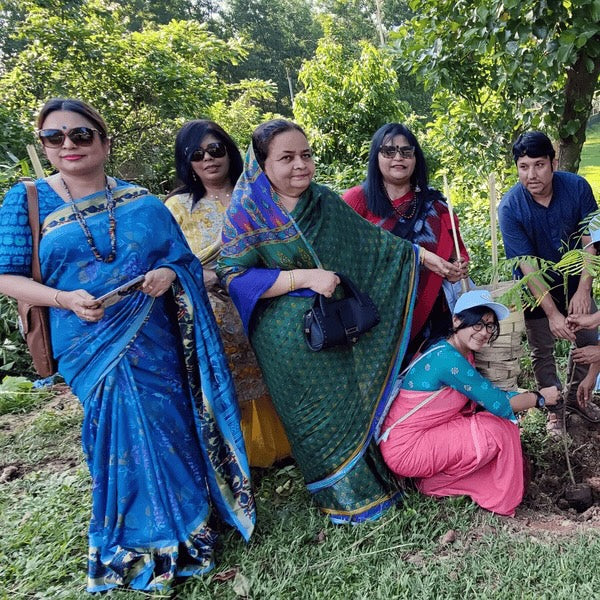
Trees for Corporates - Achieve Net Zero Targets Through Strategic Tree Planting
Trees for Corporates - Strategic Environmental SolutionsTransform your corporate environmental impact with...
-
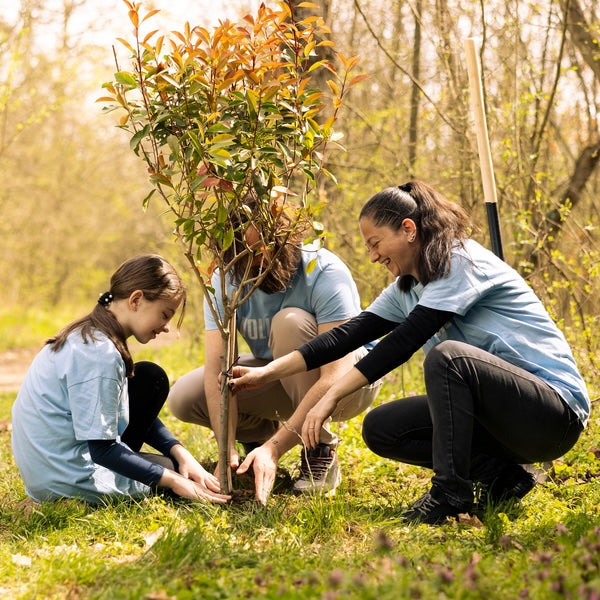
Tree Plantation for CSR - Corporate Environmental Programs | Grow Billion Trees
Tree Plantation for CSR - Transform Your Corporate Environmental ImpactTree plantation for...
-
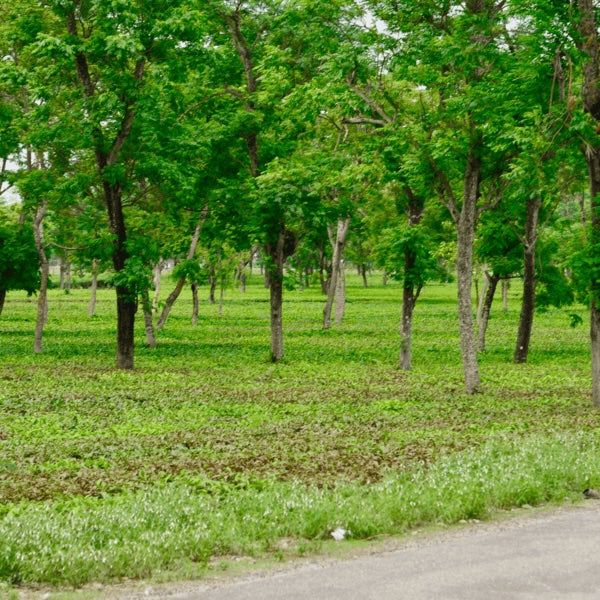
Tree Plantation for SDG - Support Sustainable Development Goals
Tree plantation for SDG initiatives represents a powerful pathway to achieving multiple...
-
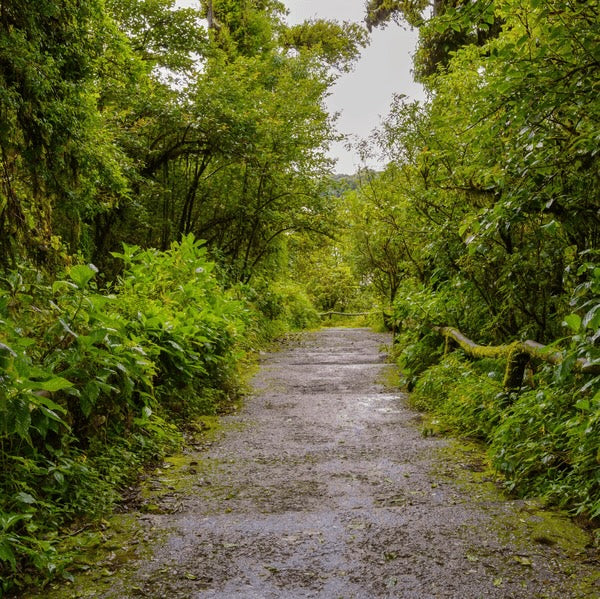
Corporate Tree Plantation Programs - Sustainable ESG Environmental Solutions for Net Zero Targets
Transform your organization's environmental impact with our comprehensive Corporate Tree Plantation Programs...
-
Tree Plantation by Location - Plant Trees Across India
Transform landscapes nationwide through our comprehensive tree plantation by location program. When...
Most Popular Tree Plantations - Top Choices for Environmental Impact
-
Trees for Mother
Regular price ₹ 299Regular priceUnit price per -
Trees to Honor the Memory of your Loved Ones
Regular price ₹ 299Regular priceUnit price per -
Trees for Wedding Anniversary Celebration
Regular price ₹ 299Regular priceUnit price per -
Trees for Grandmother
Regular price ₹ 299Regular priceUnit price per -
Trees for Grandfather
Regular price ₹ 299Regular priceUnit price per

Connect with us
-
👥 Corporates
If you are looking for:
- 🌲 Tree Plantation Events
- 📊 CSR Projects
📧 corporate@growbilliontrees.com
📞 +91 9699723523
💬 +91 9325931304 WhatsApp (Only)
🕒 Mon - Sat | 10am - 7pm IST
-
🧩 Tree Plantation NGOs
If you are looking for:
- 💰 Financial Assistance
- 🤝 Operational Support
📧 support@growbilliontrees.com
📞 +91 9699723523
💬 +91 9325931304 WhatsApp (Only)
🕒 Mon - Sat | 10am - 7pm IST
-
🌼 Individuals
If you are looking for:
- 👥 Group Tree Plantation Drive
- 🌳 Bulk Tree Plantation
📞 +91 9699723523
💬 +91 9325931304 WhatsApp (Only)
🕒 Mon - Sat | 10am - 7pm IST
