
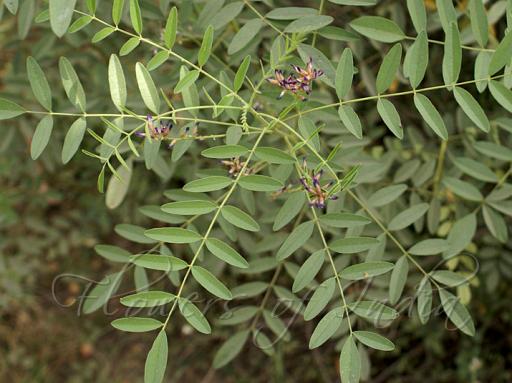
The licorice tree (Glycyrrhiza glabra) stands as one of nature's most remarkable medicinal plants, offering sweet healing properties that have captivated civilizations for over 3,000 years. This extraordinary plant delivers powerful therapeutic benef Read more
Trending Tree Plantations - Most Popular Environmental Programs
-
Trees for Mother
Regular price ₹ 299Regular priceUnit price per -
Trees to Honor the Memory of your Loved Ones
Regular price ₹ 299Regular priceUnit price per -
Trees for Women's Day (8th Mar)
Regular price ₹ 299Regular priceUnit price per -
Trees for Wedding Anniversary Celebration
Regular price ₹ 299Regular priceUnit price per -
Trees for Grandmother
Regular price ₹ 299Regular priceUnit price per





Trees for Corporates - Achieve Net Zero Targets Through Strategic Tree Planting
-
 Project Closed
Trees by LIFT Team for Green Diwali: Transform Your Festival
Regular price ₹ 299Regular priceUnit price per -
Trees for a Greener Tomorrow - by Mahindra Lifespaces
Regular price ₹ 299Regular priceUnit price per -
Trees for Environment Day: Plant Your Impact on June 5th
Regular price ₹ 299Regular priceUnit price per -
Trees for Employees: Transform Your Corporate Culture in 2026
Regular price ₹ 299Regular priceUnit price per -
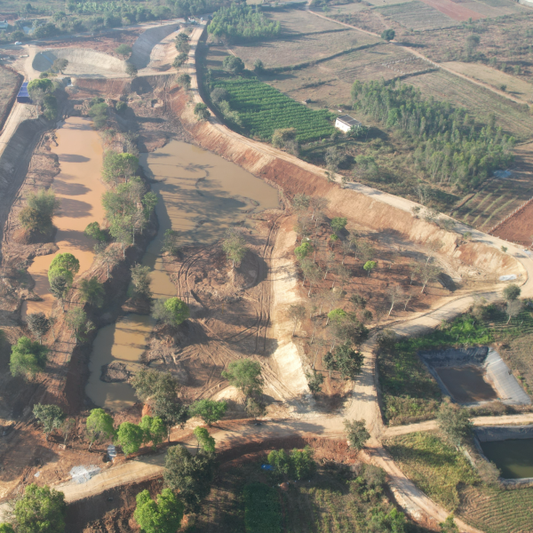 Project Closed
Trees for Bangalore: Plant Native Trees in Garden City ₹299
Regular price ₹ 799Regular priceUnit price per
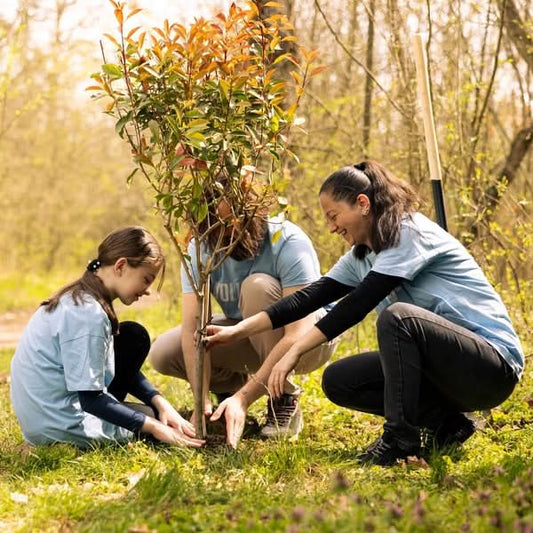
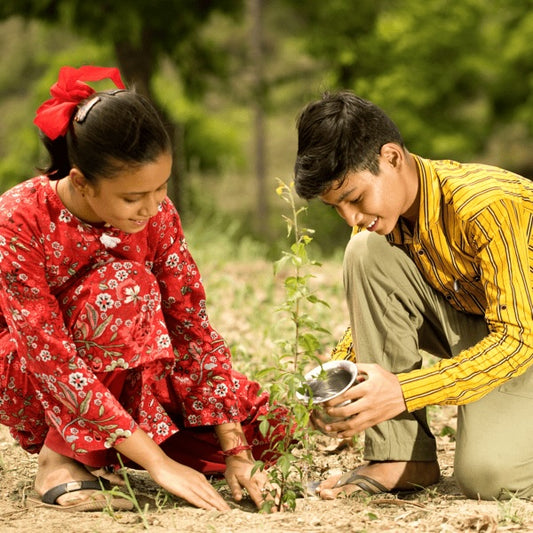

Licorice Tree: Nature's Sweetest Medicinal Marvel Guide
The licorice tree (Glycyrrhiza glabra) stands as one of nature's most remarkable medicinal plants, offering sweet healing properties that have captivated civilizations for over 3,000 years. This extraordinary plant delivers powerful therapeutic benefits while supporting sustainable environmental practices through responsible cultivation.
Licorice, often celebrated for its sweet flavor and unique aroma, is derived from the roots of the Glycyrrhiza glabra plant, commonly known as the licorice tree. This remarkable plant has been used for thousands of years in traditional medicine and culinary practices across various cultures.
✅ Historical Significance of the Licorice Tree
The history of the licorice tree dates back over 3,000 years, with its roots deeply embedded in ancient civilizations. The Egyptians used licorice as a sweetener and medicine, while the Greeks and Romans valued it for its therapeutic properties.
The famous Greek physician Hippocrates prescribed licorice for various ailments, including respiratory conditions and digestive issues. In traditional Chinese medicine, licorice is often included in herbal formulas for its harmonizing effects and to enhance the efficacy of other herbs.
In the Middle Ages, licorice was considered a valuable commodity, and it was traded along the Silk Road. Its popularity continued to grow, leading to the establishment of licorice plantations in various parts of Europe. Today, licorice is not only used in traditional remedies but also in modern pharmaceuticals, confectionery, and beverages worldwide.
⭐ Scientific Benefits of the Licorice Tree
The licorice tree root contains several bioactive compounds, including glycyrrhizin, flavonoids, and coumarins, which contribute to its medicinal properties. Scientific research has revealed a plethora of health benefits associated with licorice consumption:
- Anti-inflammatory Properties: Glycyrrhizin has been shown to reduce inflammation, making licorice an effective natural remedy for conditions like arthritis and inflammatory bowel disease.
- Antiviral Effects: Studies indicate that licorice possesses antiviral properties, particularly against viruses like herpes simplex and hepatitis C.
- Digestive Health: Licorice is known to soothe gastrointestinal issues, such as heartburn and indigestion, by promoting mucosal health and reducing acid production.
- Respiratory Support: Licorice has been used to alleviate coughs and respiratory infections due to its expectorant properties, helping to clear mucus from the airways.
- Hormonal Balance: Some research suggests that licorice may help regulate cortisol levels, potentially aiding in stress management and adrenal health.
While the licorice tree offers numerous health benefits, it is essential to consume it in moderation, as excessive intake can lead to adverse effects such as hypertension and electrolyte imbalances.
💡 Fun Facts About the Licorice Tree
- Licorice root is not actually related to anise or fennel, despite their similar flavor profiles.
- The word "licorice" comes from the Greek word "glycyrrhiza," meaning "sweet root."
- In some cultures, licorice is used in traditional sweets, such as the famous Dutch licorice, which is often salted.
- Licorice has been used in various forms, including teas, extracts, lozenges, and candies, showcasing its versatility in both culinary and medicinal applications.
🌍 Environmental Impact of Licorice Tree Cultivation
The licorice tree is primarily cultivated in regions with a temperate climate, including parts of Europe, Asia, and the Mediterranean. According to the United Nations Environment Programme's forest conservation initiatives, sustainable cultivation of medicinal plants like licorice can have significant positive environmental impacts.
Positive Environmental Aspects
- Soil Improvement: The licorice tree is a perennial plant that can enhance soil health through its deep root system, which prevents erosion and improves soil structure.
- Carbon Sequestration: As highlighted by the United Nations climate change action framework, plants like the licorice tree contribute to carbon sequestration, helping to mitigate climate change by absorbing carbon dioxide from the atmosphere.
- Biodiversity Support: Licorice cultivation can support local ecosystems by providing habitat for various species and promoting biodiversity.
⚠️ Negative Environmental Aspects
- Overharvesting: Unsustainable harvesting practices can lead to the depletion of wild licorice populations, threatening biodiversity and ecosystem balance.
- Land Degradation: Intensive cultivation without proper management can result in soil degradation and loss of fertility.
🌱 Grow Billion Trees: Promoting Sustainable Licorice Tree Cultivation
Grow Billion Trees is committed to Combating Climate Change Through Collective Action by promoting sustainable cultivation of medicinal plants like the licorice tree. Our mission aligns with the United Nations Sustainable Development Goals, focusing on environmental restoration and community empowerment.
Through our comprehensive 4ft Tree Planting + 3 Years Care + GeoTag program, we ensure that every licorice tree planted receives proper care and monitoring. You can Plant a tree in your Name for just ₹299, contributing to our goal of planting 100 crore trees across India.
How We Execute Sustainable Projects
- Community Engagement: We collaborate with local farmers to promote sustainable licorice cultivation practices that benefit both communities and the environment.
- Technology Integration: Our GeoTag system allows you to track your planted licorice tree's growth and impact over time.
- Corporate Partnerships: We help organizations achieve their Net Zero Targets through strategic tree planting and environmental restoration programs.
- Education and Training: We provide comprehensive training on sustainable farming practices for licorice and other medicinal plants.
Learn more about our licorice tree planting programs and join thousands of environmentally conscious individuals making a difference.
🌿 Cultivation and Care of Licorice Trees
Successfully growing a licorice tree requires understanding its specific needs and environmental preferences. These resilient plants thrive in well-drained, sandy soils with full sun exposure.
→ Planting Requirements
- Soil pH between 6.0-8.0 for optimal growth
- Deep, well-draining soil to accommodate extensive root systems
- Full sun exposure with protection from strong winds
- Regular watering during establishment phase
→ Harvesting Timeline
The licorice tree typically requires 3-4 years before roots can be harvested for medicinal use. This extended growth period makes sustainable cultivation practices even more critical for long-term environmental and economic benefits.
🏥 Modern Applications of Licorice Tree Extracts
Today's pharmaceutical and wellness industries continue to unlock new applications for licorice tree compounds. Modern research has validated many traditional uses while discovering new therapeutic potentials.
Current Medical Applications
- Pharmaceutical formulations for respiratory conditions
- Natural sweeteners in health products
- Anti-inflammatory compounds in topical treatments
- Digestive health supplements and teas
- Stress management and adrenal support formulas
Frequently Asked Questions
What is a licorice tree and where does it grow?
The licorice tree (Glycyrrhiza glabra) is a perennial leguminous plant native to southern Europe and parts of Asia. It thrives in temperate climates with well-drained soils and is cultivated worldwide for its medicinal roots.
How long does it take for a licorice tree to mature?
A licorice tree typically takes 3-4 years to develop mature roots suitable for harvesting. The plant can live for many years, making it an excellent choice for sustainable cultivation practices.
What are the main health benefits of licorice tree root?
Licorice tree root offers anti-inflammatory, antiviral, digestive support, respiratory health benefits, and hormonal balance properties. However, it should be consumed in moderation due to potential side effects from excessive use.
Can I grow a licorice tree at home?
Yes, licorice trees can be grown in home gardens with proper soil conditions, full sun exposure, and adequate space for root development. They require well-draining soil and regular care during establishment.
Is licorice tree cultivation environmentally friendly?
When practiced sustainably, licorice tree cultivation supports soil health, carbon sequestration, and biodiversity. However, overharvesting and intensive farming can cause environmental damage, making responsible cultivation essential.
What is the difference between licorice tree and anise?
Despite similar flavors, the licorice tree (Glycyrrhiza glabra) and anise (Pimpinella anisum) are completely different plants from different botanical families. Licorice gets its sweetness from glycyrrhizin, while anise contains anethole.
How does Grow Billion Trees support licorice cultivation?
Grow Billion Trees promotes sustainable licorice cultivation through community partnerships, technology integration with GeoTag tracking, educational programs, and comprehensive tree care services including 3 years of post-planting support.
Are there any side effects from consuming licorice tree products?
Excessive consumption of licorice tree products can lead to hypertension, electrolyte imbalances, and other health issues. It's important to consume licorice in moderation and consult healthcare providers for medicinal use.
What role does the licorice tree play in traditional medicine?
The licorice tree has been used for over 3,000 years in traditional medicine systems worldwide, including Egyptian, Greek, Roman, and Chinese practices, primarily for respiratory, digestive, and inflammatory conditions.
How can I contribute to sustainable licorice tree cultivation?
You can support sustainable licorice cultivation by choosing responsibly sourced products, participating in tree planting programs like those offered by Grow Billion Trees, and supporting organizations that promote environmental restoration and sustainable agriculture.The licorice tree represents nature's perfect blend of sweetness and healing power, offering tremendous potential for both human health and environmental restoration. Through sustainable cultivation practices and organizations like Grow Billion Trees, we can harness this medicinal marvel while protecting our planet's precious ecosystems.Ready to make a difference? Plant your own tree today and join our mission to create a greener, healthier world through the power of nature's sweetest medicinal marvel.
You may also like
-
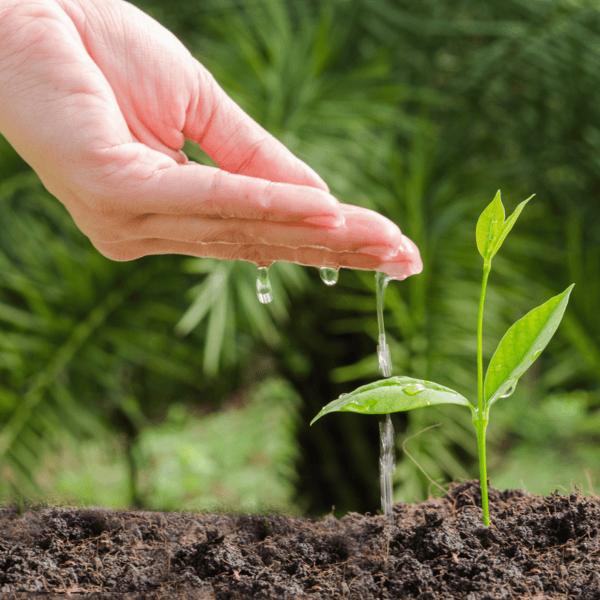
Gift a Tree - Meaningful Environmental Gifts That Make a Difference
Transform your gift-giving with meaningful environmental gifts that create lasting impact for...
-
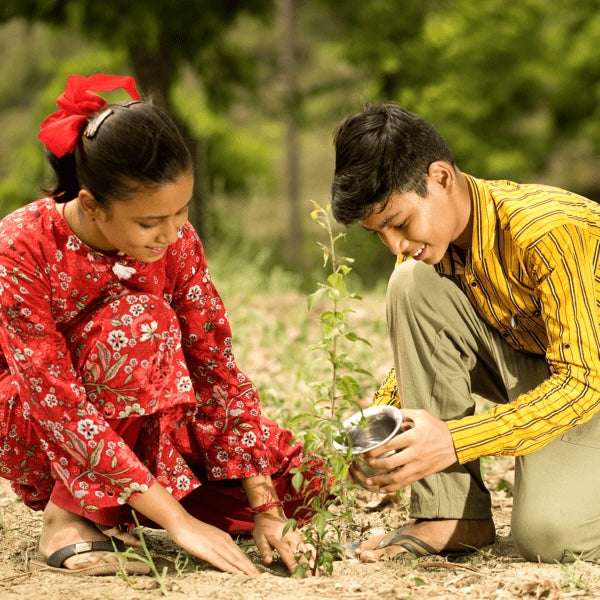
Trees For Shiv Ji - Sacred Tree Planting to Honor Lord Shiva
Honor Lord Shiva through sacred tree planting with Trees For Shiv Ji,...
-

Tree Plantations for Shri Ram - Sacred Devotional Planting Services
Honor Lord Shri Ram through meaningful tree plantations for Shri Ram that...
-
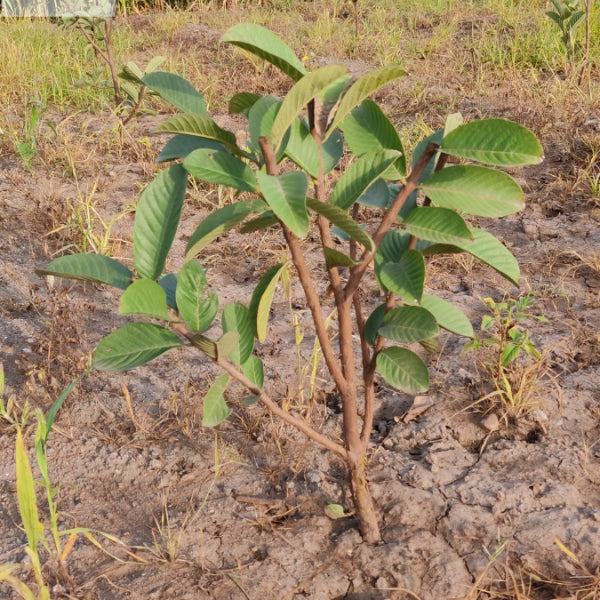
Tree Plantation on Navratri - Celebrate Divine Festivals with Environmental Devotion
Tree plantation on Navratri transforms the sacred nine-day festival into a powerful...
-
Tree Plantation by Cause - Plant Trees for Every Purpose | Grow Billion Trees
Transform your environmental impact with purpose-driven tree plantation by cause programs that...
Corporate Plantations
-
Trees for Corporates - Achieve Net Zero Targets Through Strategic Tree Planting
Trees for Corporates - Strategic Environmental SolutionsTransform your corporate environmental impact with...
-
Tree Plantation for CSR - Corporate Environmental Programs | Grow Billion Trees
Tree Plantation for CSR - Transform Your Corporate Environmental ImpactTree plantation for...
-
Tree Plantation for SDG - Support Sustainable Development Goals
Tree plantation for SDG initiatives represents a powerful pathway to achieving multiple...
-
Corporate Tree Plantation Programs - Sustainable ESG Environmental Solutions for Net Zero Targets
Transform your organization's environmental impact with our comprehensive Corporate Tree Plantation Programs...
-
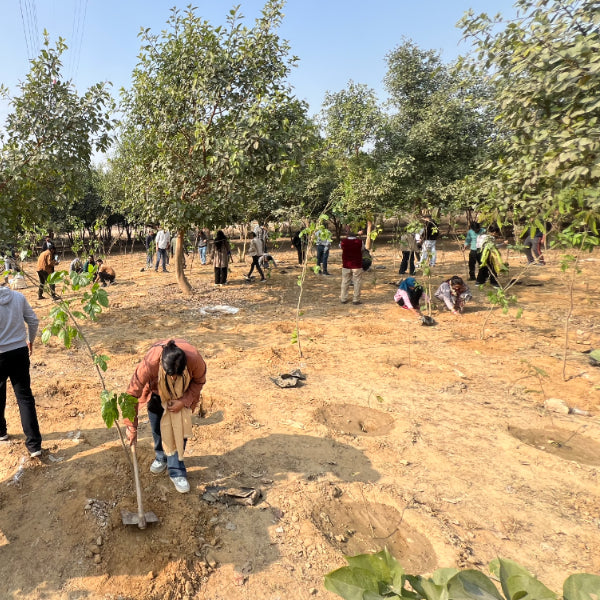
Tree Plantation by Location - Plant Trees Across India
Transform landscapes nationwide through our comprehensive tree plantation by location program. When...
Most Popular Tree Plantations - Top Choices for Environmental Impact
-
Trees for Mother
Regular price ₹ 299Regular priceUnit price per -
Trees to Honor the Memory of your Loved Ones
Regular price ₹ 299Regular priceUnit price per -
Trees for Wedding Anniversary Celebration
Regular price ₹ 299Regular priceUnit price per -
Trees for Grandmother
Regular price ₹ 299Regular priceUnit price per -
Trees for Grandfather
Regular price ₹ 299Regular priceUnit price per

Connect with us
-
👥 Corporates
If you are looking for:
- 🌲 Tree Plantation Events
- 📊 CSR Projects
📧 corporate@growbilliontrees.com
📞 +91 9699723523
💬 +91 9325931304 WhatsApp (Only)
🕒 Mon - Sat | 10am - 7pm IST
-
🧩 Tree Plantation NGOs
If you are looking for:
- 💰 Financial Assistance
- 🤝 Operational Support
📧 support@growbilliontrees.com
📞 +91 9699723523
💬 +91 9325931304 WhatsApp (Only)
🕒 Mon - Sat | 10am - 7pm IST
-
🌼 Individuals
If you are looking for:
- 👥 Group Tree Plantation Drive
- 🌳 Bulk Tree Plantation
📞 +91 9699723523
💬 +91 9325931304 WhatsApp (Only)
🕒 Mon - Sat | 10am - 7pm IST
