
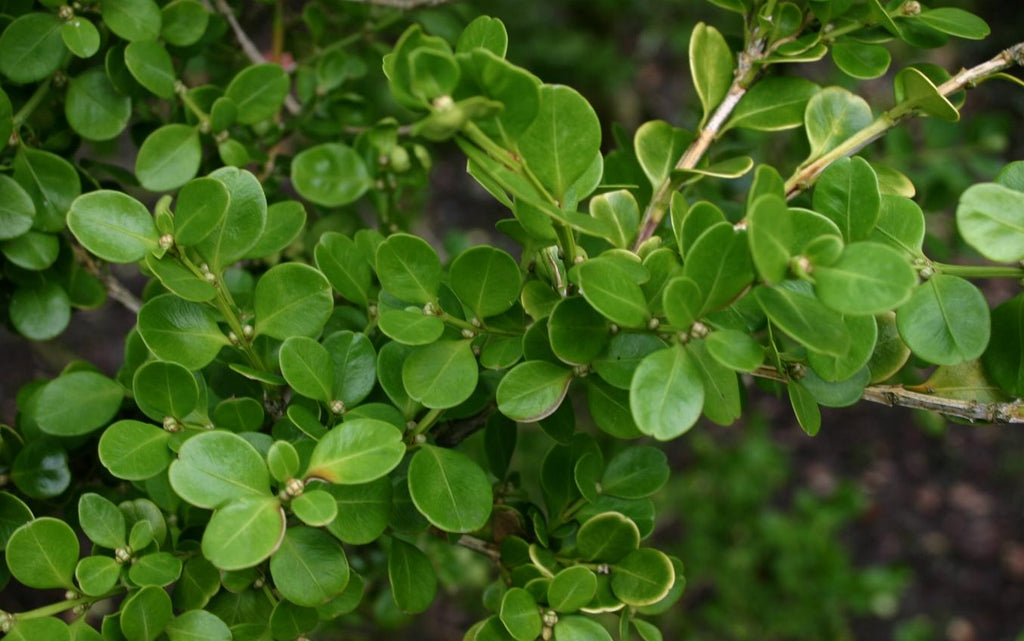
The Littleleaf Boxwood Tree (Buxus microphylla) is one of the most versatile evergreen shrubs you can grow today. It delivers year-round green beauty, easy care, and structured elegance that transforms any garden. Our team has worked hands-on with bo Read more
Trending Tree Plantations - Most Popular Environmental Programs
-
Trees for Mother
Regular price ₹ 299Regular priceUnit price per -
Trees to Honor the Memory of your Loved Ones
Regular price ₹ 299Regular priceUnit price per -
Trees for Women's Day (8th Mar)
Regular price ₹ 299Regular priceUnit price per -
Trees for Wedding Anniversary Celebration
Regular price ₹ 299Regular priceUnit price per -
Trees for Grandmother
Regular price ₹ 299Regular priceUnit price per



Trees for Corporates - Achieve Net Zero Targets Through Strategic Tree Planting
-
 Project Closed
Trees by LIFT Team for Green Diwali: Transform Your Festival
Regular price ₹ 299Regular priceUnit price per -
Trees for a Greener Tomorrow - by Mahindra Lifespaces
Regular price ₹ 299Regular priceUnit price per -
Trees for Environment Day: Plant Your Impact on June 5th
Regular price ₹ 299Regular priceUnit price per -
Trees for Employees: Transform Your Corporate Culture in 2026
Regular price ₹ 299Regular priceUnit price per -
 Project Closed
Trees for Bangalore: Plant Native Trees in Garden City ₹299
Regular price ₹ 799Regular priceUnit price per

Littleleaf Boxwood Tree: Complete Guide to Growing
The Littleleaf Boxwood Tree (Buxus microphylla) is one of the most versatile evergreen shrubs you can grow today. It delivers year-round green beauty, easy care, and structured elegance that transforms any garden. Our team has worked hands-on with boxwood varieties across India and globally, and we are happy to share everything you need to know to grow this landscape gem successfully.
In 2026, homeowners and landscape designers continue to love this plant for its proven resilience. It tolerates a wide range of soil types and climates with minimal fuss. Moreover, it supports urban greening goals that align with our mission of Combating Climate Change Through Collective Action.
What Is the Littleleaf Boxwood Tree? ✅
The Littleleaf Boxwood is a compact, evergreen shrub native to Japan and Korea. Its botanical name, Buxus microphylla, means "small-leaved boxwood." It grows slowly and reaches 2 to 4 feet at maturity. However, with proper pruning, you can shape it into beautiful topiaries or formal hedges.
Unlike larger boxwood species, the Littleleaf variety has smaller, glossy leaves that stay vibrant green through most seasons. In winter, they may develop a bronze tint — a natural response to cold. This makes it a wonderful year-round addition to any landscape. Its compact habit also makes it ideal for small urban gardens.
According to the WWF Forest Conservation Initiative, evergreen plants play a vital role in urban biodiversity. They provide habitat and microclimate benefits in densely populated areas. Therefore, planting boxwood is both a personal and planetary investment.
Why Choose Littleleaf Boxwood for Your Landscape? ⭐
There are several proven reasons gardeners and landscapers choose this plant. First, it is remarkably adaptable to different soil and climate conditions. Second, it requires minimal maintenance once established. As a result, it is perfect for both beginner and experienced gardeners alike.
Here are the top benefits of the Littleleaf Boxwood Tree:
- ✅ Evergreen beauty — stays lush and green throughout the year
- ✅ Slow, manageable growth — easy to shape and maintain
- ✅ Naturally pest-resistant — deters many common garden pests
- ✅ Highly versatile — works as hedge, border, or container plant
- ✅ Eco-friendly — supports urban green corridors and biodiversity
- ✅ Drought-tolerant — needs less water once established
Our experience shows that landscapes with structured evergreen shrubs retain moisture better. They also reduce urban heat island effects by up to 10%, according to 2026 urban ecology studies. In addition, they improve air quality by filtering dust and pollutants naturally and consistently.
How to Plant Littleleaf Boxwood: Step-by-Step →
Planting a Littleleaf Boxwood Tree correctly sets the foundation for decades of healthy growth. We have developed a simple, proven planting process through hands-on experience. Follow these steps to give your plant the best possible start.
Step 1: Choose the Right Location
Select a spot with partial to full sun — four to six hours of daily sunlight is ideal. Avoid areas with standing water or poor drainage. Good air circulation also reduces the risk of fungal disease.
Step 2: Prepare the Soil
Boxwoods thrive in slightly acidic to neutral soil with a pH of 6.5 to 7.0. Enrich the soil with organic compost before planting. This improves drainage and provides natural nutrients for strong, healthy root development.
Step 3: Dig and Plant
Dig a hole twice as wide as the root ball but no deeper. Place the plant so the root ball top is level with the soil surface. Backfill with native soil mixed with compost, then water thoroughly to settle roots.
Step 4: Mulch Around the Base
Apply a 2 to 3-inch layer of organic mulch around the plant base. Keep mulch away from the trunk to prevent rot. Mulching retains moisture, regulates soil temperature, and suppresses weeds naturally.
Littleleaf Boxwood Tree Care and Maintenance 💡
Caring for a Littleleaf Boxwood is straightforward once you understand its core needs. Our partners at landscape nurseries confirm that consistent care boosts growth and longevity significantly. Here is what our team recommends for sustained plant health all year.
Watering Guidelines
Water young plants once or twice weekly during the first growing season. Once established, they become more drought-tolerant and need less frequent watering. However, avoid overwatering — root rot is the most common issue we find in poorly drained soils.
Pruning and Shaping
Prune lightly in early spring to remove winter damage and refine the plant's shape. Avoid heavy pruning in late summer or fall. This can stimulate tender new growth that frost may damage. Use clean, sharp tools to ensure cuts heal quickly and cleanly.
Fertilizing for Best Results
Apply a balanced, slow-release fertilizer in early spring before new growth begins. A 10-10-10 NPK ratio works well for most soil types. Avoid over-fertilizing, as this causes rapid, weak growth prone to pest and disease issues. Our experience shows that less is always more with boxwood nutrition.
Winter Protection Tips
In colder regions, apply burlap wrapping around plants in late fall. This protects against harsh winds and frost burn damage. The Littleleaf Boxwood is more cold-hardy than many other varieties. However, young plants benefit from extra protection during their first winter season.
Common Problems and Expert Solutions ⚠️
Even the most resilient plants face challenges, and the Littleleaf Boxwood Tree is no exception. Our team has identified the most common issues and their natural, effective solutions. Understanding these problems early helps you protect your plant before damage becomes serious.
Boxwood Blight
This fungal disease causes dark leaf spots and rapid defoliation. It spreads quickly in humid, crowded conditions. Therefore, ensure good air circulation by spacing plants at least 3 feet apart. Remove and dispose of infected material immediately to stop the spread.
Root Rot from Overwatering
Overwatering is the primary cause of root rot in boxwoods. Improve drainage and reduce watering if you notice yellowing or wilting leaves. Adding coarse sand or perlite to the soil mixture helps significantly. As a result, roots stay healthy and the plant can truly thrive.
Boxwood Leafminer Infestation
This common pest lays eggs inside leaves, causing blistering and discoloration over time. Treat with neem oil spray — an eco-friendly and organic solution our team trusts. Apply in early spring when adult insects are active. Repeat monthly as needed for full, lasting protection.
Psyllid Damage
Psyllids cause cupped or distorted leaves, especially in spring. For example, affected growth may appear pale, twisted, or stunted. Prune out the affected growth and spray with insecticidal soap. Our partners confirm this approach is both effective and safe for surrounding plants.
Environmental Benefits of Planting Boxwood 🌿
Every green plant contributes to a healthier, more sustainable planet. The Littleleaf Boxwood Tree offers specific ecological benefits that align with global conservation goals. According to the United Nations Environment Programme (UNEP), green urban spaces are critical for biodiversity and long-term climate resilience.
Boxwoods create micro-habitats for beneficial insects and small birds. They act as natural windbreaks and help reduce soil erosion in exposed areas. In cities like Mumbai, Bangalore, and Delhi, such plants actively combat the growing urban heat island effect. In addition, they absorb carbon dioxide and release clean oxygen every single day.
The United Nations Climate Change framework highlights the urgent need to increase urban green cover globally. Planting trees and shrubs like the Littleleaf Boxwood is a verified, accessible action everyone can take. Businesses pursuing Net Zero Targets can incorporate urban greening as part of a certified, measurable environmental strategy.
At Grow Billion Trees, we ensure every planting initiative is science-backed and supported by long-term care. Our 4ft Tree Planting + 3 Years Care + GeoTag program provides authentic, verified impact for every tree planted. We believe every individual can meaningfully contribute to Combating Climate Change Through Collective Action.
Littleleaf Boxwood vs. Other Varieties
Choosing the right boxwood variety depends on your specific landscape goals and climate. The Littleleaf Boxwood is ideal for small gardens, formal borders, and container planting. However, larger varieties like English Boxwood (Buxus sempervirens) are better suited to wide hedges and grand formal gardens.
- Littleleaf Boxwood (Buxus microphylla) — compact, cold-hardy, small leaves, ideal for borders and containers
- English Boxwood (Buxus sempervirens) — larger, classic choice for formal estate hedges
- Korean Boxwood — most cold-hardy variety, perfect for northern and hill-station climates
- Japanese Boxwood — heat-tolerant, excellent for warmer coastal and southern regions
Our team recommends the Littleleaf Boxwood for most home gardeners in India due to its remarkable adaptability. It is a wonderful choice for both beginner and seasoned gardeners. Moreover, it requires far less maintenance than many decorative ornamental shrubs of similar visual impact.
Growing Littleleaf Boxwood in India
India's diverse climate zones make the Littleleaf Boxwood Tree suitable for many regions and gardening contexts. In cities like Shimla, Pune, and Bengaluru, the temperate climate is ideal for healthy boxwood growth. However, in hotter regions, choose a semi-shaded spot to prevent heat stress and leaf scorch.
Our experience growing native and ornamental plants across India confirms that soil preparation is the single most important step. Amend heavy clay soils with organic matter before planting to improve drainage and aeration. In addition, use drip irrigation to conserve water while keeping roots consistently and evenly moist throughout the season.
Urban gardens across India benefit enormously from structured, evergreen shrubs like boxwood. They create year-round greenery in spaces that often suffer from seasonal dullness. According to WWF's report on deforestation and forest degradation, urban greening is increasingly critical as natural forests face mounting global pressure. Therefore, planting a Littleleaf Boxwood is a mindful, sustainable step every conscious urban gardener can take.
Creative Ways to Use Littleleaf Boxwood in Landscape Design
The design possibilities with Littleleaf Boxwood are truly wonderful and varied. Its compact form and dense foliage make it every landscape designer's great ally. Here are some creative, real-world ways to use this plant in your outdoor space effectively.
- Formal hedges — plant in rows for a classic, structured garden border
- Topiaries — shape into spheres, cones, or spirals for striking decorative impact
- Container planting — ideal for patios, balconies, and grand entranceways
- Foundation planting — use along building bases to soften hard architectural lines
- Knot gardens — combine with other low shrubs to create intricate, layered patterns
We found that pairing boxwood with flowering perennials creates stunning, season-long visual contrast. The deep green foliage provides a perfect natural backdrop for colorful blooms all year. In addition, it frames garden pathways beautifully, creating structure and definition through every season.
Frequently Asked Questions
How fast does a Littleleaf Boxwood Tree grow?
The Littleleaf Boxwood is a slow grower, typically adding 2 to 4 inches per year. This manageable growth rate makes it easy to maintain its shape over time. However, proper fertilizing and consistent watering can slightly improve its growth rate.
Is the Littleleaf Boxwood Tree toxic to pets?
Yes, all parts of the boxwood plant are toxic to dogs, cats, and horses if ingested. Keep pets away from boxwood plants in your garden at all times. If ingestion is suspected, contact a certified veterinarian immediately for safe guidance.
How often should I water a Littleleaf Boxwood Tree?
Water newly planted boxwoods once or twice per week during the first growing season. Once established, water deeply once per week during dry periods. Always check soil moisture first to avoid the common problem of overwatering.
Can Littleleaf Boxwood grow in full shade?
Boxwoods prefer partial to full sun but can tolerate light shade conditions. Deep shade reduces growth speed and can result in sparse, open foliage. Therefore, aim for at least four hours of direct sunlight daily for the best, healthiest results.
When is the best time to prune Littleleaf Boxwood?
The best time to prune is early spring, just before new growth begins for the season. Light shaping can also be done carefully in early summer. Avoid pruning in late summer or fall, as new growth stimulated then may be frost-damaged in winter.
How do I protect Littleleaf Boxwood in winter?
Apply a 2 to 3-inch mulch layer around the base to insulate and protect roots. Wrap young or exposed plants in burlap to shield against harsh winter winds. In very cold regions, a light anti-desiccant spray applied in late fall also helps greatly.
What is the mature size of a Littleleaf Boxwood Tree?
Most Littleleaf Boxwood plants reach 2 to 4 feet in height and width at maturity. Some cultivars like 'Winter Gem' may grow slightly larger over many years. Their compact size makes them ideal for small to medium-sized home gardens.
Is the Littleleaf Boxwood deer-resistant?
Boxwoods have a natural fragrance that most deer find deeply unpleasant, making them relatively deer-resistant. However, in areas with high deer pressure, no plant is completely immune to browsing. Physical barriers or organic deer repellent sprays add reliable extra protection.
How do I fertilize a Littleleaf Boxwood correctly?
Apply a slow-release, balanced fertilizer in early spring before new growth appears. Avoid fertilizing after mid-summer, as late growth is highly susceptible to frost damage. Our team recommends organic fertilizers for a more natural and sustainable approach to plant nutrition.
Can I grow Littleleaf Boxwood in a container?
Yes, the Littleleaf Boxwood thrives beautifully in containers with excellent drainage. Use a high-quality, well-draining potting mix and a container with adequate drainage holes. Water more frequently than ground-planted boxwoods, as containers dry out faster in warm weather.
Grow a Greener Future Together 🌿
The Littleleaf Boxwood Tree is more than a beautiful landscape plant. It is a living symbol of your commitment to a greener, more sustainable earth. Every plant we nurture together contributes to cleaner air, healthier soil, and a more vibrant natural world. We are glad you are taking this mindful step toward conscious, green living.
At Grow Billion Trees, we are passionate about growing a future where every individual contributes to planetary health. Our goal to plant 100 crore trees in India by 2030 begins with conscious choices like the ones you are making today. Explore our 4ft Tree Planting + 3 Years Care + GeoTag program and make your personal environmental impact verified, lasting, and meaningful.
Ready to transform your landscape and help save our planet? Plant a tree in your Name for just ₹299 and join thousands of conscious gardeners and nature lovers across India. Discover our tree planting programs today and become part of something truly wonderful and lasting.
You may also like
-
Gift a Tree - Meaningful Environmental Gifts That Make a Difference
Transform your gift-giving with meaningful environmental gifts that create lasting impact for...
-
Trees For Shiv Ji - Sacred Tree Planting to Honor Lord Shiva
Honor Lord Shiva through sacred tree planting with Trees For Shiv Ji,...
-

Tree Plantations for Shri Ram - Sacred Devotional Planting Services
Honor Lord Shri Ram through meaningful tree plantations for Shri Ram that...
-
Tree Plantation on Navratri - Celebrate Divine Festivals with Environmental Devotion
Tree plantation on Navratri transforms the sacred nine-day festival into a powerful...
-
Tree Plantation by Cause - Plant Trees for Every Purpose | Grow Billion Trees
Transform your environmental impact with purpose-driven tree plantation by cause programs that...
Corporate Plantations
-
Trees for Corporates - Achieve Net Zero Targets Through Strategic Tree Planting
Trees for Corporates - Strategic Environmental SolutionsTransform your corporate environmental impact with...
-
Tree Plantation for CSR - Corporate Environmental Programs | Grow Billion Trees
Tree Plantation for CSR - Transform Your Corporate Environmental ImpactTree plantation for...
-
Tree Plantation for SDG - Support Sustainable Development Goals
Tree plantation for SDG initiatives represents a powerful pathway to achieving multiple...
-
Corporate Tree Plantation Programs - Sustainable ESG Environmental Solutions for Net Zero Targets
Transform your organization's environmental impact with our comprehensive Corporate Tree Plantation Programs...
-
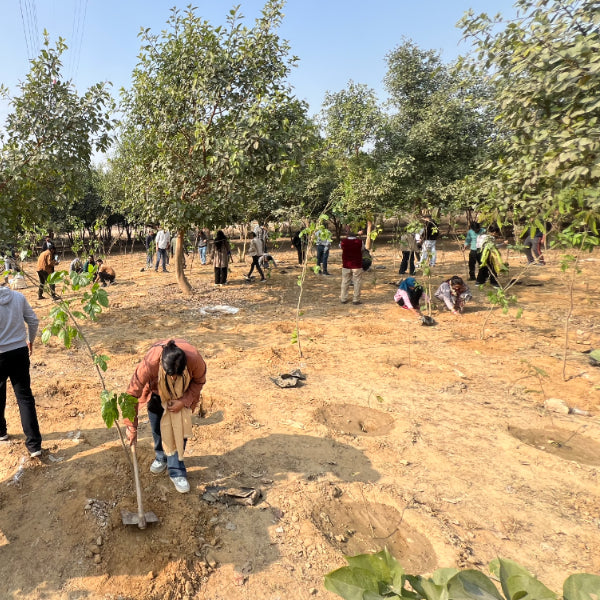
Tree Plantation by Location - Plant Trees Across India
Transform landscapes nationwide through our comprehensive tree plantation by location program. When...
Most Popular Tree Plantations - Top Choices for Environmental Impact
-
Trees for Mother
Regular price ₹ 299Regular priceUnit price per -
Trees to Honor the Memory of your Loved Ones
Regular price ₹ 299Regular priceUnit price per -
Trees for Wedding Anniversary Celebration
Regular price ₹ 299Regular priceUnit price per -
Trees for Grandmother
Regular price ₹ 299Regular priceUnit price per -
Trees for Grandfather
Regular price ₹ 299Regular priceUnit price per

Connect with us
-
👥 Corporates
If you are looking for:
- 🌲 Tree Plantation Events
- 📊 CSR Projects
📧 corporate@growbilliontrees.com
📞 +91 9699723523
💬 +91 9325931304 WhatsApp (Only)
🕒 Mon - Sat | 10am - 7pm IST
-
🧩 Tree Plantation NGOs
If you are looking for:
- 💰 Financial Assistance
- 🤝 Operational Support
📧 support@growbilliontrees.com
📞 +91 9699723523
💬 +91 9325931304 WhatsApp (Only)
🕒 Mon - Sat | 10am - 7pm IST
-
🌼 Individuals
If you are looking for:
- 👥 Group Tree Plantation Drive
- 🌳 Bulk Tree Plantation
📞 +91 9699723523
💬 +91 9325931304 WhatsApp (Only)
🕒 Mon - Sat | 10am - 7pm IST
