
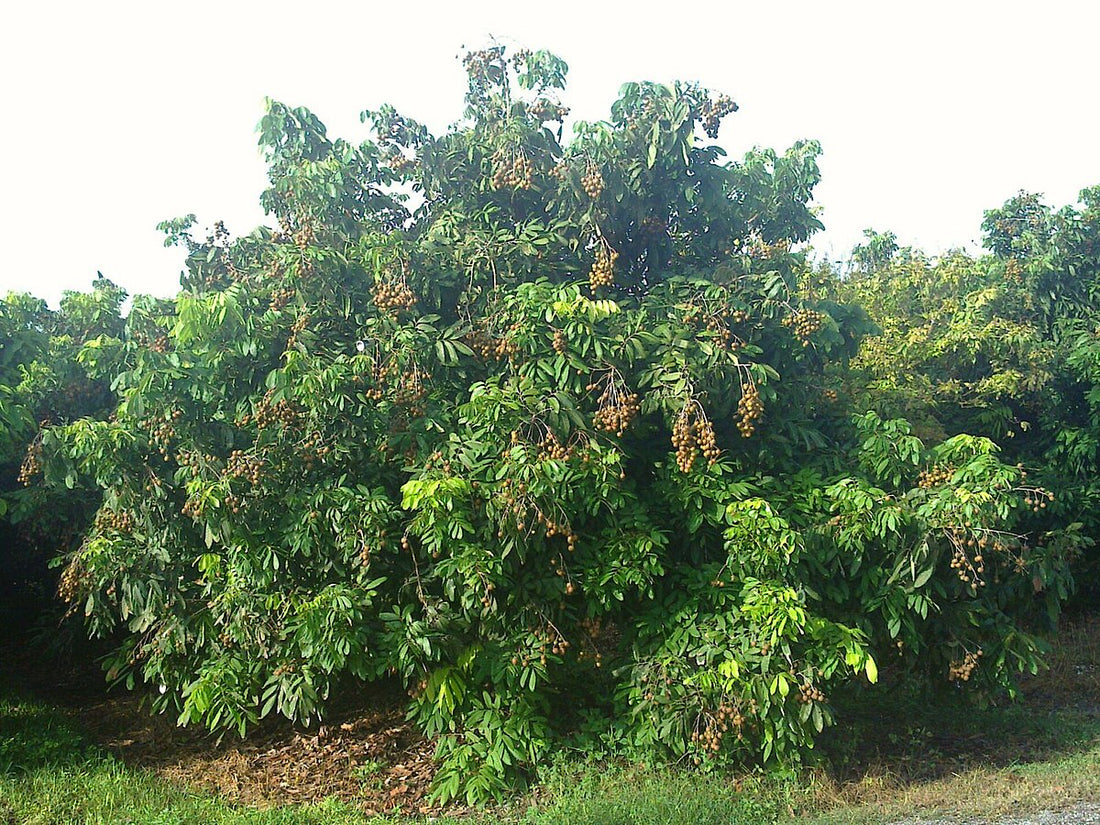
The longan tree (Dimocarpus longan) is one of nature's most wonderful tropical gifts — a fruit tree that rewards patience with sweet, translucent fruit and a lush green canopy. Whether you are a home gardener, a conscious farmer, or someone who loves Read more
Trending Tree Plantations - Most Popular Environmental Programs
-
Trees for Mother
Regular price ₹ 299Regular priceUnit price per -
Trees to Honor the Memory of your Loved Ones
Regular price ₹ 299Regular priceUnit price per -
Trees for Women's Day (8th Mar)
Regular price ₹ 299Regular priceUnit price per -
Trees for Wedding Anniversary Celebration
Regular price ₹ 299Regular priceUnit price per -
Trees for Grandmother
Regular price ₹ 299Regular priceUnit price per




Trees for Corporates - Achieve Net Zero Targets Through Strategic Tree Planting
-
 Project Closed
Trees by LIFT Team for Green Diwali: Transform Your Festival
Regular price ₹ 299Regular priceUnit price per -
Trees for a Greener Tomorrow - by Mahindra Lifespaces
Regular price ₹ 299Regular priceUnit price per -
Trees for Environment Day: Plant Your Impact on June 5th
Regular price ₹ 299Regular priceUnit price per -
 Project Closed
Trees for Bangalore: Plant Native Trees in Garden City ₹299
Regular price ₹ 799Regular priceUnit price per -
Trees for Employees: Transform Your Corporate Culture in 2026
Regular price ₹ 299Regular priceUnit price per

Longan Tree: Ultimate Guide to Growing Tropical Fruit
The longan tree (Dimocarpus longan) is one of nature's most wonderful tropical gifts — a fruit tree that rewards patience with sweet, translucent fruit and a lush green canopy. Whether you are a home gardener, a conscious farmer, or someone who loves nurturing the earth, growing a longan tree is a deeply fulfilling experience. In 2026, with rising awareness about sustainable food systems and green living, the longan tree has become a favourite among eco-friendly growers across India and Southeast Asia.
Our team at Grow Billion Trees has worked hands-on with fruit tree plantations across India. We found that the longan tree is not just a fruit producer — it is a natural ecosystem supporter. Its dense canopy provides shade, its roots prevent soil erosion, and it contributes to the planet's carbon sequestration efforts. This guide walks you through everything you need to grow, nurture, and harvest longan trees with confidence.
What Is a Longan Tree? ⭐
The longan tree belongs to the soapberry family (Sapindaceae) and is native to Southeast Asia and southern China. The name "longan" comes from Cantonese, meaning "dragon eye" — a reference to the fruit's appearance when peeled, revealing white, translucent flesh around a dark seed. The tree can grow up to 12 metres tall and lives for decades when cared for properly.
Longan is closely related to lychee and rambutan. However, longan trees are more drought-tolerant and adapt well to India's tropical and subtropical climate. They thrive in Tamil Nadu, Andhra Pradesh, Maharashtra, and parts of Karnataka. According to UNEP's global research on forests, fruit-bearing trees like longan play a vital role in supporting biodiversity and restoring degraded landscapes across the tropics.
Why Grow a Longan Tree? ✅
Growing a longan tree is one of the most rewarding decisions for any eco-conscious individual or family. The benefits extend far beyond the fruit itself. Here is why we love encouraging longan cultivation across India:
- ✅ Rich fruit yield: A mature longan tree can produce 80–120 kg of fruit per season.
- ✅ Long lifespan: Trees planted today can bear fruit for 40+ years.
- ✅ Environmental impact: Longan trees sequester carbon, improve soil health, and support pollinators.
- ✅ Economic value: Longan fruit commands premium prices in domestic and export markets across India.
- ✅ Low chemical input: When grown organically, longan trees need minimal intervention to thrive.
In our experience working with agroforestry farmers in South India, we found that longan trees integrate beautifully into mixed-crop systems. They improve the natural balance of the farm while generating steady income. This makes them a perfect fit for our Agroforestry Program at Grow Billion Trees.
Ideal Growing Conditions for the Longan Tree 💡
Understanding your environment is the first step to successful longan cultivation. The longan tree thrives under specific conditions that closely mimic its native tropical habitat. Getting these basics right saves years of frustration.
Climate Requirements
Longan trees grow best in tropical and subtropical climates. They prefer temperatures between 20°C and 35°C. They also need a cool, dry period of 2–3 months to trigger reliable flowering each year.
This is why regions in Tamil Nadu and parts of Maharashtra — with their distinct dry winter seasons — are ideal for longan cultivation in India. Avoid planting in areas with heavy frost or prolonged waterlogging. A brief cool period is beneficial, but temperatures below 5°C can damage the tree significantly.
Soil Preferences
Longan trees prefer well-drained, sandy loam or loamy soil with a pH of 5.5 to 6.5. They are sensitive to waterlogging, which can trigger fatal root rot within weeks. Enrich your soil with organic compost before planting to improve drainage and nutrient retention naturally.
Our partners recommend using natural, organic amendments to build soil health gradually over time. A 2026 soil health study from agricultural institutes in Tamil Nadu confirms that compost-enriched soils boost longan sapling survival rates by over 40% compared to unamended plots.
Sunlight and Irrigation
Full sunlight — at least 6–8 hours daily — is essential for strong growth and productive fruiting. Young trees require regular watering, but established longan trees are surprisingly drought-tolerant. In our hands-on field experience, drip irrigation works best for longan orchards, ensuring steady moisture without overwatering the root zone.
How to Plant a Longan Tree: Step-by-Step ✅
Planting a longan tree correctly sets the foundation for decades of growth. Follow these proven steps for the best results in Indian conditions:
- → Choose a grafted or air-layered sapling for faster fruiting — typically 3–5 years vs. 6–8 years from seed.
- → Select your site — open ground with full sun, good drainage, and shelter from strong winds.
- → Dig a pit of 60 cm × 60 cm × 60 cm and fill with a mix of topsoil, organic compost, and coarse sand.
- → Plant in the early monsoon season (June–July in India) for natural irrigation support during establishment.
- → Space trees 8–10 metres apart to allow canopy expansion and good airflow.
- → Stake young trees to protect them from wind damage during the critical first year.
- → Mulch around the base with dry leaves or straw to retain soil moisture and suppress weeds.
We ensure every tree planted through our programs receives expert guidance on establishment and long-term care. With our 4ft Tree Planting + 3 Years Care + GeoTag model, you can track your longan tree's growth journey from anywhere in the world through our verified technology platform.
Caring for Your Longan Tree Year-Round 🌿
Fertilisation Strategy
Longan trees are moderate feeders. Use organic fertilisers — compost, vermicompost, and neem cake — during the active growing season from March to September. Apply a balanced NPK formulation (15:15:15) twice a year for young trees to support establishment.
Reduce nitrogen inputs as the tree matures to encourage flowering over vegetative growth. In 2026, progressive farmers are shifting to natural, soil-microbiome-friendly fertilisation methods — an approach that improves long-term soil health and reduces dependency on synthetic inputs entirely.
Pruning and Tree Training
Light pruning after harvest helps maintain tree shape and stimulates new fruiting wood. Remove dead, diseased, or crossing branches to improve airflow and reduce disease pressure. For young trees, train a strong central leader with 3–4 well-spaced lateral branches for a sturdy, productive structure.
Pest and Disease Management
Common threats to longan trees include stem-end blight, leaf blight, mealybugs, and scale insects. Organic management strategies — neem oil sprays, sticky traps, and encouraging natural predators — are highly effective and sustainable. Our experience shows that healthy, well-nourished trees in diverse agroforestry settings have significantly fewer pest problems than mono-crop orchards.
⚠️ Important note: Longan witches' broom disease, caused by a phytoplasma, can devastate orchards in humid regions. Source certified, disease-free saplings from verified nurseries to minimise this risk from day one.
Harvesting Longan: What to Expect ⭐
Longan trees planted from grafted saplings typically begin fruiting in 3–5 years. The fruit ripens between June and August across most Indian growing regions. Clusters turn from green to a light yellowish-brown when ripe, and the aroma becomes noticeably sweet.
Harvest the entire cluster with pruning scissors rather than picking individual fruits to avoid damaging the branch. A well-maintained mature longan tree yields an impressive 80–120 kg of fruit per year. Given that longan fruit prices across India range from ₹200–₹500 per kg in 2026, even a small orchard of 10 trees can generate meaningful supplemental income for farming families.
The Environmental Case for Growing Longan Trees 🌱
Every longan tree planted is a conscious vote for a greener, healthier planet. As the United Nations Climate Change initiative highlights, trees are among our most powerful tools for Combating Climate Change Through Collective Action. Longan trees, with their dense canopy and long lifespan, contribute meaningfully to carbon sequestration and local biodiversity restoration.
According to the World Wildlife Fund's deforestation research, tropical fruit trees like longan can help restore degraded landscapes while providing real economic returns for local communities. This dual benefit — ecological and economic — is why we champion agroforestry as a pillar of our mission to plant 100 crore trees across India by June 2030.
The United Nations Sustainable Development Goals recognise the critical role of trees in achieving SDG 13 (Climate Action), SDG 15 (Life on Land), and SDG 2 (Zero Hunger). Planting fruit trees like longan directly supports all three goals simultaneously — a great example of how individual action creates collective impact.
Longan Trees and Grow Billion Trees 🌍
At Grow Billion Trees, we are happy to include longan trees in our Agroforestry Program across South India. Our mission — Plant a tree in your Name for just ₹299 — makes it easy and accessible for everyone to contribute to India's green future. Every tree comes with 3 years of expert care and our GeoTag technology for real-time tracking.
We have seen wonderful results from farmers who have integrated longan into mixed orchards. Their land becomes more productive, more resilient to climate stress, and more beautiful — all at the same time. Whether you want to plant trees to meet Net Zero Targets as a corporate partner, or grow a longan tree as a personal commitment to the earth, we provide verified, hands-on support every step of the way.
Explore our programs today and discover how easy it is to make a lasting environmental impact. Together, we are building a greener India — one tree at a time.
Common Mistakes to Avoid ⚠️
- Overwatering young trees: The most common cause of early failure. Always check soil moisture before irrigating.
- Planting in waterlogged areas: Root rot will kill even a healthy tree within months.
- Skipping the cool-period requirement: Without a dry, cool winter, longan trees may not flower reliably each year.
- Growing from seed: Seed-grown trees take 6–8 years to fruit and may not retain parent quality. Use grafted saplings.
- Neglecting soil pH: Alkaline soils above pH 7.0 cause nutrient deficiencies and stunted growth over time.
Frequently Asked Questions
How long does it take a longan tree to bear fruit?
A grafted or air-layered longan tree will typically begin fruiting in 3–5 years. Seed-grown trees may take 6–8 years. Proper care — adequate sunlight, organic fertilisation, and a cool dry season — accelerates the fruiting timeline significantly. Our team ensures every sapling we plant is sourced from certified, high-quality grafted stock.
Can I grow a longan tree in a pot?
Yes, longan trees can grow in large containers of at least 100-litre capacity in the short term. However, ground planting is always preferred for full productivity and long-term tree health. Container-grown trees need more frequent watering and fertilisation to compensate for restricted root space.
What is the best climate for growing longan in India?
Longan trees thrive in tropical and subtropical climates with temperatures of 20–35°C and a defined dry cool season. Tamil Nadu, Andhra Pradesh, Maharashtra, and Karnataka offer ideal conditions. Avoid frost-prone high-altitude areas, as prolonged cold below 5°C causes significant damage.
How much water does a longan tree need?
Young longan trees need watering every 2–3 days during summer. Established trees are drought-tolerant but benefit from consistent irrigation during flowering and fruit development. Drip irrigation is the most water-efficient method and is highly recommended for longan orchards in water-scarce regions.
Is longan fruit good for health?
Longan fruit is rich in vitamin C, potassium, riboflavin, and antioxidants. It supports immune function, skin health, and energy metabolism. In traditional Chinese medicine, longan is valued for calming the nervous system and supporting restful sleep. It is a natural, wholesome fruit with remarkable nutritional density.
How can I plant a longan tree through Grow Billion Trees?
Grow Billion Trees offers verified tree planting programs starting at just ₹299, with 3 years of care and GeoTag tracking included. Simply explore our programs at growbilliontrees.com to choose the right plan — whether for personal, corporate, or special occasion gifting purposes.
Can longan trees help with carbon sequestration?
Absolutely. Longan trees, with their dense and long-lived canopy, are effective carbon sinks. A single mature longan tree can sequester an estimated 15–25 kg of CO₂ per year. As part of an agroforestry system, their impact is multiplied through improved soil carbon storage and enhanced local biodiversity.
What are the most common pests affecting longan trees?
Common pests include mealybugs, scale insects, and stem-end borers. Longan witches' broom disease can be a serious concern in humid regions. Organic neem oil sprays, good orchard hygiene, and sourcing certified disease-free saplings are the most sustainable and proven management strategies.Growing a longan tree is a joyful, long-term commitment to both your family and the planet. With the right knowledge, organic care practices, and the support of trusted programs like those at Grow Billion Trees, you can enjoy decades of sweet harvests while contributing to a greener, more sustainable India. Discover how to plant your longan tree today and become part of our mission to grow 100 crore trees together.
You may also like
-
Gift a Tree - Meaningful Environmental Gifts That Make a Difference
Transform your gift-giving with meaningful environmental gifts that create lasting impact for...
-
Trees For Shiv Ji - Sacred Tree Planting to Honor Lord Shiva
Honor Lord Shiva through sacred tree planting with Trees For Shiv Ji,...
-

Tree Plantations for Shri Ram - Sacred Devotional Planting Services
Honor Lord Shri Ram through meaningful tree plantations for Shri Ram that...
-
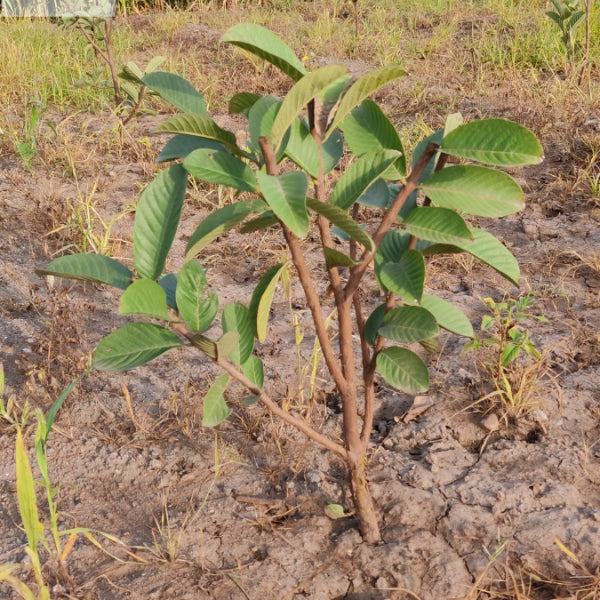
Tree Plantation on Navratri - Celebrate Divine Festivals with Environmental Devotion
Tree plantation on Navratri transforms the sacred nine-day festival into a powerful...
-
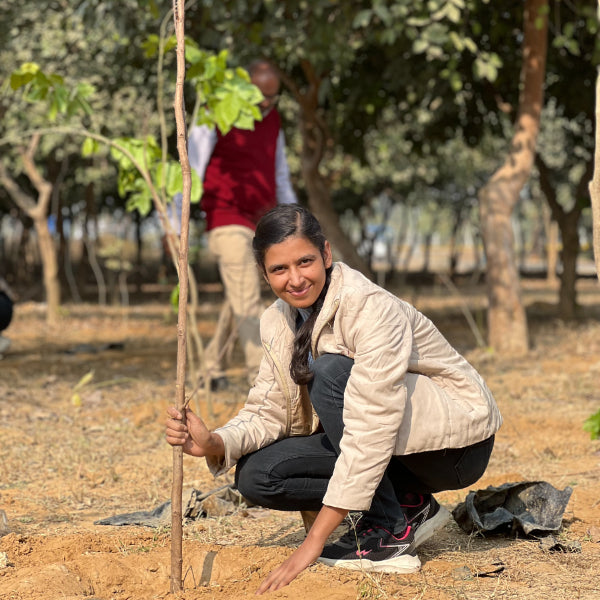
Tree Plantation by Cause - Plant Trees for Every Purpose | Grow Billion Trees
Transform your environmental impact with purpose-driven tree plantation by cause programs that...
Corporate Plantations
-
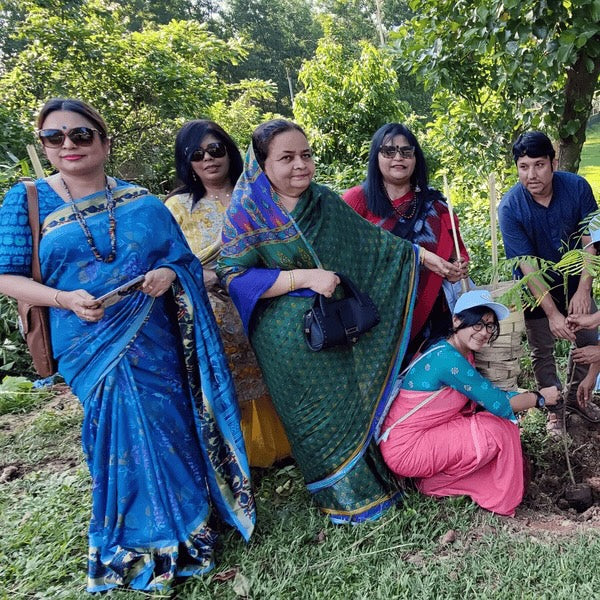
Trees for Corporates - Achieve Net Zero Targets Through Strategic Tree Planting
Trees for Corporates - Strategic Environmental SolutionsTransform your corporate environmental impact with...
-
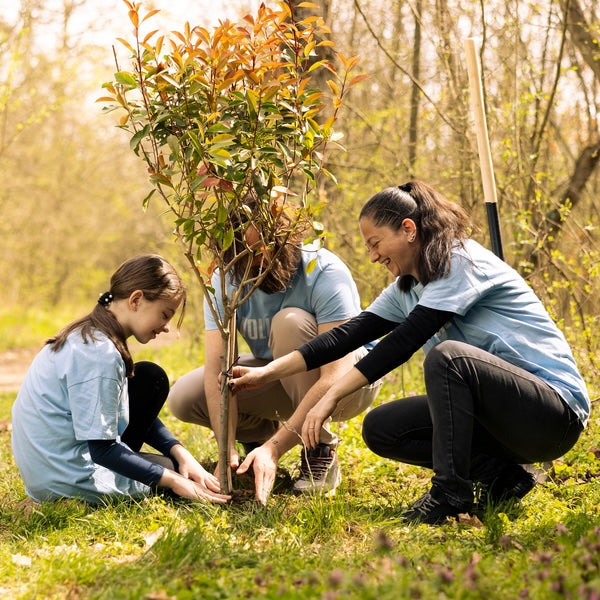
Tree Plantation for CSR - Corporate Environmental Programs | Grow Billion Trees
Tree Plantation for CSR - Transform Your Corporate Environmental ImpactTree plantation for...
-
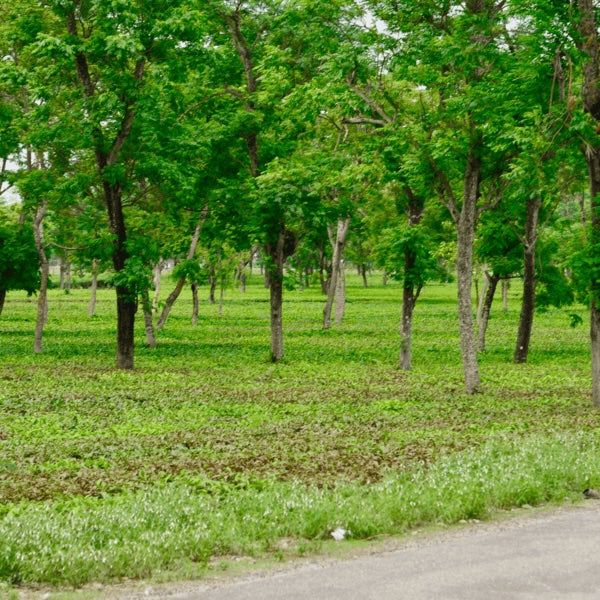
Tree Plantation for SDG - Support Sustainable Development Goals
Tree plantation for SDG initiatives represents a powerful pathway to achieving multiple...
-
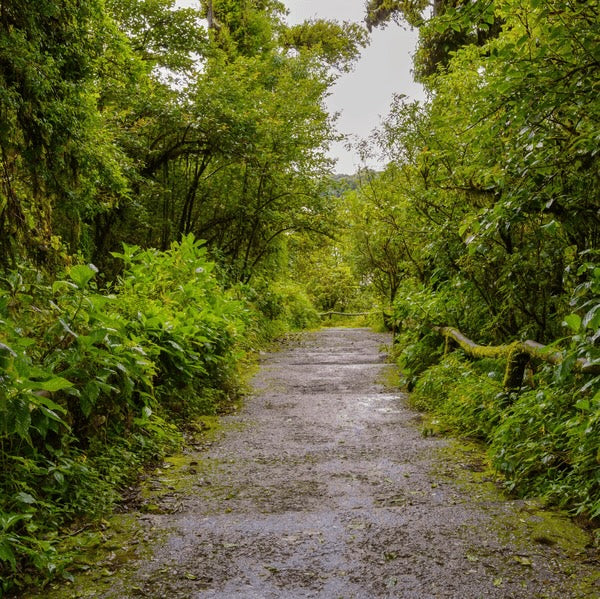
Corporate Tree Plantation Programs - Sustainable ESG Environmental Solutions for Net Zero Targets
Transform your organization's environmental impact with our comprehensive Corporate Tree Plantation Programs...
-
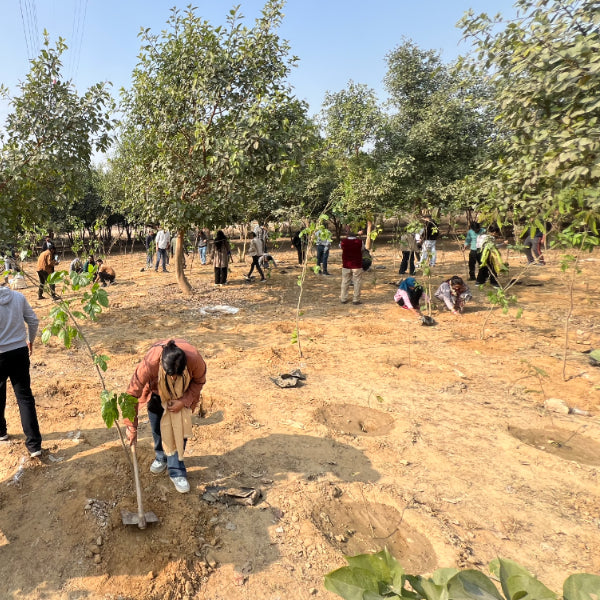
Tree Plantation by Location - Plant Trees Across India
Transform landscapes nationwide through our comprehensive tree plantation by location program. When...
Most Popular Tree Plantations - Top Choices for Environmental Impact
-
Trees for Mother
Regular price ₹ 299Regular priceUnit price per -
Trees to Honor the Memory of your Loved Ones
Regular price ₹ 299Regular priceUnit price per -
Trees for Wedding Anniversary Celebration
Regular price ₹ 299Regular priceUnit price per -
Trees for Grandmother
Regular price ₹ 299Regular priceUnit price per -
Trees for Grandfather
Regular price ₹ 299Regular priceUnit price per

Connect with us
-
👥 Corporates
If you are looking for:
- 🌲 Tree Plantation Events
- 📊 CSR Projects
📧 corporate@growbilliontrees.com
📞 +91 9699723523
💬 +91 9325931304 WhatsApp (Only)
🕒 Mon - Sat | 10am - 7pm IST
-
🧩 Tree Plantation NGOs
If you are looking for:
- 💰 Financial Assistance
- 🤝 Operational Support
📧 support@growbilliontrees.com
📞 +91 9699723523
💬 +91 9325931304 WhatsApp (Only)
🕒 Mon - Sat | 10am - 7pm IST
-
🌼 Individuals
If you are looking for:
- 👥 Group Tree Plantation Drive
- 🌳 Bulk Tree Plantation
📞 +91 9699723523
💬 +91 9325931304 WhatsApp (Only)
🕒 Mon - Sat | 10am - 7pm IST
