
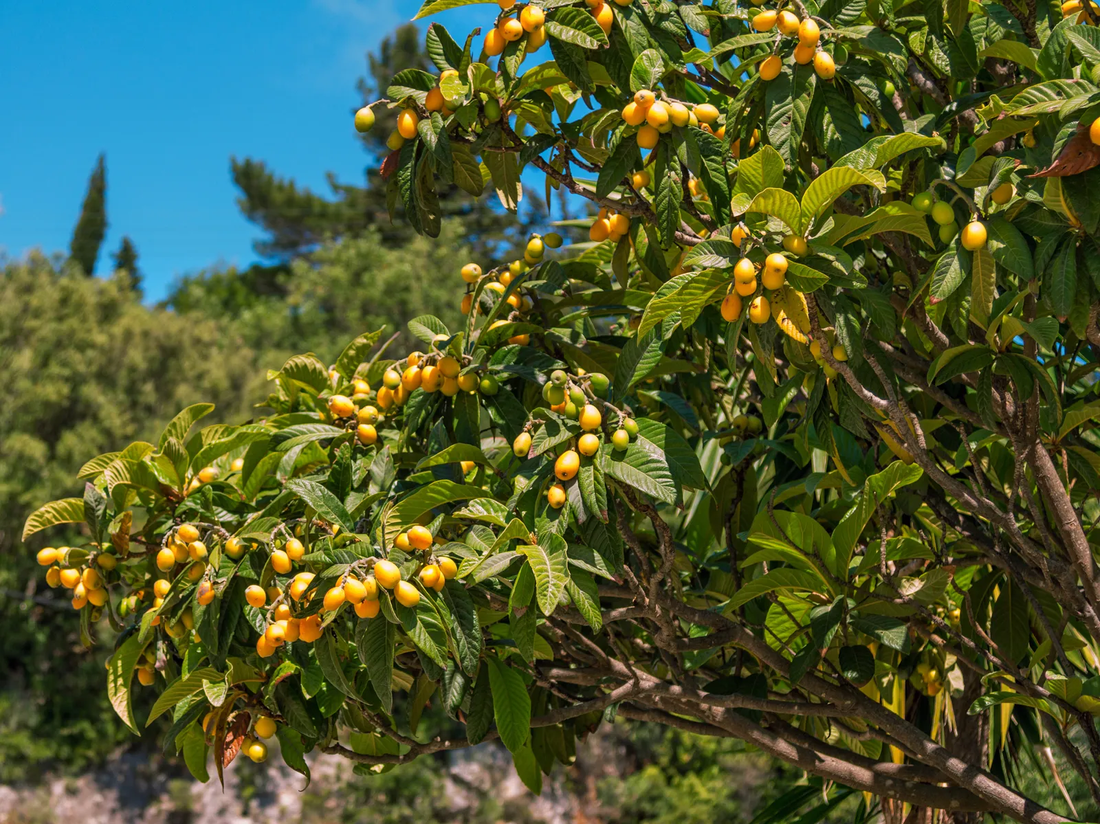
The loquat tree is one of nature's most generous gifts — a beautiful, evergreen fruit tree that rewards growers with sweet, golden fruit and lush, tropical-looking foliage year-round. Whether you are a home gardener, a farmer exploring agroforestry, Read more
Trending Tree Plantations - Most Popular Environmental Programs
-
Trees for Mother
Regular price ₹ 299Regular priceUnit price per -
Trees to Honor the Memory of your Loved Ones
Regular price ₹ 299Regular priceUnit price per -
Trees for Women's Day (8th Mar)
Regular price ₹ 299Regular priceUnit price per -
Trees for Wedding Anniversary Celebration
Regular price ₹ 299Regular priceUnit price per -
Trees for Grandmother
Regular price ₹ 299Regular priceUnit price per





Trees for Corporates - Achieve Net Zero Targets Through Strategic Tree Planting
-
 Project Closed
Trees by LIFT Team for Green Diwali: Transform Your Festival
Regular price ₹ 299Regular priceUnit price per -
Trees for a Greener Tomorrow - by Mahindra Lifespaces
Regular price ₹ 299Regular priceUnit price per -
Trees for Environment Day: Plant Your Impact on June 5th
Regular price ₹ 299Regular priceUnit price per -
 Project Closed
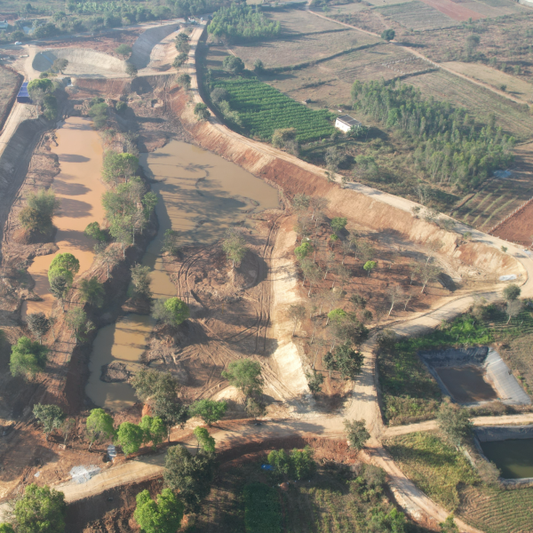
Trees for Bangalore: Plant Native Trees in Garden City ₹299
Regular price ₹ 799Regular priceUnit price per -
Trees for Employees: Transform Your Corporate Culture in 2026
Regular price ₹ 299Regular priceUnit price per

Loquat Tree: Grow Sweet Fruit & Lush Foliage Guide
The loquat tree is one of nature's most generous gifts — a beautiful, evergreen fruit tree that rewards growers with sweet, golden fruit and lush, tropical-looking foliage year-round. Whether you are a home gardener, a farmer exploring agroforestry, or someone who simply loves nurturing green life, the loquat tree offers a wonderful blend of beauty, nutrition, and environmental value. In 2026, as more conscious gardeners seek sustainable, low-maintenance fruit trees, the loquat is rapidly gaining the attention it truly deserves.
Known botanically as Eriobotrya japonica, the loquat is native to southeastern China but thrives brilliantly across warm, subtropical regions of India. Our team at Grow Billion Trees has worked hands-on with loquat plantations across the country, and we found this tree to be among the most resilient and rewarding choices for sustainable land restoration and home food gardens alike.
What Is a Loquat Tree? ⭐
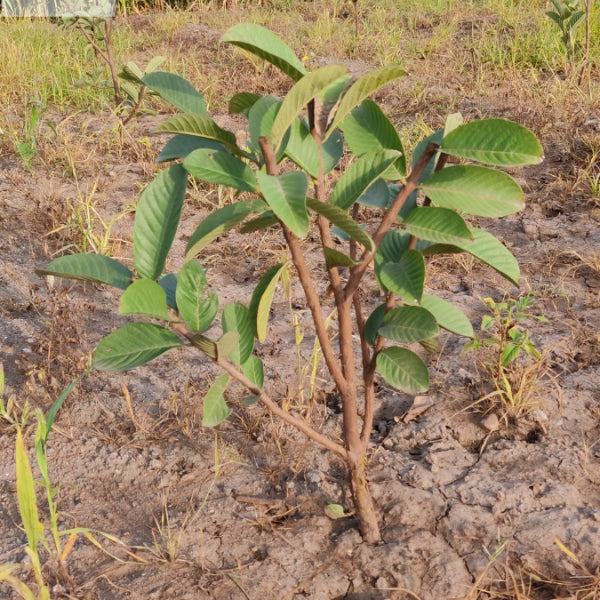
The loquat tree is an evergreen member of the Rosaceae family, closely related to apples, pears, and roses. It grows to a natural height of 5–10 metres, though most cultivated varieties stay compact at 3–5 metres. The tree produces large, dark green, leathery leaves with serrated edges — making it visually striking even when not in fruit.
The fruit clusters are bright orange-yellow when ripe, sweet with a hint of tartness, and packed with vitamins A, B6, C, and folate. According to 2026 nutritional research, loquat fruit contains up to 87% water content and is rich in dietary fibre, making it excellent for digestive health. The fruit typically ripens between February and May, providing early-season sweetness when few other fruits are available.
One aspect many growers overlook is that the loquat actually blooms in autumn and winter — an unusual feature in the fruit world. This means pollinators receive a valuable food source during leaner months, adding meaningful ecological value to every loquat planted.
Why Grow a Loquat Tree in India? 🌿
India's diverse climate zones make it an ideal home for loquat cultivation. The tree thrives in subtropical and mild temperate conditions, performing best in regions like Himachal Pradesh, Uttarakhand, parts of Maharashtra, and the Nilgiri hills. However, our experience shows that with proper care, loquat trees adapt well to warm plains too, especially when given adequate water during dry spells.
From an environmental perspective, loquat trees are extraordinary contributors to green cover and biodiversity. Their dense canopy provides shade and shelter for birds and insects. Their deep root systems help prevent soil erosion — a critical benefit in India, where topsoil degradation threatens agricultural productivity.
The United Nations Environment Programme on Forests highlights that fruit-bearing trees like the loquat play a dual role: they restore ecological balance while also providing food security for communities. This is why programs focused on Combating Climate Change Through Collective Action increasingly include fruit tree species in national reforestation plans.
Moreover, loquat trees help sequester carbon dioxide effectively. A mature loquat can absorb significant amounts of CO2 annually, supporting the broader goal of reaching Net Zero Targets — something both individuals and corporations are actively working toward in 2026.
✅ How to Plant a Loquat Tree: Step-by-Step
Growing a loquat successfully starts with the right foundation. Here is a clear, proven guide based on our hands-on experience across hundreds of successful plantings in India:
- Choose the Right Location → Loquats love full sun — at least 6–8 hours of direct sunlight daily. Avoid waterlogged areas, as the roots are sensitive to prolonged saturation near the base.
- Prepare the Soil → Loquats grow best in well-draining, loamy soil with a pH between 5.5 and 7.5. Mix in organic compost before planting to improve soil fertility naturally and sustainably.
- Select a Healthy Sapling → Always choose certified, verified saplings from a trusted nursery. A grafted variety will fruit 2–3 years sooner than a seedling-grown tree — a smart investment.
- Dig the Planting Pit → For our 4ft Tree Planting + 3 Years Care + GeoTag program, we prepare pits at least 2ft × 2ft to give roots ample room to spread confidently from day one.
- Plant with Care → Place the sapling at the same depth as its nursery container. Firm the soil gently around the roots and water thoroughly right after planting to settle the earth.
- Mulch Generously → Apply a 5–8 cm layer of organic mulch around the base. This conserves moisture, suppresses weeds, and feeds the soil naturally as it decomposes over time.
Loquat Tree Care: Soil, Water & Sunlight 💡
Once established, the loquat tree is refreshingly low-maintenance. However, the first two years are critical for root development. We ensure every sapling in our programs receives consistent, attentive care during this establishment phase to give it the strongest possible start.
Watering: Young trees need watering every 2–3 days during dry seasons. Mature trees are drought-tolerant but produce better, sweeter fruit with deep watering every 1–2 weeks during dry months. Overwatering is the most common cause of loquat decline — always check soil moisture before watering.
Fertilising: Feed with organic compost or a balanced slow-release fertiliser three times a year — at the start of spring, after fruiting, and in early autumn. Organic feeding aligns with natural growth cycles and produces healthier, more flavourful fruit without harming the earth.
Pruning: Light pruning after harvest helps maintain shape and improves air circulation through the canopy. Remove dead, damaged, or crossing branches carefully. Avoid heavy pruning, as the loquat tree sets its flower buds on current-season wood.
⚠️ Common Mistake: Many growers prune their loquat too aggressively in summer, accidentally removing the coming season's flower buds. Prune lightly and only after fruiting ends in late spring for the best results each year.
Pests, Diseases & Natural Remedies ✅
Loquat trees are naturally resilient, but a few challenges can arise in certain growing conditions. Our partners across various growing regions have documented these common issues alongside effective, eco-friendly, mindful solutions:
- Fire Blight: A bacterial disease causing blackened, wilted branches that look scorched. Remove affected wood immediately with sterilised tools and avoid excess nitrogen fertilisation, which promotes tender growth vulnerable to infection.
- Fruit Fly: Cover developing fruit clusters with paper bags as they grow. This simple, organic barrier works wonderfully without any chemical intervention or harm to beneficial insects.
- Aphids: A strong spray of water or diluted neem oil solution removes aphid colonies effectively. Neem is safe, certified organic, and trusted by conscious growers across India.
- Root Rot: Caused by overwatering or poor drainage. Ensure your soil drains well and never allow water to pool around the trunk base for extended periods.
According to the WWF report on deforestation and forest degradation, over-reliance on chemical pesticides in orchards contributes significantly to biodiversity loss. We provide guidance on integrated pest management that protects both your loquat tree and the broader surrounding ecosystem.
Harvesting Loquat Fruit ⭐
The joy of harvesting your own loquat fruit is truly wonderful. Loquats are ready to pick when they turn fully golden-orange and feel slightly soft to the touch. The fruit does not continue to ripen significantly after picking, so patience is key — wait until colour development is fully complete before harvesting.
Harvested fruit stays fresh at room temperature for 1–2 days and up to a week when refrigerated. Many growers love making loquat jam, jelly, and chutney to preserve the harvest beautifully. The seeds, however, contain small amounts of cyanogenic compounds and should not be consumed — this is important safety knowledge often absent from basic growing guides.
A single mature loquat tree can produce 50–100 kg of fruit per season under good conditions, based on 2026 agroforestry data from growing regions across India. This impressive yield makes the loquat an excellent tree for home gardens and agroforestry plots of any scale.
Loquat Trees and Their Environmental Impact 🌱
Beyond their personal and culinary value, loquat trees are powerful contributors to a healthier planet. Their year-round canopy provides shade, reduces urban heat islands, and improves local air quality in cities and towns. As an evergreen species, loquat trees offer continuous habitat for birds, bees, and beneficial insects throughout every season.
The United Nations Climate Change platform emphasises the critical role trees play in global climate mitigation strategies. Every loquat tree planted contributes to carbon sequestration, biodiversity enhancement, and the long-term restoration of degraded land across India.
The United Nations Sustainable Development Goals specifically target land restoration, zero hunger, and climate action — all three of which are directly and meaningfully supported by planting fruit trees like the loquat in communities across India. Therefore, choosing to grow a loquat tree is both a personal and a planetary decision.
At Grow Billion Trees, we are on a joyful mission to Plant a tree in your Name across India, working together toward our goal of planting 100 crore trees by June 2030. The loquat tree is among the fruit-bearing species we champion in our agroforestry and food forest programs — trees that feed people and heal the planet simultaneously.
Loquat Trees in Agroforestry and Miyawaki Forests
In agroforestry systems, the loquat tree pairs beautifully with companion crops. Its canopy height and winter flowering make it a valuable mid-storey plant in multi-layer food forests. Farmers we work with in Maharashtra and Karnataka have reported improved crop diversity and active pollinator populations after introducing loquat trees into their eco-conscious land systems.
In Miyawaki-method urban forests, loquat trees contribute as highly effective mid-canopy species. Their dense growth habit and rapid establishment make them ideal for creating thick, self-sustaining forest patches in urban areas. Our team has observed loquat trees reaching established height within 18–24 months in Miyawaki plots — an impressive and motivating growth rate for such a productive, nurturing species.
Why Choose Grow Billion Trees for Your Loquat Journey? ✅
We provide far more than just saplings — we offer a complete, verified, and transparent planting experience. Every tree planted through our programs includes 4ft Tree Planting + 3 Years Care + GeoTag technology so you can track your tree's growth and impact in real time from anywhere. Our partners across India guarantee authentic, certified planting with full documentation and support.
Whether you want to transform your home garden, contribute to community agroforestry, or make a meaningful environmental gift for someone you love, the loquat tree is a wonderful and impactful choice. You can Plant a tree in your Name for just ₹299 — a small investment that creates a great, lasting impact for generations to come.
Trusted by thousands of conscious, mindful planters across India, our mission remains clear and unwavering: Combating Climate Change Through Collective Action, one tree at a time. We are happy to guide every step of your planting journey with care and expertise.
Frequently Asked Questions
How long does a loquat tree take to bear fruit?
Grafted loquat trees typically begin bearing fruit within 2–3 years of planting. Seedling-grown trees may take 5–8 years to fruit. For faster results, always choose a grafted variety from a verified, trusted nursery source.
Can a loquat tree grow in all parts of India?
Loquat trees perform best in subtropical and mild temperate climates — including Himachal Pradesh, Uttarakhand, Maharashtra, and the Nilgiris. They adapt to warm plains with regular irrigation and some afternoon shade protection during peak summer months.
How much water does a loquat tree need?
Young loquat trees need watering every 2–3 days during dry periods. Established trees are drought-tolerant but benefit from deep watering every 1–2 weeks in dry seasons. Overwatering is more damaging than underwatering for this resilient species.
Are loquat tree leaves useful beyond shade?
Yes. Loquat leaves have a long history in traditional Asian medicine and are used in herbal teas for respiratory support. They are naturally rich in triterpene compounds with anti-inflammatory properties. Always consult a qualified health practitioner before medicinal use.
Is the loquat tree suitable for urban gardens and balconies?
Absolutely. The loquat tree's compact size, evergreen foliage, and low maintenance demands make it ideal for urban gardens, terraces, and large balcony containers. It improves local air quality and provides wonderful year-round greenery in city environments.
What is the best soil type for growing a loquat tree?
Loquat trees thrive in well-draining loamy soil with a pH of 5.5–7.5. Adding organic compost improves water retention and provides natural nutrients. Avoid heavy clay soils that retain excess moisture around the sensitive root system.
Can loquat trees contribute to Net Zero carbon goals?
Yes. As an evergreen tree with a dense, continuous canopy, the loquat actively sequesters carbon dioxide year-round. This makes it a valuable species in reforestation and corporate Net Zero Target programs focused on long-term climate resilience.
How do I prevent fire blight disease in my loquat tree?
Prevent fire blight by avoiding excessive nitrogen fertilisation, pruning only with sterilised tools, and maintaining good air circulation through the canopy. Remove and destroy any infected branches immediately to stop the spread of this bacterial disease.
What is GeoTag technology in Grow Billion Trees programs?
GeoTag technology assigns GPS coordinates to each planted tree, allowing you to track its location and monitor growth progress digitally. Every tree planted through Grow Billion Trees receives a GeoTag so you can verify your environmental contribution with pride and confidence.
How can I gift a loquat tree to someone special?
You can Plant a tree in your Name or as a personalised gift for birthdays, memorials, anniversaries, or any meaningful occasion. Grow Billion Trees provides beautiful personalised tree certificates, making it a wonderful, conscious, and lasting gift for anyone who loves the planet.
Grow Your Loquat Tree — and Grow the Planet Together
The loquat tree is far more than a fruit tree. It is a living symbol of the sustainable, mindful future we are building together as a community. From its winter blossoms that nurture pollinators to its golden fruit that nourishes families, every part of this wonderful tree gives back generously to the earth. Whether you are an experienced grower or planting your very first tree, the loquat is a brilliant, rewarding, and deeply meaningful choice.
Join us at Grow Billion Trees and become part of a great green movement growing across India. Discover how to Plant a tree in your Name today and help us reach our ambitious goal of 100 crore trees by 2030. Visit growbilliontrees.com to explore our programs and plant your loquat tree for just ₹299 — complete with 4ft Tree Planting + 3 Years Care + GeoTag technology included.
You may also like
-
Gift a Tree - Meaningful Environmental Gifts That Make a Difference
Transform your gift-giving with meaningful environmental gifts that create lasting impact for...
-
Trees For Shiv Ji - Sacred Tree Planting to Honor Lord Shiva
Honor Lord Shiva through sacred tree planting with Trees For Shiv Ji,...
-

Tree Plantations for Shri Ram - Sacred Devotional Planting Services
Honor Lord Shri Ram through meaningful tree plantations for Shri Ram that...
-
Tree Plantation on Navratri - Celebrate Divine Festivals with Environmental Devotion
Tree plantation on Navratri transforms the sacred nine-day festival into a powerful...
-
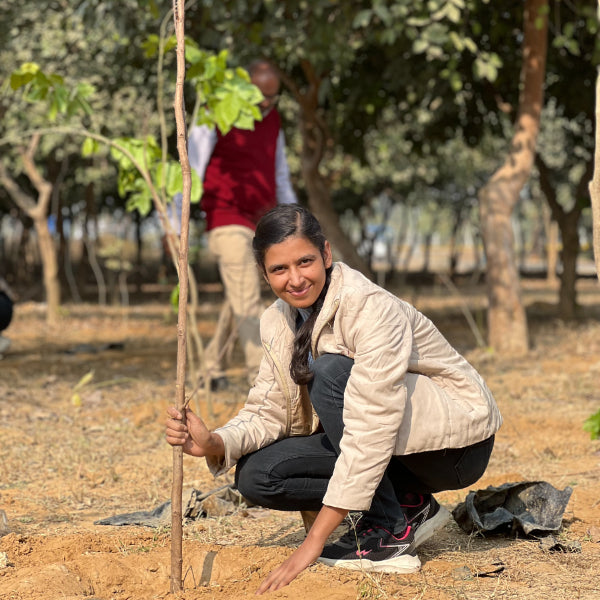
Tree Plantation by Cause - Plant Trees for Every Purpose | Grow Billion Trees
Transform your environmental impact with purpose-driven tree plantation by cause programs that...
Corporate Plantations
-
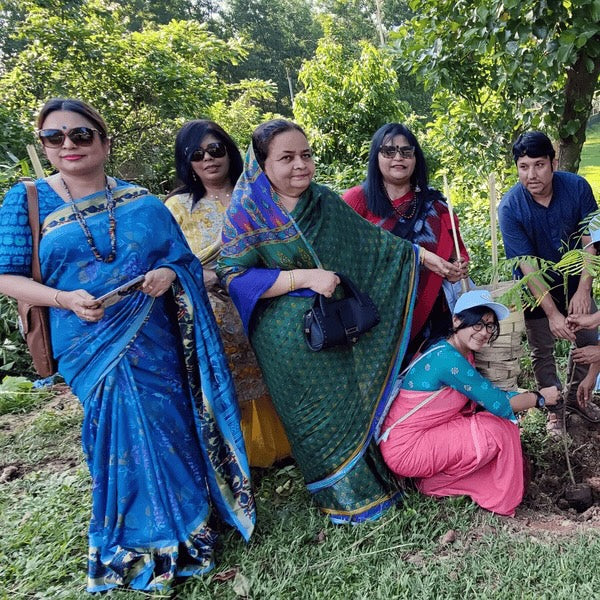
Trees for Corporates - Achieve Net Zero Targets Through Strategic Tree Planting
Trees for Corporates - Strategic Environmental SolutionsTransform your corporate environmental impact with...
-
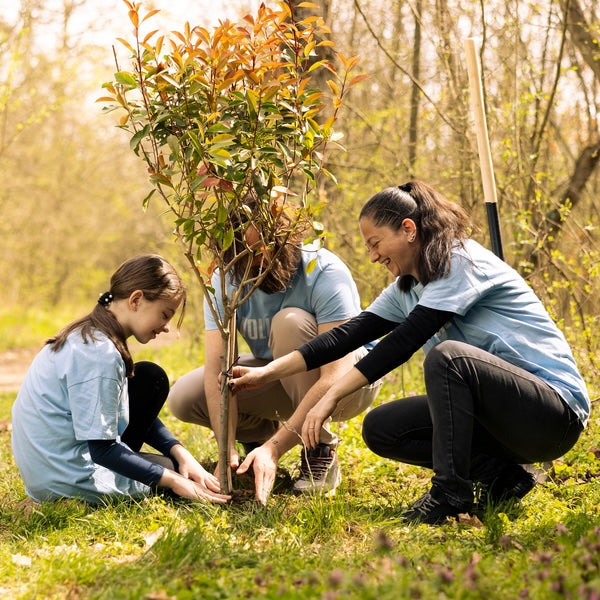
Tree Plantation for CSR - Corporate Environmental Programs | Grow Billion Trees
Tree Plantation for CSR - Transform Your Corporate Environmental ImpactTree plantation for...
-
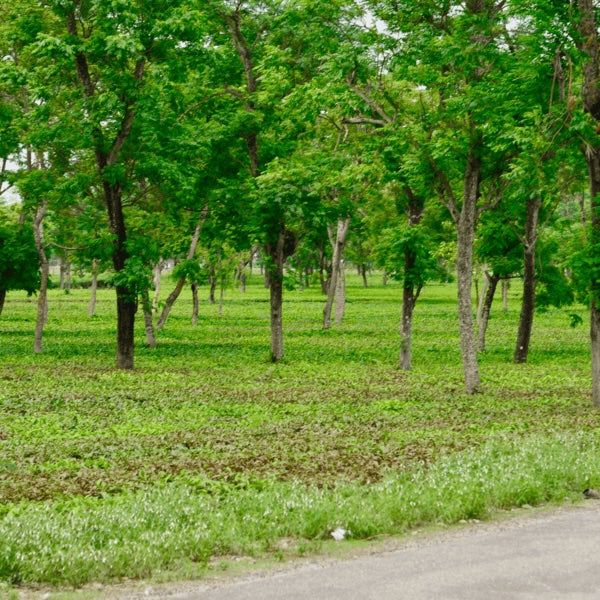
Tree Plantation for SDG - Support Sustainable Development Goals
Tree plantation for SDG initiatives represents a powerful pathway to achieving multiple...
-
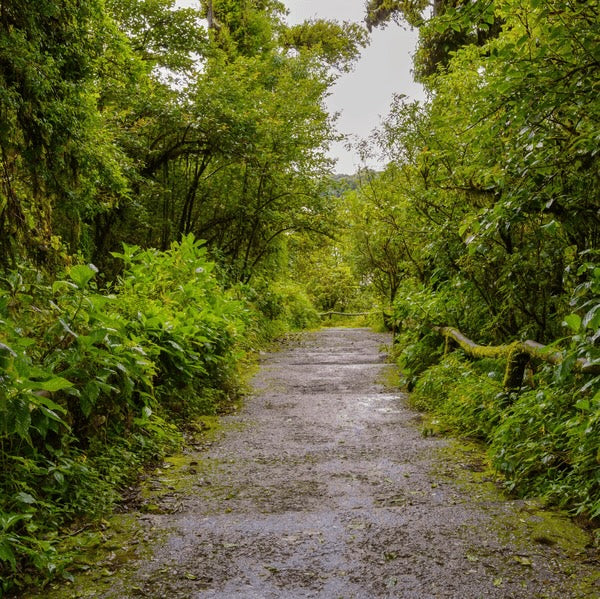
Corporate Tree Plantation Programs - Sustainable ESG Environmental Solutions for Net Zero Targets
Transform your organization's environmental impact with our comprehensive Corporate Tree Plantation Programs...
-
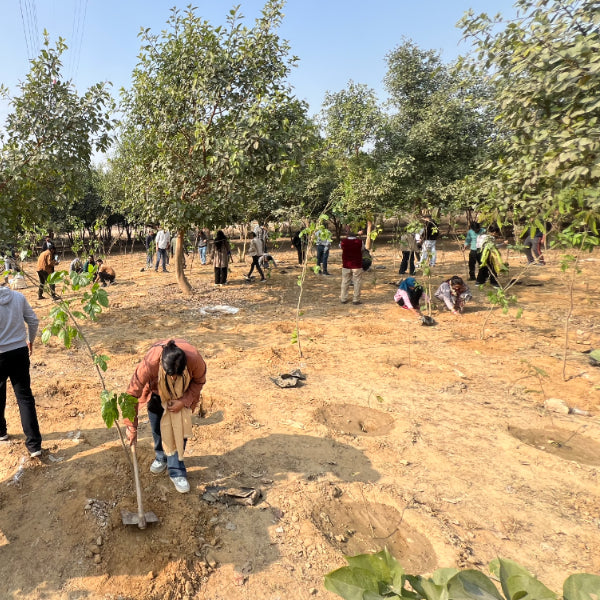
Tree Plantation by Location - Plant Trees Across India
Transform landscapes nationwide through our comprehensive tree plantation by location program. When...
Most Popular Tree Plantations - Top Choices for Environmental Impact
-
Trees for Mother
Regular price ₹ 299Regular priceUnit price per -
Trees to Honor the Memory of your Loved Ones
Regular price ₹ 299Regular priceUnit price per -
Trees for Wedding Anniversary Celebration
Regular price ₹ 299Regular priceUnit price per -
Trees for Grandmother
Regular price ₹ 299Regular priceUnit price per -
Trees for Grandfather
Regular price ₹ 299Regular priceUnit price per

Connect with us
-
👥 Corporates
If you are looking for:
- 🌲 Tree Plantation Events
- 📊 CSR Projects
📧 corporate@growbilliontrees.com
📞 +91 9699723523
💬 +91 9325931304 WhatsApp (Only)
🕒 Mon - Sat | 10am - 7pm IST
-
🧩 Tree Plantation NGOs
If you are looking for:
- 💰 Financial Assistance
- 🤝 Operational Support
📧 support@growbilliontrees.com
📞 +91 9699723523
💬 +91 9325931304 WhatsApp (Only)
🕒 Mon - Sat | 10am - 7pm IST
-
🌼 Individuals
If you are looking for:
- 👥 Group Tree Plantation Drive
- 🌳 Bulk Tree Plantation
📞 +91 9699723523
💬 +91 9325931304 WhatsApp (Only)
🕒 Mon - Sat | 10am - 7pm IST
