
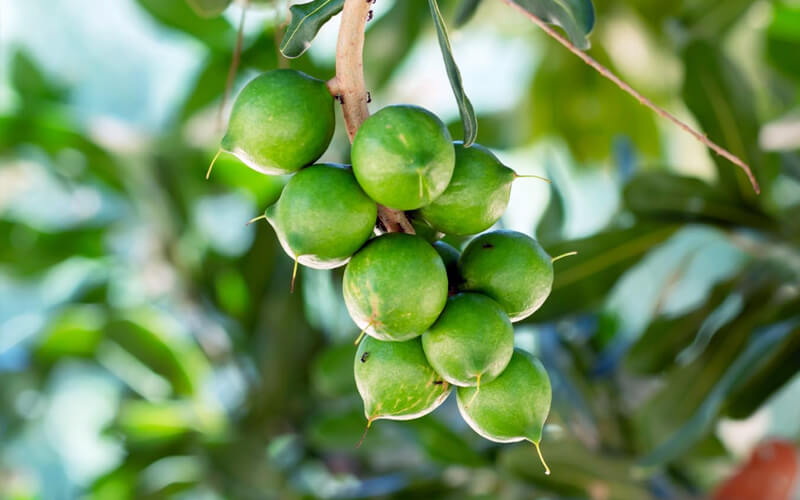
Growing a macadamia tree successfully requires understanding their unique cross-pollination needs, optimal subtropical climate conditions, and long-term investment potential. These botanical marvels from Australia can produce premium nuts for over 10 Read more
Trending Tree Plantations - Most Popular Environmental Programs
-
Trees for Mother
Regular price ₹ 299Regular priceUnit price per -
Trees to Honor the Memory of your Loved Ones
Regular price ₹ 299Regular priceUnit price per -
Trees for Women's Day (8th Mar)
Regular price ₹ 299Regular priceUnit price per -
Trees for Wedding Anniversary Celebration
Regular price ₹ 299Regular priceUnit price per -
Trees for Grandmother
Regular price ₹ 299Regular priceUnit price per




Trees for Corporates - Achieve Net Zero Targets Through Strategic Tree Planting
-
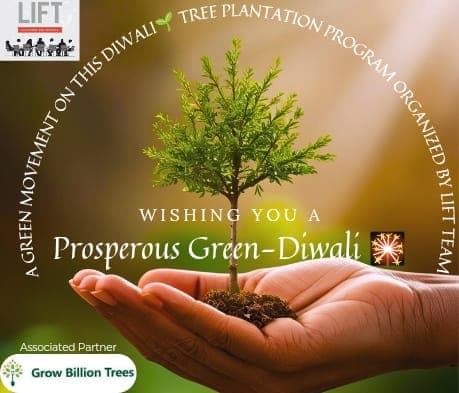 Project Closed
Trees by LIFT Team for Green Diwali: Transform Your Festival
Regular price ₹ 299Regular priceUnit price per -
Trees for a Greener Tomorrow - by Mahindra Lifespaces
Regular price ₹ 299Regular priceUnit price per -
Trees for Environment Day: Plant Your Impact on June 5th
Regular price ₹ 299Regular priceUnit price per -
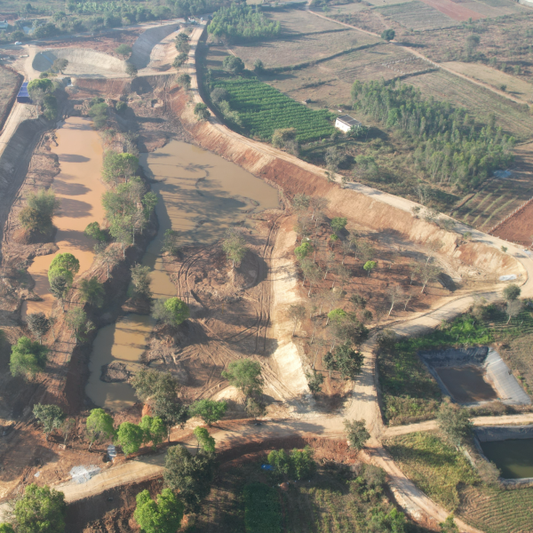 Project Closed
Trees for Bangalore: Plant Native Trees in Garden City ₹299
Regular price ₹ 799Regular priceUnit price per -
Trees for Employees: Transform Your Corporate Culture in 2026
Regular price ₹ 299Regular priceUnit price per
Macadamia Tree Growing Guide: Nature's Nutty Treasure Secrets
Growing a macadamia tree successfully requires understanding their unique cross-pollination needs, optimal subtropical climate conditions, and long-term investment potential. These botanical marvels from Australia can produce premium nuts for over 100 years when properly cultivated in well-drained soils with adequate sunlight and moisture.
Macadamia trees, with their glossy leaves and stunning white or pink flowers, are not just a feast for the eyes; they are also a treasure trove of nutritional goodness. Known for their rich, buttery flavor and crunchy texture, macadamia nuts have become a favorite in kitchens worldwide. But growing these trees is more than just a hobby; it's a journey into the fascinating world of botany, agriculture, and sustainability.
The Botanical Marvel: Understanding the Macadamia Tree
Macadamia trees (genus Macadamia) are native to Australia and belong to the family Proteaceae. There are about ten species, but the most commercially significant are Macadamia integrifolia and Macadamia tetraphylla. These trees can grow up to 12-15 meters (around 40-50 feet) tall and have a lifespan of over 100 years, making them a long-term investment for farmers and growers.
One of the most interesting aspects of macadamia trees is their flowering and fruiting behavior. They are cross-pollinated, meaning that they require pollen from another tree to produce nuts. This unique characteristic makes planting multiple trees essential for a successful harvest. The trees typically flower in spring and bear fruit in late summer or early fall, with nuts maturing in their hard shells, which can take up to 7 months to ripen.
✅ Growing Conditions: The Ideal Environment for Macadamia Trees
Macadamia trees thrive in warm, subtropical climates with well-drained, sandy loam soils. They prefer a pH range of 5.0 to 6.5 and require ample sunlight to produce high-quality nuts. Here are some key factors to consider when growing macadamia trees:
- Climate: Macadamia trees prefer temperatures between 20°C to 30°C (68°F to 86°F) and can tolerate some frost, although prolonged exposure can damage the trees
- Soil: Well-draining soils are crucial. Heavy clay soils can lead to root rot, while sandy soils help with drainage and aeration
- Watering: Adequate watering is essential, especially during the flowering and nut development stages. However, overwatering should be avoided
- Sunlight: Full sunlight is ideal for macadamia trees. They should receive at least 6-8 hours of direct sunlight each day
⭐ Fun Facts About Macadamia Nuts
Macadamia nuts have a high fat content, approximately 75%, making them one of the fattiest nuts available. They are rich in monounsaturated fats, which are beneficial for heart health and can help lower cholesterol levels. The macadamia nut is often considered a "superfood," packed with essential nutrients, including fiber, protein, and antioxidants.
Macadamia nuts are often used in gourmet cooking and baking, adding a luxurious touch to dishes like cookies, salads, and even main courses. Their premium quality and unique flavor profile make them one of the most expensive nuts in the global market.
Historical Background: The Journey of Macadamia Nuts
The history of macadamia nuts is as rich as their flavor. Indigenous Australians were the first to discover the nuts, utilizing them as a food source for thousands of years. The name "macadamia" comes from Dr. John Macadam, a Scottish-Australian chemist who studied the nuts in the 1850s.
Commercial cultivation began in the late 19th century, with the first macadamia plantation established in Hawaii in the 1920s. Today, Hawaii, Australia, and South Africa are leading producers of macadamia nuts, contributing significantly to the global market worth billions of dollars annually.
🌱 Environmental Impact: Sustainability in Macadamia Farming
As the demand for macadamia nuts grows, so does the importance of sustainable farming practices. According to the World Wildlife Fund's research on deforestation, traditional agriculture often leads to forest loss, soil degradation, and biodiversity decline. However, macadamia farming can be environmentally friendly when done correctly.
The United Nations Sustainable Development Goals emphasize the importance of sustainable agriculture practices. Here are some sustainable practices that can be implemented in macadamia cultivation:
- Agroforestry: Integrating macadamia trees into existing forests or planting them alongside other crops can enhance biodiversity and reduce soil erosion
- Organic Farming: Utilizing organic fertilizers and pest control methods helps to maintain soil health and reduce chemical runoff
- Water Conservation: Implementing drip irrigation systems can minimize water waste and ensure that trees receive adequate moisture
- Carbon Sequestration: Macadamia trees can absorb significant amounts of carbon dioxide, contributing to climate change mitigation
💡 Planting and Care Tips for Macadamia Trees
Successfully growing macadamia trees requires attention to detail and patience. Here's a comprehensive guide to planting and caring for your macadamia trees:
→ Site Selection and Preparation
Choose a location with excellent drainage and protection from strong winds. The site should receive full sun exposure throughout the day. Prepare the soil by incorporating organic matter and ensuring proper drainage to prevent waterlogging.
→ Planting Process
Plant macadamia trees during the warm months when soil temperatures are optimal. Space trees at least 6-8 meters apart to allow for proper growth and cross-pollination. Dig holes twice the width of the root ball and plant at the same depth as the container.
→ Ongoing Maintenance
Regular pruning helps maintain tree shape and removes dead or diseased branches. Apply balanced fertilizer during the growing season and maintain consistent moisture levels without overwatering. Monitor for pests and diseases regularly.
🌍 Grow Billion Trees: Combating Climate Change Through Collective Action
At Grow Billion Trees, we understand the vital role that sustainable tree cultivation plays in environmental restoration. Our mission to plant 100 crore trees across India includes promoting sustainable farming practices for valuable species like macadamia trees. Through our comprehensive programs, we offer 4ft Tree Planting + 3 Years Care + GeoTag services that ensure long-term success.
The United Nations Environment Programme on forests highlights how tree planting initiatives contribute to biodiversity conservation and climate change mitigation. When you Plant a tree in your Name for just ₹299, you're investing in a sustainable future that benefits both the environment and local communities.
Our agroforestry programs help farmers integrate valuable trees like macadamias into their existing agricultural systems, creating diverse income streams while supporting Net Zero Targets. Learn more about our tree planting initiatives and join thousands of environmentally conscious individuals making a difference.
Economic Benefits of Macadamia Cultivation
Macadamia trees represent a significant economic opportunity for farmers and investors. With global demand consistently increasing and premium pricing in international markets, these trees offer substantial returns on investment. A mature macadamia tree can produce 30-50 kg of nuts annually, with prices ranging from $15-25 per kilogram for premium quality nuts.
The long productive lifespan of macadamia trees makes them an excellent choice for generational farming. Unlike annual crops, once established, these trees provide consistent income for decades with proper care and management. This stability makes macadamia cultivation an attractive option for sustainable agricultural development.
Frequently Asked Questions
How long does it take for a macadamia tree to produce nuts?
Macadamia trees typically begin producing nuts 3-5 years after planting, with full production reached at 7-10 years. The trees continue producing for over 100 years with proper care, making them a long-term investment.
Can macadamia trees grow in India's climate?
Yes, macadamia trees can grow successfully in India's subtropical regions, particularly in states like Karnataka, Tamil Nadu, and Kerala. The warm temperatures and adequate rainfall in these areas provide suitable growing conditions.
How many macadamia trees should I plant together?
Plant at least 2-3 different macadamia varieties together to ensure proper cross-pollination and maximum nut production. Space trees 6-8 meters apart to allow adequate room for growth and air circulation.
What type of soil is best for macadamia trees?
Well-draining sandy loam soil with a pH between 5.0-6.5 is ideal for macadamia trees. Heavy clay soils should be avoided as they can cause root rot and poor drainage issues.
How much water do macadamia trees need?
Macadamia trees require consistent moisture, especially during flowering and nut development. Provide 25-50mm of water weekly through rainfall or irrigation, adjusting based on seasonal needs and soil conditions.
Are macadamia nuts really a superfood?
Yes, macadamia nuts are considered a superfood due to their high content of healthy monounsaturated fats, fiber, protein, and antioxidants. They support heart health and provide essential nutrients for overall wellness.
What pests and diseases affect macadamia trees?
Common issues include macadamia nut borer, scale insects, and fungal diseases like anthracnose. Regular monitoring, proper sanitation, and integrated pest management help maintain healthy trees.
Can I grow macadamia trees organically?
Absolutely! Organic macadamia cultivation is possible using natural fertilizers, biological pest control, and sustainable farming practices. Organic macadamia nuts command premium prices in the market.
When is the best time to harvest macadamia nuts?
Harvest macadamia nuts when they fall naturally from the tree, typically in late summer to early fall. Fresh nuts should be collected regularly to prevent quality deterioration and pest issues.
What's the global market outlook for macadamia nuts?
The global macadamia market continues growing steadily, driven by increasing health consciousness and demand for premium nuts. Prices remain strong, making macadamia cultivation a profitable long-term venture.Growing macadamia trees represents an incredible opportunity to cultivate nature's nutty treasure while contributing to environmental sustainability. These remarkable trees offer economic benefits, environmental advantages, and nutritional value that make them an excellent choice for conscious growers. By understanding their unique requirements and implementing sustainable practices, you can successfully grow macadamia trees that will provide benefits for generations to come. Explore our tree planting programs and join the movement toward a greener, more sustainable future through responsible cultivation.
You may also like
-
Gift a Tree - Meaningful Environmental Gifts That Make a Difference
Transform your gift-giving with meaningful environmental gifts that create lasting impact for...
-
Trees For Shiv Ji - Sacred Tree Planting to Honor Lord Shiva
Honor Lord Shiva through sacred tree planting with Trees For Shiv Ji,...
-
Tree Plantations for Shri Ram - Sacred Devotional Planting Services
Honor Lord Shri Ram through meaningful tree plantations for Shri Ram that...
-
Tree Plantation on Navratri - Celebrate Divine Festivals with Environmental Devotion
Tree plantation on Navratri transforms the sacred nine-day festival into a powerful...
-
Tree Plantation by Cause - Plant Trees for Every Purpose | Grow Billion Trees
Transform your environmental impact with purpose-driven tree plantation by cause programs that...
Corporate Plantations
-
Trees for Corporates - Achieve Net Zero Targets Through Strategic Tree Planting
Trees for Corporates - Strategic Environmental SolutionsTransform your corporate environmental impact with...
-
Tree Plantation for CSR - Corporate Environmental Programs | Grow Billion Trees
Tree Plantation for CSR - Transform Your Corporate Environmental ImpactTree plantation for...
-
Tree Plantation for SDG - Support Sustainable Development Goals
Tree plantation for SDG initiatives represents a powerful pathway to achieving multiple...
-
Corporate Tree Plantation Programs - Sustainable ESG Environmental Solutions for Net Zero Targets
Transform your organization's environmental impact with our comprehensive Corporate Tree Plantation Programs...
-
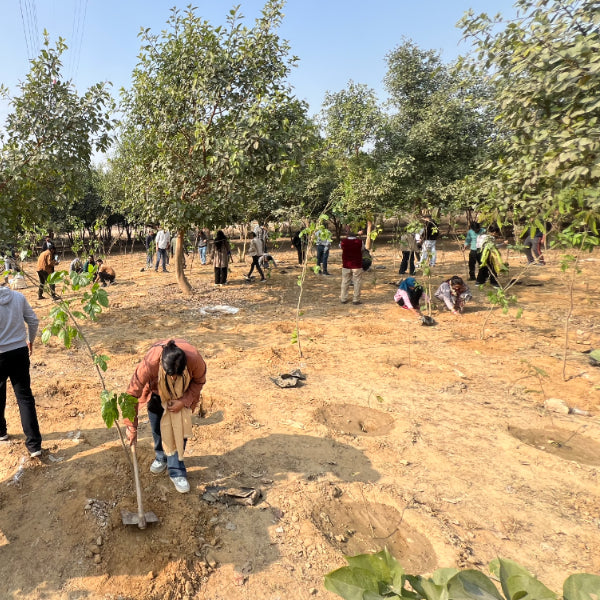
Tree Plantation by Location - Plant Trees Across India
Transform landscapes nationwide through our comprehensive tree plantation by location program. When...
Most Popular Tree Plantations - Top Choices for Environmental Impact
-
Trees for Mother
Regular price ₹ 299Regular priceUnit price per -
Trees to Honor the Memory of your Loved Ones
Regular price ₹ 299Regular priceUnit price per -
Trees for Wedding Anniversary Celebration
Regular price ₹ 299Regular priceUnit price per -
Trees for Grandmother
Regular price ₹ 299Regular priceUnit price per -
Trees for Grandfather
Regular price ₹ 299Regular priceUnit price per

Connect with us
-
👥 Corporates
If you are looking for:
- 🌲 Tree Plantation Events
- 📊 CSR Projects
📧 corporate@growbilliontrees.com
📞 +91 9699723523
💬 +91 9325931304 WhatsApp (Only)
🕒 Mon - Sat | 10am - 7pm IST
-
🧩 Tree Plantation NGOs
If you are looking for:
- 💰 Financial Assistance
- 🤝 Operational Support
📧 support@growbilliontrees.com
📞 +91 9699723523
💬 +91 9325931304 WhatsApp (Only)
🕒 Mon - Sat | 10am - 7pm IST
-
🌼 Individuals
If you are looking for:
- 👥 Group Tree Plantation Drive
- 🌳 Bulk Tree Plantation
📞 +91 9699723523
💬 +91 9325931304 WhatsApp (Only)
🕒 Mon - Sat | 10am - 7pm IST
