
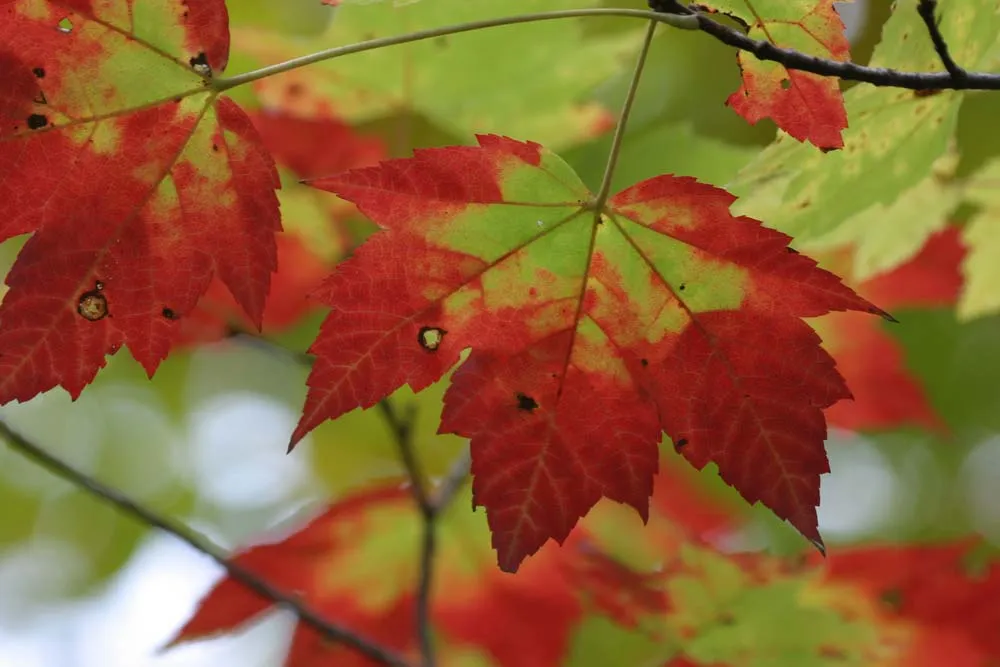
Maple trees, with their stunning foliage and remarkable versatility, are a beloved addition to gardens around the world. Known scientifically as the genus Acer, these trees are celebrated for their vibrant colors, unique leaf shapes, and the sweet sa Read more
Trending Tree Plantations - Most Popular Environmental Programs
-
Trees for Birthday Celebration: Plant Meaningful Green Gifts
Regular price ₹ 299Regular priceUnit price per -
Trees for Mother
Regular price ₹ 299Regular priceUnit price per -
Trees as a Gift: Plant Hope & Create Lasting Environmental Impact
Regular price ₹ 299Regular priceUnit price per -
Trees to Honor the Memory of your Loved Ones
Regular price ₹ 299Regular priceUnit price per -
Trees for Women's Day (8th Mar)
Regular price ₹ 299Regular priceUnit price per


Trees for Corporates - Achieve Net Zero Targets Through Strategic Tree Planting
-
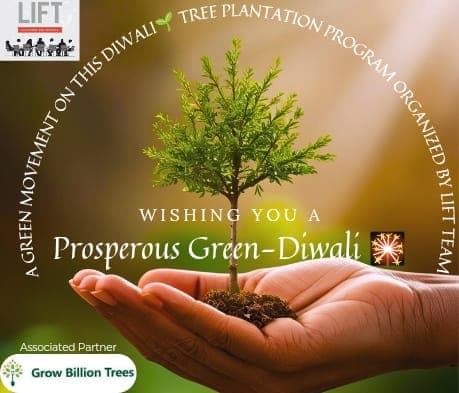 Project Closed
Trees by LIFT Team for Green Diwali: Transform Your Festival
Regular price ₹ 299Regular priceUnit price per -
Trees for a Greener Tomorrow - by Mahindra Lifespaces
Regular price ₹ 299Regular priceUnit price per -
Trees for Environment Day: Plant Your Impact on June 5th
Regular price ₹ 299Regular priceUnit price per -
Trees for Farmers: Sustainable Agroforestry Solutions for 2026
Regular price ₹ 299Regular priceUnit price per -
Trees for Employees: Transform Your Corporate Culture in 2026
Regular price ₹ 299Regular priceUnit price per

Maple Tree Magic: Discover the Secrets to Growing Vibrant Maple Trees
Maple trees, with their stunning foliage and remarkable versatility, are a beloved addition to gardens around the world.
Known scientifically as the genus Acer, these trees are celebrated for their vibrant colors, unique leaf shapes, and the sweet sap that can be transformed into delicious maple syrup.
In this blog, we will delve into the secrets of growing vibrant maple trees, explore their environmental impact, and highlight the initiatives of organizations like Grow Billion Trees Partners that work tirelessly to promote tree planting projects in various regions.
The Allure of Maple Trees
Maple trees are not just visually appealing; they also offer numerous benefits to the environment. They are known to improve air quality by absorbing carbon dioxide and releasing oxygen.
Additionally, their extensive root systems help prevent soil erosion and promote groundwater recharge. With over 150 species of maples, ranging from the majestic sugar maple (Acer saccharum) to the ornamental Japanese maple (Acer palmatum), there is a variety suitable for almost any garden setting.
Growing Maple Trees: The Basics
Growing maple trees can be a rewarding endeavor. Here are some essential tips to ensure your maple trees flourish:
- Choosing the Right Variety: Different species of maple trees thrive in various climates. For instance, sugar maples prefer cooler climates, while Japanese maples thrive in warmer regions. Research the best variety for your area before planting.
- Optimal Planting Time: The best time to plant maple trees is in the spring or fall when the temperatures are moderate. This allows the roots to establish before the heat of summer or the cold of winter sets in.
- Soil Requirements: Maple trees prefer well-drained, loamy soil rich in organic matter. Conduct a soil test to determine the pH and nutrient levels; ideally, the pH should be between 6.0 and 7.5.
- Sunlight Needs: Most maple trees thrive in full sun, requiring at least 6 hours of direct sunlight daily. However, some varieties, like the Japanese maple, can tolerate partial shade.
- Watering Practices: Young maple trees need regular watering, especially during dry spells. A deep watering once a week is often sufficient. As the tree matures, it will become more drought-tolerant.
- Fertilization: Fertilizing in early spring with a balanced fertilizer can promote healthy growth. Avoid over-fertilizing, as this can lead to excessive leaf growth at the expense of root development.
- Pruning Techniques: Pruning is essential for maintaining the shape and health of maple trees. Remove dead or damaged branches and thin out crowded areas to improve air circulation.
Fun Facts About Maple Trees
1. Maple Syrup Production: Sugar maples are the primary source of maple syrup, which requires a specific temperature fluctuation between freezing and thawing to produce sap. Each spring, approximately 40 gallons of sap are needed to produce just one gallon of syrup!
2. Autumn Foliage: The stunning fall colors of maple trees are due to the presence of anthocyanins, which develop as chlorophyll breaks down. This process creates a spectacular display of reds, oranges, and yellows that can last for weeks.
3. Historical Significance: Indigenous peoples in North America have been tapping maple trees for sap for centuries, long before European settlers arrived. They used the sap for food and medicine, and the tradition continues today.
4. Longevity: Some species of maple trees, like the sugar maple, can live for over 300 years, making them a long-term investment for your garden.
Environmental Impact of Maple Trees
The role of trees in combating climate change cannot be overstated. Maple trees, like other deciduous trees, absorb carbon dioxide during photosynthesis, helping to mitigate the effects of greenhouse gases. A mature maple tree can absorb approximately 48 pounds of CO2 annually, making them essential players in the fight against climate change.
Moreover, maple trees provide habitat for countless species of wildlife. Birds, insects, and mammals rely on these trees for food and shelter. The leaves and seeds of maple trees are a food source for various species, while the tree's bark and wood provide nesting sites and protection.
Planting maple trees also contributes to urban greening initiatives, improving air quality and reducing the urban heat island effect. Studies have shown that urban areas with more trees experience lower temperatures, which can significantly reduce energy costs associated with cooling.
Grow Billion Trees Partners: A Commitment to Reforestation
Organizations like Grow Billion Trees Partners are at the forefront of reforestation efforts, dedicated to planting billions of trees worldwide. They recognize the critical role trees play in maintaining ecological balance and combating climate change. Their initiatives focus on various aspects:
- Community Engagement: Grow Billion Trees Partners actively involve local communities in their projects, educating them about the importance of trees and encouraging participation in planting initiatives.
- Research and Development: The organization collaborates with scientists and researchers to identify the best species for specific regions, ensuring that the trees planted are suited to the local environment.
- Partnerships: They work with governments, NGOs, and businesses to secure funding and resources necessary for large-scale planting projects. These partnerships amplify their impact and reach.
- Monitoring and Maintenance: After planting, Grow Billion Trees Partners continues to monitor the health of the trees, ensuring they thrive in their new environments. This ongoing care is crucial for the success of reforestation efforts.
In regions where maple trees are native, such as parts of North America and Asia, Grow Billion Trees Partners emphasizes the importance of planting these species to restore natural habitats and promote biodiversity. Their efforts contribute to a healthier ecosystem, benefiting both people and wildlife.
Historical Context of Maple Trees
Historically, maple trees have held significant cultural and economic importance. The sugar maple is the state tree of Vermont and is celebrated for its sap, which has been harvested for centuries. The tradition of maple sugaring has evolved into a cultural event in many regions, celebrating the arrival of spring with festivals and community gatherings.
In addition to their culinary contributions, maple trees have also been used in construction and furniture making due to their strong and durable wood. The fine grain and rich color of maple wood make it a popular choice for cabinetry, flooring, and musical instruments.
Conclusion: Bringing Maple Tree Magic to Your Garden
Growing vibrant maple trees in your garden is not only a fulfilling endeavor but also contributes positively to the environment. By choosing the right species, providing proper care, and understanding the ecological significance of these trees, you can create a thriving landscape that benefits both you and the planet.
As we work towards a greener future, initiatives like Grow Billion Trees Partners remind us of the collective responsibility we share in nurturing our environment. By participating in tree planting efforts and fostering a love for nature, we can ensure that the magic of maple trees continues to enchant future generations.
So, whether you’re looking to add a splash of color to your garden or contribute to a global movement for reforestation, consider the maple tree—a symbol of beauty, resilience, and ecological importance. With the right knowledge and commitment, you can unlock the secrets to growing these magnificent trees and enjoy the myriad benefits they bring.
You may also like
-
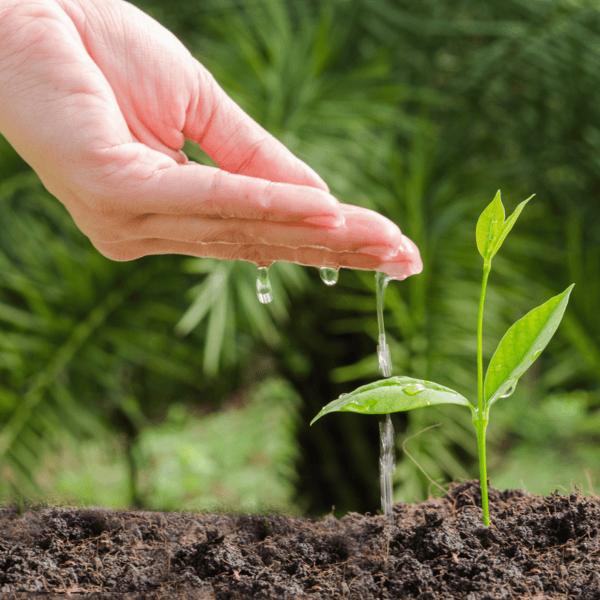
Gift a Tree - Meaningful Environmental Gifts That Make a Difference
Transform your gift-giving with meaningful environmental gifts that create lasting impact for...
-
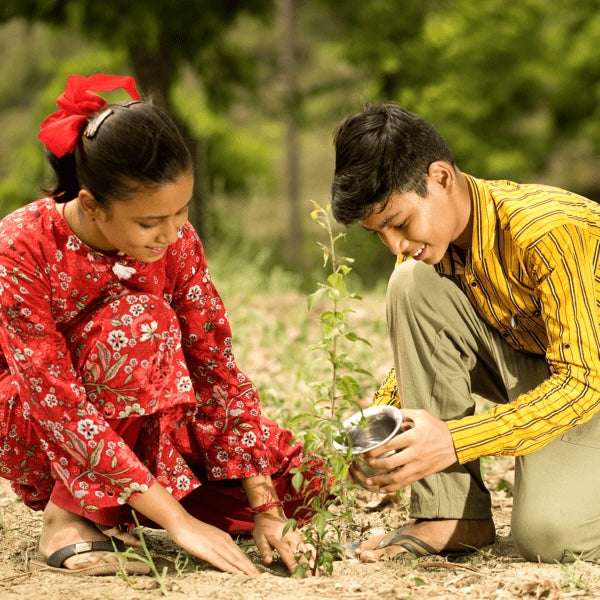
Trees For Shiv Ji - Sacred Tree Planting to Honor Lord Shiva
Honor Lord Shiva through sacred tree planting with Trees For Shiv Ji,...
-

Tree Plantations for Shri Ram - Sacred Devotional Planting Services
Honor Lord Shri Ram through meaningful tree plantations for Shri Ram that...
-
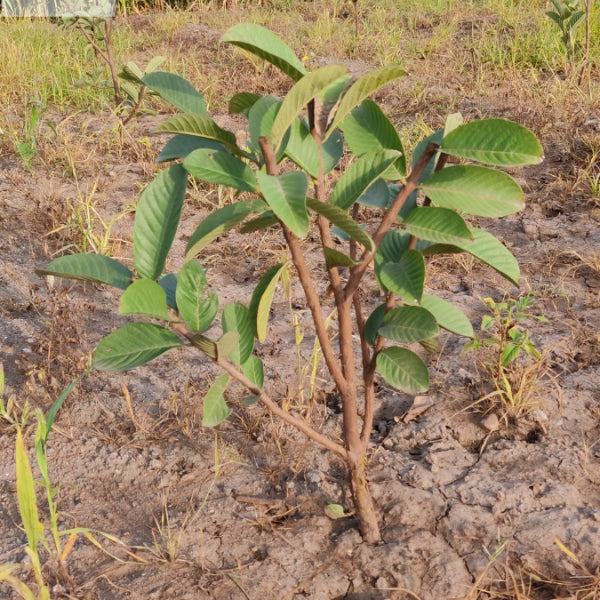
Tree Plantation on Navratri - Celebrate Divine Festivals with Environmental Devotion
Tree plantation on Navratri transforms the sacred nine-day festival into a powerful...
-
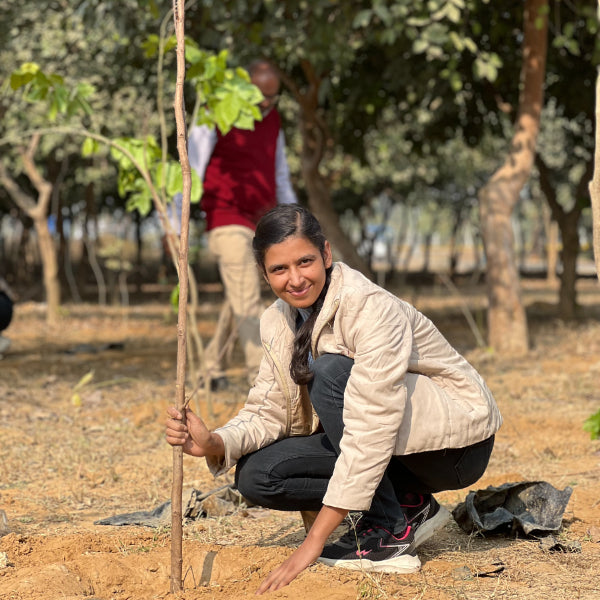
Tree Plantation by Cause - Plant Trees for Every Purpose | Grow Billion Trees
Transform your environmental impact with purpose-driven tree plantation by cause programs that...
Corporate Plantations
-
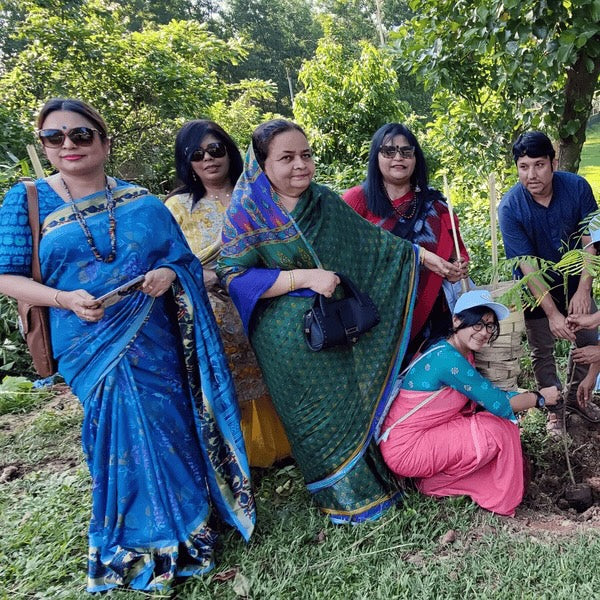
Trees for Corporates - Achieve Net Zero Targets Through Strategic Tree Planting
Trees for Corporates - Strategic Environmental SolutionsTransform your corporate environmental impact with...
-
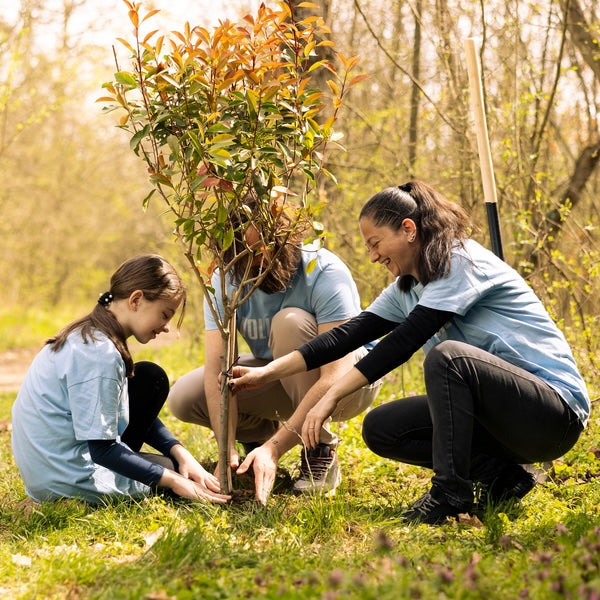
Tree Plantation for CSR - Corporate Environmental Programs | Grow Billion Trees
Tree Plantation for CSR - Transform Your Corporate Environmental ImpactTree plantation for...
-
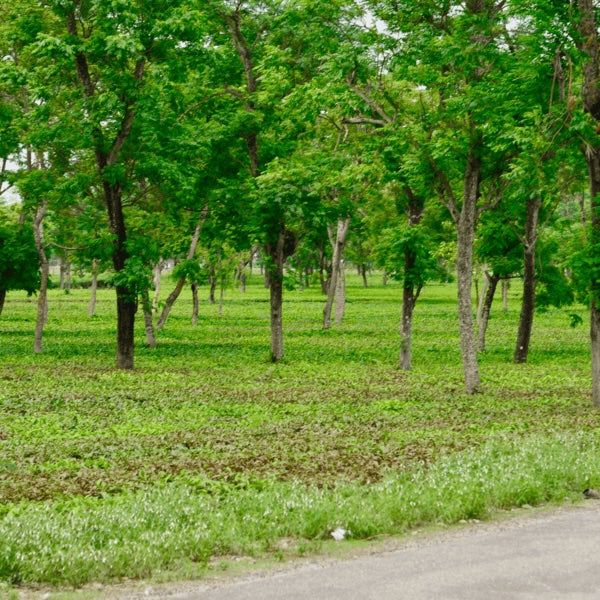
Tree Plantation for SDG - Support Sustainable Development Goals
Tree plantation for SDG initiatives represents a powerful pathway to achieving multiple...
-
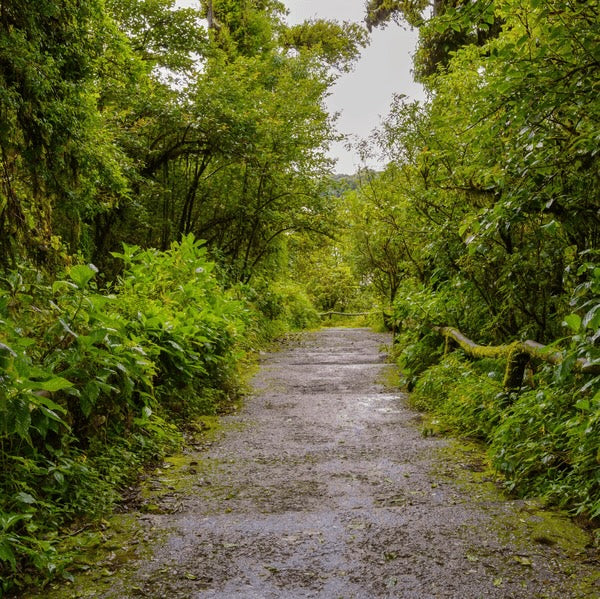
Corporate Tree Plantation Programs - Sustainable ESG Environmental Solutions for Net Zero Targets
Transform your organization's environmental impact with our comprehensive Corporate Tree Plantation Programs...
-
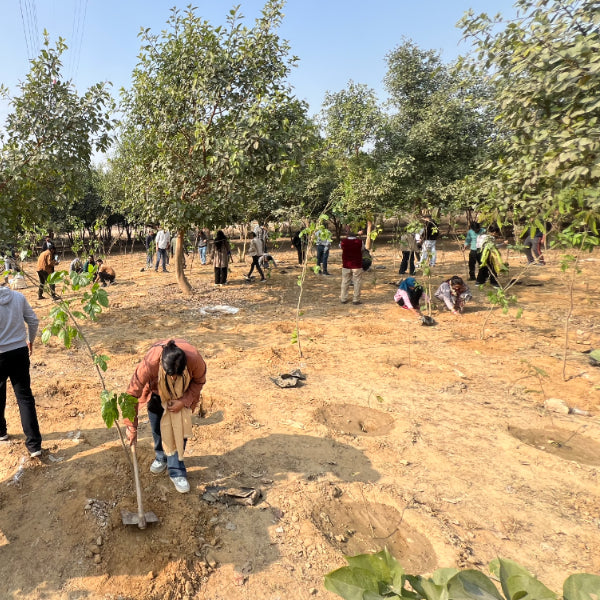
Tree Plantation by Location - Plant Trees Across India
Transform landscapes nationwide through our comprehensive tree plantation by location program. When...
Most Popular Tree Plantations - Top Choices for Environmental Impact
-
Trees for Birthday Celebration: Plant Meaningful Green Gifts
Regular price ₹ 299Regular priceUnit price per -
Trees for Mother
Regular price ₹ 299Regular priceUnit price per -
Trees as a Gift: Plant Hope & Create Lasting Environmental Impact
Regular price ₹ 299Regular priceUnit price per -
Trees to Honor the Memory of your Loved Ones
Regular price ₹ 299Regular priceUnit price per -
Trees for Krishna on Janmashtami - Sacred Divine Gift ₹299
Regular price ₹ 299Regular priceUnit price per

Connect with us
-
👥 Corporates
If you are looking for:
- 🌲 Tree Plantation Events
- 📊 CSR Projects
📧 corporate@growbilliontrees.com
📞 +91 9699723523
💬 +91 9325931304 WhatsApp (Only)
🕒 Mon - Sat | 10am - 7pm IST
-
🧩 Tree Plantation NGOs
If you are looking for:
- 💰 Financial Assistance
- 🤝 Operational Support
📧 support@growbilliontrees.com
📞 +91 9699723523
💬 +91 9325931304 WhatsApp (Only)
🕒 Mon - Sat | 10am - 7pm IST
-
🌼 Individuals
If you are looking for:
- 👥 Group Tree Plantation Drive
- 🌳 Bulk Tree Plantation
📞 +91 9699723523
💬 +91 9325931304 WhatsApp (Only)
🕒 Mon - Sat | 10am - 7pm IST
