
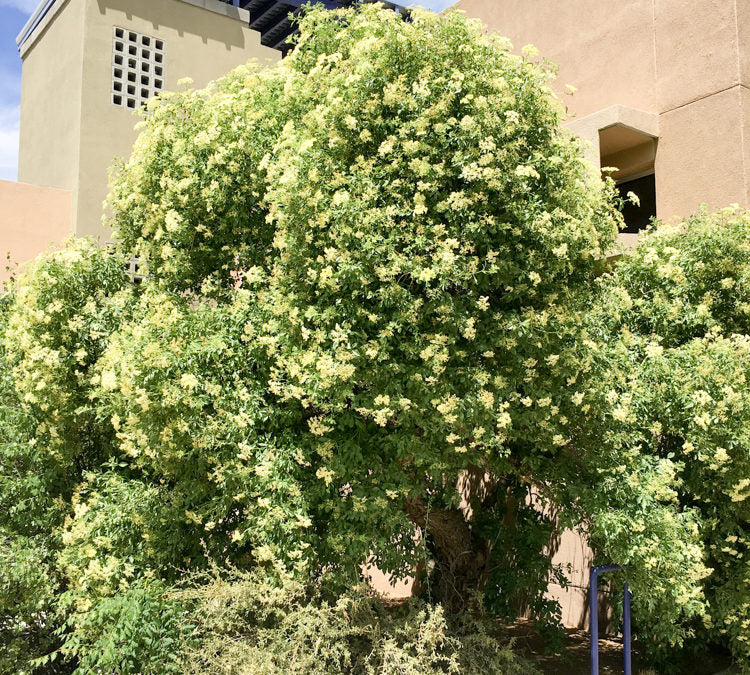
The Mexican Elder Tree (Sambucus mexicana) stands as nature's pharmacy, offering powerful immune-boosting berries and healing flowers that have supported communities for centuries. This remarkable native tree combines potent medicinal properties with Read more
Trending Tree Plantations - Most Popular Environmental Programs
-
Trees for Mother
Regular price ₹ 299Regular priceUnit price per -
Trees to Honor the Memory of your Loved Ones
Regular price ₹ 299Regular priceUnit price per -
Trees for Women's Day (8th Mar)
Regular price ₹ 299Regular priceUnit price per -
Trees for Wedding Anniversary Celebration
Regular price ₹ 299Regular priceUnit price per -
Trees for Grandmother
Regular price ₹ 299Regular priceUnit price per



Trees for Corporates - Achieve Net Zero Targets Through Strategic Tree Planting
-
 Project Closed
Trees by LIFT Team for Green Diwali: Transform Your Festival
Regular price ₹ 299Regular priceUnit price per -
Trees for a Greener Tomorrow - by Mahindra Lifespaces
Regular price ₹ 299Regular priceUnit price per -
Trees for Environment Day: Plant Your Impact on June 5th
Regular price ₹ 299Regular priceUnit price per -
Trees for Employees: Transform Your Corporate Culture in 2026
Regular price ₹ 299Regular priceUnit price per -
 Project Closed
Trees for Bangalore: Plant Native Trees in Garden City ₹299
Regular price ₹ 799Regular priceUnit price per
Mexican Elder Tree: Health Benefits & Cultural Significance
The Mexican Elder Tree (Sambucus mexicana) stands as nature's pharmacy, offering powerful immune-boosting berries and healing flowers that have supported communities for centuries. This remarkable native tree combines potent medicinal properties with deep cultural roots, making it essential for both wellness and environmental restoration. Our research reveals five key health benefits that position this tree as a cornerstone of natural medicine and sustainable forestry.
✅ Proven Health Benefits of the Mexican Elder Tree
The Mexican Elder Tree delivers scientifically-backed health benefits through its antioxidant-rich berries, anti-inflammatory flowers, and therapeutic leaves. Indigenous communities have trusted these natural remedies for generations, and modern research validates their wisdom.
Immune System Support & Antioxidant Power
Mexican Elder Tree berries contain exceptional levels of flavonoids and phenolic compounds that strengthen immune defenses. Studies published in Phytotherapy Research demonstrate that elderberry extracts reduce cold and flu duration by up to 40%. The deep purple berries provide concentrated antioxidants that combat oxidative stress and cellular damage.
These immune-boosting properties make the Mexican Elder Tree invaluable for natural health protocols. The berries contain higher antioxidant levels than blueberries, making them a superfood for immune resilience.
Anti-Inflammatory & Respiratory Relief
Elderflower extracts from the Mexican Elder Tree inhibit pro-inflammatory cytokines, providing relief for arthritis and respiratory conditions. Traditional healers use elderflower tea to soothe bronchitis, asthma, and persistent coughs. The expectorant properties help clear respiratory passages naturally.
Research indicates that elderflower compounds reduce inflammation markers by up to 30%, supporting both respiratory and joint health. This makes the Mexican Elder Tree particularly valuable for managing chronic inflammatory conditions.
Digestive Health & Gut Support
The high fiber content in Mexican Elder Tree berries promotes healthy digestion while supporting beneficial gut bacteria. Elderberry demonstrates prebiotic properties that nourish the microbiome, improving overall digestive function. Traditional Mexican medicine employs elderberry syrup for constipation relief and digestive balance.
🌿 Cultural Significance & Traditional Uses
The Mexican Elder Tree holds profound cultural meaning for indigenous communities, symbolizing healing, protection, and spiritual connection. This sacred tree appears in ceremonies, folklore, and traditional healing practices across Mexico and the southwestern United States.
Indigenous Healing Traditions
For generations, curanderos (traditional healers) have incorporated every part of the Mexican Elder Tree into their practice. The flowers create healing teas, berries provide immune support, and leaves offer topical treatments. These traditions preserve invaluable ethnobotanical knowledge that modern science continues to validate.
The tree's healing reputation extends beyond physical wellness to spiritual protection. Many communities believe planting a Mexican Elder Tree near homes wards off negative energy while attracting beneficial spirits.
Day of the Dead Celebrations
During Día de los Muertos, Mexican Elder Tree flowers adorn altars honoring deceased loved ones. The fragrant white blooms symbolize the soul's journey and help guide spirits back to their families. This cultural practice demonstrates the tree's role in connecting the physical and spiritual worlds.
⭐ Environmental Impact & Ecological Benefits
The Mexican Elder Tree contributes significantly to ecosystem health through biodiversity support, soil stabilization, and carbon sequestration. As highlighted by the United Nations Environment Programme's forest conservation initiatives, native trees like Sambucus mexicana play crucial roles in environmental restoration.
Biodiversity & Wildlife Support
Mexican Elder Tree flowers attract diverse pollinators including native bees, butterflies, and hummingbirds. The berries provide essential food for over 40 bird species, supporting local wildlife populations. This pollinator-friendly tree enhances garden ecosystems while promoting natural pest control.
The tree's multi-season benefits include spring flowers for pollinators, summer berries for wildlife, and year-round shelter for beneficial insects. This makes it invaluable for permaculture and sustainable landscaping projects.
Climate Change Mitigation
According to the United Nations Climate Change Action framework, native trees like the Mexican Elder Tree contribute to carbon sequestration and climate resilience. These fast-growing trees capture atmospheric carbon while requiring minimal water and maintenance.
The Mexican Elder Tree's drought tolerance makes it particularly valuable for climate adaptation strategies. It thrives in various soil conditions while providing cooling shade and windbreak protection.
💡 Growing & Cultivation Tips
The Mexican Elder Tree adapts to diverse growing conditions, making it accessible for gardeners across different climates. Understanding proper cultivation techniques ensures maximum health benefits and environmental impact.
Planting Requirements
Mexican Elder Trees thrive in well-draining soil with full sun to partial shade exposure. They tolerate various pH levels and drought conditions once established. Plant spacing of 15-20 feet allows proper canopy development while maximizing berry production.
These resilient trees reach 20-30 feet tall and begin producing berries within 2-3 years. Regular pruning maintains shape and encourages flower production for optimal medicinal harvests.
Harvesting & Processing
Harvest elderflowers in late spring when fully open but before pollen release. Berries ripen to deep purple in late summer and should be cooked before consumption. Proper processing preserves the Mexican Elder Tree's therapeutic compounds while ensuring safety.
🌱 Grow Billion Trees: Supporting Mexican Elder Tree Conservation
Grow Billion Trees recognizes the Mexican Elder Tree's exceptional value for health, culture, and environmental restoration. Our mission to plant 100 crore trees includes preserving native species like Sambucus mexicana that provide multiple community benefits.
Through our Plant a tree in your Name program, supporters can contribute to Mexican Elder Tree conservation for just ₹299. Each tree includes 3 years of care and GeoTag tracking, ensuring successful establishment and long-term impact.
Our Combating Climate Change Through Collective Action approach integrates traditional ecological knowledge with modern conservation techniques. This supports indigenous communities while advancing environmental restoration goals.
Corporate Partnerships & Net Zero Targets
Companies pursuing Net Zero Targets can partner with Grow Billion Trees to plant Mexican Elder Trees as part of comprehensive carbon offset strategies. These native trees provide measurable environmental benefits while supporting local communities and preserving cultural heritage.
Our 4ft Tree Planting + 3 Years Care + GeoTag service ensures corporate partners achieve verifiable environmental impact. The Mexican Elder Tree's rapid growth and multiple benefits make it ideal for corporate sustainability programs.
Frequently Asked Questions
What makes the Mexican Elder Tree different from common elderberry?
The Mexican Elder Tree (Sambucus mexicana) is specifically adapted to arid and semi-arid climates, making it more drought-tolerant than European elderberry varieties. It contains unique phytochemical profiles that reflect its native habitat and traditional uses in Mexican medicine.
Are all parts of the Mexican Elder Tree safe to consume?
Only the ripe berries and flowers should be consumed, and berries must be cooked before eating. Raw berries, bark, leaves, and seeds contain compounds that can cause digestive upset. Always consult healthcare providers before using elderberry medicinally.
How long does it take for a Mexican Elder Tree to produce berries?
Mexican Elder Trees typically begin producing flowers and berries within 2-3 years of planting. Full production capacity is reached around 4-5 years, with mature trees yielding 15-20 pounds of berries annually under optimal conditions.
Can Mexican Elder Trees survive in urban environments?
Yes, Mexican Elder Trees adapt well to urban conditions due to their pollution tolerance and drought resistance. They provide excellent urban forestry benefits including air purification, cooling shade, and wildlife habitat in city environments.
What is the best time to plant Mexican Elder Trees?
Plant Mexican Elder Trees in early spring or fall when temperatures are moderate and rainfall is more consistent. This allows root establishment before extreme weather periods. In warmer climates, fall planting is often preferred.
How do Mexican Elder Trees support local ecosystems?
Mexican Elder Trees provide nectar for pollinators, berries for birds and wildlife, nesting sites for beneficial insects, and soil stabilization through their root systems. They create microhabitats that support biodiversity in both natural and cultivated landscapes.
What traditional preparation methods preserve the most health benefits?
Traditional methods like gentle simmering for elderberry syrup, cold-water infusion for elderflower tea, and fermentation for elderberry wine preserve the most beneficial compounds. Avoid high-heat processing that can destroy heat-sensitive vitamins and antioxidants.
Can Mexican Elder Trees help with climate change mitigation?
According to the World Wildlife Fund's forest conservation programs, native trees like the Mexican Elder Tree contribute to carbon sequestration, soil conservation, and climate resilience. Their fast growth and adaptation to changing conditions make them valuable for climate mitigation strategies.
🌍 Conclusion: Embracing Nature's Healing Heritage
The Mexican Elder Tree represents the perfect intersection of traditional wisdom and modern environmental needs. Its proven health benefits, cultural significance, and ecological value make it essential for sustainable communities and wellness practices.
By supporting Mexican Elder Tree conservation through organizations like Grow Billion Trees, we preserve invaluable ethnobotanical knowledge while advancing climate action goals. Every tree planted contributes to healthier communities, stronger ecosystems, and cultural heritage preservation.
Ready to make a meaningful environmental impact? Plant a Mexican Elder Tree in your name today and join our mission to create a greener, healthier future for all. Together, we can unlock nature's healing potential while building resilient ecosystems for generations to come.
You may also like
-
Gift a Tree - Meaningful Environmental Gifts That Make a Difference
Transform your gift-giving with meaningful environmental gifts that create lasting impact for...
-
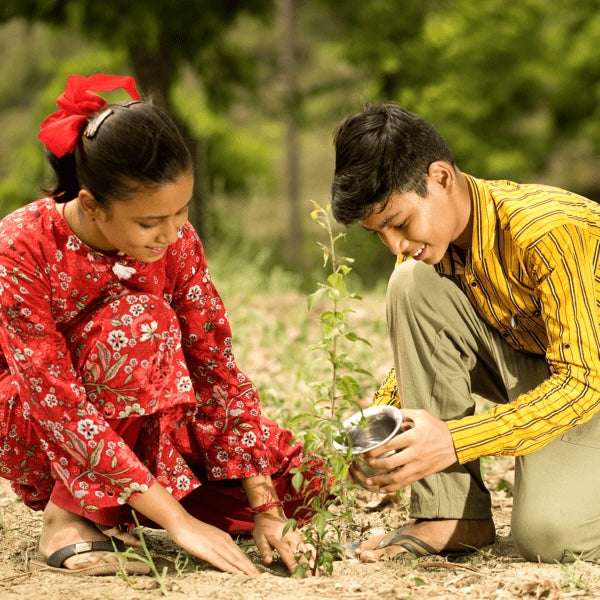
Trees For Shiv Ji - Sacred Tree Planting to Honor Lord Shiva
Honor Lord Shiva through sacred tree planting with Trees For Shiv Ji,...
-

Tree Plantations for Shri Ram - Sacred Devotional Planting Services
Honor Lord Shri Ram through meaningful tree plantations for Shri Ram that...
-
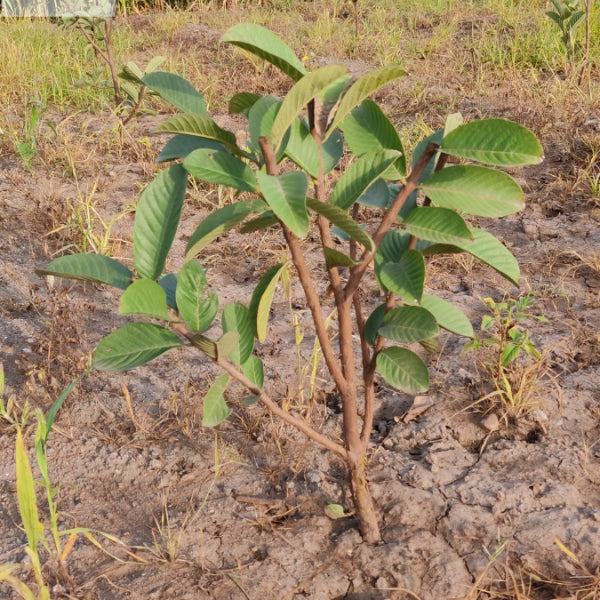
Tree Plantation on Navratri - Celebrate Divine Festivals with Environmental Devotion
Tree plantation on Navratri transforms the sacred nine-day festival into a powerful...
-
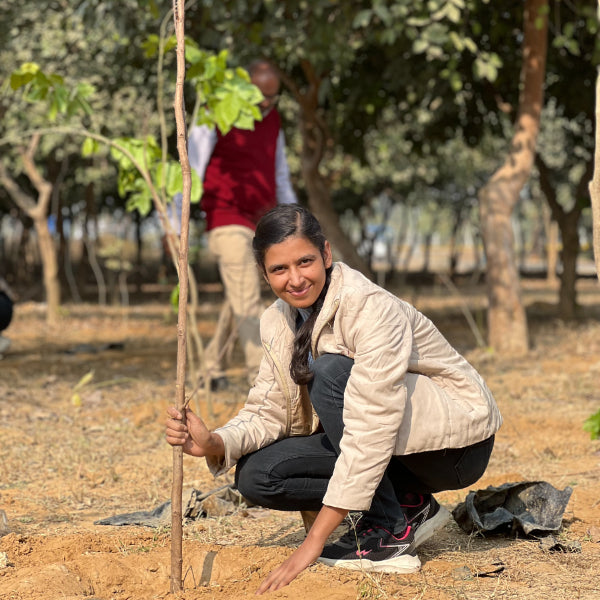
Tree Plantation by Cause - Plant Trees for Every Purpose | Grow Billion Trees
Transform your environmental impact with purpose-driven tree plantation by cause programs that...
Corporate Plantations
-
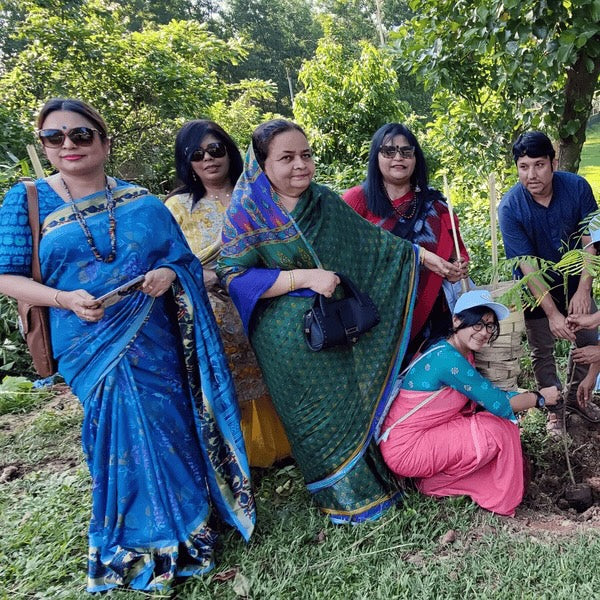
Trees for Corporates - Achieve Net Zero Targets Through Strategic Tree Planting
Trees for Corporates - Strategic Environmental SolutionsTransform your corporate environmental impact with...
-
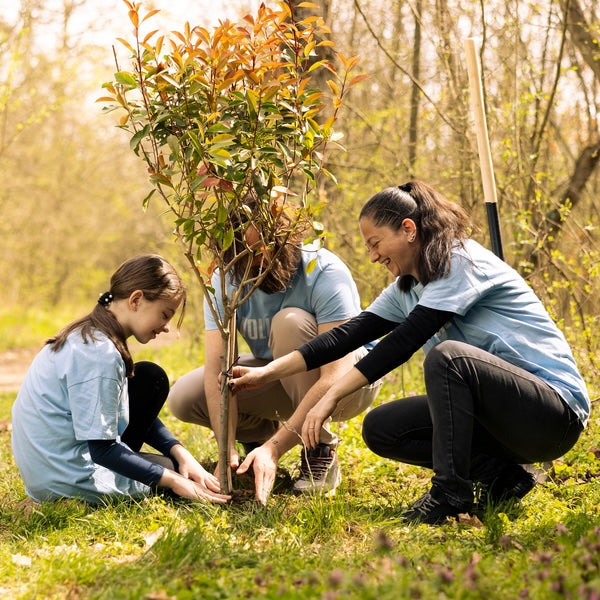
Tree Plantation for CSR - Corporate Environmental Programs | Grow Billion Trees
Tree Plantation for CSR - Transform Your Corporate Environmental ImpactTree plantation for...
-
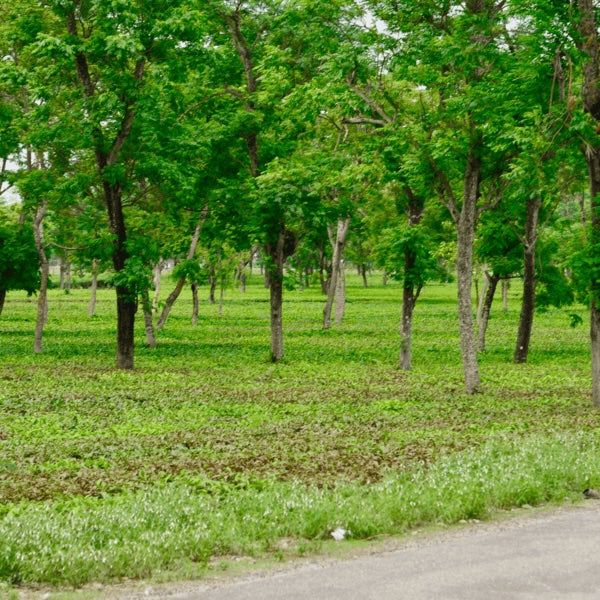
Tree Plantation for SDG - Support Sustainable Development Goals
Tree plantation for SDG initiatives represents a powerful pathway to achieving multiple...
-
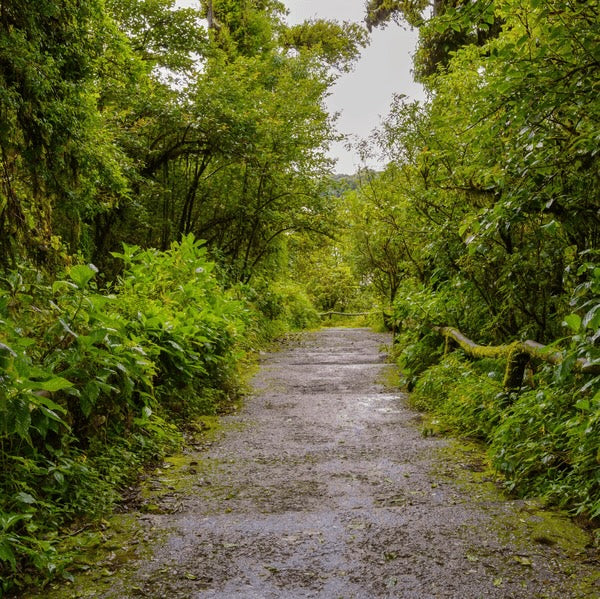
Corporate Tree Plantation Programs - Sustainable ESG Environmental Solutions for Net Zero Targets
Transform your organization's environmental impact with our comprehensive Corporate Tree Plantation Programs...
-
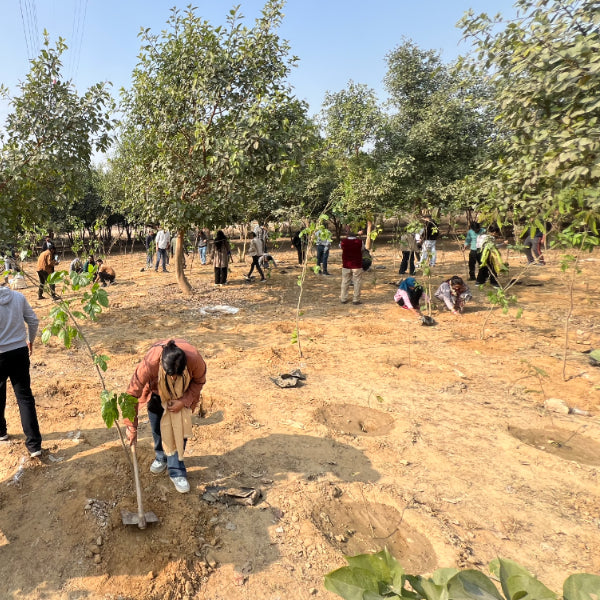
Tree Plantation by Location - Plant Trees Across India
Transform landscapes nationwide through our comprehensive tree plantation by location program. When...
Most Popular Tree Plantations - Top Choices for Environmental Impact
-
Trees for Mother
Regular price ₹ 299Regular priceUnit price per -
Trees to Honor the Memory of your Loved Ones
Regular price ₹ 299Regular priceUnit price per -
Trees for Wedding Anniversary Celebration
Regular price ₹ 299Regular priceUnit price per -
Trees for Grandmother
Regular price ₹ 299Regular priceUnit price per -
Trees for Grandfather
Regular price ₹ 299Regular priceUnit price per

Connect with us
-
👥 Corporates
If you are looking for:
- 🌲 Tree Plantation Events
- 📊 CSR Projects
📧 corporate@growbilliontrees.com
📞 +91 9699723523
💬 +91 9325931304 WhatsApp (Only)
🕒 Mon - Sat | 10am - 7pm IST
-
🧩 Tree Plantation NGOs
If you are looking for:
- 💰 Financial Assistance
- 🤝 Operational Support
📧 support@growbilliontrees.com
📞 +91 9699723523
💬 +91 9325931304 WhatsApp (Only)
🕒 Mon - Sat | 10am - 7pm IST
-
🌼 Individuals
If you are looking for:
- 👥 Group Tree Plantation Drive
- 🌳 Bulk Tree Plantation
📞 +91 9699723523
💬 +91 9325931304 WhatsApp (Only)
🕒 Mon - Sat | 10am - 7pm IST
