
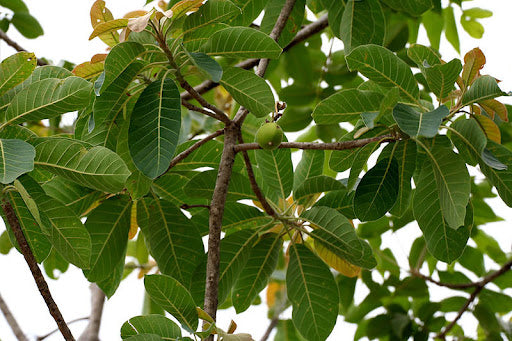
The Moha Tree, scientifically known as Madhuca indica, is a fascinating species cherished for its sweet flowers, medicinal properties, and ecological significance. Also known as the Mahua Tree, it has been an integral part of Indian culture, traditio Read more
Trending Tree Plantations - Most Popular Environmental Programs
-
Trees for Mother
Regular price ₹ 299Regular priceUnit price per -
Trees to Honor the Memory of your Loved Ones
Regular price ₹ 299Regular priceUnit price per -
Trees for Women's Day (8th Mar)
Regular price ₹ 299Regular priceUnit price per -
Trees for Wedding Anniversary Celebration
Regular price ₹ 299Regular priceUnit price per -
Trees for Grandmother
Regular price ₹ 299Regular priceUnit price per





Trees for Corporates - Achieve Net Zero Targets Through Strategic Tree Planting
-
 Project Closed
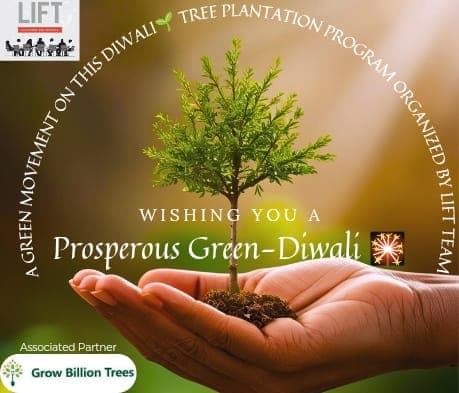
Trees by LIFT Team for Green Diwali: Transform Your Festival
Regular price ₹ 299Regular priceUnit price per -
Trees for a Greener Tomorrow - by Mahindra Lifespaces
Regular price ₹ 299Regular priceUnit price per -
Trees for Environment Day: Plant Your Impact on June 5th
Regular price ₹ 299Regular priceUnit price per -
 Project Closed
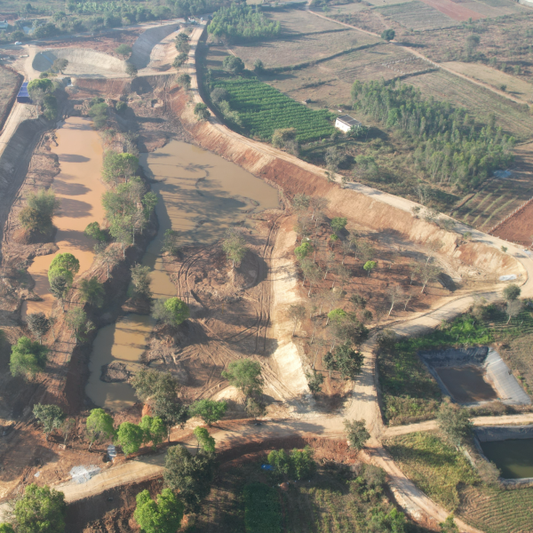
Trees for Bangalore: Plant Native Trees in Garden City ₹299
Regular price ₹ 799Regular priceUnit price per -
Trees for Employees: Transform Your Corporate Culture in 2026
Regular price ₹ 299Regular priceUnit price per

Moha Tree: Unveiling the Sweet Secrets and Healing Wonders of Nature’s
The Moha Tree, scientifically known as Madhuca indica, is a fascinating species cherished for its sweet flowers, medicinal properties, and ecological significance.
Also known as the Mahua Tree, it has been an integral part of Indian culture, tradition, and livelihoods for centuries.
This versatile tree offers a plethora of benefits, ranging from culinary uses to environmental contributions, making it a true treasure of nature. Let’s delve into the world of the Moha Tree and uncover its many wonders.
What is the Moha Tree?
The Moha Tree belongs to the Sapotaceae family and thrives in tropical and subtropical regions. It is a medium-to-large deciduous tree that grows up to 20 meters tall, with a dense, spreading canopy of green leaves.
Its fragrant, nectar-rich flowers and oil-yielding seeds make it a vital resource for local communities and ecosystems.
Historical and Cultural Significance
The Moha Tree has been revered in Indian culture for centuries. Its flowers, known for their sweetness, are used to make traditional drinks and sweets.
Tribes across India celebrate its blooming season with festivals and rituals. Ancient Ayurvedic texts highlight its role as a healer, using its bark, flowers, and seeds to treat a variety of ailments.
Fun Fact: The Moha Tree is often called the "Tree of Life" in tribal communities due to its ability to provide food, oil, and medicinal remedies.
Medicinal Properties of the Moha Tree
The Moha Tree is a powerhouse of medicinal benefits. Its flowers, seeds, and bark are rich in bioactive compounds like saponins, flavonoids, and tannins, offering a range of therapeutic properties.
- Skin Health: The oil extracted from its seeds is used to treat skin infections, rashes, and dryness, promoting a healthy complexion.
- Digestive Aid: Its flowers are known to improve digestion and treat constipation, acting as a natural digestive tonic.
- Anti-inflammatory: The tree’s bark reduces inflammation and relieves joint pain, making it effective for arthritis.
- Wound Healing: Extracts from its bark and seeds accelerate wound healing and prevent infections.
Scientific Backing
Studies published in the Journal of Ethnopharmacology confirm the Moha Tree’s anti-inflammatory, antimicrobial, and antioxidant properties. Research also highlights its potential in skincare and treating digestive disorders, validating its traditional uses in Ayurvedic medicine.
Environmental Impact
The Moha Tree is not just a source of sustenance but also plays a crucial role in maintaining ecological balance. Its dense canopy, deep roots, and nectar-rich flowers contribute significantly to biodiversity and climate resilience.
- Biodiversity Support: Its flowers attract pollinators like bees and butterflies, supporting vibrant ecosystems.
- Soil Stabilization: The tree’s roots prevent soil erosion and improve soil fertility, making it valuable in agroforestry systems.
- Carbon Sequestration: As a large tree, it absorbs carbon dioxide, helping mitigate climate change.
Fun Fact: The flowers of the Moha Tree are so nutrient-rich that they are used as animal feed in many rural areas.
Moha Tree in Tribal Livelihoods
For many tribal communities, the Moha Tree is a lifeline. Its flowers are harvested to make traditional beverages and sweets, while its seeds are pressed to extract oil used for cooking, skincare, and lamps.
The tree also provides timber, firewood, and natural remedies, making it an indispensable part of rural livelihoods.
Planting and Caring for the Moha Tree
- Soil: Thrives in well-drained loamy or sandy soils but can adapt to rocky and poor soils.
- Sunlight: Requires full sunlight for optimal growth and abundant flowering.
- Watering: Minimal watering is needed once established, making it drought-tolerant and low-maintenance.
- Pruning: Regular pruning ensures better growth, flowering, and canopy management.
Modern Applications
In addition to its traditional uses, the Moha Tree is gaining recognition in modern industries. Its oil is being explored for use in biofuels, cosmetics, and pharmaceuticals.
The tree’s flowers are used in gourmet cooking and natural sweeteners, while its role in reforestation and land restoration highlights its environmental significance.
Cultural Symbolism
The Moha Tree is a symbol of abundance, resilience, and community in Indian culture. Its flowering season is celebrated with tribal festivals that honor its contributions to food, health, and livelihoods.
The tree’s ability to thrive in harsh conditions and provide multiple resources makes it a metaphor for endurance and generosity.
Conservation and Sustainability
While the Moha Tree is resilient, habitat loss and overharvesting pose threats to its population.
Promoting sustainable harvesting practices and encouraging its cultivation in rural and urban areas can help preserve its ecological and economic value. Its inclusion in reforestation projects ensures its benefits are available for generations to come.
Conclusion
The Moha Tree is a timeless treasure, blending sweet culinary delights with healing properties and ecological contributions.
From its role in traditional medicine to its impact on biodiversity and rural economies, it stands as a true gift of nature. By celebrating and conserving this remarkable tree, we ensure its legacy continues to enrich lives and ecosystems for years to come.
You may also like
-
Gift a Tree - Meaningful Environmental Gifts That Make a Difference
Transform your gift-giving with meaningful environmental gifts that create lasting impact for...
-
Trees For Shiv Ji - Sacred Tree Planting to Honor Lord Shiva
Honor Lord Shiva through sacred tree planting with Trees For Shiv Ji,...
-

Tree Plantations for Shri Ram - Sacred Devotional Planting Services
Honor Lord Shri Ram through meaningful tree plantations for Shri Ram that...
-
Tree Plantation on Navratri - Celebrate Divine Festivals with Environmental Devotion
Tree plantation on Navratri transforms the sacred nine-day festival into a powerful...
-
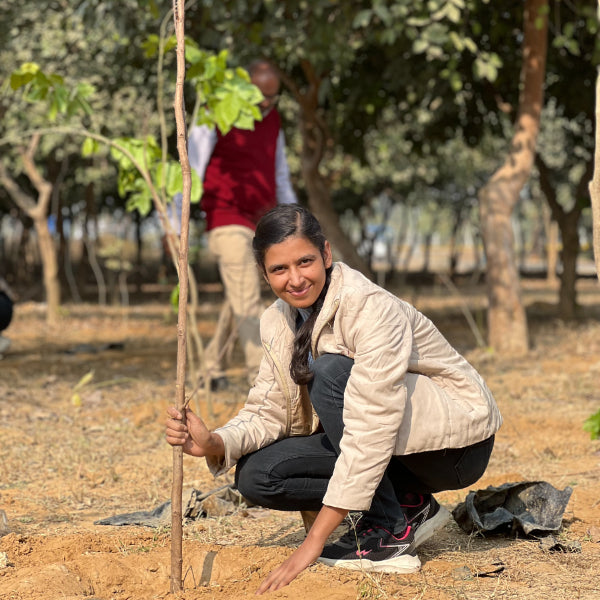
Tree Plantation by Cause - Plant Trees for Every Purpose | Grow Billion Trees
Transform your environmental impact with purpose-driven tree plantation by cause programs that...
Corporate Plantations
-
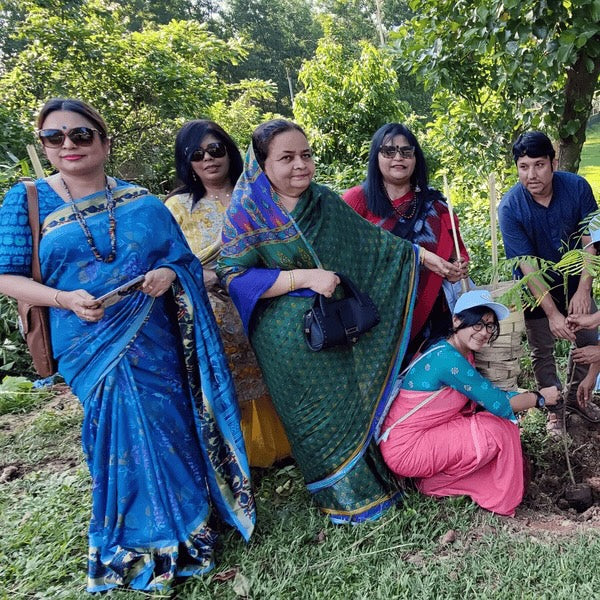
Trees for Corporates - Achieve Net Zero Targets Through Strategic Tree Planting
Trees for Corporates - Strategic Environmental SolutionsTransform your corporate environmental impact with...
-
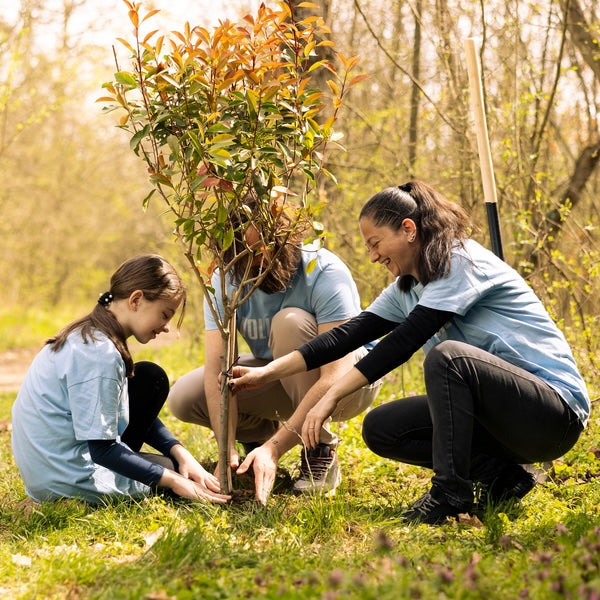
Tree Plantation for CSR - Corporate Environmental Programs | Grow Billion Trees
Tree Plantation for CSR - Transform Your Corporate Environmental ImpactTree plantation for...
-
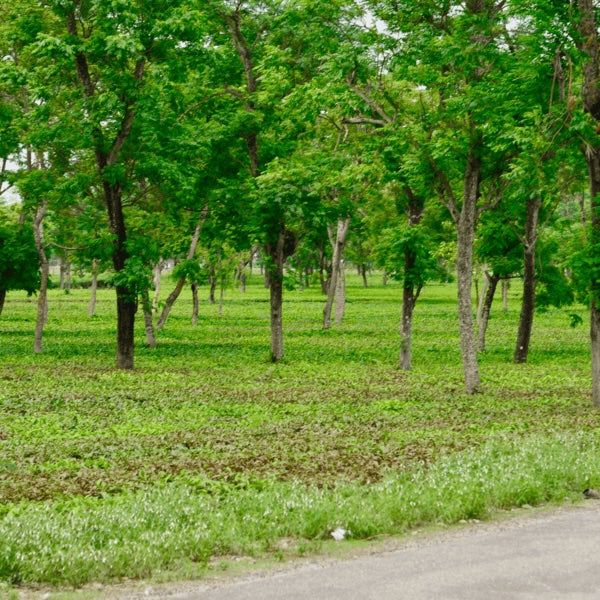
Tree Plantation for SDG - Support Sustainable Development Goals
Tree plantation for SDG initiatives represents a powerful pathway to achieving multiple...
-
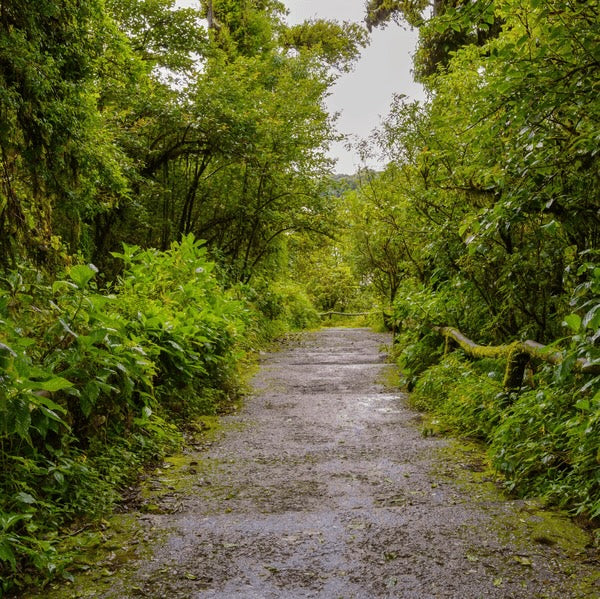
Corporate Tree Plantation Programs - Sustainable ESG Environmental Solutions for Net Zero Targets
Transform your organization's environmental impact with our comprehensive Corporate Tree Plantation Programs...
-
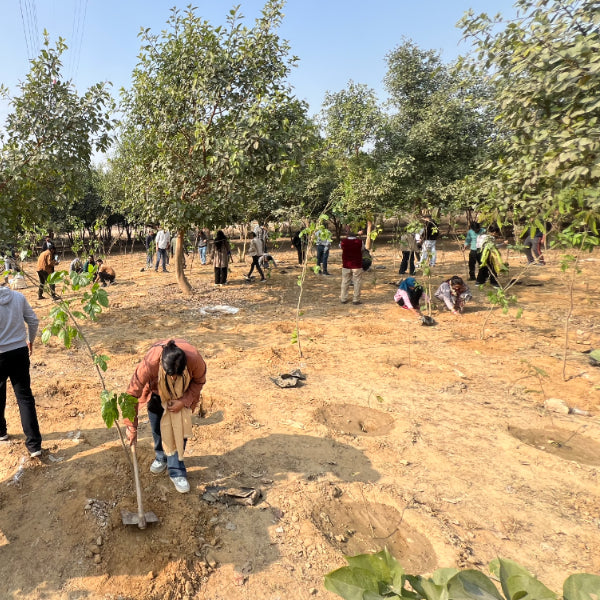
Tree Plantation by Location - Plant Trees Across India
Transform landscapes nationwide through our comprehensive tree plantation by location program. When...
Most Popular Tree Plantations - Top Choices for Environmental Impact
-
Trees for Mother
Regular price ₹ 299Regular priceUnit price per -
Trees to Honor the Memory of your Loved Ones
Regular price ₹ 299Regular priceUnit price per -
Trees for Wedding Anniversary Celebration
Regular price ₹ 299Regular priceUnit price per -
Trees for Grandmother
Regular price ₹ 299Regular priceUnit price per -
Trees for Grandfather
Regular price ₹ 299Regular priceUnit price per

Connect with us
-
👥 Corporates
If you are looking for:
- 🌲 Tree Plantation Events
- 📊 CSR Projects
📧 corporate@growbilliontrees.com
📞 +91 9699723523
💬 +91 9325931304 WhatsApp (Only)
🕒 Mon - Sat | 10am - 7pm IST
-
🧩 Tree Plantation NGOs
If you are looking for:
- 💰 Financial Assistance
- 🤝 Operational Support
📧 support@growbilliontrees.com
📞 +91 9699723523
💬 +91 9325931304 WhatsApp (Only)
🕒 Mon - Sat | 10am - 7pm IST
-
🌼 Individuals
If you are looking for:
- 👥 Group Tree Plantation Drive
- 🌳 Bulk Tree Plantation
📞 +91 9699723523
💬 +91 9325931304 WhatsApp (Only)
🕒 Mon - Sat | 10am - 7pm IST
