
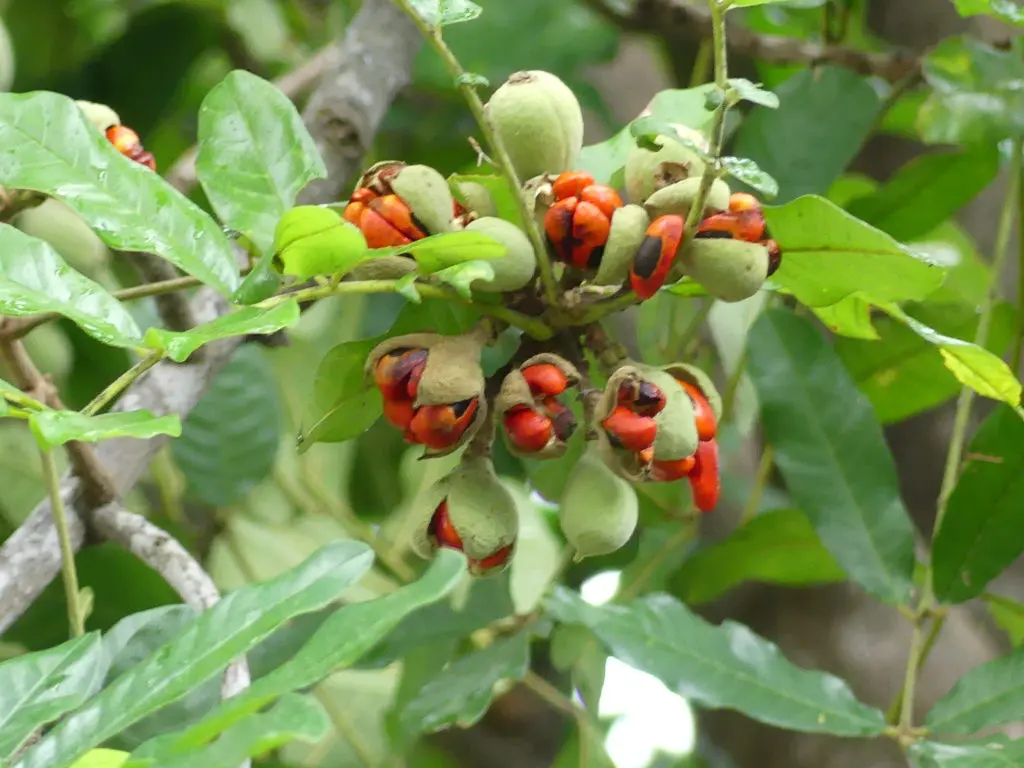
The Natal Mahogany tree stands as one of Africa's most magnificent native species, offering unparalleled beauty, ecological benefits, and sustainable timber solutions. This remarkable tree, scientifically known as Trichilia emetica, has captured glob Read more
Trending Tree Plantations - Most Popular Environmental Programs
-
Trees for Mother
Regular price ₹ 299Regular priceUnit price per -
Trees to Honor the Memory of your Loved Ones
Regular price ₹ 299Regular priceUnit price per -
Trees for Women's Day (8th Mar)
Regular price ₹ 299Regular priceUnit price per -
Trees for Wedding Anniversary Celebration
Regular price ₹ 299Regular priceUnit price per -
Trees for Grandmother
Regular price ₹ 299Regular priceUnit price per





Trees for Corporates - Achieve Net Zero Targets Through Strategic Tree Planting
-
 Project Closed
Trees by LIFT Team for Green Diwali: Transform Your Festival
Regular price ₹ 299Regular priceUnit price per -
Trees for a Greener Tomorrow - by Mahindra Lifespaces
Regular price ₹ 299Regular priceUnit price per -
Trees for Environment Day: Plant Your Impact on June 5th
Regular price ₹ 299Regular priceUnit price per -
 Project Closed
Trees for Bangalore: Plant Native Trees in Garden City ₹299
Regular price ₹ 799Regular priceUnit price per -
Trees for Employees: Transform Your Corporate Culture in 2026
Regular price ₹ 299Regular priceUnit price per


Natal Mahogany Tree: Beauty, Benefits & Sustainable Growth Guide
The Natal Mahogany tree stands as one of Africa's most magnificent native species, offering unparalleled beauty, ecological benefits, and sustainable timber solutions. This remarkable tree, scientifically known as Trichilia emetica, has captured global attention for its ability to combat climate change while providing valuable resources to local communities.
The Natal Mahogany tree, scientifically known as Trichilia emetica, is a remarkable species native to the subtropical regions of Africa. Renowned for its striking beauty, valuable timber, and ecological benefits, the Natal Mahogany has captured the attention of environmentalists, woodworkers, and nature enthusiasts alike.
✅ Understanding the Natal Mahogany Tree
The Natal Mahogany tree is a member of the Meliaceae family, which includes other valuable hardwood species. It can grow up to 30 meters in height, with a trunk that can reach a diameter of more than 1 meter. The tree is characterized by its broad, evergreen leaves, which can grow up to 25 cm long, and its clusters of small, fragrant white flowers that bloom from late spring to early summer.
After flowering, the tree produces small, round fruits that contain seeds, which are often dispersed by birds and other wildlife. This natural distribution system makes the Natal Mahogany tree an integral part of forest ecosystems across southern Africa.
⭐ Key Characteristics of Natal Mahogany
- Height: Up to 30 meters tall
- Trunk diameter: Over 1 meter
- Leaves: Broad, evergreen, up to 25 cm long
- Flowers: Small, fragrant, white clusters
- Fruits: Small, round, wildlife-friendly
- Lifespan: Over 100 years
🌍 Scientific Benefits of the Natal Mahogany Tree
The Natal Mahogany tree is not only a beautiful addition to any landscape but also offers numerous ecological benefits. One of the most significant advantages is its ability to sequester carbon dioxide, helping mitigate climate change. A mature Natal Mahogany tree can absorb approximately 22 kg of CO2 annually, contributing to cleaner air and a healthier environment.
According to the United Nations Climate Change initiative, trees like the Natal Mahogany play a crucial role in achieving global climate targets. Their carbon sequestration capacity makes them valuable allies in the fight against global warming.
Moreover, the tree provides habitat and food for various wildlife species. Its flowers attract pollinators such as bees and butterflies, while its fruits serve as a food source for birds and small mammals. This biodiversity is crucial for maintaining healthy ecosystems, making the Natal Mahogany a keystone species in its native habitat.
💡 Environmental Benefits Include:
- Carbon sequestration (22 kg CO2 annually per mature tree)
- Soil erosion prevention
- Wildlife habitat creation
- Pollinator support
- Air purification
- Microclimate regulation
📜 Historical Significance and Cultural Importance
The Natal Mahogany tree has a rich history, particularly in the regions of southern Africa where it is indigenous. Historically, it has been used by local communities for various purposes, including traditional medicine, construction, and crafting. The wood of the Natal Mahogany is prized for its durability and beautiful grain, making it a sought-after material for furniture and cabinetry.
In many African cultures, the Natal Mahogany tree is seen as a symbol of strength and resilience. It is often associated with traditional rituals and ceremonies, further embedding it into the cultural fabric of the communities that rely on it. The tree's aesthetic appeal and historical significance have led to its inclusion in various local folklore and traditions, cementing its status as a beloved species.
⚠️ Environmental Impact and Sustainability Challenges
Despite its many benefits, the Natal Mahogany tree faces threats from deforestation, habitat loss, and climate change. The World Wildlife Fund reports that unsustainable logging practices have led to a decline in its population in some areas, prompting the need for conservation efforts.
Sustainable growth practices are essential to ensure that this species continues to thrive in its natural habitat. One effective method of promoting sustainable growth is through agroforestry, which integrates trees into agricultural landscapes. This approach not only enhances biodiversity but also improves soil health and reduces erosion.
→ Sustainable Solutions for Natal Mahogany Conservation
- Agroforestry integration: Combining trees with crops
- Community-based forestry: Local stewardship programs
- Selective harvesting: Sustainable timber practices
- Reforestation initiatives: Active replanting programs
- Protected area establishment: Conservation zones
🌱 Grow Billion Trees: Leading Sustainable Growth
Organizations like Grow Billion Trees are at the forefront of promoting sustainable forestry practices and the growth of native tree species, including the Natal Mahogany. Our mission to Plant a tree in your Name for just ₹299 includes comprehensive care with our 4ft Tree Planting + 3 Years Care + GeoTag technology.
Through our commitment to planting 100 crore trees across India, we're Combating Climate Change Through Collective Action and helping organizations achieve their Net Zero Targets. While the Natal Mahogany is native to Africa, our sustainable forestry principles and conservation methods can be applied globally to protect valuable species like this magnificent tree.
The United Nations Environment Programme emphasizes the importance of forest conservation initiatives that combine local community engagement with scientific approaches to tree preservation and sustainable growth.
🎯 Modern Conservation Efforts
Contemporary conservation efforts for the Natal Mahogany tree focus on several key strategies. These include establishing seed banks to preserve genetic diversity, implementing sustainable harvesting quotas, and developing alternative income sources for communities dependent on timber harvesting.
Research institutions are also working to understand the tree's growth patterns, optimal planting conditions, and resistance to climate change impacts. This scientific approach ensures that conservation efforts are based on solid evidence and have the best chance of long-term success.
Conservation Strategy Components:
- Genetic diversity preservation through seed banking
- Sustainable harvesting quota systems
- Alternative livelihood development for communities
- Climate adaptation research
- Habitat restoration projects
- Educational outreach programs
🏗️ Commercial Uses and Economic Value
The Natal Mahogany tree provides significant economic value through its high-quality timber. The wood is renowned for its beautiful grain patterns, durability, and workability, making it highly prized for furniture making, cabinetry, and decorative woodwork. However, sustainable harvesting practices are crucial to ensure the species' long-term survival.
Beyond timber, the tree offers additional economic opportunities through ecotourism, carbon credit programs, and non-timber forest products. These alternative revenue streams can provide communities with sustainable income while preserving the forest ecosystem.
🌿 Cultivation and Care Guidelines
Successfully growing Natal Mahogany trees requires understanding their specific needs and environmental preferences. These trees thrive in subtropical climates with well-drained soils and adequate rainfall. They prefer partial shade when young but can tolerate full sun as they mature.
💡 Cultivation Tips for Success:
- Soil: Well-drained, fertile soils with pH 6.0-7.5
- Water: Regular watering during establishment, drought-tolerant when mature
- Light: Partial shade for seedlings, full sun for mature trees
- Temperature: Subtropical to tropical climates
- Spacing: 8-10 meters apart for optimal growth
- Fertilization: Organic compost and balanced fertilizers
Frequently Asked Questions
What is the Natal Mahogany tree's scientific name?
The Natal Mahogany tree's scientific name is Trichilia emetica, and it belongs to the Meliaceae family of trees.
How long does a Natal Mahogany tree live?
Natal Mahogany trees can live for over 100 years, making them excellent long-term investments for reforestation and conservation projects.
What are the main threats to Natal Mahogany trees?
The primary threats include deforestation, unsustainable logging practices, habitat loss, and climate change impacts on their natural ecosystems.
How much CO2 can a mature Natal Mahogany tree absorb?
A mature Natal Mahogany tree can absorb approximately 22 kg of CO2 annually, contributing significantly to carbon sequestration efforts.
What wildlife benefits from Natal Mahogany trees?
The trees support various wildlife including pollinators like bees and butterflies through their flowers, and birds and small mammals through their fruits.
Can Natal Mahogany trees be grown outside Africa?
While native to Africa, Natal Mahogany trees can potentially be cultivated in similar subtropical climates with proper care and environmental conditions.
What makes Natal Mahogany wood valuable?
The wood is prized for its durability, beautiful grain patterns, and workability, making it excellent for furniture, cabinetry, and decorative applications.
How can communities benefit from Natal Mahogany conservation?
Communities can benefit through sustainable timber harvesting, ecotourism opportunities, carbon credit programs, and traditional medicine applications.
What role does the Natal Mahogany play in ecosystems?
As a keystone species, it provides habitat, supports biodiversity, prevents soil erosion, and maintains ecological balance in its native ecosystems.
How can individuals support Natal Mahogany conservation?
Individuals can support conservation by choosing sustainably sourced wood products, supporting reforestation organizations, and raising awareness about the species' importance.The Natal Mahogany tree represents a perfect example of how nature's beauty and ecological function can coexist with human needs when managed sustainably. By understanding its secrets and implementing responsible conservation practices, we can ensure this magnificent species continues to thrive for generations to come. Discover how you can contribute to global reforestation efforts and make a lasting impact on our planet's future.
You may also like
-
Gift a Tree - Meaningful Environmental Gifts That Make a Difference
Transform your gift-giving with meaningful environmental gifts that create lasting impact for...
-

Trees For Shiv Ji - Sacred Tree Planting to Honor Lord Shiva
Honor Lord Shiva through sacred tree planting with Trees For Shiv Ji,...
-

Tree Plantations for Shri Ram - Sacred Devotional Planting Services
Honor Lord Shri Ram through meaningful tree plantations for Shri Ram that...
-
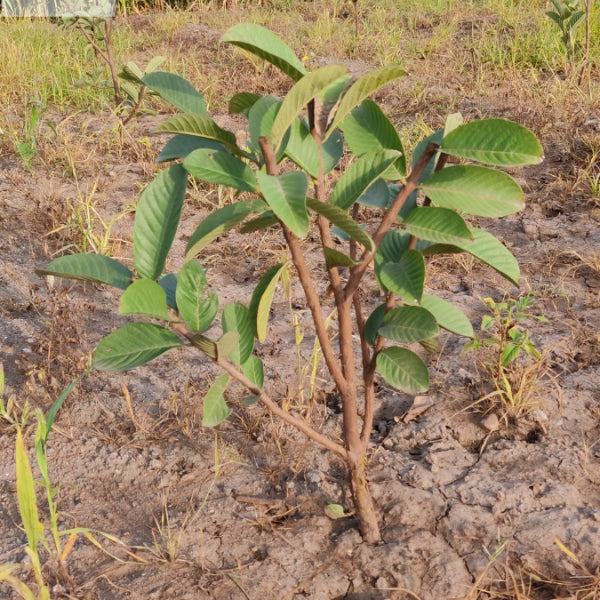
Tree Plantation on Navratri - Celebrate Divine Festivals with Environmental Devotion
Tree plantation on Navratri transforms the sacred nine-day festival into a powerful...
-
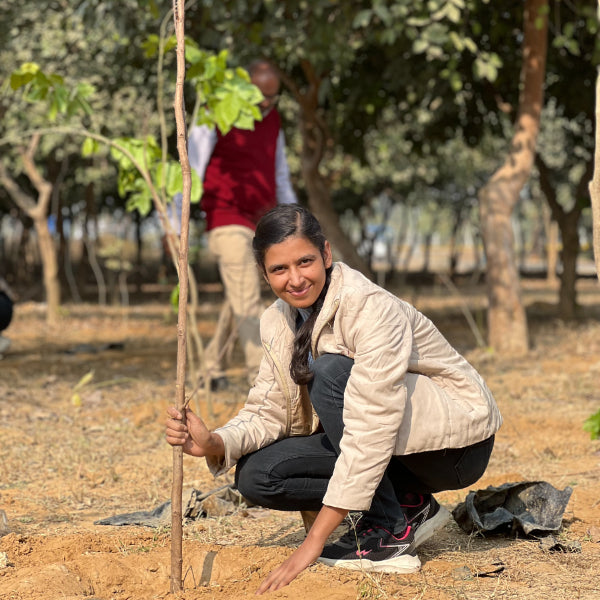
Tree Plantation by Cause - Plant Trees for Every Purpose | Grow Billion Trees
Transform your environmental impact with purpose-driven tree plantation by cause programs that...
Corporate Plantations
-
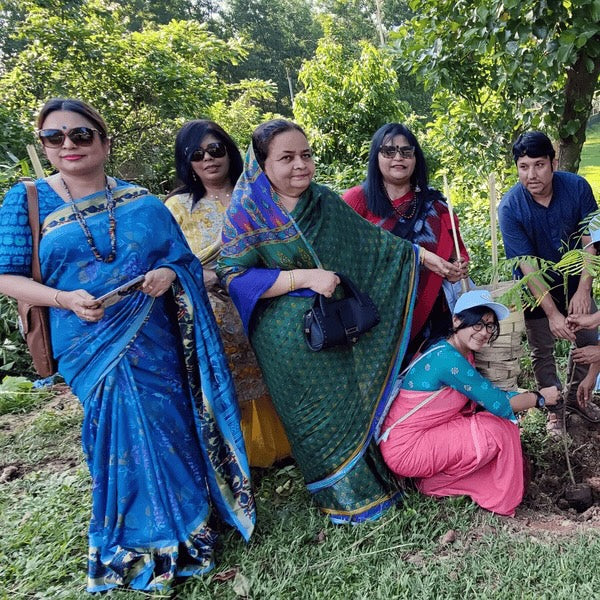
Trees for Corporates - Achieve Net Zero Targets Through Strategic Tree Planting
Trees for Corporates - Strategic Environmental SolutionsTransform your corporate environmental impact with...
-
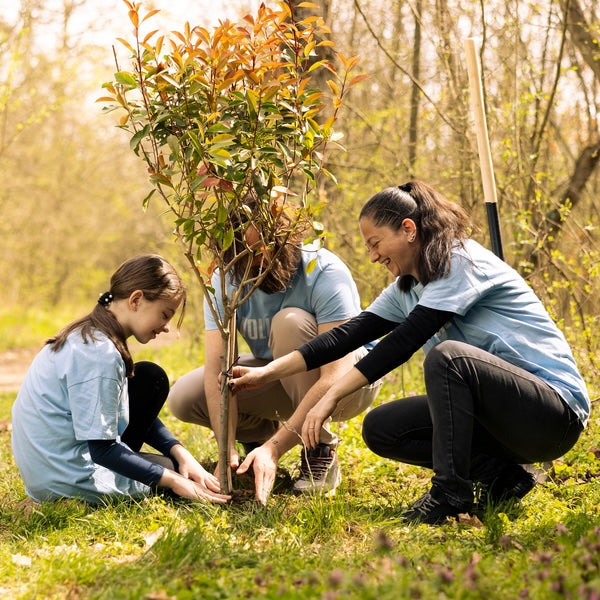
Tree Plantation for CSR - Corporate Environmental Programs | Grow Billion Trees
Tree Plantation for CSR - Transform Your Corporate Environmental ImpactTree plantation for...
-
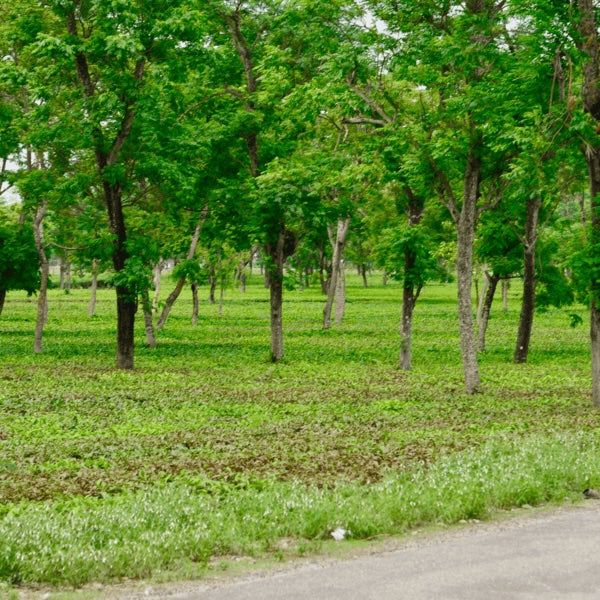
Tree Plantation for SDG - Support Sustainable Development Goals
Tree plantation for SDG initiatives represents a powerful pathway to achieving multiple...
-

Corporate Tree Plantation Programs - Sustainable ESG Environmental Solutions for Net Zero Targets
Transform your organization's environmental impact with our comprehensive Corporate Tree Plantation Programs...
-
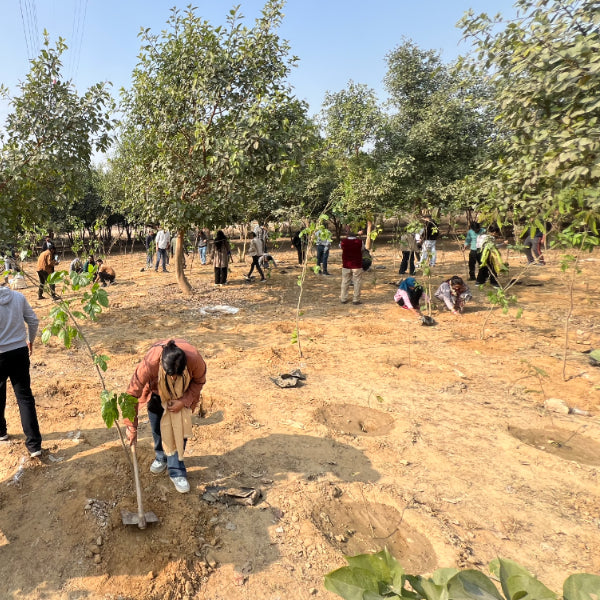
Tree Plantation by Location - Plant Trees Across India
Transform landscapes nationwide through our comprehensive tree plantation by location program. When...
Most Popular Tree Plantations - Top Choices for Environmental Impact
-
Trees for Mother
Regular price ₹ 299Regular priceUnit price per -
Trees to Honor the Memory of your Loved Ones
Regular price ₹ 299Regular priceUnit price per -
Trees for Wedding Anniversary Celebration
Regular price ₹ 299Regular priceUnit price per -
Trees for Grandmother
Regular price ₹ 299Regular priceUnit price per -
Trees for Grandfather
Regular price ₹ 299Regular priceUnit price per

Connect with us
-
👥 Corporates
If you are looking for:
- 🌲 Tree Plantation Events
- 📊 CSR Projects
📧 corporate@growbilliontrees.com
📞 +91 9699723523
💬 +91 9325931304 WhatsApp (Only)
🕒 Mon - Sat | 10am - 7pm IST
-
🧩 Tree Plantation NGOs
If you are looking for:
- 💰 Financial Assistance
- 🤝 Operational Support
📧 support@growbilliontrees.com
📞 +91 9699723523
💬 +91 9325931304 WhatsApp (Only)
🕒 Mon - Sat | 10am - 7pm IST
-
🌼 Individuals
If you are looking for:
- 👥 Group Tree Plantation Drive
- 🌳 Bulk Tree Plantation
📞 +91 9699723523
💬 +91 9325931304 WhatsApp (Only)
🕒 Mon - Sat | 10am - 7pm IST
