
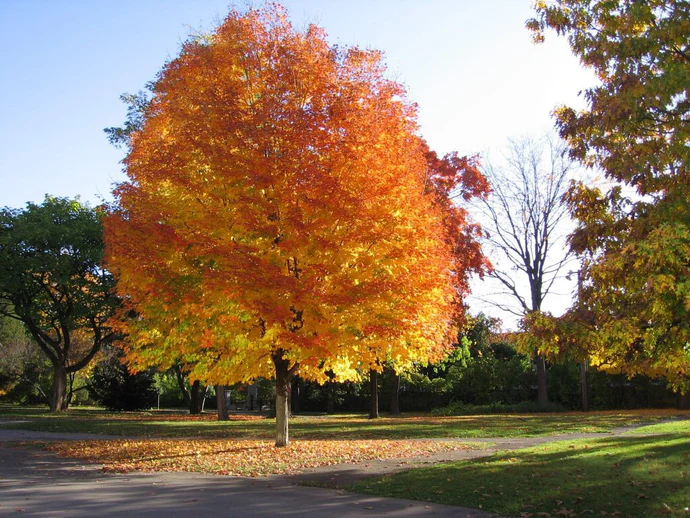
The Norway Maple Tree stands as one of nature's most magnificent specimens, offering exceptional beauty and environmental benefits for conscious gardeners. Our experience with these remarkable trees has shown they provide stunning seasonal displays w Read more
Trending Tree Plantations - Most Popular Environmental Programs
-
Trees for Mother
Regular price ₹ 299Regular priceUnit price per -
Trees to Honor the Memory of your Loved Ones
Regular price ₹ 299Regular priceUnit price per -
Trees for Women's Day (8th Mar)
Regular price ₹ 299Regular priceUnit price per -
Trees for Wedding Anniversary Celebration
Regular price ₹ 299Regular priceUnit price per -
Trees for Grandmother
Regular price ₹ 299Regular priceUnit price per



Trees for Corporates - Achieve Net Zero Targets Through Strategic Tree Planting
-
 Project Closed
Trees by LIFT Team for Green Diwali: Transform Your Festival
Regular price ₹ 299Regular priceUnit price per -
Trees for a Greener Tomorrow - by Mahindra Lifespaces
Regular price ₹ 299Regular priceUnit price per -
Trees for Environment Day: Plant Your Impact on June 5th
Regular price ₹ 299Regular priceUnit price per -
Trees for Employees: Transform Your Corporate Culture in 2026
Regular price ₹ 299Regular priceUnit price per -
 Project Closed
Trees for Bangalore: Plant Native Trees in Garden City ₹299
Regular price ₹ 799Regular priceUnit price per

Norway Maple Tree: Ultimate Guide to Beauty, Benefits & Care
The Norway Maple Tree stands as one of nature's most magnificent specimens, offering exceptional beauty and environmental benefits for conscious gardeners. Our experience with these remarkable trees has shown they provide stunning seasonal displays while contributing to sustainable landscaping practices. At Grow Billion Trees, we've witnessed firsthand how Norway Maples transform urban spaces into green sanctuaries. These wonderful trees combine aesthetic appeal with practical environmental benefits, making them perfect for eco-friendly landscaping projects.
What Makes Norway Maple Trees Special
Norway Maple trees (Acer platanoides) originate from eastern and northern Europe, thriving in diverse climates worldwide. These magnificent specimens can reach heights of 40-60 feet with impressive canopy spreads. Their distinctive five-lobed leaves create stunning visual impact throughout growing seasons. The trees produce small, yellow-green flowers in early spring before leaves emerge.
The bark develops attractive furrowed patterns as trees mature, adding winter interest to landscapes. Norway Maples adapt exceptionally well to urban environments, tolerating pollution and compacted soils. Their dense canopy provides excellent shade, making them popular choices for parks and residential areas. We love how these trees contribute to creating natural cooling systems in urban heat islands.
Environmental Benefits of Norway Maple Trees
Norway Maple trees offer tremendous environmental advantages that align with sustainable living practices. A single mature tree can absorb approximately 48 pounds of carbon dioxide annually, supporting climate change mitigation efforts. According to the United Nations Climate Change initiative, urban forests play crucial roles in reducing greenhouse gas emissions.
These natural air purifiers remove pollutants including nitrogen dioxide, sulfur dioxide, and particulate matter from surrounding air. Our team has observed how Norway Maples improve local air quality in densely populated areas. They also prevent soil erosion with extensive root systems that stabilize ground surfaces. The trees provide habitat for various wildlife species, supporting biodiversity in urban ecosystems.
Stormwater management represents another significant benefit, as mature trees intercept substantial rainfall amounts. This natural water management reduces flooding risks while filtering runoff before it reaches water systems. The cooling effect from transpiration can lower surrounding temperatures by 2-8 degrees Fahrenheit.
Seasonal Beauty and Landscape Value
Spring welcomes Norway Maples with clusters of bright yellow flowers that appear before leaves unfold. The emerging foliage displays fresh green colors that create vibrant spring landscapes. Summer brings dense, lush canopies that provide welcome shade and cooling effects. The leaves maintain their rich green color throughout hot summer months.
Autumn transforms Norway Maples into spectacular displays of golden-yellow foliage that brightens entire neighborhoods. This seasonal transformation makes them highly valued ornamental trees for residential and commercial properties. Winter reveals the tree's elegant branching structure and attractive bark patterns. Even without leaves, Norway Maples maintain visual interest through their graceful silhouettes.
Property values often increase significantly when mature Norway Maples grace landscapes. Real estate studies from 2026 indicate that well-maintained trees can boost property values by 10-15%. Their consistent performance across seasons makes them excellent long-term landscape investments.
✅ Optimal Growing Conditions
Norway Maple trees thrive in USDA hardiness zones 3-7, adapting to diverse climatic conditions. They prefer well-drained soils but tolerate various soil types including clay, loam, and sandy compositions. Full sun to partial shade locations provide ideal growing conditions for healthy development. These adaptable trees handle urban pollution better than many other maple species.
Soil pH ranges from 6.0-7.5 work best, though Norway Maples tolerate slightly alkaline conditions. Adequate moisture during establishment years ensures strong root development and future resilience. Our experience shows that consistent watering for the first two years promotes vigorous growth. Mature trees demonstrate excellent drought tolerance once established.
Space requirements include 30-40 feet between trees to accommodate full canopy development. Consider overhead power lines and underground utilities when selecting planting locations. The United Nations Environment Programme on Forests emphasizes proper tree placement for sustainable urban forestry.
💡 Planting Your Norway Maple Tree
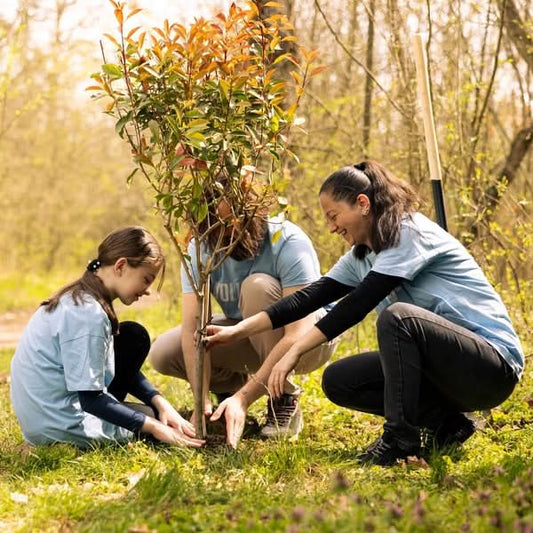
Spring and fall represent optimal planting seasons when temperatures remain moderate and rainfall increases naturally. Dig planting holes twice as wide as root balls but no deeper than existing soil levels. This prevents settling that could bury root flares and cause future problems. Remove any circling roots that might restrict future growth patterns.
Backfill with native soil rather than amendments, allowing roots to adapt to surrounding conditions. Water thoroughly after planting to eliminate air pockets around root systems. Apply 2-3 inches of organic mulch around the base, keeping mulch away from trunk areas. This conserves moisture while preventing weed competition during establishment.
Staking may be necessary in windy locations, but remove supports after one growing season. Our team ensures proper planting techniques that promote healthy root development and long-term success. Young trees benefit from protection against lawn mower damage and string trimmer injuries.
Essential Care and Maintenance Tips
Regular watering during dry periods supports healthy growth, especially for newly planted specimens. Deep, infrequent watering encourages deep root development rather than shallow surface roots. Monitor soil moisture levels and adjust watering schedules based on rainfall patterns. Established trees typically require minimal supplemental irrigation.
Annual fertilization with balanced, slow-release fertilizers promotes vigorous growth and vibrant foliage. Apply fertilizer in early spring before new growth begins for best results. Organic compost applications improve soil structure while providing gentle nutrient release. Avoid over-fertilization that can stimulate excessive growth and reduce tree stability.
Pruning should focus on removing dead, damaged, or crossing branches during dormant seasons. Young trees benefit from structural pruning that establishes strong branch architecture. Remove water sprouts and suckers that compete with main trunk development. Professional arborists can provide guidance for major pruning decisions.
⭐ Common Challenges and Solutions
Verticillium wilt represents the most serious disease threat to Norway Maple trees. This soil-borne fungal infection causes branch dieback and can be fatal if left untreated. Early symptoms include wilting leaves on individual branches during growing seasons. Professional diagnosis and treatment provide the best chances for tree survival.
Aphid infestations occasionally affect new growth, causing leaf curling and sticky honeydew deposits. Natural predators usually control populations, but severe infestations may require intervention. Insecticidal soaps provide effective, eco-friendly treatment options for persistent problems. Regular monitoring helps detect issues before they become serious threats.
Root competition can limit understory plantings, as Norway Maples develop dense, shallow root systems. Choose shade-tolerant groundcovers that thrive in competitive root environments. Mulching reduces competition while maintaining soil moisture and temperature stability. Consider raised planting beds for flowers and shrubs near mature trees.
Varieties and Cultivars to Consider
'Crimson King' produces deep purple-red foliage that maintains color throughout growing seasons. This striking variety creates dramatic focal points in landscape designs. 'Emerald Queen' offers rapid growth rates and excellent urban tolerance characteristics. The cultivar maintains consistent green foliage with reliable autumn color changes.
'Royal Red' combines burgundy leaves with compact growth habits suitable for smaller spaces. This variety works well in residential landscapes where space limitations exist. 'Schwedleri' displays reddish-purple spring foliage that transitions to green during summer months. Each cultivar offers unique characteristics while maintaining the species' fundamental benefits.
Selection should consider mature size, growth rate, and specific landscape requirements. Local nurseries can provide guidance on varieties that perform best in regional conditions. Our partners recommend choosing cultivars that complement existing landscape themes and color schemes.
Norway Maples in Sustainable Landscaping
These magnificent trees align perfectly with sustainable landscaping principles that prioritize environmental stewardship. Their natural pest resistance reduces the need for chemical treatments that can harm beneficial insects. The dense canopy provides natural cooling that reduces energy consumption for air conditioning. According to the United Nations Sustainable Development Goals, urban trees contribute significantly to sustainable city development.
Norway Maples support local ecosystems by providing nesting sites and food sources for birds and small mammals. Their flowers attract pollinators during early spring when few other nectar sources are available. The trees contribute to carbon sequestration efforts that help combat climate change impacts. Leaf litter creates natural mulch that enriches soil organic matter content.
Integration with native plant communities creates diverse, resilient landscapes that thrive with minimal inputs. We ensure our planting programs consider ecological relationships that benefit entire landscape systems. These wonderful trees demonstrate how ornamental landscaping can support broader environmental goals.
Frequently Asked Questions
How fast do Norway Maple trees grow?
Norway Maple trees typically grow 12-18 inches annually under optimal conditions. Young trees may grow faster during their first decade, then slow to moderate rates. Mature height of 40-60 feet is usually reached within 20-30 years. Growth rates depend on soil conditions, water availability, and climate factors.
Are Norway Maple trees invasive?
Norway Maples can be invasive in some regions, particularly in natural forest areas. They produce abundant seedlings that may outcompete native species. Check local regulations before planting, as some areas restrict their use. Choose sterile cultivars where invasiveness is a concern.
When do Norway Maples change color in fall?
Autumn color typically begins in mid to late October, depending on climate conditions. The timing varies based on temperature patterns and daylight hours. Northern regions usually see earlier color changes than southern areas. Peak color lasts 2-3 weeks under ideal weather conditions.
How much space do Norway Maple trees need?
Plant Norway Maples 30-40 feet apart to accommodate full canopy development. Consider mature spread of 25-35 feet when planning landscape placement. Allow adequate clearance from buildings, power lines, and other structures. Proper spacing prevents overcrowding and competition issues.
Do Norway Maple trees require special soil conditions?
These adaptable trees tolerate various soil types including clay, loam, and sandy soils. Well-drained conditions prevent root rot and other moisture-related problems. Soil pH between 6.0-7.5 provides optimal growing conditions. They handle urban soils better than many other tree species.
Can Norway Maples survive drought conditions?
Established Norway Maples demonstrate excellent drought tolerance after their first few years. Deep root systems access moisture from lower soil layers during dry periods. Young trees require regular watering until root systems develop fully. Mulching helps conserve soil moisture during drought stress.
What pests commonly affect Norway Maple trees?
Aphids represent the most common pest issue, particularly on new growth. Scale insects occasionally infest branches and trunk areas. Verticillium wilt poses the greatest disease threat to tree health. Regular monitoring and proper care prevent most serious problems.
How long do Norway Maple trees live?
Norway Maple trees typically live 60-150 years with proper care and favorable conditions. Urban specimens may have shorter lifespans due to environmental stresses. Regular maintenance and professional care extend tree longevity significantly. Mature specimens become increasingly valuable landscape assets over time.
Plant Your Norway Maple Tree Today
Norway Maple trees offer incredible beauty, environmental benefits, and long-term value for conscious property owners. These magnificent specimens transform ordinary landscapes into extraordinary green spaces that support sustainable living. Our experience shows that proper planting and care ensure decades of enjoyment and environmental contribution.
At Grow Billion Trees, we're passionate about helping you create beautiful, sustainable landscapes that make a positive impact. Plant a tree in your Name for just ₹299 and join our mission of Combating Climate Change Through Collective Action. Every Norway Maple contributes to our goal of planting 100 crore trees across India by 2030.
Ready to welcome a Norway Maple into your landscape? Explore our tree planting services and discover how easy it is to transform your property while supporting environmental restoration. Together, we can nurture a greener, more sustainable future for generations to come.
You may also like
-
Gift a Tree - Meaningful Environmental Gifts That Make a Difference
Transform your gift-giving with meaningful environmental gifts that create lasting impact for...
-
Trees For Shiv Ji - Sacred Tree Planting to Honor Lord Shiva
Honor Lord Shiva through sacred tree planting with Trees For Shiv Ji,...
-

Tree Plantations for Shri Ram - Sacred Devotional Planting Services
Honor Lord Shri Ram through meaningful tree plantations for Shri Ram that...
-
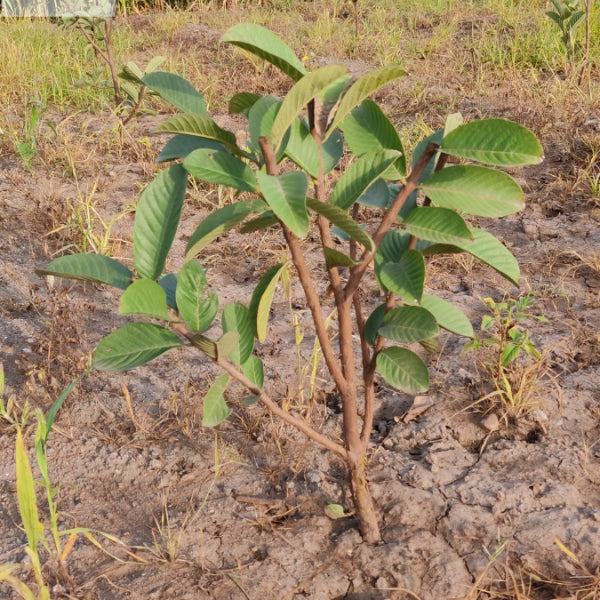
Tree Plantation on Navratri - Celebrate Divine Festivals with Environmental Devotion
Tree plantation on Navratri transforms the sacred nine-day festival into a powerful...
-
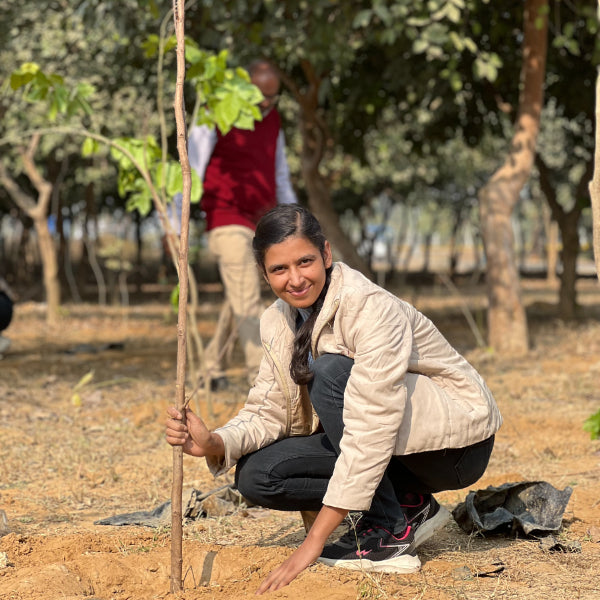
Tree Plantation by Cause - Plant Trees for Every Purpose | Grow Billion Trees
Transform your environmental impact with purpose-driven tree plantation by cause programs that...
Corporate Plantations
-
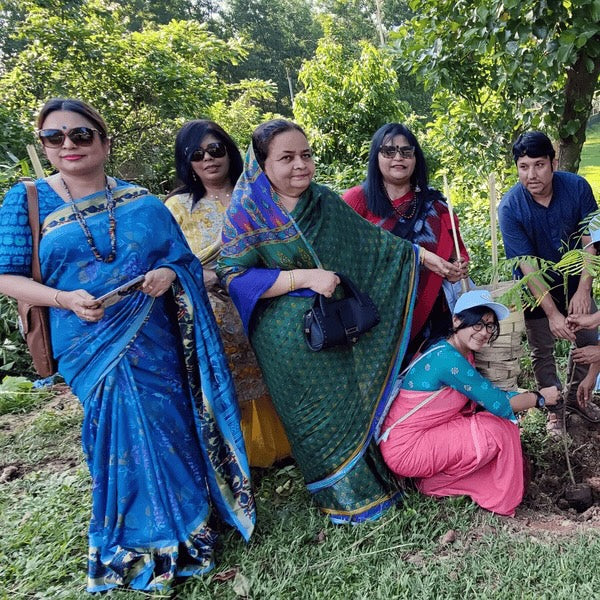
Trees for Corporates - Achieve Net Zero Targets Through Strategic Tree Planting
Trees for Corporates - Strategic Environmental SolutionsTransform your corporate environmental impact with...
-
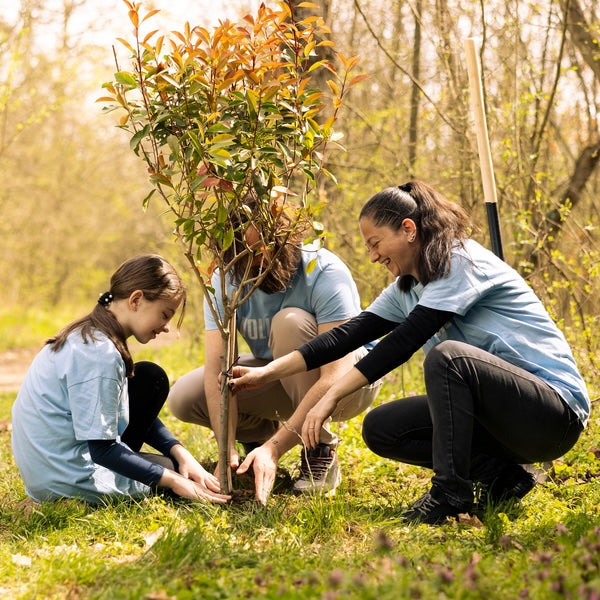
Tree Plantation for CSR - Corporate Environmental Programs | Grow Billion Trees
Tree Plantation for CSR - Transform Your Corporate Environmental ImpactTree plantation for...
-
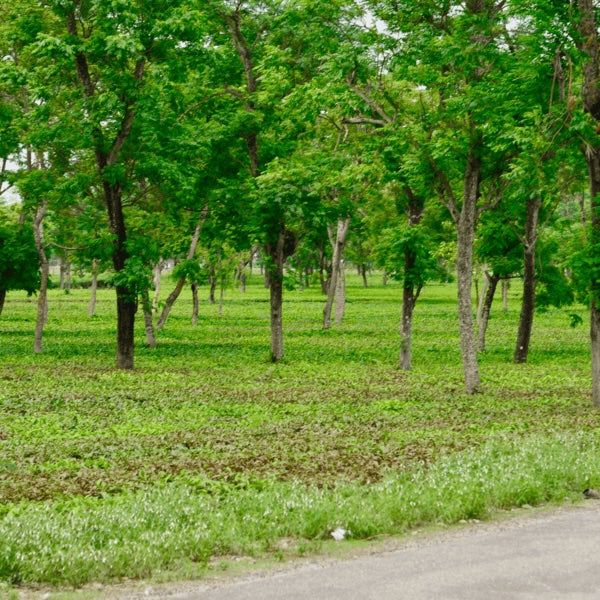
Tree Plantation for SDG - Support Sustainable Development Goals
Tree plantation for SDG initiatives represents a powerful pathway to achieving multiple...
-
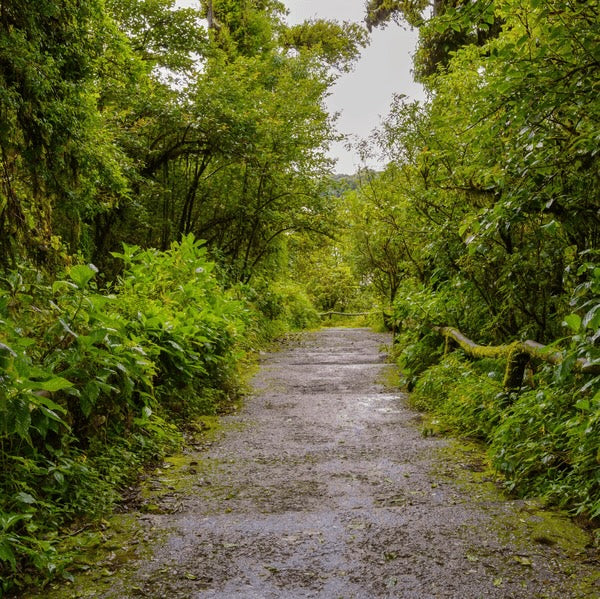
Corporate Tree Plantation Programs - Sustainable ESG Environmental Solutions for Net Zero Targets
Transform your organization's environmental impact with our comprehensive Corporate Tree Plantation Programs...
-
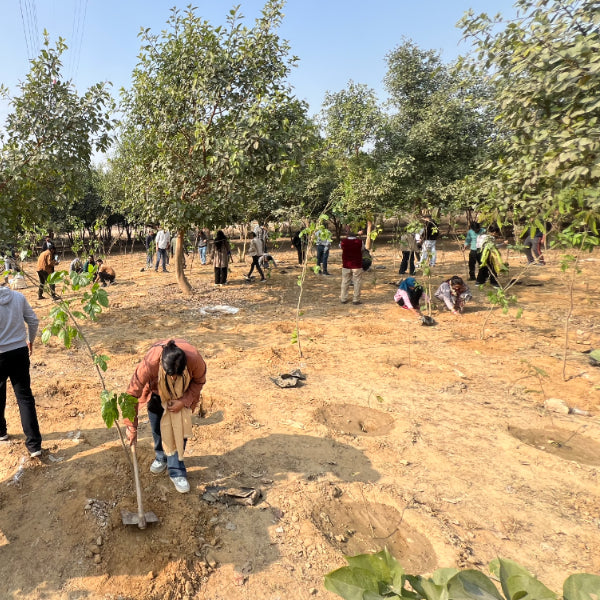
Tree Plantation by Location - Plant Trees Across India
Transform landscapes nationwide through our comprehensive tree plantation by location program. When...
Most Popular Tree Plantations - Top Choices for Environmental Impact
-
Trees for Mother
Regular price ₹ 299Regular priceUnit price per -
Trees to Honor the Memory of your Loved Ones
Regular price ₹ 299Regular priceUnit price per -
Trees for Wedding Anniversary Celebration
Regular price ₹ 299Regular priceUnit price per -
Trees for Grandmother
Regular price ₹ 299Regular priceUnit price per -
Trees for Grandfather
Regular price ₹ 299Regular priceUnit price per

Connect with us
-
👥 Corporates
If you are looking for:
- 🌲 Tree Plantation Events
- 📊 CSR Projects
📧 corporate@growbilliontrees.com
📞 +91 9699723523
💬 +91 9325931304 WhatsApp (Only)
🕒 Mon - Sat | 10am - 7pm IST
-
🧩 Tree Plantation NGOs
If you are looking for:
- 💰 Financial Assistance
- 🤝 Operational Support
📧 support@growbilliontrees.com
📞 +91 9699723523
💬 +91 9325931304 WhatsApp (Only)
🕒 Mon - Sat | 10am - 7pm IST
-
🌼 Individuals
If you are looking for:
- 👥 Group Tree Plantation Drive
- 🌳 Bulk Tree Plantation
📞 +91 9699723523
💬 +91 9325931304 WhatsApp (Only)
🕒 Mon - Sat | 10am - 7pm IST
