Orange Tree: Vitamin C Powerhouse, Citrus Charm, and Fruity Goodness

Orange Tree: Vitamin C Powerhouse, Citrus Charm, and Fruity Goodness

September 1, 2025

The Orange Tree, scientifically known as Citrus sinensis, is one of the world’s most beloved fruit-bearing trees, celebrated for its sweet, tangy fruits, vibrant blossoms, and cultural significance. Native to Southeast Asia, the Orange Read more

Trees for Corporates - Achieve Net Zero Targets Through Strategic Tree Planting

1 of 5

Orange Tree: Vitamin C Powerhouse, Citrus Charm, and Fruity Goodness

The Orange Tree, scientifically known as Citrus sinensis, is one of the world’s most beloved fruit-bearing trees, celebrated for its sweet, tangy fruits, vibrant blossoms, and cultural significance.

Native to Southeast Asia, the Orange Tree has become a global symbol of health, prosperity, and culinary delight, playing a crucial role in economies, ecosystems, and daily life.

In this blog, we’ll explore the fascinating world of the Orange Tree, from its historical roots and ecological contributions to its health benefits and modern applications.


What is the Orange Tree?

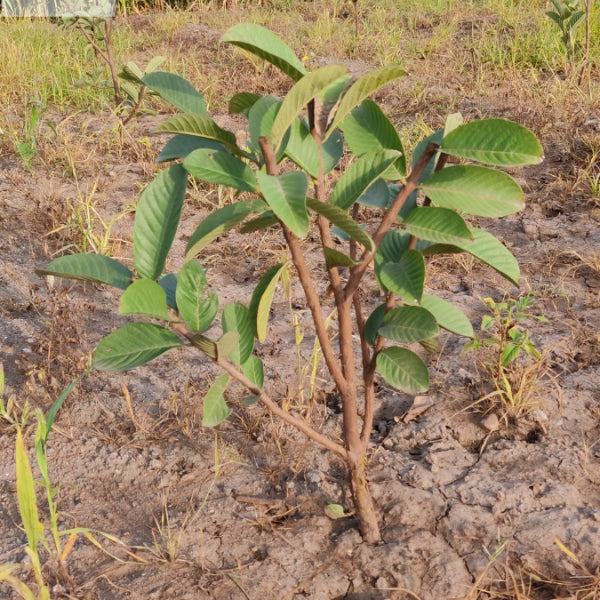
The Orange Tree is a small to medium-sized evergreen tree in the Rutaceae family. Known for its glossy leaves, fragrant flowers, and nutrient-rich fruits, it is cultivated in tropical and subtropical regions worldwide.

Scientific Classification:

  • Kingdom: Plantae
  • Family: Rutaceae
  • Genus: Citrus
  • Species: Citrus sinensis

Physical Characteristics:

  • Height: Typically grows 6–9 meters (20–30 feet).
  • Leaves: Glossy, dark green, and elliptical with a slightly serrated edge.
  • Flowers: White, star-shaped, and highly fragrant, blooming in clusters.
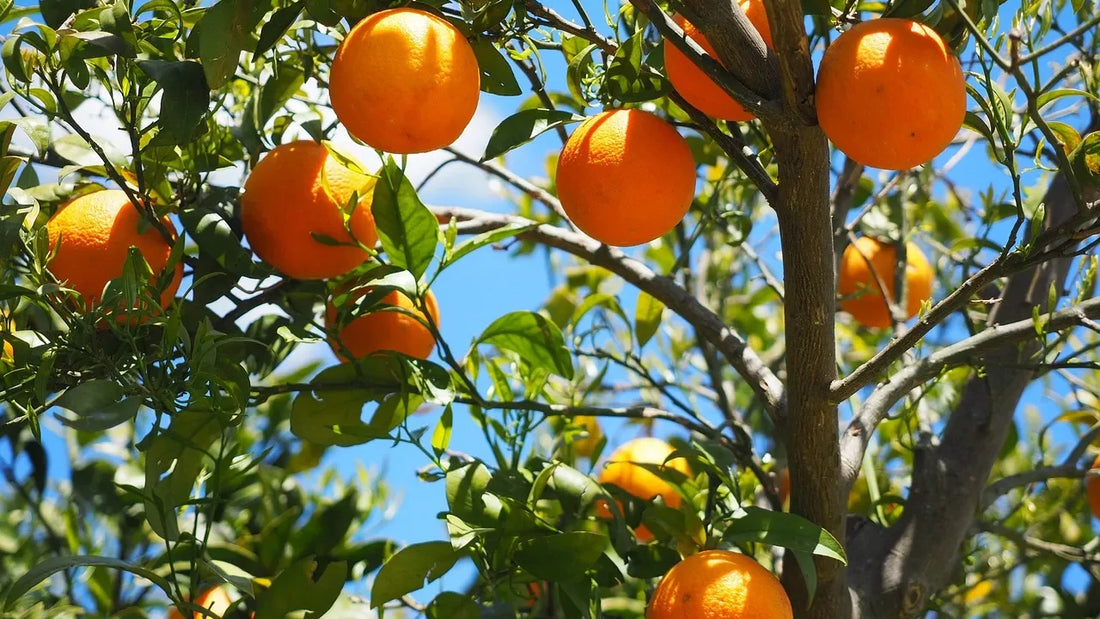
  • Fruit: Round, bright orange when ripe, with a thin, dimpled skin and juicy interior segmented into sections.

Historical and Cultural Significance

1. Ancient Origins:

The Orange Tree is believed to have originated in Southeast Asia, where it was cultivated over 4,000 years ago. It was later introduced to Europe and the Americas, becoming a staple crop.

2. Symbol of Prosperity:

In many cultures, oranges symbolize wealth, good fortune, and abundance, particularly in Chinese traditions where they are exchanged during Lunar New Year.

3. Global Trade Icon:

The Orange Tree played a pivotal role in the Age of Exploration, as sailors carried oranges to prevent scurvy due to their high vitamin C content.

4. Religious Significance:

Oranges have been used as offerings in religious rituals and festivals, symbolizing purity, energy, and vitality.


Ecological Importance of the Orange Tree

The Orange Tree contributes significantly to environmental sustainability and biodiversity.

1. Pollinator Attraction:

Its fragrant blossoms attract bees, butterflies, and other pollinators, supporting local ecosystems and the global honey industry.

2. Soil Conservation:

Orange orchards help prevent soil erosion and improve soil quality through organic matter from fallen leaves and fruit.

3. Carbon Sequestration:

As evergreen trees, Orange Trees absorb carbon dioxide year-round, aiding in climate change mitigation.

4. Habitat Provider:

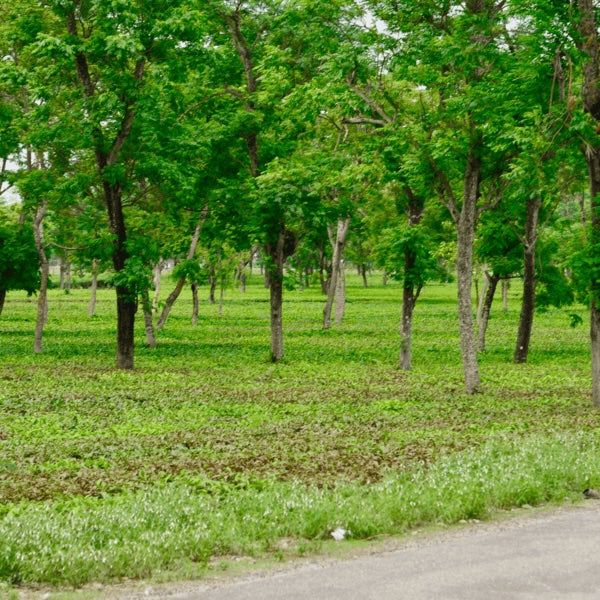
Orange groves offer shelter and food for various bird and insect species, enhancing biodiversity.


Health Benefits and Nutritional Value

Oranges are not only delicious but also packed with essential nutrients that promote overall health.

1. Immune System Booster:

Rich in vitamin C, oranges help strengthen immunity and protect against infections.

2. Heart Health:

Oranges contain potassium and flavonoids that regulate blood pressure, improve circulation, and reduce the risk of heart disease.

3. Digestive Aid:

The high fiber content in oranges promotes healthy digestion and prevents constipation.

4. Skin Rejuvenation:

Antioxidants like vitamin C and beta-carotene in oranges combat oxidative stress, promoting healthy, glowing skin.

5. Weight Management:

Low in calories and high in fiber, oranges are an ideal snack for those aiming to manage their weight.

6. Bone Health:

Oranges contain calcium and magnesium, which are essential for strong bones and teeth.


Culinary Uses of Oranges

The Orange Tree’s fruits are a culinary favorite, offering versatility in sweet and savory dishes.

1. Juices and Beverages:

Freshly squeezed orange juice is a breakfast staple, while its zest and extracts enhance cocktails, smoothies, and teas.

2. Desserts:

Oranges are used in cakes, puddings, marmalades, and candies for their sweet and tangy flavor.

3. Salads and Sides:

Orange segments add a refreshing twist to salads, while their juice is used in marinades and dressings.

4. Savory Dishes:

Oranges pair beautifully with poultry, seafood, and vegetables, enhancing flavors with their citrusy brightness.


Fun Facts About the Orange Tree

  1. Hybrid Origin: The Orange Tree is a hybrid of pomelo (Citrus maxima) and mandarin (Citrus reticulata).
  2. Global Favorite: Oranges are the most cultivated fruit tree in the world, with Brazil leading in production.
  3. Symbol of Love: In the Victorian era, orange blossoms symbolized love and were often used in wedding bouquets.
  4. Year-Round Fruit: Orange Trees can produce fruits throughout the year in tropical climates.
  5. Essential Oil Source: Orange peel is used to extract essential oils, which are widely used in perfumes, cleaning products, and aromatherapy.

How to Grow and Care for an Orange Tree

The Orange Tree is relatively easy to grow, making it a popular choice for gardens, orchards, and patios.

1. Ideal Growing Conditions:

  • Climate: Thrives in warm, sunny climates with minimal frost, typically in USDA zones 9–11.
  • Soil: Prefers well-drained, sandy loam soil with a slightly acidic to neutral pH.

2. Planting:

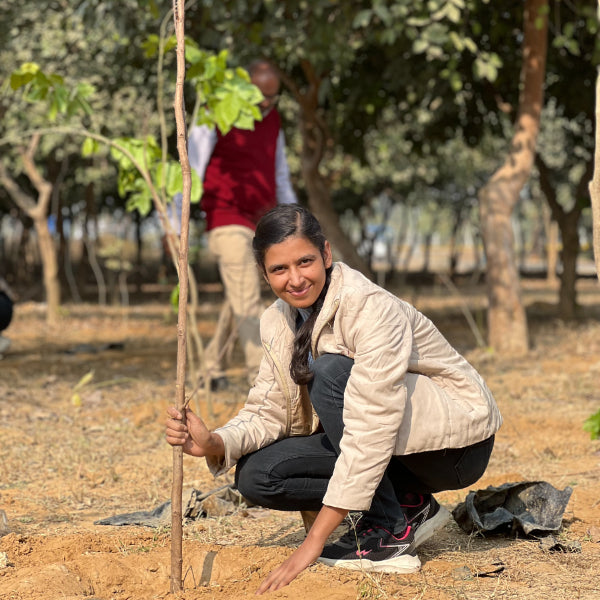
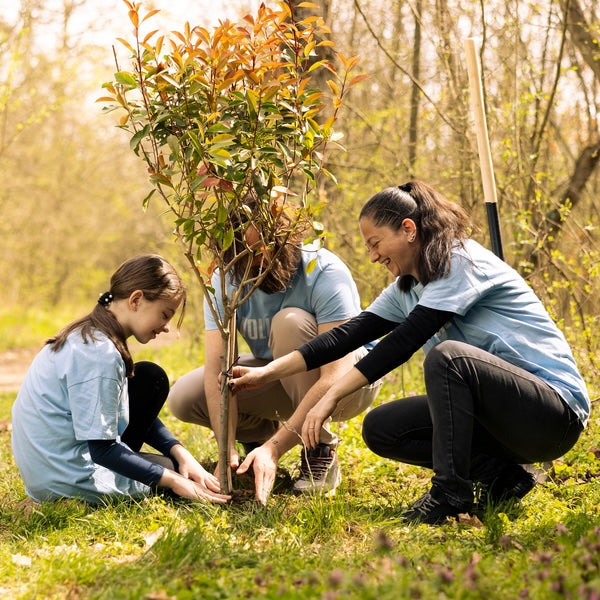
  • Propagate using seeds or grafted saplings.
  • Plant in a sunny location with good air circulation.

3. Maintenance:

  • Watering: Water regularly but avoid overwatering; ensure the soil is moist but not waterlogged.
  • Pruning: Prune to remove dead or overcrowded branches and shape the tree for better air circulation.
  • Fertilization: Use a citrus-specific fertilizer during the growing season to promote flowering and fruiting.

Modern Applications of the Orange Tree

The Orange Tree remains a versatile asset in various industries, blending tradition with innovation.

1. Food Industry:

Oranges are used in juices, snacks, candies, and processed foods, catering to global demand for citrus products.

2. Essential Oils:

Orange peel oil is widely used in perfumes, cleaning products, and natural insect repellents.

3. Herbal Medicine:

Orange blossoms and peels are used in teas and extracts for their calming and detoxifying effects.

4. Sustainable Practices:

Orange peels and waste are repurposed into biofuels, animal feed, and organic fertilizers, promoting sustainability.


Environmental and Economic Impact

1. Livelihood Support:

The Orange Tree supports millions of farmers, workers, and traders through its cultivation and global trade.

2. Export Economy:

Oranges are a significant agricultural export for countries like Brazil, the United States, and Spain, driving economic growth.

3. Carbon Footprint Reduction:

Orange orchards act as carbon sinks, reducing greenhouse gases and contributing to climate resilience.


Challenges and Conservation Efforts

Despite its global popularity, the Orange Tree faces several challenges.

1. Pest and Disease Threats:

Citrus greening disease and pests like aphids and citrus psyllids threaten Orange Tree health and production.

2. Climate Change:

Rising temperatures and unpredictable weather patterns affect fruit quality and yield.

Conservation Measures:

  • Invest in research for disease-resistant and climate-adaptive varieties.
  • Promote sustainable farming practices to minimize environmental impact.
  • Encourage biodiversity in orchards to reduce pest infestations naturally.

Conclusion

The Orange Tree is a citrus icon that transcends its humble origins to become a global symbol of health, prosperity, and sustainability.

From its juicy fruits and fragrant blossoms to its ecological contributions and economic significance, the Orange Tree continues to enrich lives and landscapes worldwide.

By planting and preserving the Orange Tree, we embrace a greener, healthier future filled with its sweet rewards.

Whether you’re a gardener, a citrus enthusiast, or an environmental advocate, the Orange Tree is a timeless treasure worth celebrating.

Celebrate the vibrant legacy of the Orange Tree and let its fruits inspire health, joy, and sustainability. 🍊✨

  • 👥 Corporates

    If you are looking for:

    • 🌲 Tree Plantation Events
    • 📊 CSR Projects

    📧 corporate@growbilliontrees.com

    📞 +91 9699723523

    💬 +91 9325931304 WhatsApp (Only)

    🕒 Mon - Sat | 10am - 7pm IST

  • 🧩 Tree Plantation NGOs

    If you are looking for:

    • 💰 Financial Assistance
    • 🤝 Operational Support

    📧 support@growbilliontrees.com

    📞 +91 9699723523

    💬 +91 9325931304 WhatsApp (Only)

    🕒 Mon - Sat | 10am - 7pm IST

  • 🌼 Individuals

    If you are looking for:

    • 👥 Group Tree Plantation Drive
    • 🌳 Bulk Tree Plantation

    📧 care@growbilliontrees.com

    📞 +91 9699723523

    💬 +91 9325931304 WhatsApp (Only)

    🕒 Mon - Sat | 10am - 7pm IST