
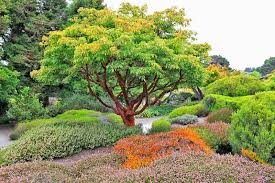
The Paperbark Maple tree (Acer griseum) stands as one of nature's most captivating ornamental trees, offering year-round beauty through its distinctive cinnamon-colored bark that peels away in papery strips. Native to China's mountainous regions, thi Read more
Trending Tree Plantations - Most Popular Environmental Programs
-
Trees for Birthday Celebration - Plant a Meaningful Gift
Regular price ₹ 299Regular priceUnit price per -
Trees for Mother
Regular price ₹ 299Regular priceUnit price per -
Trees as a Gift - Plant Hope & Create Lasting Impact
Regular price ₹ 299Regular priceUnit price per -
Trees to Honor the Memory of your Loved Ones
Regular price ₹ 299Regular priceUnit price per -
Trees for Women's Day (8th Mar)
Regular price ₹ 299Regular priceUnit price per


Trees for Corporates - Achieve Net Zero Targets Through Strategic Tree Planting
-
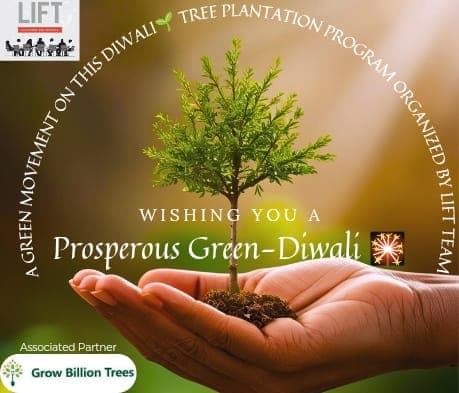
Trees by LIFT Team for Green Diwali - Eco-Friendly Celebration
Regular price ₹ 299Regular priceUnit price per -
Plant Trees for Environment - Climate Action & Green Future
Regular price ₹ 299Regular priceUnit price per -
Trees for a Greener Tomorrow - by Mahindra Lifespaces
Regular price ₹ 299Regular priceUnit price per -
Trees for Farmers - Sustainable Agroforestry Solutions
Regular price ₹ 299Regular priceUnit price per -
Plant Trees for Environment Day (5th Jun) - Make an Impact Today
Regular price ₹ 299Regular priceUnit price per

Paperbark Maple Tree: Ultimate Care Guide & Beauty Tips 2024
The Paperbark Maple tree (Acer griseum) stands as one of nature's most captivating ornamental trees, offering year-round beauty through its distinctive cinnamon-colored bark that peels away in papery strips. Native to China's mountainous regions, this stunning deciduous tree has become a favorite among gardeners worldwide for its unique visual appeal and remarkable adaptability to various growing conditions.
With its ability to transform landscapes through seasonal color changes and provide essential environmental benefits, the Paperbark Maple tree represents both aesthetic excellence and ecological responsibility. This comprehensive guide will help you understand everything from its stunning features to proper care techniques, ensuring your tree thrives for generations to come.
✅ The Stunning Beauty of Paperbark Maple
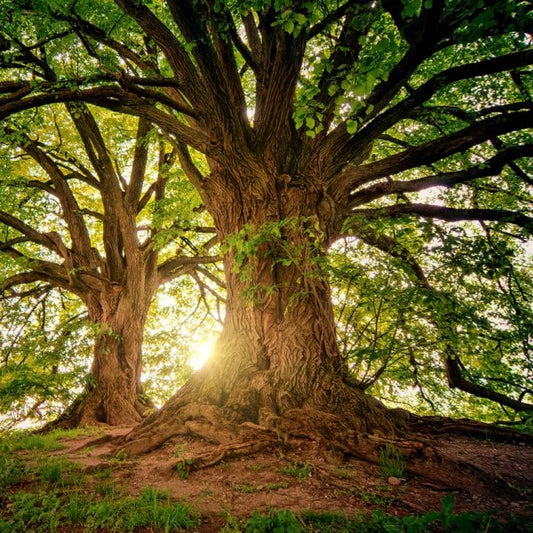
The most distinctive feature of the Paperbark Maple tree is undoubtedly its remarkable bark. This cinnamon-colored outer layer peels away in thin, papery strips throughout the year, creating a striking visual display that gives the tree its common name. Unlike many trees that only offer seasonal interest, this characteristic ensures year-round appeal in any landscape.
During spring, small inconspicuous flowers emerge, followed by attractive winged seeds that add delicate texture to the canopy. The tree's trifoliate leaves showcase rich green colors throughout summer before transforming into brilliant shades of orange and red during autumn. This seasonal transformation creates a dynamic focal point that enhances any garden's visual impact.
The tree's graceful structure, reaching 20 to 30 feet in height with a spread of 15 to 25 feet, makes it suitable for various garden sizes. Its naturally rounded crown and elegant branching pattern provide excellent architectural value to landscapes, whether used as a specimen tree or incorporated into mixed plantings.
⭐ Scientific Classification and Characteristics
The Paperbark Maple belongs to the Sapindaceae family and is classified under the genus Acer, which encompasses over 150 species of trees and shrubs. The scientific name Acer griseum translates to "gray maple," referring to the distinctive color of its bark before it begins peeling.
This hardy tree thrives in USDA zones 4 to 8, demonstrating remarkable adaptability to various climate conditions. Its resistance to common pests and diseases, combined with tolerance for urban environments, makes it an excellent choice for city landscaping projects. The tree's moderate growth rate allows for manageable maintenance while still providing substantial landscape impact.
According to the United Nations Environment Programme's forest conservation initiatives, trees like the Paperbark Maple play crucial roles in urban forest ecosystems, providing both environmental services and aesthetic value to communities worldwide.
💡 Environmental Impact and Benefits
Planting Paperbark Maple trees contributes significantly to environmental health and Combating Climate Change Through Collective Action. These trees absorb carbon dioxide and release oxygen, helping improve air quality while reducing urban heat island effects through their dense foliage coverage.
The United Nations Sustainable Development Goals emphasize the importance of urban forestry in creating sustainable communities. Paperbark Maples support local biodiversity by providing habitat and food sources for various birds and insects, contributing to healthier urban ecosystems.
Beyond air purification, these trees help prevent soil erosion, promote water conservation, and support wildlife corridors in urban environments. Their long lifespan of over 100 years makes them valuable long-term investments in environmental restoration and community well-being.
Organizations like Grow Billion Trees are working toward planting 100 crore trees across India, recognizing that every tree planted contributes to achieving Net Zero Targets and creating a more sustainable future for coming generations.
🌱 Essential Care Tips for Paperbark Maple Success
Soil Requirements and Preparation
Paperbark Maple trees prefer well-drained, loamy soils rich in organic matter. While they can tolerate various soil types, they may struggle in overly compacted or sandy conditions. Before planting, amend heavy clay soils with compost to improve drainage and add organic matter to sandy soils to enhance water retention.
Test soil pH levels, as these trees prefer slightly acidic to neutral conditions (pH 6.0-7.0). Proper soil preparation ensures strong root development and optimal nutrient uptake throughout the tree's life.
Sunlight and Location Selection
Choose a location that receives full sun to partial shade, with at least six hours of direct sunlight daily for optimal growth and vibrant foliage color. Morning sun with afternoon shade can be beneficial in extremely hot climates, protecting the tree from excessive heat stress.
Consider the tree's mature size when selecting a planting location, ensuring adequate space for both height and spread. Avoid areas with strong winds or extreme temperature fluctuations that could damage the distinctive bark.
Watering and Irrigation
Young Paperbark Maple trees require consistent moisture during their establishment period, typically the first two growing seasons. Water deeply but infrequently, encouraging deep root development rather than shallow surface roots.
Once established, these trees become relatively drought-tolerant but benefit from supplemental watering during extended dry periods. Apply water slowly at the base of the tree, avoiding wetting the foliage to prevent fungal diseases.
🌿 Planting and Propagation Techniques
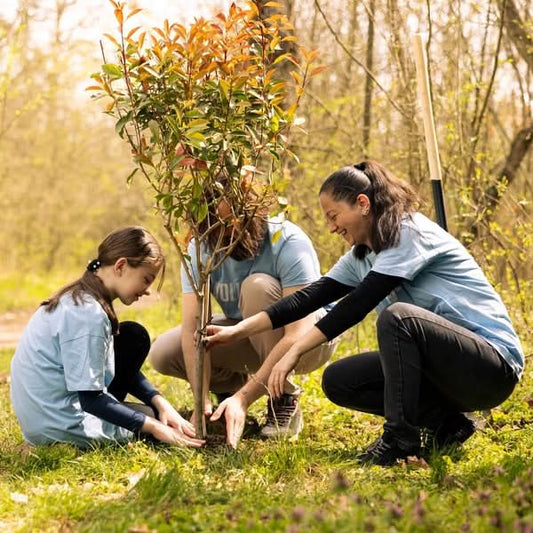
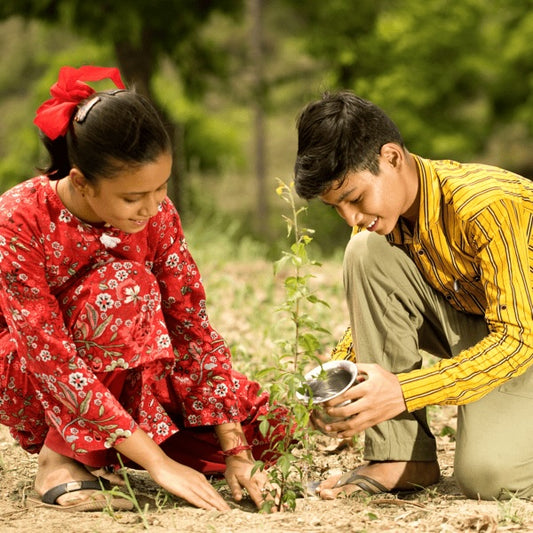
When planting your Paperbark Maple tree, dig a hole twice the width of the root ball and just as deep. This allows roots to spread easily into surrounding soil. Gently place the tree ensuring the root flare sits at or slightly above ground level to prevent root rot and encourage proper trunk development.
Backfill with original soil mixed with compost, water thoroughly to eliminate air pockets, and apply a 2-3 inch layer of organic mulch around the base. Keep mulch several inches away from the trunk to prevent moisture-related issues and pest problems.
For those interested in Plant a tree in your Name, Grow Billion Trees offers professional planting services that include 4ft Tree Planting + 3 Years Care + GeoTag technology to track your tree's growth and impact over time.
⚠️ Pest and Disease Management
While Paperbark Maple trees are generally resistant to pests and diseases, regular monitoring helps maintain tree health. Common issues include aphids, scale insects, and occasional fungal problems during humid conditions.
Implement integrated pest management strategies using organic controls whenever possible. Encourage beneficial insects through diverse plantings and avoid chemical treatments that could harm the tree's natural ecosystem. Proper spacing and pruning improve air circulation, reducing disease pressure naturally.
The World Wildlife Fund's forest conservation programs emphasize the importance of maintaining healthy urban forests through sustainable management practices that protect both individual trees and entire ecosystems.
🍂 Seasonal Care and Maintenance
Spring Care
Apply balanced, slow-release fertilizer in early spring to promote healthy growth. Inspect for winter damage and prune any broken or damaged branches. This is also the ideal time for planting new Paperbark Maple trees as soil temperatures warm and growing conditions improve.
Summer Maintenance
Monitor soil moisture levels and provide supplemental watering during dry spells. Watch for pest activity and address issues promptly using organic methods. Enjoy the tree's full green foliage and plan for autumn color displays.
Fall Preparation
Rake and compost fallen leaves to prevent disease issues. Continue watering until soil freezes, as trees need moisture reserves for winter survival. This season showcases the tree's spectacular color transformation.
Winter Protection
Young trees may benefit from trunk wrapping in harsh winter climates. Avoid pruning during active growth periods, focusing winter maintenance on structural pruning during dormancy.
Frequently Asked Questions
How fast does a Paperbark Maple tree grow?
Paperbark Maple trees have a moderate growth rate, typically adding 12-18 inches per year under optimal conditions. This steady growth allows for manageable maintenance while providing substantial landscape impact over time.
When is the best time to plant a Paperbark Maple tree?
The ideal planting time is during fall or early spring when temperatures are moderate and rainfall is typically adequate. This timing allows the tree to establish strong root systems before facing summer heat or winter cold stress.
How long do Paperbark Maple trees live?
These remarkable trees can live for over 100 years with proper care, making them excellent long-term landscape investments. Their longevity contributes to sustained environmental benefits and lasting beauty for future generations.
Do Paperbark Maple trees require special soil conditions?
While adaptable to various soil types, Paperbark Maples prefer well-drained, loamy soils rich in organic matter. They can tolerate slightly acidic to neutral pH levels but struggle in waterlogged or extremely sandy conditions.
Are Paperbark Maple trees suitable for small gardens?
Yes, with their moderate size of 20-30 feet in height and 15-25 feet spread, Paperbark Maples work well in smaller landscapes. Their upright growth habit and manageable size make them excellent choices for urban and suburban gardens.
What wildlife benefits do Paperbark Maple trees provide?
These trees support local ecosystems by providing habitat and food sources for various birds and insects. Their seeds attract birds, while their foliage supports beneficial insects that contribute to garden health and biodiversity.
How often should I water my Paperbark Maple tree?
Young trees need regular watering during establishment, typically weekly deep watering during dry periods. Mature trees are drought-tolerant but benefit from supplemental irrigation during extended dry spells or extreme heat.
Can I grow Paperbark Maple trees in containers?
While possible for young trees, Paperbark Maples are best suited for ground planting due to their mature size and root system requirements. Container growing limits their full potential and requires intensive maintenance.
What makes Paperbark Maple bark so distinctive?
The tree's cinnamon-colored bark naturally exfoliates in thin, papery strips throughout the year. This unique characteristic, combined with the bark's rich color and texture, creates year-round visual interest that distinguishes it from other maple species.
Are there any companion plants that work well with Paperbark Maple?
Excellent companions include spring bulbs, hostas, ferns, and other shade-tolerant perennials that complement the tree's seasonal changes. Choose plants with similar water and soil requirements for best results.
Creating Sustainable Landscapes with Purpose
The Paperbark Maple tree represents more than just ornamental value – it embodies our commitment to environmental stewardship and sustainable landscaping practices. By choosing native and adapted species like the Paperbark Maple, we contribute to ecosystem health while creating beautiful, functional outdoor spaces.
Through initiatives focused on Combating Climate Change Through Collective Action, every tree planted makes a meaningful difference in our environment's future. Organizations working toward Net Zero Targets recognize that urban forestry plays a crucial role in carbon sequestration and climate mitigation strategies.
Whether you're planning a memorial planting, celebrating a special occasion, or simply wanting to enhance your landscape's beauty, the Paperbark Maple tree offers lasting value that extends far beyond its visual appeal. Its century-long lifespan ensures that your environmental investment will benefit multiple generations while providing continuous ecosystem services.
Ready to add this stunning tree to your landscape? Explore our tree planting programs and discover how you can contribute to India's goal of planting 100 crore trees while creating beautiful, sustainable environments that thrive for decades to come.
You may also like
-
Gift a Tree - Meaningful Environmental Gifts That Make a Difference
Transform your gift-giving with meaningful environmental gifts that create lasting impact for...
-
Trees For Shiv Ji - Sacred Tree Planting to Honor Lord Shiva
Honor Lord Shiva through sacred tree planting with Trees For Shiv Ji,...
-

Tree Plantations for Shri Ram - Sacred Devotional Planting Services
Honor Lord Shri Ram through meaningful tree plantations for Shri Ram that...
-
Tree Plantation on Navratri - Celebrate Divine Festivals with Environmental Devotion
Tree plantation on Navratri transforms the sacred nine-day festival into a powerful...
-
Tree Plantation by Cause - Plant Trees for Every Purpose | Grow Billion Trees
Transform your environmental impact with purpose-driven tree plantation by cause programs that...
Corporate Plantations
-
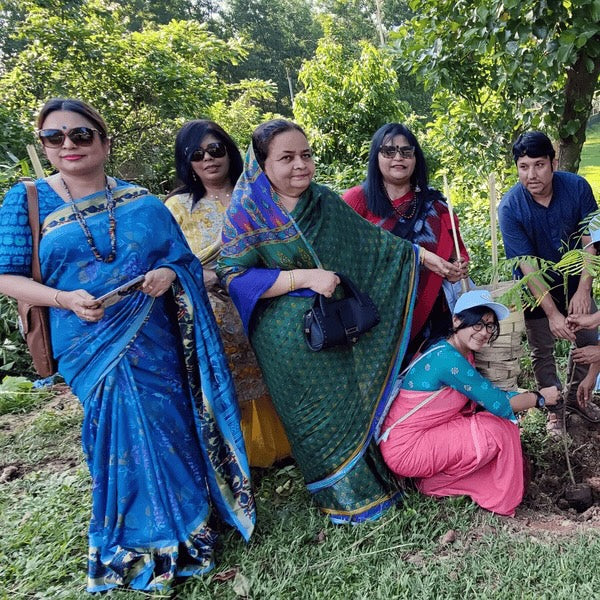
Trees for Corporates - Achieve Net Zero Targets Through Strategic Tree Planting
Trees for Corporates - Strategic Environmental SolutionsTransform your corporate environmental impact with...
-
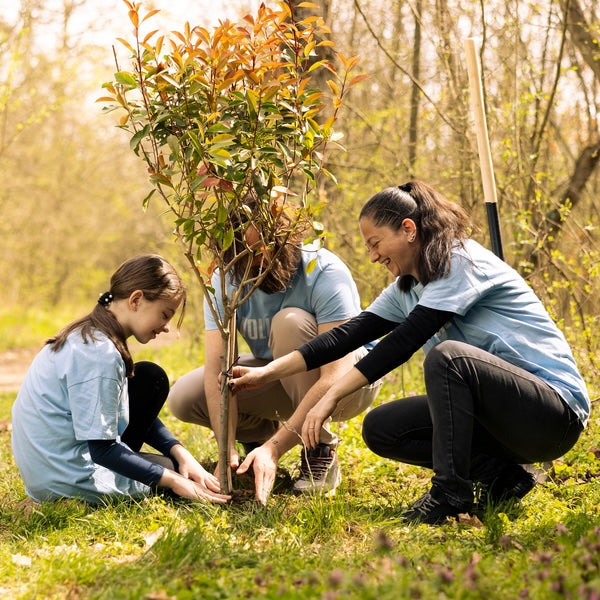
Tree Plantation for CSR - Corporate Environmental Programs | Grow Billion Trees
Tree Plantation for CSR - Transform Your Corporate Environmental ImpactTree plantation for...
-
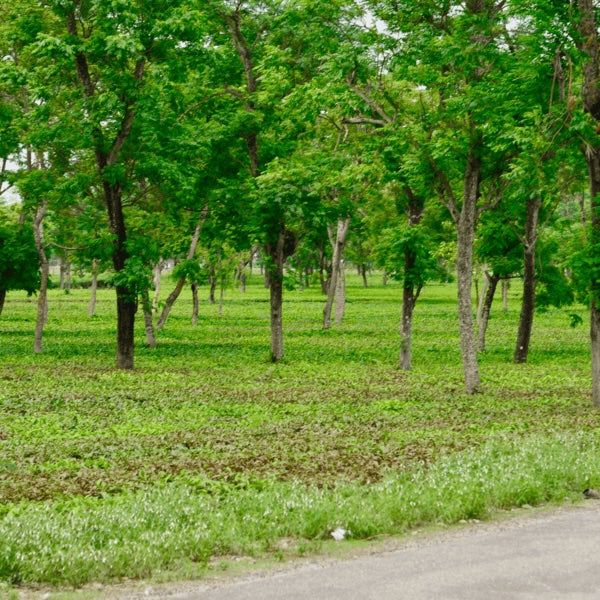
Tree Plantation for SDG - Support Sustainable Development Goals
Tree plantation for SDG initiatives represents a powerful pathway to achieving multiple...
-
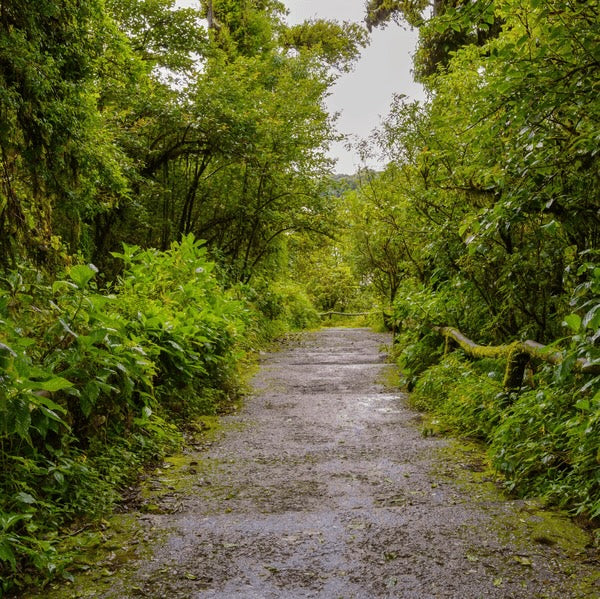
Corporate Tree Plantation Programs - Sustainable ESG Environmental Solutions for Net Zero Targets
Corporate Tree Plantation Programs for Sustainable ESG SolutionsTransform your organization's environmental impact...
-
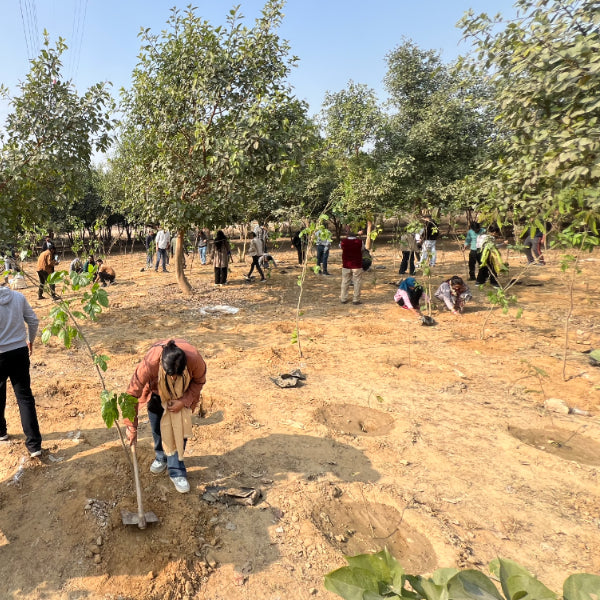
Tree Plantation by Location - Plant Trees Across India
Transform landscapes nationwide through our comprehensive tree plantation by location program. When...
The Paperbark Maple
This tree is like the fashionista of the forest, flaunting its cinnamon-colored bark that peels away in stylish strips. It’s not just a pretty face; it transforms into a vibrant spectacle in autumn, dressing up in fiery shades of orange and red. Perfect for gardeners who want year-round eye candy in their landscapes!
Acer griseum
The scientific name sounds fancy, but you can call it Acer for short. This tree is a member of the Sapindaceae family, and it’s the cool cousin of other maples. With a growth spurt that can reach up to 30 feet, it’s the perfect size for those who want a statement piece without it taking over the neighborhood.
Urban Adaptability
The Paperbark Maple is the ultimate urban survivor. Hardy in USDA zones 4 to 8, it thrives in city landscapes, proving that beauty can coexist with concrete jungles. It’s like the tree version of a hipster coffee shop—charming, resilient, and the perfect addition to any urban garden.
Wildlife Haven
This tree doesn’t just look good; it plays nice with local wildlife too! Providing food and habitat for birds and insects, the Paperbark Maple is like the friendly neighbor who always has snacks on hand. Plant one, and you’ll soon have a bustling ecosystem right in your backyard.
Fall Foliage
If you’re looking for a showstopper in autumn, the Paperbark Maple delivers! Its leaves turn into a brilliant tapestry of colors, making it the star of any fall garden party. Forget about basic trees; this one knows how to steal the spotlight when the leaves start to change.
Care Tips
Taking care of a Paperbark Maple is like nurturing a diva; it has its preferences! It loves well-drained, loamy soil and at least six hours of sunlight daily. With a little TLC—think regular watering and occasional pruning—you’ll have a flourishing tree that rewards you with beauty and shade.
Environmental Benefits
Planting a Paperbark Maple is like giving Mother Nature a high-five! These trees absorb carbon dioxide, improve air quality, and help combat climate change. So, when you plant one, you’re not just enhancing your landscape; you’re also doing your part to save the planet, one tree at a time.
Propagation Techniques
Want to grow your own Paperbark Maple? It’s easier than you think! You can propagate this beauty from seeds or cuttings. Just remember to stratify those seeds and give cuttings a cozy, well-draining medium. Soon enough, you’ll have a mini forest of these stunning trees in your garden.
Historical Significance
The Paperbark Maple has a rich history, having been cultivated in China for centuries before making its grand entrance in the West. It’s like the tree equivalent of a world traveler, bringing exotic charm and a touch of history to your landscape. Who knew a tree could have such a backstory?
Tree Planting Initiatives
Organizations like Grow Billion Trees are the superheroes of the planting world, promoting tree planting initiatives that include the Paperbark Maple. They’re on a mission to combat climate change while educating communities about the importance of trees. Join their cause, and you’ll be planting beauty and hope for the future!
Longevity
The Paperbark Maple is not just a pretty face; it’s in it for the long haul! With a lifespan of over 100 years, this tree is like a wise old friend that will grace your garden for generations. Invest in one, and you’ll have a legacy of beauty and environmental impact that lasts a lifetime.
FAQ
What makes the Paperbark Maple so stunning?
The Paperbark Maple is a showstopper with its cinnamon-colored, peeling bark that dazzles year-round. Add in vibrant green leaves that transform into fiery reds and oranges in autumn, and you've got a tree that steals the spotlight in any garden. Who wouldn’t want a tree that’s both a beauty and a conversation starter
How tall does the Paperbark Maple grow?
This elegant tree can reach heights of 20 to 30 feet, with a spread of 15 to 25 feet. Perfect for gardens of various sizes, it offers a graceful presence without overwhelming your space. Just imagine it standing tall, showcasing its unique bark and foliage while your neighbors look on in envy!
What are some fun facts about the Paperbark Maple?
That’s right! This long-lived beauty not only provides stunning visuals but also offers habitat for birds and insects. Plus, its trifoliate leaves are a quirky twist, making it a unique addition to any tree collection. Talk about a tree with personality!
Is the Paperbark Maple environmentally friendly?
Absolutely! This tree is a champion in the fight against climate change, absorbing carbon dioxide and releasing oxygen like a pro. It also improves air quality and provides wildlife habitats. By planting a Paperbark Maple, you're not just beautifying your garden; you're contributing to a healthier planet. Go green with style!
What are the care tips for a thriving Paperbark Maple?
To keep your Paperbark Maple happy, ensure it has well-drained, loamy soil and plenty of sunlight—at least six hours a day. Water young trees regularly, and don’t forget to prune during dormancy. A little balanced fertilizer in spring will help, but avoid overdoing it. Treat it well, and it’ll reward you with beauty!
How do I plant a Paperbark Maple?
Planting a Paperbark Maple is easy! Dig a hole twice the root ball's width, place the tree, and make sure the root flare is slightly above ground level. Backfill with soil, water thoroughly, and voilà! You’ve just added a stunning tree to your landscape. Just remember, it’s a long-term commitment!
Can I propagate Paperbark Maple trees?
Yes, you can! Propagation can be done through seeds or cuttings. For seeds, collect them in the fall, stratify, and plant in spring. For cuttings, take semi-hardwood cuttings in late summer and root them in a well-draining medium. With a little patience, you’ll have more of these beauties to share!
What role does Grow Billion Trees play in tree planting?
Grow Billion Trees is on a mission to make the world greener, one tree at a time. They promote large-scale tree planting initiatives, educate the public about the importance of trees, and partner with communities to enhance biodiversity. By supporting their efforts, you’re not just planting trees; you’re joining a global movement!
How does the Paperbark Maple enhance local landscapes?
With its stunning bark and vibrant foliage, the Paperbark Maple is a landscape superstar! It adds year-round interest and beauty, while also providing habitat for wildlife. Planting this tree not only elevates your garden aesthetics but also contributes to a thriving ecosystem. Who knew looking good could do so much good
Is the Paperbark Maple resistant to pests and diseases?
While generally tough, the Paperbark Maple isn’t invincible. It can face challenges from pests like aphids and scale insects. However, with regular monitoring and some organic pest control methods, you can keep it healthy and thriving. Think of it as your tree’s personal bodyguard against unwanted visitors!
What are the best USDA zones for growing Paperbark Maple?
The Paperbark Maple thrives in USDA zones 4 to 8, making it a versatile choice for various climates. Whether you’re in a cooler region or a milder area, this tree can adapt and flourish. Just make sure to provide it with the right care, and it’ll be a magnificent addition to your landscape!
How does the Paperbark Maple contribute to biodiversity?
By providing habitat and food for various birds and insects, the Paperbark Maple plays a vital role in local biodiversity. It’s not just a pretty face; it’s a community hub for wildlife! Planting this tree helps create a more balanced ecosystem, making it a fantastic choice for environmentally conscious gardeners.
Most Popular Tree Plantations - Top Choices for Environmental Impact
-
Trees for Birthday Celebration - Plant a Meaningful Gift
Regular price ₹ 299Regular priceUnit price per -
Trees for Mother
Regular price ₹ 299Regular priceUnit price per -
Trees as a Gift - Plant Hope & Create Lasting Impact
Regular price ₹ 299Regular priceUnit price per -
Trees to Honor the Memory of your Loved Ones
Regular price ₹ 299Regular priceUnit price per -
Sacred Trees for Krishna on Janmashtami - Divine Gift ₹299
Regular price ₹ 299Regular priceUnit price per

Connect with us
-
👥 Corporates
If you are looking for:
- 🌲 Tree Plantation Events
- 📊 CSR Projects
📧 corporate@growbilliontrees.com
📞 +91 9699723523
💬 +91 9325931304 WhatsApp (Only)
🕒 Mon - Sat | 10am - 7pm IST
-
🧩 Tree Plantation NGOs
If you are looking for:
- 💰 Financial Assistance
- 🤝 Operational Support
📧 support@growbilliontrees.com
📞 +91 9699723523
💬 +91 9325931304 WhatsApp (Only)
🕒 Mon - Sat | 10am - 7pm IST
-
🌼 Individuals
If you are looking for:
- 👥 Group Tree Plantation Drive
- 🌳 Bulk Tree Plantation
📞 +91 9699723523
💬 +91 9325931304 WhatsApp (Only)
🕒 Mon - Sat | 10am - 7pm IST
