
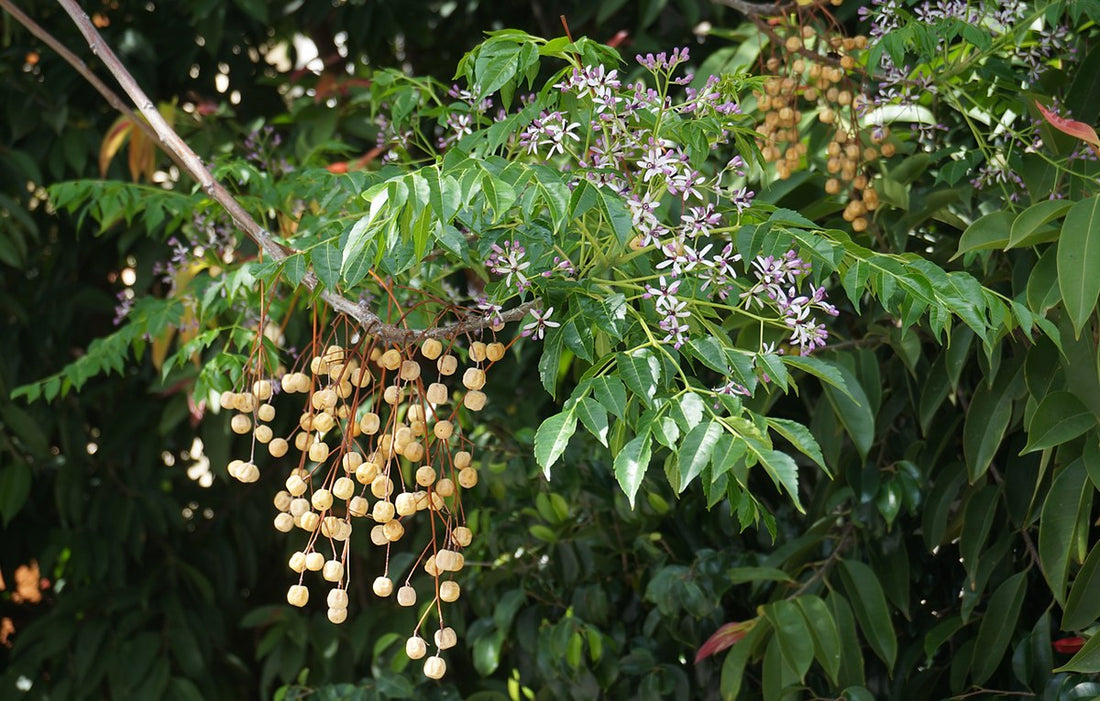
The Persian Lilac Tree (Melia azedarach) transforms any garden into a fragrant paradise with its stunning lavender blooms and lush foliage. This deciduous beauty can reach heights of 40 feet, making it a striking centerpiece that supports both aesthe Read more
Trending Tree Plantations - Most Popular Environmental Programs
-
Trees for Mother
Regular price ₹ 299Regular priceUnit price per -
Trees to Honor the Memory of your Loved Ones
Regular price ₹ 299Regular priceUnit price per -
Trees for Women's Day (8th Mar)
Regular price ₹ 299Regular priceUnit price per -
Trees for Wedding Anniversary Celebration
Regular price ₹ 299Regular priceUnit price per -
Trees for Grandmother
Regular price ₹ 299Regular priceUnit price per





Trees for Corporates - Achieve Net Zero Targets Through Strategic Tree Planting
-
 Project Closed
Trees by LIFT Team for Green Diwali: Transform Your Festival
Regular price ₹ 299Regular priceUnit price per -
Trees for a Greener Tomorrow - by Mahindra Lifespaces
Regular price ₹ 299Regular priceUnit price per -
Trees for Environment Day: Plant Your Impact on June 5th
Regular price ₹ 299Regular priceUnit price per -
Trees for Employees: Transform Your Corporate Culture in 2026
Regular price ₹ 299Regular priceUnit price per -
 Project Closed
Trees for Bangalore: Plant Native Trees in Garden City ₹299
Regular price ₹ 799Regular priceUnit price per

Persian Lilac Tree Growing Guide: Fragrant Garden Beauty
The Persian Lilac Tree (Melia azedarach) transforms any garden into a fragrant paradise with its stunning lavender blooms and lush foliage. This deciduous beauty can reach heights of 40 feet, making it a striking centerpiece that supports both aesthetic appeal and environmental health. Whether you're seeking to enhance your landscape or contribute to reforestation efforts, the Persian Lilac Tree offers exceptional value for gardeners committed to sustainable practices.
At Grow Billion Trees, we understand the importance of selecting trees that not only beautify spaces but also contribute to our mission of planting 100 crore trees across India. When you Plant a tree in your Name through our platform, you're joining a movement focused on Combating Climate Change Through Collective Action while achieving Net Zero Targets.
Understanding the Persian Lilac Tree ✅
The Persian Lilac Tree, native to regions of Asia and Australia, belongs to the Meliaceae family. This remarkable species showcases compound leaves that grow up to 12 inches long with bright green coloration. During spring, clusters of fragrant purple flowers burst forth, creating a spectacular display that attracts essential pollinators including bees and butterflies.
According to the World Wildlife Fund's forest conservation initiatives, trees like the Persian Lilac play crucial roles in maintaining biodiversity and supporting ecosystem health. The tree's scientific classification places it in the Kingdom Plantae, Order Sapindales, making it part of a diverse family known for ornamental and ecological value.
Key Characteristics
- ✅ Height: Up to 40 feet tall and 30 feet wide
- ✅ Leaves: Compound, bright green, up to 12 inches long
- ✅ Flowers: Fragrant purple clusters in spring
- ✅ Lifespan: 50-100 years with proper care
- ✅ Growth rate: Moderate to fast (2-3 feet annually)
Historical Significance and Cultural Impact ⭐
The Persian Lilac Tree carries rich historical significance dating back to ancient times. Traditional medicine has utilized various parts of this tree for therapeutic properties, while many cultures associate it with folklore, believing it brings good fortune and protection against negative energies. European and North American gardens have embraced this species for centuries, appreciating its ornamental value and adaptability.
Our experience at Grow Billion Trees has shown that trees with cultural significance often receive better care from communities, making them excellent choices for long-term environmental projects. The Persian Lilac's historical importance adds meaningful depth to any planting initiative.
Optimal Growing Conditions 💡
Successfully cultivating a Persian Lilac Tree requires understanding its specific environmental needs. These hardy trees adapt to various conditions while thriving in particular settings that maximize their growth potential and flowering display.
Climate Requirements
Persian Lilac Trees flourish in USDA hardiness zones 7 to 10, preferring warm climates with abundant sunlight. They require at least six hours of direct sunlight daily for optimal flowering. While tolerant of some cold temperatures, these trees perform best in regions with hot summers and mild winters.
Soil Specifications
These adaptable trees accept various soil types but prefer well-draining loamy soil. Sandy or clay soils work adequately provided drainage remains excellent to prevent root rot. The ideal pH range falls between 6.0 and 7.5, slightly acidic to neutral conditions that promote healthy nutrient uptake.
Water Requirements
Established Persian Lilac Trees demonstrate impressive drought tolerance, but young trees need consistent moisture during their first two years. Deep, infrequent watering encourages robust root development. During extended dry periods, supplemental watering ensures continued health and flowering.
Step-by-Step Planting Guide →
Proper planting techniques ensure your Persian Lilac Tree establishes successfully and thrives for decades. Following these proven methods maximizes survival rates and promotes vigorous growth from the start.
1. Location Selection
Choose a sunny location receiving at least six hours of direct sunlight daily. Ensure adequate space for mature size, considering the tree's potential 40-foot height and 30-foot spread. Avoid areas near power lines or structures that might interfere with growth.
2. Soil Preparation
Prepare the planting area by loosening soil in a circle twice the width of the root ball. Amend heavy clay soils with organic compost to improve drainage. Remove weeds, grass, and debris that might compete with the young tree for nutrients and water.
3. Planting Process
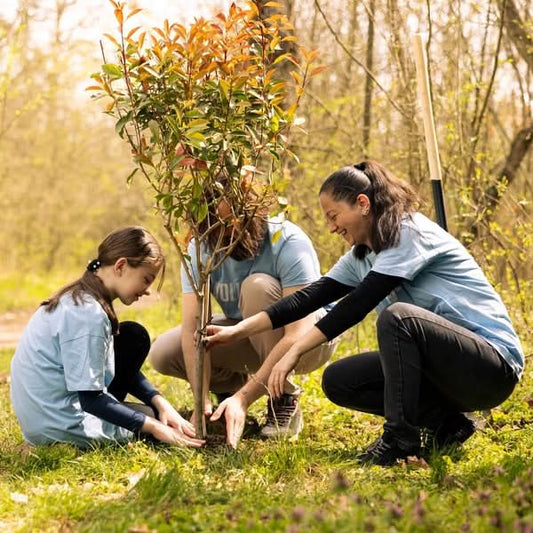
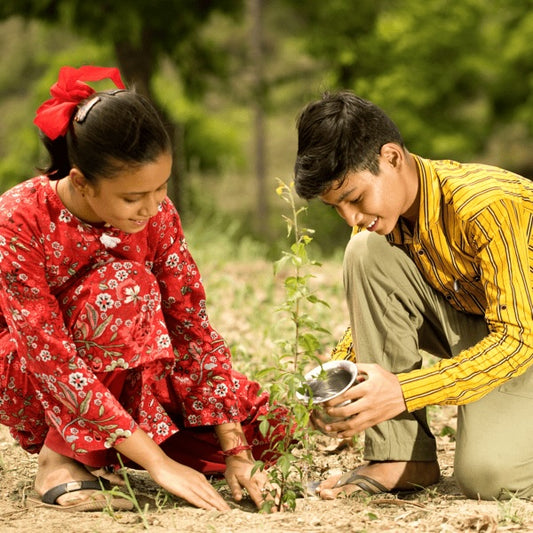
Dig a hole twice as wide as the root ball but only as deep. Place the tree ensuring the root ball's top sits level with the surrounding soil surface. Backfill with native soil, water thoroughly to eliminate air pockets, and apply a 3-inch layer of organic mulch around the base.
Essential Care and Maintenance Practices
Regular maintenance ensures your Persian Lilac Tree remains healthy, attractive, and productive throughout its lifespan. These proven care practices promote vigorous growth, abundant flowering, and disease resistance.
Fertilization Schedule
Apply balanced, slow-release fertilizer in early spring before new growth begins. Use a 10-10-10 NPK formula, following manufacturer recommendations for tree size. Avoid over-fertilization, which promotes excessive foliage growth at the expense of flower production.
Pruning Techniques
Prune during late winter or early spring before bud break. Remove dead, diseased, or crossing branches to improve air circulation. Shape the tree by selecting strong scaffold branches and removing competing leaders. Light pruning maintains natural form while promoting healthy structure.
Pest and Disease Management ⚠️
Persian Lilac Trees show good resistance to most pests and diseases. Monitor for aphids, scale insects, and occasional fungal issues during humid conditions. Treat problems promptly with organic solutions, maintaining the tree's health without harming beneficial insects.
Environmental Benefits and Impact 🌱
Planting Persian Lilac Trees contributes significantly to environmental restoration and climate action. The United Nations Sustainable Development Goals emphasize the critical role of trees in achieving global sustainability targets, making every planting decision an environmental investment.
These trees excel at carbon sequestration, absorbing CO2 from the atmosphere and storing it in their wood and root systems. A mature Persian Lilac Tree can sequester approximately 48 pounds of CO2 annually, contributing meaningfully to climate change mitigation efforts. The United Nations Environment Programme's forest initiatives highlight how individual tree plantings collectively create substantial environmental impact.
Ecosystem Services
- • Air purification through CO2 absorption and oxygen production
- • Habitat provision for birds, butterflies, and beneficial insects
- • Soil erosion prevention through extensive root systems
- • Urban heat island reduction through shade and transpiration
- • Stormwater management through canopy interception
Supporting Pollinators and Biodiversity ⭐
The Persian Lilac Tree's fragrant purple flowers serve as vital pollinator resources during spring blooming periods. Bees, butterflies, and other beneficial insects rely on these nectar sources, particularly important in urban environments where natural habitat may be limited.
Our research at Grow Billion Trees demonstrates that diverse tree species like the Persian Lilac create pollinator corridors essential for maintaining healthy ecosystems. When combined with our 4ft Tree Planting + 3 Years Care + GeoTag program, these trees receive the attention needed to establish robust pollinator habitats.
Companion Planting and Garden Design
Persian Lilac Trees work beautifully as specimen plants or integrated into mixed plantings. Consider pairing with native shrubs, perennials, and groundcovers that complement the tree's seasonal changes and support diverse wildlife needs.
Effective companion plants include spring bulbs that bloom before the tree leafs out, summer perennials that thrive in partial shade, and fall-flowering species that extend seasonal interest. This layered approach maximizes garden biodiversity while creating year-round visual appeal.
Seasonal Care Calendar 💡
Spring Tasks
Apply fertilizer, inspect for winter damage, begin regular watering schedule for young trees, and monitor for early pest activity. Spring represents the most critical period for establishing care routines that support healthy growth.
Summer Maintenance
Maintain consistent watering during dry periods, deadhead spent flowers if desired, and monitor for stress signs during extreme heat. Summer care focuses on supporting the tree through challenging weather conditions.
Fall Preparation
Reduce watering frequency, apply winter mulch, and complete any necessary pruning. Fall preparations help trees enter dormancy in optimal condition for winter survival.
Winter Protection
Protect young trees from harsh winds, monitor for ice damage, and plan next year's care schedule. Winter provides opportunities for garden planning and tree health assessment.
Frequently Asked Questions
How fast does a Persian Lilac Tree grow?
Persian Lilac Trees typically grow 2-3 feet annually under optimal conditions. Young trees may grow faster during their first five years, then settle into more moderate growth rates as they mature.
When do Persian Lilac Trees bloom?
These trees bloom in late spring to early summer, usually May through June depending on climate zone. The fragrant purple flower clusters last 2-3 weeks, creating spectacular seasonal displays.
Are Persian Lilac Trees drought tolerant?
Established Persian Lilac Trees demonstrate excellent drought tolerance once their root systems develop fully, typically after 2-3 years. However, consistent watering during establishment remains crucial for long-term success.
What pests commonly affect Persian Lilac Trees?
Aphids and scale insects represent the most common pest issues, though Persian Lilac Trees generally show good resistance. Regular monitoring and prompt treatment with organic solutions effectively manage most problems.
Can Persian Lilac Trees grow in containers?
Young Persian Lilac Trees can grow in large containers for several years, but their ultimate size makes them better suited for ground planting. Container growing works well for temporary situations or small spaces.
How much space do Persian Lilac Trees need?
Allow at least 25-30 feet between Persian Lilac Trees and other large plants or structures. Their mature size of 40 feet tall and 30 feet wide requires adequate spacing for proper development.
Do Persian Lilac Trees attract wildlife?
Yes, these trees attract numerous beneficial species including bees, butterflies, and birds. The flowers provide nectar sources while the tree structure offers nesting sites and shelter for various wildlife species.
What soil pH works best for Persian Lilac Trees?
Persian Lilac Trees prefer slightly acidic to neutral soil with pH between 6.0 and 7.5. They tolerate minor pH variations but perform best within this optimal range for nutrient availability.
When should I prune my Persian Lilac Tree?
Prune during late winter or early spring before new growth begins. This timing minimizes stress on the tree while allowing you to shape growth and remove any winter damage effectively.
Are Persian Lilac Trees invasive?
Persian Lilac Trees can self-seed readily in some regions, leading to invasive concerns in certain areas. Check with local extension services about regional recommendations before planting, and consider removing seed pods if invasiveness is a concern.
Contributing to Global Reforestation Efforts
Every Persian Lilac Tree planted contributes to larger environmental goals outlined by organizations working toward forest restoration and climate action. The United Nations climate change initiatives emphasize the critical importance of individual actions in achieving collective environmental impact.
At Grow Billion Trees, we've witnessed how individual tree plantings create ripple effects throughout communities. Our certified programs ensure that your Persian Lilac Tree receives professional care while contributing to India's ambitious reforestation goals. Through our GeoTag technology, you can track your tree's growth and impact over time.
Ready to add this stunning and fragrant beauty to your garden while supporting environmental restoration? Plant a tree in your Name with Grow Billion Trees and join thousands of environmentally conscious individuals working toward a greener future. Our comprehensive planting programs include everything needed for success: expert site selection, professional planting, three years of guaranteed care, and digital tracking through our innovative GeoTag system.
Visit Grow Billion Trees today to explore our Persian Lilac Tree planting options and discover how your garden can contribute to our mission of planting 100 crore trees across India. Together, we're creating a more sustainable world, one beautiful tree at a time.
You may also like
-
Gift a Tree - Meaningful Environmental Gifts That Make a Difference
Transform your gift-giving with meaningful environmental gifts that create lasting impact for...
-
Trees For Shiv Ji - Sacred Tree Planting to Honor Lord Shiva
Honor Lord Shiva through sacred tree planting with Trees For Shiv Ji,...
-

Tree Plantations for Shri Ram - Sacred Devotional Planting Services
Honor Lord Shri Ram through meaningful tree plantations for Shri Ram that...
-
Tree Plantation on Navratri - Celebrate Divine Festivals with Environmental Devotion
Tree plantation on Navratri transforms the sacred nine-day festival into a powerful...
-
Tree Plantation by Cause - Plant Trees for Every Purpose | Grow Billion Trees
Transform your environmental impact with purpose-driven tree plantation by cause programs that...
Corporate Plantations
-
Trees for Corporates - Achieve Net Zero Targets Through Strategic Tree Planting
Trees for Corporates - Strategic Environmental SolutionsTransform your corporate environmental impact with...
-
Tree Plantation for CSR - Corporate Environmental Programs | Grow Billion Trees
Tree Plantation for CSR - Transform Your Corporate Environmental ImpactTree plantation for...
-
Tree Plantation for SDG - Support Sustainable Development Goals
Tree plantation for SDG initiatives represents a powerful pathway to achieving multiple...
-

Corporate Tree Plantation Programs - Sustainable ESG Environmental Solutions for Net Zero Targets
Transform your organization's environmental impact with our comprehensive Corporate Tree Plantation Programs...
-
Tree Plantation by Location - Plant Trees Across India
Transform landscapes nationwide through our comprehensive tree plantation by location program. When...
Most Popular Tree Plantations - Top Choices for Environmental Impact
-
Trees for Mother
Regular price ₹ 299Regular priceUnit price per -
Trees to Honor the Memory of your Loved Ones
Regular price ₹ 299Regular priceUnit price per -
Trees for Wedding Anniversary Celebration
Regular price ₹ 299Regular priceUnit price per -
Trees for Grandmother
Regular price ₹ 299Regular priceUnit price per -
Trees for Grandfather
Regular price ₹ 299Regular priceUnit price per

Connect with us
-
👥 Corporates
If you are looking for:
- 🌲 Tree Plantation Events
- 📊 CSR Projects
📧 corporate@growbilliontrees.com
📞 +91 9699723523
💬 +91 9325931304 WhatsApp (Only)
🕒 Mon - Sat | 10am - 7pm IST
-
🧩 Tree Plantation NGOs
If you are looking for:
- 💰 Financial Assistance
- 🤝 Operational Support
📧 support@growbilliontrees.com
📞 +91 9699723523
💬 +91 9325931304 WhatsApp (Only)
🕒 Mon - Sat | 10am - 7pm IST
-
🌼 Individuals
If you are looking for:
- 👥 Group Tree Plantation Drive
- 🌳 Bulk Tree Plantation
📞 +91 9699723523
💬 +91 9325931304 WhatsApp (Only)
🕒 Mon - Sat | 10am - 7pm IST
