
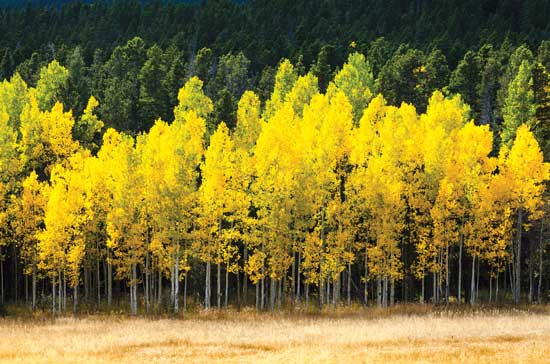
Poplar trees, belonging to the genus Populus, are among the fastest-growing trees in the world and have been a staple in landscapes for centuries. With their tall, slender trunks and vibrant foliage, they not only enhance the beauty of gardens and pa Read more
Trending Tree Plantations - Most Popular Environmental Programs
-
Trees for Mother
Regular price ₹ 299Regular priceUnit price per -
Trees to Honor the Memory of your Loved Ones
Regular price ₹ 299Regular priceUnit price per -
Trees for Women's Day (8th Mar)
Regular price ₹ 299Regular priceUnit price per -
Trees for Wedding Anniversary Celebration
Regular price ₹ 299Regular priceUnit price per -
Trees for Grandmother
Regular price ₹ 299Regular priceUnit price per



Trees for Corporates - Achieve Net Zero Targets Through Strategic Tree Planting
-
 Project Closed
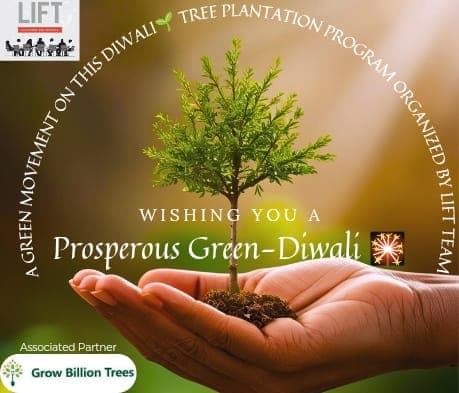
Trees by LIFT Team for Green Diwali: Transform Your Festival
Regular price ₹ 299Regular priceUnit price per -
Trees for a Greener Tomorrow - by Mahindra Lifespaces
Regular price ₹ 299Regular priceUnit price per -
Trees for Environment Day: Plant Your Impact on June 5th
Regular price ₹ 299Regular priceUnit price per -
 Project Closed
Trees for Bangalore: Plant Native Trees in Garden City ₹299
Regular price ₹ 799Regular priceUnit price per -
Trees for Employees: Transform Your Corporate Culture in 2026
Regular price ₹ 299Regular priceUnit price per

Poplar Tree: The Ultimate Guide to Benefits, Care, and Stunning Variet
Poplar trees, belonging to the genus Populus, are among the fastest-growing trees in the world and have been a staple in landscapes for centuries.
With their tall, slender trunks and vibrant foliage, they not only enhance the beauty of gardens and parks but also contribute significantly to the environment.
In this ultimate guide, we will explore the benefits, care, and stunning varieties of poplar trees, as well as their historical significance, environmental impact, and the initiatives by organizations like Grow Billion Trees Partners that promote sustainable forestry practices.
Benefits of Poplar Trees
Poplar trees offer a plethora of benefits that make them a popular choice for landscaping, urban planning, and environmental restoration:
- Fast Growth: Poplar trees can grow up to 5 to 8 feet per year, making them ideal for quick shade and privacy.
- Carbon Sequestration: These trees are efficient at absorbing carbon dioxide, helping to mitigate climate change. A mature poplar tree can absorb approximately 48 pounds of CO2 annually.
- Soil Improvement: Poplars have deep root systems that help prevent soil erosion and improve soil structure, benefiting surrounding plants.
- Wildlife Habitat: They provide habitat and food for various wildlife species, including birds and insects, enhancing biodiversity.
- Wood Products: Poplar wood is versatile and used in furniture, paper production, and even as a raw material for biofuels.
Stunning Varieties of Poplar Trees
Poplar trees come in various species, each with unique characteristics that can suit different landscape needs:
- Eastern Cottonwood (Populus deltoides): Known for its rapid growth and large, heart-shaped leaves, this tree can reach heights of over 100 feet. It's commonly found near rivers and wetlands.
- Black Poplar (Populus nigra): This species is notable for its dark bark and tall stature. It thrives in moist conditions and is often used in urban settings.
- White Poplar (Populus alba): Recognizable by its white, fuzzy underside of leaves, this tree is often used for ornamental purposes in gardens and parks.
- Balsam Poplar (Populus balsamifera): Known for its fragrant buds, this tree is often found in northern regions and is valuable for its medicinal properties.
- Hybrid Poplar (Populus deltoides x Populus nigra): These hybrids are bred for their rapid growth and are commonly used for timber and biomass production.
Care and Maintenance of Poplar Trees
Caring for poplar trees is relatively straightforward, but understanding their specific needs can ensure healthy growth and longevity:
Planting
Choose a location with well-draining soil and full sun exposure. Poplars prefer slightly acidic to neutral pH levels. Dig a hole that is twice the width of the root ball and just as deep. Place the tree in the hole, backfill with soil, and water thoroughly.
Watering
Poplars require consistent moisture, especially during their first few years. Water deeply once a week during dry spells to encourage deep root growth.
Fertilizing
Apply a balanced fertilizer in early spring to promote healthy growth. Avoid over-fertilizing, as this can lead to weak wood and increased susceptibility to pests.
Pruning
Prune poplar trees during late winter or early spring to remove dead or diseased branches and to shape the tree. Regular pruning helps maintain a strong structure and encourages better airflow.
Pest and Disease Management
While poplar trees are generally hardy, they can be susceptible to pests like aphids and diseases such as cankers. Regular inspections and maintaining tree health through proper care can minimize these risks. If infestations occur, consider using insecticidal soap or consulting a professional arborist.
Historical Significance of Poplar Trees
Poplar trees have a rich history, woven into the fabric of human culture and industry. Ancient civilizations, including the Egyptians and Greeks, valued poplar wood for its strength and versatility.
In fact, the ancient Egyptians used poplar wood to construct boats and furniture. The tree's significance continued through the ages, with its wood becoming a favored material for artists and craftsmen during the Renaissance.
In North America, poplar trees played a crucial role in the timber industry, especially in the 19th century. They were used extensively in the construction of homes, furniture, and even musical instruments. Today, poplar wood is still sought after for its lightweight and workable nature, making it a staple in the woodworking industry.
Environmental Impact of Poplar Trees
Poplar trees are not just beautiful; they are vital to the environment:
- Air Quality Improvement: Through photosynthesis, poplars absorb pollutants and release oxygen, significantly improving air quality.
- Water Conservation: Their extensive root systems help in water retention, reducing runoff and promoting groundwater recharge.
- Urban Heat Reduction: In urban areas, poplar trees provide shade, helping to lower temperatures and reduce the urban heat island effect.
- Habitat Restoration: Poplars are often used in reforestation projects due to their rapid growth and ability to thrive in disturbed soils.
Grow Billion Trees Partners: Promoting Sustainable Forestry
Organizations like Grow Billion Trees Partners are at the forefront of reforestation and sustainable forestry initiatives. Their mission is to plant billions of trees worldwide, including various poplar species, to combat climate change and promote biodiversity.
Grow Billion Trees Partners executes its projects through a multi-faceted approach:
- Community Engagement: They work closely with local communities to educate and involve them in tree planting initiatives, ensuring the sustainability of the projects.
- Research and Development: By collaborating with scientists and environmentalists, they focus on selecting the right tree species for different ecosystems, including poplar trees for their fast growth and adaptability.
- Monitoring and Evaluation: After planting, they monitor the growth and health of the trees, ensuring they thrive and contribute positively to the environment.
- Advocacy: The organization advocates for policies that support reforestation and sustainable land management practices, influencing local and national governments.
Through these efforts, Grow Billion Trees Partners not only enhances the environment but also helps restore ecosystems, improve air quality, and support local economies. Their commitment to planting poplar trees, among other species, is a testament to the tree's significance in sustainable forestry practices.
Fun Facts About Poplar Trees
Here are some fun facts that highlight the uniqueness of poplar trees:
- Poplar trees are known for their characteristic rustling leaves, which make a soothing sound in the wind, often referred to as the "whispering" of poplars.
- The wood of the poplar tree is often used in making paper, with the pulp being processed into various paper products.
- Poplar trees have been used in traditional medicine for their anti-inflammatory properties, particularly the buds and bark.
- In some cultures, poplar trees are considered symbols of strength and resilience, often planted in cemeteries to honor the deceased.
- Poplar trees can live for 30 to 50 years, but some species have been known to live over 100 years under ideal conditions.
Conclusion
Poplar trees are not only stunning additions to any landscape but also play a crucial role in promoting environmental health and sustainability.
Their rapid growth, adaptability, and numerous benefits make them an excellent choice for homeowners, landscapers, and environmentalists alike. By understanding their care needs and the importance of reforestation initiatives like those from Grow Billion Trees Partners, we can all contribute to a greener, healthier planet.
Whether you’re looking to plant a single tree in your yard or become involved in larger reforestation efforts, consider the poplar tree as a valuable ally in the quest for environmental sustainability. Together, we can ensure that these magnificent trees continue to thrive for generations to come.
You may also like
-
Gift a Tree - Meaningful Environmental Gifts That Make a Difference
Transform your gift-giving with meaningful environmental gifts that create lasting impact for...
-
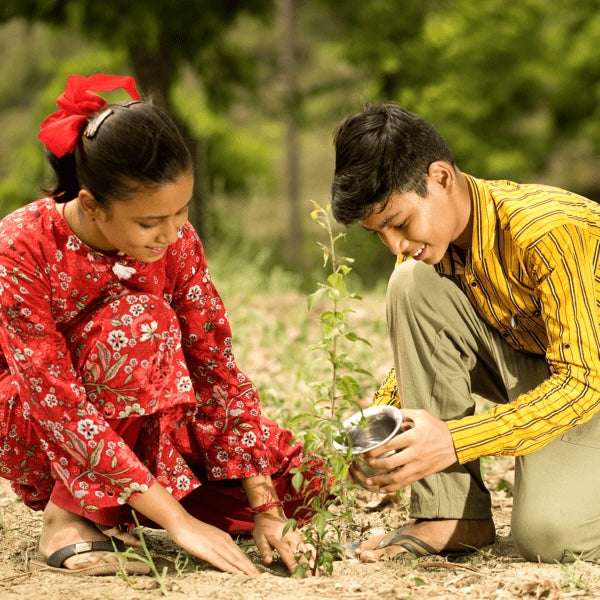
Trees For Shiv Ji - Sacred Tree Planting to Honor Lord Shiva
Honor Lord Shiva through sacred tree planting with Trees For Shiv Ji,...
-

Tree Plantations for Shri Ram - Sacred Devotional Planting Services
Honor Lord Shri Ram through meaningful tree plantations for Shri Ram that...
-
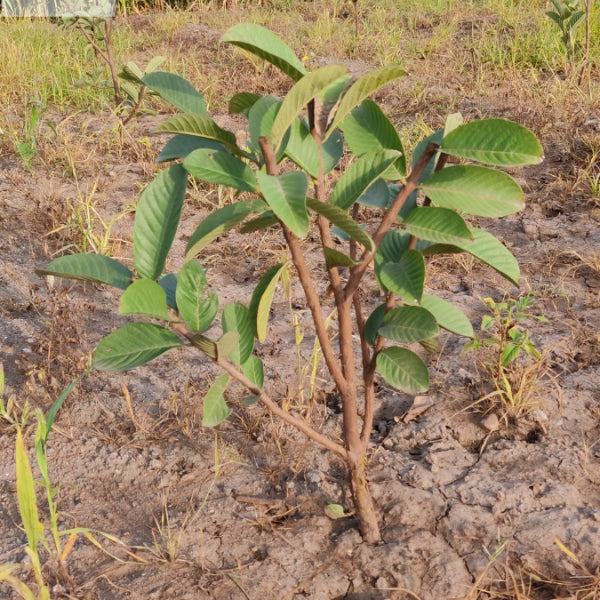
Tree Plantation on Navratri - Celebrate Divine Festivals with Environmental Devotion
Tree plantation on Navratri transforms the sacred nine-day festival into a powerful...
-
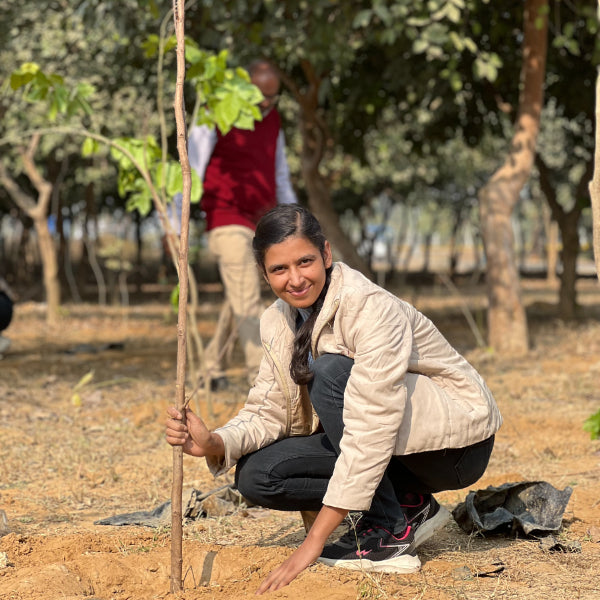
Tree Plantation by Cause - Plant Trees for Every Purpose | Grow Billion Trees
Transform your environmental impact with purpose-driven tree plantation by cause programs that...
Corporate Plantations
-
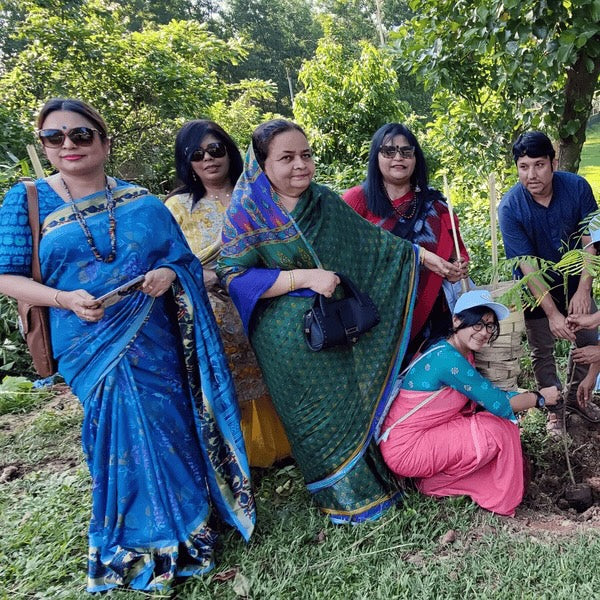
Trees for Corporates - Achieve Net Zero Targets Through Strategic Tree Planting
Trees for Corporates - Strategic Environmental SolutionsTransform your corporate environmental impact with...
-
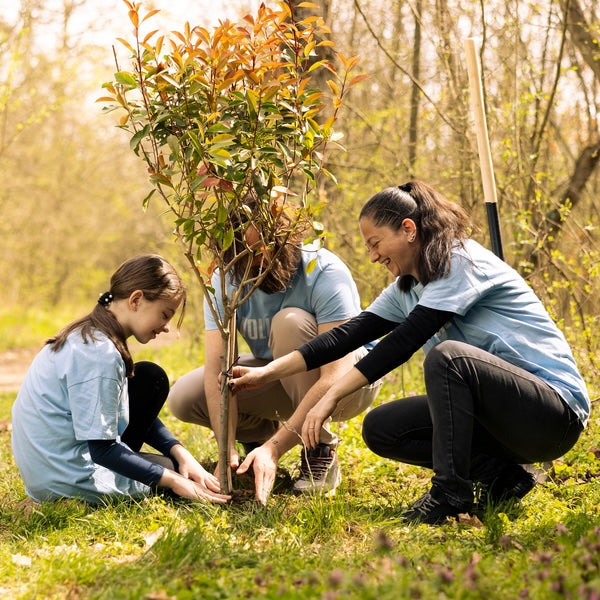
Tree Plantation for CSR - Corporate Environmental Programs | Grow Billion Trees
Tree Plantation for CSR - Transform Your Corporate Environmental ImpactTree plantation for...
-
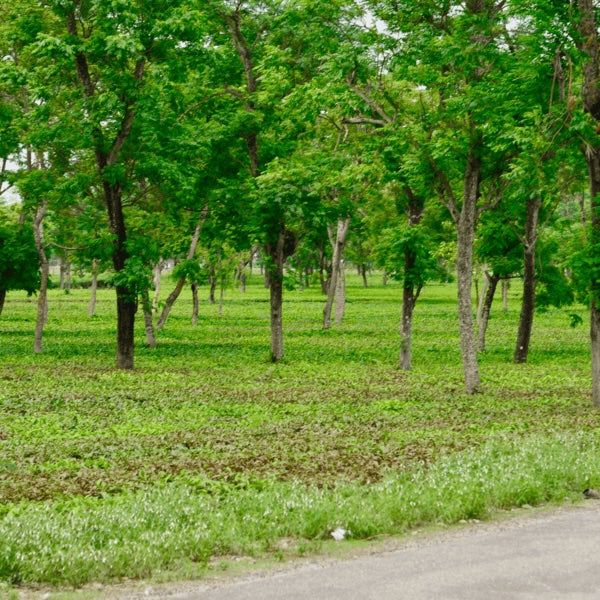
Tree Plantation for SDG - Support Sustainable Development Goals
Tree plantation for SDG initiatives represents a powerful pathway to achieving multiple...
-
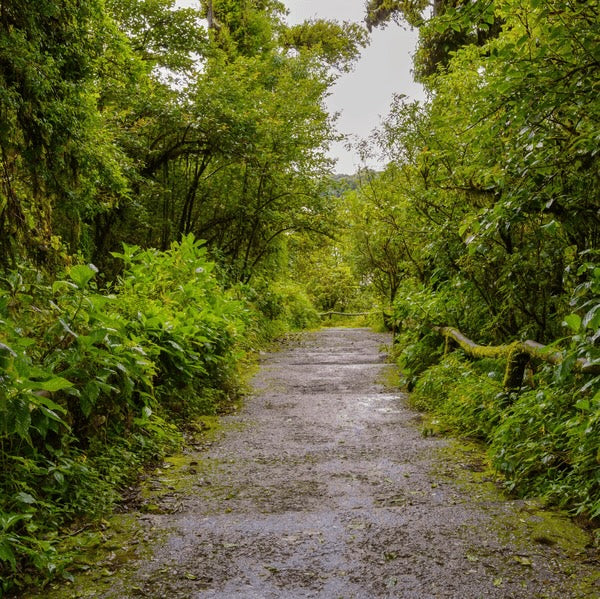
Corporate Tree Plantation Programs - Sustainable ESG Environmental Solutions for Net Zero Targets
Transform your organization's environmental impact with our comprehensive Corporate Tree Plantation Programs...
-
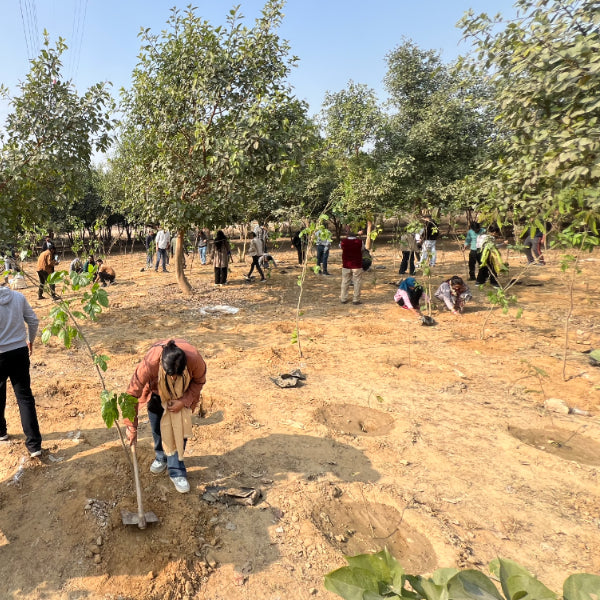
Tree Plantation by Location - Plant Trees Across India
Transform landscapes nationwide through our comprehensive tree plantation by location program. When...
Most Popular Tree Plantations - Top Choices for Environmental Impact
-
Trees for Mother
Regular price ₹ 299Regular priceUnit price per -
Trees to Honor the Memory of your Loved Ones
Regular price ₹ 299Regular priceUnit price per -
Trees for Wedding Anniversary Celebration
Regular price ₹ 299Regular priceUnit price per -
Trees for Grandmother
Regular price ₹ 299Regular priceUnit price per -
Trees for Grandfather
Regular price ₹ 299Regular priceUnit price per

Connect with us
-
👥 Corporates
If you are looking for:
- 🌲 Tree Plantation Events
- 📊 CSR Projects
📧 corporate@growbilliontrees.com
📞 +91 9699723523
💬 +91 9325931304 WhatsApp (Only)
🕒 Mon - Sat | 10am - 7pm IST
-
🧩 Tree Plantation NGOs
If you are looking for:
- 💰 Financial Assistance
- 🤝 Operational Support
📧 support@growbilliontrees.com
📞 +91 9699723523
💬 +91 9325931304 WhatsApp (Only)
🕒 Mon - Sat | 10am - 7pm IST
-
🌼 Individuals
If you are looking for:
- 👥 Group Tree Plantation Drive
- 🌳 Bulk Tree Plantation
📞 +91 9699723523
💬 +91 9325931304 WhatsApp (Only)
🕒 Mon - Sat | 10am - 7pm IST
